Here's the thing about 2025: style and sustainability aren't competing anymore—they're partners. Homeowners and businesses alike are asking, "What's this material doing for the planet?" And manufacturers are listening, creating options that look good
and
do good.
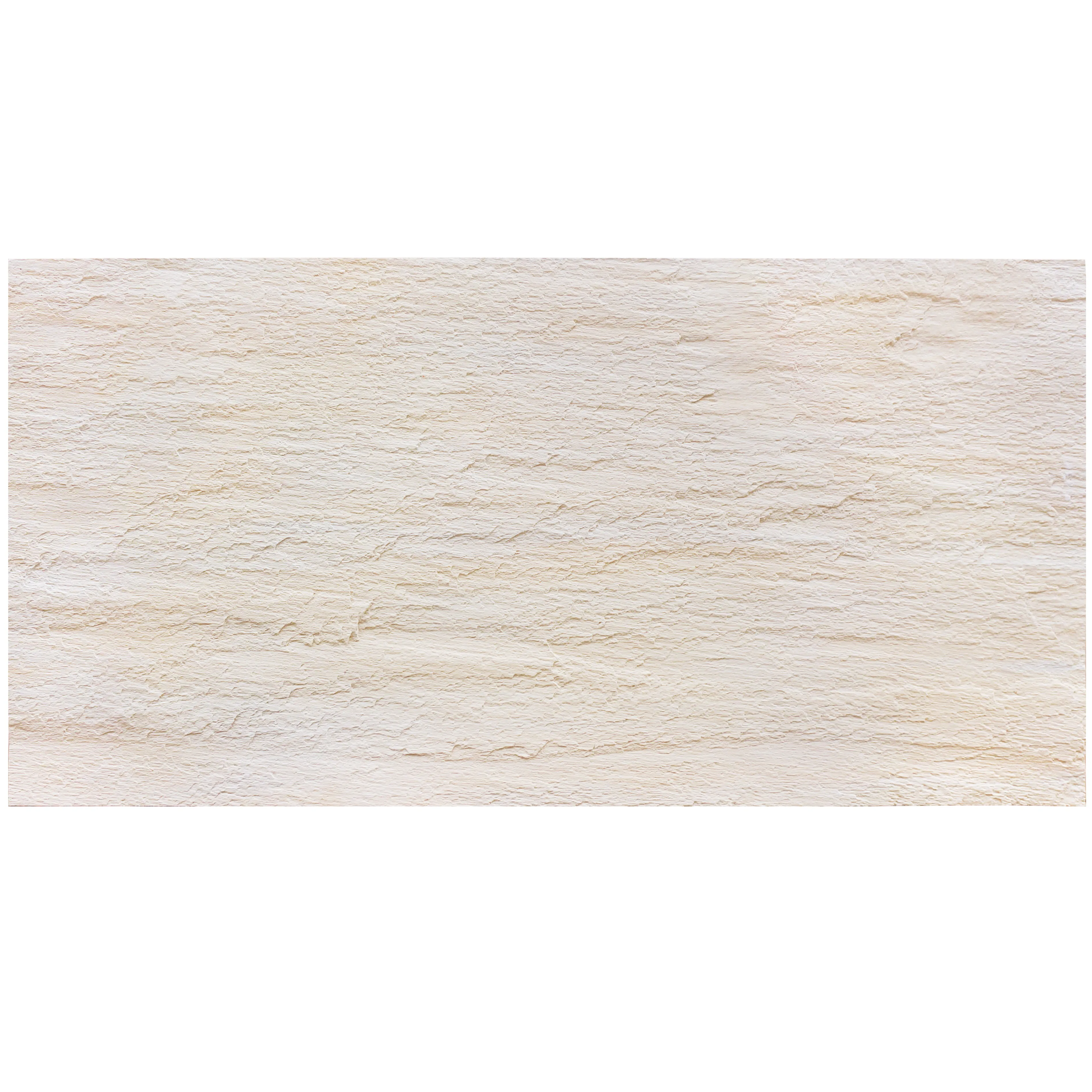
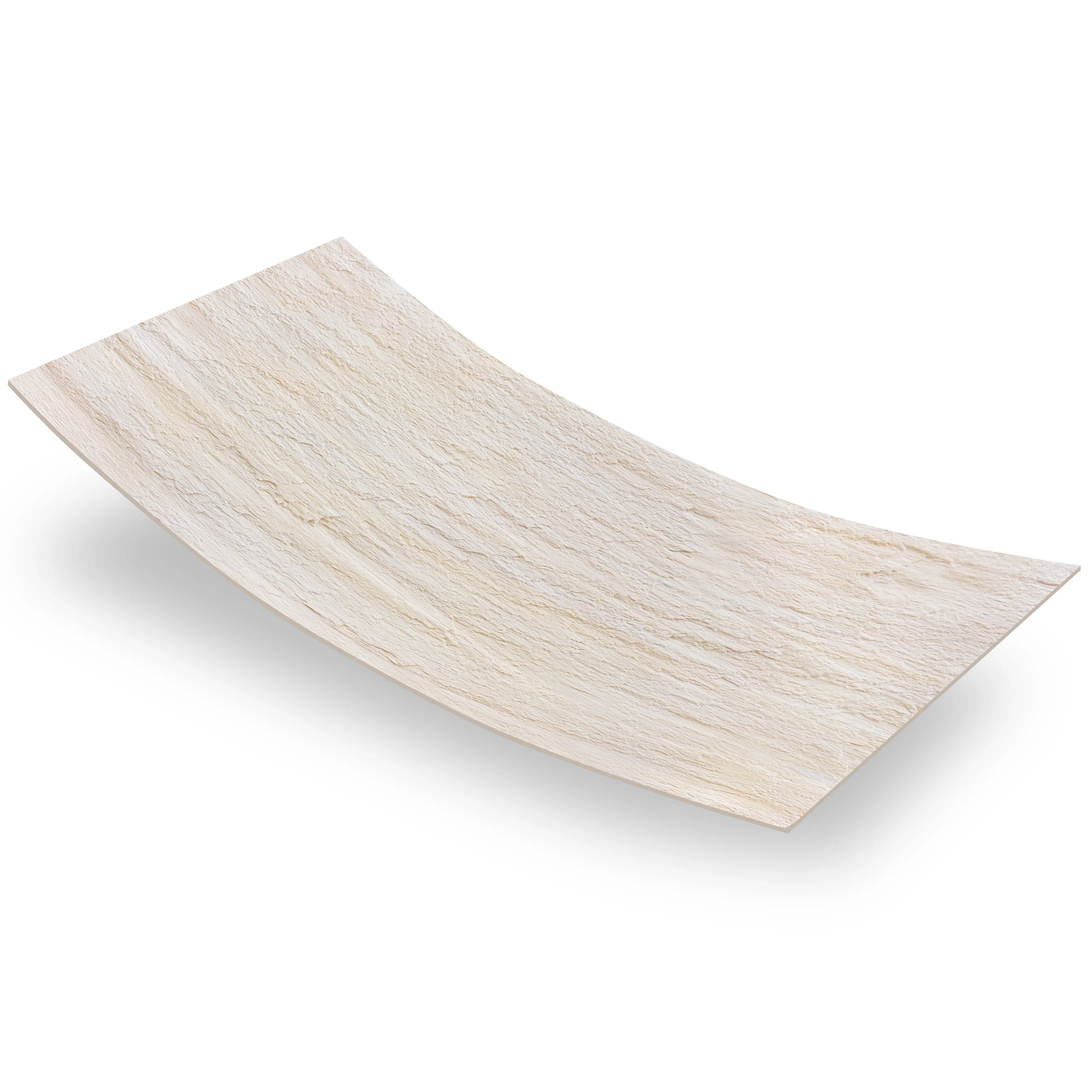
MCM flexible stone is a sustainability standout. Because it's thin and lightweight, it uses less raw material than traditional stone, reducing mining impact. It's also easy to install, which cuts down on construction waste. Plus, many MCM products are made with recycled materials, like crushed stone dust and reclaimed polymers. "We had a client in Seattle who wanted their home to be net-zero," says builder Jake Thompson. "We used MCM flexible stone for the exterior, and it reduced the overall weight of the house, which meant we could use smaller, more energy-efficient foundation materials. It's a small change, but it adds up."
Foamed aluminium alloy boards (vintage silver, gold, or metal) are another eco-friendly option. Aluminium is 100% recyclable, and the foaming process makes the boards lightweight, so they require less energy to transport and install. Some manufacturers are even using solar-powered factories to produce them, further reducing their carbon footprint. "I love using vintage silver foamed aluminium on commercial projects," says architect Lina Hassan. "It has this cool, retro-industrial look, and clients love that it's recyclable. It's a win-win—we get the aesthetic we want, and we're not harming the planet."
Then there's the rise of "local sourcing." More designers are choosing materials mined or made within 500 miles of the building site, cutting down on transportation emissions. For example, a home in Vermont might use locally quarried slate veil white, while a home in Arizona might opt for desert-sourced oasis stone. "It's not just about being green—it's about telling a story," says sustainability consultant Mia Wong. "A home clad in local stone feels connected to its landscape. It's like the house belongs there, and that's a powerful feeling."
Sustainable design in 2025 isn't a trend—it's a baseline. Clients don't ask, "Can we make this eco-friendly?" They ask, "How eco-friendly is this?" And that shift is changing everything. We're seeing materials that are beautiful, durable,
and
responsible—and that's the future of architecture.