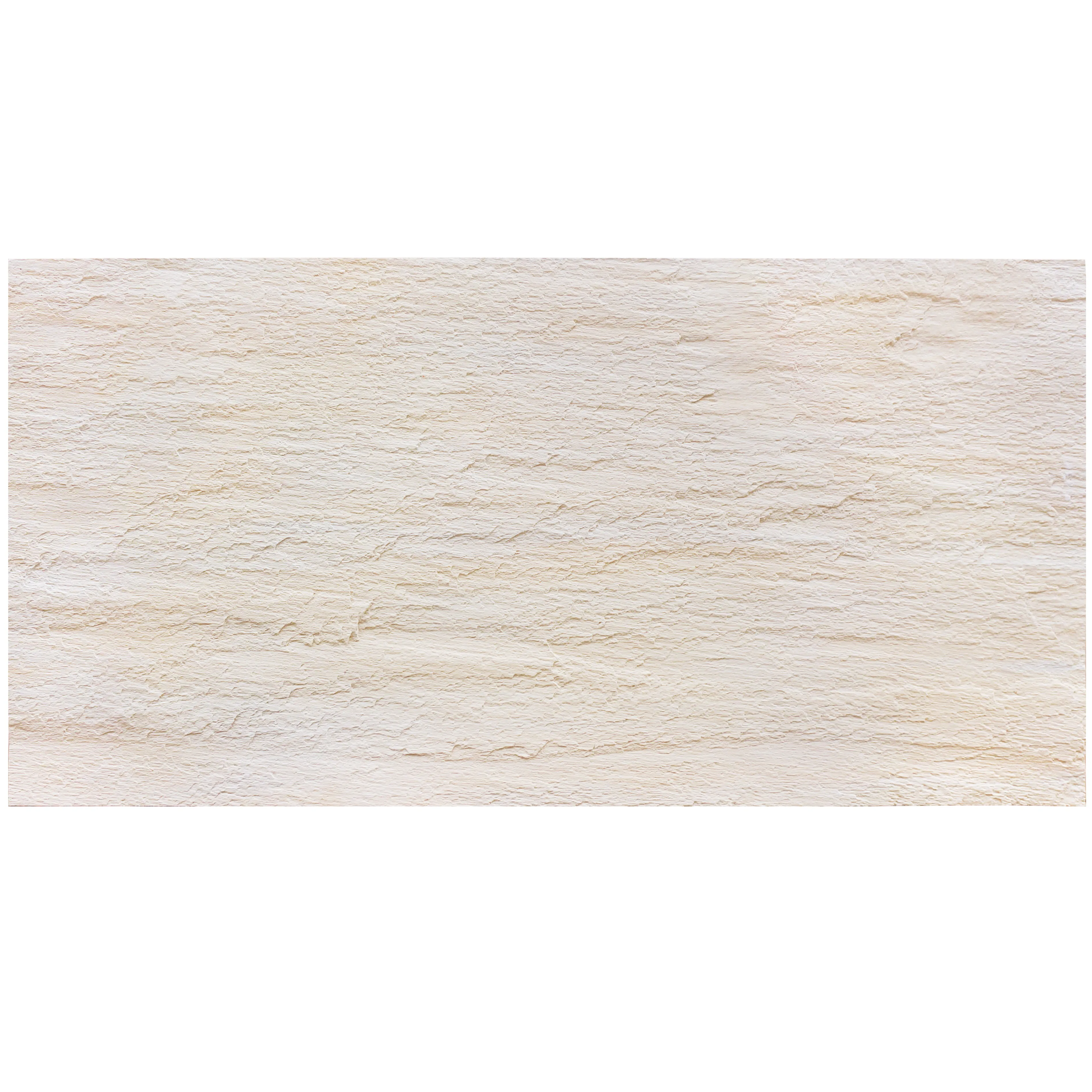
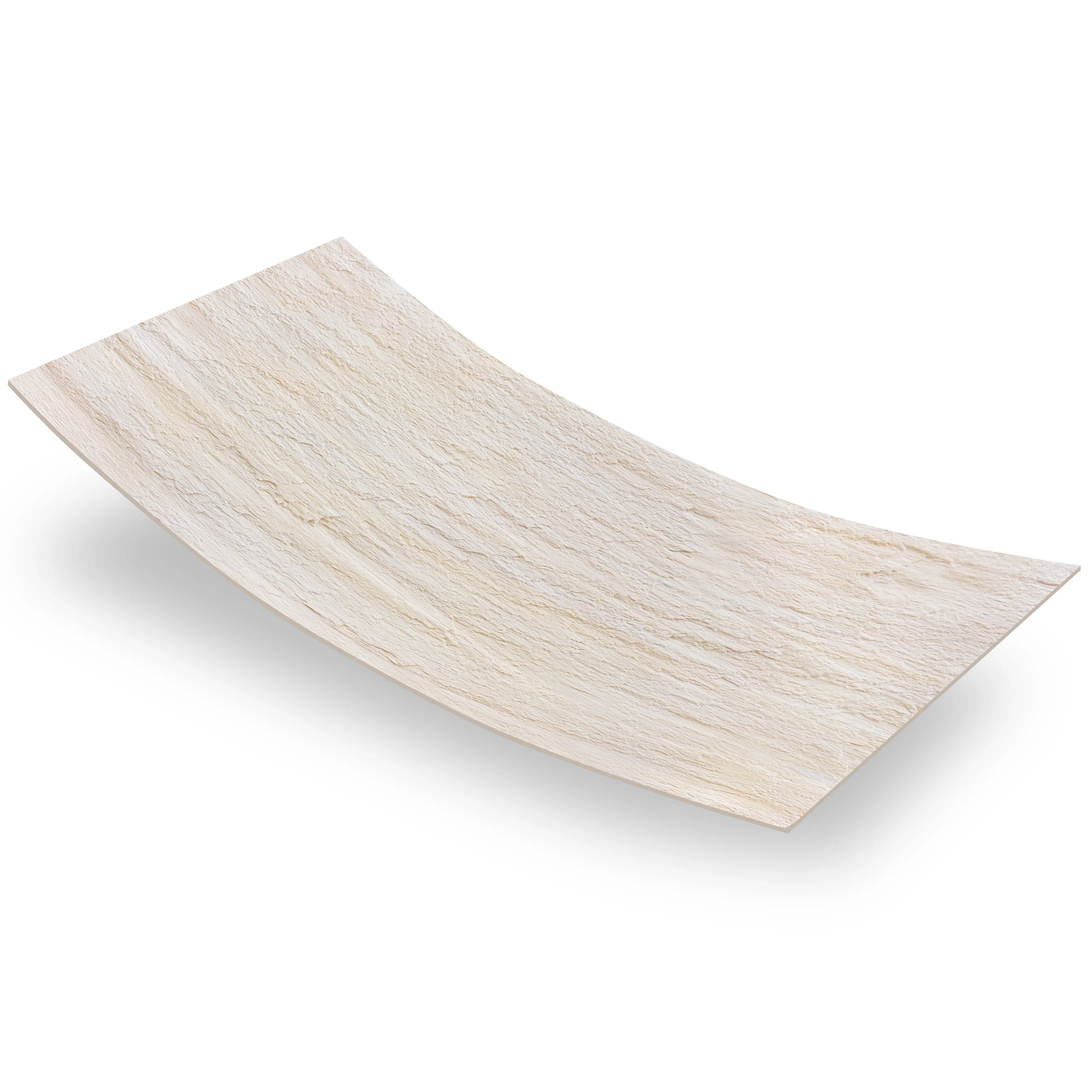
For decades, builders reached for familiar options: thick layers of
fair-faced concrete, rigid panels, or even basic stone veneers. These materials do the job of covering walls, but when it comes to keeping energy in (and the elements out), they often miss the mark.
Fair-faced concrete, for example, is tough and industrial-chic, but its dense composition acts like a thermal bridge—sucking heat out of your home in winter and letting scorching summer heat seep in. Then there are materials like early versions of
MCM flexible stone, which offered flexibility but sometimes sacrificed insulation for thinness. The result? Homes that feel like they're fighting the weather instead of working with it, and utility bills that climb higher with each season. Even beautiful options like
travertine (starry green) or
lunar peak silvery, with their eye-catching textures, often require additional insulation layers to perform—adding time, cost, and complexity to projects.