
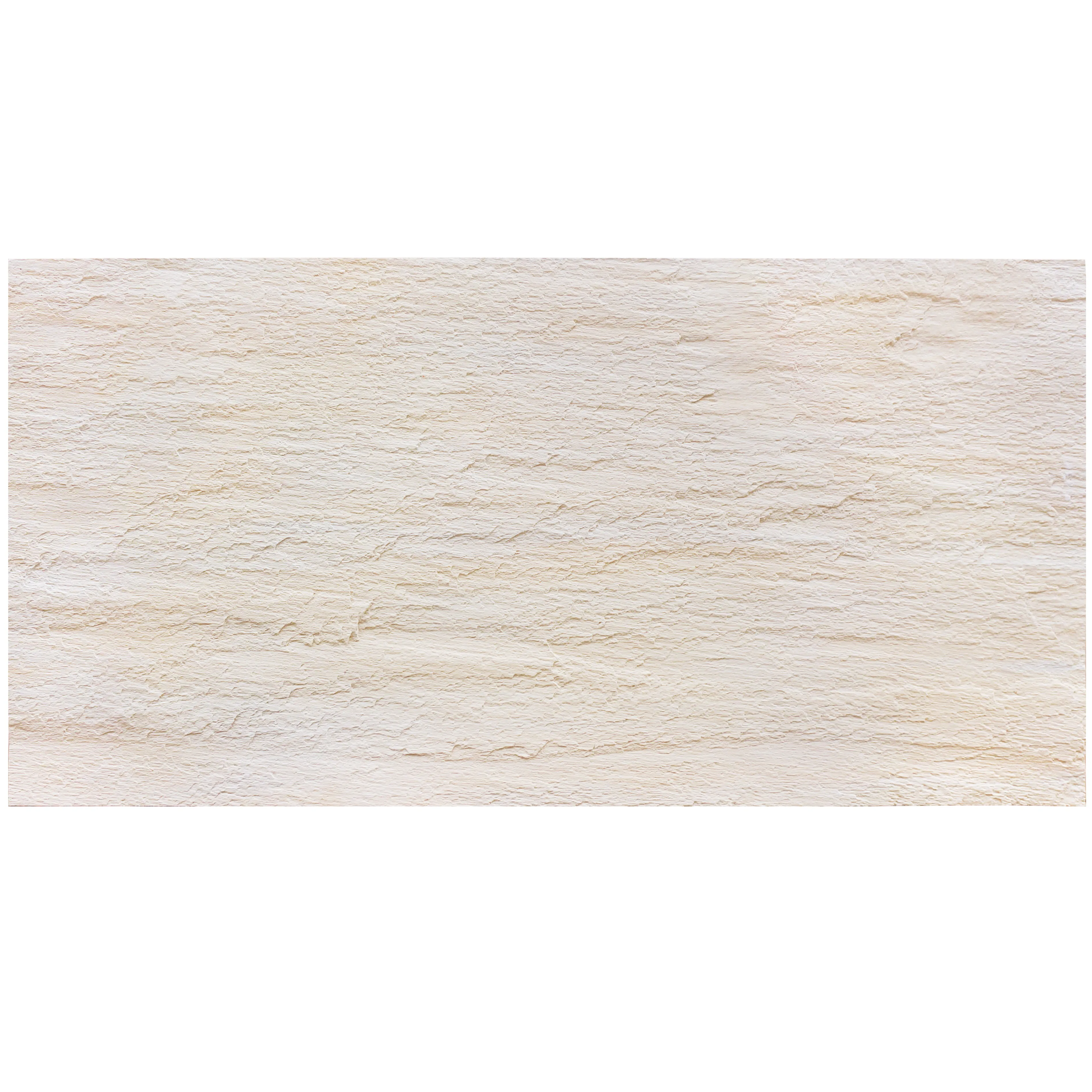
How MCM's innovative flexible stone is turning architectural dreams into reality—one curve at a time.
Let me take you back to a conversation I had with a designer friend last year. She was working on a coastal home project—something straight out of a design magazine, with sweeping, organic curves meant to echo the nearby ocean waves. The problem? The client had fallen in love with natural stone cladding, but traditional slabs were throwing a wrench in the plans. "They're too heavy," she sighed, flipping through photos of cracked travertine samples. "Too rigid. That curved east wall? A traditional stone slab would snap like a dry twig trying to follow that arc."
Sound familiar? For decades, architects and designers have danced around a frustrating truth: natural stone is stunning, but it's not exactly… cooperative. Heavy, brittle, and unforgiving of complex shapes, it's often the reason "visionary" blueprints get watered down into boxy, safe structures. But what if stone didn't have to be that way? What if it could bend, flex, and flow—without losing an ounce of its natural beauty?
Enter MCM's Oasis Stone Foge Flexible Stone Series—a game-changer that's making "impossible" facades possible, one flexible panel at a time.
If you're new to the term, MCM stands for Modified Composite Material—a cutting-edge blend of natural stone aggregates, recycled polymers, and reinforcing fibers that's been engineered to be both lightweight and incredibly durable. Unlike traditional stone, which is quarried in heavy, rigid slabs, MCM flexible stone is manufactured in thin, bendable panels that mimic the look and feel of natural stone but behave more like a high-performance fabric.
Think of it this way: traditional stone is like a thick, stiff book—great for flat surfaces, but try rolling it up, and it'll crack. MCM flexible stone is like a paperback—still has the heft and texture you love, but you can bend it, curve it, even wrap it around corners without a single fracture. And Oasis Stone Foge? It's MCM's love letter to the desert's quiet grandeur—crafted to look like weathered desert stone, with all the flexibility modern design demands.
But don't just take my word for it. Let's dive into what makes Oasis Stone Foge so special—and why it's quickly becoming the go-to for designers who refuse to compromise.
MCM's design team didn't just "create" Oasis Stone Foge—they studied the desert. They spent months in Morocco, Arizona, and the Gobi, photographing sand dunes at dawn, examining how wind carves patterns into rock, and noting how light plays off matte, sun-baked surfaces. The goal? To capture that raw, earthy texture—the kind that makes you want to reach out and touch a wall, to feel the story of time in its grooves—without the logistical nightmare of transporting actual desert stone.
"We wanted something that felt alive," one product developer told me. "Not just a stone lookalike , but a material that had the soul of the desert. Something that would age gracefully, that would interact with light and shadow the way natural stone does. And oh yeah—we wanted it to bend. Because why should beauty be confined to straight lines?"
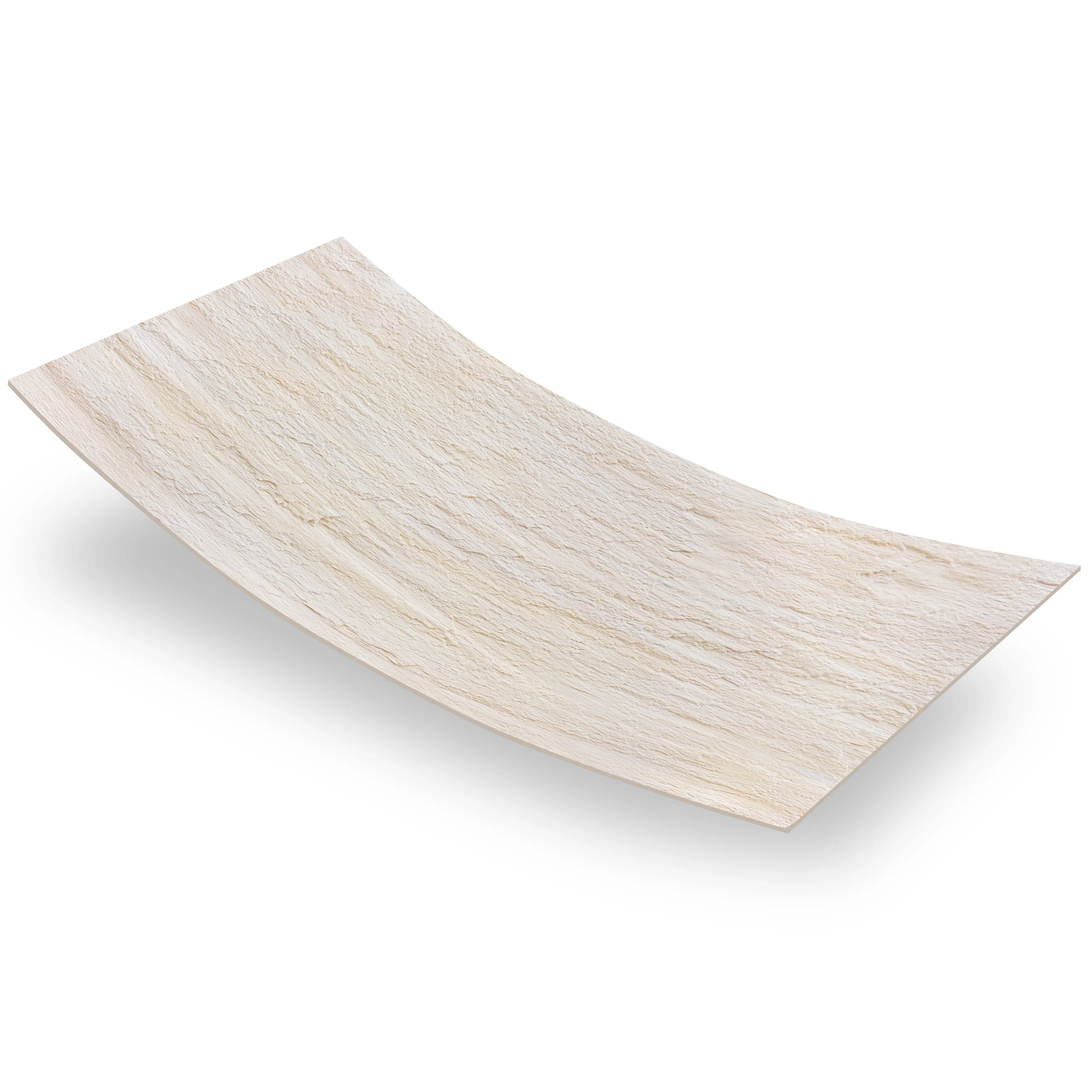
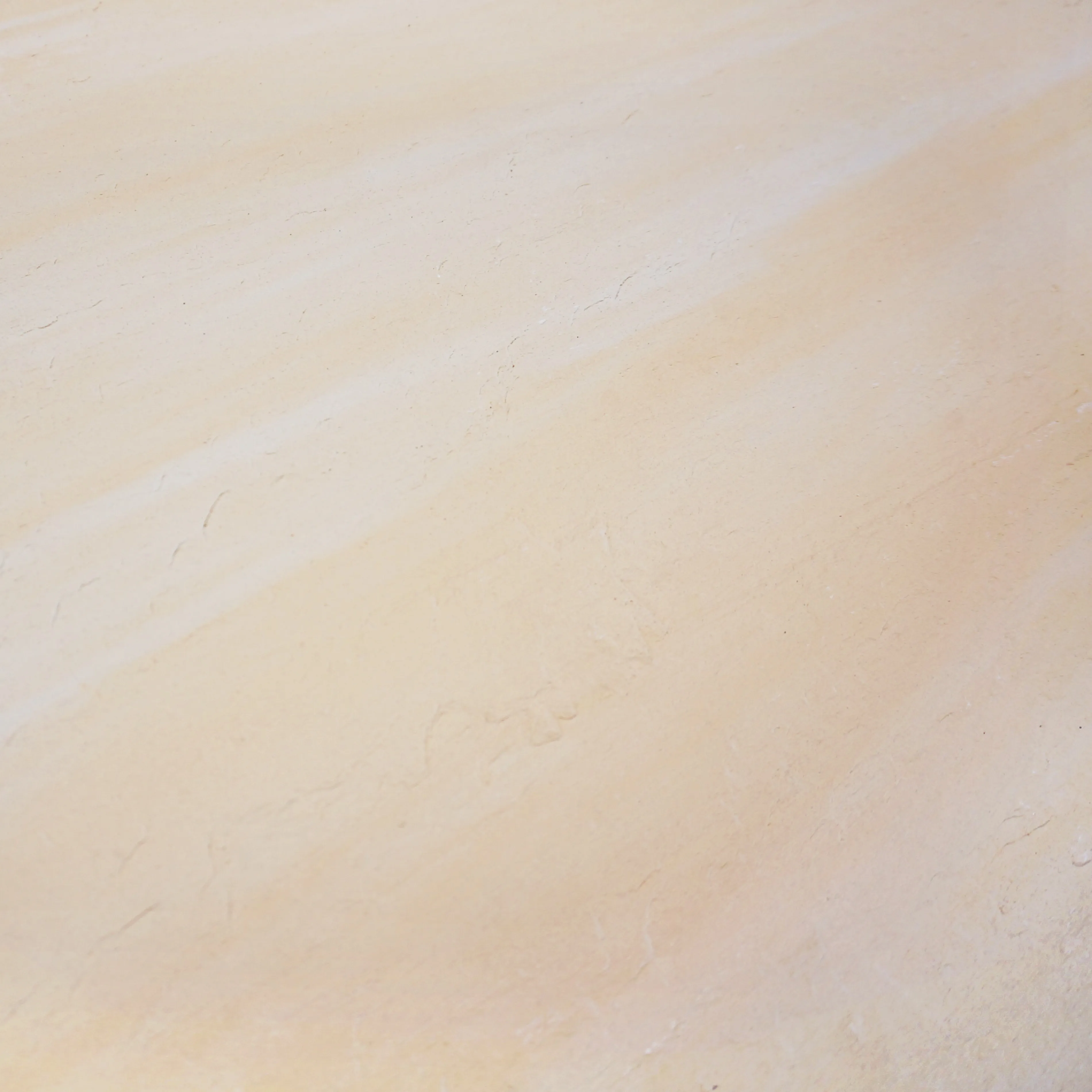
The result? Oasis Stone Foge. Its surface is a masterclass in texture: soft, pebbled, with subtle undulations that mimic wind-worn desert rock. The color? A warm, muted beige with hints of taupe and sand, like sunlight hitting a dune at midday. Run your hand over it, and you'll swear it's real stone—until you pick up a panel and realize it weighs half what a traditional slab does, and bends in your hands like a thick piece of cardboard.
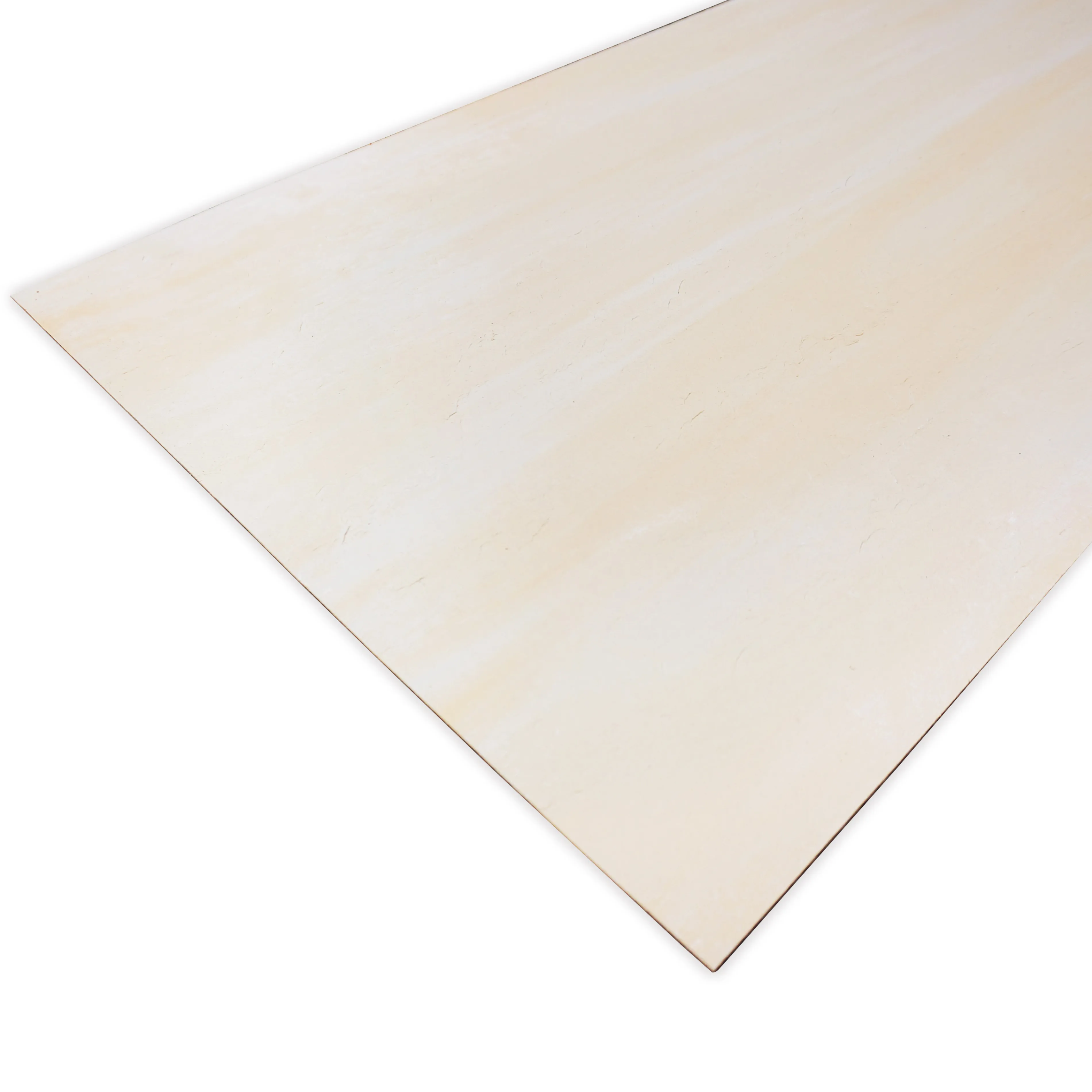
Oasis Stone Foge isn't just flexible—it's thoughtfully designed . Let's break down why it's winning over designers and clients alike:
This is the star of the show. Oasis Stone Foge panels can flex up to 90 degrees without cracking—perfect for curved facades, circular columns, or even spiral staircases. One architect used it to clad a museum's dome-shaped entrance, and the result? A seamless, flowing surface that looks like it was carved from a single piece of stone (spoiler: it was 24 lightweight panels, installed in a fraction of the time).
Traditional stone slabs can weigh 50-80 kg per square meter. Oasis Stone Foge? Just 8-12 kg/m². That means less stress on your building's foundation, easier transportation (no need for cranes for small projects), and faster installation. A crew of two can install 100 m² in a day—try that with marble slabs.
Unlike smooth, uniform synthetic cladding, Oasis Stone Foge has depth. Its surface is dotted with tiny pits and ridges, just like natural desert stone, which catch and scatter light throughout the day. At sunrise, it glows warm and golden; at dusk, it softens into a cozy, earthy hue. It's not just a wall—it's a mood ring for your building.
Rain, snow, UV rays, salt spray—Oasis Stone Foge laughs at them all. Its modified composite core resists fading, warping, and water damage, making it ideal for coastal homes, snowy mountain retreats, or busy urban buildings. One hotel in Dubai, clad in Oasis Stone Foge, has withstood 45°C summers and sandstorms for five years, and it still looks brand new.
Still on the fence? Let's put Oasis Stone Foge head-to-head with two common alternatives: MCM's own Big Slab Board Series (a favorite for large, flat surfaces) and classic travertine (starry blue)—a popular natural stone with a similar aesthetic.
| Feature | Oasis Stone Foge | MCM Big Slab Board Series | Travertine (Starry Blue) |
|---|---|---|---|
| Flexibility | High (bends up to 90°) | Low (rigid, best for flat surfaces) | Very Low (brittle, prone to cracking) |
| Weight (kg/m²) | 8-12 | 18-22 | 45-55 |
| Best For | Curved facades, organic shapes, tight spaces | Large, flat surfaces (walls, floors) | Small, flat accents (fireplaces, backsplashes) |
| Installation Time | Fast (2-3 people install 100m²/day) | Moderate (needs more labor for alignment) | Slow (requires precision cutting, heavy lifting) |
| Weather Resistance | Excellent (UV, water, salt-resistant) | Excellent | Good (but porous, needs sealing) |
*Data based on MCM product specifications and industry standards.
The beauty of Oasis Stone Foge is its versatility. It's not just for exteriors—though it shines there. Here are a few ways designers are using it to transform spaces:
Coastal homes with curved walls, mountain retreats with organic silhouettes, or even urban townhouses looking to add texture without the weight. One homeowner in California used it to clad their pool house, which has a domed roof—no cracks, no leaks, just a seamless, desert-inspired oasis.
Boutique hotels, cafes, and retail stores are loving its ability to create statement walls. A coffee shop in Portland wrapped their counter in Oasis Stone Foge, curving it around the bar for a cozy, inviting look. "It feels like you're sitting in a desert oasis," the owner told me. "Customers keep touching the walls—they can't believe it's not real stone."
Libraries, community centers, and museums are using it to add warmth to modern designs. A children's museum in Texas used Oasis Stone Foge to create a "cave" exhibit—complete with winding, curved walls that kids can run their hands along. "It's durable enough to handle tiny hands, and the texture sparks their curiosity," the curator said.
These days, "sustainable" isn't just a buzzword—it's a requirement. And Oasis Stone Foge delivers here, too. MCM's manufacturing process uses up to 70% recycled materials, including post-consumer plastic and stone waste from quarries that would otherwise end up in landfills. That means less mining, less energy, and less waste—without sacrificing quality.
"We wanted to create a material that designers could feel good about specifying," the product developer explained. "Traditional stone quarrying is hard on the planet—you're removing entire chunks of earth, disrupting ecosystems. With MCM, we're giving new life to materials that already exist. It's design with a conscience."
And let's not forget transportation: since Oasis Stone Foge panels are lightweight and flexible, they're easier to ship, reducing carbon emissions. A truckload of Oasis Stone Foge can cover twice the area of a truckload of traditional stone—meaning fewer trips, less fuel, and a smaller carbon footprint.
I asked a handful of architects and interior designers what they loved most about Oasis Stone Foge, and the answers were unanimous: freedom .
"It's like giving a painter a new brush," one architect said. "Suddenly, all these ideas I had—curved facades, spiral staircases with stone cladding, even furniture—are possible. I don't have to water down my designs anymore because of material limitations."
Another designer raved about the installation process: "Traditional stone requires specialized labor, heavy equipment, and weeks of work. With Oasis Stone Foge, my crew can install a whole exterior wall in a day. It's a game-changer for tight deadlines."
And clients? They love the cost savings. Because Oasis Stone Foge is lighter, it reduces structural reinforcement needs. It's faster to install, cutting labor costs. And it lasts longer, with minimal maintenance. "I had a client who was hesitant about the price at first," a designer told me. "Then I showed them the total project cost compared to traditional stone—they signed off immediately."
Oasis Stone Foge isn't just a building material—it's a revolution. It's proof that beauty and functionality don't have to be enemies, that natural texture and flexibility can coexist, and that design shouldn't be limited by what's "always been done."
So, to all the designers out there staring at blueprints with curved lines, organic shapes, and "impossible" dreams: this one's for you. Oasis Stone Foge is here to bend the rules—so you can stop compromising, and start creating.
After all, the best designs aren't straight lines. They're the ones that flow.
Recommend Products












