
Walk into any healthcare facility, and you'll quickly notice that every detail matters. From the layout of the waiting room to the color of the walls, every choice is designed to support healing, safety, and efficiency. But there's one element that often flies under the radar, yet plays a critical role in both patient experience and operational success: the materials used on surfaces. Floors, walls, countertops—these aren't just design afterthoughts. They're frontline warriors in the battle against germs, daily wear and tear, and the constant need to maintain a space that feels both professional and comforting. Enter Oasis Stone Foge, a material that's quietly revolutionizing how healthcare facilities approach these challenges. In this article, we'll explore why Oasis Stone Foge is becoming a go-to choice for architects and facility managers, diving into the hygiene and durability factors that make it stand out in a field where compromise simply isn't an option.
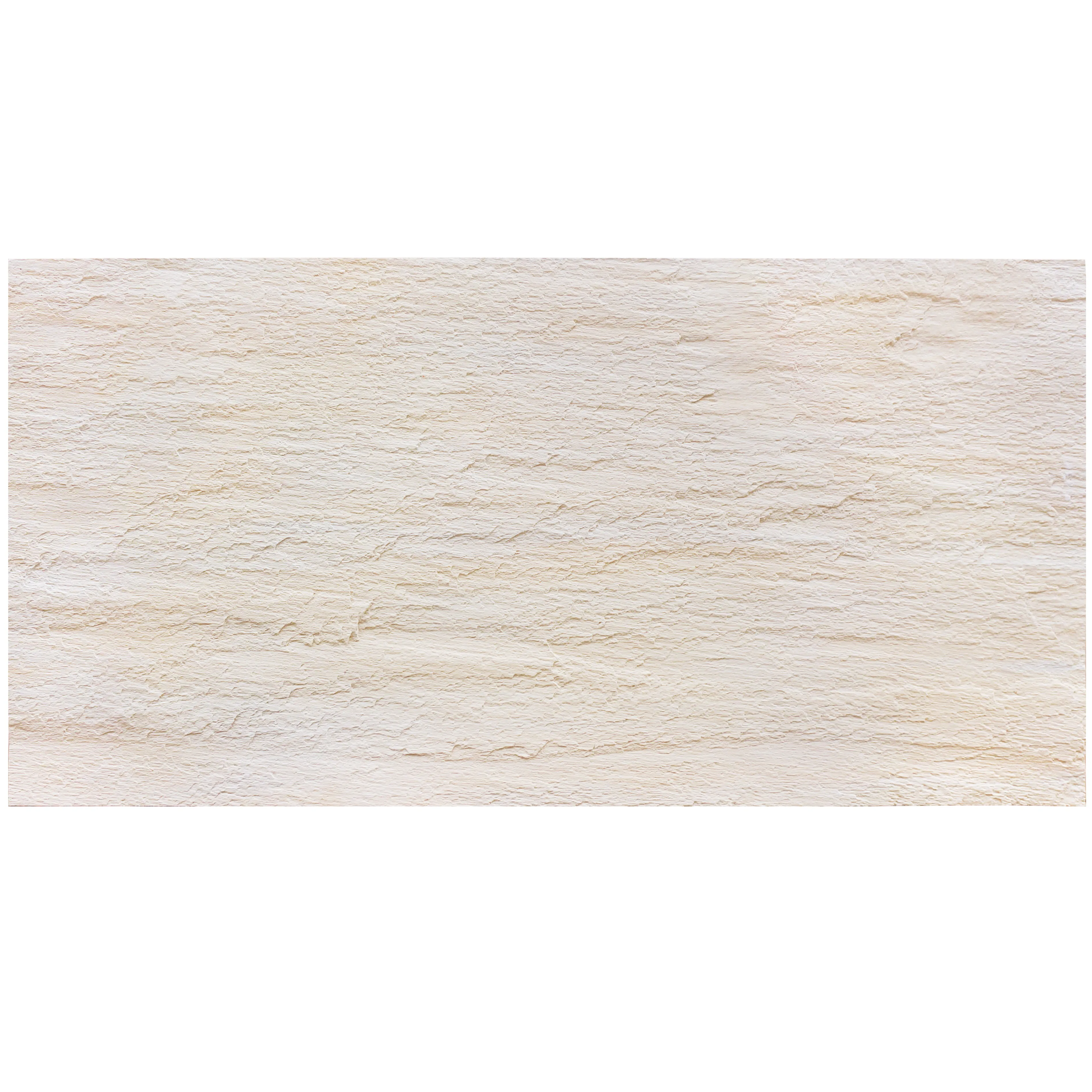
So, what exactly is Oasis Stone Foge? Think of it as nature's resilience meets modern engineering. A member of the broader MCM (Modified Composite Material) family, it blends natural stone aggregates with advanced polymers to create a surface that's as tough as it is tactile. Unlike traditional stone slabs that can be heavy, porous, or prone to cracking, Oasis Stone Foge is engineered to address the specific pain points of high-traffic, high-stakes environments like hospitals, clinics, and long-term care facilities.
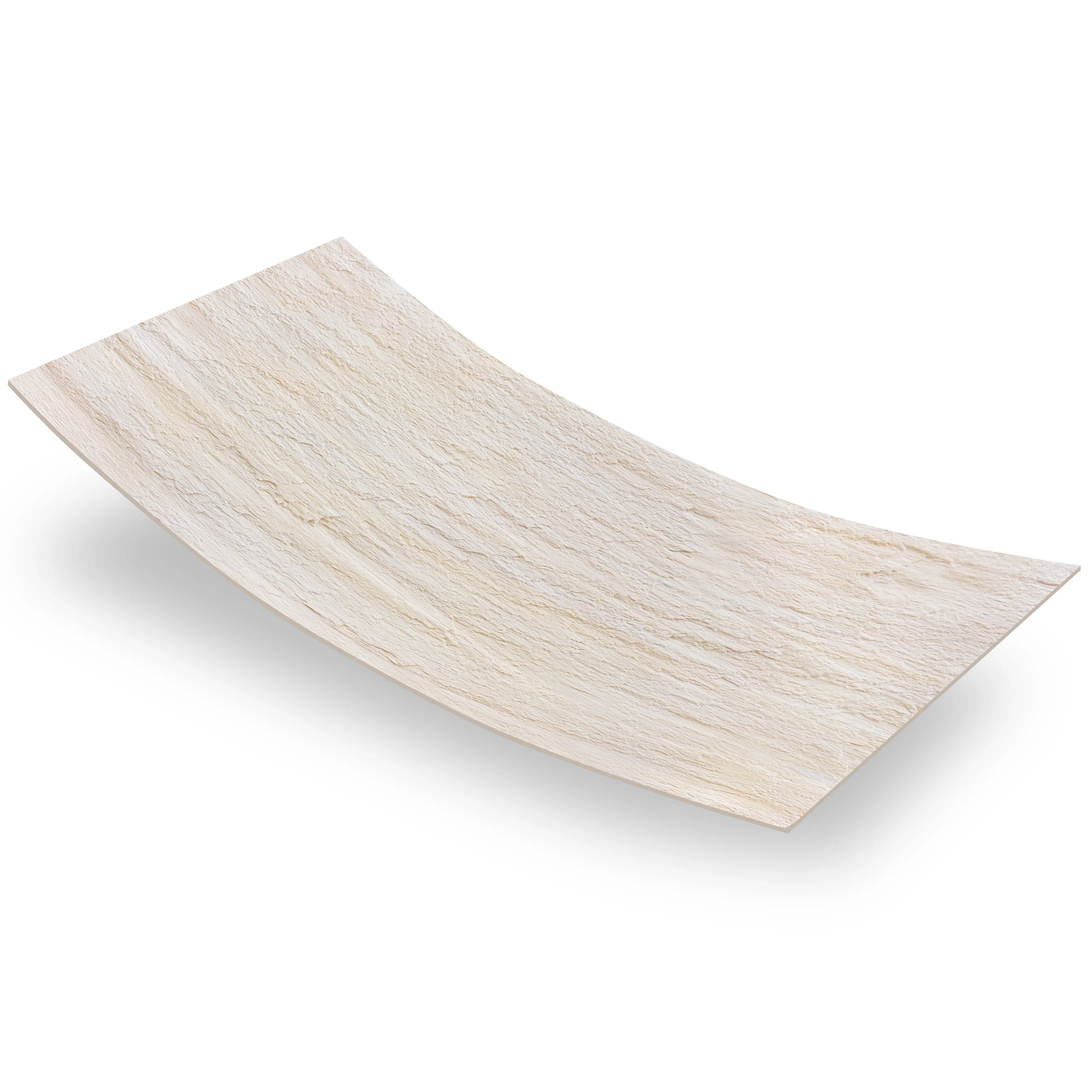
Its name, "Foge," hints at its unique finish—a soft, mist-like texture that diffuses light gently, avoiding the harsh glare that can be unsettling for patients recovering from illness or surgery. But don't let that softness fool you; beneath that subtle surface lies a material built to withstand the chaos of a busy healthcare setting. It's lightweight, too, making installation easier and reducing structural load concerns compared to heavier options like traditional marble or rough granite stone (medium grey), which can add unnecessary weight to building frames.
When it comes to healthcare, hygiene isn't just a priority—it's a lifeline. Surfaces that harbor bacteria, trap moisture, or require constant deep cleaning can become breeding grounds for infections, putting patients and staff at risk. This is where Oasis Stone Foge truly shines. Let's start with porosity, a common issue with natural stones like traditional travertine. Travertine, for example, is known for its beautiful, pitted surface—those tiny holes are part of its charm, but they're also magnets for dirt, spills, and bacteria. Even with regular sealing, a travertine (starry blue) slab might require extra care to keep its pores from becoming a hygiene hazard.
Oasis Stone Foge, by contrast, is engineered to be virtually non-porous. Its tightly compressed composite structure leaves no room for moisture or microbes to hide, making it far less likely to harbor pathogens like MRSA or E. coli. Imagine a spill in a pediatric ward—juice, medicine, maybe even a little hand sanitizer gone astray. With Oasis Stone Foge, a quick wipe with a mild disinfectant is all it takes. No scrubbing, no harsh chemicals, no worrying about whether you've missed a spot in a tiny crevice. For cleaning staff working against the clock, that's a game-changer.
Another hygiene win? Resistance to chemical damage. Healthcare facilities rely on strong disinfectants to keep surfaces sterile, but many materials—like some types of painted drywall or even certain vinyls—can degrade over time when exposed to these cleaners. Oasis Stone Foge, however, holds up to regular use of hospital-grade disinfectants without fading, warping, or losing its structural integrity. This means you can maintain a rigorous cleaning schedule without worrying about damaging the material itself.
Healthcare facilities are not gentle places. Wheelchairs glide over floors, IV poles scrape against walls, stretchers bump into corners, and carts loaded with supplies are pushed back and forth from supply rooms to patient beds. In this environment, a surface that chips, scratches, or fades after a few months simply won't cut it. Oasis Stone Foge is built to take a beating—and keep going.
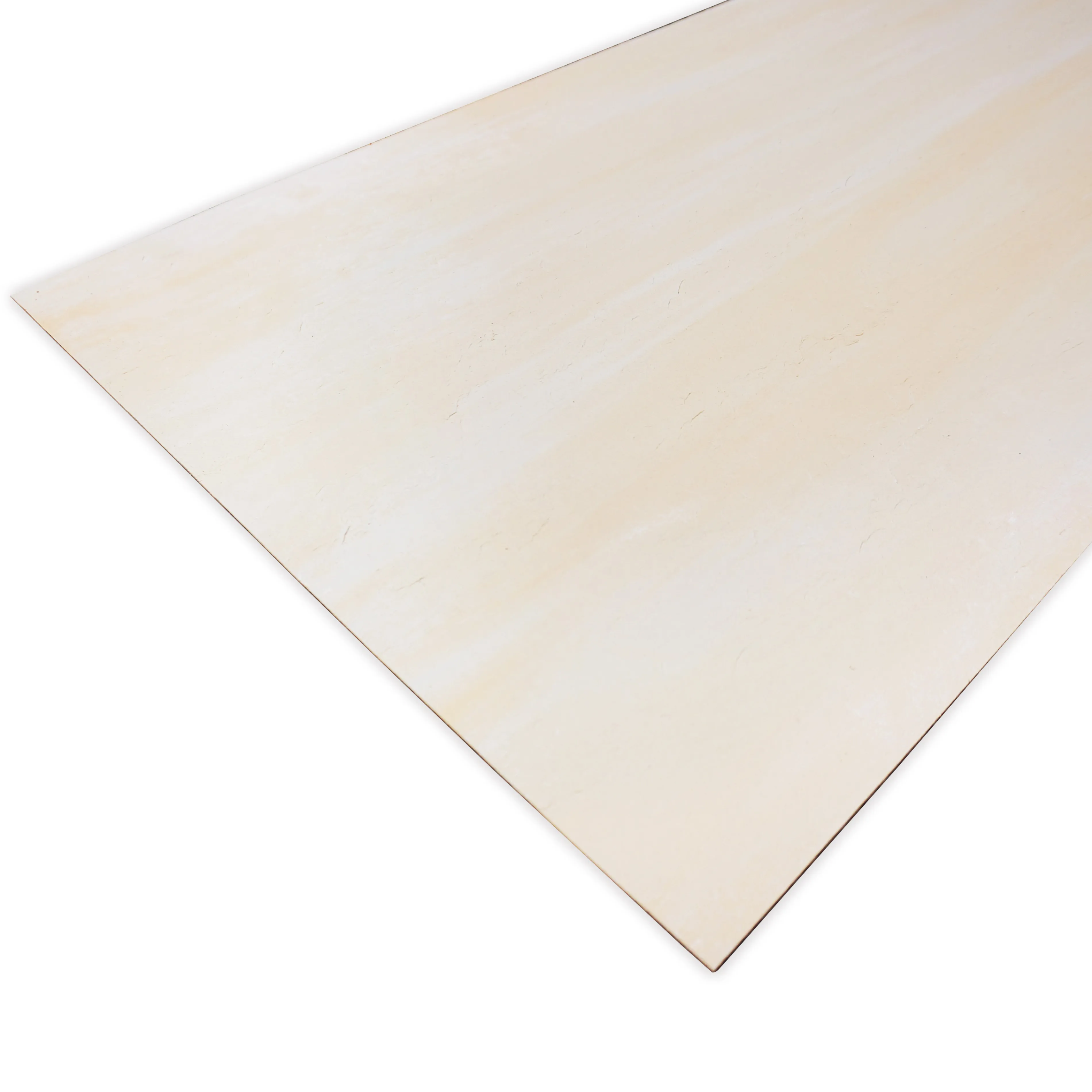
Let's talk about scratch resistance. Unlike fair-faced concrete, which, while durable, can develop unsightly scratches over time that trap dirt and make cleaning harder, Oasis Stone Foge's polymer-reinforced surface resists abrasions from daily wear and tear. Even the metal legs of a heavy hospital bed, dragged across the floor during a room turnover, are unlikely to leave a mark. Impact resistance is another key factor. Think about a dropped instrument tray in an operating room or a misplaced step from a staff member carrying a stack of linens. Oasis Stone Foge's flexibility—thanks to its composite makeup—helps it absorb shocks that might crack a more brittle material like rough granite stone (medium grey). Granite is tough, no doubt, but its rigidity can make it prone to chipping if hit at the right angle. Oasis Stone Foge bends without breaking, preserving its integrity even in those unexpected moments.
And let's not forget moisture resistance. Areas like patient bathrooms, rehabilitation rooms, or even outdoor walkways connecting hospital buildings are exposed to water daily. Oasis Stone Foge's non-porous nature means it won't absorb moisture, preventing issues like mold growth, warping, or staining—common problems with wood-based materials or even some types of natural stone. This makes it ideal for wet areas where hygiene and safety (slip resistance) are paramount.

To truly understand Oasis Stone Foge's strengths, let's compare it to three other popular materials in healthcare design: fair-faced concrete, foamed aluminium alloy board (vintage silver), and rough granite stone (medium grey). We'll focus on the two critical metrics: hygiene and durability.
| Material | Hygiene Rating (1-5) | Durability Rating (1-5) | Key Hygiene Features | Key Durability Features |
|---|---|---|---|---|
| Oasis Stone Foge | 5 | 5 | Virtually non-porous; resists bacteria growth; easy to disinfect with mild cleaners. | Scratch-resistant; impact-absorbent; moisture-proof; lightweight (reduces structural stress). |
| Fair-Faced Concrete | 3 | 4 | Porous surface traps dirt; requires frequent sealing to prevent bacterial growth. | High compressive strength but prone to scratching; heavy, increasing structural load. |
| Foamed Aluminium Alloy Board (Vintage Silver) | 4 | 5 | Non-porous and easy to clean, but cold surface may feel clinical; prone to fingerprint smudges. | Corrosion-resistant; lightweight; but dents under heavy impact (e.g., dropped equipment). |
| Rough Granite Stone (Medium Grey) | 3 | 5 | Natural pores trap bacteria; requires annual sealing; difficult to clean deep crevices. | Extremely scratch-resistant but brittle—prone to chipping on edges; very heavy. |
Healthcare design isn't just about function—it's about feeling. Hospitals can be overwhelming: bright lights, sterile white walls, the constant hum of machines. Studies have shown that natural, warm environments can reduce patient anxiety, lower blood pressure, and even speed up recovery times. Oasis Stone Foge brings that natural warmth without sacrificing performance.
Its texture, inspired by the soft mist of a morning fog, adds depth to walls and floors without feeling cold or industrial. Unlike foamed aluminium alloy board (vintage silver), which has a sleek, modern look that can feel clinical, Oasis Stone Foge has a tactile quality that invites touch. Run your hand over it, and you'll feel the subtle variation of natural stone aggregates, not the smooth, unyielding surface of metal. For patients confined to beds, looking up at a wall clad in Oasis Stone Foge is less like staring at a building material and more like gazing at a rocky cliffside at dawn—calming, grounding, and subtly alive.
And while we're on the topic of color, Oasis Stone Foge comes in a range of earthy tones that complement healthcare color palettes. Think soft beiges, warm greys, and muted greens—hues that promote relaxation without feeling drab. Compare that to the stark, uniform look of fair-faced concrete or the metallic sheen of vintage silver foamed aluminium, and it's easy to see why patients and staff alike find Oasis Stone Foge more inviting.
Let's take a hypothetical example to bring this to life. Imagine a busy urban hospital's pediatric wing. Before switching to Oasis Stone Foge, the department used traditional painted drywall on the walls and vinyl flooring. The drywall chipped easily, especially in play areas, and the vinyl scratched within months, showing scuff marks that made the space feel unkempt. Cleaning staff spent hours scrubbing stains from the porous drywall and replacing damaged vinyl tiles—time that could have been better spent on patient care.
After installing Oasis Stone Foge on the lower half of the walls and throughout the waiting area floors, the difference was immediate. The walls no longer showed dents or chips, even after a particularly busy weekend with a group of energetic toddlers. The floors, despite constant foot traffic and wheeled toy carts, still looked fresh six months later. And the cleaning staff reported spending 30% less time on those areas, freeing them up to focus on other high-priority tasks like sanitizing medical equipment. Patients, too, noticed—feedback surveys mentioned the "warmer, more welcoming" atmosphere, with many parents commenting that the space felt "less like a hospital and more like a community center."
Of course, even the most durable material needs a little care to stay in top shape. The good news is that maintaining Oasis Stone Foge is refreshingly simple. For daily cleaning, stick to mild, pH-neutral detergents and a soft microfiber cloth or mop. Avoid abrasive scrubbers or harsh chemicals like bleach, which can dull the finish over time. If you do encounter a stubborn stain—say, iodine from a spilled sample—let the detergent sit for a minute before wiping, and it should come right off.
Unlike rough granite stone (medium grey), which often requires annual sealing to maintain its non-porous properties, Oasis Stone Foge typically only needs resealing every 3-5 years, depending on foot traffic. A quick once-over with a stone-safe sealer is all it takes to keep its hygiene and durability properties intact for years to come. And because it's lightweight, replacing a damaged panel (though rare) is far easier and less costly than replacing a slab of granite or concrete.
In the world of healthcare design, every choice has a ripple effect—on patient recovery, staff efficiency, and even the bottom line. Oasis Stone Foge isn't just a building material; it's a solution to the unique challenges of creating spaces that are clean, tough, and compassionate. By prioritizing hygiene through its non-porous design, durability through its composite strength, and warmth through its natural aesthetic, it checks all the boxes for healthcare facilities that refuse to compromise.
Whether you're designing a new pediatric wing, renovating an aging clinic, or simply looking to upgrade high-traffic areas, Oasis Stone Foge offers something rare: peace of mind. You can trust that it will stand up to the chaos of daily life in healthcare, keep patients and staff safer, and look good doing it—for years to come. In a field where every detail matters, that's not just a win; it's a necessity.
Recommend Products












