
Picture this: It's a Saturday morning, and you're strolling through a bustling mixed-use development. Below your feet, a winding walkway leads past a cozy café where the scent of freshly brewed coffee mingles with the chatter of locals. To your left, a boutique displays vibrant window dressings, its exterior cladding catching the sunlight with a subtle, earthy texture. Above, apartments with balconies overlook the scene, their facades blending warmth with modernity. As you pause to admire the harmony of it all, you realize something: the materials surrounding you aren't just there to fill space—they're telling a story. They're balancing beauty with purpose, aesthetics with practicality. This is the magic of mixed-use developments, and at the heart of that magic lies materials like Oasis Stone Foge.
In an era where urban spaces are shrinking and community connection is more valued than ever, mixed-use developments have emerged as the backbone of modern city living. They're not just buildings; they're ecosystems where people live, work, shop, and play—all within steps of one another. But creating such spaces isn't easy. Developers and architects face a unique challenge: how to choose materials that can keep up with the demands of diverse environments, from high-traffic retail zones to serene residential courtyards. Enter Oasis Stone Foge, a material that's quickly becoming the go-to choice for those who refuse to compromise on form or function. Let's dive into why.
Mixed-use developments aren't a new concept—think of ancient marketplaces where vendors sold goods below residential apartments—but their modern iteration has evolved to meet the needs of 21st-century urban life. Today's projects are designed to combat sprawl, promote walkability, and foster a sense of belonging. Places like Manhattan's Hudson Yards, Tokyo's Roppongi Hills, or Singapore's Marina Bay Sands are more than just addresses; they're microcosms of city life, where a single elevator ride can take you from your office to your favorite restaurant to your home.
But with this versatility comes complexity. A material used on a retail storefront must withstand constant foot traffic, harsh weather, and the occasional stray shopping cart. The same material, when used on a residential facade, needs to feel inviting, warm, and private. And in shared spaces like lobbies or courtyards, it has to bridge the gap between commercial polish and residential comfort. Traditional building materials often fall short here: natural stone is stunning but heavy and expensive to install; vinyl siding is affordable but lacks character; concrete is durable but can feel cold and sterile. What developers needed was a material that could do it all—and that's where Oasis Stone Foge stepped in.
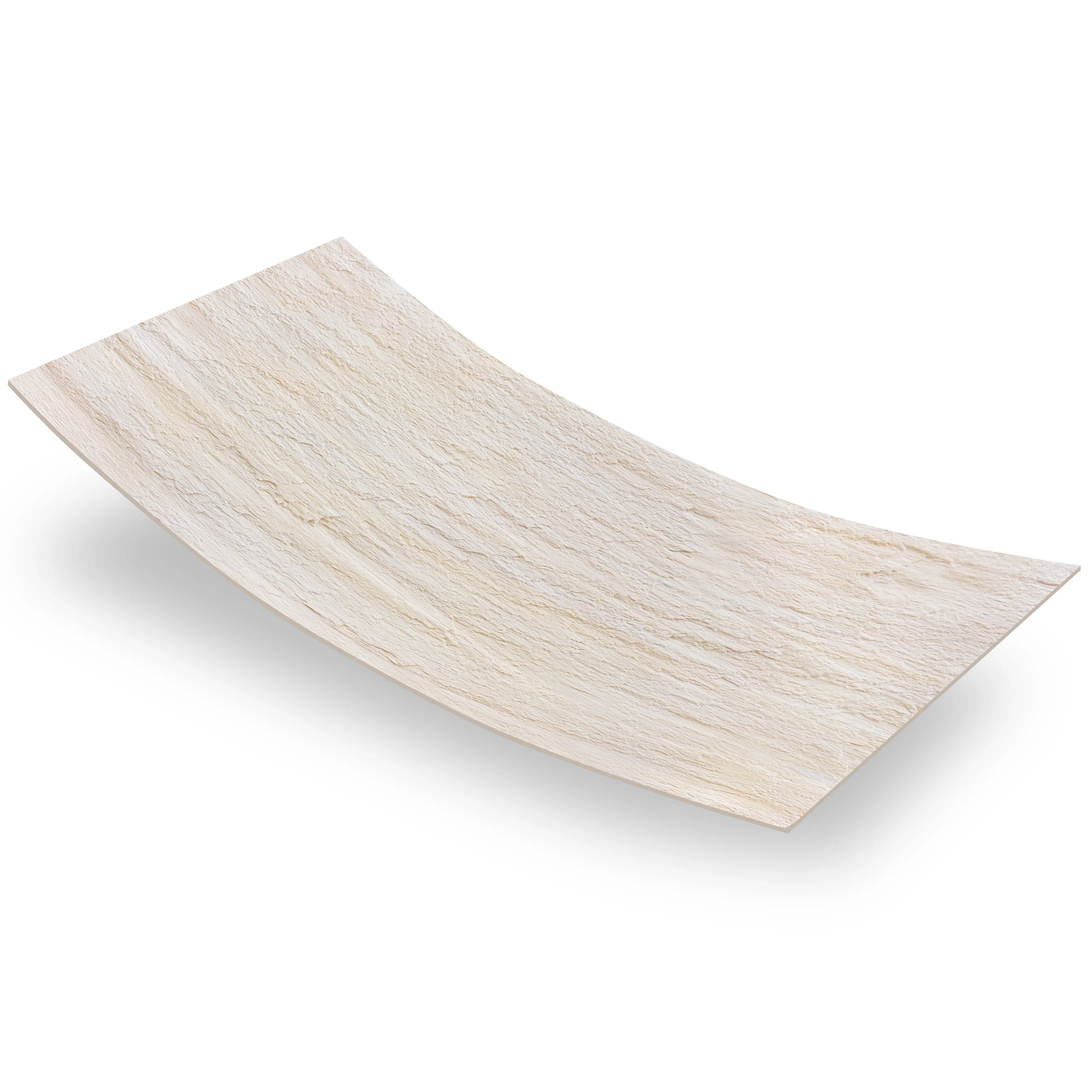
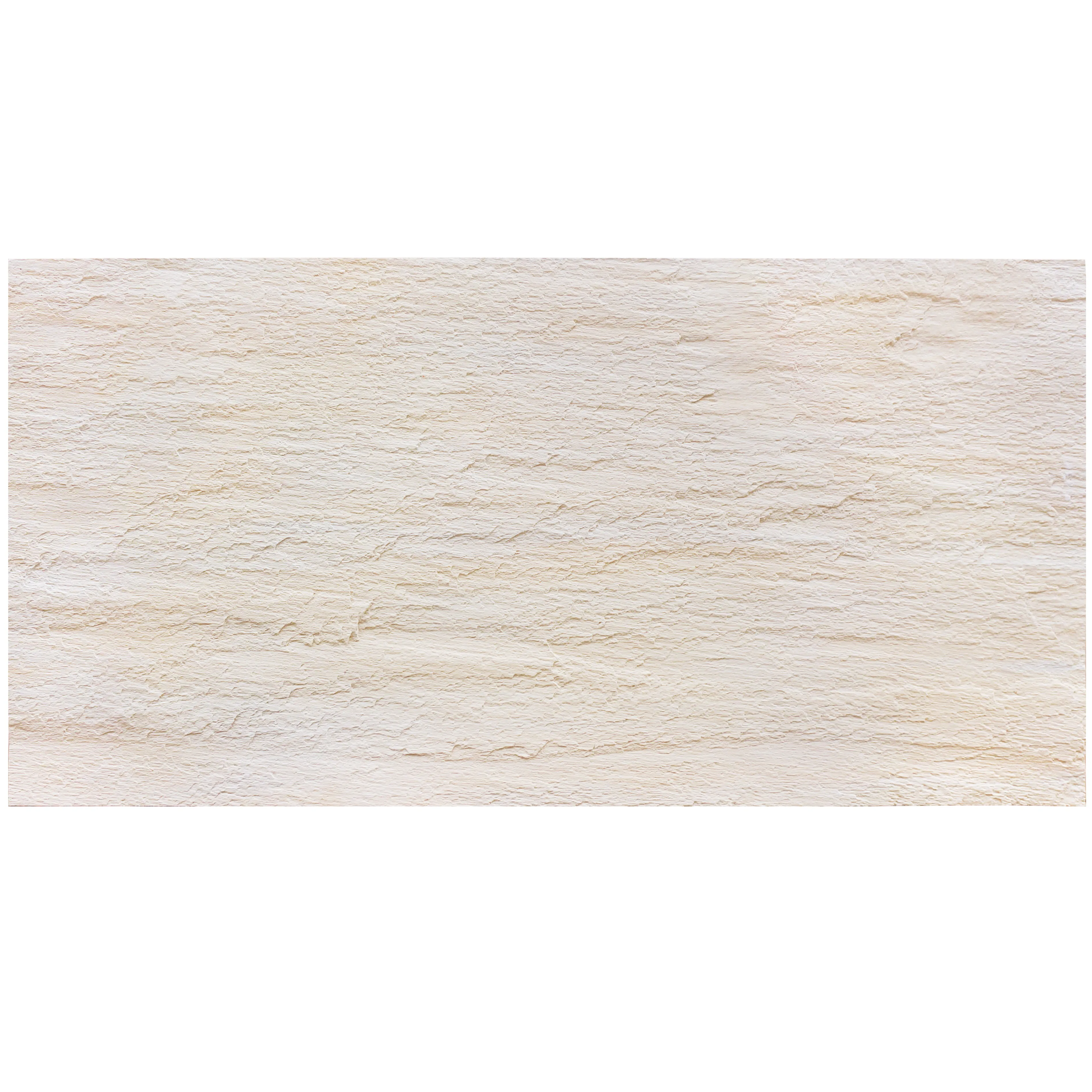
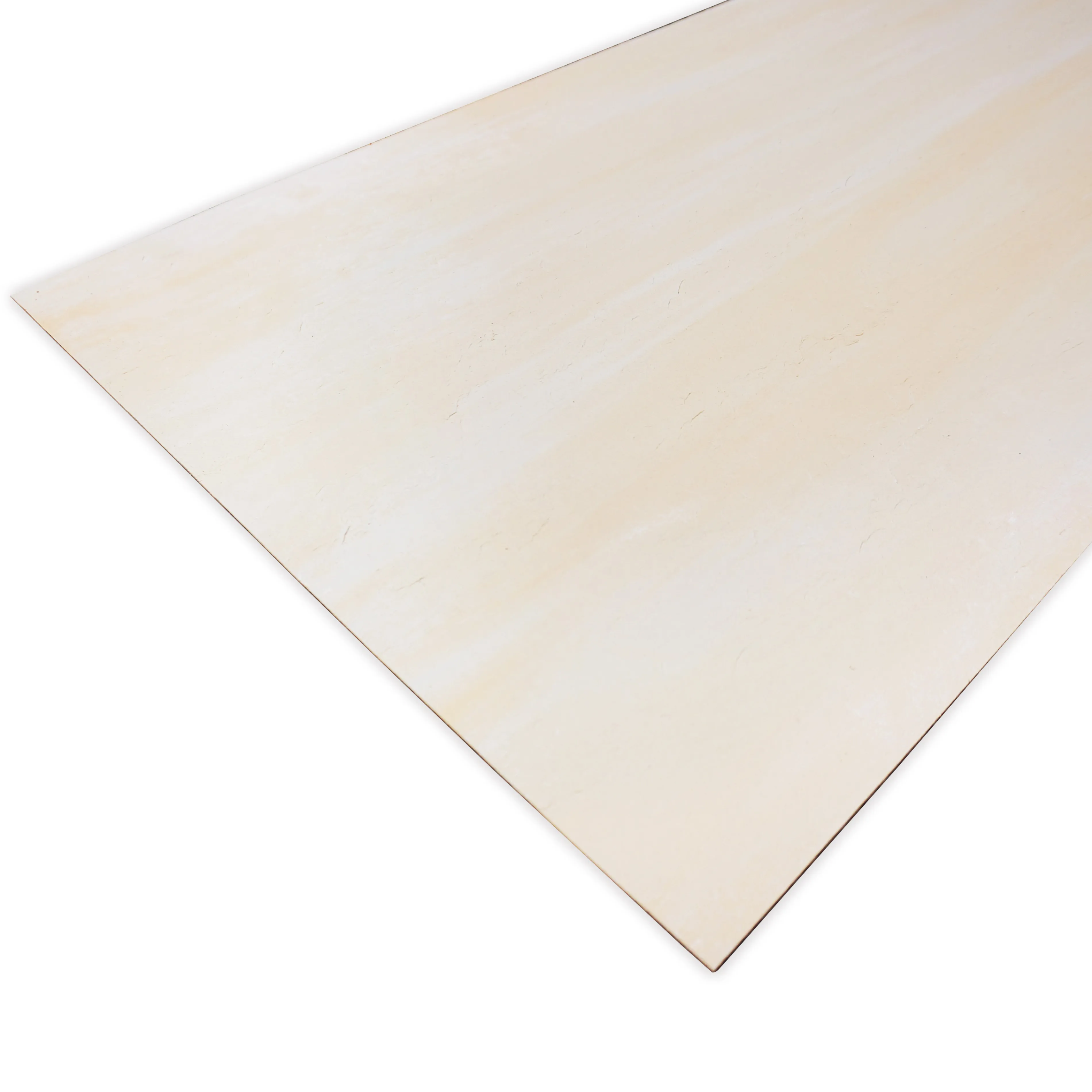
Before we dive into how Oasis Stone Foge transforms mixed-use spaces, let's get to know the material itself. Part of MCM's innovative flexible stone series, Oasis Stone Foge is a modified composite material designed to mimic the look and feel of natural stone—think the soft, weathered texture of desert rock or the subtle veining of sedimentary stone—without the drawbacks of its natural counterpart. It's lightweight, flexible, and surprisingly durable, thanks to a blend of high-performance polymers and natural mineral aggregates. But what truly sets it apart is its adaptability: it can be cut into custom shapes, colored to match any palette, and applied to almost any surface, from curved walls to vertical cladding.
The "Foge" in its name hints at its aesthetic: a misty, ethereal texture that softens hard edges and adds depth to flat surfaces. Run your hand over it, and you'll feel the tactile quality of natural stone—tiny ridges and valleys that catch the light and create shadows, giving walls and walkways a dynamic, organic look. But unlike natural stone, which is quarried from the earth and often requires heavy machinery to transport and install, Oasis Stone Foge is engineered to be sustainable, too. Its production process uses less water and energy than traditional stonecutting, and its lightweight nature reduces the carbon footprint of transportation and installation. For developers aiming for LEED or BREEAM certifications, that's a big win.
In mixed-use developments, "form" isn't just about looking pretty—it's about creating mood, guiding movement, and telling a story. A retail corridor might call for bold, eye-catching materials to draw in shoppers, while a residential courtyard needs something calming to encourage relaxation. Oasis Stone Foge excels at both, thanks to its design versatility and aesthetic range.
One of the first things you'll notice about Oasis Stone Foge is its color palette, which draws inspiration from natural landscapes. From warm, sandy beiges that evoke desert oases to cool, slate-like grays that mirror mountain ranges, the material can be customized to fit any design vision. In a recent project in Dubai, developers used the "Gobi Panel" variant of Oasis Stone Foge—with its rusty red and gold undertones—to clad the exterior of a commercial plaza, creating a striking contrast with the sleek glass windows and fair-faced concrete pillars nearby. The result? A space that feels both rooted in the region's desert heritage and thoroughly modern.
Texture is where Oasis Stone Foge truly shines. Unlike smooth, uniform materials like painted drywall or polished marble, its surface has a lived-in quality that adds warmth to sterile commercial spaces. In a mixed-use development in Berlin, architects used the material on the walls of a co-working space, pairing its rough-hewn texture with lunar peak silvery accents—a sleek, metallic material from MCM's Lunar Peak series—to create a balance of industrial edge and organic warmth. "People don't just work here—they linger," the project's lead architect noted. "The texture of the Oasis Stone makes the space feel less like an office and more like a community hub."
Mixed-use spaces thrive on contrast and harmony, and Oasis Stone Foge plays well with others. It pairs beautifully with historical pathfinders stone , a material that mimics the weathered look of ancient cobblestones, to create walkways that feel both timeless and contemporary. In a residential lobby in Chicago, designers used Oasis Stone Foge for the feature wall, surrounding it with warm wood paneling and soft lighting to create a welcoming entrance. "It's the focal point of the space," the interior designer explained. "The stone's texture draws the eye, but it's neutral enough to let the wood and lighting add the warmth."
Even in more industrial settings, like parking garages or loading docks, Oasis Stone Foge adds a touch of elegance without sacrificing durability. In a mixed-use project in London, the material was used to clad the exterior of a parking structure, turning what could have been an eyesore into a design statement. "We wanted to make sure the parking area didn't feel like an afterthought," the developer said. "Oasis Stone Foge gave it the same level of design attention as the retail and residential parts of the project, and now people actually comment on how nice it looks."

A material can be stunning, but if it cracks in the rain, fades in the sun, or costs a fortune to maintain, it's not going to work in a mixed-use development. That's where Oasis Stone Foge's functional advantages come into play. Let's break down why it's a practical choice for high-traffic, multi-purpose spaces.
Mixed-use developments are busy places. Kids run through courtyards, delivery trucks scrape against loading bays, rain and snow beat down on exteriors, and UV rays fade surfaces over time. Oasis Stone Foge is engineered to withstand all of this. Its composite structure resists cracking, chipping, and fading, even after years of exposure to the elements. In accelerated weathering tests, the material held up to extreme temperatures (from -40°C to 80°C), heavy rainfall, and prolonged UV exposure—outperforming natural stone, which can erode or discolor over time. For a retail storefront that needs to look fresh for years, or a residential facade that will face decades of weather, that's a game-changer.
Its flexibility is another durability win. Unlike rigid materials like natural stone or brick, which can crack under stress (from earthquakes, settling foundations, or temperature fluctuations), Oasis Stone Foge bends slightly, absorbing impact without breaking. In a case study of a mixed-use development in California—an area prone to minor earthquakes—the material was used on exterior cladding. After a 4.5-magnitude quake, inspectors found zero damage to the Oasis Stone panels, while nearby brick facades showed hairline cracks. "That flexibility isn't just a design feature—it's a safety feature," the structural engineer on the project noted.
Today's developers aren't just building for now—they're building for the future. Sustainability has become a top priority, with clients and communities demanding materials that reduce environmental impact. Oasis Stone Foge delivers here, too. Its production process uses recycled mineral aggregates, reducing the need for virgin quarrying, and its lightweight design cuts down on transportation emissions. Because it's so durable, it also reduces the need for frequent replacements, which means less waste over the building's lifetime.
But sustainability isn't just about the environment—it's about people, too. Oasis Stone Foge is free of harmful chemicals like volatile organic compounds (VOCs), which can off-gas into indoor air and cause health issues. In residential units, that means better air quality for tenants; in commercial spaces, it means a healthier environment for employees and customers. For developers aiming for green building certifications, these features are more than just bonuses—they're requirements.
Let's be real: in mixed-use developments, maintenance budgets are tight, and staff are busy. The last thing anyone needs is a material that requires constant upkeep—scrubbing, sealing, repainting, or replacing. Oasis Stone Foge is practically maintenance-free. Its non-porous surface resists stains, so a spilled coffee or a muddy footprint can be wiped away with a damp cloth. It doesn't require sealing, like natural stone, and it won't fade, so there's no need for repainting or refinishing. Even in high-traffic areas like retail storefronts or lobby floors, the material holds up, with minimal signs of wear after years of use.
Take the example of a mixed-use development in Sydney, where Oasis Stone Foge was used for the exterior cladding of a grocery store. "We were worried about graffiti, since it's a busy area," the store manager recalled. "But when someone tagged the wall, we just sprayed it with a mild detergent and a pressure washer, and it came right off. With natural stone, we would have had to sandblast it, which would have damaged the surface. Oasis Stone Foge saved us time and money."
Riverside Quarter is a 12-acre mixed-use development in downtown Portland, Oregon, featuring 300 residential units, 50,000 square feet of retail space, a community park, and a waterfront promenade. The goal? To create a "15-minute neighborhood" where residents could live, work, and play without ever getting in a car. The design team, led by architecture firm Gensler, wanted materials that would reflect the Pacific Northwest's natural beauty while withstanding the region's rainy, mild climate.
The development's location along the Willamette River meant high humidity and occasional flooding, so materials needed to resist moisture. The retail areas required durable, eye-catching cladding to compete with nearby shopping districts, while the residential courtyards needed a softer, more inviting feel. And with a tight construction timeline, the material had to be easy and quick to install.
After testing over a dozen materials, the team chose Oasis Stone Foge for three key areas: the exterior cladding of the retail podium, the walkways in the community park, and the accent walls in the residential lobby. For the retail podium, they opted for the "Gobi Panel" variant, with its warm rusty red and gold tones, to create a bold, welcoming entrance. In the park, they used the "Stream Limestone (Claybank)" variant, a soft beige with subtle ripples that mimicked the nearby river. And in the lobby, they paired the "Oasis Stone Foge (Light Grey)" with fair-faced concrete and wood accents for a modern, organic look.
Two years after opening, Riverside Quarter has become one of Portland's most sought-after neighborhoods. The retail spaces are 95% leased, with tenants citing the "unique, inviting atmosphere" created by the Oasis Stone Foge cladding. Residents rave about the park's walkways, which stay slip-free even in the rain, and the lobby's accent wall, which "feels like bringing a piece of the outdoors inside." The developers report that installation was 30% faster than with natural stone, and maintenance costs have been 50% lower than projected. "Oasis Stone Foge wasn't just a material choice—it was a community choice," said the project manager. "It helped us create a space that feels like home, whether you're grabbing coffee or coming back from work."
To truly understand why Oasis Stone Foge is a game-changer for mixed-use developments, let's compare it to other common building materials. The table below breaks down key factors like durability, aesthetics, sustainability, and cost:
| Material | Durability | Aesthetic Versatility | Sustainability | Installation Ease | Maintenance Cost |
|---|---|---|---|---|---|
| Oasis Stone Foge | High (resists weather, impact, and fading) | Excellent (custom colors, textures, and shapes) | High (recycled materials, low carbon footprint) | Easy (lightweight, flexible, no heavy machinery needed) | Low (no sealing, easy cleaning) |
| Natural Stone (e.g., marble, granite) | High (but porous, prone to staining and chipping) | Excellent (unique veining, natural beauty) | Low (requires quarrying, high transportation emissions) | Difficult (heavy, requires specialized labor) | High (needs sealing, professional cleaning) |
| Fair-Faced Concrete | High (durable, fire-resistant) | Limited (monochromatic, industrial look) | Medium (uses natural resources, but durable) | Moderate (requires formwork, curing time) | Medium (may need sealing, prone to cracking) |
| Historical Pathfinders Stone | Medium (weathers over time, prone to erosion) | Good (rustic, timeless look) | Low (quarried, heavy transportation) | Difficult (heavy, irregular shapes) | Medium (needs occasional repointing) |
| Lunar Peak Silvery | High (metallic finish resists corrosion) | Good (sleek, modern look) | Medium (recyclable, but energy-intensive production) | Moderate (requires precise cutting) | Medium (may need polishing to maintain shine) |
As the table shows, Oasis Stone Foge outperforms traditional materials in almost every category, making it the clear choice for mixed-use developments where balance is key.
Mixed-use developments aren't going anywhere—in fact, they're only growing in popularity, as cities around the world prioritize density, walkability, and community. As these spaces evolve, so too will the materials used to build them. We're already seeing trends toward biophilic design (connecting people to nature), smart materials (integrating technology like sensors or energy harvesting), and circular economy principles (materials that can be reused or recycled at the end of their life). Oasis Stone Foge is poised to lead this charge.
Imagine a mixed-use development where Oasis Stone Foge cladding is embedded with solar cells to generate electricity, or treated with a self-cleaning coating that breaks down pollutants in the air. Or a project where the material is 3D-printed on-site, reducing waste and allowing for even more custom designs. With MCM's ongoing investment in research and development, these possibilities are closer than you might think. "We're not just creating materials—we're creating solutions for the future of urban living," said a spokesperson for MCM. "Oasis Stone Foge is just the beginning."
At the end of the day, mixed-use developments are about more than bricks and mortar—they're about people. They're about creating spaces where neighbors connect, where businesses thrive, and where life feels vibrant and balanced. The materials we choose to build these spaces with play a quiet but powerful role in shaping that experience. They can make a lobby feel welcoming or intimidating, a courtyard feel lively or sterile, a street feel safe or chaotic.
Oasis Stone Foge gets this. It understands that in mixed-use developments, form and function aren't opposites—they're partners. Its beauty draws people in, its durability keeps spaces looking great for years, and its sustainability ensures that we're building a future worth living in. Whether you're a developer looking to maximize value, an architect aiming to create something extraordinary, or a resident hoping for a home that feels both stylish and comfortable, Oasis Stone Foge delivers. It's not just a material—it's a bridge between the spaces we build and the lives we live in them.
So the next time you find yourself in a mixed-use development, take a moment to look around. Notice the textures, the colors, the way the materials interact. Chances are, if the space feels alive—balanced, welcoming, and built to last—you might just be standing in the presence of Oasis Stone Foge. And that, more than anything, is the mark of a material that truly gets it right.
Recommend Products












