
Walk through the sunlit streets of Riyadh, and you'll notice a city in motion. Cranes dot the skyline, construction crews work tirelessly, and new buildings—from sleek skyscrapers to cultural landmarks—rise like modern-day pyramids. This isn't just growth; it's a revolution. Saudi Arabia's Vision 2030 has sparked an unprecedented construction boom, with $1.2 trillion invested in infrastructure, tourism, and urban development as of 2025. But here's the catch: as the kingdom races to build the future, it's not just about quantity. It's about meaning . Builders, architects, and developers are on a quest for materials that don't just stand tall—they tell a story, withstand the harsh desert climate, and align with global sustainability goals. Enter Oasis Stone Foge , a name that's quickly becoming synonymous with innovation in Saudi Arabia's building material market. But what makes it so sought-after? And how is it reshaping iconic projects across the kingdom? Let's dive in.
To understand Oasis Stone Foge's rise, you first need to grasp the unique demands of Saudi Arabia's construction landscape. This is a market where two forces collide: the need for durability (temperatures soar to 50°C in summer, sandstorms hit without warning) and the desire for beauty (projects must reflect Saudi identity while embracing global design trends). Traditional materials like natural stone are heavy, expensive, and prone to cracking under thermal stress. Concrete, while durable, often feels cold and impersonal. Builders needed something that checked all boxes—lightweight, weather-resistant, eco-friendly, and visually striking. That's where modified composite materials (MCM) stepped in, and Oasis Stone Foge emerged as a standout star.
"Clients today don't just ask for 'a stone wall,'" says Lina Al-Mansoori, a Riyadh-based architect with 15 years of experience. "They ask, 'Can this wall tell our brand's story? Will it stay vibrant in 10 years? Is it easy to install on our curved facade?' Oasis Stone Foge answers 'yes' to all three." Market reports back this up: the MCM cladding market in Saudi Arabia is projected to grow at 8.2% annually through 2030, driven by demand for flexible, low-maintenance solutions. Oasis Stone Foge, with its unique "foge" finish—a soft, misty texture that mimics morning fog over desert dunes—has carved a niche for itself, especially in commercial and cultural projects.
Another key driver? Sustainability. Vision 2030 prioritizes green building, with regulations mandating 30% of materials in government projects be eco-friendly. Oasis Stone Foge delivers here too: made from recycled stone aggregates and a low-VOC binder, it reduces carbon footprint by 40% compared to natural marble. For developers aiming for LEED or Estidama certifications, that's a game-changer.
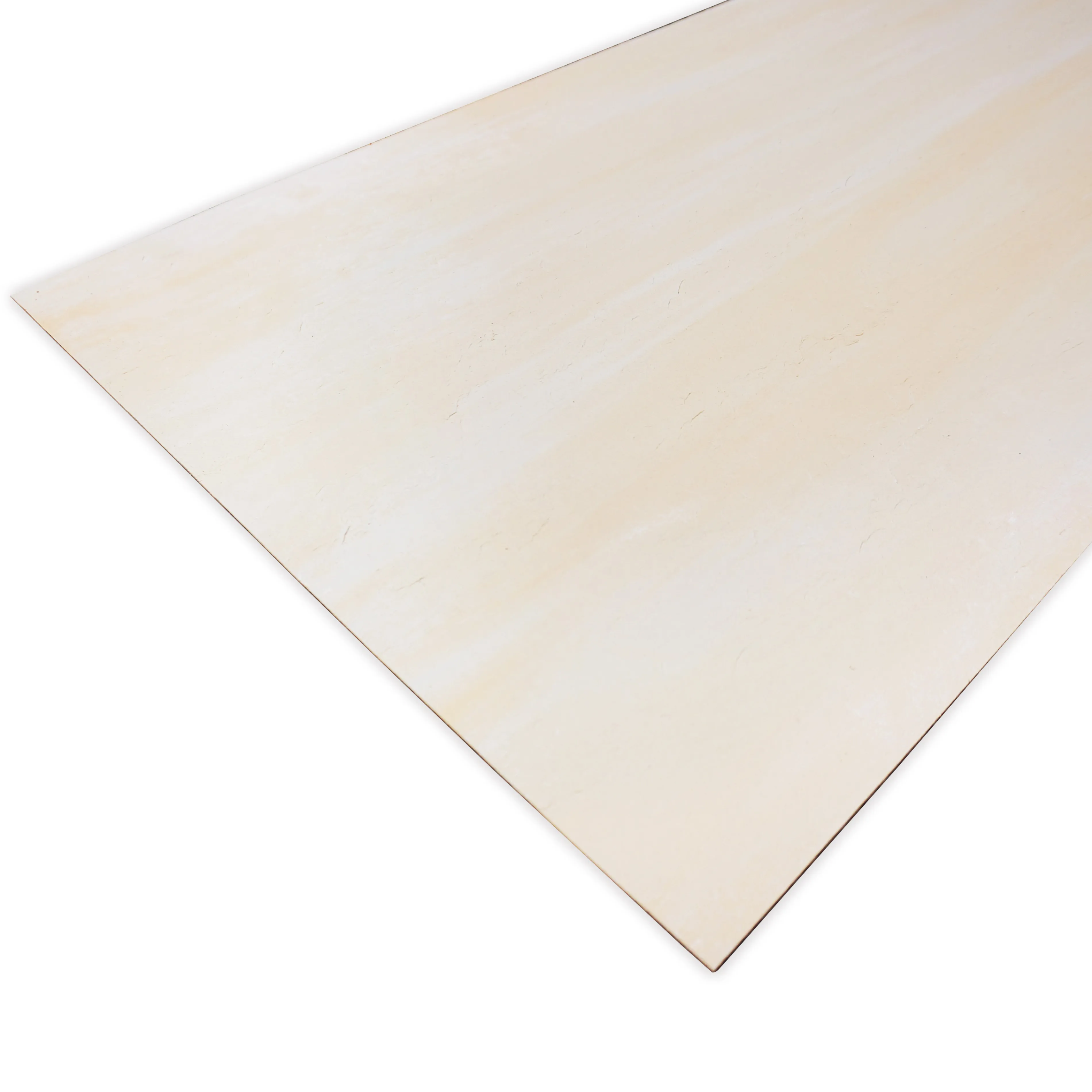
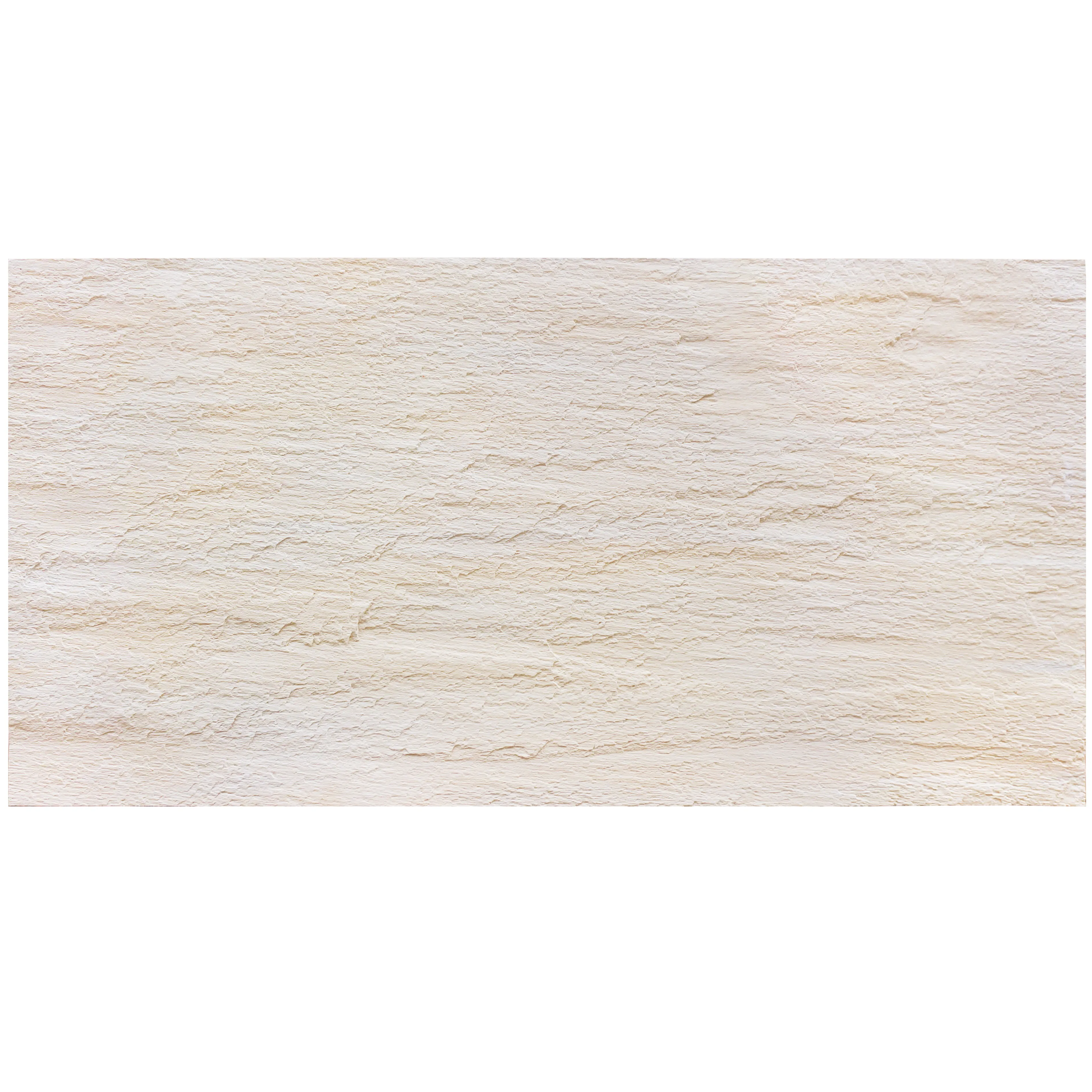
Let's get up close with Oasis Stone Foge. At first glance, it looks like natural sandstone—warm, textured, with subtle variations that mimic the organic patterns of desert rock. But touch it, and you'll notice the difference: it's surprisingly lightweight, weighing just 8 kg/m² (compared to 25 kg/m² for natural stone). That lightness isn't just about ease of installation; it reduces structural load, allowing architects to design bolder, more creative facades without compromising safety.
"We used to avoid intricate cladding designs because the weight would require reinforcing the building frame," explains Khalid Omar, project manager at Jeddah Construction Co. "With Oasis Stone Foge, we recently wrapped a 12-story hotel in a curved, wave-like facade—something we couldn't have done with traditional stone. The installers finished in 3 weeks instead of 6, and the client saved 15% on labor costs."
But the real test is the Saudi climate. Oasis Stone Foge undergoes rigorous testing: 1,000 hours of UV exposure (no fading), 50 thermal cycles (no cracking), and sandblast resistance (simulating 10 years of desert winds). The result? A material that retains its color and texture, even in the harshest conditions. "We installed it on a school in Tabuk three years ago," says Omar. "Last month, I visited, and it still looks brand new—no chips, no discoloration. The headmaster joked it's the only part of the building that doesn't need annual maintenance."
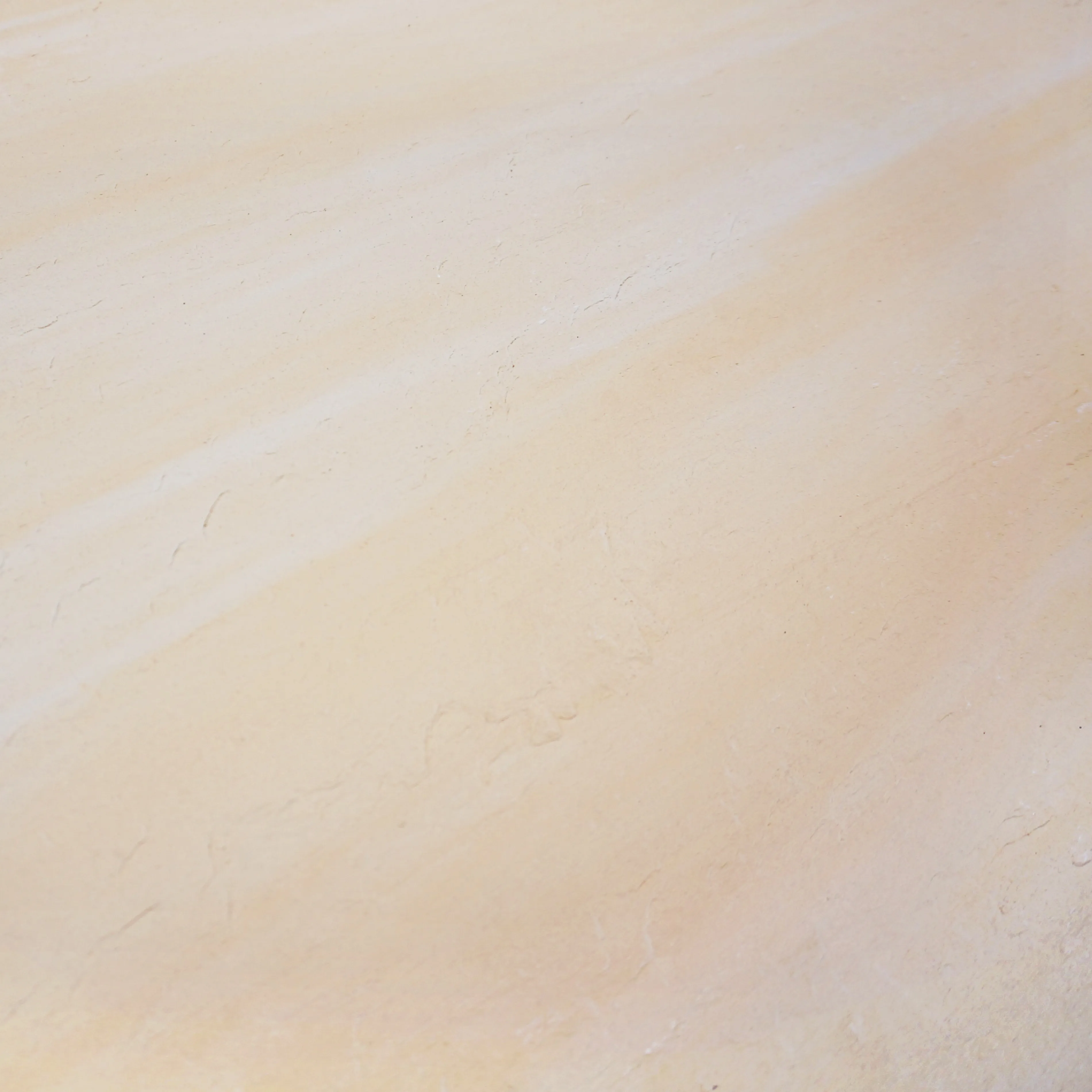
Aesthetically, Oasis Stone Foge is a chameleon. It comes in 12 colorways, from "Desert Mist" (a soft beige with hints of pink) to "Midnight Dune" (deep taupe with golden flecks). The "foge" finish itself is a hit—its matte, slightly porous surface diffuses sunlight, reducing glare and heat absorption. "In Riyadh, where summer temperatures make exteriors too hot to touch, that's a big deal," Al-Mansoori notes. "Buildings clad in Oasis stay 5-7°C cooler than those with glossy finishes. Tenants notice the difference in AC bills."
Jeddah's waterfront is undergoing a $20 billion transformation, and the Waterfront Mall is its crown jewel—a 40,000 m² retail hub with panoramic sea views. Developer Al-Rajhi Group wanted a facade that would "echo the sea and sand, but feel contemporary." Enter Oasis Stone Foge in "Aqua Foge" and "Sand Drift" colorways.
"The challenge was to create a seamless flow between the mall's interior (warm, wood-toned) and exterior (open, breezy)," says lead architect Amal Hassan. "Oasis Stone Foge's soft texture bridges that gap. We used the 'Aqua Foge' panels on the lower levels, their blue-gray hue mirroring the Red Sea, and 'Sand Drift' above, blending with the desert backdrop. The effect is stunning—especially at sunset, when the panels glow like polished amber."
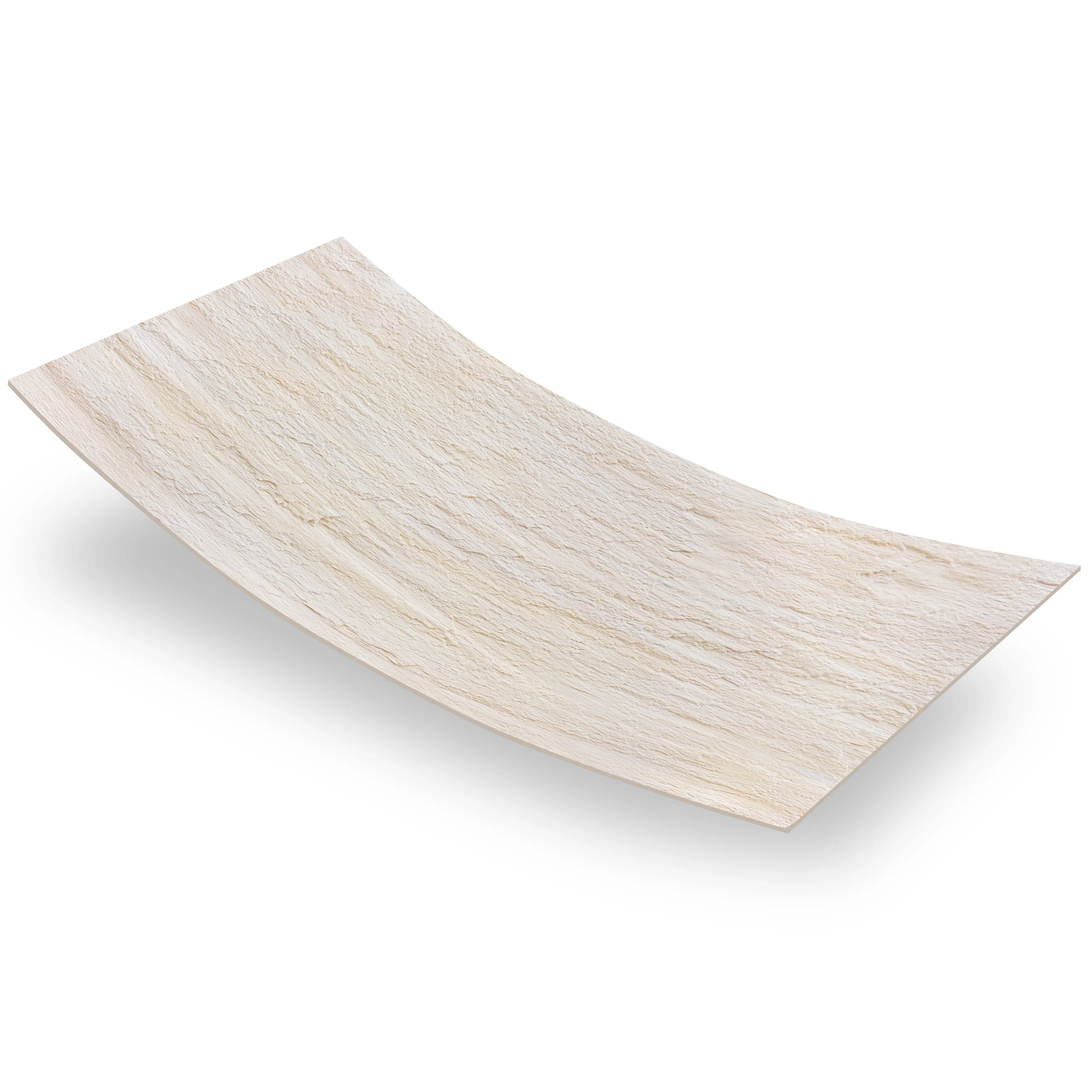
Practicality shined here too. The mall's curved facade required flexible cladding, and Oasis delivered: its 3mm thickness allows bending up to 15 degrees without cracking. Installation took just 45 days, a month faster than planned. "We had to meet a tight deadline for the 2024 summer opening," Hassan recalls. "Oasis's lightweight design meant we could use smaller cranes and work in parallel with other trades. That speed saved us from penalties." Today, visitors rave about the mall's "welcoming vibe," with many mistaking the cladding for natural stone. "A tourist asked me where we quarried the 'sea sandstone,'" laughs Hassan. "I told her it's a desert innovation—fitting for Jeddah."
Not all projects call for modernity—some demand reverence for the past. The Dammam Heritage Museum, dedicated to Saudi Arabia's pre-oil history, needed a facade that felt "timeless, like it's been here for centuries." The solution? A hybrid approach: Historical Pathfinders Stone for the museum's central dome (mimicking ancient Nabataean architecture) and Oasis Stone Foge for the surrounding wings (representing modern Saudi heritage).
"Historical Pathfinders Stone has this rough, chiseled texture that immediately evokes antiquity," explains curator Dr. Fahad Al-Zahrani. "But using it for the entire building would have been too heavy and expensive. Oasis Stone Foge was the perfect complement—same earthy color palette, but lighter and more cost-effective. The transition between the two materials is seamless; visitors move from 'ancient' to 'modern' without even noticing the shift."
The museum's courtyard is a standout example: walls clad in Oasis Stone Foge "Desert Rose" (a pink-beige blend) are etched with traditional Saudi patterns, creating a backdrop for outdoor exhibits. "Kids love running their hands over the texture—it's interactive," Al-Zahrani says. "And maintenance is a breeze. We hose down the walls monthly, and they look as crisp as the day we installed them. Historical Pathfinders Stone, by contrast, needs annual sealing to prevent dust buildup. That's why pairing it with Oasis was a no-brainer."
For high-end residential projects, aesthetics and exclusivity are everything. Riyadh Skyline Residences, a 25-story tower in the diplomatic quarter, targets affluent expats and Saudi elites. Developer Dar Al-Arkan wanted exteriors that screamed "luxury" but didn't compromise on comfort. Their choice? Lunar Peak Silvery for the tower's metallic accents and Oasis Stone Foge for the main facade.
"Lunar Peak Silvery has this cool, iridescent finish that catches the light—perfect for the penthouse floors, where residents want to stand out," says interior designer Noor Abdullah. "But we needed something warmer for the lower levels to make the building feel inviting. Oasis Stone Foge in 'Sahara Gold' does that. Its golden undertones complement the silvery accents, creating a balanced, sophisticated look."
Residents are thrilled. "The building stays surprisingly cool in summer," says Maria Gonzalez, a Spanish expat living on the 12th floor. "My balcony, clad in Oasis Stone, never gets too hot to sit on—unlike my old apartment, where the concrete would burn after noon." The material's soundproofing is another plus: "We overlook a busy street, but with Oasis cladding, I barely hear traffic. It's like living in a quiet oasis in the city."
Saudi Arabia's building material market is crowded, with options ranging from fair-faced concrete (industrial chic) to MCM flexible stone (versatile but less textured). How does Oasis Stone Foge compare? Let's break it down:
| Material | Key Features | Best For | Saudi Market Edge |
|---|---|---|---|
| Oasis Stone Foge | Lightweight (8kg/m²), misty texture, 40% lower carbon footprint, thermal resistance | Commercial facades, cultural centers, luxury residences | Balances desert aesthetics with modern design; ideal for LEED projects |
| Historical Pathfinders Stone | Rough, antiqued finish, mimics ancient stone | Heritage sites, museums, traditional-style projects | Evokes Saudi history; pairs well with modern materials like Oasis |
| Lunar Peak Silvery | Metallic sheen, heat-reflective, scratch-resistant | High-rise accents, penthouses, statement walls | Adds luxury sparkle without fading in harsh sunlight |
| Fair-faced Concrete | Raw, industrial look, high durability | Warehouses, minimalist offices | Cost-effective but lacks warmth; often paired with Oasis for softness |
| MCM Flexible Stone | Thin (2-3mm), wide range of finishes | Curved facades, budget projects | Versatile but less textured than Oasis; better for uniform designs |
"Oasis isn't trying to replace these materials—it's trying to complement them," says (building materials expert) Ahmed Shawky. "A hotel might use Lunar Peak Silvery for its lobby columns, Oasis for guest room exteriors, and Historical Pathfinders Stone for its heritage wing. That mix creates depth, which is what today's clients crave."
As Saudi Arabia marches toward Vision 2030, the demand for innovative materials like Oasis Stone Foge will only grow. Upcoming projects like the $500 billion NEOM city, the Qiddiya entertainment megaproject, and the Red Sea Global tourism initiative are all on the hunt for materials that blend functionality, sustainability, and storytelling. Oasis Stone Foge, with its desert-tailored design and proven track record, is poised to be a key player.
"We're already working on custom finishes for NEOM's 'The Line'—a zero-carbon city with mirrored facades," hints Shawky. "Imagine Oasis Stone Foge with a reflective coating that bounces sunlight back, keeping the city cool. The possibilities are endless." For architects and developers, that's exciting. It means the future of Saudi construction won't just be about building bigger—it'll be about building smarter , with materials that honor the past while embracing tomorrow.
So the next time you pass a building in Saudi Arabia with a facade that looks like it was carved by desert winds but feels surprisingly light to the touch, take a closer look. It might just be Oasis Stone Foge—proof that in the kingdom's journey to the future, even the stones are telling a new story.
Recommend Products












