
Crafting Stories in Stone: The Journey of a Material That Breathes Life Into Spaces
Every building has a voice. It speaks through the materials that clothe its walls, the textures that catch the light, and the stories embedded in every inch of its surface. Oasis Stone Foge isn't just a cladding material—it's a storyteller. Born from the marriage of natural stone's timelessness and modern engineering's ingenuity, it carries the weight of the earth's history while embracing the innovation of today. Let's walk through the journey of how this remarkable material comes to life, from the quiet quarries where its raw ingredients are sourced to the moment it's ready to transform empty walls into narratives.
The first chapter of Oasis Stone Foge's story is written in the earth itself. It begins with a team of geologists and material experts venturing into quarries, riverbeds, and stone deposits, not just to "collect materials," but to curate character . This isn't about grabbing the nearest rock; it's about selecting stones that carry history in their veins—stones that have weathered storms, absorbed sunlight, and grown unique personalities over time.
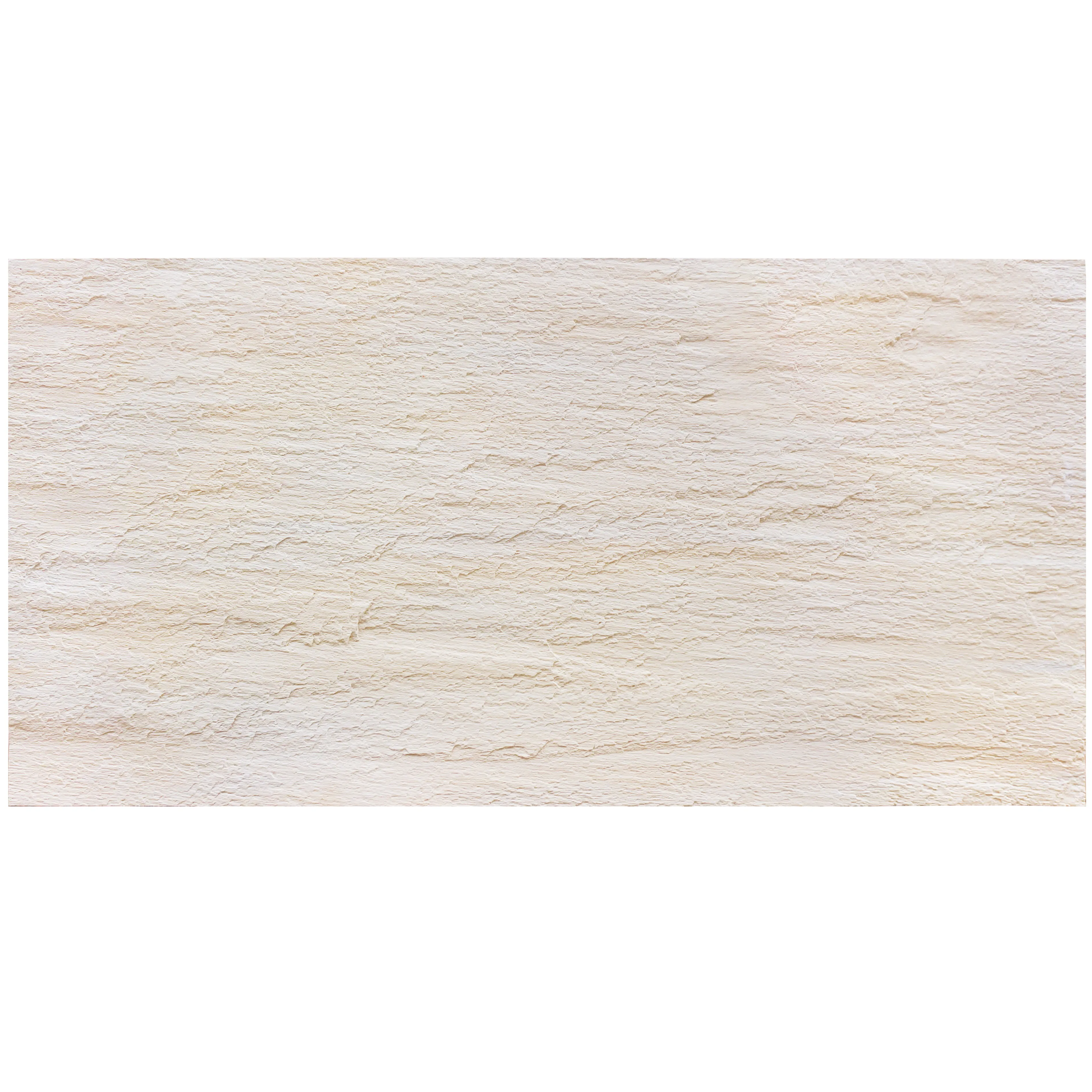
Take, for example, the lime stone(beige) that often forms the backbone of Oasis Stone Foge. Sourced from regions where the soil is rich in calcium carbonate, this stone brings a warm, sandy hue that feels like a hug from the earth. Its surface, dotted with tiny fossilized shells and mineral deposits, tells a tale of ancient oceans and slow-moving time. Then there's historical pathfinders stone , a rare find with deep, earthy tones and irregular veins that resemble the winding paths of explorers mapping uncharted lands. These stones aren't chosen for uniformity—they're chosen for their imperfections , the kind that make a wall feel less like a barrier and more like a living, breathing entity.
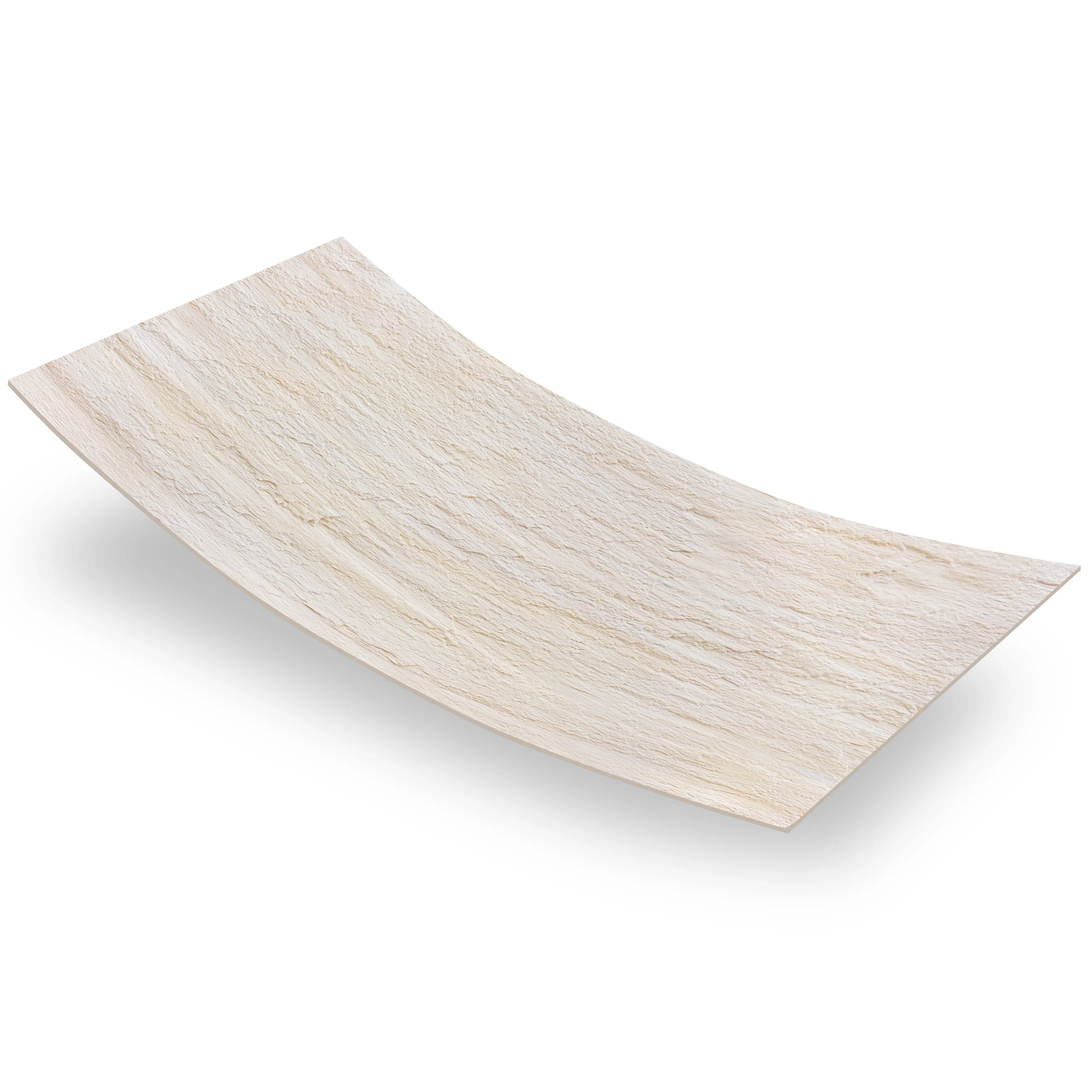
But natural stone alone isn't enough. To make Oasis Stone Foge durable, flexible, and adaptable to modern construction needs, the team blends these raw gems with mcm flexible stone —a proprietary composite that acts as a "bridge" between nature and technology. This isn't about replacing the stone's soul; it's about preserving it, giving it the strength to withstand the demands of contemporary architecture without losing its organic charm.
| Raw Material | Role in Oasis Stone Foge | Key Characteristic |
|---|---|---|
| Lime Stone(Beige) | Base structural component | Warm, sandy undertones with fossilized inclusions |
| Historical Pathfinders Stone | Adds depth and narrative texture | “Path-like” veins and earthy color variations |
| MCM Flexible Stone | Enhances durability and flexibility | Bonds natural stone particles without losing organic texture |
| Epoch Stone Additives | Boosts weather resistance | Mimics the longevity of ancient stone formations |
Sourcing isn't just about picking stones, though. It's about respect—for the environment, for the communities where these materials are found, and for the future. The team works with local suppliers who share their commitment to sustainability, ensuring that quarries are restored, and ecosystems are protected. After all, a material that tells stories shouldn't leave a trail of damage in its wake.
Once the raw materials arrive at the facility, they're greeted not by cold machinery alone, but by artisans who treat each stone as a unique artifact. The first step? Cleaning. But this isn't your average "wipe with a cloth" process. It's a gentle, deliberate act of removing centuries of dust, soil, and debris to reveal the stone's true colors.
Imagine a team member carefully brushing a piece of historical pathfinders stone, their fingers pausing as a hidden vein of rusty red emerges from beneath the dirt—a color no one expected, a happy accident that will later make that particular batch of Oasis Stone Foge one-of-a-kind. Or watching as high-pressure water (softened to avoid damaging delicate surfaces) washes away grit from lime stone(beige), leaving behind a smooth, creamy base that glows when the light hits it. This step is about patience; rushing it could scratch the stone or obscure the very details that make it special.
After cleaning, the stones are sorted by hand. Some are set aside for their bold patterns, others for their subtlety. A few—those with cracks or weaknesses—are repurposed into aggregates for other projects, ensuring nothing goes to waste. It's a reminder that in craftsmanship, even "flaws" have purpose.
Now, the magic of transformation begins. The cleaned stones are moved to a crushing area, but don't picture a, industrial machine smashing everything into dust. Instead, the crushers here are calibrated to break the stone into controlled fragments —some as small as sand, others as large as pebbles. This variety is key: it's what gives Oasis Stone Foge its distinctive texture, a mix of smoothness and grit that feels both intentional and organic.
Once crushed, the stone particles are blended with the mcm flexible stone composite and a dash of epoch stone additives. The blend is mixed in batches, each overseen by a master blender who's spent years honing their intuition. "It's like baking a cake," one blender jokes. "You can follow the recipe, but you learn to adjust based on the day—how humid it is, how the stone feels that morning." They'll tweak the ratio of lime stone(beige) to historical pathfinders stone, add a touch more mcm flexible stone if the mixture feels too dry, or adjust the epoch stone additives to ensure the final product can stand up to harsh winters or scorching summers.
The result is a wet, malleable mixture that holds the promise of what's to come—a material that's neither purely natural nor purely synthetic, but something in between: a hybrid that honors its roots while embracing progress.

If blending is the "baking" step, forming is where the dough becomes a cake. The mixture is poured into molds designed as part of the mcm project board series—a line of custom molds that capture the nuances of natural stone. These aren't the rigid, uniform molds of mass-produced materials. Some are textured to mimic the rough, chiseled look of ancient walls; others have subtle indentations that echo the flow of water over rock, or the grain of weathered wood (a nod to the warmth of wood grain board, a material beloved for its ability to make spaces feel like home).
Operators carefully pour the mixture into these molds, tapping them gently to release air bubbles—another small, deliberate act that prevents weak spots. As they work, they'll sometimes add extra historical pathfinders stone fragments to the surface, creating "feature areas" that will later catch the eye, like a story within a story. It's these little touches that turn cladding into art.
Once filled, the molds are moved to a pressing station, where a light pressure is applied to compact the mixture. This isn't about flattening it, but about ensuring every particle bonds tightly, creating a solid foundation for the material's strength.
In a world that celebrates speed, the curing process of Oasis Stone Foge is a rebellion. The filled molds are wheeled into a curing chamber, where they'll rest for anywhere from 7 to 14 days. No shortcuts here—no blast-drying or chemical accelerants. Just time, temperature, and humidity, carefully controlled to mimic the slow, steady conditions of the earth itself.
"Curing is when the material finds its identity," explains a senior technician. "If you rush it, it might harden fast, but it won't have the same depth. Think of it like aging wine—you can't rush the flavor." During this time, the mcm flexible stone composite bonds with the natural stone particles, and the epoch stone additives strengthen the structure at a molecular level. The result? A material that's not just hard, but resilient —able to flex slightly with a building's movement without cracking, and resistant to the kind of wear that fades lesser materials.
When the chamber doors finally open, the molds are emptied to reveal rough panels—still not ready, but transformed. They've gone from a shapeless mixture to something with form, weight, and purpose. It's a quiet milestone, but one the team celebrates all the same: proof that good things come to those who wait.
Now comes the step where Oasis Stone Foge truly comes alive: surface treatment. This is where the panels shed their "rough draft" status and become finished characters in the architectural narrative. The options here are endless, each designed to evoke a different mood or complement a specific design vision.
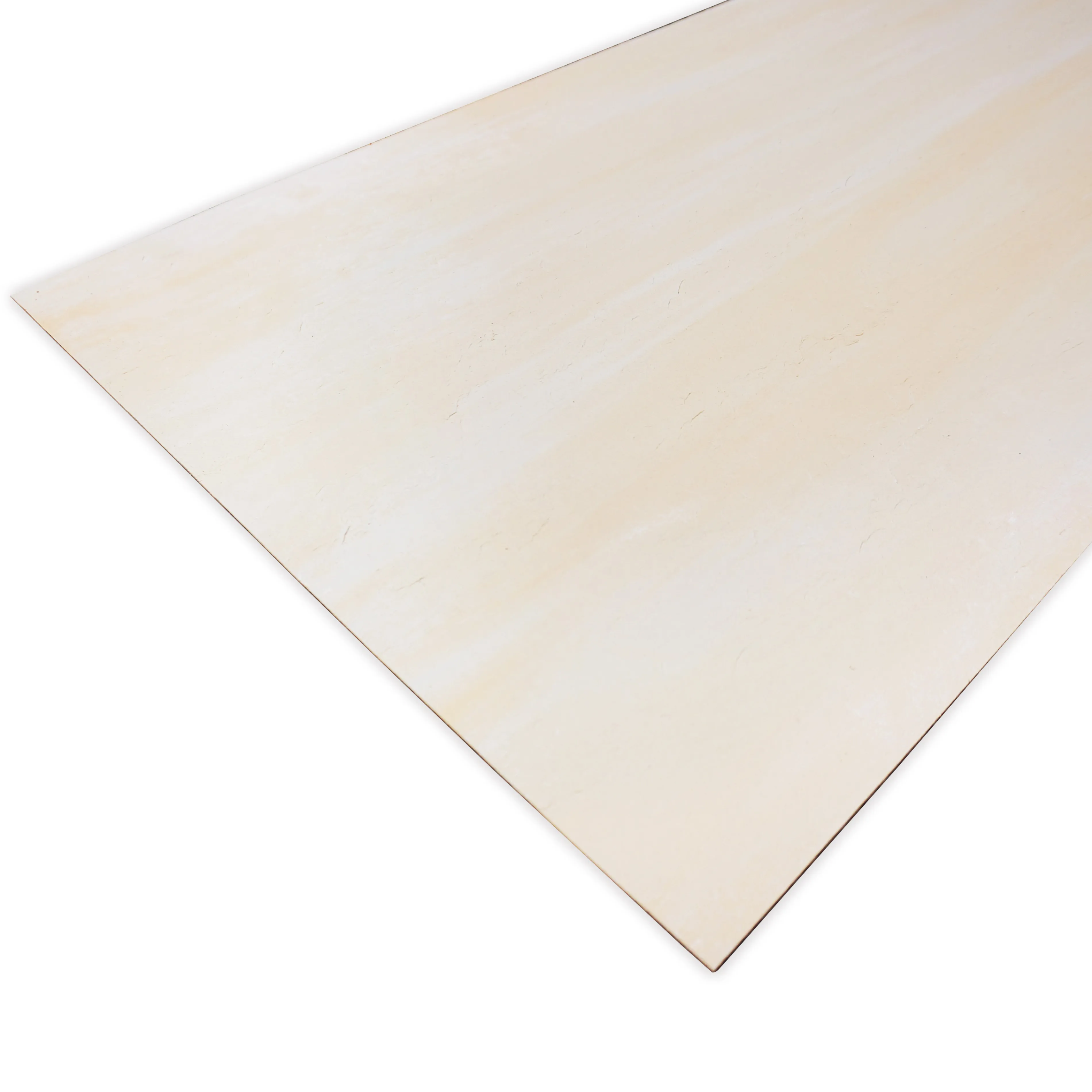
Some panels receive a fair-faced concrete finish—raw, unpolished, and honest, with visible aggregates and subtle color variations that feel grounded and authentic. Others are sandblasted to reveal the depth of their layers, uncovering hidden veins of historical pathfinders stone or flecks of lime stone(beige) that sparkle like buried treasure. A few are treated with a technique inspired by wood grain board, where artisans use specialized tools to carve delicate, linear patterns into the surface—echoing the warmth of wood without the maintenance concerns.
One of the most popular treatments is the "travertine touch," which mimics the porous, honeycombed texture of natural travertine. Using a gentle acid wash, technicians etch tiny holes into the surface, creating a finish that's both tactile and visually interesting—perfect for buildings that want to feel connected to ancient Roman architecture, where travertine has been a staple for millennia. "It's about honoring tradition while making it work for today," says a surface treatment specialist. "These panels might end up on a modern office building, but they'll carry a little piece of history with them."
No matter the treatment, the goal is always the same: to enhance the material's natural beauty, not it. "We don't want to make it look 'perfect,'" the specialist adds. "We want it to look real ."
Before any panel leaves the facility, it must pass through the hands of the quality control team—a group of inspectors with an almost obsessive attention to detail. "We're the last line of defense," says the QC manager. "If a panel isn't good enough for our own homes, it's not good enough for our clients."
The checks start with the basics: measuring dimensions to ensure consistency, testing strength by applying pressure until the panel bends (it should flex, not break), and checking for cracks or chips. But the real art is in the sensory tests. Inspectors run their hands over every panel, feeling for rough spots or uneven textures. They hold panels up to the light, watching how shadows play across the surface, ensuring the color variations are intentional and harmonious. They even smell the panels—odd as it sounds, a fresh, earthy scent means the curing process was done right; any chemical or stale odors are a red flag.
Panels that pass are stamped with a small, unobtrusive logo—a tiny mark of pride from the team. Those that don't are either reworked (if the issue is minor) or recycled (if it's irreparable). "We don't see rejects as failures," the QC manager explains. "They're just lessons. Every panel that doesn't make it teaches us how to make the next one better."
It's this commitment to quality that ensures Oasis Stone Foge doesn't just meet industry standards—it sets them. When architects specify it for their projects, they're not just buying a cladding material; they're buying peace of mind, knowing every panel has been vetted by people who care as much about the end result as they do.
The final step is a quiet one, but no less important: packaging. The panels are wrapped in protective, eco-friendly materials (recycled cardboard, biodegradable bubble wrap) and stacked on pallets, each labeled with details about its batch, finish, and treatment. It's a practical step, but there's a touch of sentiment here too—many team members will pause to run a hand over a panel one last time before it's loaded onto a truck, as if saying goodbye to an old friend.
From there, the panels journey to construction sites around the world—maybe a boutique hotel in Bali, a community center in Chicago, or a private home in Tokyo. Wherever they go, they carry with them the of their journey: the hands that cleaned them, the blenders that mixed their ingredients, the inspectors that ensured their quality. They become part of new stories—of families gathering, of businesses thriving, of communities growing.
And that, ultimately, is the magic of Oasis Stone Foge. It's more than a building material. It's a bridge between the past and the future, between nature and innovation, between the people who make it and the people who live with it. It's a reminder that in a world of quick fixes and disposable trends, there's still value in taking the time to craft something that matters—something that doesn't just cover walls, but fills them with life.
Recommend Products












