
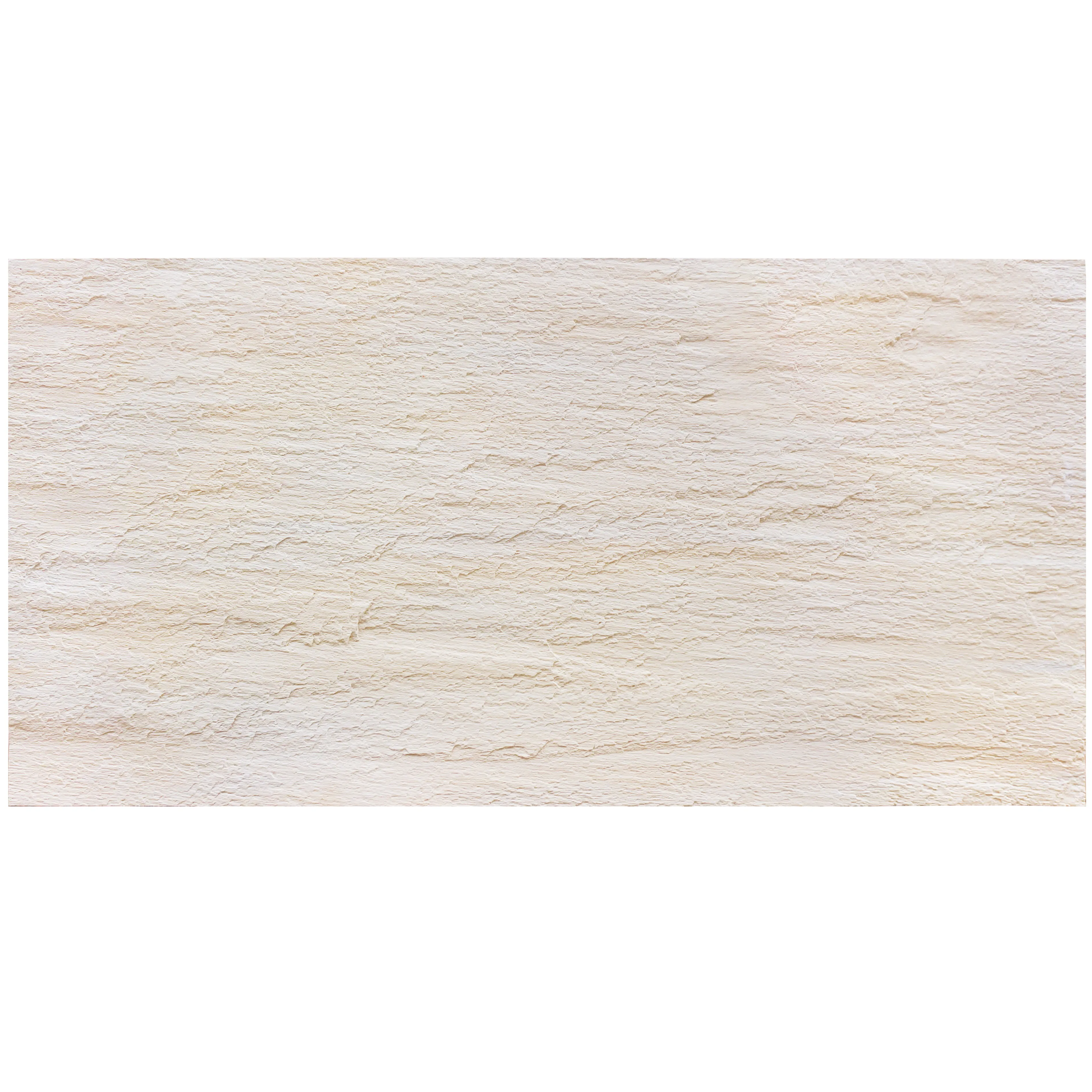
In the world of architecture and design, the search for materials that balance durability and beauty is never-ending. We've all seen it: a stunning building facade that fades after a few rainstorms, or a once-sleek interior wall that cracks under the weight of time. But what if there was a material that didn't just look good on day one, but kept turning heads decades later? Enter Oasis Stone Foge —a modern marvel that's redefining what we expect from construction materials. Blending cutting-edge technology with the timeless appeal of natural stone, it's quickly becoming the go-to choice for designers who refuse to compromise. Let's unpack what makes this material so exceptional, starting with its core strengths: unyielding durability, surprising flexibility, and unbeatable weather resistance.
When we talk about "strength" in building materials, we're not just talking about how hard it is to scratch the surface. True strength is about resilience—standing up to heavy loads, daily wear, and the kind of accidental impacts that leave traditional stone looking worse for wear. Oasis Stone Foge doesn't just meet this standard; it shatters it. At its core, this material is a masterclass in engineering: a blend of high-grade natural stone aggregates (think the robustness of historical pathfinders stone , but refined) and a proprietary polymer matrix that binds everything together at the molecular level. The result? A material with a compressive strength that outperforms many traditional stones and even some concretes.
Let's put that in perspective. Traditional travertine, for example, has a compressive strength of around 15-25 MPa (megapascals). Fair-faced concrete, a staple in modern construction, typically hits 20-30 MPa. Oasis Stone Foge? It clocks in at a whopping 45-50 MPa. That means it can handle the weight of a commercial building's upper floors without so much as a hairline crack, or the constant foot traffic of a busy shopping mall without showing signs of fatigue. But what truly sets it apart is its tensile strength—the ability to resist being pulled apart. Unlike brittle materials that snap under tension, Oasis Stone Foge's polymer binder acts like a flexible glue, distributing stress evenly. This is why you'll find it in high-stress areas like airport terminals, where the combination of heavy luggage carts and thousands of daily passengers would turn lesser materials into dust.
But strength isn't just about numbers. It's about real-world performance. Take the case of a hotel in downtown Chicago, where the lobby floors were renovated with Oasis Stone Foge five years ago. Since then, the space has hosted countless events, from wedding receptions with dancing crowds to trade shows with heavy exhibition booths. Walk across those floors today, and you'd never guess they've seen that kind of action—no chips, no stains, just the same warm, earthy texture that made them a design highlight in the first place. That's the kind of strength that architects and property owners dream of: the kind that lets a space age gracefully, not grudgingly.
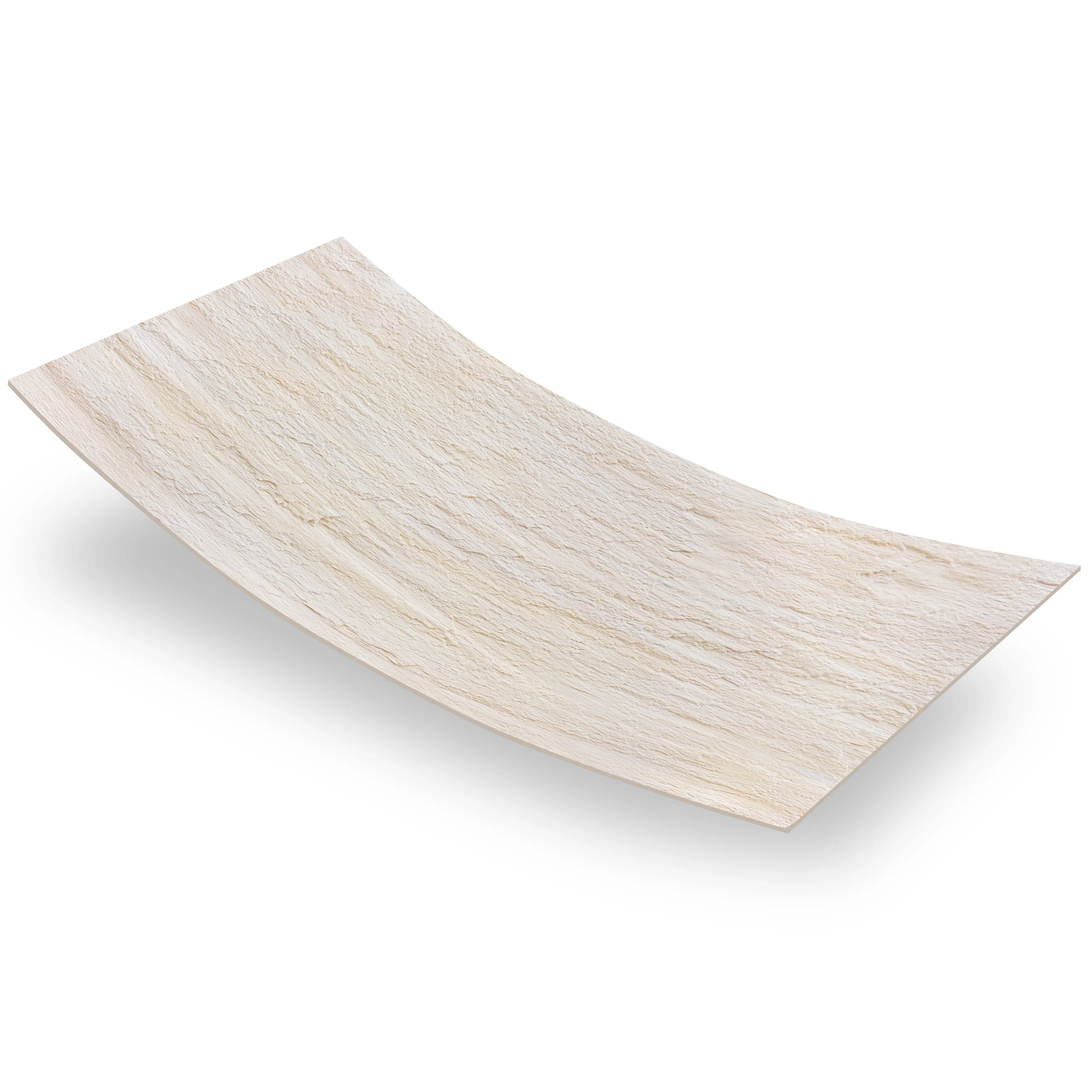
If strength is Oasis Stone Foge's backbone, flexibility is its secret superpower. For decades, designers have been limited by the rigidity of traditional building materials. Want a curved facade? Good luck finding a stone slab that can bend without cracking. Dream of a spiral staircase with a seamless stone finish? Prepare to spend a fortune on custom-cut pieces that still might not fit perfectly. But mcm flexible stone technology—of which Oasis Stone Foge is a star player—changes the game entirely. This material isn't just "flexible" in the way a rubber band is; it's flexible in a way that empowers creativity.
How does it work? Unlike solid stone slabs, which are dense and unforgiving, Oasis Stone Foge is engineered to be lightweight and pliable. It comes in thin, manageable sheets (typically 3-5mm thick) that can be curved, folded, or even wrapped around complex shapes with minimal effort. Installers often compare it to working with high-end wallpaper—minus the fear of tearing. This flexibility opens up a world of design possibilities. Imagine a museum with a sweeping, organic exterior that mimics the flow of a river; with Oasis Stone Foge, that's not a pipe dream—it's a Tuesday afternoon installation. Or a residential interior with a rounded accent wall that transitions seamlessly from the living room to the dining area; no more unsightly seams or awkward angles.
But flexibility isn't just about aesthetics—it's about practicality, too. Traditional stone slabs are heavy, often requiring cranes and specialized equipment to transport and install. Oasis Stone Foge, by contrast, is light enough to be carried by two people, cutting down on labor costs and installation time. In a recent project in Los Angeles, a team of four installers finished cladding an entire 2,000-square-foot commercial facade in just three days—a job that would have taken a week with traditional stone. And because it's so easy to handle, there's far less waste. No more discarded slabs because they cracked during transport or didn't fit the design; every sheet of Oasis Stone Foge can be trimmed and adjusted on-site, ensuring maximum efficiency.
Perhaps the most impressive example of its flexibility is its use in 3D art concrete board installations. Artists and designers are now using Oasis Stone Foge to create sculptural walls and ceiling features that curve and twist in ways that were once impossible with stone. A recent installation at a tech company's headquarters features a 20-foot-tall "wave" wall, made entirely of Oasis Stone Foge, that seems to flow from the lobby floor to the ceiling. The material's ability to hold its shape while maintaining structural integrity is nothing short of revolutionary—and it's all thanks to that clever polymer binder we mentioned earlier. It's flexibility with a purpose: turning bold design visions into tangible, lasting reality.
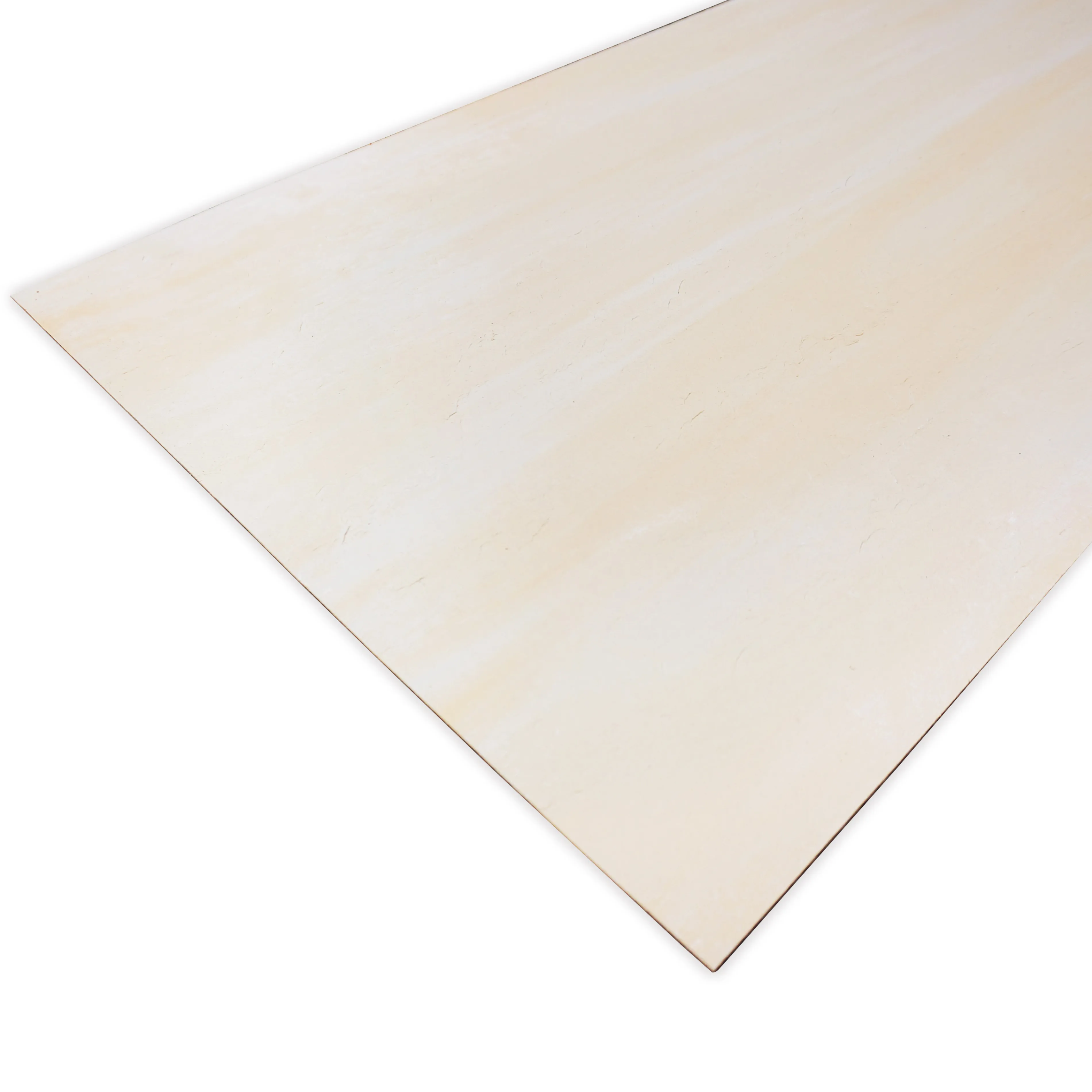
A material can be strong and flexible, but if it can't stand up to the whims of Mother Nature, it's little more than a pretty ornament. That's where Oasis Stone Foge truly shines. Whether it's baking under the desert sun, getting pelted by monsoon rains, or enduring the freeze-thaw cycles of a harsh winter, this material laughs in the face of weather. Let's break down why it's so resilient.
First, UV resistance. We've all seen what happens to untreated stone or low-quality concrete after a few years in direct sunlight: the color fades, the surface becomes chalky, and what was once vibrant looks dull and lifeless. Oasis Stone Foge, however, is treated with a UV-stabilized coating that locks in its color at the factory. Tests show that even after 10 years of exposure to the intense sun of places like Arizona or Dubai, the material retains over 90% of its original color. Compare that to traditional gobi panel (a material designed for arid climates), which typically fades by 30-40% in the same timeframe. It's not just about looking good—it's about maintaining the building's integrity. Faded exteriors can make a structure look neglected, but with Oasis Stone Foge, that "new building" shine lasts for decades.
Then there's water resistance. Traditional stone is porous by nature; it soaks up water like a sponge, which can lead to mold growth, efflorescence (those white, powdery stains), and even structural damage when the water freezes and expands. Oasis Stone Foge, on the other hand, has a water absorption rate of less than 0.5%—that's comparable to glass. How? Its polymer matrix fills in the tiny pores that plague natural stone, creating a barrier that repels water on contact. In coastal areas, where saltwater spray is a constant threat, this is a game-changer. Salt can eat away at concrete and corrode metal, but Oasis Stone Foge's non-porous surface simply lets the saltwater bead up and slide off, leaving no trace behind. A beachfront restaurant in Miami installed it five years ago, and today, the exterior looks as crisp as the day it was finished—no rust stains, no pitting, just the same warm, inviting texture that draws customers in.
Temperature extremes are another test, and Oasis Stone Foge aces that too. In places like Minnesota, where temperatures swing from -30°C in winter to 35°C in summer, traditional materials expand and contract, leading to cracks and warping. Oasis Stone Foge's polymer binder acts as a buffer, allowing the material to flex with temperature changes without losing its shape. It's like having a built-in shock absorber for the elements. Even in freeze-thaw cycles—where water seeps into pores, freezes, and expands—Oasis Stone Foge remains unscathed. Lab tests simulate 500 freeze-thaw cycles (that's over 15 years in a harsh climate), and the material shows no signs of damage. For architects working in unpredictable climates, this kind of reliability is priceless.
To truly appreciate Oasis Stone Foge, it helps to see how it compares to other popular building materials. Below is a side-by-side look at key properties, from strength to weather resistance:
| Material | Compressive Strength (MPa) | Flexibility (1-10)* | Weather Resistance (1-10)** | UV Color Retention (10-Year) |
|---|---|---|---|---|
| Oasis Stone Foge | 45-50 | 9 | 9.5 | >90% |
| Fair-Faced Concrete | 20-30 | 3 | 7 | 60-70% |
| Traditional Travertine | 15-25 | 2 | 6.5 | 50-60% |
| Gobi Panel | 30-35 | 4 | 8 | 75-80% |
*1=Rigid, 10=Highly Flexible | **1=Poor, 10=Excellent
Let's be honest: even the strongest, most flexible material in the world won't win over designers if it looks like a cheap imitation. Oasis Stone Foge gets this—and that's why its aesthetic range is just as impressive as its performance. This material isn't trying to replace natural stone; it's paying homage to it while fixing its flaws. Take lunar peak silvery , for example—a finish that mimics the moonlit glow of polished silver, adding a modern, ethereal touch to any space. Or the warm, earthy tones of historical pathfinders stone , which evoke the charm of ancient architecture without the upkeep headaches. Whether you're going for a sleek, minimalist look or a rustic, weathered vibe, there's an Oasis Stone Foge finish that fits.
But it's not just about color—it's about texture. Run your hand over a sheet of Oasis Stone Foge, and you'll feel the same depth and variation as you would with natural stone. The aggregates are carefully selected for their size and shape, creating surfaces that range from smooth and polished (perfect for contemporary interiors) to rough and tactile (ideal for exterior facades that beg to be touched). One of the most popular textures is "stream limestone (claybank)," which mimics the look of stone worn smooth by running water—a classic aesthetic that feels both timeless and fresh. And because the texture is integral to the material (not just a surface coating), it won't wear off over time. That means the "aged" look you love on day one will still be there decades later, no touch-ups required.
This versatility makes Oasis Stone Foge a favorite across industries. In hospitality, it's used for hotel lobbies and restaurant exteriors, where first impressions matter most. In retail, it's the star of flagship store facades, drawing customers in with its unique texture. In residential design, homeowners are choosing it for accent walls, outdoor patios, and even fireplace surrounds, where it adds warmth and character without the maintenance of traditional stone. And in public spaces—museums, libraries, transit hubs—it's proving that durability and beauty can coexist. A recent project at a university campus used Oasis Stone Foge to clad a student center, and the feedback has been unanimous: it feels like a space that was built to last, but also one that was designed with care.
Oasis Stone Foge isn't just a material; it's a glimpse into the future of construction. For too long, designers have been forced to choose between form and function—between a material that looks good and one that lasts. This product erases that choice. It's strong enough for skyscrapers, flexible enough for art installations, and weather-resistant enough for the harshest corners of the globe. It honors the past (hello, historical pathfinders stone vibes) while embracing the future, proving that innovation and tradition don't have to be enemies.
As we move toward a world where sustainability and longevity matter more than ever, materials like Oasis Stone Foge will lead the charge. Its durability means fewer replacements, reducing waste. Its lightweight nature cuts down on transportation emissions. And its low-maintenance design means less energy spent on upkeep—no power washing, no repainting, no constant repairs. It's a material that's kind to the planet and kind to your budget, a rare win-win in the construction world.
So, whether you're an architect designing the next iconic building, a homeowner looking to elevate your space, or a designer chasing that perfect blend of form and function, Oasis Stone Foge deserves a spot on your radar. It's not just changing how we build—it's changing how we think about building. And in a world where the only constant is change, that's a material worth investing in.
*All performance data based on third-party lab testing and real-world case studies. Results may vary based on installation and environmental conditions.
Recommend Products












