
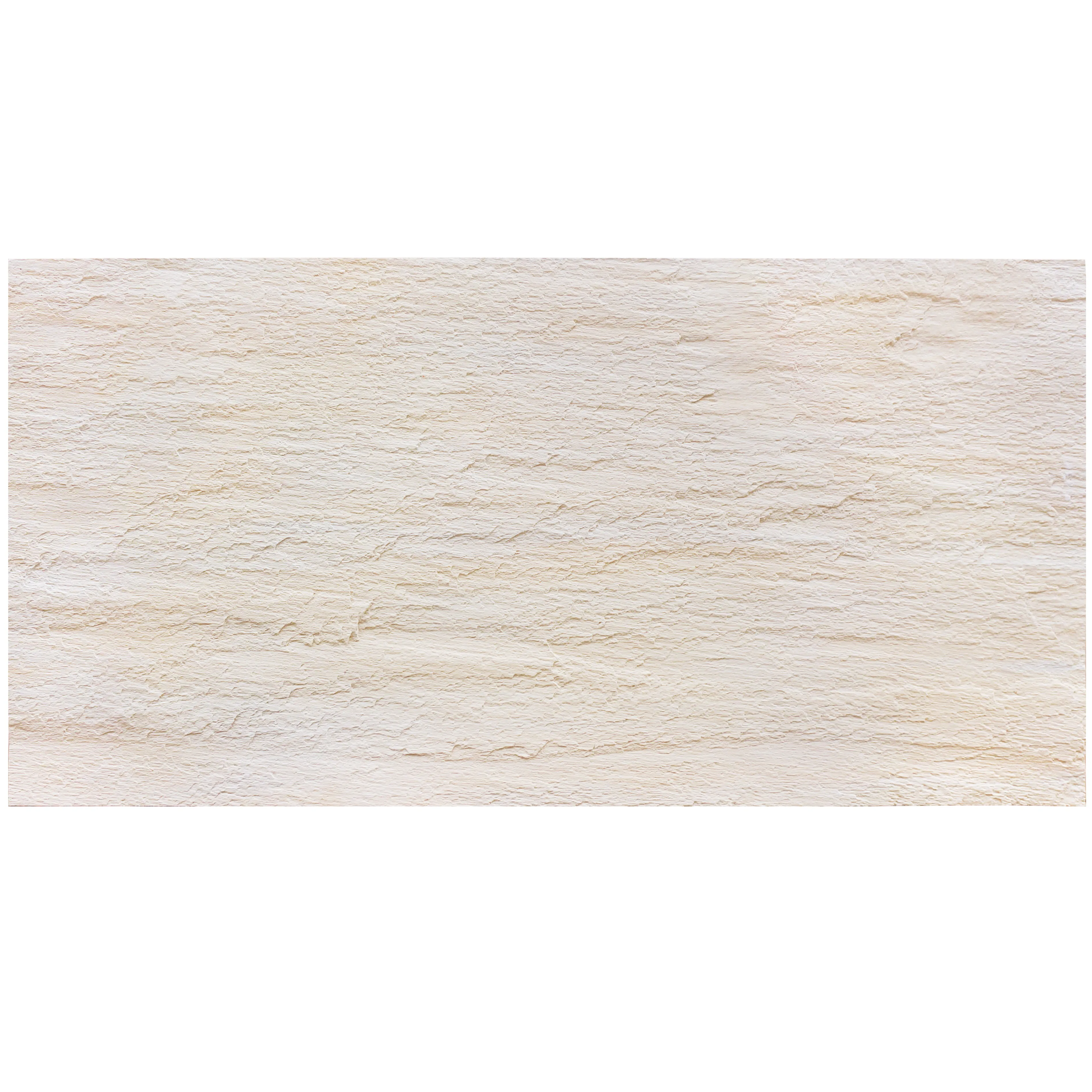
When we think about a building, the first thing that often catches our eye is its exterior. Those walls aren't just there to keep the weather out—they tell a story. They whisper about the building's purpose, its personality, and even the values of those who designed it. For decades, traditional materials like brick have been the backbone of exterior design, offering a timeless charm that feels both familiar and reliable. But in recent years, a new generation of building materials has emerged, blending innovation with sustainability to redefine what exterior walls can be. One such material making waves is Oasis Stone Foge , a modern contender that's challenging the status quo. Today, we're diving deep into a head-to-head comparison: Oasis Stone Foge versus classic brick. Which one deserves a spot on your next project? Let's find out.
Before we jump into the nitty-gritty, let's get to know our two main players. They might both be used for exterior walls, but their backgrounds, compositions, and superpowers are worlds apart.
Oasis Stone Foge is part of a broader family of MCM flexible stone products—think of it as the cool, eco-conscious cousin of traditional stone. MCM, or Modified Composite Material, is all about blending durability with flexibility, and Oasis Stone Foge is a shining example. Unlike heavy natural stone slabs or rigid concrete, this material is lightweight, thin, and surprisingly bendable, making it a dream for architects who love pushing design boundaries. It's crafted from a mix of natural minerals, recycled aggregates, and a polymer binder that gives it strength without the bulk. What really sets it apart, though, is its aesthetic versatility. Whether you're after the rugged look of desert rock, the smoothness of polished stone, or even subtle color gradients, Oasis Stone Foge can mimic just about any texture or hue you can imagine—all while keeping sustainability in mind.
Brick, on the other hand, is the grandparent of building materials—wise, sturdy, and deeply rooted in history. Made from clay or shale that's molded, dried, and fired in kilns, bricks have been used for thousands of years, from ancient pyramids to colonial cottages. Their appeal lies in their simplicity: small, uniform blocks that stack together to create walls that feel solid and enduring. Classic brick comes in earthy tones—reds, browns, tans—and its rough, porous surface adds a tactile warmth that's hard to replicate. For many, brick isn't just a material; it's a symbol of reliability. When you see a brick building, you think, "That's going to last."
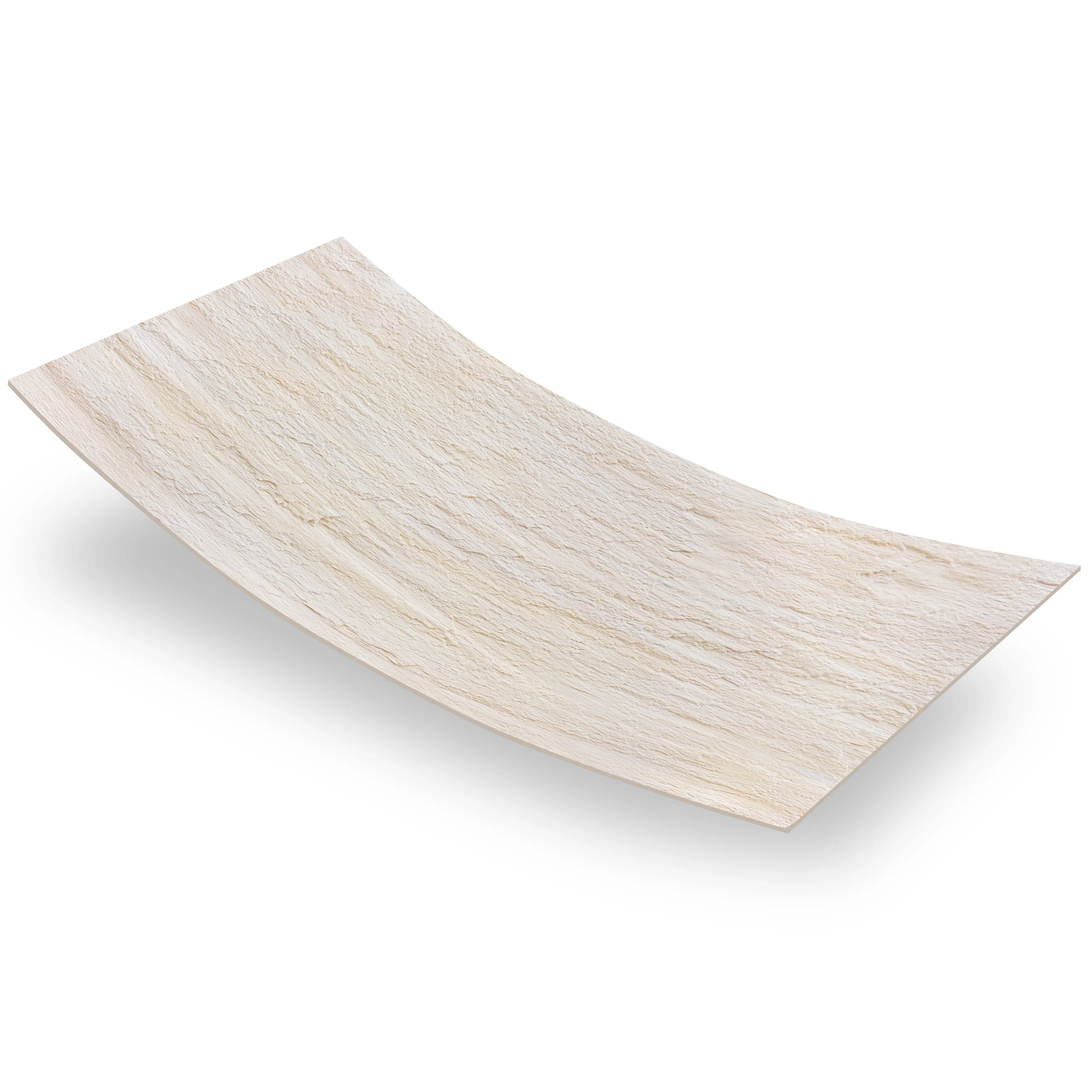
Let's start with the big question: How long will these materials actually last? After all, an exterior wall has to face down rain, snow, scorching sun, and freezing temperatures year after year. No one wants to invest in a material that cracks, fades, or falls apart after a few seasons.
Brick has a reputation for longevity, and for good reason. Well-made clay bricks can last 100 years or more—many historic buildings around the world are proof of that. But here's the catch: brick is porous. That means it soaks up water like a sponge, especially if the mortar between bricks starts to degrade (a common issue called "spalling"). Over time, freeze-thaw cycles can cause the brick to crack, and moss or mold might start creeping in if it's not cleaned regularly. It's tough, but it's not invincible.
Oasis Stone Foge, thanks to its MCM flexible stone composition, takes a different approach. Its polymer binder creates a non-porous surface that repels water, so you don't have to worry about moisture seeping in and causing damage. It's also resistant to UV rays, which means it won't fade or discolor even after years in direct sunlight. And here's a fun fact: its flexibility helps it "breathe" with temperature changes. Unlike rigid materials that crack under stress (looking at you, concrete), Oasis Stone Foge can expand and contract slightly without breaking. In coastal areas or regions with extreme weather, that flexibility could be a game-changer.
Winner here? It's close, but Oasis Stone Foge edges ahead for low-maintenance durability, especially in harsh climates.
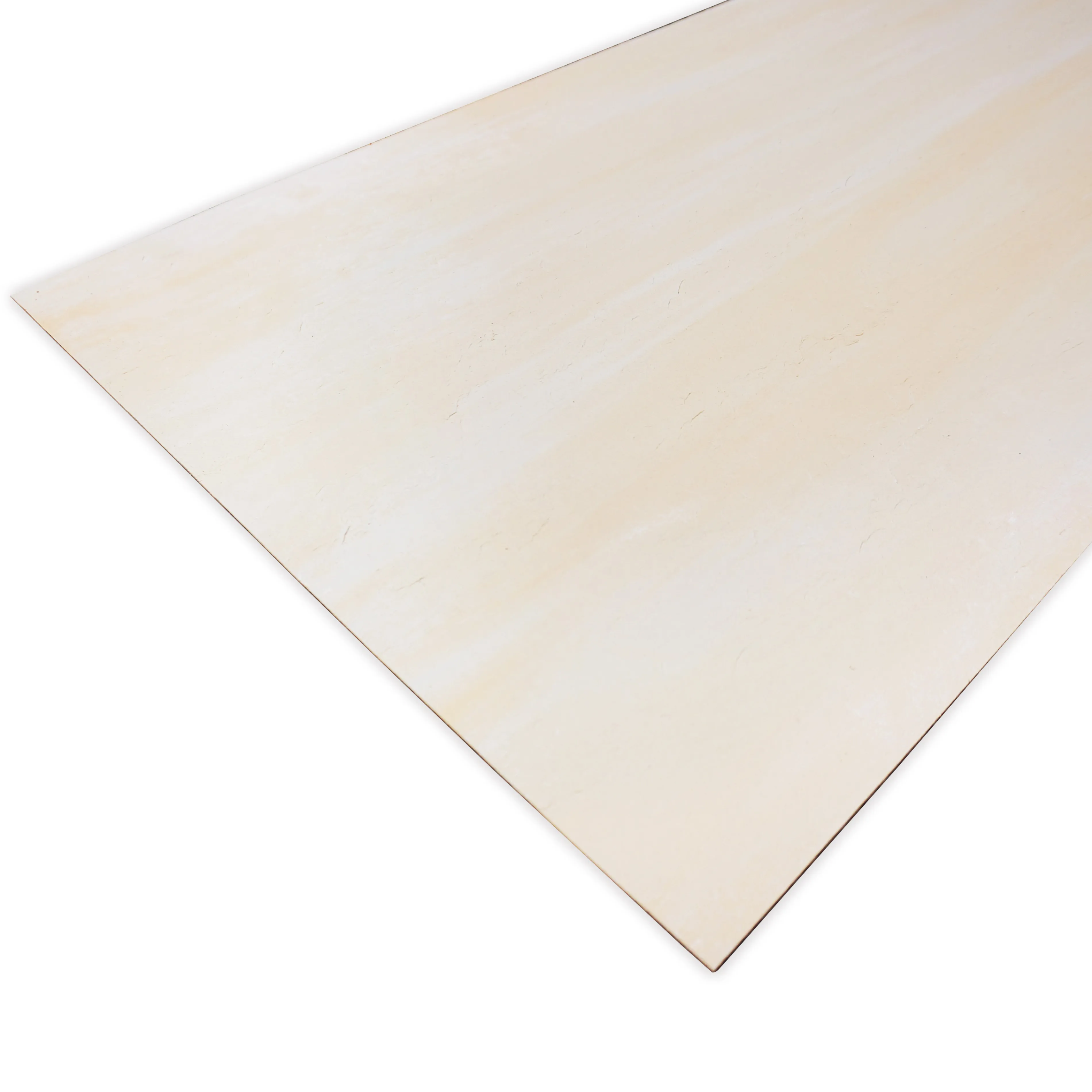
Let's be honest: we don't just build walls to keep the rain out—we build them to make a statement. Whether you're designing a cozy home or a sleek commercial space, the exterior has to match the vibe you're going for. So how do our two contenders stack up in the style department?
Brick's charm is in its tradition. There's something inherently welcoming about a red brick facade—it feels like home, like a place where memories are made. But here's the limitation: brick comes in a relatively narrow range of colors and textures. You can get it in red, brown, cream, or maybe gray, but that's about it. The texture is always that rough, pitted surface (unless you opt for expensive polished brick, which loses some of that classic appeal). If you're going for a historic, cottage, or industrial look, brick is perfect. But if you want something more modern, bold, or custom? You might hit a wall (pun intended).
Oasis Stone Foge, on the other hand, is like a chameleon. It's designed to mimic the look of natural stone, but with endless possibilities. Want the rugged texture of desert rock? Done. Craving the smooth elegance of marble? No problem. Even subtle gradients or metallic accents are on the table. Because it's a composite material, manufacturers can tweak the color, pattern, and finish to match almost any design vision. Imagine a contemporary office building with a facade that shimmers like moonlight, or a home that blends into a mountain landscape with stone-like textures that change with the light. Oasis Stone Foge doesn't just fit into a design—it elevates it. It's not just a wall; it's a canvas.
If versatility and modern design are priorities, Oasis Stone Foge is the clear winner here. But if you're loyal to that classic brick aesthetic, there's no shame in sticking with tradition.
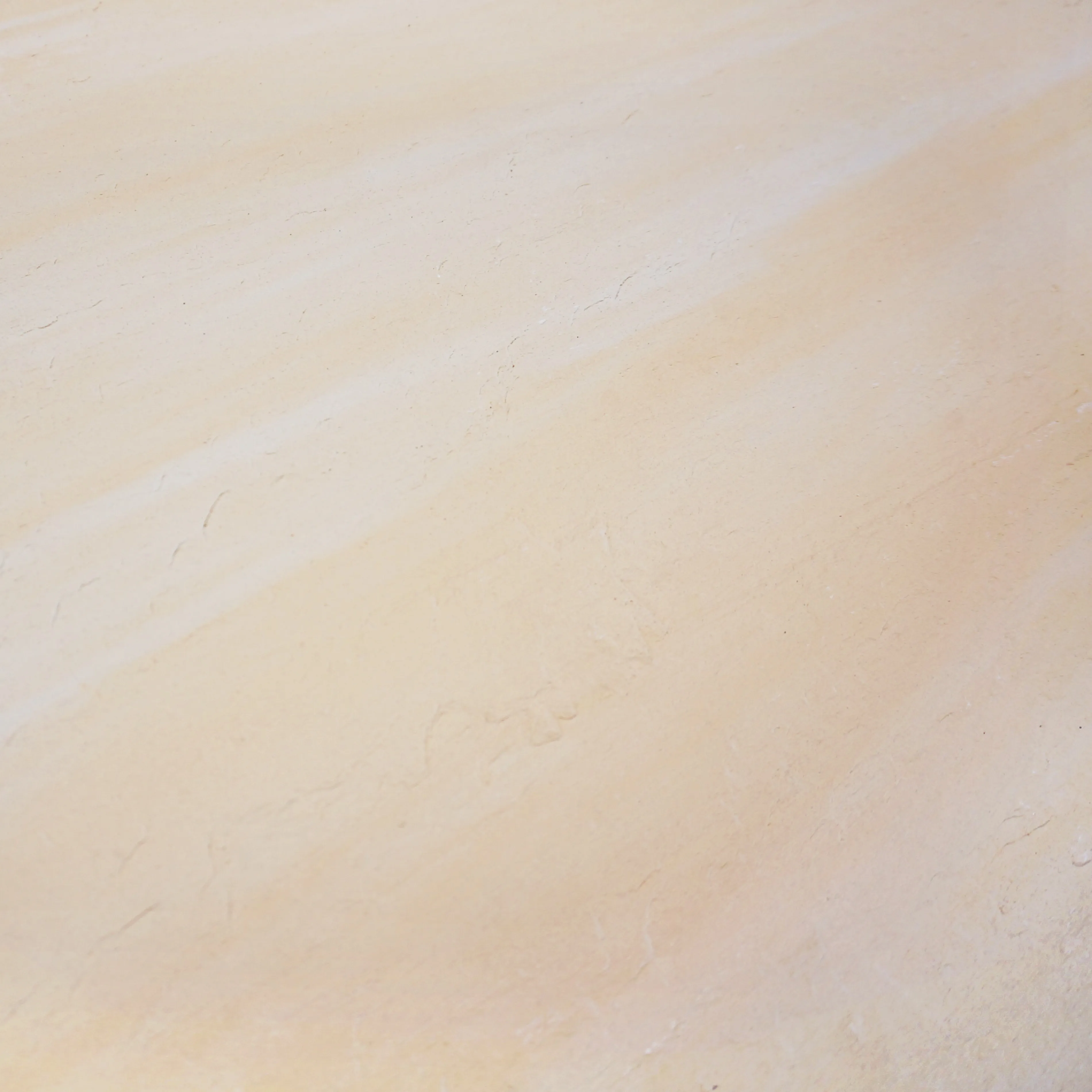
Let's talk about the practical side of things: getting these materials from the warehouse to your wall. Installation might not be the sexiest topic, but it can make or break a project's timeline and budget. So which is easier to install: Oasis Stone Foge or brick?
Brick installation is a labor of love—and labor, in this case, means time and money. Each brick has to be carefully laid by hand, with mortar spread between them to hold them in place. It's a skilled trade, and even experienced masons can only lay so many bricks in a day. Plus, brick is heavy—each standard clay brick weighs about 4-5 pounds. Multiply that by thousands, and you're looking at a lot of lifting, not to mention the need for strong structural support to hold all that weight. For large projects, brick installation can drag on for weeks, tying up your crew and delaying other parts of the build.
Oasis Stone Foge, by contrast, is a lightweight champion. Thanks to its composite makeup, it weighs a fraction of brick—usually around 3-5 pounds per square foot, compared to brick's 30-40 pounds per square foot. That means it's easier to transport, easier to handle on-site, and doesn't require super heavy-duty structural support. Installation is more like applying large, flexible panels (think of it as wallpapering, but for buildings). With the right adhesive, a small crew can cover a lot of ground in a day. No mortar, no messy cleanup, no waiting for materials to dry. For contractors and homeowners alike, that translates to faster project timelines and lower labor costs.
Installation winner? Oasis Stone Foge, hands down. It's faster, lighter, and less labor-intensive—music to any builder's ears.
These days, "green building" isn't just a trend—it's a responsibility. We all want to build in ways that minimize our impact on the planet, and that starts with the materials we choose. So how do Oasis Stone Foge and brick measure up when it comes to sustainability?
Let's start with brick. Making traditional clay brick involves mining clay, shaping it, and firing it in kilns at temperatures up to 2,000°F. That firing process uses a lot of energy—usually natural gas or coal—which means high carbon emissions. On top of that, mining clay can disrupt local ecosystems, and any bricks that are damaged during production (which happens more often than you might think) end up in landfills. Brick is durable, so it doesn't need to be replaced often, but its manufacturing footprint is hard to ignore.
Oasis Stone Foge, as part of the MCM flexible stone family, is designed with sustainability in mind. Many manufacturers use recycled materials in its production—think crushed stone, recycled polymers, or even waste from other industries. The production process also requires less energy than brick firing, and since it's lightweight, transporting it emits less CO2. Plus, because it's so durable, it has a long lifespan, reducing the need for replacements. And if a panel does get damaged? It's easier to repair or replace without tearing down entire sections of the wall. When you add it all up, Oasis Stone Foge aligns nicely with the goals of green building materials —low environmental impact, high performance, and a focus on longevity.
Another material worth mentioning here is fair-faced concrete , a sustainable option known for its raw, industrial look. While it's durable and uses fewer resources than brick, it lacks the design flexibility of Oasis Stone Foge. Still, it's a reminder that sustainability doesn't have to mean sacrificing style—and Oasis Stone Foge proves that.
Let's talk numbers. Budget is always a factor, and it's easy to get sticker shock when comparing upfront costs. But here's the thing: the cheapest option today might cost you more in the long run. So let's break down the costs of Oasis Stone Foge and brick, from purchase to installation to maintenance.
Brick has a reputation for being "affordable," and that's partially true—if you only look at the material itself. A standard clay brick costs around $0.50 to $1.50 per unit, and you'll need about 6-7 bricks per square foot. So materials alone might run you $3 to $10 per square foot. But then there's installation: hiring masons, buying mortar, renting equipment. That can add another $10 to $20 per square foot, bringing the total to $13 to $30 per square foot. And remember, brick needs maintenance—repointing mortar every 20-30 years, cleaning to prevent mold, maybe even replacing damaged bricks. Those costs add up over time.
Oasis Stone Foge, on the other hand, has a higher upfront material cost—usually around $8 to $15 per square foot. But here's where it evens out: installation is much cheaper. Since it's lightweight and panel-based, you don't need specialized labor or heavy equipment. Installation costs might only be $5 to $10 per square foot, bringing the total upfront cost to $13 to $25 per square foot—similar to brick, or even lower in some cases. And because it's low-maintenance (no repointing, no sealing, easy cleaning), you'll save money over the years. When you factor in durability and longevity, Oasis Stone Foge often ends up being the more cost-effective choice in the long run.
After diving into durability, aesthetics, installation, sustainability, and cost, it's time to pick a winner. But here's the truth: there is no one-size-fits-all answer. It all depends on your project's goals, budget, and style.
Choose brick if: You love traditional charm, are building a historic-style home, or have a tight upfront budget and don't mind higher long-term maintenance costs. Brick will always have a place in architecture for its warmth and nostalgia.
Choose Oasis Stone Foge if: You want a modern, low-maintenance, and sustainable material with endless design possibilities. It's perfect for contemporary homes, commercial buildings, or anyone who wants their exterior to stand out while standing the test of time. Its lightweight nature, durability, and eco-friendly credentials make it a smart choice for the future of building.
At the end of the day, both materials have their strengths—but Oasis Stone Foge is redefining what exterior walls can be. It's not just a material; it's a statement that says, "We care about the planet, about design, and about building something that lasts." And in a world where we're all looking for ways to build better, that's a statement worth making.
| Feature | Oasis Stone Foge | Traditional Brick |
|---|---|---|
| Durability | High; water-resistant, UV-resistant, flexible | High; long lifespan but porous and prone to spalling |
| Aesthetics | Highly versatile; mimics natural stone, multiple textures/colors | Classic but limited; narrow color/texture range |
| Installation | Fast, lightweight, panel-based (low labor cost) | Slow, heavy, mortar-based (high labor cost) |
| Sustainability | Eco-friendly; recycled materials, low energy production | High carbon footprint from firing process |
| Long-Term Cost | Lower (low maintenance, durable) | Higher (maintenance, potential repairs) |
Recommend Products












