
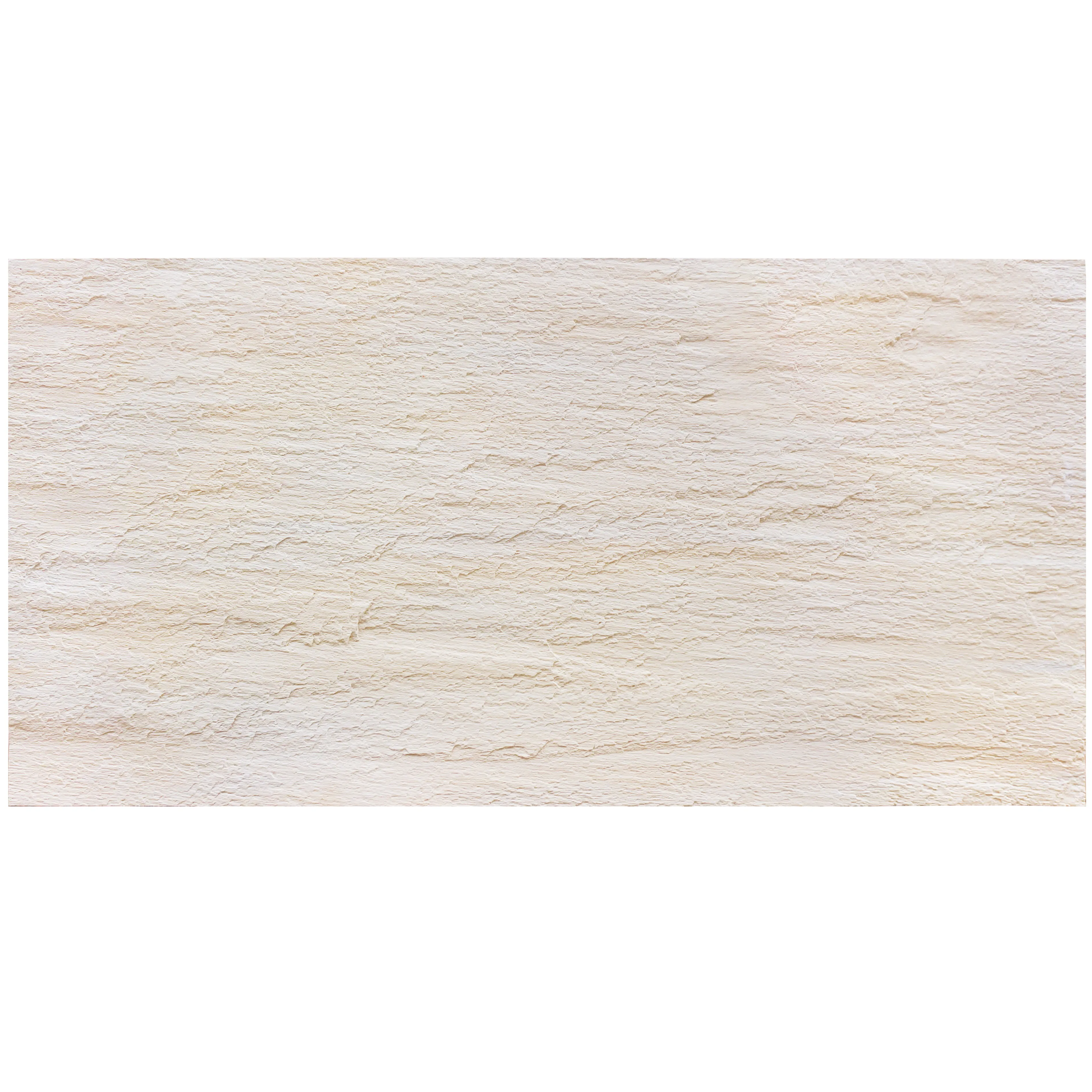
Imagine standing on your coastal porch, the salty breeze tangling your hair as waves crash in the distance. It's the dream—until you notice the cracks spreading across your exterior walls, or the paint peeling faster than you can repaint. Coastal homes aren't just houses; they're battlegrounds against nature's harshest elements: salt spray, relentless humidity, and storms that test every inch of your build. Choosing the right exterior material isn't just about looks; it's about preserving that dream for decades. Today, we're diving into two heavyweights in the coastal construction world: Oasis Stone Foge and fiber cement. Which one will stand tall when the next storm rolls in?
First up is Oasis Stone Foge, a rising star in the world of exterior cladding. If you've ever wished for the timeless beauty of natural stone without the hassle of its weight or fragility, this might be your match. Part of the MCM flexible stone family—short for Modified Composite Material—Oasis Stone Foge blends the texture and depth of natural stone with the durability of modern engineering. Think of it as stone with a superhero upgrade: it's lighter, more flexible, and designed to shrug off the kind of punishment coastal environments dish out.
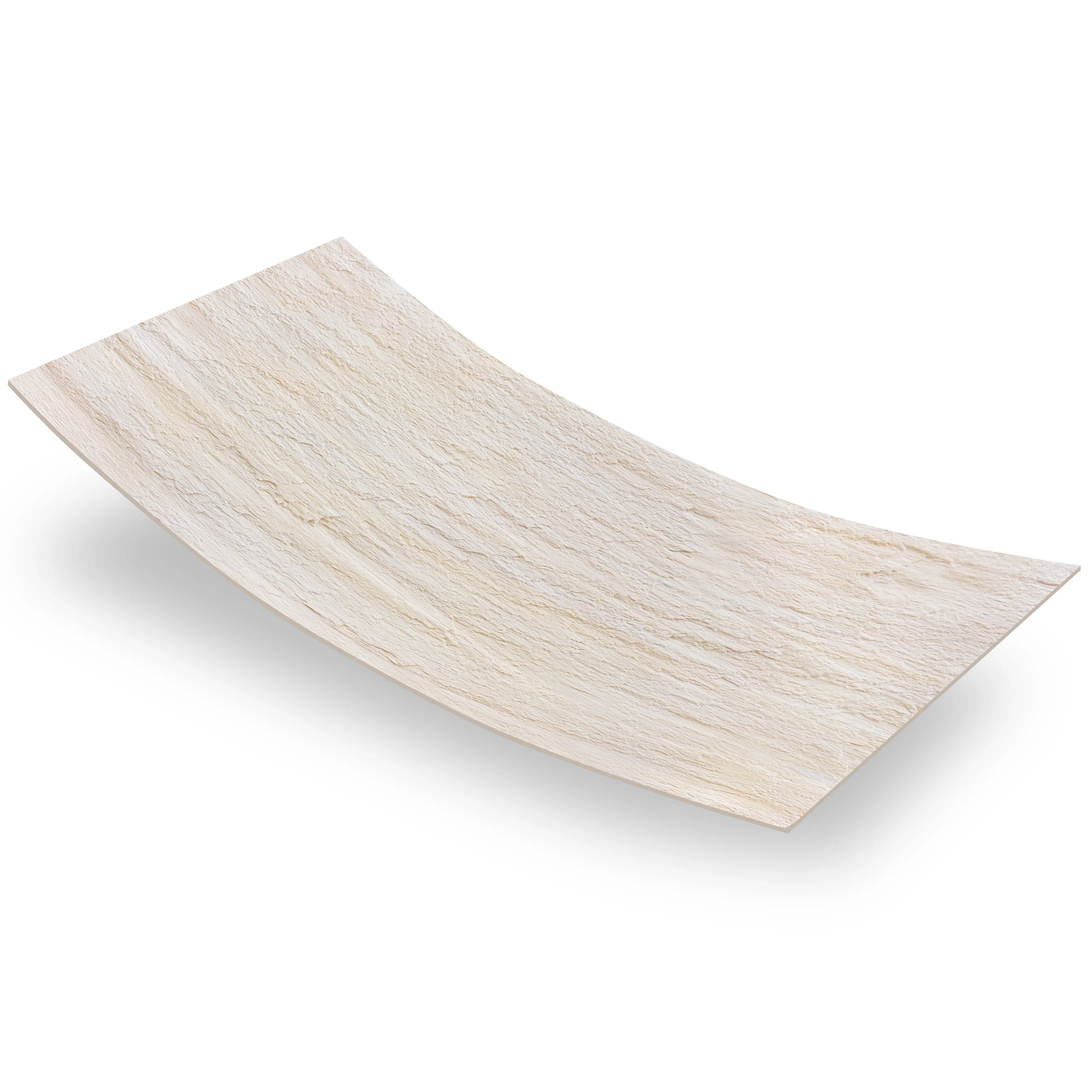
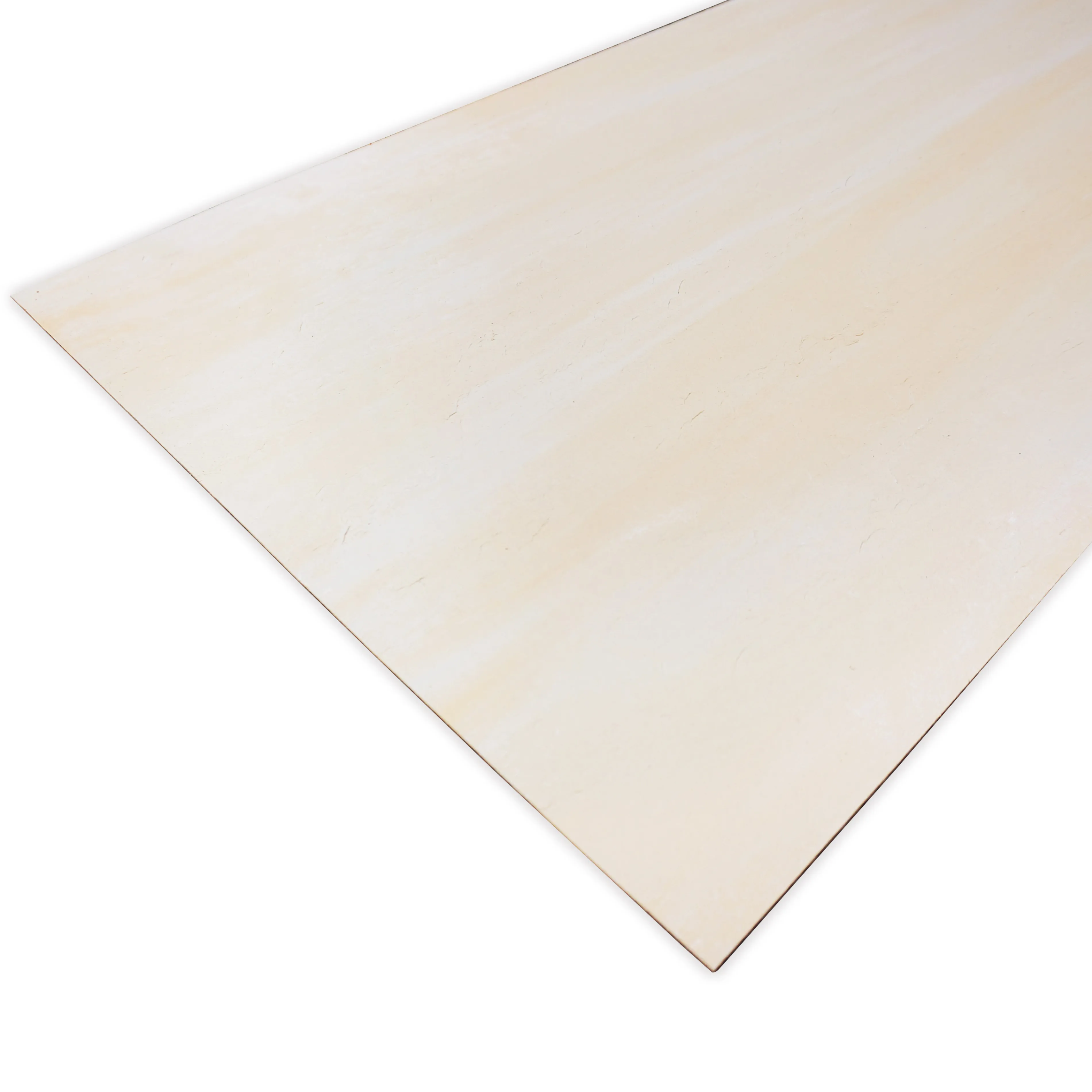
Unlike traditional stone, which can crack under the stress of shifting coastal soils or high winds, MCM flexible stone bends without breaking. It's crafted from a mix of natural minerals and polymers, giving it the best of both worlds: the authentic look of stone (no cheap plastic vibes here) and the resilience of synthetic materials. And Oasis Stone Foge? It's specifically engineered with coastal climates in mind, with a finish that mimics the weathered, earthy tones of desert stone—think soft beiges and muted grays that complement the beach's natural palette.
On the other side of the ring is fiber cement, a material that's been a staple in construction for decades. You've probably seen it on homes across the country, thanks to its reputation for durability and affordability. Made from a mix of cement, sand, and cellulose fibers (think wood pulp), fiber cement boards are dense, rigid, and designed to resist rot, fire, and pests. It's the kind of material contractors often recommend when clients say, "I just want something that works—no fuss."
But here's the catch: fiber cement is a classic for a reason, but "tried-and-true" doesn't always mean "coastal-proof." It's dense, which can be a plus for stability, but that density also makes it heavy—something to consider if you're building on unstable coastal soil. And while it holds up well to rain and wind, saltwater? That's a different beast. Over time, salt can seep into the material, leading to discoloration or even weakening the fibers. Still, it's a popular choice for budget-conscious builders, and with proper maintenance, it can last 20-30 years. But in coastal areas, "proper maintenance" often means annual checks and touch-ups—time and money you might not want to spend when you could be enjoying the beach.
Coastal environments are brutal on buildings. Let's break down the enemies your exterior cladding faces daily:
These aren't just minor annoyances. They're why so many coastal homeowners end up in a cycle of repairs: replacing rotted wood, repainting peeling surfaces, or even re-siding entire sections after a bad storm. The right material should laugh in the face of these challenges—not just survive, but thrive with minimal upkeep.
Let's put Oasis Stone Foge and fiber cement to the test. How do they stack up against the coastal elements? We've broken it down in the table below, but first, let's dig into the details.
| Factor | Oasis Stone Foge (MCM Flexible Stone) | Fiber Cement |
|---|---|---|
| Salt Resistance | Highly resistant; non-porous surface prevents salt absorption | Moderate; porous structure can trap salt, leading to long-term discoloration |
| Moisture Handling | Waterproof; moisture beads off without seeping in | Water-resistant but not fully waterproof; requires proper sealing to prevent mold |
| UV Stability | Color-locked pigments resist fading; maintains appearance for 30+ years | Fades over time; may need repainting every 5-7 years in direct sunlight |
| Impact Resistance | Flexible; bends under impact (e.g., flying debris) without cracking | Rigid; prone to chipping or cracking under heavy impact |
| Maintenance Needs | Minimal; occasional rinse with fresh water | Regular; annual sealing, repainting every 5-10 years |
Salt is the silent killer of coastal exteriors. Even if you don't live directly on the beach, salt spray can travel miles inland, leaving a corrosive film on everything it touches. Oasis Stone Foge's secret weapon here is its non-porous surface. Unlike natural stone or even fiber cement, which have tiny pores that trap salt, Oasis Stone Foge repels salt like a raincoat. Think of it as having a built-in shield—salt sits on the surface, where it can be washed away with a quick rinse from the hose. No seepage, no discoloration, no slow decay.
Fiber cement, on the other hand, is porous by nature. Those tiny cellulose fibers create microscopic gaps where salt can settle. Over time, that salt draws in moisture, creating a chemical reaction that weakens the material. You might not notice it at first, but after 5-10 years, you could start seeing dark streaks or "blushing" on the surface—signs that salt is eating away from the inside out. To fight this, you'll need to seal fiber cement every 2-3 years, adding time and cost to your maintenance routine.
Coastal humidity isn't just uncomfortable for humans—it's a nightmare for building materials. Mold and mildew thrive in damp environments, and once they take hold, they can spread to insulation, framing, and even indoor air quality. Oasis Stone Foge's waterproof design is a game-changer here. Its dense, polymer-rich surface doesn't absorb water, so even during weeks of rain, the material stays dry. No moisture means no mold, no mildew, and no rotting underlayers.
Fiber cement is water-resistant, but "resistant" isn't the same as "proof." If water gets behind the boards (say, from a cracked seal or poor installation), it can get trapped, creating a damp environment that mold loves. Homeowners with fiber cement exteriors often find themselves checking for leaks after storms, especially around windows and seams. And if you live in a particularly humid area? You might even notice mildew starting to grow in shaded spots—another problem Oasis Stone Foge avoids entirely.
Coastal storms don't just bring rain—they bring debris. From flying branches to loose roof tiles, your exterior cladding needs to stand up to unexpected impacts. Fiber cement, being rigid, is like a brick wall: strong under normal conditions, but if something heavy hits it, it can chip or crack. Those cracks aren't just ugly; they're entry points for water and salt, turning a small problem into a big one.
Oasis Stone Foge, thanks to its MCM flexible stone roots, is more like a rubberized stone. It bends under impact, absorbing the force without breaking. I spoke with a contractor in Florida who installed Oasis Stone Foge on a beach house before Hurricane Ian hit. "We fully expected some damage—every other house on the block had dents or cracks," he told me. "But when we checked that house after the storm? The exterior was perfect. The boards flexed when debris hit, then popped back into shape. It was like nothing had happened." That kind of resilience is priceless when your home is on the front lines.
Let's be honest: durability matters, but so does how your home looks. You don't want a coastal fortress that feels like a bunker. Both Oasis Stone Foge and fiber cement offer design options, but they approach aesthetics in very different ways.
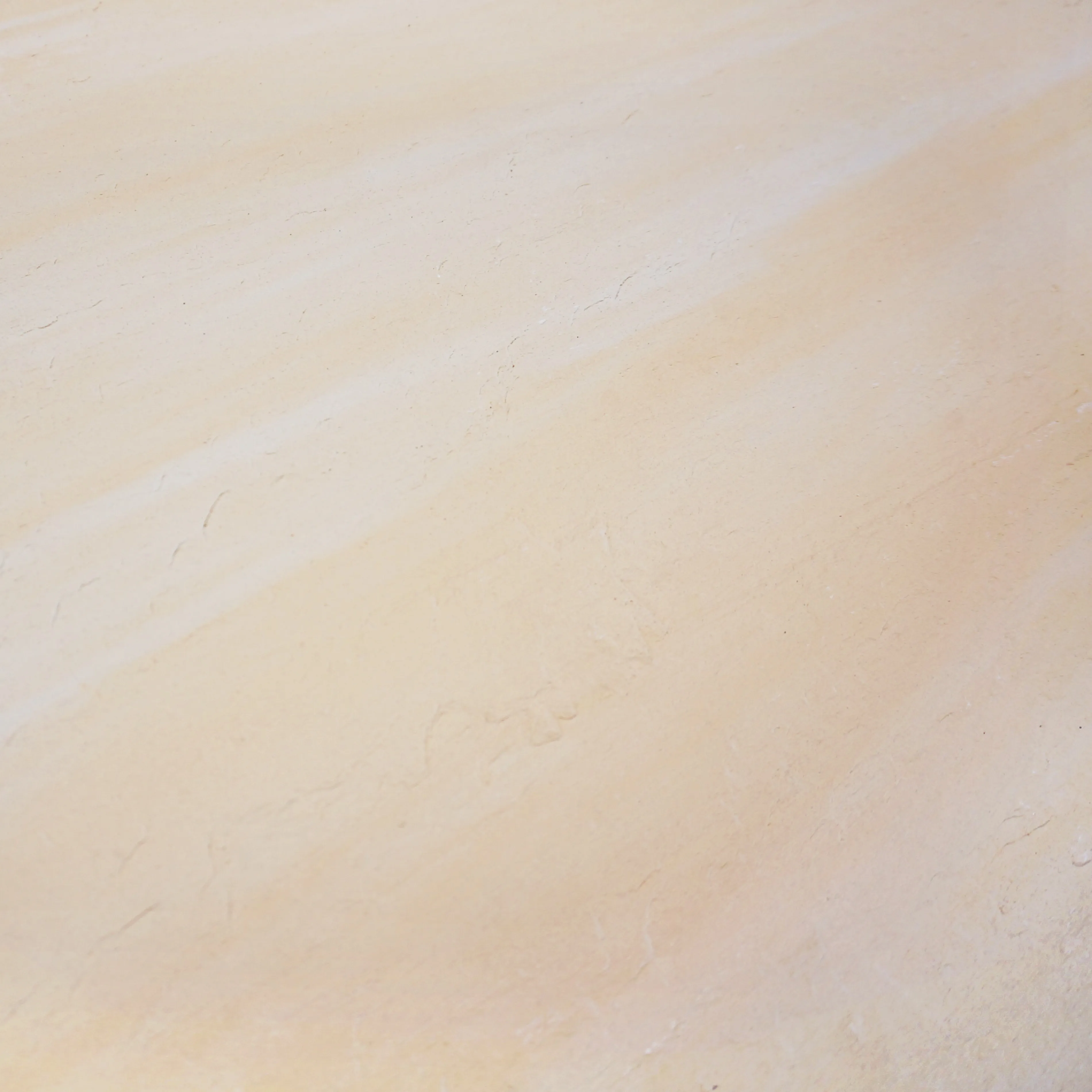
Oasis Stone Foge is all about authenticity. It's designed to mimic the look of natural stone—specifically, the weathered, earthy textures of desert landscapes, which pair surprisingly well with coastal settings. The "Foge" in its name hints at its finish: soft, muted tones (think sand, driftwood gray, and pale terracotta) that blend seamlessly with beachy surroundings. Unlike some synthetic materials that look "plasticky," Oasis Stone Foge has depth—visible grains, subtle color variations, and a matte finish that catches the light like real stone.
And here's the bonus: it doesn't fade. UV rays can turn vibrant paints into dull shadows over time, but Oasis Stone Foge's pigments are locked into the material during manufacturing. Even after 10 years in the sun, that soft beige will still look like it did on day one. Compare that to fiber cement, which often requires repainting every 5-7 years to keep its color fresh. If you're someone who hates repainting (and let's be real, who doesn't?), that's a huge win.
For those who want a bit more flair, the MCM family includes other stunning options like Lunar Peak Silvery —a metallic, moonlit stone finish that shimmers in the coastal sun—or Travertine (Starry Blue) , which adds a pop of color without feeling out of place by the ocean. But Oasis Stone Foge remains a favorite for its versatility; it works with modern, minimalist homes and cozy beach cottages alike.
Fiber cement has come a long way in terms of design. You can now find it in wood-look planks, stucco textures, and even stone-like patterns. It's painted at the factory (or on-site), so you can choose any color under the sun. But here's the catch: that paint is a layer on top of the material, not part of it. Over time, as we mentioned, it fades. And if it chips? You'll see the plain gray cement underneath—a stark contrast to the fresh paint around it.
Texture-wise, fiber cement can feel a bit flat compared to Oasis Stone Foge. While it mimics wood or stone, the patterns are often printed on the surface, lacking the depth of real (or MCM) stone. It's a solid choice if you want a clean, uniform look, but if you crave the organic, weathered charm of natural materials, it might leave you wanting more.
Even the best material is only as good as its installation. Let's talk about how these two stack up when it comes to getting them on your home.
One of the biggest advantages of MCM flexible stone is its weight—or lack thereof. Oasis Stone Foge boards are significantly lighter than natural stone or even fiber cement, which means two things: easier installation and less stress on your home's structure. Installers don't need heavy equipment to lift the boards, and you won't need to reinforce your framing to support the weight. This is a big deal for coastal homes, which often have lighter, elevated foundations to avoid flooding.
The flexibility of the material also makes it easier to work with around curves or unique architectural features. Want a rounded bay window or a curved porch? Oasis Stone Foge can bend to fit, whereas fiber cement would require cutting and piecing, leaving more seams (and potential weak spots) behind.
Fiber cement is dense and heavy—about 30% heavier than Oasis Stone Foge, on average. That weight means you'll need more labor to install it, and possibly stronger framing to support it. If you're building a new home, this might not be a dealbreaker, but if you're renovating an older coastal cottage with weaker framing? It could add significant cost to reinforce the structure first.
Its rigidity also makes it trickier to install around corners or non-standard shapes. Each board has to be cut precisely, and gaps between boards need to be sealed carefully to prevent water intrusion. One mistake during installation, and you could be dealing with leaks down the line.
These days, we're all thinking more about the environment—and for good reason. Coastal areas are already vulnerable to climate change, so choosing eco-friendly materials is a small way to give back to the planet that gives us so much beauty.
MCM flexible stone, including Oasis Stone Foge, is often made with recycled materials—think crushed stone waste from quarries and recycled polymers. The manufacturing process also uses less energy than firing traditional brick or cement, and since the material is lightweight, transporting it generates fewer emissions. Plus, because it lasts so long (50+ years, in many cases), it reduces the need for frequent replacements—meaning less waste in landfills.
And here's a bonus: Oasis Stone Foge is fully recyclable at the end of its life. Unlike fiber cement, which often ends up in landfills, MCM materials can be ground down and repurposed into new boards. For eco-conscious homeowners, that's a big check in the "pro" column.
Fiber cement is more sustainable than vinyl siding (which is made from non-recyclable plastic) but less so than MCM flexible stone. It's made from natural materials (cement, sand, wood fibers), which is a plus, but the manufacturing process involves high heat and energy. And while it can last 20-30 years, it's not recyclable—once it's worn out, it's headed for the landfill.
Some brands offer fiber cement with recycled content, but it's still not as eco-friendly as Oasis Stone Foge. If sustainability is a top priority for you, the choice here is clear.
Let's talk money. Fiber cement has long been favored for its affordability, but is it really the cheaper option in the long run?
Upfront, fiber cement is generally less expensive than Oasis Stone Foge. Material costs for fiber cement range from $3-$5 per square foot, while Oasis Stone Foge starts around $6-$8 per square foot. Installation costs are also lower for fiber cement, since it's a more common material and requires less specialized labor.
But here's the catch: that initial savings can disappear fast when you factor in maintenance. Fiber cement needs repainting every 5-7 years (costing $1-$3 per square foot each time), plus sealing every 2-3 years ($0.50-$1 per square foot). Over 20 years, that adds up to thousands of dollars in upkeep—money you wouldn't spend with Oasis Stone Foge, which requires only occasional rinsing.
Oasis Stone Foge has a higher upfront cost, but it's a set-it-and-forget-it material. No repainting, no sealing, no replacing cracked boards after storms. Over 50 years (its expected lifespan), the total cost of ownership is significantly lower than fiber cement. Plus, homes with durable, low-maintenance exteriors often have higher resale values—coastal buyers are willing to pay more for peace of mind.
As one real estate agent in California put it: "I've seen two identical beach houses sell within months of each other. One had fiber cement siding that needed repainting, and the other had Oasis Stone Foge. The Oasis Stone house sold for $20k more, and it had more offers. Buyers don't want to inherit maintenance headaches—they want to enjoy the beach."
Mark and Lisa built their dream beach house in Naples, Florida, in 2018. They initially considered fiber cement, but after talking to neighbors who complained about repainting every few years, they opted for Oasis Stone Foge. "We wanted something that would look good and last, even with the salt and storms," Lisa told me. "Three hurricanes later, and our exterior still looks brand new. We rinse it off with a hose once a year, and that's it. Our neighbors? They're on their third paint job already."
John, a retiree in Charleston, chose fiber cement for his cottage renovation in 2015. "I went with fiber cement because it was cheaper, and I thought, 'How bad can maintenance be?'" he laughed. "Famous last words. After two years, I noticed mildew growing in the shaded areas. Then, after Hurricane Dorian, a branch hit the side of the house and cracked a board. I had to replace it, and the new board didn't match the faded color of the old ones. Now I'm looking at repainting the whole house—$5k later. If I had to do it over, I'd splurge on Oasis Stone."
At the end of the day, the choice between Oasis Stone Foge and fiber cement comes down to your priorities. If you want long-term durability, minimal maintenance, and authentic stone beauty , Oasis Stone Foge is the clear winner—especially for coastal areas. Its MCM flexible stone technology, resistance to salt and moisture, and low upkeep make it worth the upfront investment.
Fiber cement might still be a good fit if you're on a tight budget and don't mind regular maintenance, or if you prefer a uniform, painted look. But for most coastal homeowners, the peace of mind that comes with Oasis Stone Foge—knowing your exterior will stand strong through storms, salt, and time—is priceless.
Your coastal home should be a place of joy, not stress. It should weather storms and salt spray with grace, letting you focus on sunsets and sandcastles instead of repairs and repaints. Oasis Stone Foge, with its blend of durability, beauty, and sustainability, doesn't just protect your home—it preserves your dream. So when you're ready to build or renovate, ask yourself: Do I want a material that fights the elements, or one that just tolerates them? For coastal living, the answer is clear.
Here's to many years of salty breezes, crashing waves, and a home that looks as good as the day you built it.
Recommend Products












