
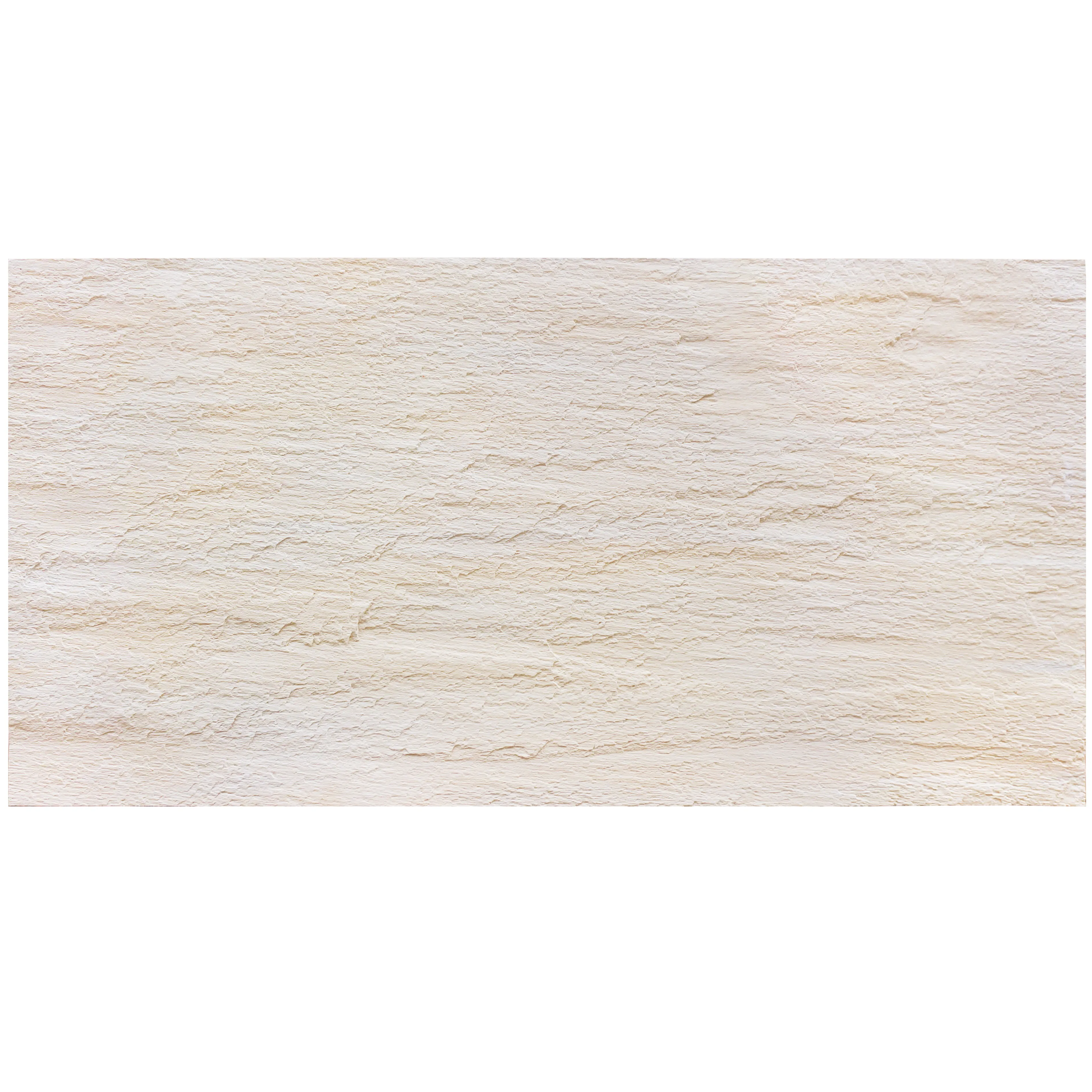
Let's cut to the chase: For developers, every decision boils down to one question—will this choice make or break the budget? When it comes to building materials, the stakes are even higher. The right material doesn't just shape the look of a project; it impacts labor costs, timelines, maintenance bills, and ultimately, the return on investment (ROI) that keeps clients happy and your business thriving. Today, we're diving into a head-to-head comparison that matters: Oasis Stone Foge —a modern engineered option—and traditional natural stone (we'll use travertine as a prime example). By the end, you'll have a clear picture of which delivers more bang for your buck.
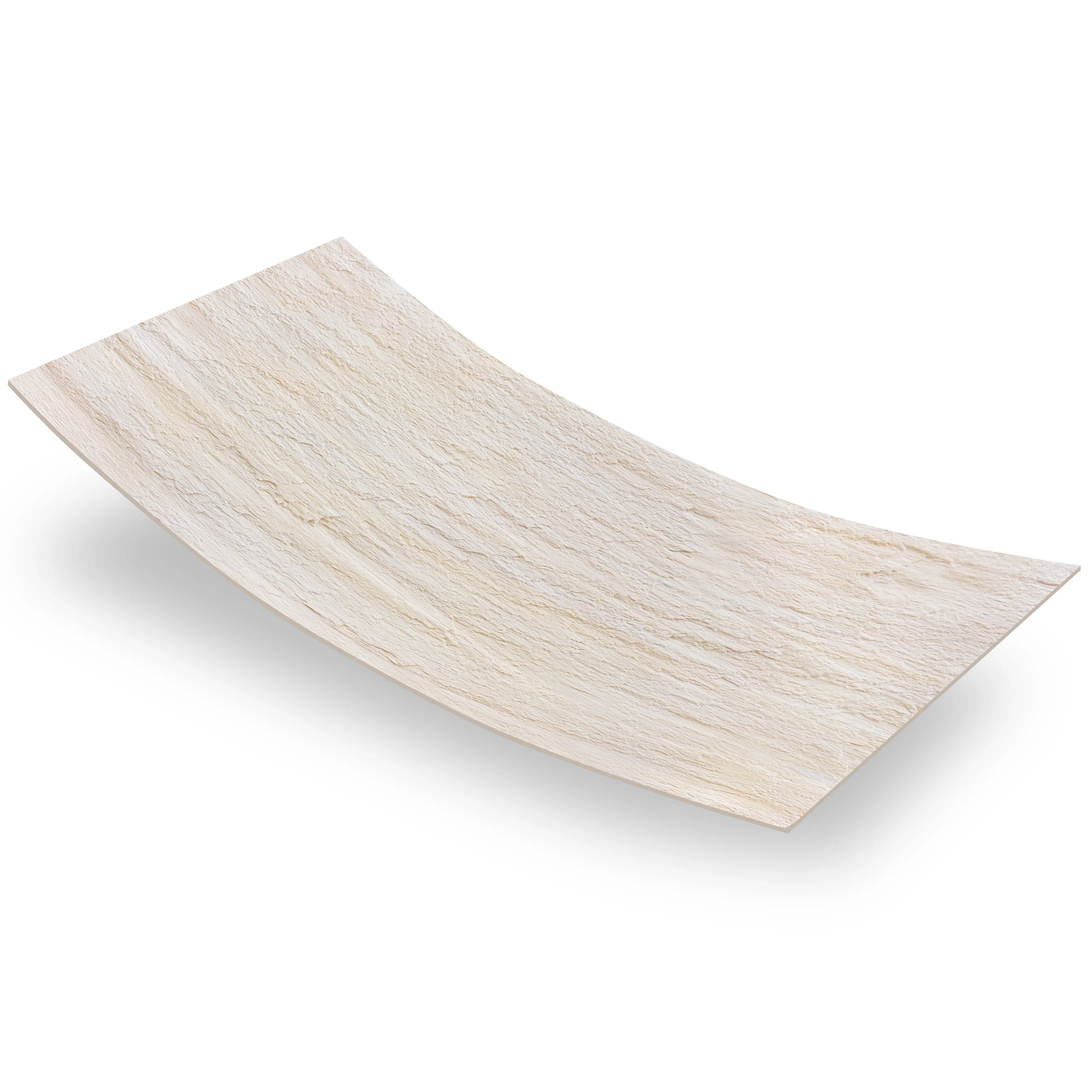
Before we start crunching numbers, let's get familiar with the contender. Oasis Stone Foge is part of the broader mcm flexible stone family—a line of engineered building materials designed to mimic the look and texture of natural stone without the downsides. Think of it as nature's beauty, reimagined for the demands of modern construction. It's lightweight, durable, and crafted to stand up to everything from harsh weather to heavy foot traffic. Unlike raw stone pulled from the earth, Oasis Stone Foge is made by combining natural minerals with advanced binders, resulting in a material that's consistent, customizable, and ready to work with—no surprises, no waste.
Natural stone—travertine, in this case—has been a developer favorite for decades. Its warm, earthy tones and unique veining add instant luxury to lobbies, facades, and outdoor spaces. But here's the catch: travertine (like most natural stones) is a product of the earth. Quarried, cut, and transported, it's a material with character—but also with costs that go beyond the price tag. It's heavy, porous, and as we'll see, those traits can eat into your budget faster than you might think.
Developers don't just care about the "per square foot" sticker price—they care about the total cost of ownership. That means initial material costs, installation, labor, maintenance, and even long-term replacements. Let's compare Oasis Stone Foge and travertine across the metrics that hit your bottom line hardest.
| Cost Factor | Oasis Stone Foge | Natural Stone (Travertine) |
|---|---|---|
| Initial Material Cost | $8–$12 per sq. ft. (varies by finish) | $12–$20+ per sq. ft. (higher for premium grades) |
| Installation Labor | $3–$5 per sq. ft. (lightweight, easy to handle) | $6–$10 per sq. ft. (heavy, requires skilled labor) |
| Structural Support Needs | Minimal (5–8 lbs/sq. ft.) | Significant (20–30 lbs/sq. ft. or more) |
| Annual Maintenance Cost | $0.50–$1 per sq. ft. (occasional cleaning) | $2–$4 per sq. ft. (sealing, staining repairs) |
| Expected Lifespan | 30+ years (with minimal wear) | 50+ years (but with visible aging/staining) |
Let's start with the obvious: how much does the material itself cost? Travertine, depending on the grade and source, can run from $12 to $20 per square foot. Why so high? Quarrying stone is labor-intensive—you're paying for extraction equipment, skilled workers to cut it without cracking, and then shipping heavy slabs across the country (or the globe). Oasis Stone Foge, on the other hand, is engineered in controlled facilities, which means less waste and more consistent pricing. Most suppliers quote $8–$12 per square foot—already a 20–30% savings on the material alone.
But here's a pro tip: Developers often forget that "natural stone" costs don't stop at the slab. You'll also pay for rejects—stones that crack during cutting or don't meet quality standards. With natural stone, rejection rates can hit 10–15%, adding. Oasis Stone Foge? Since it's engineered, rejection rates are practically zero. What you order is what you get.
Natural stone is heavy—really heavy. A single square foot of travertine can weigh 20–30 pounds, and that adds up fast. Imagine cladding a 10-story facade: you're not just paying for the stone, you're paying for cranes, rigging teams, and structural engineers to ensure the building can support the weight. Plus, installing heavy stone takes time—skilled masons need to carefully align each slab, and any mistake (a cracked stone, a misalignment) means rework and delays.
Oasis Stone Foge, by contrast, weighs in at just 5–8 pounds per square foot. That's light enough for a two-person crew to handle without heavy machinery. No need for extra structural support—most existing buildings can handle the load without retrofitting. Installation time? Cut by 30–40% compared to natural stone. For a developer, time is money: faster installation means earlier project completion, earlier tenant move-ins, and lower labor bills. A 50,000 sq. ft. project could save $150,000–$250,000 just in installation costs alone.
Natural stone is often marketed as "timelessly durable," and it's true—travertine has been used in buildings for centuries. But here's the fine print: it's porous. That means it absorbs water, oil, and stains. A spilled coffee in a lobby, rainwater pooling on a facade, or even humidity can lead to discoloration, mold, or etching over time. And while sealing helps, it's not a permanent fix—sealers wear off, and re-sealing every 1–2 years adds up (more on that in maintenance).
Oasis Stone Foge, thanks to its engineered composition, is non-porous and resistant to the elements. It stands up to rain, snow, UV rays, and even harsh chemicals without staining or fading. Scratches? Less likely—its surface is harder than most natural stones. For high-traffic areas like retail spaces or hotel lobbies, that durability means fewer repairs and replacements over time. And unlike natural stone, which can crack under thermal expansion (hot days, cold nights), Oasis Stone Foge has built-in flexibility to handle temperature changes without damage.
Let's talk about maintenance—because over 10, 20, or 30 years, those small annual costs turn into big numbers. Natural stone like travertine needs regular TLC: annual sealing (at $1–$2 per square foot), professional cleaning to remove stains, and occasional repairs for chips or cracks. In a commercial setting, that could mean shutting down a lobby for a day to seal the floors, or paying for emergency stain removal after a event. Over 10 years, maintenance alone could cost $20–$40 per square foot for natural stone.
Oasis Stone Foge? It's low-maintenance by design. A quick hose-down or wipe with mild soap is usually all it takes. No sealing, no special cleaners, no costly repairs. Over 10 years, you're looking at $5–$10 per square foot in maintenance—saving you 50–75% compared to natural stone. For a 100,000 sq. ft. development, that's a $1.5–$3 million difference over a decade.
Today's developers aren't just building structures—they're building reputations. Clients, tenants, and even local governments are increasingly demanding sustainable practices, and material choice plays a big role. Natural stone quarrying is resource-intensive: it disrupts ecosystems, uses massive amounts of water, and generates significant carbon emissions from transportation. Travertine, for example, often travels thousands of miles from quarries in Italy or Turkey to U.S. job sites, leaving a large carbon footprint.
Oasis Stone Foge, as part of the MCM family, is engineered with sustainability in mind. Many manufacturers use recycled materials in production, and because it's lightweight, transportation emissions are drastically lower. Plus, its durability means less waste over time—no need to replace worn slabs every few years. For developers chasing LEED certification or green building incentives, this isn't just good for the planet—it's good for the budget, too.
Here's where Oasis Stone Foge really shines: design flexibility. Natural stone has beautiful, unique patterns, but you're limited to what the earth provides. Want a specific shade of beige or a custom texture? You might have to settle for "close enough." Oasis Stone Foge, on the other hand, can mimic the look of travertine, marble, or even fair-faced concrete —but with endless color and texture options. Need a gradient effect for a facade? Done. Want to match a historic building's stonework exactly? No problem. And because it's lightweight, it can be used in places natural stone can't—curved walls, ceilings, or high-rise facades where weight is a concern.
For developers, this means happier clients and more competitive projects. A hotel brand wanting a signature stone look? You can deliver consistency across multiple locations. A mixed-use development needing to balance luxury and affordability? Oasis Stone Foge lets you get the high-end aesthetic without the high-end price tag.
Let's wrap this up with a real-world example. Imagine you're developing a 50,000 sq. ft. retail center, and you're choosing between travertine and Oasis Stone Foge for the facade and common areas. Here's how the numbers shake out over 10 years:
That's a difference of $1,575,000 over 10 years. For a developer, that's not just savings—it's capital that can go into amenities, marketing, or future projects. And remember, this doesn't even include the time saved on installation (faster occupancy = earlier rental income) or the sustainability benefits (which can boost property value and attract eco-conscious tenants).
At the end of the day, developers need materials that balance aesthetics, performance, and cost. Natural stone like travertine has its charm, but its high initial cost, installation complexity, and ongoing maintenance make it a risky bet for tight budgets and long-term projects. Oasis Stone Foge, as part of the mcm flexible stone lineup, offers a smarter alternative: the beauty of natural stone, with lower costs, faster installation, minimal maintenance, and endless design flexibility.
So, if you're looking to maximize ROI, keep clients happy, and build projects that stand the test of time (and budget), it's worth giving Oasis Stone Foge a closer look. After all, in development, the best material isn't just the one that looks good—it's the one that works for your bottom line, today and tomorrow.
Recommend Products












