
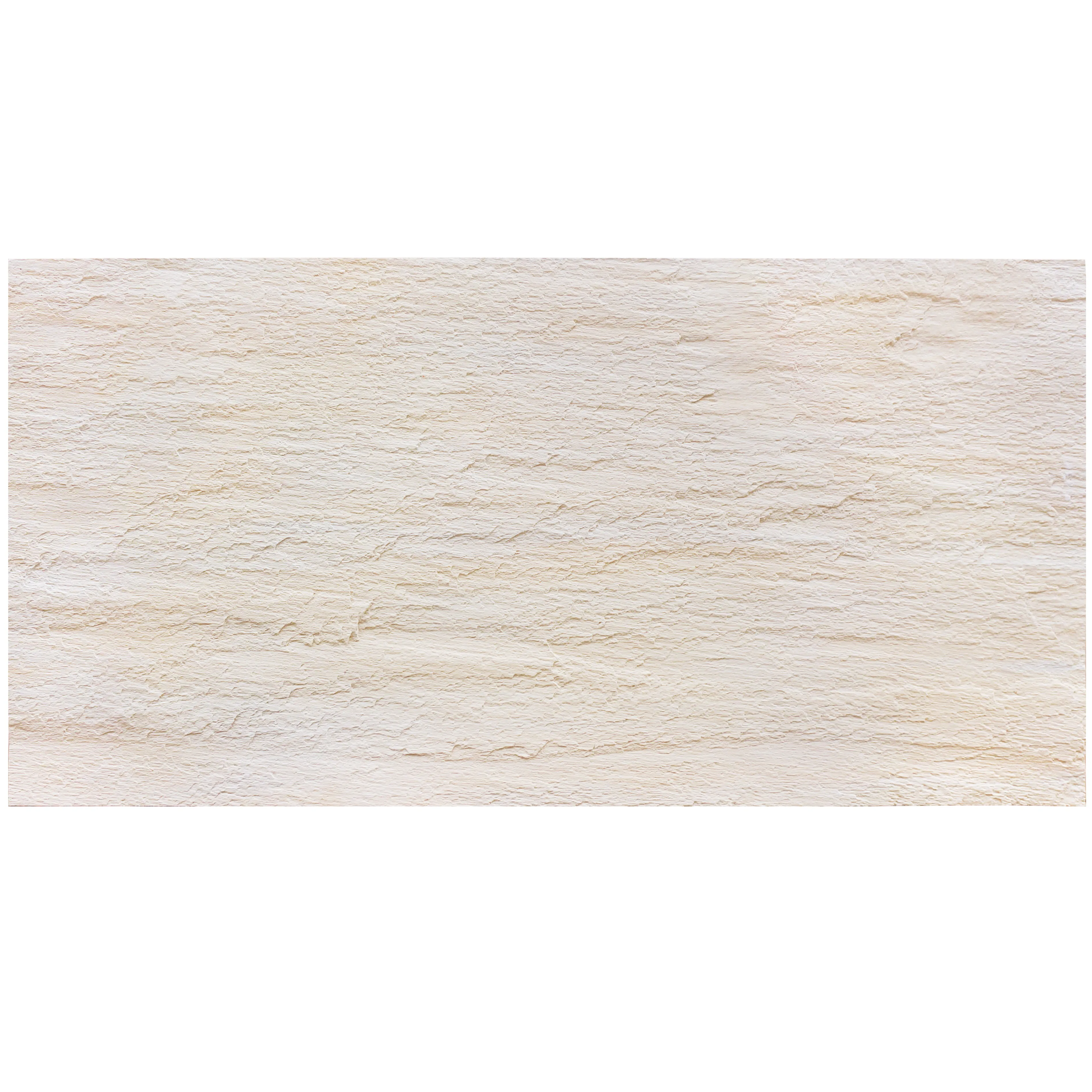
Walk down any street, and you'll notice something profound: buildings don't just exist —they speak . The texture of a facade, the warmth of a color, the way light plays on a surface—these elements weave stories of time, place, and purpose. Today, we're diving into two materials that tell very different tales: Oasis Stone Foge, a modern marvel from the MCM (Modified Composite Material) family, and stucco, a centuries-old classic. One is a product of cutting-edge engineering, designed to mimic nature's chaos with precision; the other is a handcrafted tradition, rooted in the simplicity of sand, lime, and water. Let's explore how they stack up—not just as building materials, but as storytellers of the spaces we call home.
First, let's get acquainted. Oasis Stone Foge isn't just a material—it's part of a revolution. As a star in the MCM project board series, it's born from a blend of natural minerals, high-performance polymers, and innovative manufacturing techniques. Think of it as nature's best qualities—raw texture, earthy depth—reimagined for the demands of modern architecture. It's lightweight, flexible, and designed to age gracefully, making it a favorite for designers craving both beauty and practicality.
Then there's stucco , the old soul of building materials. For millennia, it has adorned homes from the sun-baked villas of the Mediterranean to the adobe dwellings of the American Southwest. Made from a simple mix of cement, lime, sand, and water, it's applied wet, troweled by hand, and left to dry into a hard, solid shell. Its charm lies in its imperfection—the subtle swirls of the trowel, the way it softens under sunlight, the quiet confidence of a material that has stood the test of time.
Close your eyes and run your hand over a wall. What do you feel? For Oasis Stone Foge, the answer is storytelling . Its surface is a dance of contrasts—rough yet refined, with the kind of depth that makes you want to reach out and trace its patterns. Imagine the feel of weathered desert stone, smoothed by wind but still holding the memory of its formation—this is the texture of Oasis Stone Foge. It borrows from nature's playbook: tiny pits that mimic the porousness of travertine (starry green), subtle ridges that echo the ripples of a stream, and a matte finish that softens light like the Gobi Desert at dusk. It's not just a texture; it's a sensory experience.
Stucco, by contrast, speaks in softer tones. Its texture is a product of human hands—the pressure of the trowel, the speed of the application, the skill of the craftsman. A traditional stucco finish is smooth but not flat; it has a gentle grit, like fine sandpaper, with faint trowel marks that add a whisper of movement. Some opt for a "knockdown" finish, where the wet stucco is sprayed on and then flattened with a trowel, creating a slightly bumpy surface that catches light in warm, diffused patterns. It's a texture that feels lived-in —like a well-loved book with dog-eared pages.
Color is where Oasis Stone Foge truly shines. Drawing from the MCM series' vast palette, it offers hues that feel both organic and intentional. Think of the soft gold of lunar peak golden , the cool silver of lunar peak silvery , or the deep, moody black of lunar peak black —each shade is designed to complement its texture, enhancing the material's natural depth. But it's not just about solids; Oasis Stone Foge plays with gradients, too. Some variants blend rusty red with charcoal, like a sunset over canyon walls, while others mimic the marbled look of fair-faced concrete, adding industrial edge to organic warmth. It's color as emotion—vibrant when you want to energize, muted when you crave calm.
Stucco, on the other hand, is a blank canvas. Traditionally, it's left in its natural off-white or cream, a color that glows in sunlight and softens shadows. But its real magic lies in its adaptability: it takes paint beautifully, so you can dress it in any shade imaginable—from crisp whites that make a home feel airy to deep blues that evoke the Mediterranean. However, unlike Oasis Stone Foge, its color is surface-level; scratch the paint, and you'll find the base stucco underneath. It's a chameleon, but one that relies on human intervention to tell its color story.
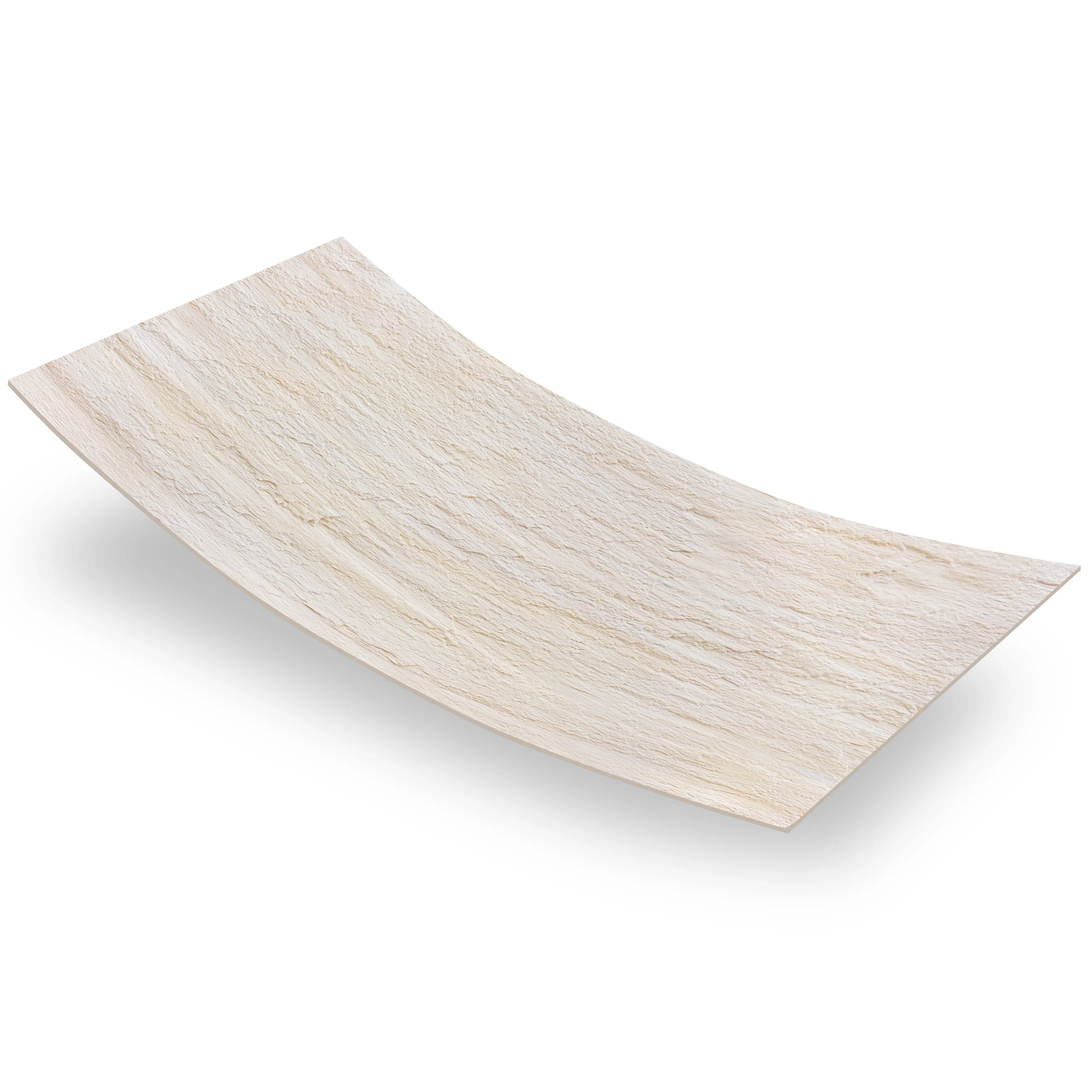
Oasis Stone Foge is a designer's dream when it comes to versatility. Thanks to its flexibility (a hallmark of MCM flexible stone), it bends to fit curved walls, wraps around columns, and even adorns furniture pieces. Want a feature wall that looks like a slab of ancient marble but weighs a fraction of the real thing? Oasis Stone Foge delivers. It pairs seamlessly with other materials, too—imagine it alongside foamed aluminium alloy board (vintage silver) for a modern, industrial vibe, or next to bamboo mat board for a warm, organic contrast. It's not just a facade material; it's a tool for storytelling, adapting to any design narrative.
Stucco, while more traditional, is no slouch in versatility. It's perfect for creating clean, continuous surfaces that emphasize simplicity—think the classic white stucco walls of a Spanish mission, or the soft pastels of a coastal cottage. It also plays well with accents: pair it with wooden beams for rustic charm, or with black metal fixtures for a contemporary twist. But its strength lies in unity; it's best when used to create a cohesive, unbroken canvas that lets other elements—like landscaping or art—take center stage.
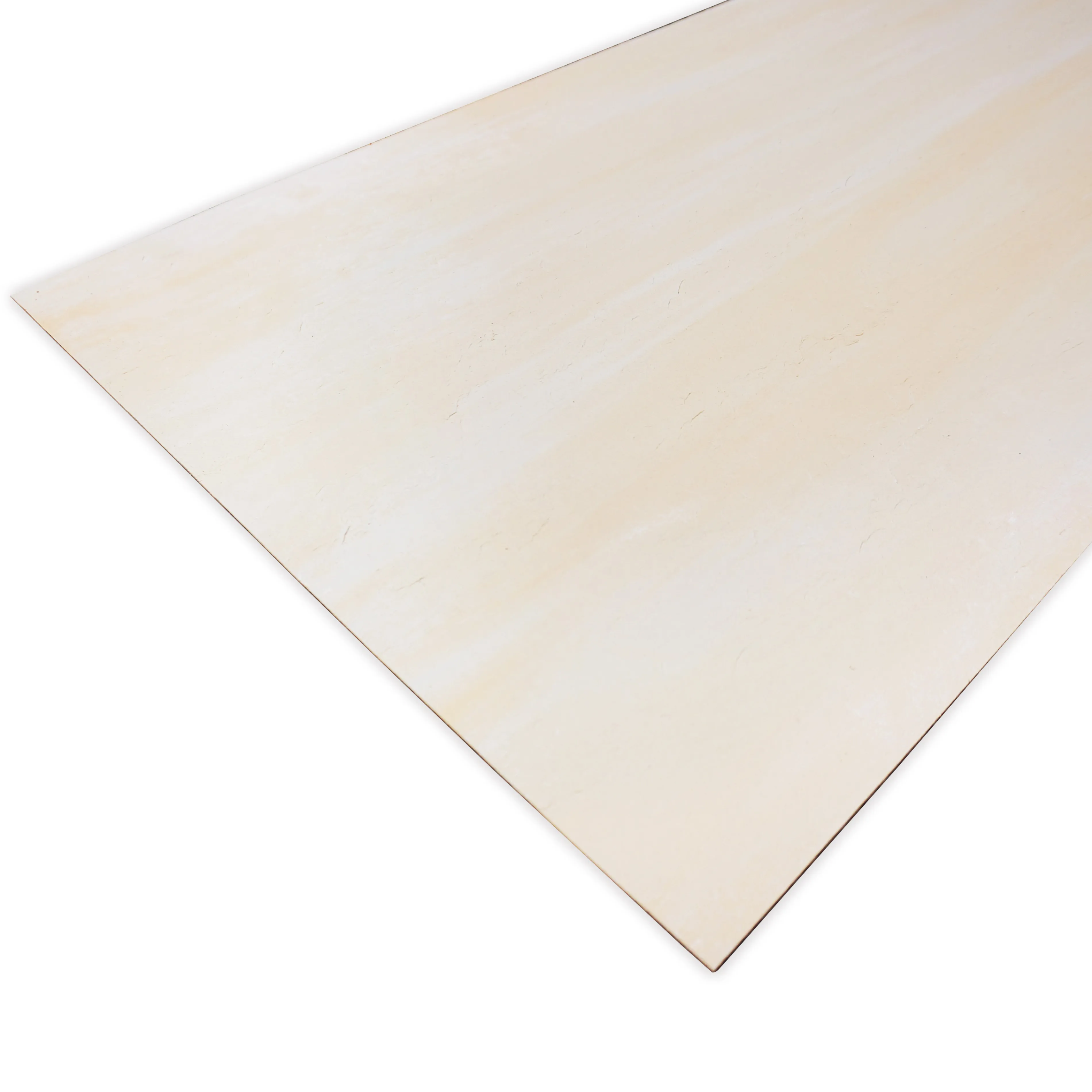
Beauty fades, but durability endures—and here's where Oasis Stone Foge pulls ahead. As an MCM material, it's built to withstand the elements. Rain, snow, UV rays, salt spray—none of these phase it. Unlike natural stone, it won't crack under freeze-thaw cycles, and unlike wood, it resists rot and pests. Its secret? A polymer core that adds flexibility, preventing brittleness, and a protective top layer that shields against fading. In coastal areas, where salt air eats away at traditional materials, Oasis Stone Foge stands strong, maintaining its color and texture for decades.
Stucco, while durable, has its kryptonite: moisture. If not properly installed with a vapor barrier and drainage system, water can seep in, causing the stucco to bubble, crack, or even separate from the wall. In humid climates, it's prone to mold and mildew, which can stain its surface. That said, modern stucco formulas (like synthetic stucco or EIFS) have improved water resistance, and with regular maintenance—sealing every few years—it can last 50 years or more. It's a material that rewards care; treat it well, and it will treat you well in return.
Time is money, and in construction, every day counts. Oasis Stone Foge understands this. As a lightweight panel (typically 3-5mm thick), it's easy to transport, handle, and install. No heavy machinery needed—just a team of installers with basic tools and a level surface. It adheres to most substrates, from concrete to drywall, and can be cut to fit any shape. For a 2,000 sq ft home, installation might take a week or less. It's efficiency without compromise.
Stucco, by contrast, is a labor of love. It requires multiple coats: a scratch coat (to bond with the wall), a brown coat (for thickness), and a finish coat (for texture and color). Each coat needs time to dry—sometimes days—so installation can stretch to weeks, depending on the weather. It also demands skill; a poorly troweled finish can lead to cracks or uneven color. But for those who value craftsmanship, the wait is worth it. There's something irreplaceable about a wall that was built, not just installed—one that bears the mark of the human hand.
Let's talk upkeep. Oasis Stone Foge is the low-maintenance friend we all need. A quick rinse with a hose once a year is usually enough to keep it looking fresh. No sealing, no painting, no scrubbing—just let the rain do most of the work. Even if it gets scratched, the color runs through the entire panel (not just a top coat), so minor blemishes blend in. For busy homeowners or commercial spaces, this is a game-changer.
Stucco, while not high-maintenance, needs attention. Every 5-7 years, it should be sealed to protect against moisture. If it cracks (and it will, eventually), those cracks need to be repaired promptly to prevent water damage. And if you want to change its color? You'll need to repaint it—a weekend project, but a project nonetheless. It's not a dealbreaker, but it's a reminder that classic beauty requires commitment.
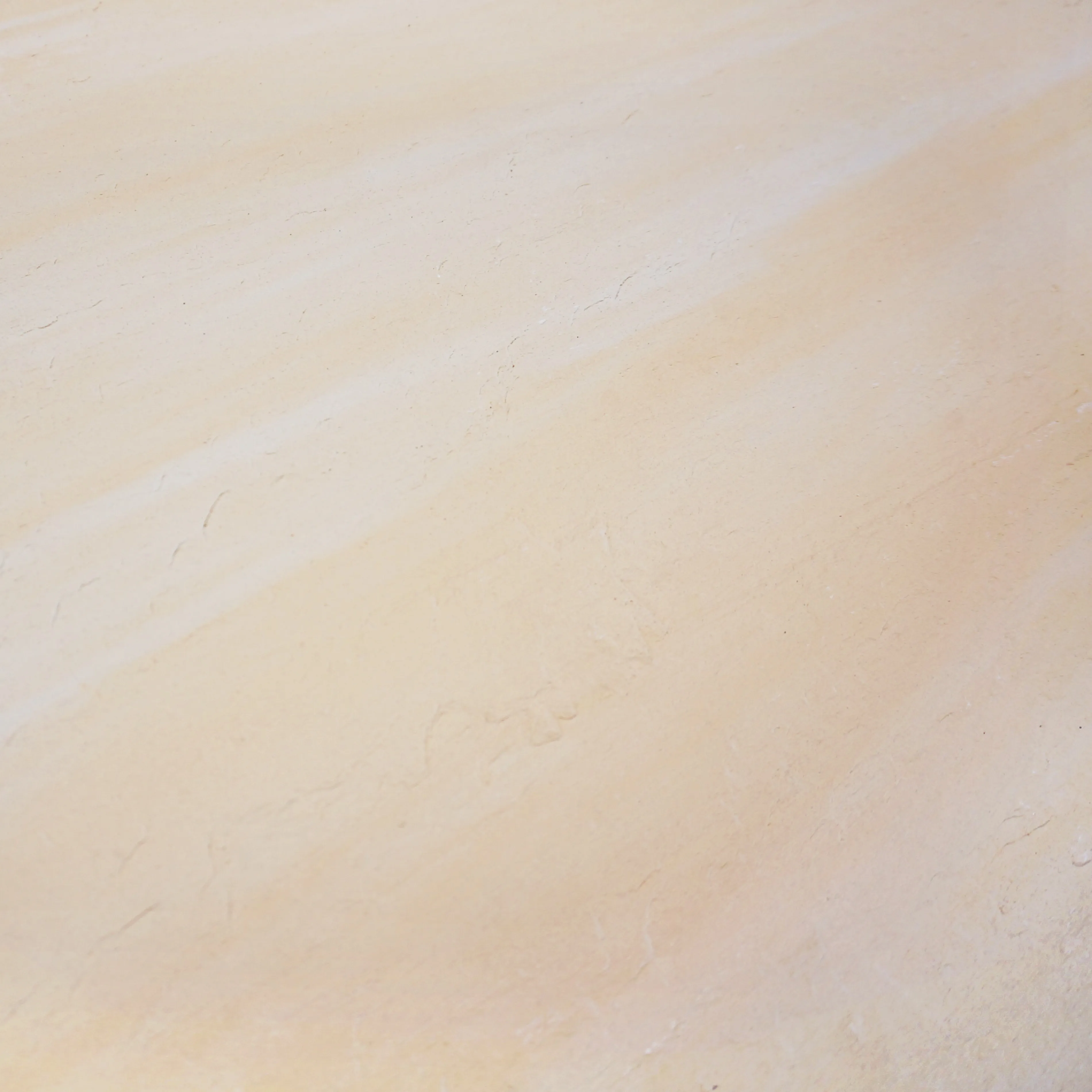
In an era of eco-conscious design, sustainability matters—and both materials have their merits. Oasis Stone Foge, as part of the MCM family, is a leader here. Its production uses recycled minerals and low-VOC (volatile organic compound) polymers, reducing its carbon footprint. It's also lightweight, which cuts down on transportation emissions, and its durability means less frequent replacement (and less waste). Plus, since it's made to mimic natural stone, it reduces the need for quarrying, preserving natural landscapes.
Stucco, too, has green credentials. Its main ingredients—sand, lime, cement—are abundant and locally sourced, minimizing transportation costs. Traditional stucco (without synthetic additives) is also breathable, allowing walls to "breathe" and reducing mold risk. However, cement production is carbon-intensive, so eco-minded builders often opt for lime-heavy mixes or recycled aggregates to lower its environmental impact. It's a reminder that even old materials can evolve with the times.
| Feature | Oasis Stone Foge | Stucco | Fair-Faced Concrete (Bonus!) |
|---|---|---|---|
| Texture | Rough, porous, natural stone-like with depth | Smooth to slightly gritty, with trowel marks | Raw, industrial, with visible formwork lines |
| Color Range | Wide (lunar peak, travertine, rusty red, etc.) | Limited base colors, but paintable | Neutral (greys, whites, beiges) with subtle variations |
| Durability | High (resistant to moisture, UV, cracks) | Moderate (needs sealing; prone to moisture damage) | Very high (fire-resistant, low maintenance) |
| Installation Time | Fast (1-2 weeks for average home) | Slow (2-4 weeks, depending on weather) | Moderate (depends on formwork complexity) |
| Maintenance Cost | Low (occasional rinsing) | Moderate (sealing every 5-7 years) | Low (sealing every 10+ years) |
| Best For | Modern homes, accent walls, coastal areas | Traditional villas, rustic cottages, warm climates | Industrial, minimalist, or cultural spaces |
Let's paint a picture. Imagine a young couple building their first home in a coastal town. They want something that can withstand salt air, looks modern but warm, and won't require constant upkeep. Oasis Stone Foge is their answer—it pairs the charm of natural stone with the resilience they need, and its lunar peak silvery finish complements the ocean views.
Now, picture a family restoring a 1920s Spanish-style villa in Santa Fe. They want to honor the home's heritage while updating it for modern life. Stucco is the obvious choice—its soft cream color and textured finish blend seamlessly with the original architecture, and a fresh coat of paint brings new life to the old walls. It's not just a material; it's a bridge between past and present.
Recommend Products












