
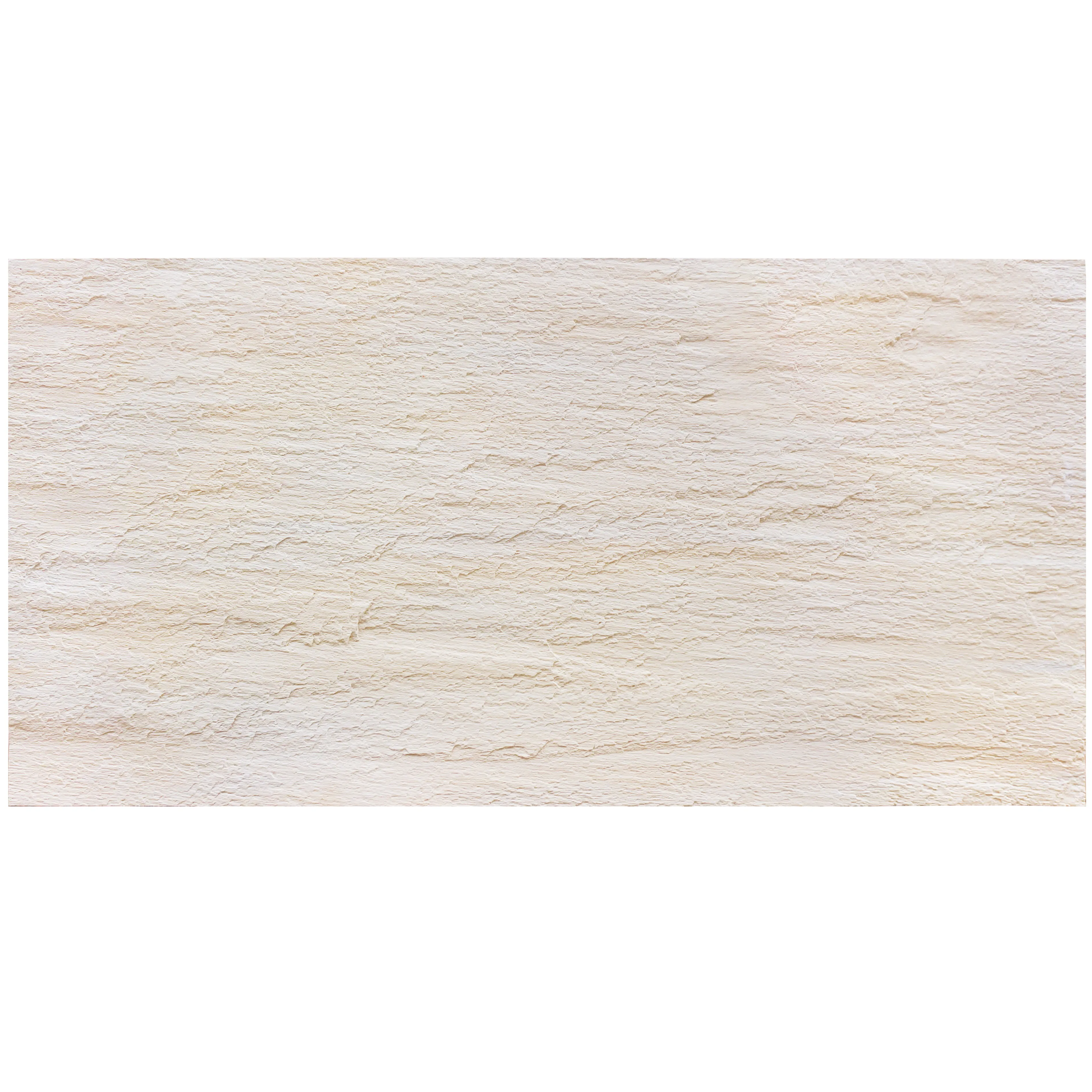
The exterior of a building is more than just a protective layer—it's its first impression. It tells a story of style, resilience, and intention. When choosing cladding, homeowners and architects often weigh two critical factors: durability (how well it stands against time and the elements) and aesthetics (how it complements the building's design and surroundings). Today, we're putting two popular options head-to-head: Oasis Stone Foge (a standout in the MCM flexible stone family) and traditional vinyl siding. Let's dive into what makes each unique, and which might be the better fit for your next project.
Cladding does double duty: it shields the structure from rain, wind, UV rays, and impact, while also defining its character. A poor choice can lead to frequent repairs, faded colors, or a mismatched look that dates the building prematurely. On the flip side, the right cladding becomes a long-term asset—low-maintenance, visually striking, and capable of aging gracefully.
Oasis Stone Foge, part of the innovative MCM (Modified Composite Material) family, is engineered to bridge the gap between natural stone's beauty and modern material science. Vinyl siding, a staple in affordable home exteriors, has long been praised for its budget-friendliness—but how does it stack up in the long run?
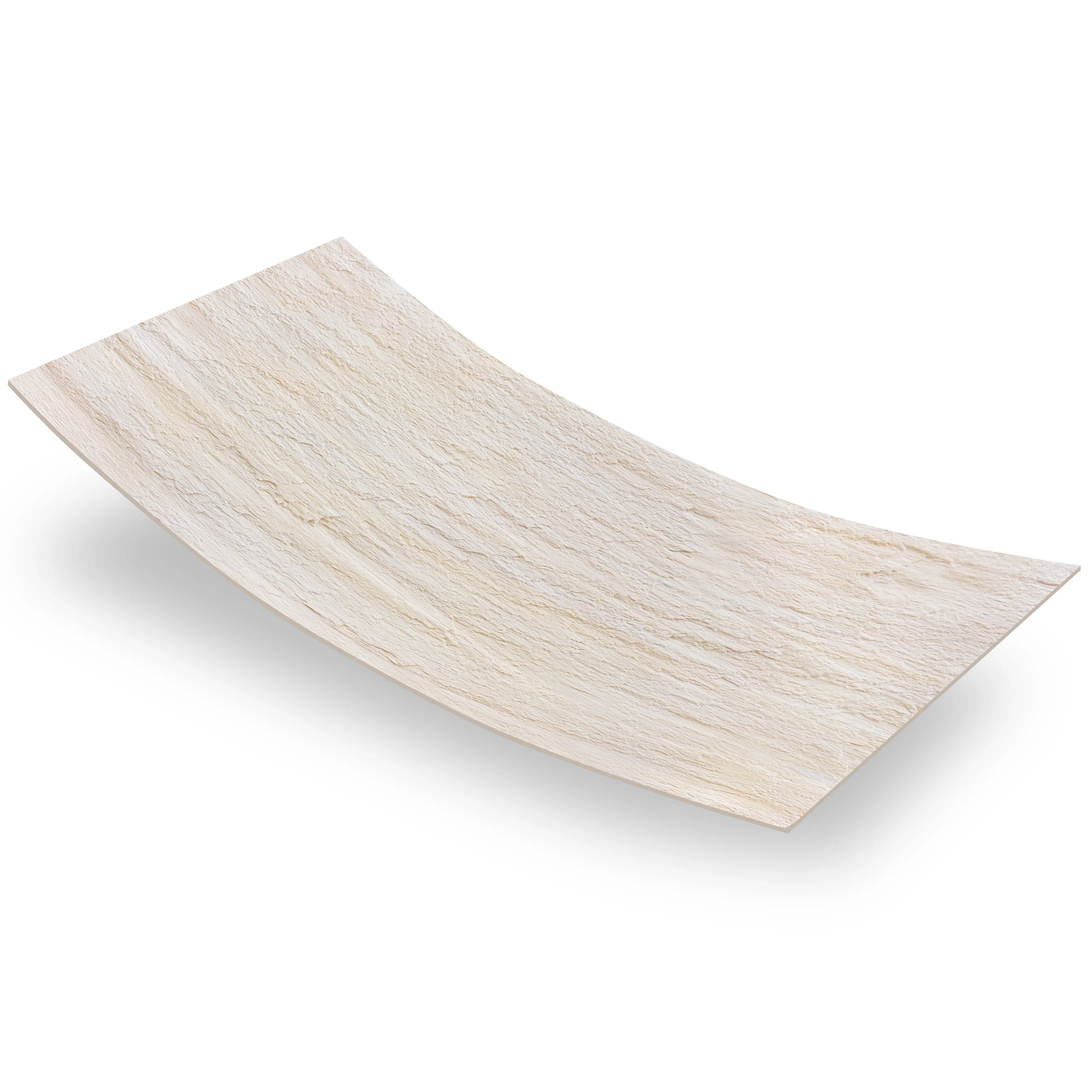
Durability isn't just about "toughness"—it's about consistency. A cladding material should resist wear, retain its shape, and protect the building's core for decades. Let's break down how Oasis Stone Foge and vinyl siding perform in key durability tests.
Oasis Stone Foge, as a type of MCM flexible stone, is designed to thrive in harsh conditions. Its composition—layered with natural stone particles and high-performance polymers—makes it resistant to moisture, salt, and temperature extremes. In coastal areas, where salt spray can corrode metal and warp wood, MCM flexible stone holds steady, avoiding the peeling or bubbling that plagues lesser materials. Even in desert climates, where scorching days and freezing nights cause materials to expand and contract, its flexibility prevents cracking (a common issue with rigid stone or brick).
Vinyl siding, by contrast, is prone to temperature-related issues. In intense heat, it can soften and warp, especially if installed too tightly. Cold weather may make it brittle, increasing the risk of cracks from impacts like hail or flying debris. While modern vinyl formulas have improved, they still struggle with long-term UV exposure—fading or discoloration is common after 5–7 years in sunny regions.
Life is full of surprises—from hailstorms to wayward baseballs. Oasis Stone Foge's flexibility is its secret weapon here. Unlike rigid natural stone (which can chip or shatter on impact), MCM flexible stone has a slight "give" that absorbs force. Contractors often test it by dropping tools or even small bricks during installation; more often than not, the panel stays intact, with only minor scuffs that blend into its textured surface.
Vinyl siding, while lightweight, is less forgiving. A direct hit from hail or a falling branch can leave dents or cracks that are hard to repair. Because vinyl panels are often interlocked, replacing one damaged section may require removing and reinstalling adjacent panels—a tedious, costly process.
Oasis Stone Foge and other MCM flexible stones are built for the long haul. Manufacturers typically back them with 30–50 year warranties, and real-world examples show they can exceed that. A commercial building in Arizona clad in MCM big slab board series (a larger-format cousin of Oasis Stone Foge) has maintained its original color and texture for over 25 years, even with minimal maintenance. The key? Its resistance to fading, chipping, and moisture damage means it doesn't degrade internally, unlike materials that rot or corrode.
Vinyl siding, on average, lasts 20–30 years—but with caveats. Fading, warping, or brittleness often set in long before the warranty expires, forcing homeowners to replace sections or the entire siding early. In high-impact areas (like regions with frequent storms), lifespan can shrink to 15 years or less.
Oasis Stone Foge is a low-maintenance champion. Its non-porous surface resists mold, mildew, and dirt buildup. A quick rinse with a garden hose (or a soft brush with mild soap for stubborn grime) once or twice a year is usually enough to keep it looking fresh. Unlike wood, it doesn't need sealing; unlike paint, it won't peel or require touch-ups. For busy homeowners or commercial properties, this translates to more time enjoying the building and less time maintaining it.
Vinyl siding demands more attention. While it's easy to clean (a pressure washer works, though too much force can dent it), its color fades over time. Many homeowners repaint vinyl siding after 10–15 years to restore its look—a process that's both costly and time-consuming. Additionally, loose panels or cracked sections need immediate repair to prevent water from seeping behind the siding and causing rot or mold.
Durability keeps a building standing, but aesthetics make it memorable. Cladding should harmonize with the architecture, enhance curb appeal, and even boost property value. Let's compare how Oasis Stone Foge and vinyl siding stack up in style.
Oasis Stone Foge shines here, thanks to its roots in natural stone. MCM flexible stone is crafted by embedding real stone particles (like those found in travertine, slate, or granite) into a flexible matrix, capturing the depth and irregularity of quarried stone. Run your hand over it, and you'll feel the subtle grooves, pits, and ridges that make natural stone so appealing—no two panels are exactly alike. For projects aiming for a rustic, earthy vibe, this texture is irreplaceable.
Vinyl siding, by contrast, often feels smooth or lightly embossed (mimicking wood grain, for example), but lacks the organic depth of natural materials. Its uniformity can feel artificial, especially up close. While some premium vinyl options offer more texture, they still can't replicate the uniqueness of stone—think of it as the difference between a printed photograph and an original painting.
Oasis Stone Foge is part of a broader MCM lineup that celebrates color diversity. From the warm, sunlit tones of travertine (beige) to the cool, misty hues of slate veil white, MCM flexible stone offers options to match any palette. What's more, the color runs through the material (not just a surface coat), so even if it's scratched, the tone remains consistent. For bold statements, the MCM big slab board series allows for large, seamless panels in striking shades—imagine a modern home wrapped in deep, midnight-inspired lunar peak black or a coastal villa in soft, sand-like lime stone (beige) .
Vinyl siding comes in a range of colors, too, but many are limited to bright, synthetic shades (think "sunshine yellow" or "sky blue"). Darker vinyl colors are prone to fading and warping in heat, so options for rich, earthy tones are often limited. Additionally, vinyl's color is a surface layer, meaning scratches or chips reveal the lighter base material—an eyesore that's hard to hide.
Oasis Stone Foge's flexibility and the MCM big slab board series make it a designer's dream. It bends around curves, adheres to uneven surfaces, and can be cut to fit intricate details—perfect for historic restorations, modern geometric designs, or custom facades. For example, a boutique hotel might use smaller, mosaic-like MCM panels to mimic traditional masonry, while a sleek office building opts for large-format slabs to create a minimalist, monolithic look. Its natural stone aesthetic also pairs effortlessly with other materials: wood, metal, or glass, creating layered, visually dynamic exteriors.
Vinyl siding is best suited for simple, rectangular designs. Its rigid panels and interlocking system limit creativity—curves or custom shapes often require expensive, specialized cuts. While it works for cottage-style homes or suburban developments, it can feel out of place on high-end or architecturally unique buildings, where its synthetic look clashes with premium materials.

| Feature | Oasis Stone Foge (MCM Flexible Stone) | Vinyl Siding |
|---|---|---|
| Material Type | Composite (natural stone particles + flexible polymers) | PVC (polyvinyl chloride) plastic |
| Weather Resistance | Resists moisture, salt, UV rays, and temperature swings | Prone to warping in heat, fading in UV, and brittleness in cold |
| Lifespan | 30–50+ years (color and texture retained) | 20–30 years (may fade or warp prematurely) |
| Maintenance | Minimal (hose down annually; no sealing/painting) | Moderate (cleaning, occasional repainting, panel repairs) |
| Aesthetic Range | Natural stone textures, diverse colors, large/small panel options | Smooth/lightly embossed, limited colors, uniform appearance |
At the end of the day, the choice between Oasis Stone Foge and vinyl siding comes down to priorities. Choose vinyl siding if upfront cost is your top concern, and you're okay with replacing or repainting it sooner. It works well for budget-friendly projects or temporary structures where long-term aesthetics are less critical.
Choose Oasis Stone Foge (and MCM flexible stone) if you want a cladding that marries durability with natural beauty. It's an investment that pays off in lower maintenance, timeless style, and a building that looks as good in year 20 as it did on day one. Whether you're designing a cozy home or a striking commercial space, MCM flexible stone—with options like the MCM big slab board series and rich colors like travertine (beige) or lunar peak black—lets you build something that's both strong and stunning.
Cladding is more than a covering—it's a commitment to the building's future. Oasis Stone Foge, with its MCM flexible stone heritage, offers a rare blend of resilience and beauty that vinyl siding simply can't match. It's not just about withstanding the elements; it's about creating a space that feels alive, authentic, and built to last. For those who refuse to compromise on either durability or design, the choice is clear.
Recommend Products












