
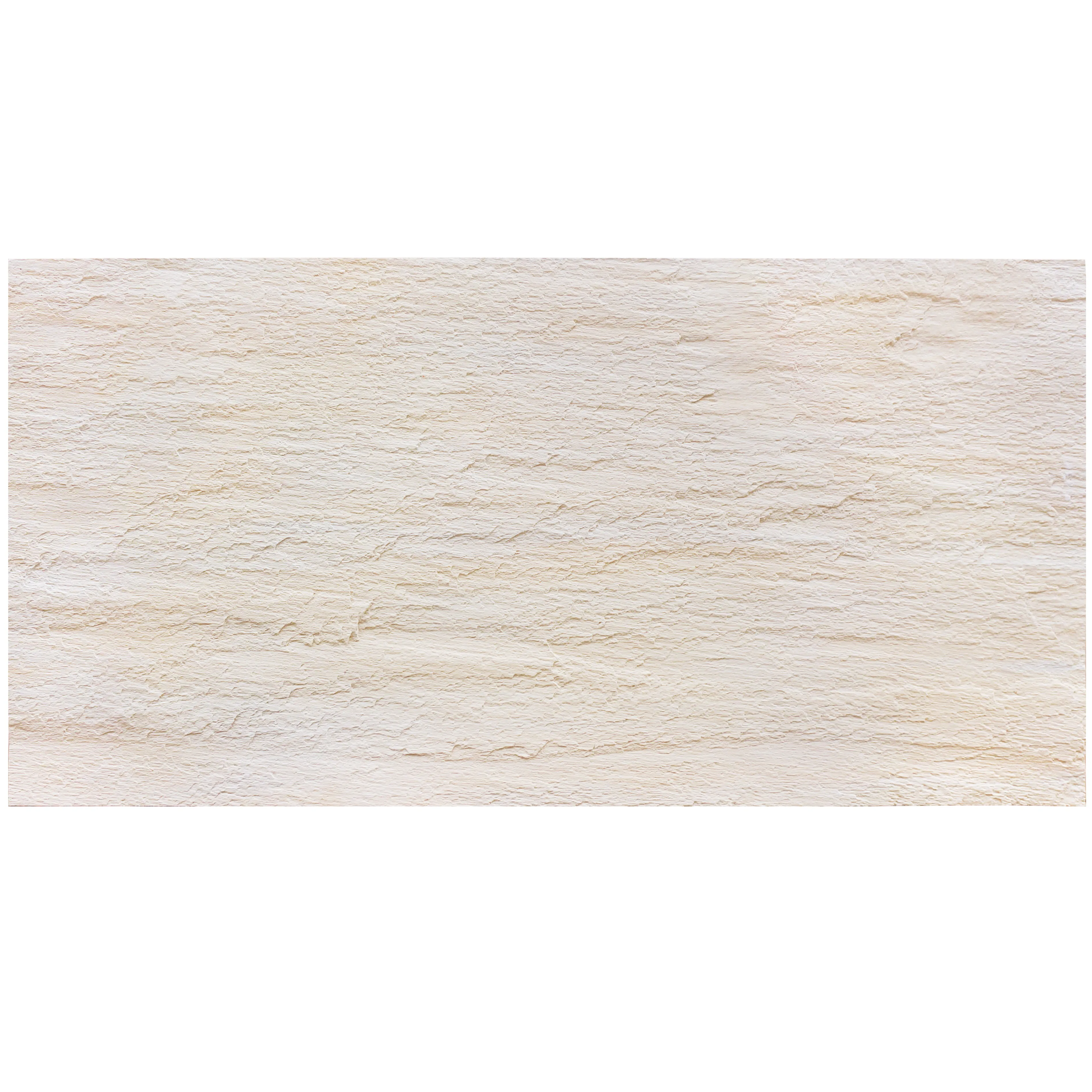
How MCM technology is redefining durability in architectural materials
Every building faces an invisible adversary: the weather. From the blistering heat of desert summers to the bone-chilling cold of mountain winters, from coastal salt spray to relentless UV radiation, exterior materials endure a daily onslaught. For architects and builders, the quest for a material that balances aesthetics, durability, and sustainability has long been a challenge. Enter Oasis Stone Foge—a product born from MCM (Modified Composite Material) technology that's changing the game for weather-resistant architecture.
At its core, Oasis Stone Foge is more than just a cladding material; it's a testament to human ingenuity. Crafted under the umbrella of mcm flexible stone technology, it combines the natural beauty of stone with the flexibility and resilience of modern composites. Unlike traditional stone slabs, which are heavy, brittle, and prone to cracking under thermal stress, MCM flexible stone bends without breaking, making it ideal for structures in extreme climates. But what truly sets Oasis Stone Foge apart is its ability to laugh in the face of Mother Nature's worst tantrums.
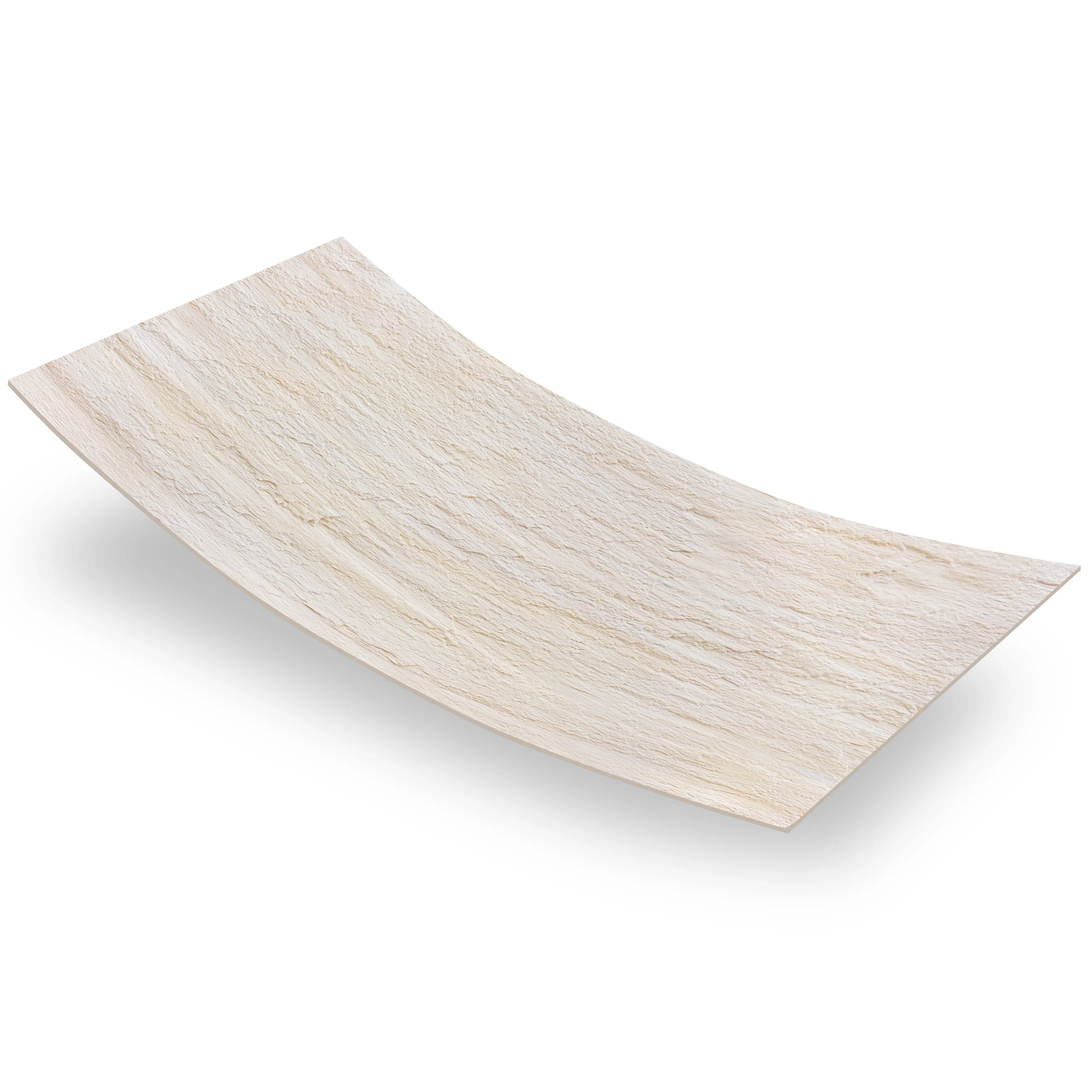
To understand its resilience, let's start with the basics. Oasis Stone Foge is engineered with a low water absorption rate—less than 1%—a critical factor in preventing freeze-thaw damage. In regions where temperatures swing between below freezing and above, traditional stone absorbs water, which expands when frozen, creating micro-cracks that grow over time. Oasis Stone Foge's dense, non-porous surface repels moisture, ensuring it stays intact even after years of icy winters.
But it's not just about cold. In scorching environments like the Gobi Desert, where summer temperatures regularly hit 45°C, materials can warp, fade, or delaminate. Oasis Stone Foge undergoes rigorous heat resistance testing, maintaining its structural integrity and color even after prolonged exposure to direct sunlight. Its UV-stable pigments mean that the warm, earthy tones that make it so popular in desert-inspired designs won't fade to a dull shadow of their former selves.
Wind and impact resistance are equally impressive. Constructed with a reinforced backing, the material can withstand high winds (up to 180 km/h) and minor impacts from debris—qualities that have made it a favorite for coastal buildings, where storms and flying sand are common threats. Unlike foamed aluminium alloy board (vintage silver) —a sleek, metallic alternative often used in modern high-rises—Oasis Stone Foge offers the organic texture of natural stone without sacrificing the toughness needed for exposed locations.
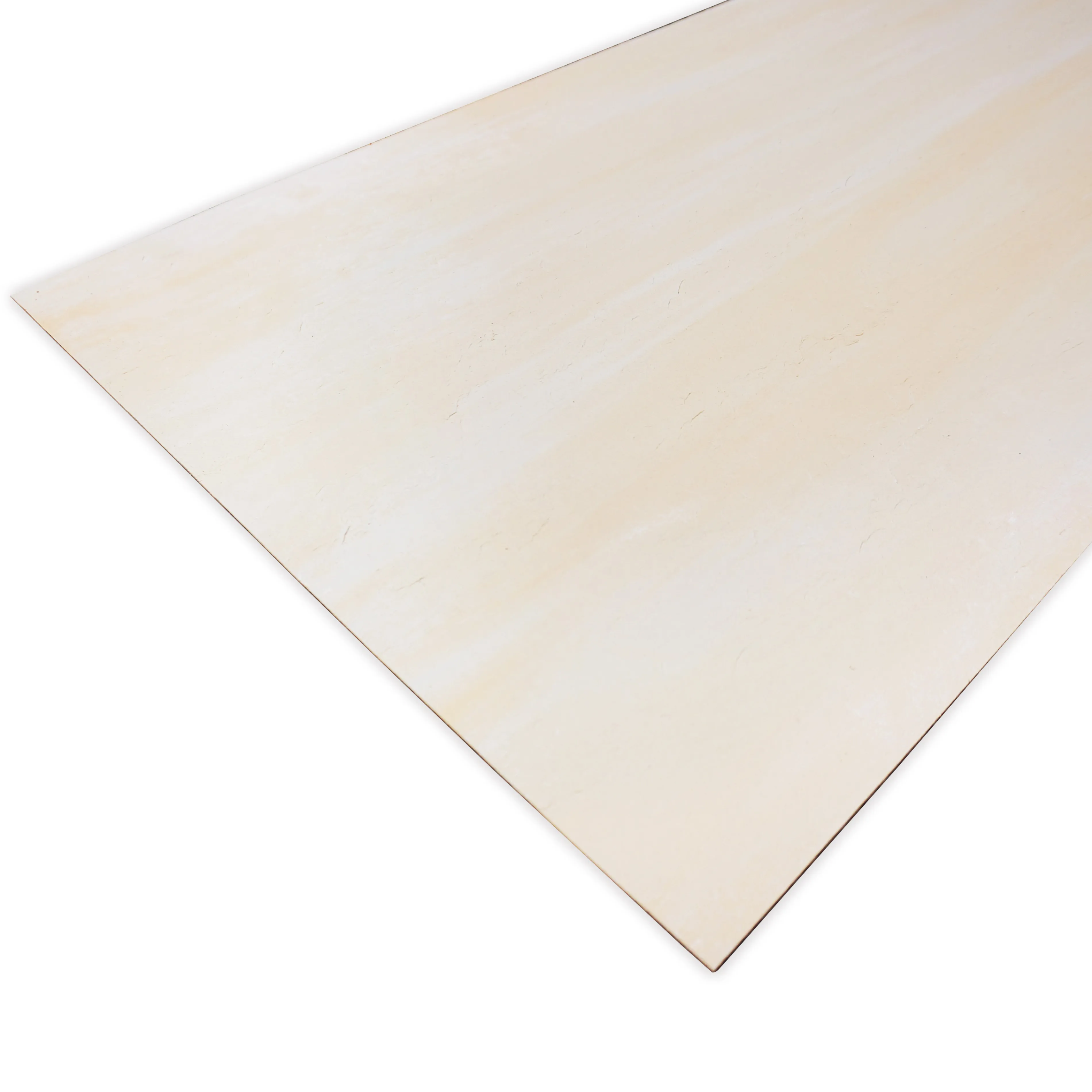
Numbers tell part of the story, but real-world applications bring it to life. Take the Gobi Research Station, a remote facility in Inner Mongolia where temperatures range from -30°C in winter to 48°C in summer. When architects chose Oasis Stone Foge for its exterior, they paired it with gobi panel —another MCM innovation designed for arid climates—to create a facade that blends with the desert landscape. Five years later, the station's walls show no signs of cracking, fading, or erosion, even after enduring sandstorms that strip paint from metal surfaces and chip traditional stone.
Further south, along the tropical coast of Bali, a boutique resort opted for Oasis Stone Foge alongside bali stone , a locally inspired MCM variant. The combination was a stroke of genius: Oasis Stone Foge's resistance to salt spray ensured the main structure remained pristine, while Bali stone added a regional aesthetic touch. After two major monsoon seasons, the resort's exterior looks as fresh as the day it was built, with no corrosion or discoloration—a stark contrast to neighboring properties that required repainting and repairs.
In the Swiss Alps, a ski lodge chose Oasis Stone Foge for its lower levels, complemented by lunar peak silvery cladding on the upper floors. The silvery metallic finish of Lunar Peak adds a modern flair, while Oasis Stone Foge handles the heavy snowfall and freeze-thaw cycles at ground level. Lodge managers report that shoveling snow against the walls leaves no marks, and ice dams haven't caused a single crack—a relief for maintenance teams who once spent weekends patching traditional stonework.
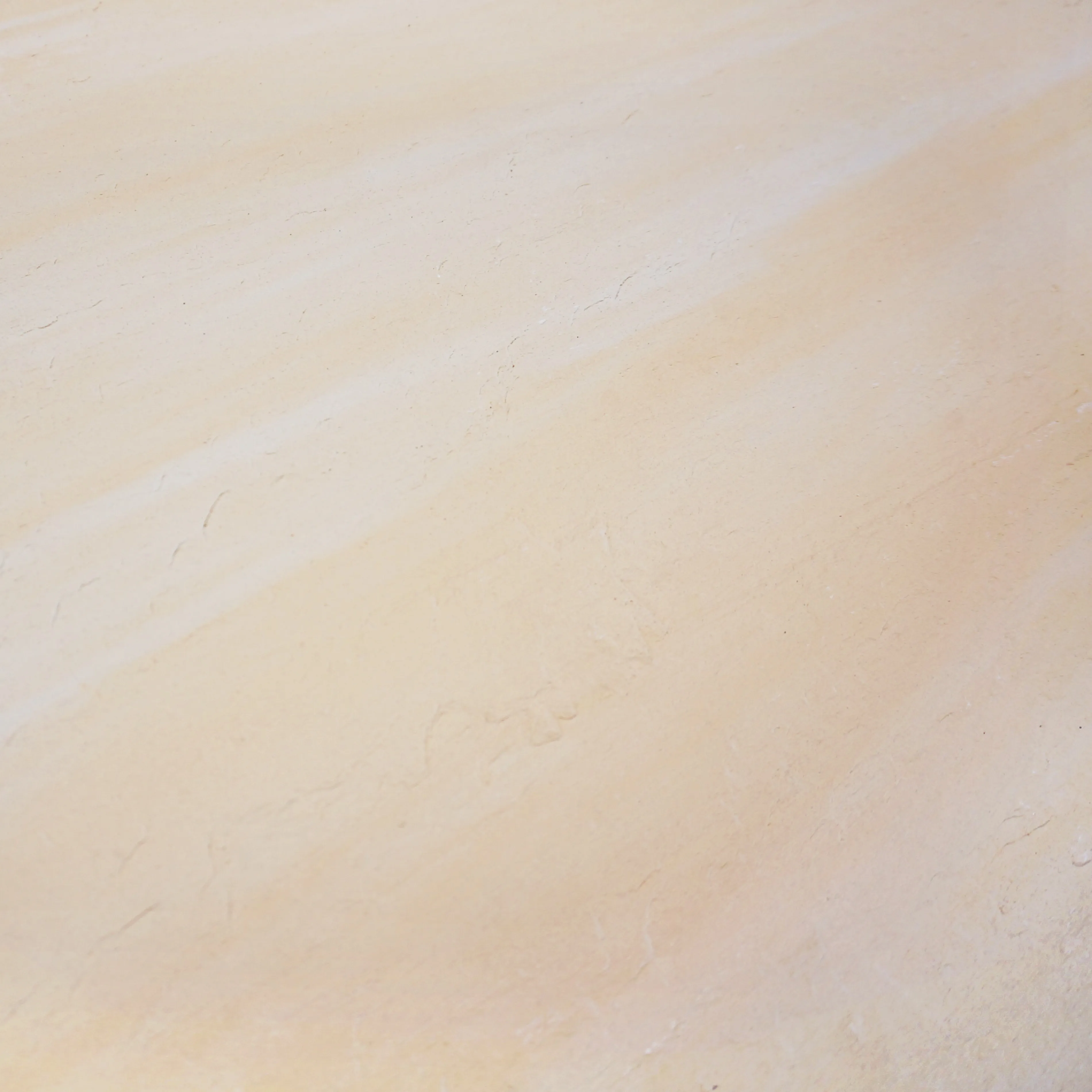
Weather resistance is crucial, but architects and designers don't want to sacrifice beauty for brawn. Oasis Stone Foge delivers on both fronts, offering a range of textures and colors that mimic natural materials—from rough-hewn granite to smooth travertine—without the environmental cost of quarrying. Its lightweight nature (just 4-6 kg per square meter) reduces structural load, making it suitable for retrofits and high-rise buildings where weight is a concern. This lightness also cuts down on transportation emissions, aligning with the growing demand for eco-friendly construction practices.
For those who crave variety, Oasis Stone Foge plays well with others. Pair it with wood grain board for a rustic-chic look, or combine it with polished concrete for an industrial edge. Its flexibility allows for curved surfaces and custom shapes, letting designers push the boundaries of traditional architecture. "We wanted the community center to feel both modern and rooted in nature," says architect Elena Kim, who used Oasis Stone Foge in a recent project. "The material's ability to mimic natural stone while standing up to our harsh Canadian winters was a game-changer. It's not just a cladding—it's a design partner."
In a world where climate extremes are becoming the norm, building materials that can adapt are no longer a luxury—they're a necessity. Oasis Stone Foge isn't just about making buildings last longer; it's about reducing waste. Traditional materials often need replacement every 10-15 years, generating tons of construction debris. With a lifespan of 50+ years, Oasis Stone Foge minimizes the need for frequent repairs and replacements, easing the burden on landfills and lowering long-term costs for building owners.
It's also about legacy. A school, a hospital, a community center—these buildings are more than structures; they're part of our shared story. When they stand strong through storms, heatwaves, and time, they become symbols of resilience. Oasis Stone Foge doesn't just protect walls; it protects the memories and moments that happen inside those walls.
Oasis Stone Foge isn't just another cladding option—it's a solution to the age-old problem of balancing form and function in harsh environments. From the Gobi Desert to the Swiss Alps, from Bali's coasts to urban high-rises, it's proving that durability and beauty can coexist. Backed by MCM technology, paired with complementary materials like gobi panel and lunar peak silvery, and designed with sustainability in mind, it's a material that doesn't just keep up with nature's fury—it outlasts it.
For architects, builders, and dreamers who want their structures to stand the test of time, Oasis Stone Foge is more than a choice. It's a promise—one written in stone, but flexible enough to bend with the wind and strong enough to weather any storm.
| Environmental Challenge | Oasis Stone Foge Performance | Traditional Stone Comparison |
|---|---|---|
| Freeze-Thaw Cycles | No cracking (low water absorption: <1%) | Prone to cracking (water absorption: 5-10%) |
| Extreme Heat (45°C+) | No warping or fading (UV-stable pigments) | Color fading and potential delamination |
| Salt Spray/Coastal Humidity | Resistant to corrosion and discoloration | Susceptible to pitting and staining |
| High Winds (180 km/h) | Reinforced backing prevents delamination | Risk of loosening or cracking at joints |
Recommend Products












