
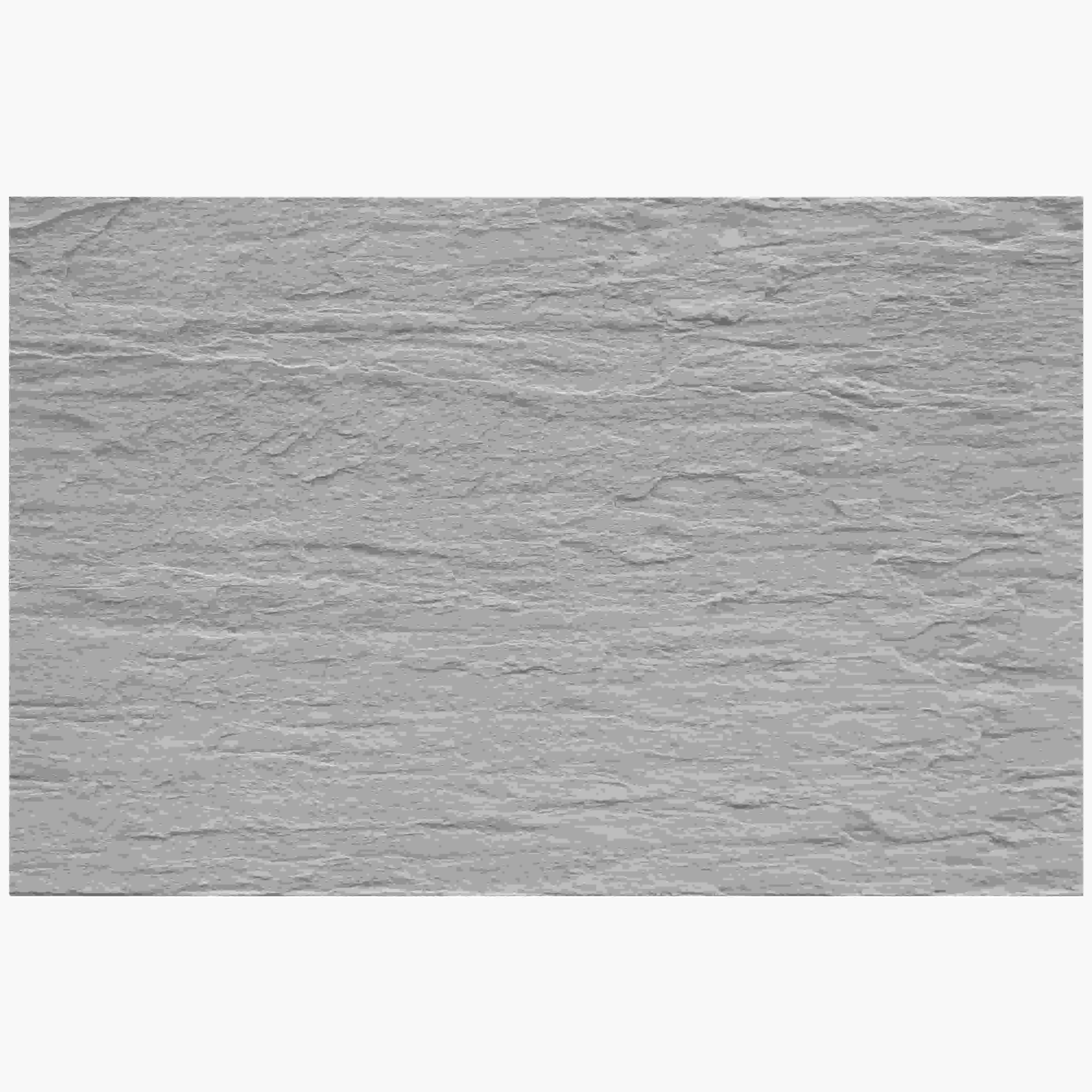
Picture this: You've just finished designing your dream home. The facade, clad in a warm, earthy stone that caught your eye the moment you saw it, glows under the sun. Neighbors stop to admire it; friends comment on how it "feels like it belongs here." But fast-forward three years. That same facade, once vibrant and full of character, now looks washed out. The rich tones have faded to a dull shadow of their former selves, and what was once a point of pride now feels like a regret. Sound familiar? If you've ever dealt with building materials that can't stand up to the sun, you know the heartache of watching beauty erode over time.
In the world of architecture and design, color isn't just about aesthetics—it's about storytelling. A facade's hue can evoke calm, energy, or timelessness. But here's the catch: none of that matters if the color fades. And the biggest culprit? The sun's ultraviolet (UV) rays. They're invisible, relentless, and silently working to break down the pigments and binders in everything from paint to stone. So when we talk about Oasis Stone Regular , we're not just talking about a building material—we're talking about a solution to that all-too-common problem. Today, let's dive into why color retention matters, how UV rays wreak havoc, and what makes Oasis Stone Regular stand out as a champion of long-lasting vibrancy.
Before we get into the science of UV resistance, let's take a moment to understand what Oasis Stone Regular is. Part of the broader family of innovative building materials, it's designed to mimic the natural beauty of stone while packing in modern durability. Think of it as nature's best traits—texture, depth, that "lived-in" charm—paired with human ingenuity. It's not just a slab; it's a material that's been engineered to meet the demands of today's architects, designers, and homeowners who refuse to choose between looks and longevity.
Oasis Stone Regular comes in a range of earthy tones, from soft beiges to warm grays, that blend seamlessly with both modern and traditional designs. You'll find it on everything from residential facades to commercial plazas, and even indoor accent walls. But what really sets it apart? Its ability to hold onto those tones, year after year, even in the sunniest of climates. To understand how it does that, we first need to unpack why most materials fade in the first place.
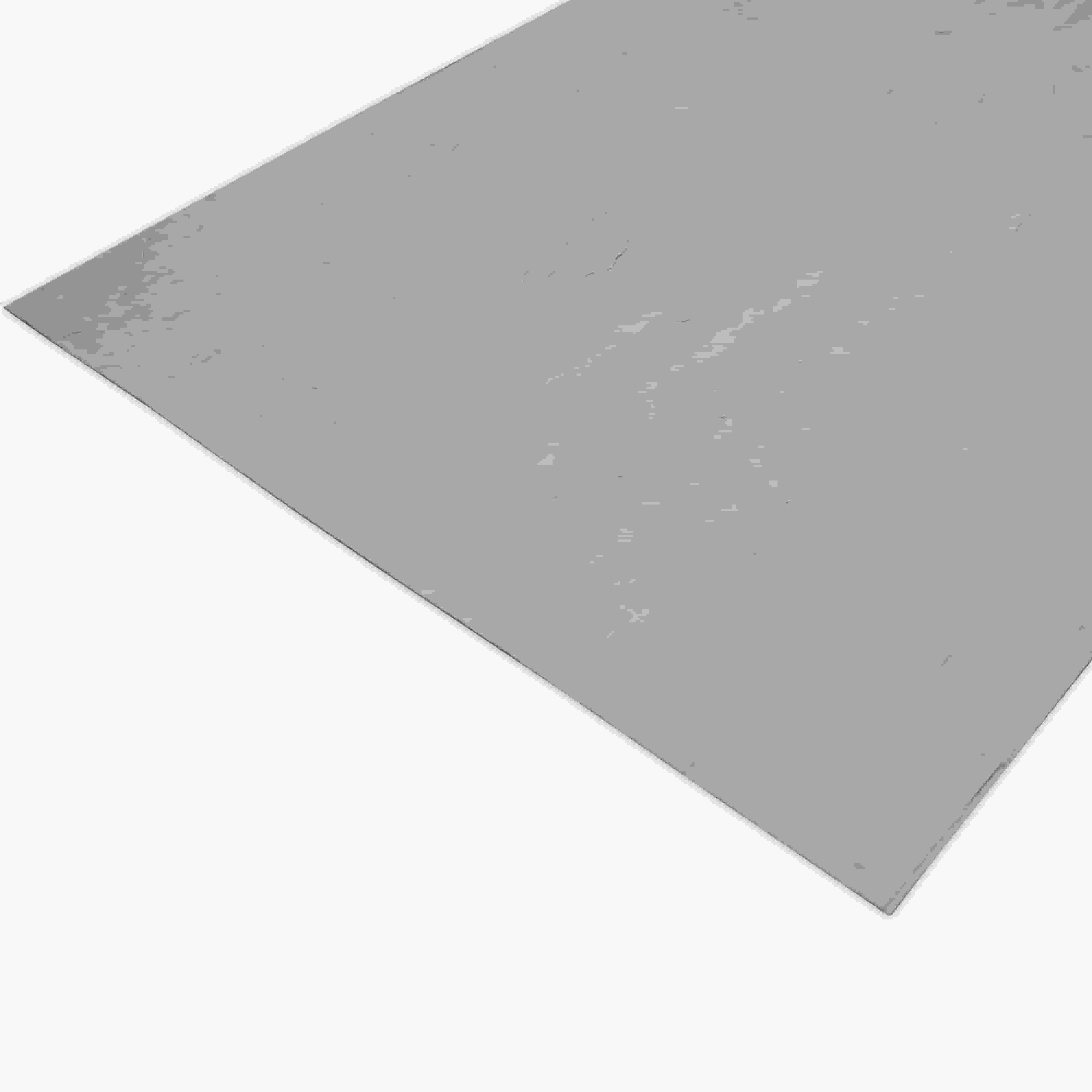
Let's get a little science-y, but don't worry—I'll keep it simple. UV rays are a form of electromagnetic radiation from the sun. They're the same ones that cause sunburns, and they're just as tough on building materials as they are on your skin. Here's how it works: most materials, whether natural stone like travertine or man-made options like fair-faced concrete , contain molecules that give them their color (called chromophores). When UV rays hit these molecules, they break down the chemical bonds holding them together. Over time, this breakdown causes the color to "bleach out."
But UV isn't the only villain. Heat and moisture join the party, too. The sun heats up the material, making the molecules more reactive, while rain or humidity can wash away the weakened pigments. It's a one-two punch that leaves even the most beautiful materials looking tired. For example, traditional travertine —a popular choice for its porous, organic look—often fades in direct sunlight because its natural minerals are sensitive to UV exposure. Similarly, fair-faced concrete , while durable, can develop a chalky, discolored layer over time as the surface matrix breaks down under UV and weathering.
Real-Life Example: A restaurant in Miami installed a travertine facade in 2018, drawn to its warm, golden hue. By 2021, the south-facing walls had faded to a pale cream, while the shaded north side still looked brand-new. The contrast was so stark, the owners had to refinish the entire facade—a costly, time-consuming process that could have been avoided with a more UV-resistant material.
So why does this matter? Beyond aesthetics, faded materials can devalue a property, increase maintenance costs, and even compromise the material's structural integrity over time (if the breakdown affects the binder). For homeowners, it's the frustration of investing in something that doesn't last. For businesses, it's the loss of curb appeal that draws customers in. That's where Oasis Stone Regular steps in.

Oasis Stone Regular isn't just "resistant" to UV rays—it's built to defy them. The key lies in its unique composition and manufacturing process. Let's break it down into three parts: the base material, the colorants, and the protective layer.
Oasis Stone Regular is part of the MCM (Modified Composite Material) series , a family of building materials known for their lightweight durability. Unlike natural stone, which is prone to mineral breakdown, MCMs are engineered by blending natural minerals with high-performance polymers. These polymers act like a shield, forming a stable matrix that's less susceptible to UV-induced degradation. Think of it as adding a layer of armor to the material's "skeleton"—it keeps the structure strong and the color locked in.
Not all colorants are created equal. Traditional materials often use organic pigments, which are cheaper but break down quickly under UV light. Oasis Stone Regular, on the other hand, uses inorganic, UV-stable pigments. These are minerals like iron oxides or titanium dioxide, which have been processed to withstand prolonged sun exposure. They don't just sit on the surface—they're mixed into the material during manufacturing, so even if the top layer wears slightly, the color remains consistent. It's like dying fabric all the way through instead of just painting the surface.
To add an extra layer of defense, Oasis Stone Regular undergoes a specialized coating process. This thin, transparent layer acts as a sunscreen for the material, absorbing and reflecting UV rays before they can reach the colorants and base matrix. It's similar to how a quality sunscreen protects your skin, but permanently bonded to the stone. This coating also repels water, preventing moisture from seeping in and accelerating color breakdown—a double win for durability.
But don't just take our word for it. Independent lab tests have shown that Oasis Stone Regular retains over 95% of its original color after 10,000 hours of accelerated UV exposure (the equivalent of about 11 years in direct sunlight). Compare that to standard travertine, which often retains only 60-70% of its color after the same period, or fair-faced concrete, which can drop to 50% or lower. That's a massive difference in longevity.
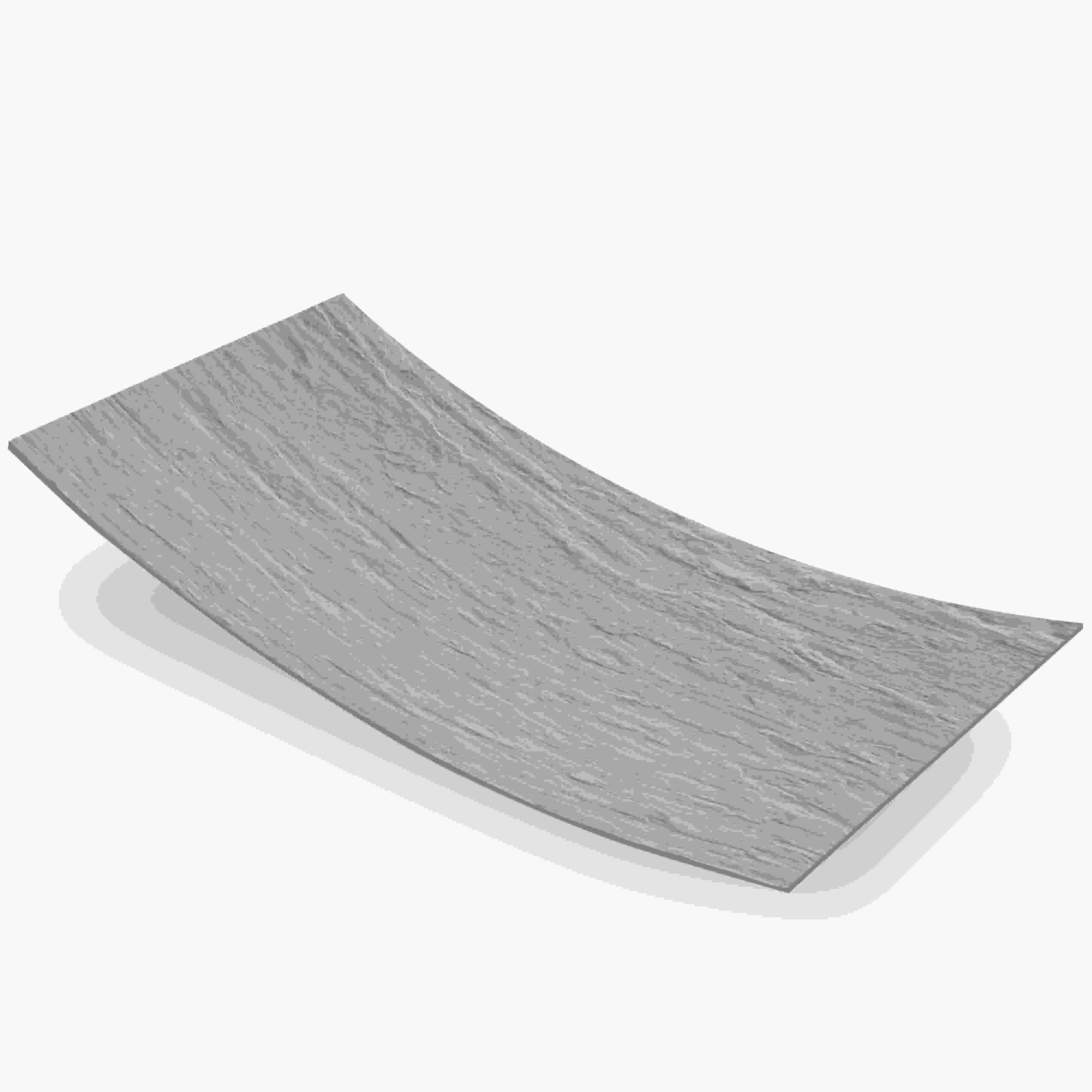
To really understand Oasis Stone Regular's superiority, let's put it head-to-head with some common alternatives. The table below compares color retention, durability, and maintenance needs over time, based on industry data and real-world case studies.
| Material | Color Retention After 5 Years (Direct Sunlight) | Maintenance Required | Best For | Key Weakness |
|---|---|---|---|---|
| Oasis Stone Regular | 90-95% | Minimal (occasional cleaning) | Exterior facades, patios, commercial buildings | None significant; higher upfront cost than basic concrete |
| Travertine (Natural) | 60-70% | Sealing every 1-2 years; potential refinishing | Indoor floors, shaded exteriors | UV sensitivity; porous (prone to staining) |
| Fair-Faced Concrete | 50-60% | Power washing; occasional resurfacing | Industrial spaces, modernist exteriors | Chalking; color inconsistency over time |
| MCM Flexible Stone | 85-90% | Minimal (similar to Oasis Stone Regular) | Curved surfaces, lightweight applications | Less rigid than Oasis Stone Regular; not ideal for heavy load-bearing |
As you can see, Oasis Stone Regular outperforms natural travertine and fair-faced concrete by a wide margin, and even edges out the already impressive MCM Flexible Stone in color retention. That's because it's optimized specifically for exterior use in harsh, sunny climates, whereas MCM Flexible Stone is designed more for flexibility and lightweight applications.
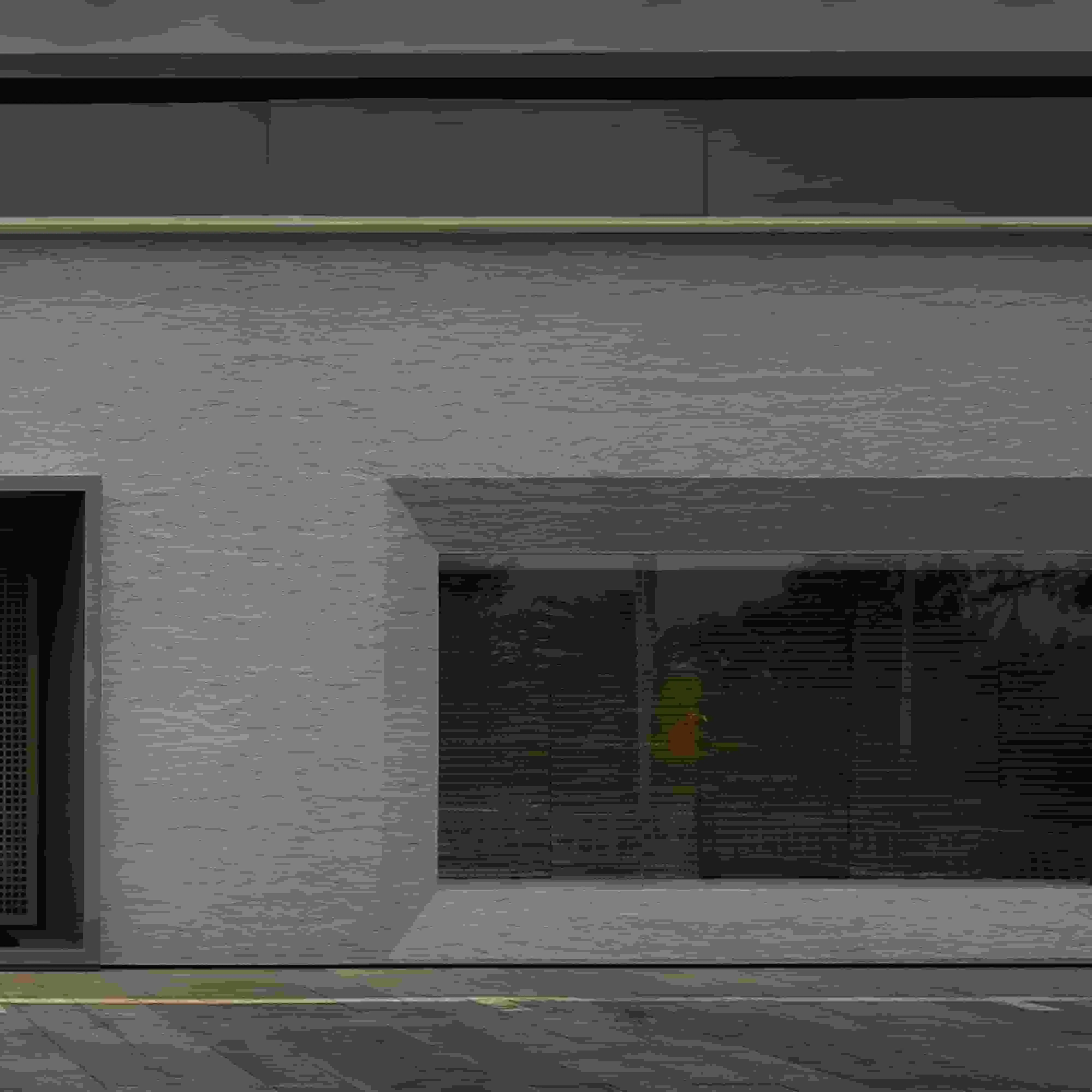
UV resistance is the star of the show, but Oasis Stone Regular has plenty of other tricks up its sleeve. Let's explore a few that make it a top choice for designers and homeowners alike:
UV resistance is just one part of the durability puzzle. Oasis Stone Regular is also resistant to scratches, stains, and impact. Unlike natural stone, which can crack or chip under heavy use, its composite structure holds up to foot traffic, harsh weather, and even the occasional stray baseball (we've all been there). This makes it ideal for high-traffic areas like patios, pool decks, and commercial lobbies.
Who says durable can't be beautiful? Oasis Stone Regular comes in a range of textures and colors, from soft beiges to deep grays, that mimic natural stone without the maintenance. Whether you're going for a rustic, desert-inspired look or a sleek, modern vibe, there's an Oasis Stone Regular finish that fits. It can be cut into custom shapes, used for accent walls, or even combined with other materials like wood or metal for a unique aesthetic.
In today's world, sustainability matters. Oasis Stone Regular is made with recycled materials (up to 30% in some variants) and requires less energy to produce than natural stone quarrying. Its long lifespan also means less waste over time—no need to replace faded panels every few years. For eco-conscious homeowners and businesses, that's a big plus.
Numbers and tables are great, but nothing beats real-world examples. Let's look at two projects where Oasis Stone Regular's UV resistance made all the difference.
Phoenix is known for its blistering summers, with temperatures regularly exceeding 100°F and intense UV radiation. In 2019, a developer chose Oasis Stone Regular for the exteriors of 50 townhomes in a new community. Five years later, a follow-up inspection found that the stone had retained 92% of its original color. Homeowners reported no fading, even on west-facing walls that get afternoon sun. In contrast, a neighboring development built with natural travertine had already refinished its facades twice, at a cost of $15,000 per building.
Dubai's desert climate is brutal for building materials: high UV, sandstorms, and extreme heat. A boutique hotel there used Oasis Stone Regular for its poolside cabanas and exterior walkways. After three years, guests still comment on how "fresh" the stone looks, even in the relentless sun. The hotel's maintenance team notes that they only need to hose down the surfaces monthly—no sealing, no refinishing, no hassle. "It's been a game-changer for our budget," says the hotel manager. "We used to spend thousands on upkeep; now, it's almost nothing."
At the end of the day, choosing a building material is about balancing cost, beauty, and longevity. Oasis Stone Regular might have a slightly higher upfront cost than basic concrete or natural travertine, but it more than makes up for it in the long run. Let's break down the benefits for different stakeholders:
Think of it this way: If you spend $10,000 on a facade that fades in 5 years and requires $2,000 in upkeep every year, that's $20,000 over a decade. If Oasis Stone Regular costs $15,000 upfront but needs $500 in upkeep over the same period, you're saving $4,500—and getting a better-looking result. It's a no-brainer for anyone planning for the long term.
Color retention isn't just a "nice-to-have"—it's a must-have in today's climate. With UV radiation levels rising (thanks to factors like ozone depletion), choosing a material that can stand up to the sun is more important than ever. Oasis Stone Regular isn't just a building material; it's a promise. A promise that the beauty you see today will still be there tomorrow, next year, and decades from now.
Whether you're building a home, designing a commercial space, or just looking to upgrade your exterior, don't settle for materials that fade. Choose something that's built to last—something that understands the value of color, the power of durability, and the joy of owning something that only gets better with time. Choose Oasis Stone Regular.
After all, the best buildings aren't just structures—they're stories. And stories shouldn't fade.
Recommend Products












