
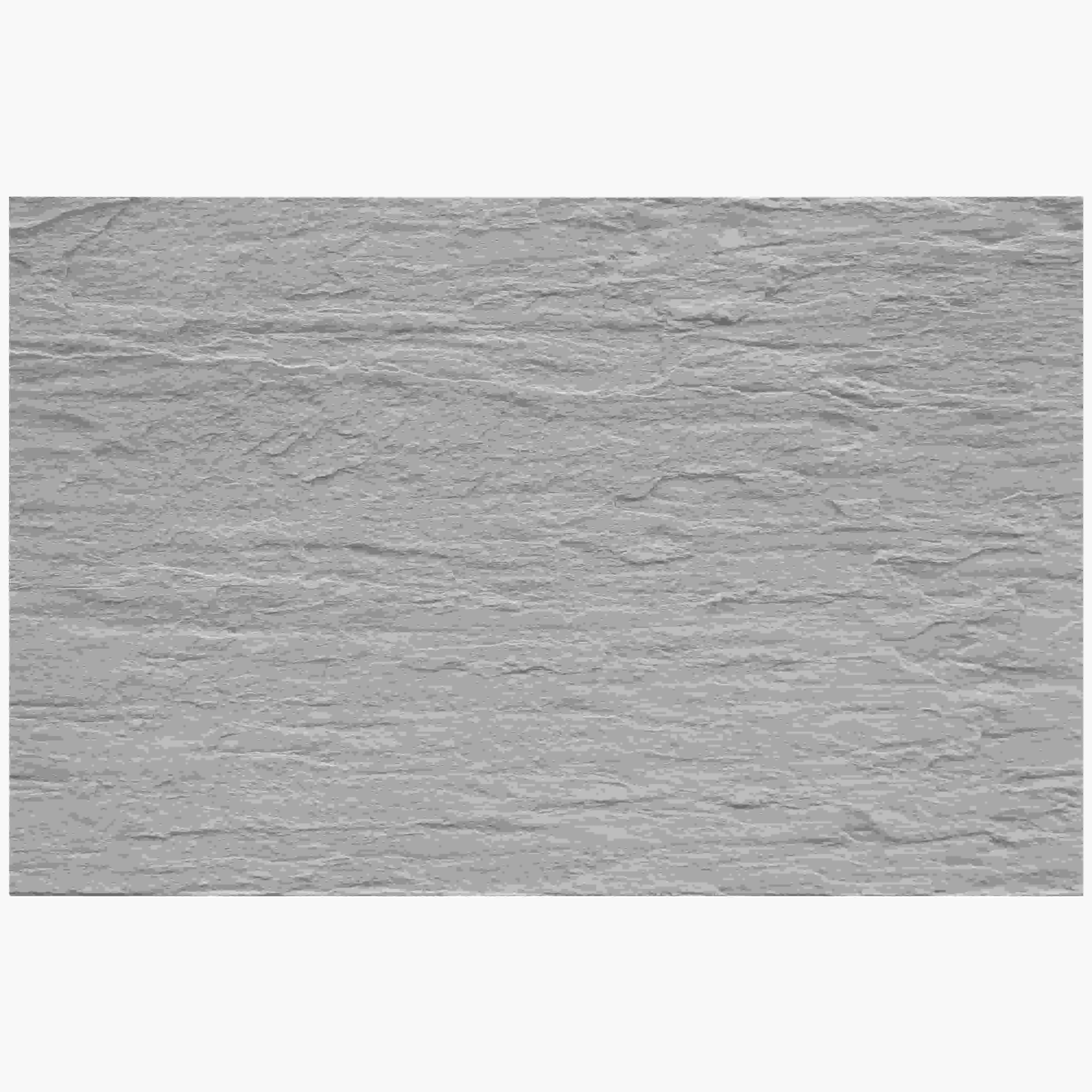
Hey there, fellow contractors. Let's talk stone—specifically, the kind that turns a basic wall or countertop into something clients will gush about for years. You know the type: stone that feels solid under your hands, with veins and textures that tell a story. Oasis Stone Regular has been popping up on job sites more and more lately, and for good reason. It's durable, versatile, and has that "wow" factor that makes clients trust you with their biggest projects. But here's the thing: even the best stone can fall flat if you don't cut and fabricate it right. Today, we're breaking down actionable tips to help you get the most out of Oasis Stone Regular, plus a few complementary materials that'll make your installs shine. Let's dive in.
Before you fire up the saw, take 10 minutes to understand what you're working with. Oasis Stone Regular is a limestone-based material, but it's not your run-of-the-mill slab. It's got a unique density—firmer than, say, travertine (starry green), which tends to be more porous, but softer than a dense granite like nero margiua. That sweet spot means it's forgiving enough for detailed cuts but tough enough to handle high-traffic areas. Its surface has these subtle, natural veining patterns that clients love, but those veins? They're also potential weak points if you rush through cutting. Pro tip: Hold the slab up to the light. You'll see the direction of the grain—cutting with the grain, not against it, will save you from frustrating cracks later.
Another thing to note: Oasis Stone Regular has a moderate porosity. Not as absorbent as some marbles, but enough that moisture during fabrication can cause discoloration if you're not careful. Keep a dry cloth handy when handling wet cuts, and avoid letting water pool on the surface for too long. Trust me, your future self (and your client's checkbook) will thank you.
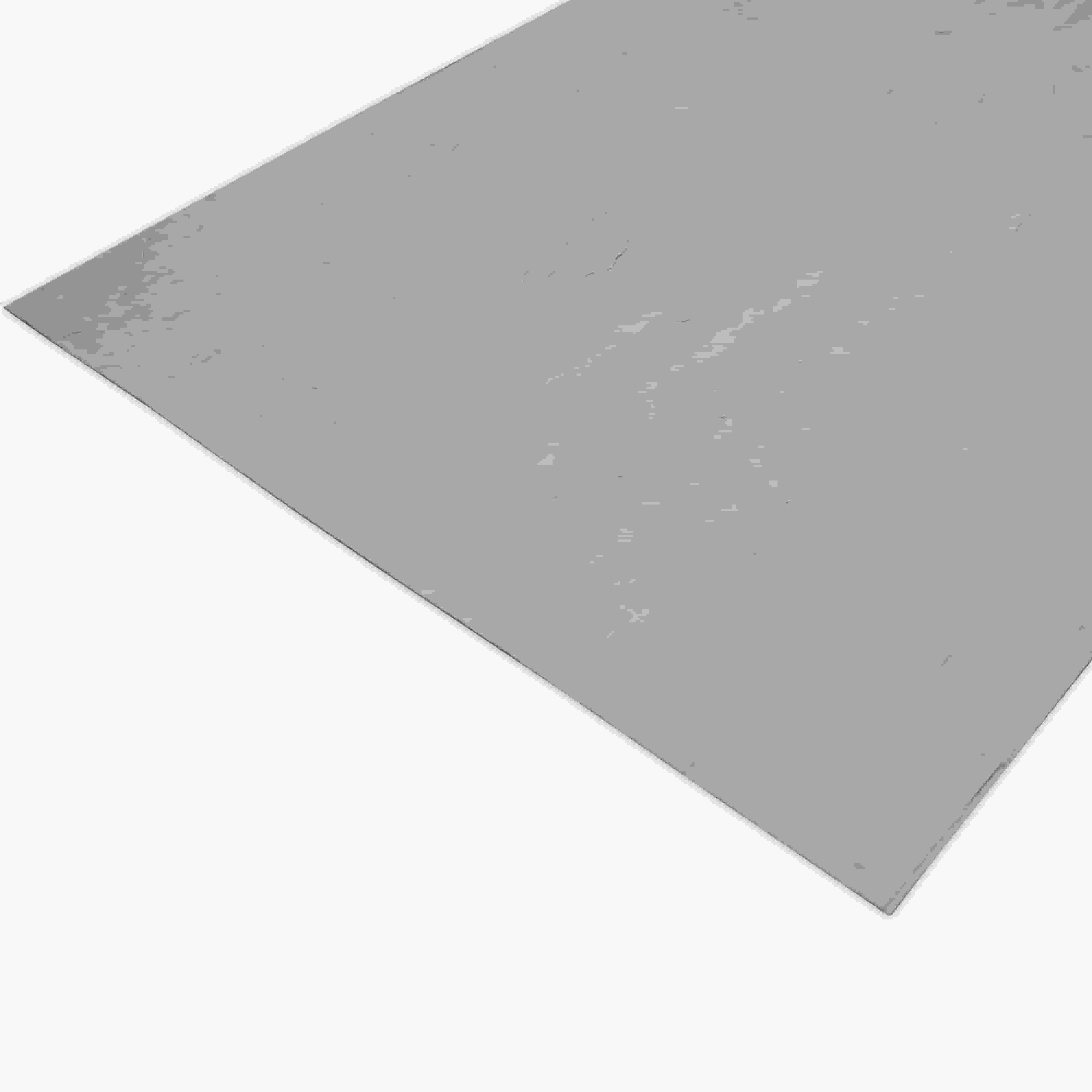
Let's get to the nitty-gritty: cutting. You've probably got a go-to wet saw or angle grinder, but not all blades are created equal here. Oasis Stone Regular needs a diamond blade designed for medium-density stones—skip the ultra-coarse blades meant for granite, and don't cheap out on a flimsy blade that'll wear down mid-cut. I've seen contractors save $20 on a blade only to ruin a $300 slab. Not worth it.

Cutting gets the stone to size, but fabrication is where you add value. Clients notice the little things: a smooth edge, a consistent finish, a seamless joint between slabs. Here's how to nail it with Oasis Stone Regular.
Edging options: Bullnose, beveled, or eased edges—Oasis Stone Regular handles them all, but you'll need the right tools. For bullnose edges, use a diamond router bit with a 1/2-inch shank. Take light passes (1/8 inch at a time) to avoid chipping the edge. Eased edges are simpler—just run a sanding pad with 120-grit sandpaper along the edge, then bump up to 240-grit for a soft finish. Pro move: Match the edge style to the space. A beveled edge adds modern flair to a kitchen backsplash, while a bullnose feels cozier in a bathroom.
Surface finishing: Most clients want either a honed or polished finish. Honed is matte and hides fingerprints—great for high-touch areas like countertops. Polished has that glossy sheen that makes veins pop, perfect for feature walls. For honing, start with 100-grit sandpaper, then 200, 400, and 600-grit until the surface is smooth. For polishing, follow up with a polishing compound and a felt pad—go slow, and keep the pad moving to avoid uneven spots.
Handling large slabs: Oasis Stone Regular slabs can be heavy—up to 150 lbs for a 24x48 inch piece. Never try to lift one alone. Use a slab lifter with rubberized grips to avoid scratching, and carry it vertically (on edge) to reduce stress on the stone. If you're transporting slabs, lay them flat on a padded surface and secure them with ratchet straps—sliding during transit is a one-way ticket to cracks.
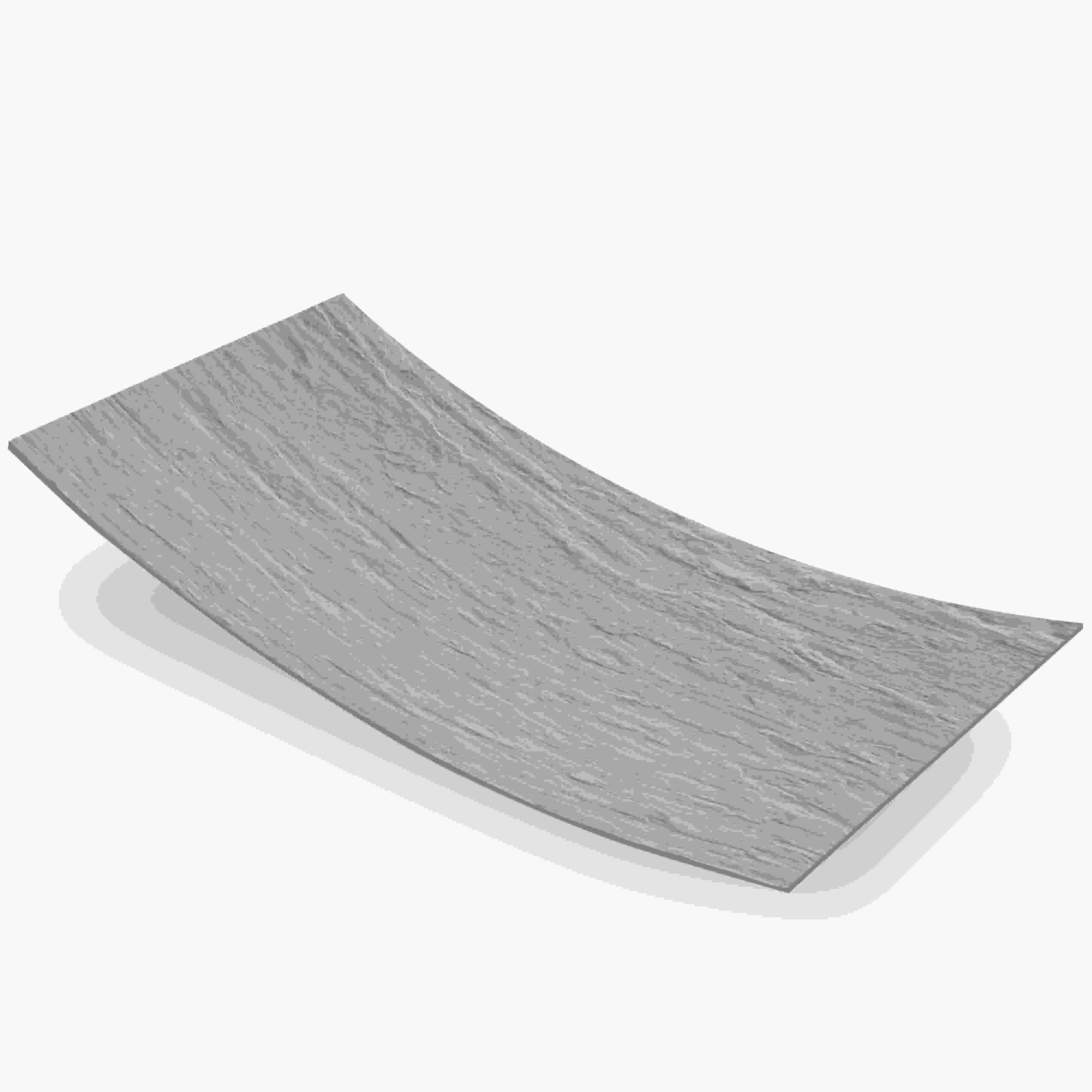
Oasis Stone Regular is a star, but even stars need a supporting cast. Mixing in other materials can elevate your design and solve practical problems. Here are a few pairings I've seen work wonders:
To help you choose the right tools for these pairings, here's a quick reference table:
| Material | Recommended Cutting Tool | Blade Type | Key Tip |
|---|---|---|---|
| Oasis Stone Regular | 10-inch wet saw | Continuous-rim diamond blade (10mm segment) | Keep blade speed at 3,000 RPM; use steady water flow |
| MCM Flexible Stone | Circular saw with guide | Carbide-tipped blade (60-80 teeth) | Cut face-down to avoid chipping the decorative surface |
| Boulder Slab (Vintage Silver) | Angle grinder with masonry blade | Segmented diamond blade (12mm segment) | Use a slow, steady motion—let the blade do the work |
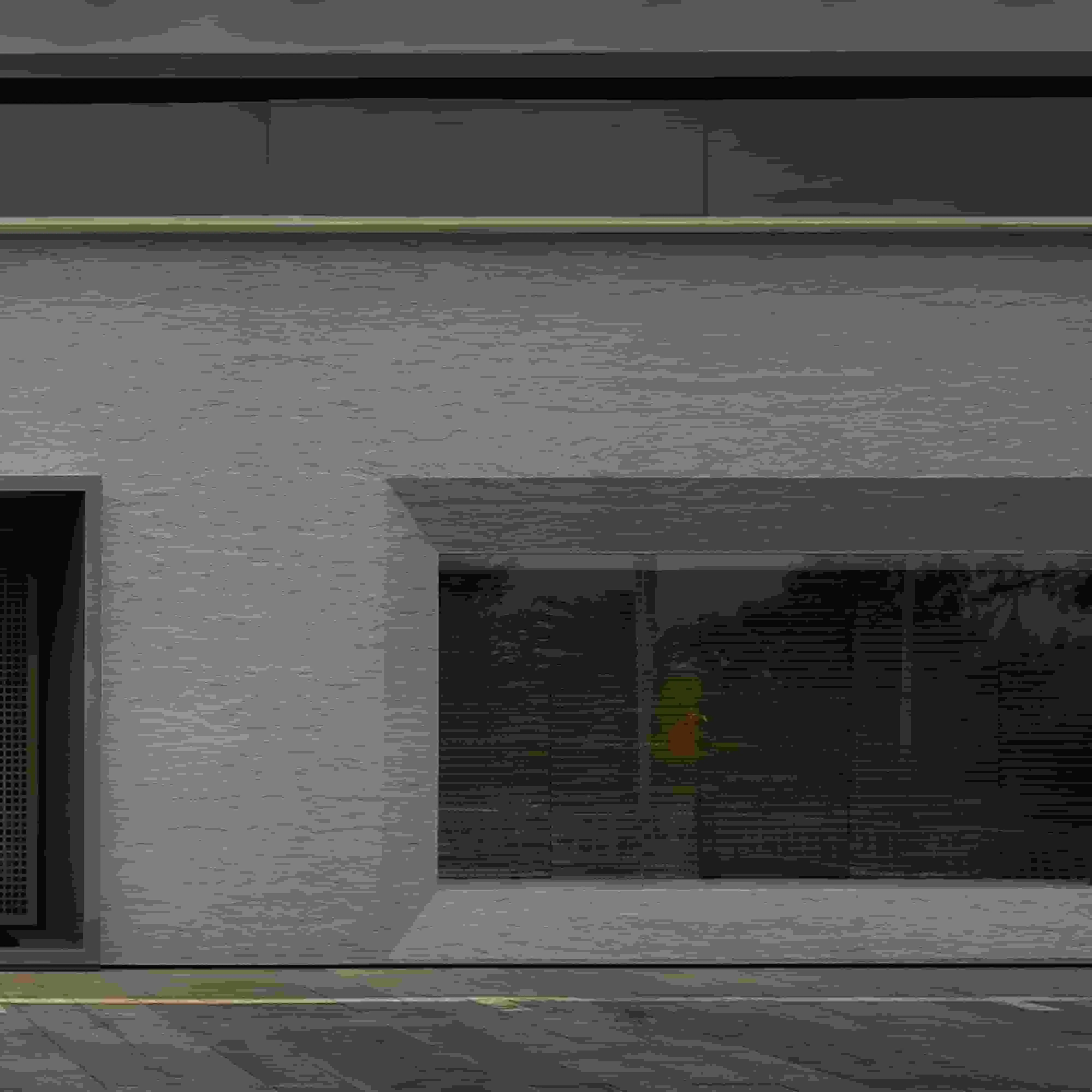
Even with the best prep, issues happen. Here's how to handle common snags with Oasis Stone Regular:
At the end of the day, cutting and fabricating stone isn't just a job—it's a craft. When you take the time to learn your material, choose the right tools, and fix mistakes with care, you're not just building walls or countertops. You're building trust. Clients don't just hire you for your tools; they hire you for your eye, your patience, and your commitment to making their space feel special.
Oasis Stone Regular is a material that rewards that commitment. It's not the easiest stone to work with, but when you get it right? There's nothing like standing back and seeing that slab you cut, edged, and installed transform into something beautiful. So take these tips, apply them on your next job, and don't forget to pause and appreciate the little wins—a clean cut, a happy client, a job well done.
Now go out there and make that stone shine. Your clients (and your reputation) deserve it.
Recommend Products












