
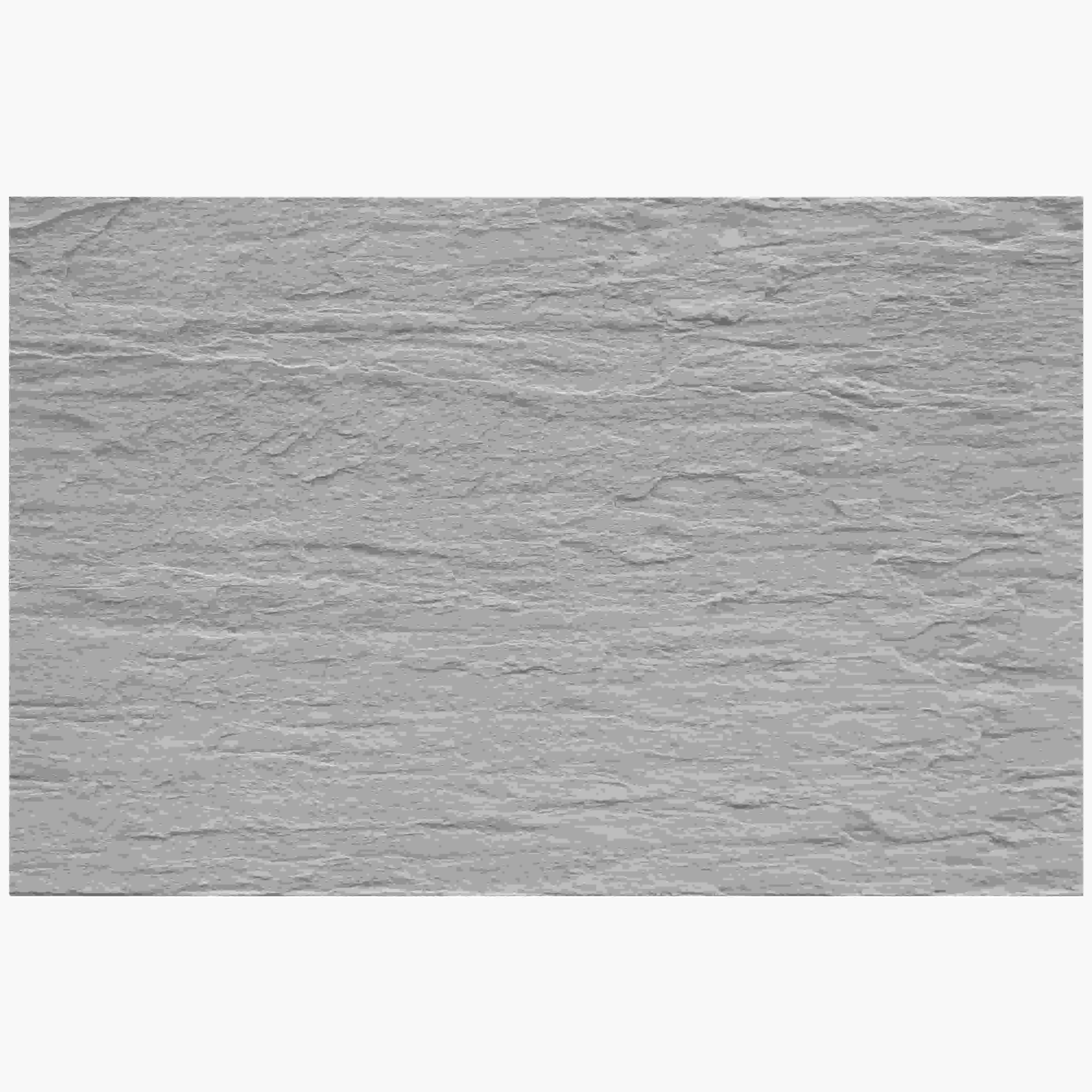
Walk down any street, and you'll notice something: buildings don't just stand—they speak. The exterior walls of a home, a café, or an office building whisper stories of the people inside, the climate around them, and the passage of time. A cracked, faded facade might hint at neglect; a vibrant, well-maintained one feels like a warm invitation. But here's the thing about exterior walls: they're not just putting on a show. They're the first line of defense against rain that lashes, sun that blazes, and winds that howl. Choosing the right material for them isn't just a design decision—it's a promise to the future, a commitment to a structure that will age with grace rather than frustration.
For years, homeowners, architects, and builders have navigated a minefield of options: materials that look stunning on day one but fade by year two, ones that stand strong against the elements but feel cold and lifeless, or those that demand constant care to stay presentable. It's a balancing act that often leaves little room for both durability and beauty. That is, until materials like Oasis Stone Regular stepped onto the scene. More than just a building material, it's a solution crafted for the way we actually live—busy lives, changing seasons, and a desire for spaces that feel both sturdy and soulful.
Let's talk about the elephant in the room: traditional exterior materials often fall short where it matters most. Take fair-faced concrete, for example. It starts with a sleek, industrial charm, but after a few years of rain and sun, that "clean" look can turn dull, marred by water stains or hairline cracks that seem to appear overnight. Wood, beloved for its warmth, becomes a maintenance nightmare in humid climates—think peeling paint, warped planks, or worse, rot that creeps in silently until it's too late. Even brick, a staple for centuries, isn't immune: mortar crumbles, bricks chip, and repointing becomes a regular chore that eats into weekends and wallets.
Then there are the materials that promise durability but skimp on personality. Epoch Stone, for instance, is tough as nails, but its uniform texture can feel one-note, lacking the depth that makes a building feel human. Travertine, with its natural pits and veining (like the striking travertine (starry green) that catches the light just so), is undeniably beautiful, but it's porous—meaning it soaks up stains and requires regular sealing to stay looking fresh. For anyone who's ever spent a Saturday scrubbing mildew off siding or repainting a fence, the message is clear: we need something that works with us, not against us.
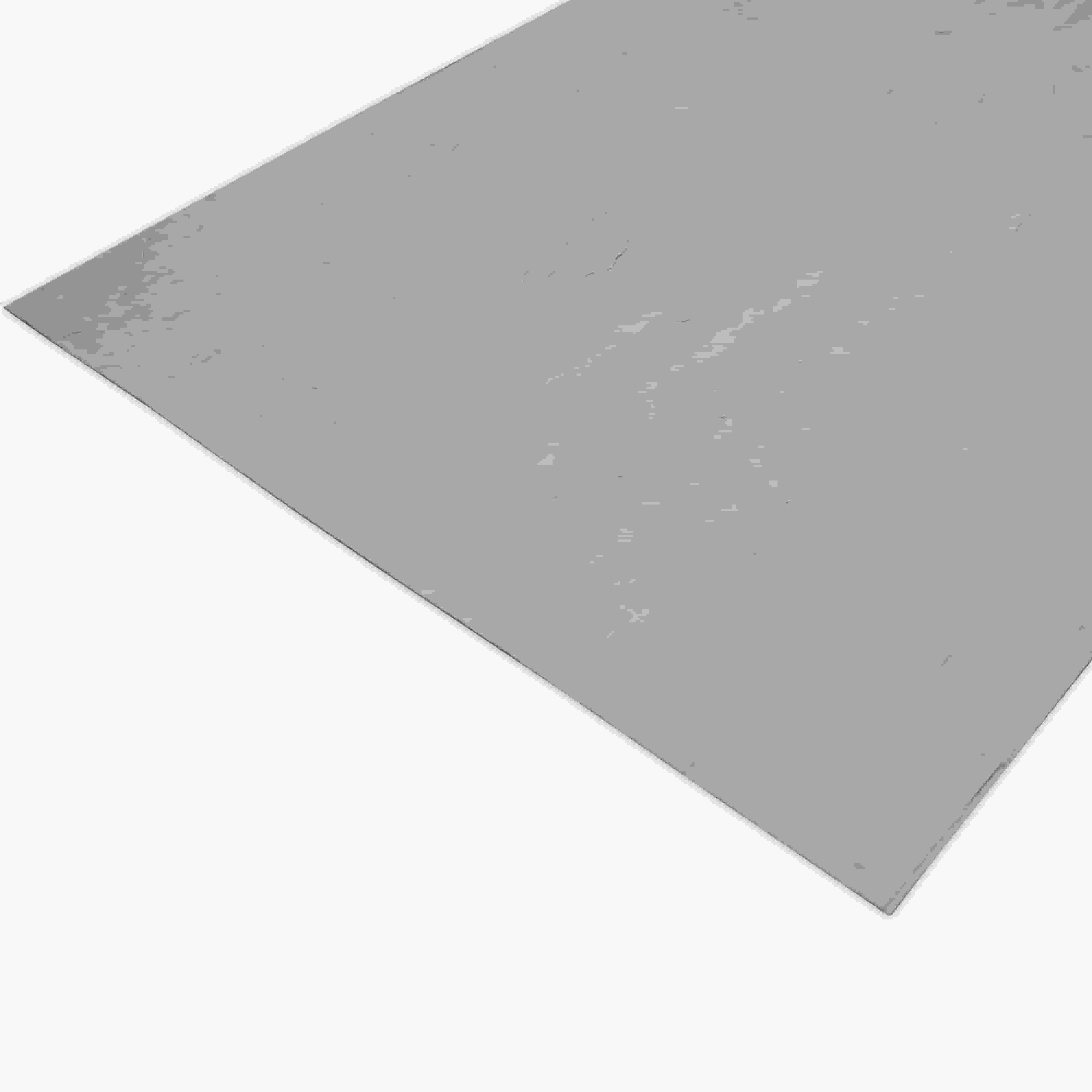
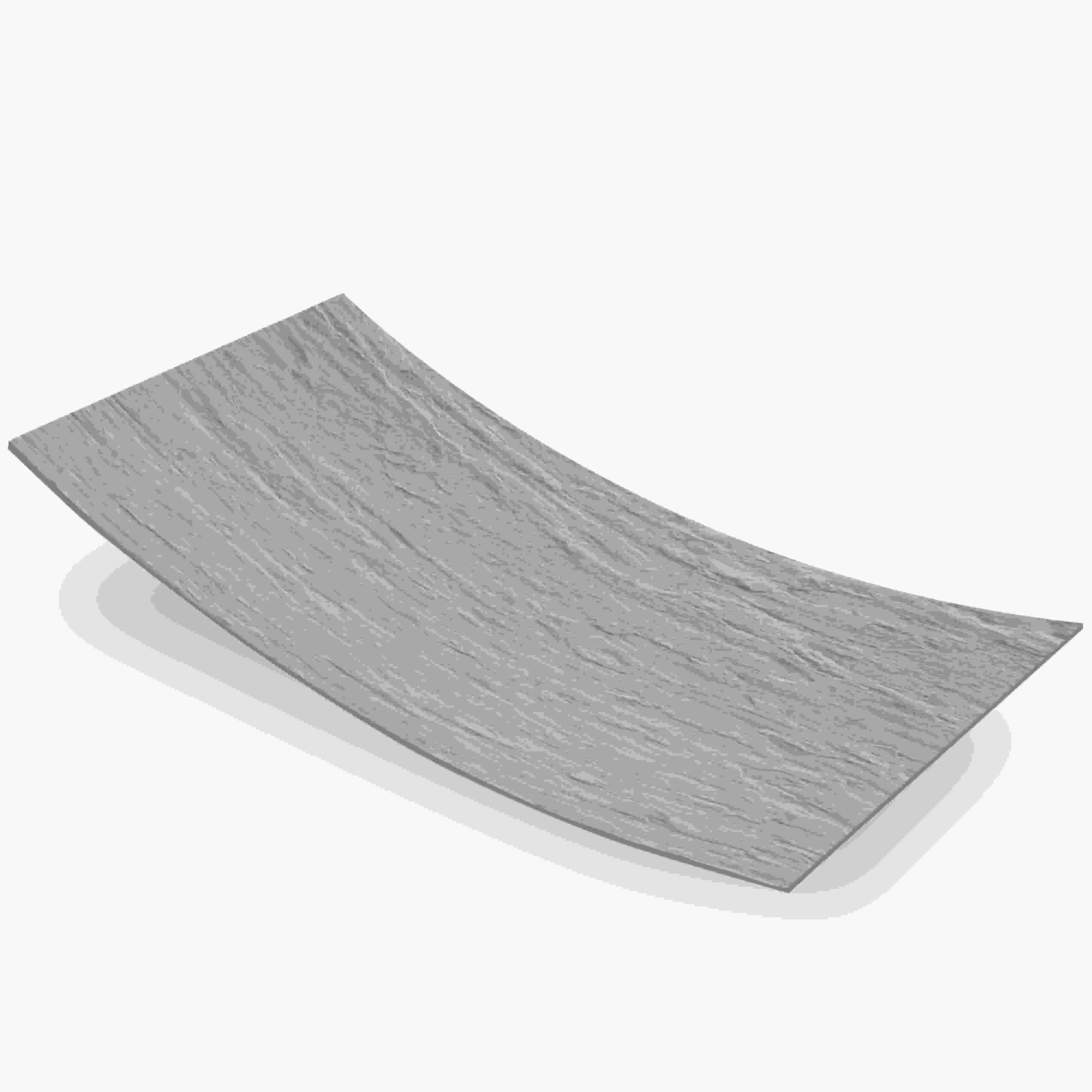
Enter Oasis Stone Regular. If exterior wall materials were characters in a book, Oasis Stone Regular would be the one with depth—tough when needed, gentle when it counts, and always reliable. Developed to bridge the gap between resilience and aesthetics, it's a material that understands that a building's exterior should do more than just exist; it should thrive , even when the world around it tries to wear it down. But what exactly is it that makes Oasis Stone Regular stand out? Let's start with the basics: it's part of MCM (Modified Composite Material) flexible stone series, a category known for blending the best of natural stone and modern engineering. But where some MCM products focus solely on flexibility, Oasis Stone Regular doubles down on durability, creating a material that's both bendable (to fit unique architectural curves) and built to last.
Imagine a material that can handle the salt spray of a coastal home, the blistering heat of a desert villa, and the freezing winters of a mountain cabin—all while looking like it was just installed yesterday. That's the promise of Oasis Stone Regular. It's not just about surviving the elements; it's about aging gracefully, developing a subtle patina that adds character rather than detracting from it. Unlike wood that fades to gray or paint that peels in sheets, Oasis Stone Regular evolves, becoming more interesting with time, not less.
Why "Regular" Doesn't Mean "Ordinary": You might wonder about the "Regular" in its name. Does it imply basic or unremarkable? Quite the opposite. "Regular" here refers to its consistent quality and versatility—designed to work seamlessly in everyday spaces, from suburban homes to urban lofts, without compromising on performance. It's the reliable friend who shows up, no matter the occasion, and makes everything better for being there.

Durability is a buzzword in construction, but what does it really mean for you? It means not having to replace your exterior walls every decade. It means not worrying if a storm will leave behind cracks or water damage. It means peace of mind. Oasis Stone Regular delivers that peace of mind through a combination of smart engineering and thoughtful design. Let's break it down.
First, there's its resistance to physical wear and tear. Unlike brittle materials that crack under impact (looking at you, thin porcelain tiles), Oasis Stone Regular has a slight flexibility that allows it to absorb minor bumps—like a stray baseball from the neighbor's kid or a wayward garden tool—without chipping. Its surface is dense, too, so scratches from branches or harsh cleaning tools are rare. Even better, it's non-porous, which means it doesn't absorb moisture the way natural stone (like travertine or marble) does. That's a game-changer for anyone who's dealt with mold growing in the crevices of their exterior walls or water stains seeping through to the inside.
Then there's the battle against the elements. Let's talk about freeze-thaw cycles, the silent enemy of many building materials. In cold climates, water seeps into tiny pores, freezes (expanding by 9%), and thaws, repeating the process until cracks form. Oasis Stone Regular, with its low water absorption rate (less than 1%), laughs in the face of this cycle. It simply doesn't give water a place to hide. Compare that to fair-faced concrete, which, despite its strength, can develop hairline cracks over time as water works its way in. Those cracks start small, but they grow—letting in more water, more pests, and more problems.
UV resistance is another feather in Oasis Stone Regular's cap. The sun's rays are relentless, bleaching colors and breaking down chemical bonds in everything from paint to plastic. Oasis Stone Regular's color is integrated into its core, not just applied as a topcoat. That means no fading, even after years of direct sunlight. Imagine a home in Arizona, where summer temperatures soar and the sun beats down daily. With Oasis Stone Regular, the warm beige or soft gray of the exterior stays true, never turning a washed-out white or uneven patchwork of faded hues. It's a small detail, but it makes a big difference in how a building feels—fresh, intentional, and cared for.
Durability is one thing; weather resistance is where Oasis Stone Regular truly shines. Let's take a tour of different climates and see how it holds up—because a material that works in one region might falter in another, but Oasis Stone Regular is a global citizen.
Coastal Regions: Saltwater is brutal. It eats away at metal, corrodes concrete, and turns wood into a feast for mold. A beach house with traditional siding might need repainting every 2-3 years to combat salt spray, but Oasis Stone Regular? It's impervious to salt. The secret lies in its composite makeup, which doesn't react with the minerals in seawater. So whether you're building a cottage in Cape Cod or a villa in Bali, you won't have to worry about your exterior walls developing that chalky, corroded look that plagues so many coastal homes.
Desert Climates: Extreme heat, low humidity, and sandstorms—desert living is no joke for building materials. Wood dries out and cracks, paint bubbles and peels, and even brick can absorb heat, making interiors feel like ovens. Oasis Stone Regular, however, has a low thermal conductivity, meaning it doesn't absorb and retain heat the way stone or concrete does. That keeps interiors cooler, reducing energy bills. And when sandstorms hit, its smooth, dense surface repels flying grit, so you won't come home to a facade scratched and pitted like sandpaper.
Rainy Regions: In places like the Pacific Northwest, where rain falls for months on end, moisture is the enemy. Mold, mildew, and rot are constant threats. Oasis Stone Regular's non-porous surface means water beads up and rolls off, never seeping in. Even better, it doesn't support mold growth—so you won't see those black streaks that creep up on wood siding or stucco. Compare that to century stone, another durable option, which, while strong, can trap moisture in its texture if not sealed properly, leading to discoloration over time. With Oasis Stone Regular, a quick rinse with a hose is all it takes to keep it looking clean, even after weeks of rain.
Freezing Winters: Think of a home in Minnesota, where temperatures drop well below zero and snow piles up for months. Ice dams form, snow melts and refreezes, and frost heave can shift foundations. Oasis Stone Regular's freeze-thaw resistance (remember that low water absorption?) means it doesn't crack or spall, even when ice forms on its surface. And because it's lightweight (about 1/5 the weight of natural stone), it doesn't add extra stress to the building's structure—important in areas where heavy snow loads are a concern.
Real-Life Testimonial: A Homeowner's Perspective
"We built our home in coastal Maine five years ago, and we were terrified of saltwater damage. We looked at everything—vinyl siding (too flimsy), brick (too heavy), even cedar shingles (beautiful but high maintenance). Then we found Oasis Stone Regular. Five winters of ice storms, five summers of salt spray, and it still looks like the day it was installed. No fading, no cracks, no mold. Last year, a nor'easter brought 80 mph winds, and our neighbor's siding blew off in places. Ours? Not a scratch. Best decision we ever made." — Sarah, homeowner in Portland, ME

Let's be clear: durability is essential, but no one wants to live in a fortress that feels cold and uninviting. Oasis Stone Regular gets this—it's tough, but it's also beautiful , with a range of textures and colors that let you tell your building's unique story.
Take texture, for example. Unlike the flat, uniform look of fair-faced concrete, Oasis Stone Regular offers depth. Some finishes mimic the rough-hewn charm of natural stone (think the rugged appeal of boulder slab but with more consistency), while others have a subtle, sandblasted texture that catches the light, creating soft shadows that change with the sun. There's even a finish that evokes the look of woven fabric (echoing the warmth of weaving (khaki) or weaving (beige) but with the durability of stone). This versatility means it works everywhere: a modernist home might opt for a sleek, smooth finish in lunar peak silvery, while a cottage could choose a more rustic texture in lime stone(beige).
Color is another area where Oasis Stone Regular excels. The palette is designed to complement nature, not fight it. There are soft neutrals: warm beiges (like lime stone(beige)), cool grays (dolomitic travertine(dark grey)), and crisp whites (slate veil white). For those who want a pop of character, there are deeper hues: rusty red (reminiscent of historical pathfinders stone), charcoal blacks (lunar peak black), and even subtle metallics (foamed aluminium alloy board (vintage silver) comes to mind, but with a more organic feel). The best part? These colors don't just look good on day one—they stay true, thanks to that UV resistance we talked about earlier. No more watching your "navy blue" siding fade to "baby blue" or your "terracotta" turn to "pinkish-orange."
What truly sets Oasis Stone Regular apart, though, is how it ages. Unlike materials that either look brand-new or worn-out with no in-between, Oasis Stone Regular develops a gentle patina over time. The texture softens slightly, the color deepens a shade or two, and suddenly, the building feels like it's been part of the landscape for years—without a single sign of neglect. It's the difference between a home that looks "new" and one that looks "lived-in," and there's a warmth to that lived-in feel that's hard to replicate with materials that fight aging rather than embrace it.
To truly understand the value of Oasis Stone Regular, it helps to see how it compares to other popular exterior materials. Let's break it down:
| Material | Durability (1-5) | Weather Resistance (1-5) | Maintenance Effort | Aesthetic Longevity | Best For |
|---|---|---|---|---|---|
| Oasis Stone Regular | 5 | 5 | Low (occasional rinse with water) | Excellent (ages gracefully, no fading) | All climates; modern, traditional, or rustic designs |
| Fair-Faced Concrete | 4 | 3 | Medium (seal every 2-3 years, repair cracks) | Moderate (fades, develops stains over time) | Industrial or minimalist designs; dry climates |
| Epoch Stone | 4 | 4 | Medium (seal yearly, clean stains promptly) | Moderate (texture holds up, but color may fade) | High-traffic commercial buildings |
| MCM Flexible Stone (Other Variants) | 3 | 4 | Low (similar to Oasis) | Good (color holds, but less durable than Oasis) | Curved surfaces; lightweight applications |
| Travertine (Natural Stone) | 3 | 2 | High (seal every 6-12 months, clean stains immediately) | Poor (porous, stains easily, fades in sunlight) | Covered porches or low-exposure areas |
| Wood Siding | 2 | 2 | Very High (paint/stain every 1-2 years, repair rot) | Poor (fades, warps, rots in moisture) | Rustic designs; dry, inland climates |
Beyond durability and beauty, Oasis Stone Regular offers a host of practical benefits that make it a favorite among builders and homeowners alike. Let's start with installation. Unlike natural stone, which is heavy and requires specialized labor to cut and install, Oasis Stone Regular is lightweight (around 8-10 kg per square meter) and easy to handle. It cuts with standard tools, fits together with simple interlocking systems, and can be installed directly over existing walls (like plywood or concrete) with minimal prep work. That means faster installation times (which translates to lower labor costs) and less disruption to your life if you're remodeling.
Then there's maintenance—or rather, the lack thereof. With Oasis Stone Regular, there's no need for yearly painting, sealing, or power washing. A quick rinse with a garden hose once or twice a year is all it takes to keep it looking fresh. For busy families, aging homeowners, or anyone who'd rather spend weekends hiking than scrubbing siding, this is a game-changer. Compare that to wood siding, which needs repainting every 1-2 years, or natural stone, which requires sealing every 6-12 months to prevent stains. The time and money saved over the years add up quickly.
Energy efficiency is another unexpected bonus. Oasis Stone Regular has natural insulating properties, thanks to its composite makeup. It helps regulate indoor temperatures, keeping homes cooler in summer and warmer in winter. That means lower energy bills and a smaller carbon footprint—something that matters more than ever in today's world. While it's not a replacement for proper insulation, every little bit helps, and the fact that it contributes to a more energy-efficient home is just another reason to love it.
Finally, there's the peace of mind that comes with knowing your exterior walls are fire-resistant. Unlike wood, which ignites easily, or vinyl, which melts and releases toxic fumes, Oasis Stone Regular is non-combustible. In areas prone to wildfires or accidental sparks, this isn't just a nice-to-have—it's a safety feature that could save lives and property. It's one less thing to worry about, and in a world full of worries, that's priceless.
Oasis Stone Regular isn't limited to single-family homes—it's versatile enough to enhance any building type. Let's explore some of its most popular applications:
Residential Homes: From modern townhouses to sprawling farmhouses, Oasis Stone Regular adds curb appeal that lasts. It works equally well as full exterior cladding or as an accent (think a feature wall around the front door or garage). Homeowners love that it lets them express their style without sacrificing practicality.
Commercial Buildings: Cafés, offices, and retail spaces need exteriors that stand up to heavy foot traffic and constant exposure. Oasis Stone Regular's scratch resistance and low maintenance make it ideal for these settings. Imagine a boutique with a facade in travertine (vintage gold) that still looks elegant after years of customers brushing against it, or a restaurant with a warm, earthy lime stone(beige) exterior that draws diners in, rain or shine.
Coastal Properties: As we mentioned earlier, saltwater is tough on materials, but Oasis Stone Regular thrives in coastal environments. Beach houses, boardwalks, and coastal resorts use it to maintain their beauty without constant upkeep. It's resistant to salt corrosion, so you won't have to worry about that chalky, worn look that plagues so many oceanfront buildings.
Historical Renovations: When restoring older buildings, matching the original aesthetic is key. Oasis Stone Regular's range of textures and colors (like the weathered look of historical pathfinders stone) lets architects preserve a building's character while upgrading its durability. It's a way to honor the past while ensuring the structure stands for future generations.
At the end of the day, choosing an exterior wall material is about more than checking boxes on a list. It's about investing in the future of your building, your peace of mind, and the stories it will tell for years to come. Oasis Stone Regular isn't just a material; it's a partner in that journey. It's tough enough to stand up to the elements, beautiful enough to make you proud to come home, and practical enough to fit into the rhythm of your life.
Whether you're building a new home, remodeling an existing one, or designing a commercial space, Oasis Stone Regular offers something rare: a chance to have it all—durability, beauty, and simplicity. It's a reminder that in a world of compromises, some things don't have to be one or the other. Sometimes, you really can have both.
So the next time you walk down that street, take a closer look at the buildings around you. The ones that stand out aren't just built—they're crafted , with materials that understand the value of both strength and soul. And if you're lucky, you might just spot one with Oasis Stone Regular, quietly proving that the best exterior walls aren't just barriers—they're bridges between the past, present, and future, standing strong and beautiful, no matter what comes their way.
Recommend Products












