
There's something almost magical about stepping into a historic building. The creak of wooden floors that have borne decades of footsteps, the play of light through stained glass that's filtered sunsets for a century, the quiet weight of stories embedded in every brick and beam—these aren't just structures. They're living narratives, testaments to the people, cultures, and eras that shaped them. But as time marches on, even the sturdiest of these architectural treasures start to show their age. Cracks spiderweb across stone facades, mortar crumbles, and once-vibrant surfaces fade. Renovating a historic building, then, isn't just about fixing what's broken. It's about honoring the past while ensuring it stands strong for the future—and that's where the right materials make all the difference.
Walk into any preservation project, and you'll hear the same dilemma echoed by architects, conservationists, and historians: how do you balance authenticity with functionality? Use too many modern materials, and you risk erasing the building's character, turning a centuries-old landmark into something that feels sterile and out of place. Cling too rigidly to original materials, though, and you might end up with a structure that's beautiful but brittle, unable to withstand today's environmental pressures or meet contemporary safety standards. It's a delicate dance, and for years, many in the field have wished for a material that could bridge that gap. Enter Oasis Stone Regular—a product that's quietly revolutionizing how we approach historic renovation.
To understand why Oasis Stone Regular has become a go-to for preservationists, let's first unpack what makes historic renovation so uniquely challenging. Unlike building from scratch, where you can prioritize modern efficiency or bold aesthetics, renovating a historic structure demands reverence for the original design. Every choice—from the color of mortar to the texture of a facade—must align with the building's "architectural grammar." Stray too far, and you risk diluting its historical integrity. Imagine restoring a 18th-century cottage with sleek, glossy tiles that clash with its original thatched roof and rough-hewn stone walls; the result would feel jarring, like a story with a misplaced chapter.
But authenticity alone isn't enough. Historic buildings today face threats their creators never anticipated: harsher weather patterns, air pollution, and the simple wear and tear of increased foot traffic (think of popular heritage sites that welcome millions of visitors yearly). A material that was durable in 1900 might not hold up in 2025. Take traditional limestone, for example. While its soft, warm hue is iconic in many historic buildings, it's prone to staining, erosion, and water damage—especially in areas with heavy rainfall or industrial pollution. Replacing it with the same limestone might honor the aesthetic, but it's a short-term fix; within a decade, you could be back to square one, patching cracks and replacing crumbling sections.
Then there's sustainability—a concern that's moved from "nice-to-have" to "non-negotiable" in modern construction. Quarrying traditional stone is resource-intensive, and transporting heavy slabs increases carbon footprints. Many historic renovation projects now aim for LEED certification or other green building standards, which means materials must not only perform well but also minimize environmental impact. Add to that the logistical headaches of working with old, often uneven structures: traditional stone is heavy, making it difficult to install on fragile foundations or in hard-to-reach areas (like the upper floors of a medieval tower). For architects and contractors, the list of must-haves is long: aesthetic accuracy, durability, sustainability, and practicality. It's a tall order—and until recently, few materials checked all the boxes.

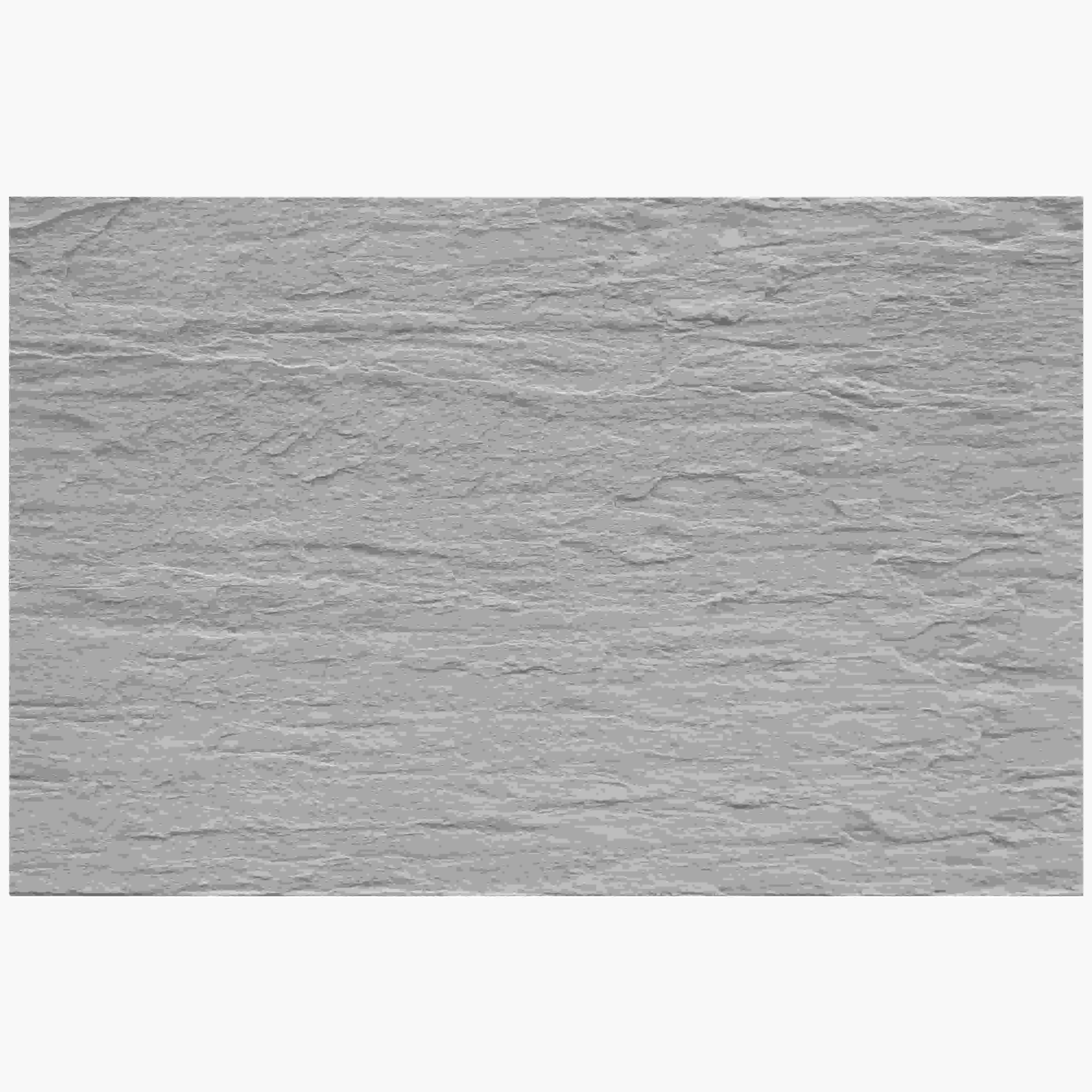
Enter Oasis Stone Regular. At first glance, you might mistake it for a traditional natural stone—its surface bears the same subtle variations, the same depth of color, the same tactile warmth that makes historic buildings feel so inviting. Run your hand over it, and you'll notice the faint texture of what looks like centuries of weathering, the kind of detail that makes a stone facade feel "lived-in." But looks, as they say, can be deceiving. Oasis Stone Regular isn't just another stone; it's a product of cutting-edge material science, designed specifically to meet the unique demands of historic renovation.
So, what exactly is it? At its core, Oasis Stone Regular is a type of MCM flexible stone—short for Modified Composite Material. Think of it as a hybrid: it combines natural stone aggregates (like crushed marble, travertine, or slate) with a lightweight, flexible polymer matrix. The result? A material that captures the aesthetic essence of natural stone but with a host of modern advantages. It's thinner and lighter than traditional stone (typically 3-5mm thick, compared to 20-30mm for standard stone slabs), which means it puts less stress on old foundations and is easier to transport and install. Its flexibility allows it to conform to uneven surfaces—a godsend when working with walls that have settled or warped over centuries. And because it's engineered, it can be tailored to mimic almost any historic texture or color, from the soft beige of lime stone(beige) to the rich, earthy tones of historical pathfinders stone.
Let's dive deeper into what makes Oasis Stone Regular so durable. Traditional stone is porous, which means it absorbs water, leading to freeze-thaw damage in cold climates or mold growth in humid ones. Oasis Stone Regular, by contrast, has a non-porous surface that repels moisture. That's a game-changer for buildings in coastal areas, where saltwater spray can eat away at stone, or in rainy regions prone to leaks. It's also resistant to UV rays, so colors won't fade even after years of direct sunlight—a critical feature for facades and exterior walls that are exposed to the elements.
But don't just take our word for it. Independent testing has shown that Oasis Stone Regular can withstand extreme temperature fluctuations (from -40°C to 80°C), making it suitable for everything from arctic heritage sites to desert museums. It's also scratch-resistant and stain-proof, which is a boon for high-traffic areas like entryways or courtyard floors. Imagine a historic inn that welcomes thousands of guests annually; with Oasis Stone Regular flooring, you won't have to worry about wine spills, scuff marks, or muddy boots leaving permanent damage. It's a material that can handle the chaos of modern life while still looking like it belongs in a bygone era.
One of the most impressive things about Oasis Stone Regular is its chameleon-like ability to adapt to different architectural styles. Whether you're restoring a Gothic cathedral with intricate stone carvings, a mid-century modern museum with clean, linear lines, or a rustic mountain lodge with rough-hewn accents, there's an Oasis Stone Regular finish that fits. Let's take a closer look at some of the textures and colors that have made it a favorite among preservationists:
What's remarkable is that these aren't just "close enough" imitations. Thanks to advanced manufacturing techniques, Oasis Stone Regular can replicate the exact color, texture, and even "feel" of the original material. Preservationists often use samples from the building itself—chips of old stone, fragments of mortar—to create a custom match. The result? A renovation that's so seamless, even experts struggle to tell where the original material ends and the new Oasis Stone Regular begins.
| Material | Weight (per sq.m) | Durability (Resistance to Weather/Stains) | Aesthetic Versatility | Installation Ease | Sustainability |
|---|---|---|---|---|---|
| Traditional Limestone | 40-50 kg | Low (prone to erosion, staining) | High (classic, warm tones) | Low (heavy, requires specialized labor) | Low (high quarrying/transport impact) |
| Fair-Faced Concrete | 25-30 kg | Medium (prone to cracking, dusting) | Low (limited color/texture options) | Medium (requires formwork, long curing time) | Medium (high carbon footprint in production) |
| Historical Pathfinders Stone (Traditional) | 35-45 kg | Medium (weathers unevenly) | High (authentic weathered look) | Low (irregular shapes, hard to source) | Low (rare, often quarried from protected sites) |
| Oasis Stone Regular | 8-12 kg | High (water/stain/UV resistant) | Very High (custom matches to historic materials) | High (lightweight, flexible, easy to cut/shape) | High (recycled aggregates, low transport emissions) |

Theory is one thing; real-world application is another. To see why contractors and architects swear by Oasis Stone Regular, let's walk through a hypothetical (but representative) renovation project: the restoration of the "Maplewood Manor," a 1920s estate in upstate New York. The manor, once a grand summer home for a prominent family, had fallen into disrepair after decades of neglect. Its exterior was clad in a soft, pinkish sandstone that had eroded badly—sections of the facade were missing, and what remained was stained with mold and water damage. The goal? Restore the manor to its former glory while ensuring it could withstand the harsh New England winters and serve as a community event space (read: heavy foot traffic, frequent use).
The initial plan was to replace the sandstone with new sandstone quarried from the same region. But there were problems: the original quarry had closed, and the closest alternative was 500 miles away, driving up costs and carbon emissions. Even if they could source the stone, its weight (around 45 kg per square meter) would require reinforcing the manor's aging foundation—a costly, time-consuming process that risked damaging the original structure. The preservation team was at an impasse until they discovered Oasis Stone Regular.
Working with the manufacturer, they created a custom finish that matched the manor's original sandstone: a warm, blush-pink base with subtle golden veining and a slightly rough surface that mimicked weathering. The Oasis Stone Regular panels were lightweight (just 10 kg per square meter), so no foundation reinforcement was needed. Installation was a breeze compared to traditional stone: the panels could be cut on-site with standard tools, and their flexibility meant they conformed to the manor's slightly uneven walls (a common issue in old buildings, where settling has created minor bulges and dips). Within weeks, the facade was transformed—what had been a patchwork of crumbling stone was now a smooth, cohesive surface that looked identical to the original 1920s design.
But the real test came two years later, after a particularly harsh winter with heavy snow and freezing rain. When the preservation team returned to inspect the manor, they found the Oasis Stone Regular facade unscathed. No cracks, no staining, no signs of water damage—even in areas that had previously been prone to leaks. The panels had withstood the elements, and the manor was once again a source of pride for the community. As the project architect put it: "Oasis Stone Regular didn't just fix the problem. It gave us a solution that honors the past while future-proofing the building. That's the kind of material that makes historic preservation possible—not just for today, but for generations to come."
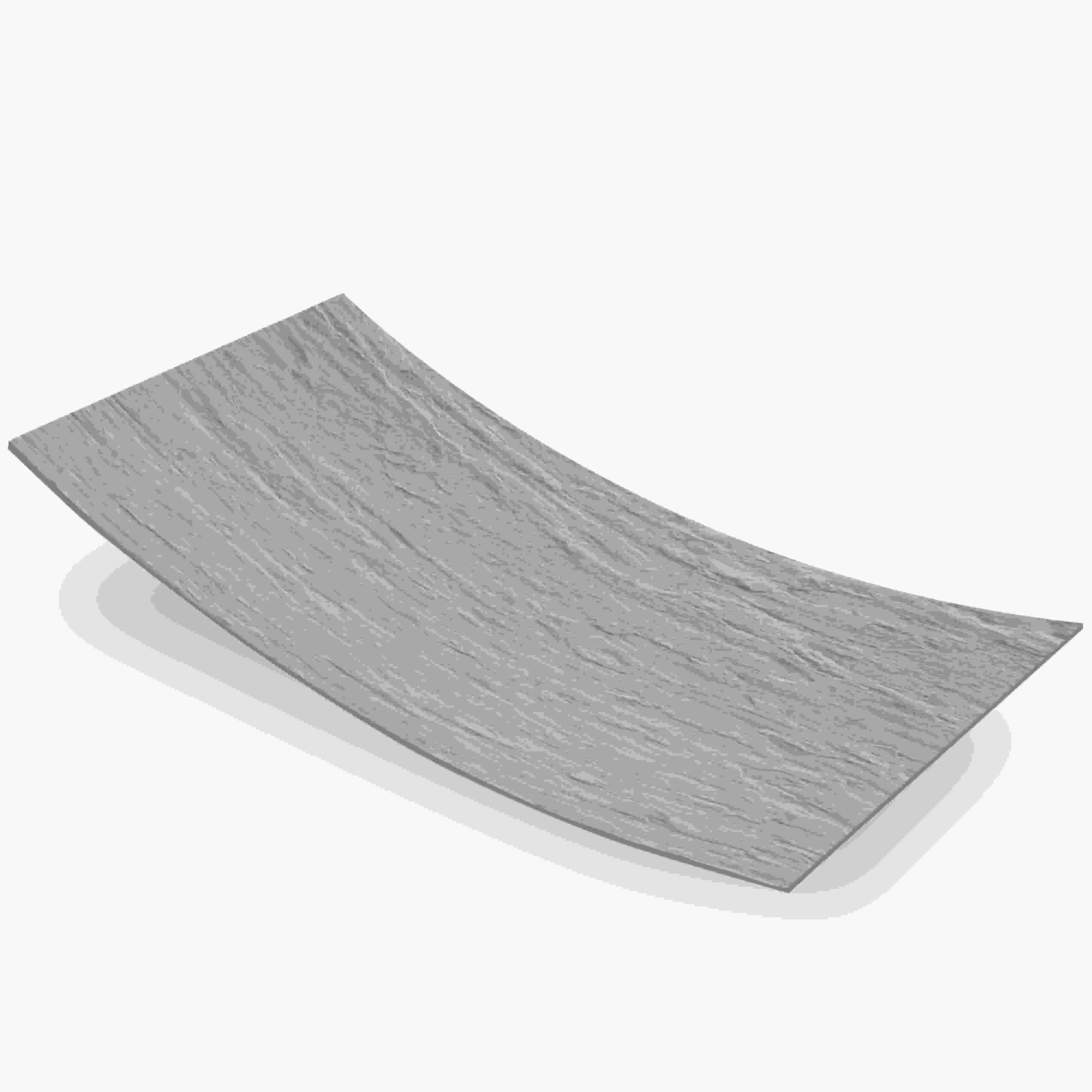
In an era where climate change is top of mind, sustainability has become a key factor in material selection—and Oasis Stone Regular delivers here, too. Let's break down why it's a more eco-friendly choice than traditional stone:
Reduced Waste: Traditional stone cutting is inefficient. Quarry a block of limestone, and up to 30% of it can end up as waste (dust, offcuts, or stone that's too flawed to use). Oasis Stone Regular, by contrast, uses a controlled manufacturing process that minimizes waste. It combines natural stone aggregates (many of which are recycled from quarry waste or construction debris) with a polymer matrix, so almost every raw material is put to use.
Lower Carbon Footprint: The heavy weight of traditional stone means transporting it guzzles fuel. A truckload of limestone might carry 100 square meters of material; the same truck could carry 400-500 square meters of Oasis Stone Regular, cutting transportation emissions by 75%. Additionally, the manufacturing process for Oasis Stone Regular uses less energy than quarrying and processing natural stone, further reducing its carbon footprint.
Longevity = Less Waste: The longer a material lasts, the less often it needs to be replaced—and fewer replacements mean less waste over time. Oasis Stone Regular's durability (it's rated to last 50+ years with minimal maintenance) means historic buildings renovated with it will require fewer repairs, reducing the need for future material production and transportation.
Recyclability: At the end of its life (decades from now), Oasis Stone Regular can be recycled. The polymer matrix can be melted down and reused, and the stone aggregates can be crushed and repurposed as fill material or in new construction products. Traditional stone, once it's damaged or worn, often ends up in landfills.
For historic renovation projects aiming to meet green building standards, these factors are invaluable. Take the example of a UNESCO World Heritage Site in Europe that recently used Oasis Stone Regular to restore its iconic stone walls. By choosing the material, the project reduced its carbon footprint by an estimated 40% compared to using traditional stone—and it still qualified for the heritage preservation grant that funded the renovation. It's a win-win: protecting history while protecting the planet.

Oasis Stone Regular isn't just a building material; it's a philosophy. It represents a shift in how we think about historic preservation—one that rejects the false choice between "honoring the past" and "embracing the future." Instead, it proves that with the right tools, we can have both: buildings that retain their historical soul while standing strong against the challenges of the modern world. For architects, it's a creative ally, freeing them to focus on design and storytelling rather than logistical headaches. For preservationists, it's a lifeline, ensuring that the buildings we love don't just survive but thrive. For communities, it's a promise: that the stories embedded in these walls will continue to be told, for decades—even centuries—to come.
As we look to the future, one thing is clear: historic buildings will always need our care. They're not just bricks and stone; they're the connective tissue of our collective memory. And with materials like Oasis Stone Regular, we have the power to protect that memory without compromise. So the next time you walk into a renovated historic building—whether it's a cozy village inn, a grand museum, or a centuries-old cathedral—take a moment to appreciate the walls around you. They might be telling a new story, too: one of innovation, respect, and the quiet magic of preserving the past for the future.
Recommend Products












