
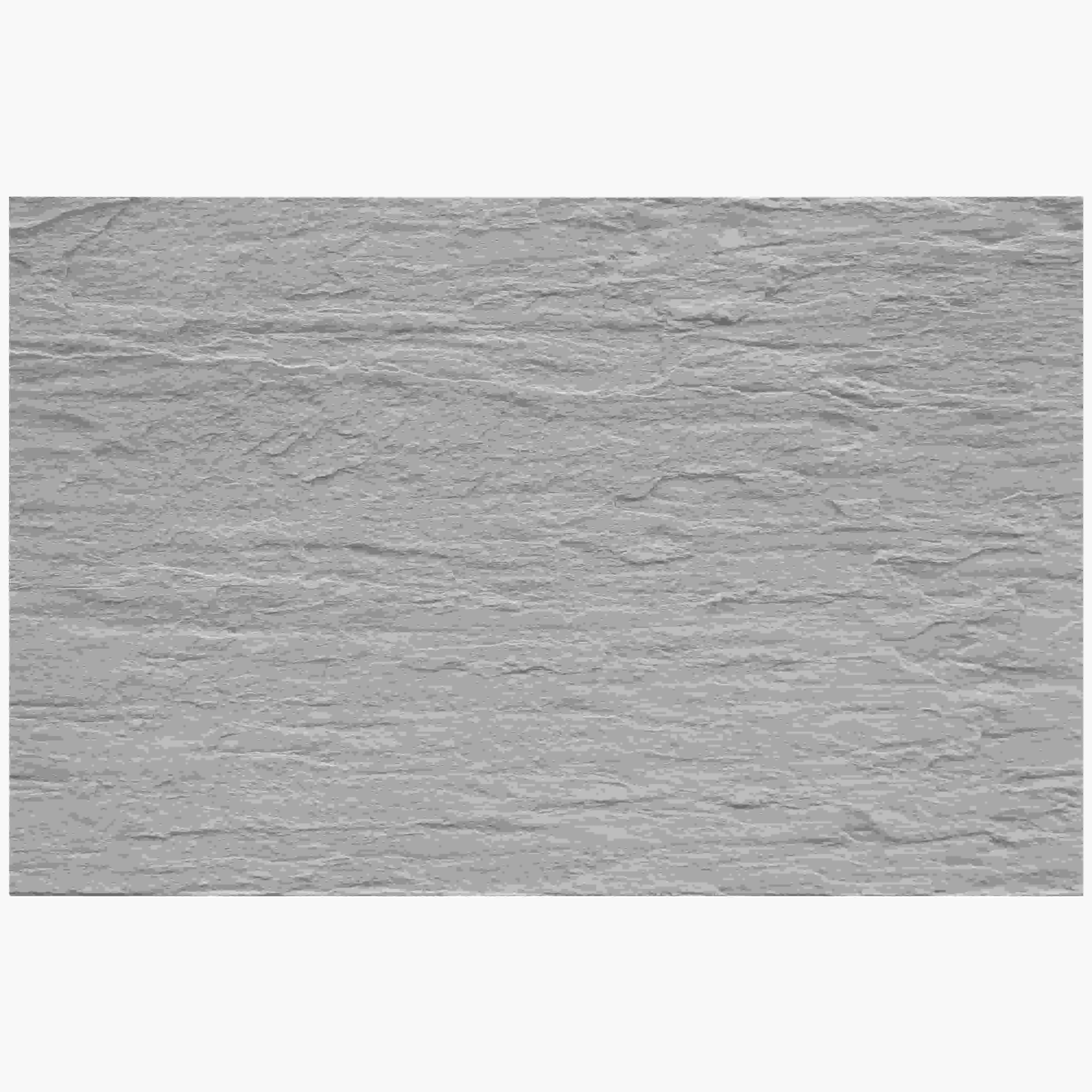
Industrial buildings are the unsung heroes of modern commerce. They're not just structures—they're the backbone of manufacturing, warehousing, energy production, and countless other operations that keep our economies moving. But here's the thing: these buildings don't live in gentle environments. They face extreme temperatures, relentless moisture, corrosive chemicals, and the constant grind of heavy machinery and foot traffic. In short, they need materials that don't just "work"—they endure . That's where Oasis Stone Regular comes in. A standout in the world of modified composite materials (MCM), this versatile cladding solution is redefining what it means to build tough, even when the odds are stacked against you.
To understand why Oasis Stone Regular matters, let's first talk about the enemies industrial materials face daily. These aren't minor inconveniences—they're full-on assaults that can turn a sturdy wall into a crumbling mess in no time.
Extreme Temperatures: Imagine a steel mill in the heart of Texas, where summer temperatures soar above 100°F, or a food processing plant in northern Canada, where winter lows dip to -30°F. Materials here expand and contract with every temperature swing. Rigid materials like traditional stone or concrete? They crack. Over time, those cracks let in moisture, pests, and even mold—all of which weaken the building's integrity.
Moisture and Humidity: Coastal industrial facilities deal with saltwater spray that eats away at metal and porous stone. Factories in humid regions, like parts of Southeast Asia, battle condensation that seeps into walls, causing rot and corrosion. Even inland warehouses aren't safe—leaky roofs, steam from machinery, or high humidity can turn a dry space into a breeding ground for material degradation.
Chemical Exposure: Refineries, chemical plants, and even some manufacturing facilities release fumes, spills, or runoff that are highly corrosive. Acids, alkalis, oils—these substances don't discriminate. They'll stain, etch, or dissolve traditional materials, turning a clean wall into a pockmarked eyesore and compromising structural safety.
Physical Wear and Tear: Forklifts, pallet jacks, and heavy machinery bump into walls. Workers drag equipment, drop tools, and walk across floors thousands of times a day. Over time, even the toughest materials show signs of wear—scratches, dents, chips. For industrial buildings, this isn't just about looks; damaged surfaces can harbor bacteria, trap debris, or become safety hazards.
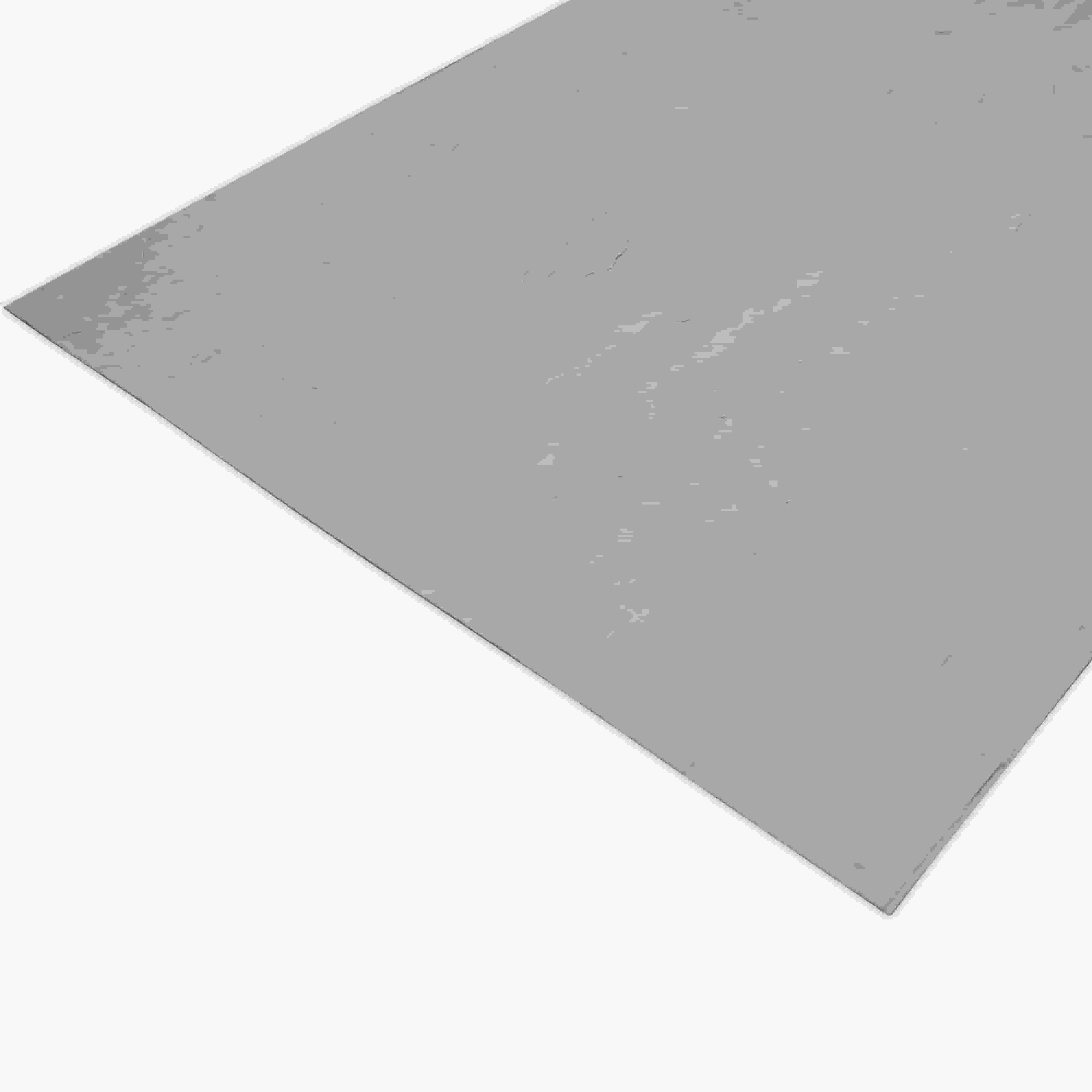
Enter Oasis Stone Regular. Part of the broader MCM flexible stone family, this material was designed with one goal in mind: to thrive where other materials fail. But what exactly is it? Think of it as nature and technology shaking hands. Oasis Stone Regular blends natural mineral aggregates (like those found in travertine or granite) with high-performance polymers and reinforced fibers. The result? A material that's lightweight yet tough, flexible yet rigid enough to stand up to abuse, and aesthetically versatile enough to elevate even the most utilitarian industrial space.
Let's break down what makes it tick:
Oasis Stone Regular laughs in the face of temperature extremes. Unlike materials like fair-faced concrete, which can crack when frozen or warp in intense heat, its composite structure allows for micro-movement. That means in a desert factory where daytime temps hit 120°F and drop to 60°F at night, it won't develop stress cracks. In a cold-storage facility, it resists freeze-thaw cycles that turn porous stones like travertine (beige) into Swiss cheese over time.
Moisture? Not a problem. Its non-porous surface repels water, so even in coastal areas where salt spray is constant, it won't absorb moisture or develop unsightly water stains. Compare that to rust board granite, which, while durable, can still corrode along edges if not sealed regularly. Oasis Stone Regular skips the sealing step—its finish is inherently protective.
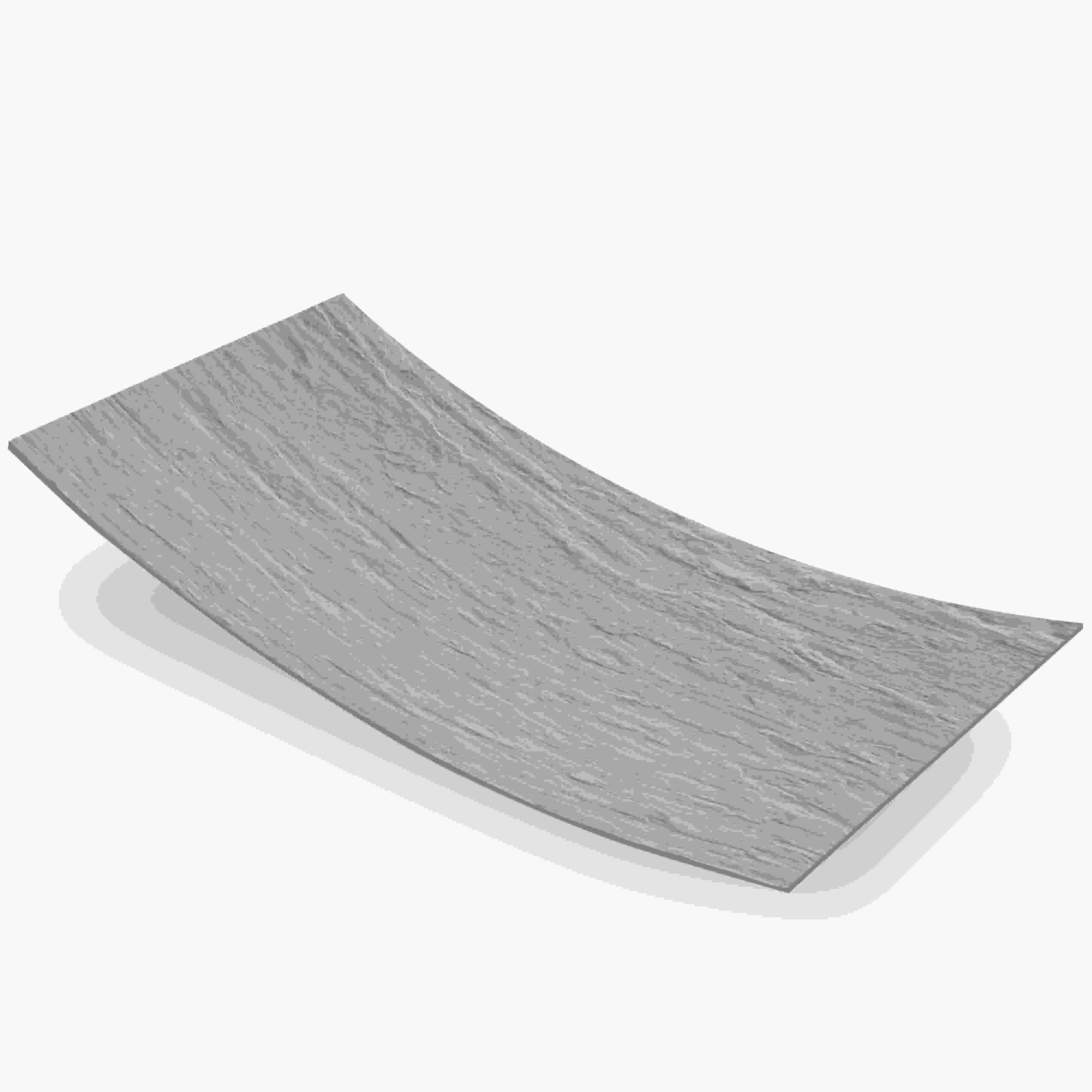
Industrial buildings move. Not a lot, but enough. Foundations settle, temperature changes cause expansion and contraction, and heavy machinery vibrations send tiny tremors through walls. Rigid materials—like traditional stone slabs or thick concrete—don't handle this movement well. They crack, delaminate, or separate from the structure. Oasis Stone Regular, thanks to its MCM flexible stone roots, bends (just a little) with the building. It's like the difference between a rigid metal ruler and a flexible plastic one—both are strong, but the plastic one won't snap when you bend it slightly.
Industrial buildings don't have to be ugly. More and more, companies are realizing that a well-designed workspace boosts morale, impresses clients, and even attracts talent. Oasis Stone Regular delivers here, too. It mimics the look of natural stone—think the warm, earthy tones of travertine (beige), the rugged texture of rust board granite, or the sleekness of polished concrete—without the weight or maintenance headaches. It comes in a range of finishes, from matte to slightly textured, and can be cut into large slabs or custom shapes to fit any design vision. Whether you're going for a modern, minimalist look or a rustic, industrial vibe, it adapts.
Traditional stone cladding is heavy. That means reinforcing walls, hiring extra labor, and dealing with longer installation times—all of which add up to higher costs. Oasis Stone Regular, by contrast, weighs a fraction of natural stone. A typical panel is just 3-5mm thick, making it easy to handle and install. This not only cuts down on labor costs but also reduces the structural load on the building, which is a big win for older industrial facilities or structures with weight restrictions.

To really see why Oasis Stone Regular is a game-changer, let's put it head-to-head with some common industrial materials. The table below compares key factors that matter most in harsh environments:
| Material | Resistance to Extreme Temperatures | Moisture & Salt Resistance | Chemical Resistance | Installation Ease | Long-Term Maintenance |
|---|---|---|---|---|---|
| Oasis Stone Regular | Excellent—withstands -40°F to 180°F without cracking | Superior—non-porous surface repels water and salt | Highly resistant to oils, acids, and industrial chemicals | Easy—lightweight panels, minimal tools needed | Low—no sealing required; occasional cleaning with water |
| Fair-Faced Concrete | Good, but prone to cracking in extreme swings | Moderate—porous; requires sealing every 1-2 years | Susceptible to staining from oils and acids | Labor-intensive—heavy, requires formwork | High—sealing, patching cracks, cleaning stains |
| Travertine (Beige) | Poor—porous; prone to freeze-thaw damage | Low—absorbs water; stains easily in humid areas | Low—easily etched by acids and chemicals | Difficult—heavy slabs, requires professional cutting | Very high—seal every 6 months; prone to chipping |
| Rust Board Granite | Excellent—high heat resistance | Good, but edges may corrode if not sealed | Moderate—resists some chemicals, but not all acids | Challenging—extremely heavy; requires structural support | Moderate—seal every 2-3 years; heavy to replace if damaged |
The table tells the story: Oasis Stone Regular outperforms traditional materials in nearly every category that matters for industrial buildings. It's not just about durability—it's about making life easier for facility managers, reducing long-term costs, and ensuring the building stays functional and attractive for decades.
Talk is cheap—let's look at how Oasis Stone Regular performs in the field. Take a large manufacturing plant in Dubai, where summer temperatures regularly top 110°F and sandstorms blast the exterior. The facility's original concrete walls were cracking and discolored within five years. After switching to Oasis Stone Regular cladding, the walls have remained intact for over a decade, with no signs of fading or damage. The maintenance team reports spending 70% less time on exterior upkeep, freeing up resources for other critical tasks.
Or consider a chemical processing plant in Louisiana, located just miles from the Gulf of Mexico. The high humidity and salt air had turned the previous travertine (beige) cladding into a stained, moldy mess. Oasis Stone Regular was installed, and three years later, the walls still look brand-new. Even after a major hurricane, the panels stayed firmly attached—no water intrusion, no structural issues. The plant manager noted, "We used to pressure-wash the walls every month. Now, we hose them down once a quarter, and they look great."
Warehouses are another sweet spot. A logistics company in Chicago replaced its cracked concrete walls with Oasis Stone Regular. The lightweight panels reduced the load on the building's aging foundation, and the material's resistance to (forklift) bumps means fewer repairs. Plus, the warm, stone-like finish has made the warehouse feel less sterile—employees even comment that it's "nicer to work in."

In today's world, durability isn't enough—materials need to be sustainable, too. Oasis Stone Regular checks this box, too. Because it's made with natural minerals and recycled polymers, it reduces reliance on quarried stone, which can be environmentally destructive. Its lightweight nature also cuts down on transportation emissions—fewer trucks are needed to haul panels to the job site. And since it lasts so long, there's less waste from replacement materials over the building's lifetime. For companies aiming to reduce their carbon footprint, this is a big plus.
At the end of the day, industrial buildings are investments. They need to protect your equipment, keep your workers safe, and stand the test of time—even in the harshest environments. Oasis Stone Regular isn't just a cladding material; it's a partner in that investment. It offers the durability of concrete, the beauty of natural stone, and the practicality of modern composites—all in one lightweight, easy-to-install package.
Whether you're building a new facility or retrofitting an old one, consider the challenges your building will face. Extreme temperatures? Moisture? Chemicals? Physical wear? Oasis Stone Regular is built to handle them all. And with its low maintenance needs and long lifespan, it'll save you time, money, and headaches down the line.
Industrial buildings don't have to choose between function and form. Oasis Stone Regular proves that you can have a material that's tough enough for the most demanding environments and attractive enough to make your space feel intentional. It's a material that works as hard as the people and machinery inside the buildings it protects.
So, the next time you walk through an industrial facility, take a look at the walls. Are they cracked? Stained? Dingy? Imagine what they could be—strong, sleek, and ready for whatever the environment throws at them. That's the promise of Oasis Stone Regular: durability, flexibility, and beauty—all in one.
Recommend Products












