
Walk into any modern commercial building—whether it's a bustling airport terminal, a sleek downtown office, or a trendy retail mall—and you'll notice something quickly: the materials that clothe these spaces tell a story. They set the tone for how we feel about the place—professional, inviting, innovative. But here's the secret most visitors never see: behind that polished lobby wall or that striking exterior facade, facility managers are waging a quiet battle. A battle against stains. Against scratches. Against the slow, steady decay of "high-maintenance" materials that demand constant attention, time, and money to keep looking good.
What if there was a material that didn't just look great on day one, but stayed great—without the endless upkeep? That's where Oasis Stone Regular comes in. Part of the broader family of MCM (Modified Composite Material) products , this stone-inspired cladding solution is quietly revolutionizing how commercial buildings are designed. It's not just about aesthetics (though it has that in spades); it's about redefining what "low-maintenance" means for spaces that simply can't afford downtime.
Let's talk about the status quo. For decades, commercial builders have reached for materials like marble, traditional travertine, or even fair-faced concrete to achieve that "high-end" look. And sure, they deliver—at first. But marble stains if someone spills coffee. Traditional travertine etches with acidic cleaners. Fair-faced concrete, while durable, can crack over time and requires regular sealing to avoid water damage. For a busy hotel lobby that sees 10,000 visitors a day, or a retail storefront that's exposed to rain, snow, and sun, these materials become a liability.
Take Maria, a facility manager at a mid-sized airport in the Midwest, for example. "We renovated our terminal five years ago with polished marble walls," she told me recently. "It looked stunning—until the first winter. Salt from boots, coffee spills from rushing travelers, even the occasional graffiti… we were spending $2,000 a month just on cleaning and repairs. And every time we had to close a section for maintenance, passengers got frustrated. It was a lose-lose."
This is the reality for so many commercial spaces: beauty that comes with a hidden cost. And it's not just financial. It's the time spent coordinating repairs, the stress of keeping up appearances, and the missed opportunities to invest that maintenance budget into other upgrades—like better lighting or energy-efficient systems. Oasis Stone Regular was designed to flip that script.

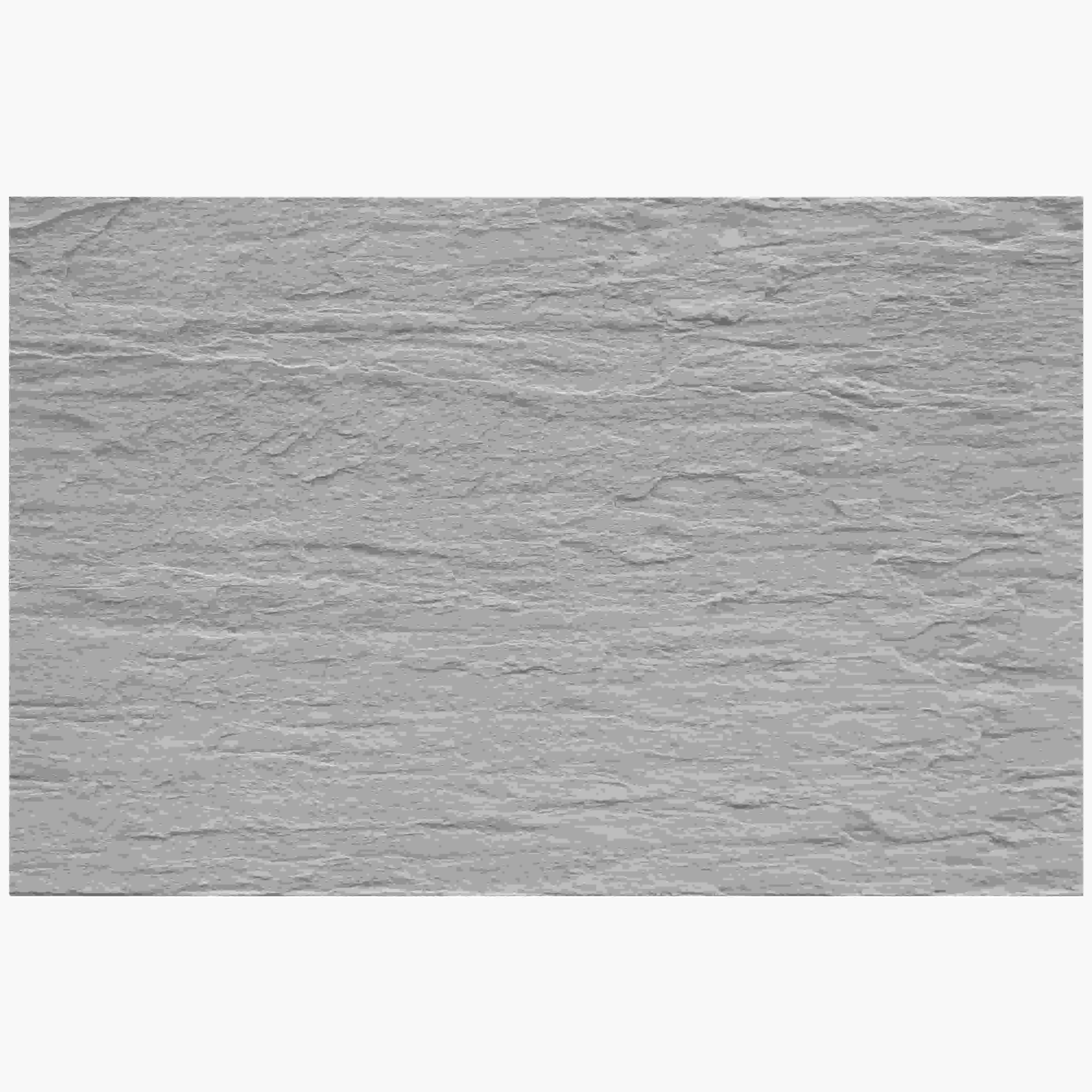
At first glance, you might mistake Oasis Stone Regular for natural stone. Its surface has that same organic, textured look—subtle variations in color, a matte finish that feels warm to the touch, and a depth that makes walls feel less like "cladding" and more like a piece of nature brought indoors. But here's the twist: it's not natural stone. It's a MCM flexible stone product—engineered from a blend of natural minerals, polymers, and fiberglass to mimic the look of stone, but with none of the fragility.
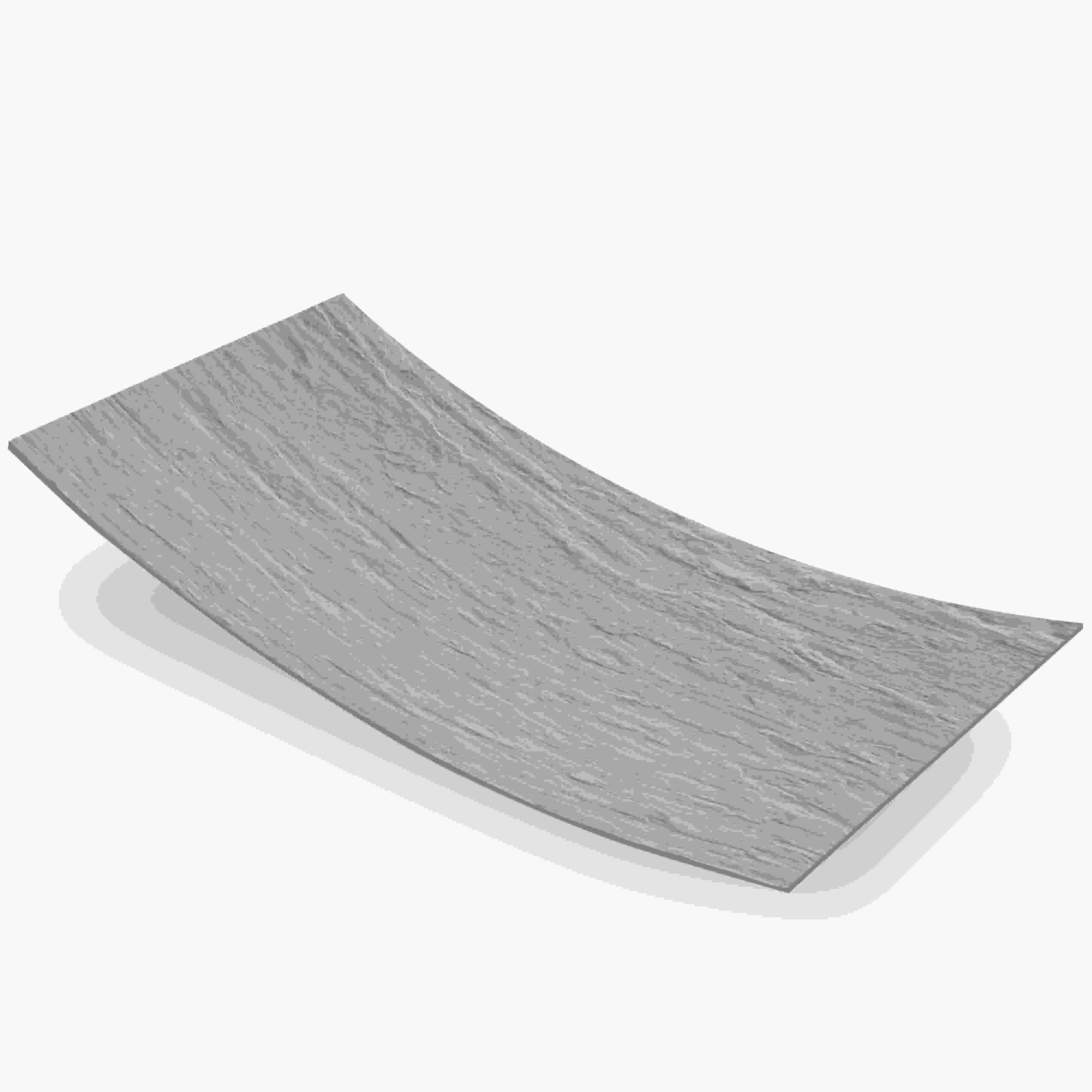
MCM technology is the secret sauce here. Unlike solid stone slabs, which are heavy and prone to cracking, MCM flexible stone is lightweight (about 3-5 kg per square meter) and flexible, meaning it can bend slightly without breaking. That makes it easier to install on curved surfaces—think a rounded lobby desk or a wave-like exterior facade—and reduces the risk of damage during transportation or installation. But don't let the "flexible" part fool you: it's tough. We're talking scratch-resistant, impact-resistant, and weather-resistant. In lab tests, it's held up against everything from hailstorms to high-pressure power washing—no chips, no fading, no issues.

Let's get practical. What exactly makes Oasis Stone Regular "low-maintenance"? Let's break it down into the things that matter most to facility managers, architects, and business owners:
Still not convinced? Let's put Oasis Stone Regular head-to-head with three common commercial building materials. Here's how they stack up on key metrics:
| Material | Annual Maintenance Cost (per 100 sq ft) | Durability (Expected Lifespan) | Design Flexibility (Curves, Custom Shapes) | Stain Resistance |
|---|---|---|---|---|
| Oasis Stone Regular | $100–$200 | 30+ years | High (flexible, can bend up to 30°) | Excellent (non-porous surface) |
| Traditional Travertine | $800–$1,200 (sealing, polishing) | 15–20 years (prone to etching) | Low (brittle, hard to cut curves) | Poor (porous, stains easily) |
| Fair-Faced Concrete | $400–$600 (sealing, crack repairs) | 20–25 years (prone to cracking) | Medium (possible with forms, but labor-intensive) | Moderate (can stain if not sealed) |
| Marble | $1,000–$1,500 (polishing, stain removal) | 10–15 years (easily scratched, etched) | Low (very brittle, high breakage risk) | Very Poor (acidic substances etch immediately) |

Low-maintenance doesn't have to mean "boring." One of the things architects love most about Oasis Stone Regular is how versatile it is. It comes in a range of colors and textures that mimic natural stone—think warm beiges, soft grays, and earthy terracottas—but with consistency that natural stone can't match. No two natural stone slabs are alike, which can be charming, but when you're trying to create a uniform look across a large space, that inconsistency can be a headache. Oasis Stone Regular offers the best of both worlds: organic texture with reliable uniformity.
And if you need larger panels? That's where the MCM big slab board series comes in. Perfect for expansive walls or exterior facades, these larger-format panels (up to 1200x2400mm) minimize grout lines, creating a sleek, modern look. A tech company in Seattle used the big slab board series for their headquarters' lobby, pairing it with warm wood accents for a space that feels both industrial and inviting—without the upkeep of real wood or stone.
Curved surfaces? No problem. Thanks to the flexibility of MCM technology, Oasis Stone Regular can be bent to fit arches, rounded columns, or even custom shapes. A boutique hotel in New Orleans used it to clad a curved reception desk, and guests often comment on how "soft" and welcoming the space feels—proof that durability and warmth can go hand in hand.
Sustainability isn't just a buzzword anymore—it's a requirement for many commercial projects, especially with LEED certifications and green building standards on the rise. Oasis Stone Regular checks this box too. As part of the MCM family, it's made with a high percentage of recycled materials, reducing the need for quarrying new stone. Its lightweight design also cuts down on transportation emissions—trucks can carry more panels per trip, lowering the carbon footprint of delivery.
Plus, its long lifespan means less waste. Traditional materials often need to be replaced every 10–15 years, ending up in landfills. Oasis Stone Regular, with a 30+ year lifespan, reduces the need for frequent replacements, which is better for the planet and better for your budget. A university campus in California recently chose it for their new student center, citing both its low maintenance and sustainability as key factors in their decision.
Let's step away from specs and numbers for a minute and talk about real people. I recently spoke with Raj, a facility manager at a large convention center in Chicago. They'd struggled for years with their main hall walls—traditional plaster that chipped easily and stained constantly. "We host trade shows, concerts, weddings… you name it," he said. "After every event, we'd have to patch holes, repaint sections, and deep-clean. It was taking 2–3 days of work, and the hall looked tired within months."
They switched to Oasis Stone Regular two years ago. "Now, after an event, we send a team with soapy water and microfiber cloths. Two hours later, the walls look brand new. No patching, no repainting. We've saved over $50,000 in maintenance costs alone, and the hall feels brighter and more modern. Attendees comment on how 'fresh' it looks—even after back-to-back events."
Another example: a fast-casual restaurant chain that wanted to expand into urban areas with small, high-foot-traffic locations. They needed walls that could handle constant scuffs from chairs, spills from food, and the wear and tear of daily life. They chose Oasis Stone Regular for their interiors, and now, their stores look just as clean and inviting on opening day as they do a year later. "We used to repaint every six months," said the operations director. "Now? We might touch up a scuff mark once a quarter. It's been a game-changer for our brand consistency."
At the end of the day, commercial buildings are more than just structures—they're investments. They represent brands, host experiences, and drive value for owners and tenants. Choosing the right materials isn't just about "what looks good"—it's about choosing materials that protect that investment, reduce stress, and free up resources to focus on what really matters: creating great spaces for people.
Oasis Stone Regular does all that and more. It's a material that understands the realities of commercial life—messy, busy, and always on the go. It's tough enough to keep up, beautiful enough to make an impression, and smart enough to save you time and money in the long run. Whether you're building a new space or renovating an old one, it's worth asking: Why settle for high-maintenance when you can have high-style, low-stress?
Oasis Stone Regular isn't just changing how commercial buildings look—it's changing how they live.
Recommend Products












