
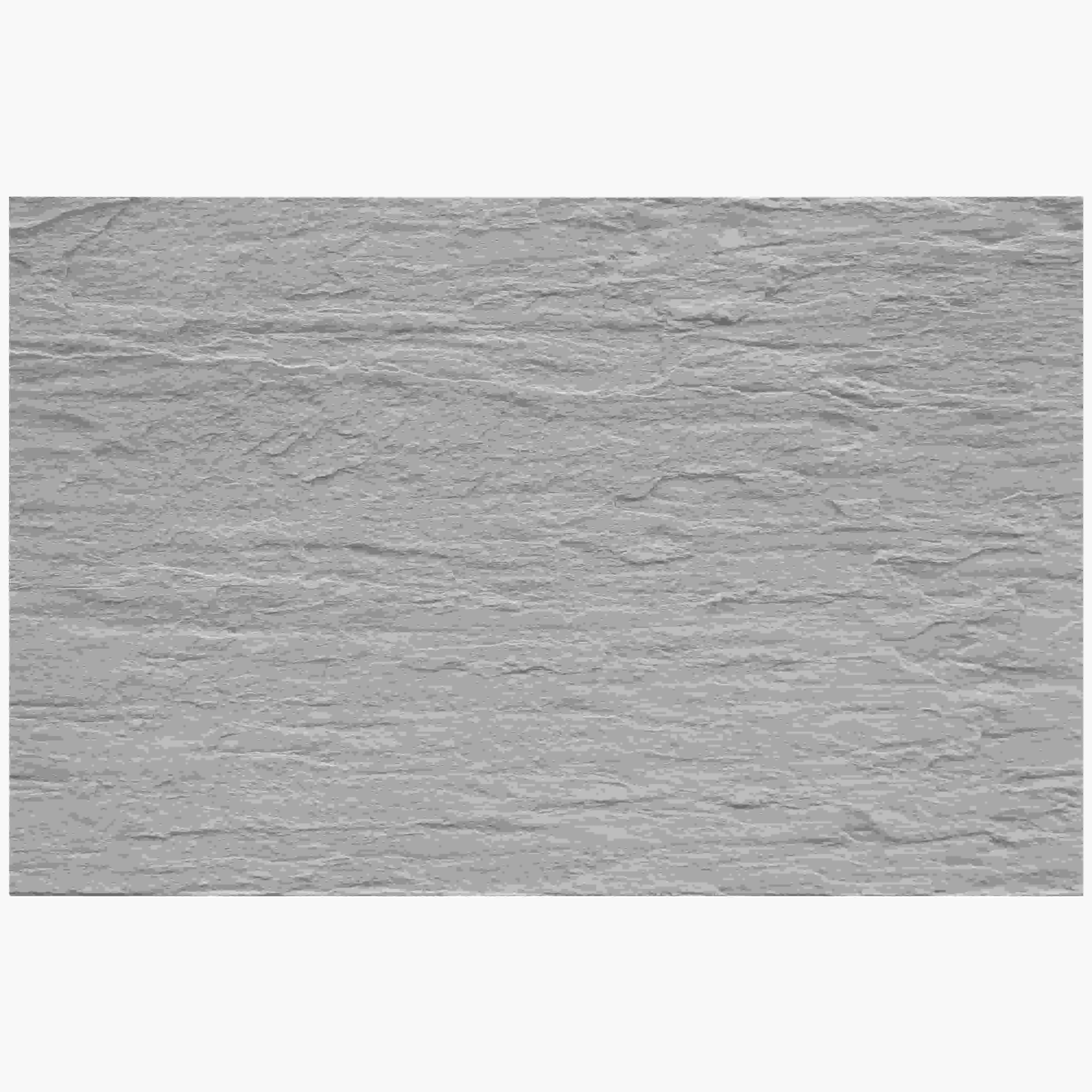
Redefining Architectural Possibilities, One Stone at a Time
Walk into any space—whether a soaring skyscraper in Riyadh, a cozy café in Dubai, or a historic museum in Rome—and what strikes you first? It's not just the layout or the lighting; it's the materials that clothe the walls, floors, and facades. Building materials are the silent storytellers of architecture, blending functionality with artistry to create environments that inspire, comfort, and endure. In a world where construction projects are becoming more ambitious and sustainability more critical, one material has emerged as a beacon of innovation: Oasis Stone Regular .
But what makes Oasis Stone Regular stand out in a crowded market? And why is its global availability—especially in dynamic regions like Saudi Arabia—such a game-changer for architects, developers, and builders? Let's dive in, exploring the journey of this remarkable material from its inception to its presence on construction sites worldwide.
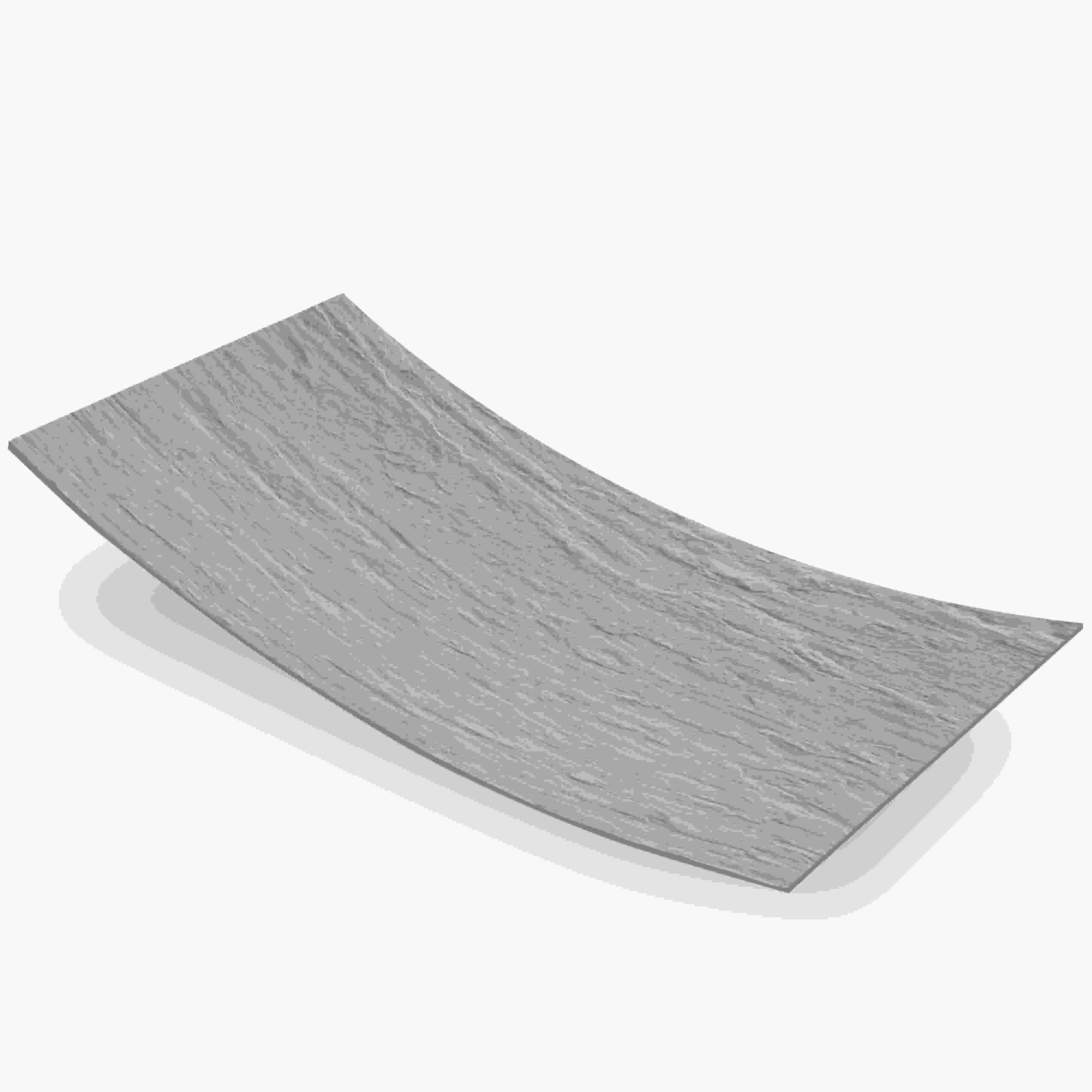
At the heart of Oasis Stone Regular lies MCM flexible stone —a modified composite material that redefines what building materials can do. Traditional stone, while beautiful, is often heavy, brittle, and challenging to install on complex surfaces. MCM flexible stone changes the game with its unique composition: a thin, lightweight layer of natural stone or mineral aggregates bonded to a flexible backing. This design gives it the best of both worlds: the authentic look and feel of natural stone, paired with the versatility to bend, curve, and adapt to even the most creative architectural designs.
Imagine a designer wanting to create a sweeping, curved facade for a cultural center in Jeddah. With traditional stone, that might mean compromising on design or overloading the structure with heavy materials. With Oasis Stone Regular, the flexibility allows for those bold curves without sacrificing durability. It's like giving architects a new set of crayons—ones that don't break when you draw outside the lines.
In an era where "sustainability" is more than just a buzzword, Oasis Stone Regular walks the talk. As a green building material , it checks all the boxes: low carbon footprint, minimal waste during production, and often incorporating recycled or responsibly sourced materials. Unlike traditional stone quarrying, which can disrupt ecosystems, the manufacturing process of MCM flexible stone uses less water and energy, making it a favorite for projects aiming for LEED, BREEAM, or Estidama certifications.
Take, for example, a residential development in Riyadh aiming for a LEED Gold rating. By choosing Oasis Stone Regular for its exterior cladding, the project reduces its overall carbon emissions by cutting down on transportation costs (thanks to its lightweight nature) and lowers the building's energy consumption by improving insulation. It's a small choice that adds up to big wins for both the planet and the project's bottom line.
| Feature | Traditional Stone | Oasis Stone Regular (MCM Flexible Stone) |
|---|---|---|
| Weight | Heavy (20-30 kg/m²) | Lightweight (4-6 kg/m²) |
| Flexibility | Brittle; limited to flat surfaces | Can bend up to 30°; ideal for curves |
| Installation Time | Slow (requires heavy machinery) | Fast (can be installed by 2-3 workers) |
| Sustainability | High carbon footprint; quarrying impact | Low carbon; uses recycled materials |
| Durability | Prone to cracking in seismic zones | Resistant to impact, moisture, and UV rays |
Saudi Arabia isn't just a country—it's a construction powerhouse. With Vision 2030 driving mega-projects like NEOM, the Red Sea Project, and Qiddiya, the demand for innovative, sustainable building materials has never been higher. As a trusted middle east building materials supplier , we recognized early on that Saudi Arabia needed more than just "good enough" materials; it needed solutions that could keep up with its ambition.
Let's talk about NEOM—a $500 billion futuristic city in the Tabuk Province. Its design is nothing short of revolutionary: floating homes, vertical neighborhoods, and a zero-carbon footprint. For a project like this, traditional building materials simply won't cut it. Enter Oasis Stone Regular. Its lightweight nature reduces the structural load on NEOM's innovative designs, while its fire-resistant properties meet the strict safety standards of such a large-scale development. And with colors like lunar peak silvery and lunar peak golden , it adds a touch of modern elegance that aligns with NEOM's vision of "the future of urban living."
But it's not just mega-projects. From luxury hotels in Riyadh to boutique cafes in Jeddah, Saudi architects are falling in love with Oasis Stone's versatility. A recent project in Riyadh's Diplomatic Quarter used travertine (starry blue) finish on its exterior, creating a facade that shimmers like the night sky—a nod to Saudi Arabia's rich astronomical heritage. The local team was thrilled with how quickly it went up: what would have taken a week with traditional travertine took just three days with Oasis Stone, saving both time and labor costs.
To ensure Oasis Stone Regular is readily available across Saudi Arabia, we've partnered with leading local distributors in Riyadh, Jeddah, Dammam, and Medina. These partnerships mean that whether you're working on a project in the Asir Mountains or the coastal city of Khobar, you can get your hands on Oasis Stone within 48 hours of ordering. No more waiting weeks for materials to ship from overseas—we've built a supply chain that's as efficient as the material itself.

While Saudi Arabia is a key market, Oasis Stone Regular's story doesn't end there. Today, it's available in over 30 countries, making it a truly global player in the building materials industry. Let's take a quick tour of where you might spot it:
In the UAE, Dubai's Expo City 2020 featured Oasis Stone in several pavilions, including the Sustainability Pavilion, where its fair-faced concrete finish complemented the pavilion's focus on eco-friendly design. In Qatar, the FIFA World Cup 2022 stadiums used boulder slab (vintage silver) for their concourse walls, chosen for its durability and resistance to high foot traffic. And in Egypt, the new Grand Egyptian Museum—set to be the largest archaeological museum in the world—opted for travertine (vintage gold) to echo the golden hues of the nearby pyramids.
Over in Europe, a boutique hotel in Barcelona used gobi panel for its rooftop terrace, creating a desert-inspired oasis with a modern twist. In London, a tech startup's headquarters chose foamed aluminium alloy board (vintage silver) for its facade, blending industrial chic with energy efficiency. Across the pond, in New York City, a residential high-rise in Brooklyn turned heads with marble interstellar gray cladding, proving that Oasis Stone can hold its own in the competitive NYC construction scene.
In Singapore, where space is at a premium, Oasis Stone's lightweight nature made it the top choice for a vertical garden project in the Marina Bay area. The weaving (khaki) finish added a natural, organic texture that contrasts beautifully with the city's glass skyscrapers. In Australia, a winery in the Yarra Valley used wood grain board to blend in with the surrounding vineyards, while still benefiting from Oasis Stone's weather-resistant properties.
One of the biggest complaints architects have about building materials is the lack of design freedom. "I want something that looks like natural stone but can match the color of the desert at sunset," or "I need a finish that feels modern but nods to traditional craftsmanship." With Oasis Stone Regular, those wishes become reality.
From the earthy tones of historical pathfinders stone (perfect for heritage restoration projects) to the bold hues of travertine (starry red) (ideal for statement walls), Oasis Stone comes in over 50 finishes. For a project that needs to evoke the tranquility of the Saudi desert, gobi panel mimics the soft, undulating lines of sand dunes. For a modern office space, fair-faced concrete offers a sleek, minimalist look with none of the hassle of traditional concrete pouring.
A recent school in Riyadh wanted to inspire its students with a "wall of stars." The design team chose travertine (starry orange) and travertine (starry green) panels, arranging them in a constellation pattern. The result? A wall that not only looks stunning but has become a favorite spot for students to take photos and learn about astronomy. It's a perfect example of how Oasis Stone turns "building materials" into "storytelling tools."
It's not just about how it looks—it's about how it feels. Run your hand over pine bark board , and you'll swear it's real wood, with all the knots and grains. Touch rust square line stone , and you'll feel the, weathered texture of aged metal. These textures aren't just for show; they add depth and character to spaces, making them feel more inviting and less "cookie-cutter."
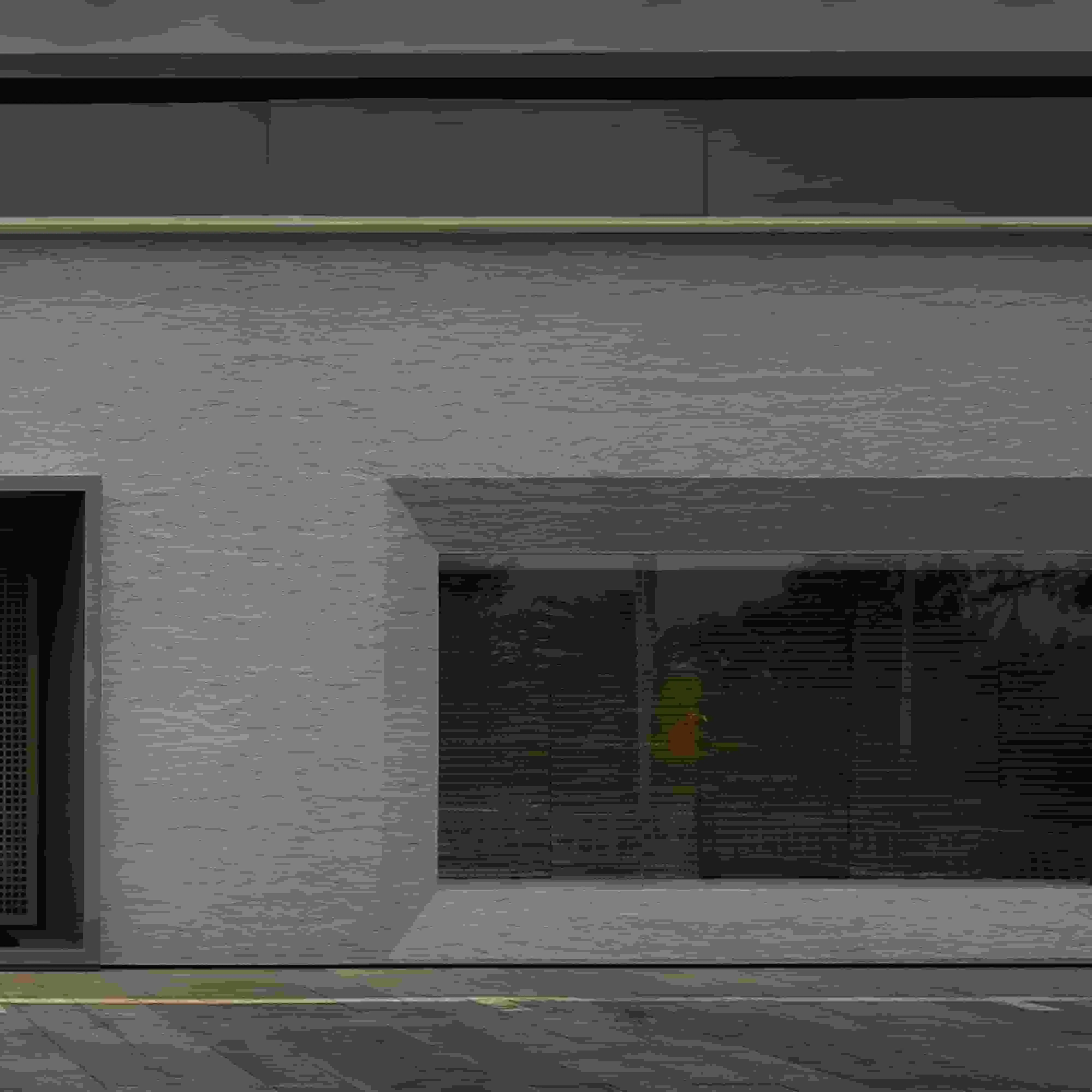
As we look ahead, the construction industry is poised for a revolution. With 3D printing, AI-driven design, and a laser focus on sustainability, the materials of tomorrow need to be adaptable, eco-friendly, and ready to work with cutting-edge technology. Oasis Stone Regular is already ahead of the curve.
Our MCM 3D printing series takes flexibility to a whole new level. Imagine being able to 3D print custom Oasis Stone panels on-site, tailored to the exact dimensions of your project. No more waste from cutting standard panels—just precise, on-demand production. A recent prototype in Dubai used 3D-printed wave panel to create a facade that looks like it's flowing in the wind, a design that would have been impossible with traditional manufacturing.
We're also investing in even greener production methods, including using 100% recycled backing materials and solar-powered manufacturing facilities. Our goal? To make Oasis Stone Regular carbon-neutral by 2027. For builders in Saudi Arabia and beyond, this means not just meeting sustainability standards, but exceeding them—something that's becoming a competitive advantage in today's market.
Whether you're building a skyscraper in Riyadh, a hotel in Paris, or a home in Sydney, Oasis Stone Regular offers the perfect blend of beauty, durability, and sustainability. As a middle east building materials supplier with global reach, we're committed to making sure you have access to the best materials, when and where you need them.
So why settle for "good enough" when you can have "extraordinary"? Let Oasis Stone Regular be the material that turns your vision into reality—one panel, one project, one space at a time.
Recommend Products












