
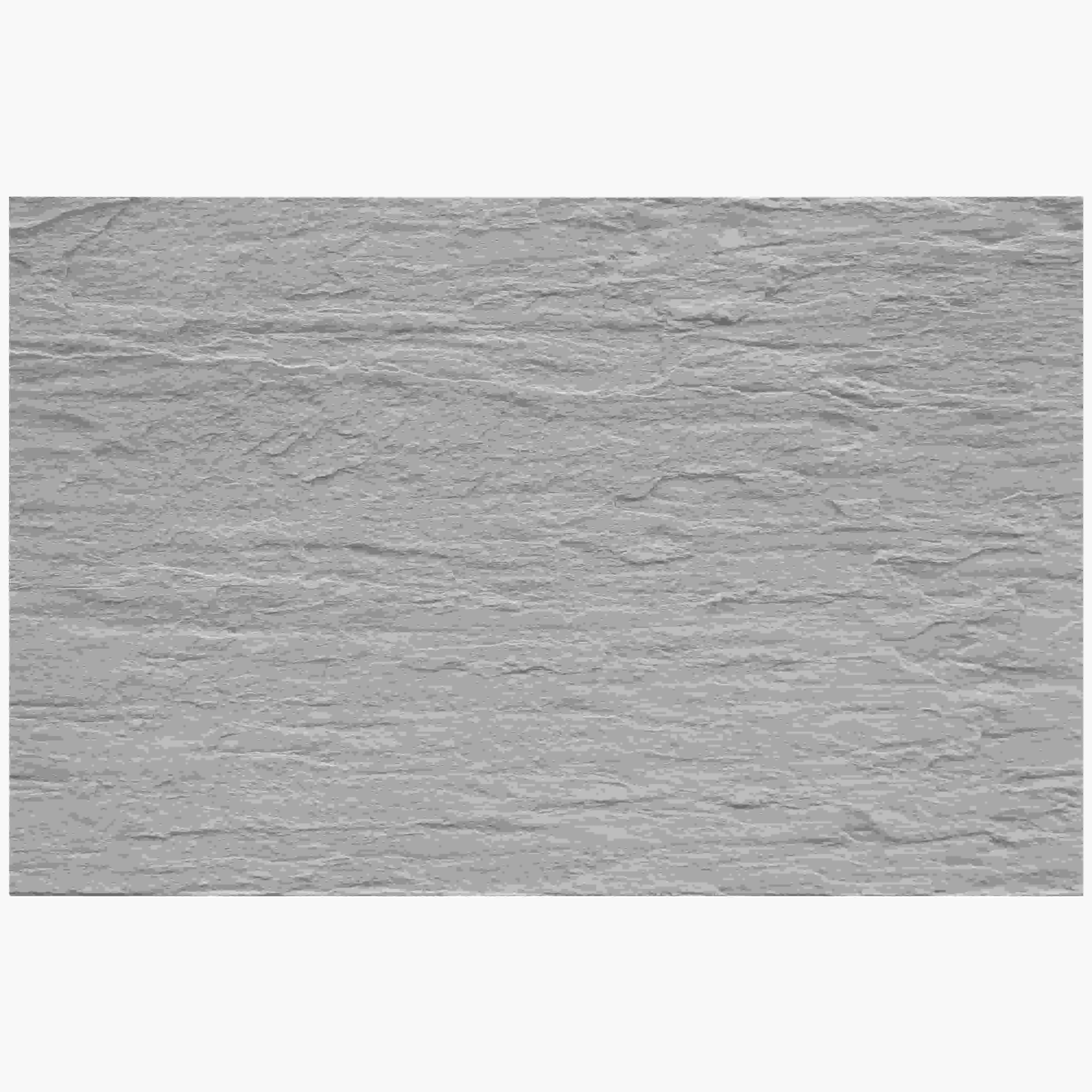
In the heart of modern cities, mixed-use developments have become more than just buildings—they're vibrant ecosystems where life unfolds in layers. A single complex might house a bustling café on the ground floor, a co-working space on the third, luxury apartments on the upper levels, and a sunlit courtyard where residents and visitors alike pause to breathe. The magic of these spaces lies in their ability to balance function with feeling, utility with beauty. And at the core of that balance? Materials that don't just fill a role, but tell a story. Enter Oasis Stone Regular —a material that's quietly redefining how we think about design versatility in mixed-use projects. It's not just stone; it's a chameleon of texture and tone, a collaborator with light and space, and a bridge between the industrial and the intimate.
Mixed-use developments are like symphonies—each element (residential, commercial, public) has its own melody, but together, they must harmonize. A material that works for a high-end retail storefront might feel out of place in a cozy residential lobby, and vice versa. Designers and architects often grapple with this tension: How do you create cohesion without monotony? How do you make a space feel both dynamic and grounded?
The answer, more often than not, lies in materials that offer flexibility. They need to adapt to different contexts—warm and inviting in a living area, sleek and professional in an office, durable and welcoming in a public plaza. They need to age gracefully, to interact with natural light in interesting ways, and to evoke emotion without overwhelming. This is where Oasis Stone Regular shines. Unlike materials that lock you into a single aesthetic, it's a blank canvas with built-in character—a material that responds to its environment rather than dictating it.

At first glance, Oasis Stone Regular might strike you as understated. Its base palette leans toward earthy neutrals—soft beiges, warm grays, muted browns—but don't mistake subtlety for simplicity. Run your hand over its surface, and you'll notice the texture: a gentle, sandblasted finish that feels both polished and organic, like a stone smoothed by water but still retaining the memory of its formation. It's tactile without being rough, refined without feeling cold.
What truly sets it apart is its adaptability. In large slabs, it exudes a sense of grandeur—perfect for a hotel lobby or a commercial atrium. Cut into smaller tiles or paired with contrasting grout, it becomes playful, ideal for a boutique café backsplash. When left in its natural state, it leans into a rustic, earthy vibe; when sealed with a matte finish, it takes on a modern, minimalist edge. It's this range that makes it a favorite for mixed-use projects, where a single material might need to transition from a bustling street-level facade to a serene residential hallway.
Durability is another feather in its cap. Mixed-use spaces see heavy foot traffic, varying weather conditions (for outdoor areas), and the wear and tear of daily life. Oasis Stone Regular holds up: it's resistant to scratches, stains, and fading, making it suitable for both high-traffic commercial zones and low-maintenance residential areas. And unlike some natural stones that require constant sealing or specialized care, it's designed for real life—practical enough for a busy family's apartment, elegant enough for a five-star restaurant.

Let's step into a hypothetical mixed-use development to see Oasis Stone Regular in practice. Imagine "The Hive," a seven-story complex in a mid-sized city. Ground floor: a farmers' market by day, a wine bar by night. Second to fourth floors: co-working spaces and small offices. Fifth to seventh: residential lofts with private balconies. Connecting them all: a central courtyard with seating, greenery, and a water feature. Here's how Oasis Stone Regular weaves through each space:
The farmers' market needs to feel open and inviting, with surfaces that can handle spills (think fresh produce, coffee drips) and heavy foot traffic. The floor is clad in large-format Oasis Stone Regular tiles in a warm beige tone. The matte finish hides scuffs, while the subtle texture provides traction—important on busy market days. Near the wine bar, the stone climbs the walls in a herringbone pattern, paired with fair-faced concrete columns for an industrial-chic contrast. The result? A space that feels both rustic (thanks to the stone's earthy texture) and modern (the clean lines of the concrete), perfect for morning shoppers and evening wine sippers alike.
Co-working spaces thrive on balance—they need to be energizing enough for brainstorming sessions, calm enough for focused work. The lounge area here features Oasis Stone Regular as an accent wall behind the reception desk. This time, it's cut into narrower strips and installed vertically, creating a sense of height. The color leans toward soft gray, which reflects natural light from the floor-to-ceiling windows, brightening the space without glare. Paired with plush navy couches and wooden tables, the stone adds a touch of sophistication without feeling sterile. "It's like working in a gallery," one regular user notes. "The stone wall doesn't demand attention, but it makes the whole room feel more intentional."
Residential spaces need to feel like home—warm, personal, and serene. The corridors leading to the lofts are lined with Oasis Stone Regular in a lighter, sand-colored shade. The stone is laid in large, seamless slabs to create a sense of flow, with recessed lighting that casts soft shadows across its texture. Unlike glossy tiles that can feel cold, the stone's matte surface absorbs sound, making the corridors feel quiet and private. "After a long day, walking down that hallway feels like coming home," says a resident. "It's not flashy, but it's comforting—like stepping into a space that was designed with people, not just function, in mind."
Outdoor areas in mixed-use developments are the "living rooms" of the complex—places to read, chat, or simply watch the world go by. The courtyard at The Hive uses Oasis Stone Regular for its pathways and seating walls. Here, the stone is left in a more natural, rough-hewn state, with visible grain and subtle color variations that mimic the look of weathered river rock. It's paired with travertine (starry blue) mosaic tiles around the water feature—a pop of deep blue that echoes the sky on clear days. The combination is striking: the warm stone grounds the space, while the blue tiles add a playful, unexpected element. Kids splash in the water feature (the stone stays cool even in direct sun), and adults lounge on stone benches, remarking on how the space "feels like a little oasis in the city."
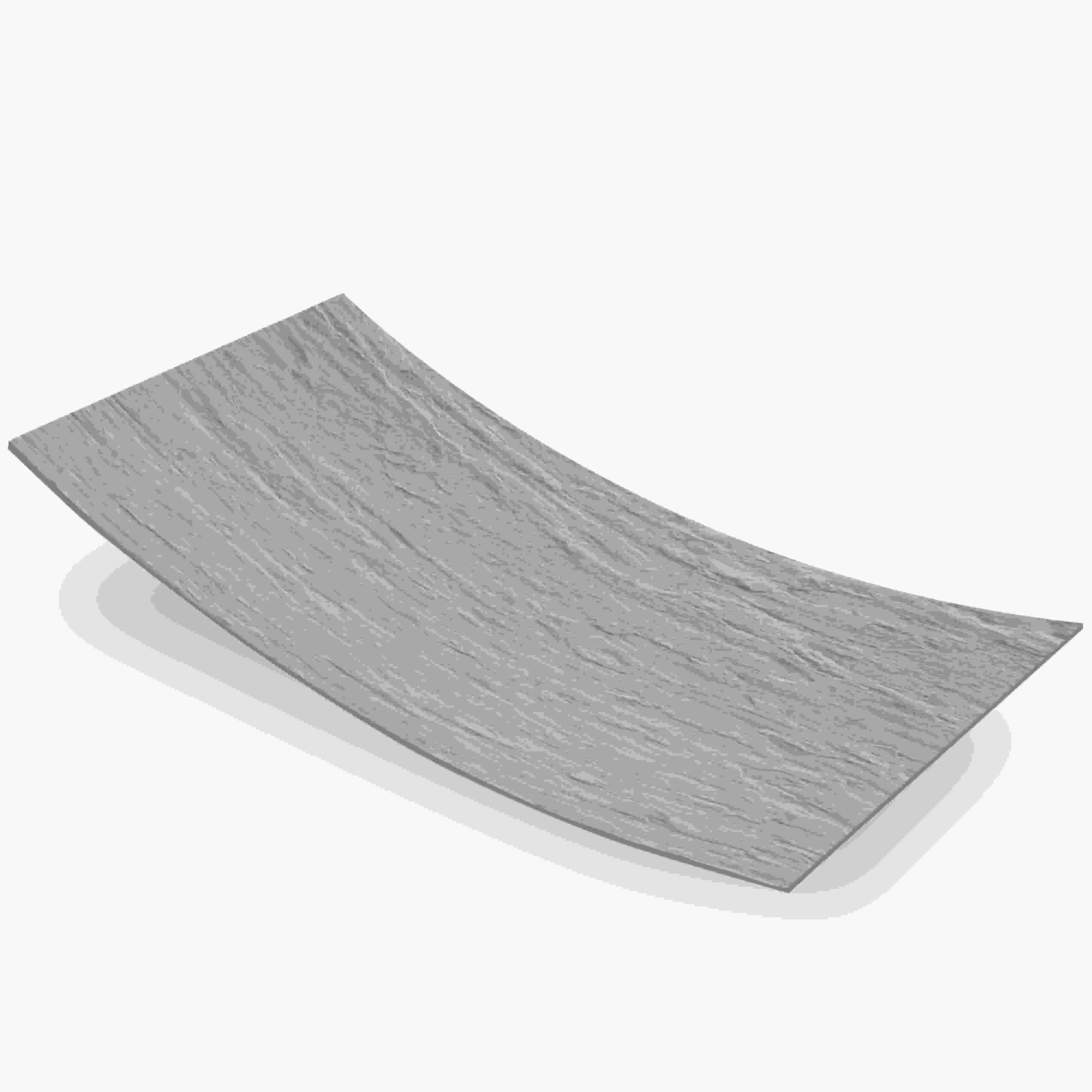
No material exists in a vacuum, and Oasis Stone Regular is a natural collaborator. Its neutral palette and adaptable texture make it the perfect foil for bolder materials, or a grounding force for softer ones. Let's take a closer look at how it pairs with some of its most common partners in mixed-use projects:
| Material | Texture & Color | How They Pair with Oasis Stone Regular | Best For |
|---|---|---|---|
| Fair-faced concrete | Smooth, industrial gray; raw, unpolished finish | Concrete's cool, minimalist vibe balances Oasis Stone's warmth. Together, they create a modern, urban look with depth. | Commercial storefronts, office lobbies, outdoor plazas |
| Travertine (starry blue) | Glossy, with flecks of metallic blue; porous, organic texture | The blue adds a dramatic pop against Oasis Stone's neutrals, creating focal points in lobbies or accent walls. | Reception areas, water features, restaurant backsplashes |
| Rammed earth board (gradient) | Layered, earthy tones (terracotta to sand); rough, tactile surface | Both materials evoke a connection to nature, but rammed earth's bold gradients add movement to Oasis Stone's calm base. | Residential lobbies, yoga studios, courtyard walls |
| MCM flexible stone | Lightweight, customizable patterns; thin, flexible sheets | MCM's versatility (it can mimic wood, metal, or stone) complements Oasis Stone's classic look, adding design flexibility. | Accent walls, curved surfaces, retail display areas |
Take, for example, a recent project in downtown Portland: a mixed-use building where the architects paired Oasis Stone Regular with rammed earth board (gradient) in the residential lobby. The stone forms the majority of the walls, in a soft gray shade, while the rammed earth adds vertical stripes of warm terracotta and sand. The effect is like bringing the desert indoors—calm, grounded, and visually engaging. "Residents often mention how the lobby feels 'rooted,'" says the lead architect. "It's not just a passageway; it's a space they want to linger in."

In today's design world, beauty alone isn't enough. Mixed-use developments are long-term investments, and materials need to align with sustainability goals. Oasis Stone Regular checks this box, too. Sourced from sustainable quarries with minimal environmental impact, it's a natural material that requires little processing. Its durability means less frequent replacement—a key factor in reducing a building's carbon footprint over time. And unlike synthetic materials that off-gas or fade, it improves with age, developing a unique patina that tells the story of the space it inhabits.
Consider the case of a mixed-use project in Seattle, where the developer prioritized LEED certification. The team chose Oasis Stone Regular for the exterior facade and courtyard flooring. Five years later, the stone has weathered the Pacific Northwest's rain and gray skies beautifully—no cracks, no discoloration, just a richer, more nuanced texture. "We didn't have to sacrifice aesthetics for sustainability," the project manager notes. "Oasis Stone gave us both."
At the end of the day, buildings are for people. A material's true measure of success isn't just how it looks in renderings, but how it makes people feel. Does it make a lobby feel welcoming? Does it turn a generic corridor into a memorable passage? Does it make a public plaza feel like a community hub?
With Oasis Stone Regular , the answer is often yes. Its texture invites touch—kids run their hands along its walls, adults trace its patterns while waiting for a friend. Its neutral color palette calms the eye, reducing visual clutter in busy spaces. Its ability to reflect light means even small rooms feel airy and open. In the residential lofts at The Hive, one tenant puts it simply: "My balcony has an Oasis Stone accent wall. In the morning, the sun hits it and casts these beautiful shadows across the floor. It's not something I noticed in the floor plans, but now? It's my favorite part of the apartment."
Mixed-use developments are here to stay, as cities grow denser and people crave more integrated, walkable communities. As designers push the boundaries of what these spaces can be—greener, more inclusive, more adaptive—materials like Oasis Stone Regular will play an increasingly vital role. They're not just tools; they're partners in creating environments that feel both cutting-edge and timeless, functional and full of heart.
So the next time you step into a mixed-use development—whether you're grabbing coffee, heading to work, or coming home—take a moment to look down, or up, or around. Notice the materials beneath your feet, the walls beside you. Chances are, if the space feels both dynamic and grounded, cohesive yet full of surprises, there's a material like Oasis Stone Regular working quietly in the background. It's the unsung hero of modern design: versatile, reliable, and deeply human.
Because in the end, the best buildings aren't just made of stone and concrete—they're made of experiences. And Oasis Stone Regular ? It's helping to craft experiences that last.
Recommend Products












