
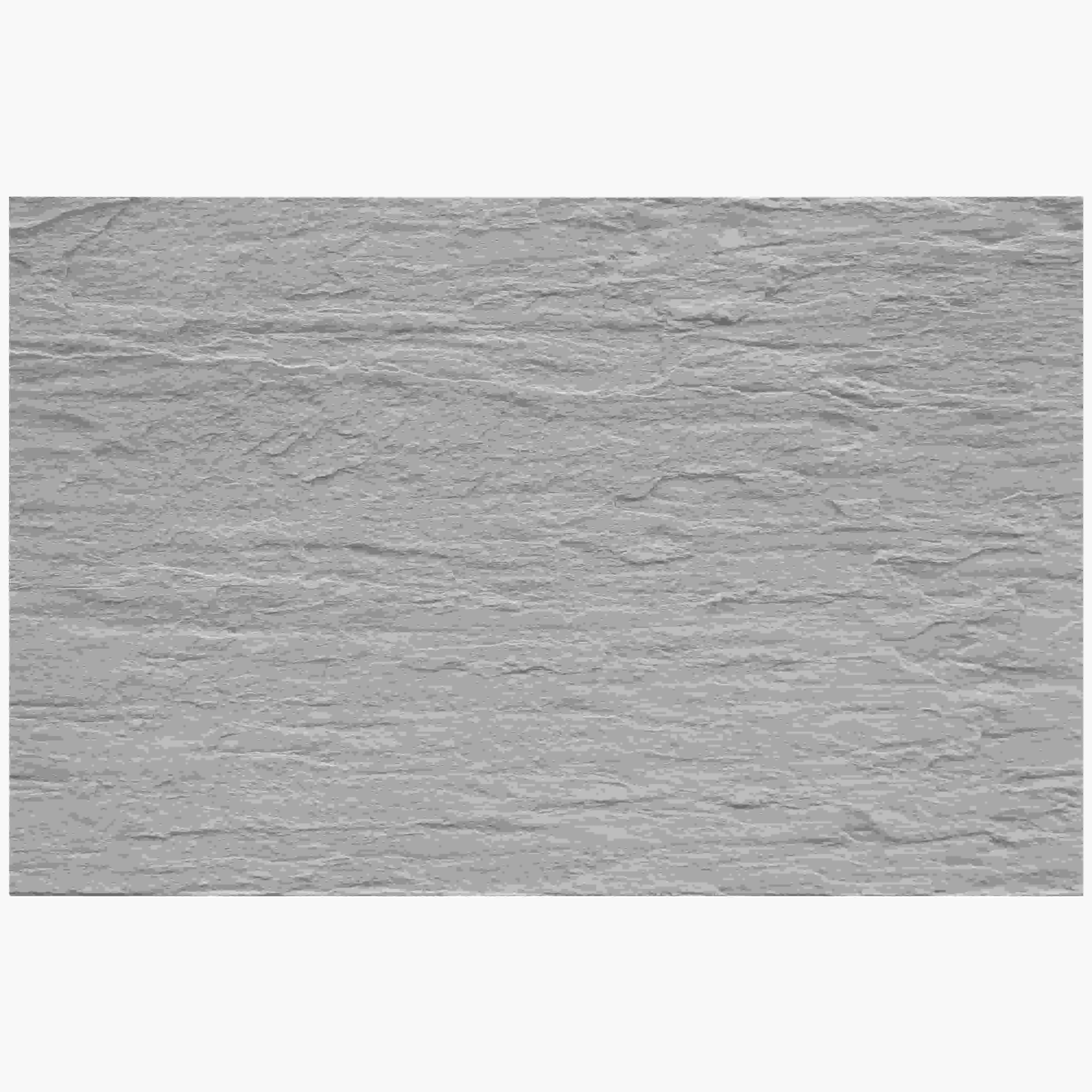
In the heart of the Arabian Peninsula, Saudi Arabia is undergoing an architectural renaissance. From the futuristic skyline of Riyadh to the cultural corridors of Jeddah, the kingdom is redefining what modern construction can be—blending deep-rooted traditions with cutting-edge innovation. Amidst this transformation, one material has emerged as a quiet revolutionary: Oasis Stone Regular. More than just a building material, it's a bridge between the past and the future, a canvas for architects to paint stories of heritage and progress. Let's dive into how this unassuming stone is shaping Saudi Arabia's built environment, and why it's becoming the go-to choice for projects that demand both durability and soul.
To understand the role of Oasis Stone Regular, we first need to appreciate the context it operates in. Saudi Arabia's architecture has long been a reflection of its landscape and culture. For centuries, buildings were crafted from locally sourced materials—mud bricks to beat the desert heat, coral stone along the coast, and rough-hewn granite for fortresses. These materials weren't just practical; they told stories of resilience, of living in harmony with a harsh environment. Today, that narrative is evolving. As the kingdom invests in Vision 2030, cities are sprouting skyscrapers, cultural hubs, and sustainable communities. Yet, the best projects don't abandon the past—they honor it. Architects are now asking: How do we build for the future without losing touch with our roots? Enter materials like Oasis Stone Regular, which answer that question with every slab.
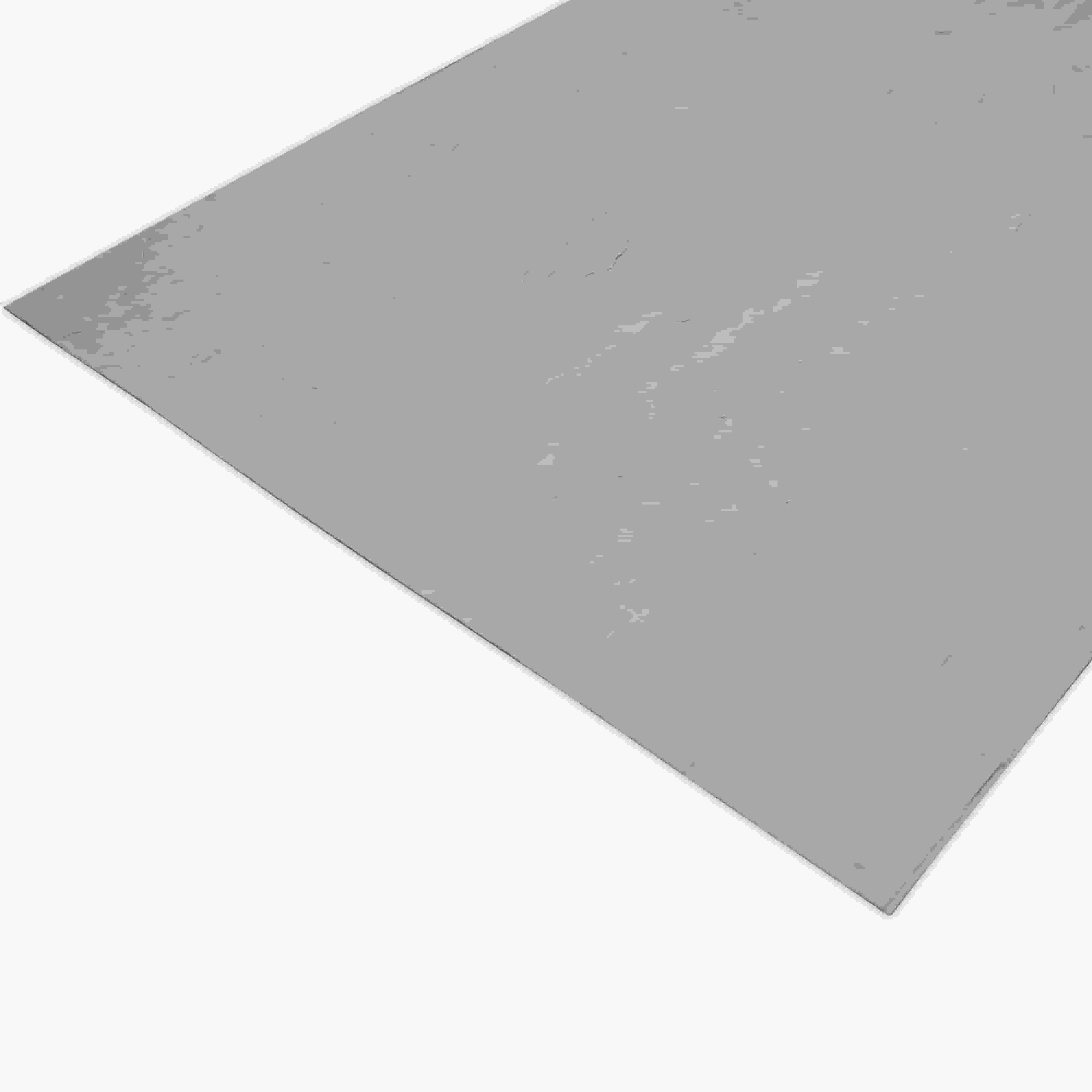
Oasis Stone Regular isn't your average construction material. Born from a blend of natural minerals and modern engineering, it's designed to embody the spirit of the Saudi landscape while meeting the demands of contemporary building. Picture this: a stone that carries the warm, earthy hues of the desert—soft beiges, muted golds, and hints of terracotta—yet boasts the strength to withstand scorching temperatures, sandstorms, and the test of time. It's not just about looks, though. Oasis Stone Regular is part of a new generation of cladding materials that prioritize flexibility (both in design and installation) and sustainability. Unlike traditional stone, which can be heavy and difficult to shape, this material is lightweight, easy to cut, and adaptable to complex architectural forms. It's a material that says, "I belong here," whether it's adorning a heritage museum or a sleek tech campus.

Oasis Stone Regular is part of a broader family known as MCM (Modified Composite Material) flexible stones—a category that's revolutionizing how buildings are clad in Saudi Arabia. Why does flexibility matter here? Let's consider the kingdom's climate. In Riyadh, summer temperatures soar above 45°C, causing building materials to expand; in winter, nights can dip below 10°C, leading to contraction. Rigid materials like traditional marble or granite often crack under this stress, requiring costly repairs. MCM flexible stones, including Oasis Stone Regular, bend (literally) with these changes, reducing the risk of damage. But flexibility isn't just physical—it's aesthetic. Saudi architects are pushing boundaries, designing buildings with curved facades, intricate patterns, and dynamic textures. Oasis Stone Regular, with its ability to be molded into virtually any shape, lets these visions come to life without compromising on durability. It's no wonder that projects like the King Abdullah Financial District in Riyadh are turning to MCM flexible stones to clad their iconic structures—they need materials that can keep up with bold design.
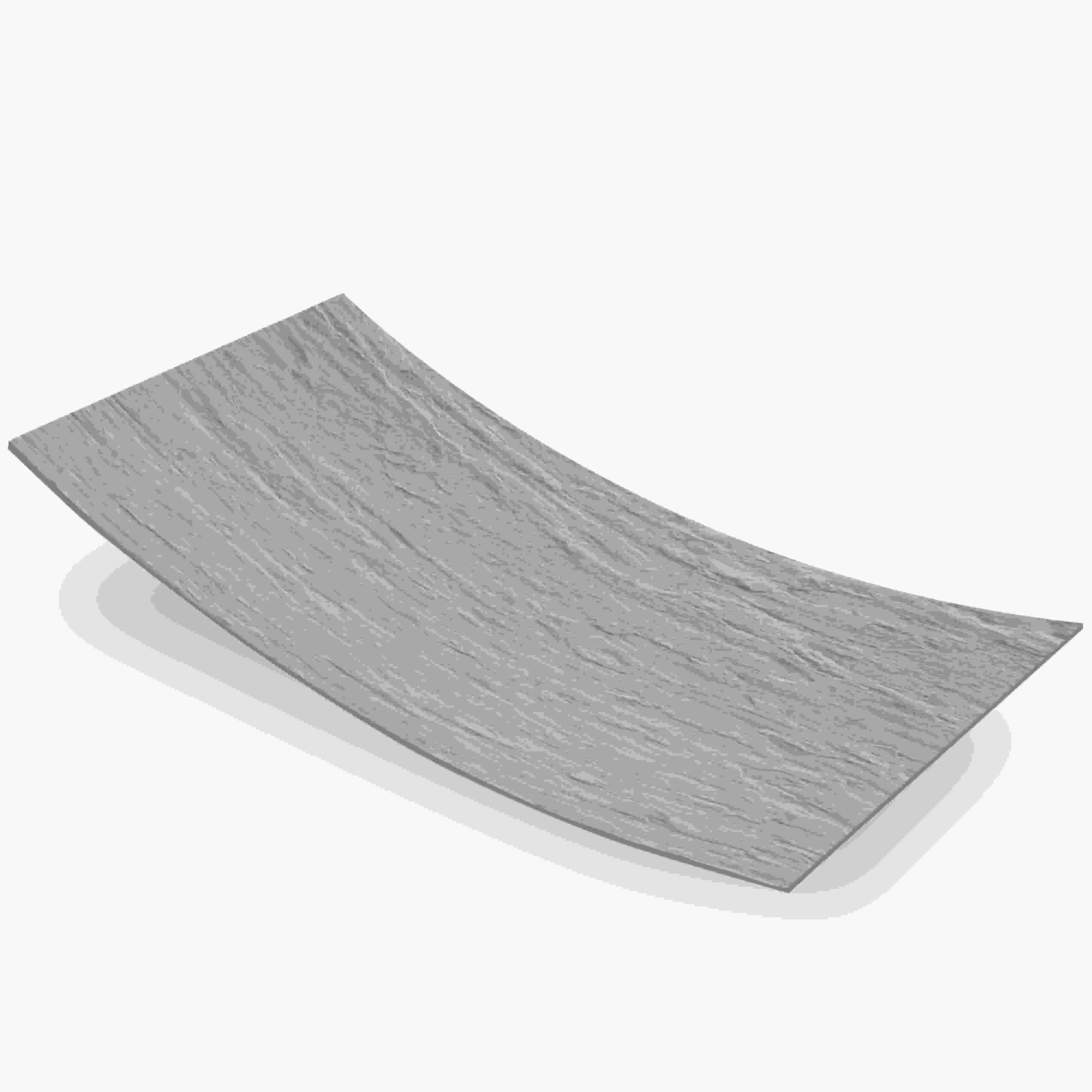
Saudi Arabia's climate is unforgiving. Sandstorms blast buildings with abrasive particles; UV rays fade colors; humidity near the coast accelerates corrosion. Oasis Stone Regular is engineered to stand up to all of this. Its surface is treated to resist scratching and fading, while its core is moisture-resistant—critical in a region where sudden downpours (though rare) can cause water damage. Local contractors often share stories of projects where traditional stone required replacement after just a few years, while Oasis Stone Regular facades remain pristine. "It's like the material was made for our desert," says Ahmed Al-Mansoori, a Riyadh-based architect who used Oasis Stone Regular in a recent hotel project. "We've had sandstorms that left other buildings looking worn, but this stone? It just… breathes it in and keeps going."
One of the most striking things about Oasis Stone Regular is its chameleon-like ability to adapt to different design languages. Want to evoke the rustic charm of a historical fort? Its rough-hewn texture and earthy tones fit seamlessly. Need a sleek, modern look for a tech headquarters? Polished finishes in muted grays or whites transform it into a contemporary statement. This versatility is key in Saudi Arabia, where projects often straddle multiple aesthetics. Take the upcoming "Heritage & Innovation Center" in Jeddah: half of its facade uses Oasis Stone Regular to replicate the weathered stone of old Jeddah's historic district, while the other half features a smooth, metallic finish of the same material, symbolizing progress. It's a visual dialogue made possible by the stone's range.
Vision 2030 isn't just about economic growth—it's about sustainability. Saudi Arabia is increasingly prioritizing eco-friendly construction, and Oasis Stone Regular aligns with this goal. Unlike traditional stone extraction, which can deplete local quarries and disrupt ecosystems, Oasis Stone Regular is produced using recycled materials and low-energy manufacturing processes. Its lightweight nature also reduces transportation costs and carbon emissions during construction. Moreover, its durability means less frequent replacement, cutting down on waste over time. For developers aiming for LEED or Estidama certifications, these factors make Oasis Stone Regular an easy choice. "Sustainability isn't just a buzzword for us anymore," notes Fatima Al-Zahrani, a sustainability consultant in Riyadh. "It's about long-term responsibility. Materials like Oasis Stone Regular help us build projects that don't just look good today, but do good for tomorrow."
Let's talk numbers—because in construction, budget matters. Traditional natural stone, especially rare varieties, can be prohibitively expensive. Importing marble or granite from abroad adds shipping costs and delays. Oasis Stone Regular, by contrast, is locally sourced and manufactured in Saudi Arabia, reducing supply chain complexities and costs. Its lightweight design also lowers installation expenses: fewer labor hours, less structural support needed, and faster project timelines. "We recently completed a residential complex in Dammam using Oasis Stone Regular, and the savings were significant," says construction manager Khalid Al-Tamimi. "We cut installation time by 30% compared to using traditional limestone, and the material cost was 20% lower. And the best part? Our clients couldn't tell the difference in quality—if anything, they loved the finish more."
Anyone who's worked on a construction site knows that time is money. Oasis Stone Regular's lightweight, flexible nature makes installation a breeze. Unlike heavy stone slabs that require cranes and specialized equipment, these panels can be handled by a small team and cut on-site to fit unique angles or curves. This flexibility is a game-changer for projects with tight deadlines or complex designs. Maintenance is equally straightforward: a quick wash with water and mild detergent is usually enough to keep the stone looking fresh, even after years of exposure to the elements. No need for expensive sealants or frequent professional cleanings—just simple care that property managers appreciate.
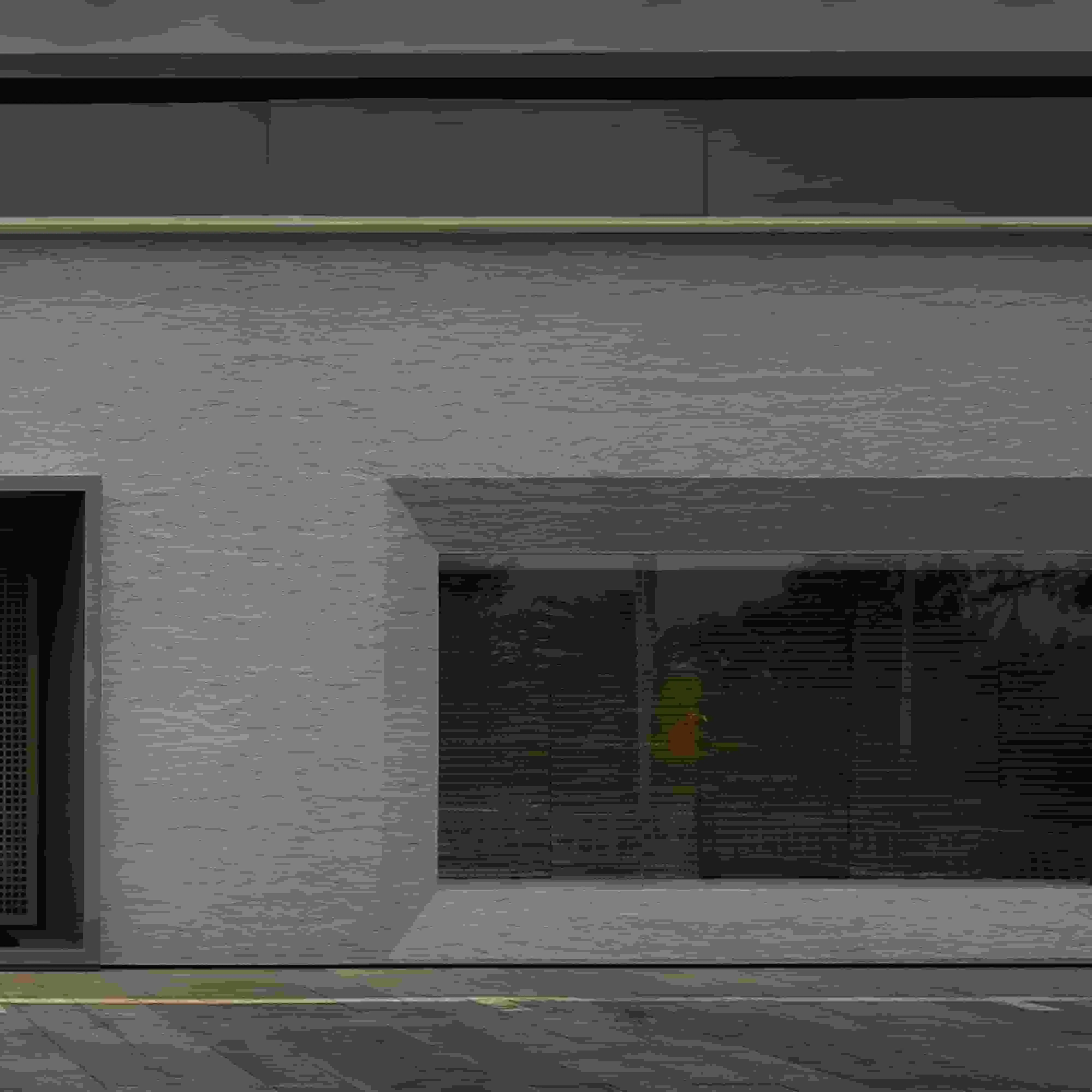
Enough talk about benefits—let's look at how Oasis Stone Regular is being used on the ground. From bustling commercial centers to quiet residential streets, it's leaving its mark across the kingdom. Here are three standout applications:
Saudi Arabia's malls and hotels aren't just places to shop or sleep—they're social hubs, designed to impress and inspire. Oasis Stone Regular is becoming a favorite for these spaces, where aesthetics and durability go hand in hand. Take Riyadh's "Al-Nour Mall," which reopened last year after a major renovation. Its exterior now features Oasis Stone Regular in a warm "sandy beige" finish, complemented by wooden accents (another trend we'll touch on later: wood grain board). The result? A mall that feels inviting, not sterile, blending the comfort of a traditional souk with the luxury of a modern retail center. Inside, the food court uses the stone's "stream limestone (claybank)" variant for its walls, creating a cozy, earthy atmosphere that encourages visitors to linger. Hotel lobbies, too, are embracing the stone. The "Desert Rose Resort" in Al-Ula, a luxury retreat near the ancient Nabatean ruins, uses Oasis Stone Regular to clad its reception area, creating a seamless transition between the desert landscape outside and the opulent interior within. "Guests often comment on how the lobby feels 'rooted' in the environment," says the resort's designer, Lina Faraj. "That's the power of a material that doesn't fight its surroundings—it embraces them."
Saudi Arabia's cultural renaissance is in full swing, with museums, art centers, and heritage sites popping up nationwide. These projects demand materials that respect history while meeting modern standards—and Oasis Stone Regular delivers. The "National Museum of Saudi History" in Riyadh, set to open in 2026, is a prime example. Its facade will feature large panels of Oasis Stone Regular in "historical pathfinders stone" finish, a texture that mimics the weathered limestone of ancient Saudi fortresses. The goal? To create a building that feels like it's been part of the landscape for centuries, even as it houses state-of-the-art exhibits. Similarly, the "Jeddah Heritage Trail," a project restoring the city's historic Al-Balad district, uses the stone to repair and replicate damaged coral stone walls. Unlike real coral stone, which is now protected, Oasis Stone Regular offers a sustainable alternative that preserves the district's character without harming marine ecosystems. "Heritage preservation isn't about freezing the past," explains Dr. Amal Al-Khateeb, lead archaeologist on the project. "It's about finding ways to keep history alive using materials that work for today. Oasis Stone Regular lets us do that."
It's not just grand public projects—Oasis Stone Regular is making its way into everyday homes, too. Saudi families value privacy, comfort, and a connection to their culture, and the stone checks all these boxes. In Riyadh's "Al-Muna Village," a new residential complex targeting young professionals, many villas feature Oasis Stone Regular cladding in "lime stone (beige)" for their exteriors. The warm, neutral tone gives the homes a welcoming feel, while the material's durability ensures they'll stand up to the city's dusty summers. Inside, homeowners are getting creative: using "wood grain board" accents alongside the stone for a cozy, rustic look in living rooms, or "polish concrete" floors with Oasis Stone Regular walls in bedrooms for a modern, minimalist vibe. "People want their homes to reflect who they are," says interior designer Noura Al-Saud. "Oasis Stone Regular is versatile enough to fit any style, whether you prefer traditional Saudi decor or a more global aesthetic. And because it's low-maintenance, busy families love it—no worrying about scratches from kids or pets."
To truly appreciate Oasis Stone Regular, it helps to see how it compares to other popular materials in Saudi construction. Let's break it down:
| Material | Key Features | Best For | Why Oasis Stone Regular Often Wins |
|---|---|---|---|
| Historical Pathfinders Stone | Authentic weathered texture, rich heritage aesthetic | Restoration projects, heritage sites | Oasis Stone Regular offers a similar look but with modern durability and sustainability; real historical stone is often fragile and hard to source. |
| Fair-Faced Concrete | Raw, industrial look; high strength | Modern commercial buildings, minimalist designs | Oasis Stone Regular adds warmth and texture that fair-faced concrete lacks; it's also lighter and easier to install on facades. |
| Wood Grain Board | Natural wood texture, warm feel | Interior accents, residential projects | Oasis Stone Regular complements wood grain board beautifully, offering the same warmth but with better resistance to moisture and pests—critical in Saudi Arabia's climate. |
| Foamed Aluminium Alloy Board | Metallic finish, lightweight, modern look | High-tech buildings, futuristic designs | While aluminum alloy boards are sleek, Oasis Stone Regular provides a more organic, grounded aesthetic that resonates with Saudi cultural values of connection to the land. |
*Table comparing Oasis Stone Regular with other common construction materials in Saudi Arabia.
To bring this all to life, let's zoom in on a real project: the "Starmoon Stone" Library, which opened in Dhahran earlier this year. Designed by award-winning architect Zaha Hadid Architects, the library is a celebration of knowledge and community, with a facade that shimmers like starlight—a nod to the region's ancient astronomers. The star of the show? Oasis Stone Regular, used in its "travertine (starry blue)" variant.
The challenge? Creating a facade that would catch and reflect light in dynamic ways, mimicking the night sky. Traditional stone couldn't achieve the intricate, star-like patterns the architects envisioned. Enter Oasis Stone Regular: its flexibility allowed the team to carve tiny, precise indentations into the panels, which were then filled with a reflective material. The result is a building that transforms from day to night—warm and earthy under the sun, glowing with "stars" after dark.
But it wasn't just about looks. Dhahran's coastal location means high humidity and occasional salt spray, which can corrode many materials. Oasis Stone Regular's moisture-resistant properties ensured the facade would stand the test of time. "We tested over a dozen materials before settling on Oasis Stone Regular," says project engineer Omar Al-Hassan. "It was the only one that could handle both the design complexity and the environmental challenges. And now, when you walk up to the library, you feel it—this sense of wonder, like the building is alive. That's the magic of a material that works as hard as the design."
As Saudi Arabia continues to build, the demand for innovative, sustainable materials will only grow. Oasis Stone Regular is poised to lead this charge, with new variants and applications on the horizon. Developers are already experimenting with "gradient color rammed earth board" versions, which blend multiple hues of the stone to create dynamic, ombre-like facades. Architects are exploring 3D printing with the material, using its flexibility to create never-before-seen shapes. And as the kingdom invests in green building, we'll likely see Oasis Stone Regular paired with other eco-friendly materials like "foamed aluminium alloy board (vintage silver)" for energy-efficient, visually striking projects.
Perhaps most exciting is the role Oasis Stone Regular will play in "placemaking"—creating spaces that feel uniquely Saudi. In a world where architecture can sometimes feel generic, this material helps projects tell local stories. Whether it's a school in Riyadh using the stone to depict Saudi Arabia's geographical diversity (from the Red Sea coast to the Empty Quarter) or a community center in Mecca that uses "historical pathfinders stone" finishes to honor the city's spiritual heritage, Oasis Stone Regular is more than a building material—it's a storyteller.
Oasis Stone Regular may not have the glitz of gold-leafed marble or the futuristic sheen of carbon fiber, but in Saudi Arabia's construction landscape, it's quietly becoming a legend. It's a material that understands the kingdom's needs: durability in a harsh climate, sustainability for a greener future, and beauty that honors both tradition and innovation. From commercial malls to cultural landmarks to family homes, it's leaving its mark—not as a cold, impersonal slab, but as a warm, living part of the built environment.
As we look ahead, one thing is clear: Saudi Arabia's architecture will continue to evolve, but the best projects will always have one thing in common: they'll feel rooted in place. Oasis Stone Regular is helping make that possible—one stone, one building, one story at a time. So the next time you walk through a new development in Riyadh or Jeddah, take a moment to touch the walls. If they feel like they belong, chances are, you're touching Oasis Stone Regular.
Recommend Products












