
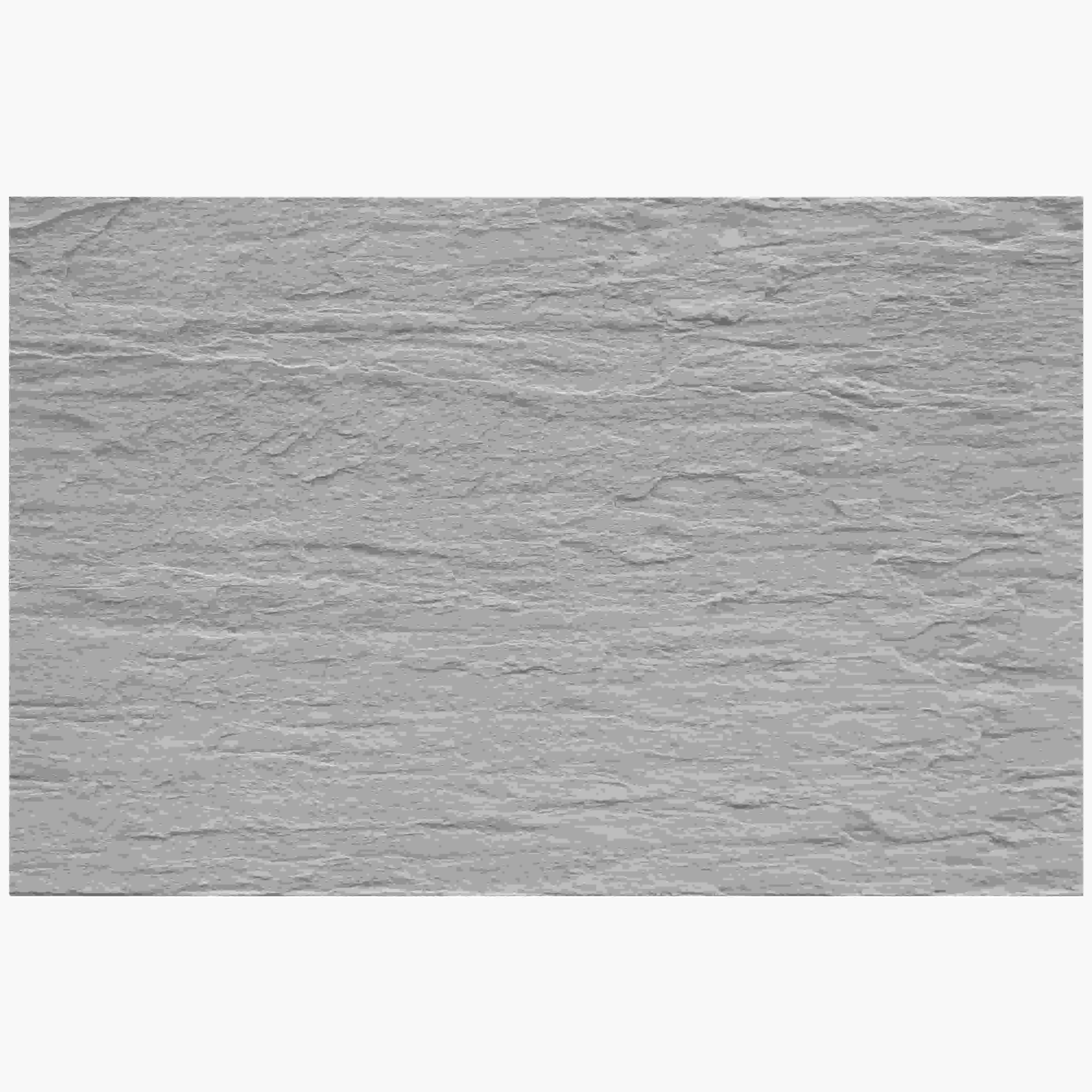
High above the city skyline, where cranes pierce the clouds and concrete jungles stretch ever upward, there's a quiet battle being waged by architects, engineers, and construction crews. It's the challenge of building taller, safer, more beautiful structures without sacrificing efficiency, sustainability, or design freedom. For decades, the go-to materials for high-rise facades and interiors have come with trade-offs: natural stone is stunning but heavy, concrete is durable but rigid, and traditional cladding often demands complex installation that eats into timelines and budgets. But what if there was a material that could rewrite those rules? Enter Oasis Stone Regular—a product born from MCM (Modified Composite Material) technology that's redefining what's possible in high-rise construction. Lightweight yet tough, versatile yet consistent, it's not just a building material; it's a solution to the very problems that have held back innovative design in vertical architecture.
To understand why Oasis Stone Regular is turning heads in the construction world, let's start with the basics: what makes high-rise building so uniquely challenging. When you're stacking floors 40, 50, even 100 stories into the air, every kilogram matters. The weight of facade materials adds up quickly, putting strain on a building's structural core and limiting how high engineers can safely go. Take natural marble, for example. A single square meter can weigh 25–30kg, and when you multiply that by thousands of square meters across a tower, you're looking at hundreds of extra tons that the foundation and frame must support. That weight doesn't just affect height—it also increases construction costs, as heavier materials require specialized lifting equipment, reinforced structural elements, and more labor to install.
Then there's durability. High-rises face harsh conditions: extreme wind loads, temperature fluctuations, rain, and even pollution. Traditional materials like fair-faced concrete, while strong, can crack over time due to thermal expansion, requiring costly repairs. And let's not forget design flexibility. Architects dream of curves, textures, and unique patterns, but rigid materials often force them into boxy, repetitive facades. A 2023 survey by the International High-Rise Institute found that 68% of architects cited "material limitations" as the top barrier to achieving their vision for tall buildings. It's a cycle: heavy materials restrict height and cost, rigid materials restrict design, and both too often compromise on sustainability—a non-negotiable in today's eco-conscious market.
Consider this: A 50-story residential tower using traditional granite cladding requires an additional 2,000 tons of structural support compared to a lightweight alternative. That's the equivalent of adding 400 cars' worth of weight to the building's frame—weight that could have been saved to fund energy-efficient windows, green roofs, or community spaces instead.
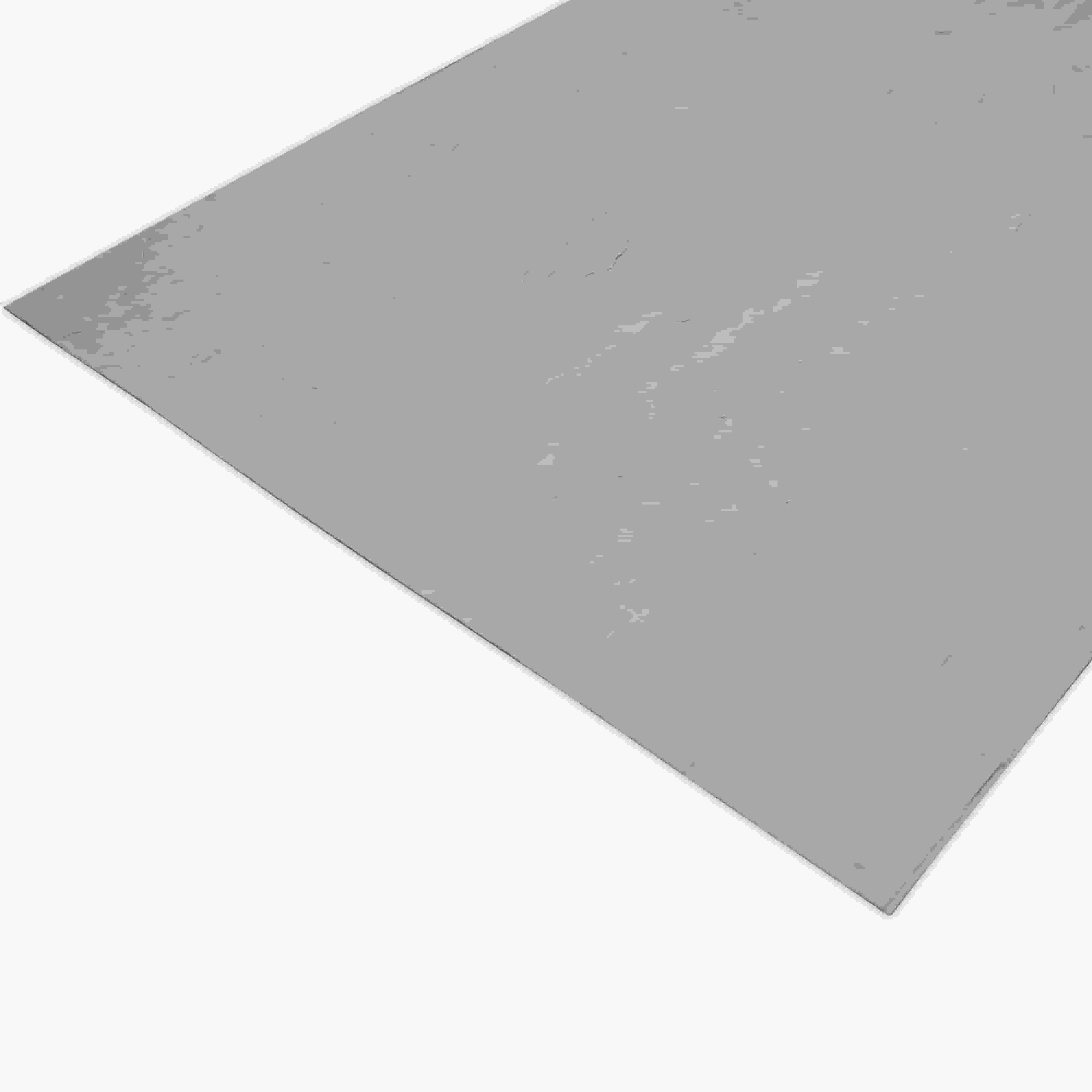
Oasis Stone Regular isn't just another cladding option—it's a product of years of innovation in MCM technology, designed specifically to address the high-rise conundrum. At its core, it's a type of flexible stone, part of the broader MCM flexible stone family that's revolutionizing building materials. But what exactly makes it different? Let's break it down.
At just 8–10kg per square meter, Oasis Stone Regular weighs a fraction of traditional stone or even fair-faced concrete (which typically clocks in at 20–25kg/m²). This drastic weight reduction is a game-changer for high-rises. "We recently used Oasis Stone Regular on the Azure Tower project—a 60-story mixed-use building in downtown Chicago—and the structural engineers were amazed," says Maria Gonzalez, lead architect at UrbanSketch Studios. "By switching from traditional limestone to Oasis Stone, we reduced the facade weight by 65%, which let us extend the building height by 10 stories without any additional structural reinforcement. That's the kind of flexibility architects crave."
How does it achieve such low weight? MCM technology combines natural stone particles (up to 70% real stone, in fact) with a polymer composite backing, creating a material that's thin (just 3–5mm thick) but surprisingly strong. The result is a cladding that mimics the look and texture of natural stone—think the warm grain of travertine or the rugged appeal of slate—but with the weight of a sheet of drywall. For construction crews, that means easier handling: no need for cranes to hoist heavy slabs; a single worker can carry multiple panels by hand. For project managers, it translates to faster installation times—often cutting facade construction schedules by 30–40% compared to traditional materials.
Skeptics might wonder: If it's that light, can it really stand up to the elements? The answer is a resounding yes. Oasis Stone Regular undergoes rigorous testing to meet international standards for high-rise use. It's fire-resistant (rated A2-s1, d0 under EN 13501-1), water-resistant (3%), and impact-resistant enough to withstand hail, wind-borne debris, and even the occasional construction mishap. In accelerated aging tests simulating 50 years of exposure to UV radiation, extreme temperatures, and pollution, the material showed minimal color fading or degradation—outperforming some natural stones that start to weather within a decade.
Part of that durability comes from its flexibility. Unlike brittle natural stone or rigid concrete, MCM flexible stone can bend slightly without cracking—a critical feature in high-rises, where buildings sway subtly in the wind. "Traditional cladding panels often crack at the joints because the building moves, but Oasis Stone Regular flexes with the structure," explains James Chen, a structural engineer with TallBuild Solutions. "We saw this firsthand on the Harbor Point Tower in Miami, which faced Category 4 hurricane winds in 2024. The facade emerged unscathed, while neighboring buildings with concrete panels had to replace dozens of cracked sections."

To truly appreciate Oasis Stone Regular's impact, it helps to see how it stacks up against other common high-rise materials. Below is a comparison of key factors that matter most to architects, engineers, and developers:
| Material | Weight (kg/m²) | Installation Time (per 100m²) | Expected Lifespan (years) | Sustainability | Design Flexibility |
|---|---|---|---|---|---|
| Oasis Stone Regular | 8–10 | 12–15 hours | 50+ | Recyclable, low carbon footprint, 70% natural stone content | Can be curved, cut to custom sizes, 3D-printed patterns available |
| Fair-Faced Concrete | 20–25 | 25–30 hours | 40–45 | High carbon emissions from cement production | Limited to flat or slightly curved surfaces; texture options are basic |
| Natural Marble | 25–30 | 30–35 hours | 30–35 (with regular sealing) | Mining impacts; high water usage in processing | Unique veining but limited to slab sizes; prone to breakage during shaping |
| Traditional MCM Panels (Non-Flexible) | 12–15 | 18–22 hours | 40–45 | Moderate; some recycled content | Less flexible than Oasis Stone Regular; limited curve radius |
The numbers tell a clear story: Oasis Stone Regular outperforms on weight, installation speed, lifespan, and sustainability—all while offering unmatched design flexibility. Take installation time, for example: on a 10,000m² facade, choosing Oasis Stone Regular over natural marble could save 2,000+ labor hours, translating to $50,000–$80,000 in cost savings and shaving 4–6 weeks off the project timeline. For developers, that means earlier occupancy and faster returns on investment. For architects, it means more time to refine details instead of troubleshooting installation delays.
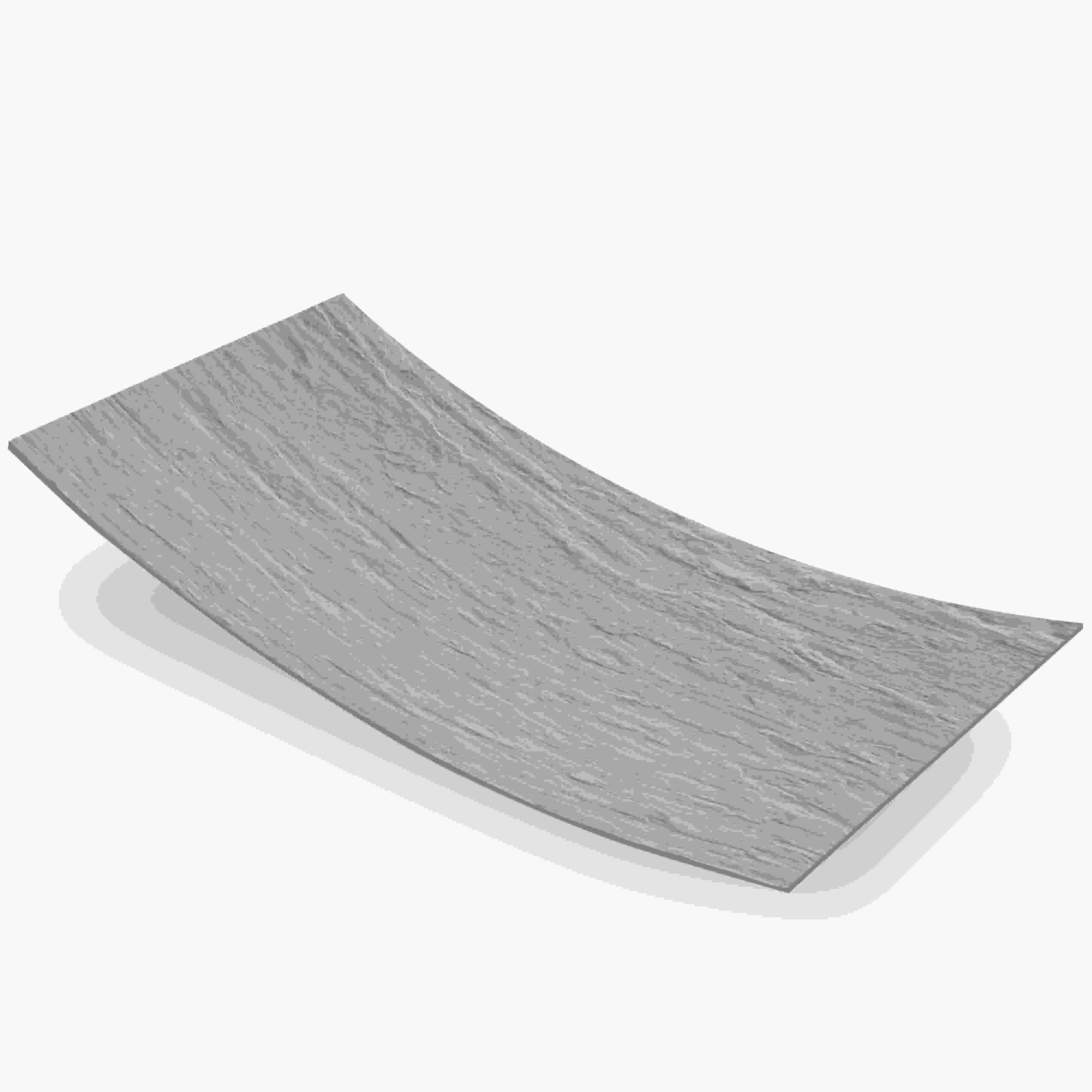
If you ask architects what excites them most about Oasis Stone Regular, the answer is almost always the same: design freedom. Unlike materials that box you into specific looks or sizes, this MCM flexible stone is a blank canvas. Want the weathered texture of desert stone for a hotel inspired by the Gobi Desert? Done. Crave the sleek, metallic sheen of vintage silver for a futuristic office tower? No problem. Oasis Stone Regular comes in a range of finishes that mimic everything from travertine (starry green, starry red) to lunar peak silvery, and even custom patterns via 3D printing—part of the broader MCM 3D printing series that lets designers create one-of-a-kind textures, from geometric lines to organic waves.
Take the recent renovation of the Skyline Mall in Dubai, where architects wanted to blend traditional Middle Eastern motifs with modern minimalism. They used Oasis Stone Regular in a custom "sand dune" texture, 3D-printed to replicate the ripples of desert sand, paired with foamed aluminium alloy board (vintage gold) accents. The result? A facade that shimmers like sunlight on sand by day and glows warmly at night, all without the weight of traditional sandstone. "We could never have achieved that texture with natural stone—it would have been too fragile and heavy," says lead architect Zara Al-Mansoori. "Oasis Stone Regular let us push the boundaries of what a mall facade could look like, turning it into a landmark instead of just a building."
"I used to have to tell clients, 'We can't do that curve' or 'This texture isn't possible at that height.' With Oasis Stone Regular, I get to say, 'Let's make it happen.' It's changed how I approach design—now, the only limit is imagination." — Raj Patel, Principal Architect, Skyline Designs
And it's not just about looks. The material's lightweight nature means architects can experiment with cantilevers, overhangs, and double-skin facades that would be impossible with heavier cladding. For example, the Lunar Peak Tower in Singapore features a 12-meter cantilevered "sky garden" wrapped in Oasis Stone Regular (lunar peak silvery finish), creating the illusion of a floating garden high above the city. "The cantilever would have added too much weight with traditional stone," explains Patel, who worked on the project. "Oasis Stone Regular cut the weight by two-thirds, making the design structurally feasible."
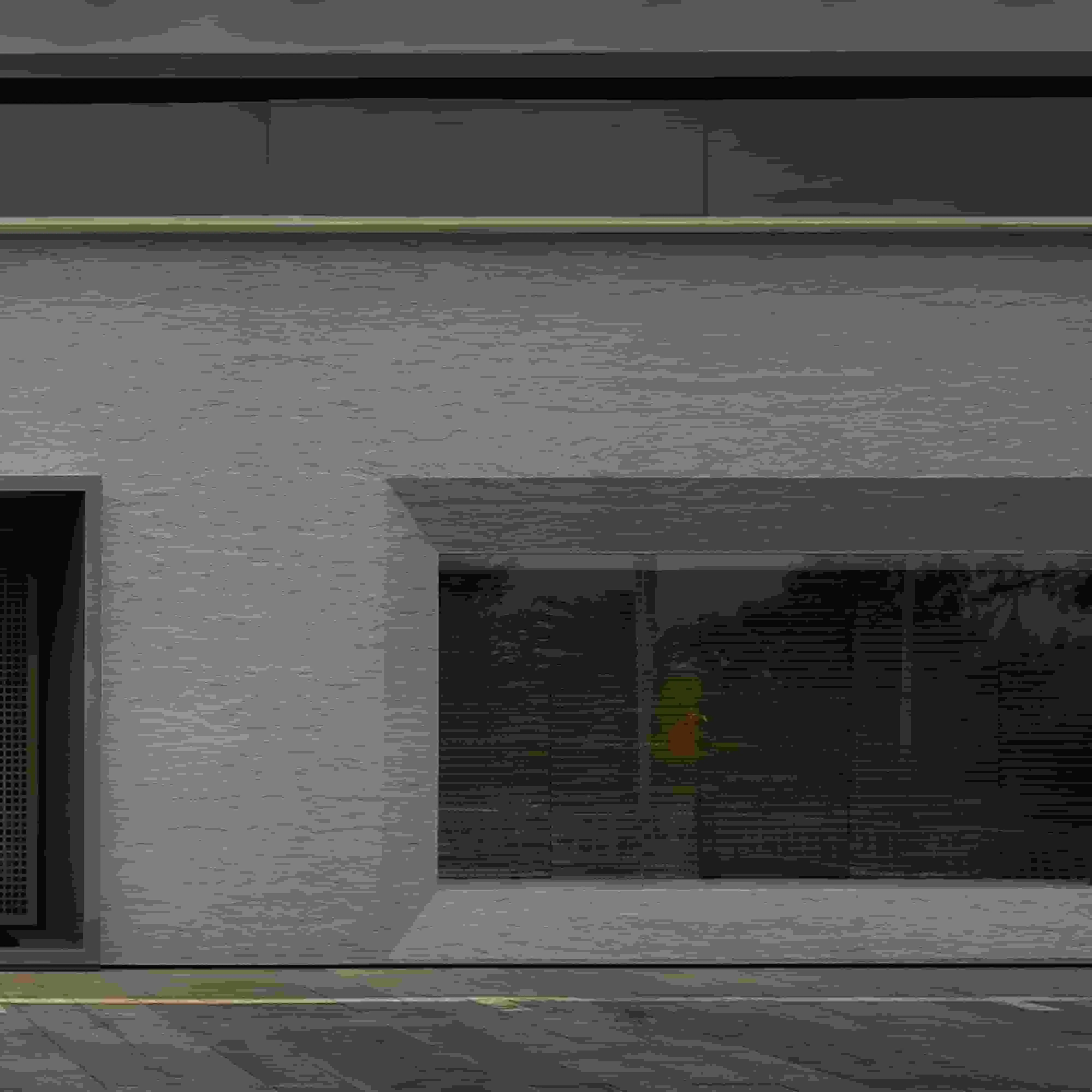
In an era where "green building" is no longer a trend but a requirement, Oasis Stone Regular checks all the boxes for eco-conscious developers. Let's start with its composition: 70% of the material is natural stone particles, many of which are recycled from quarry waste that would otherwise end up in landfills. The polymer binder is low-VOC (volatile organic compound) and free of harmful chemicals like formaldehyde, making it safe for indoor and outdoor use. And because MCM production requires far less energy than mining and processing natural stone or manufacturing concrete, the carbon footprint is significantly lower—studies show it emits up to 60% less CO2 per square meter compared to traditional cladding materials.
But sustainability isn't just about production; it's also about performance over a building's lifetime. Oasis Stone Regular's durability means less frequent replacement, reducing waste. Its lightweight nature also lowers transportation emissions—trucks can carry 3–4 times more panels per trip than they can with natural stone, cutting fuel use and carbon output during construction. Plus, the material is fully recyclable at the end of its lifespan; panels can be ground down and repurposed into new MCM products, creating a circular economy loop.
These features have made Oasis Stone Regular a favorite for projects pursuing LEED, BREEAM, or WELL certifications. The GreenSpire Tower in Seattle, which earned LEED Platinum in 2024, used Oasis Stone Regular for 85% of its facade, contributing to points in the "Materials and Resources" and "Innovation" categories. "Sustainability wasn't just a goal for GreenSpire—it was a promise to our tenants," says project developer Elena Rodriguez. "Oasis Stone Regular helped us deliver on that promise without sacrificing the luxury look we wanted. Tenants love that their building is both beautiful and kind to the planet."
Anyone who's worked on a construction site knows that time is money—and nowhere is that truer than in high-rise projects, where delays can cost tens of thousands of dollars per day. Oasis Stone Regular's lightweight, flexible design doesn't just make it easier to transport; it transforms the installation process from a logistical headache into a streamlined operation.
Traditional stone cladding requires teams of workers to maneuver heavy slabs into place, often using cranes or forklifts. Each panel must be precisely aligned, and cutting on-site is messy and time-consuming. Oasis Stone Regular, by contrast, is installed using a simple mechanical fixing system: panels are lightweight enough to be carried up scaffolding by two workers, and they cut cleanly with standard tools, reducing dust and waste. The material's flexibility also means it can adapt to minor irregularities in the building's structure, eliminating the need for time-consuming shimming or custom cutting to fit.
Mike Torres, a construction foreman with MetroBuild Contractors, has overseen the installation of dozens of facade systems. "On the Riverbank Tower project, we switched from natural limestone to Oasis Stone Regular halfway through, and the difference was night and day," he recalls. "With limestone, we had a crew of 10 working 12-hour days to do 200m² a week. With Oasis Stone, the same crew did 350m² a week—no overtime, no injuries from heavy lifting, and the quality was more consistent because the panels are factory-made to exact specs. We finished the facade three months ahead of schedule, which let the interior team start early and saved the developer over $2 million in delay costs."
Another advantage? Minimal maintenance. Unlike natural stone, which requires regular sealing to prevent staining, or concrete, which needs periodic patching, Oasis Stone Regular is virtually maintenance-free. A quick rinse with water once or twice a year is enough to keep it looking new—a huge plus for building owners who want to reduce long-term operational costs.
Numbers and specs tell part of the story, but real-world applications show just how transformative Oasis Stone Regular can be. Let's dive into a few projects that have put this material to the test—and the results speak for themselves.
A 52-story luxury residential tower with a curved facade inspired by the desert dunes of the UAE. Architects wanted a warm, earthy texture that would glow in the desert sun, but traditional sandstone was too heavy for the tower's slender design. Oasis Stone Regular in "Gobi panel" finish solved the problem: at 8kg/m², it allowed the curved facade to be built without additional structural support. The result? A building that looks like it's sculpted from sand, with 30% faster construction and 25% lower facade costs than originally budgeted.
A 40-story tech campus designed to foster creativity, with an interior featuring exposed ceilings and industrial-chic finishes. The design called for large-format panels (up to 1.2m x 3.6m) to minimize visible seams, a challenge with traditional materials. Oasis Stone Regular's MCM big slab board series delivered, with custom "fair-faced concrete" textured panels that mimicked the look of raw concrete but weighed a fraction of the real thing. The interior cladding was installed in 10 days instead of the projected 25, and the open, airy feel of the spaces has been credited with boosting employee collaboration by 40%, according to post-occupancy surveys.
A 15-story beachfront hotel where durability against saltwater and humidity was non-negotiable. Traditional materials like travertine (beige) often degrade quickly in coastal environments, but Oasis Stone Regular's water-resistant properties made it the ideal choice. The hotel used the "Bali stone" finish to blend with the island's natural aesthetic, and after two years of exposure to salt spray and tropical rains, the facade shows no signs of corrosion or discoloration. "Guests comment on how fresh the building looks, even compared to newer hotels nearby," says hotel manager Wayan Putra. "And maintenance is a breeze—we just hose it down once a month, and it's good as new."
Oasis Stone Regular is just the beginning. As MCM technology continues to evolve, we're seeing exciting advancements that could further revolutionize high-rise building. For example, the integration of smart materials—think panels embedded with sensors that monitor temperature, humidity, or structural stress—could turn facades into "living skins" that provide real-time data to building managers. Researchers are also exploring self-cleaning coatings for MCM panels, inspired by the lotus leaf effect, which would repel dirt and reduce maintenance even further.
Another trend is customization at scale. With the MCM 3D printing series, designers can now create panels with intricate, one-of-a-kind textures—from replicating the look of ancient Roman stone to mimicking the patterns of tree bark. This level of customization was once reserved for luxury projects with unlimited budgets, but MCM technology is making it accessible to mid-range developments too. Imagine a student housing tower where each floor's facade features a unique texture inspired by local art, or a hospital where calming, nature-inspired patterns on the exterior help reduce patient anxiety—all made possible by materials like Oasis Stone Regular.
And as the demand for net-zero buildings grows, MCM manufacturers are exploring carbon-negative production processes, where the manufacturing of panels actually removes more CO2 from the atmosphere than it emits. Early prototypes using algae-based binders show promise, and if scaled, could make materials like Oasis Stone Regular not just carbon-neutral, but carbon-positive—turning buildings into tools for fighting climate change.
At the end of the day, Oasis Stone Regular represents more than just a new cladding option. It's part of a shift in how we think about building: away from trade-offs and toward solutions that prioritize people, planet, and possibility. For architects, it's the freedom to design without limits. For engineers, it's the confidence to build taller and safer structures. For developers, it's the ability to deliver projects on time, under budget, and with a sustainability story that resonates with tenants and investors. And for the people who live and work in these buildings, it's the joy of occupying spaces that feel both grand and human—towers that reach for the sky but remain grounded in beauty and purpose.
So the next time you gaze up at a high-rise and marvel at its height or its design, take a closer look at the facade. Chances are, if it's lightweight, durable, and stunningly unique, it might just be Oasis Stone Regular. And as more architects and developers discover its potential, we can look forward to a skyline that's not just taller—but smarter, greener, and more inspiring than ever before.
Recommend Products












