
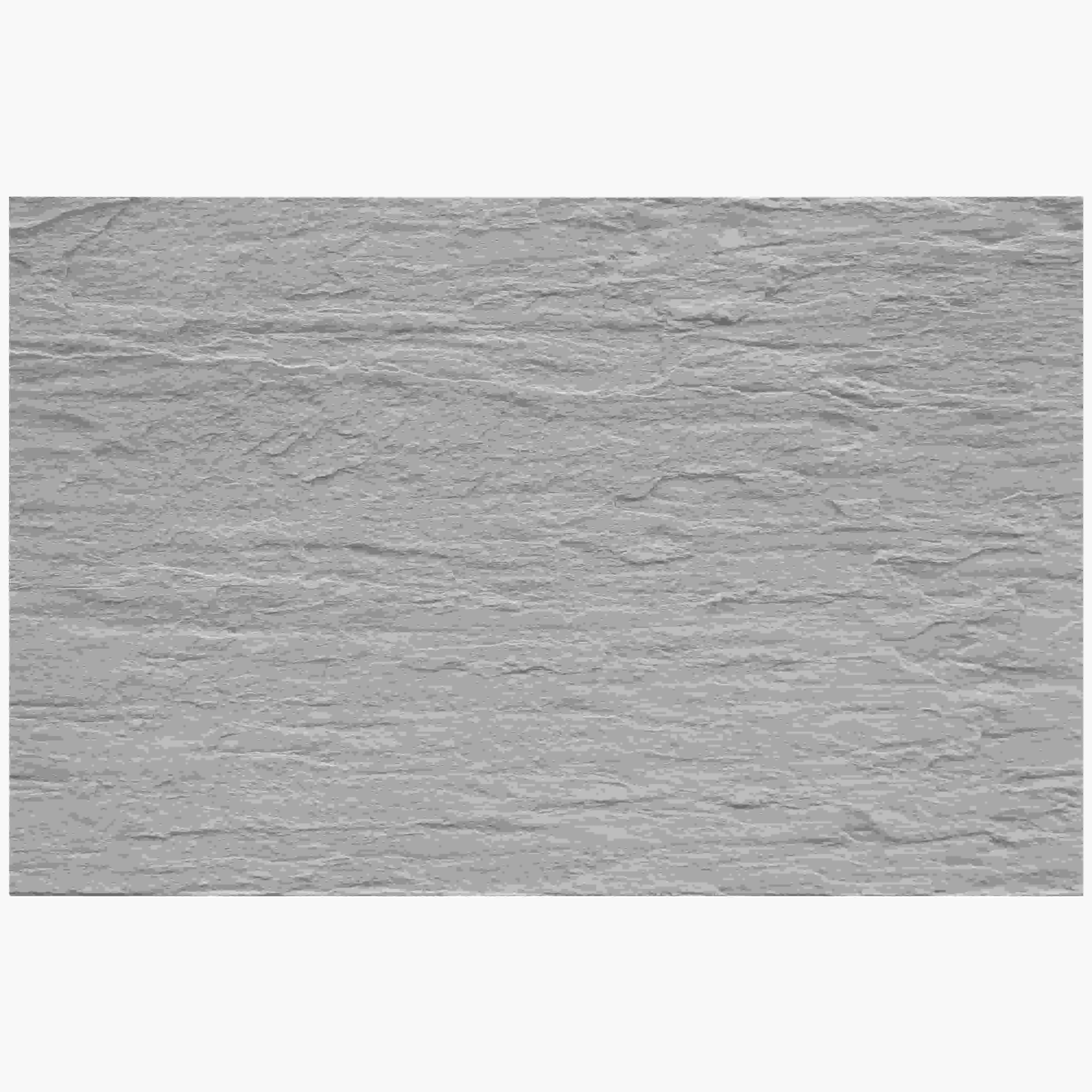
In a world where every industry is scrambling to shrink its environmental footprint, the construction sector stands at a critical crossroads. We build homes, offices, and public spaces that shape our daily lives—but traditional building materials often come with a hidden cost: depleted natural resources, sky-high energy use, and a trail of carbon emissions. That's where innovations like Oasis Stone Regular come in. More than just a pretty face for walls and facades, this material is redefining what it means to build sustainably. Today, we're pulling back the curtain on its manufacturing process, exploring the eco-friendly techniques that make it a standout in the world of green building materials . Whether you're an architect, a builder, or just someone who cares about the planet, this deep dive will show you how sustainability and style can go hand in hand.
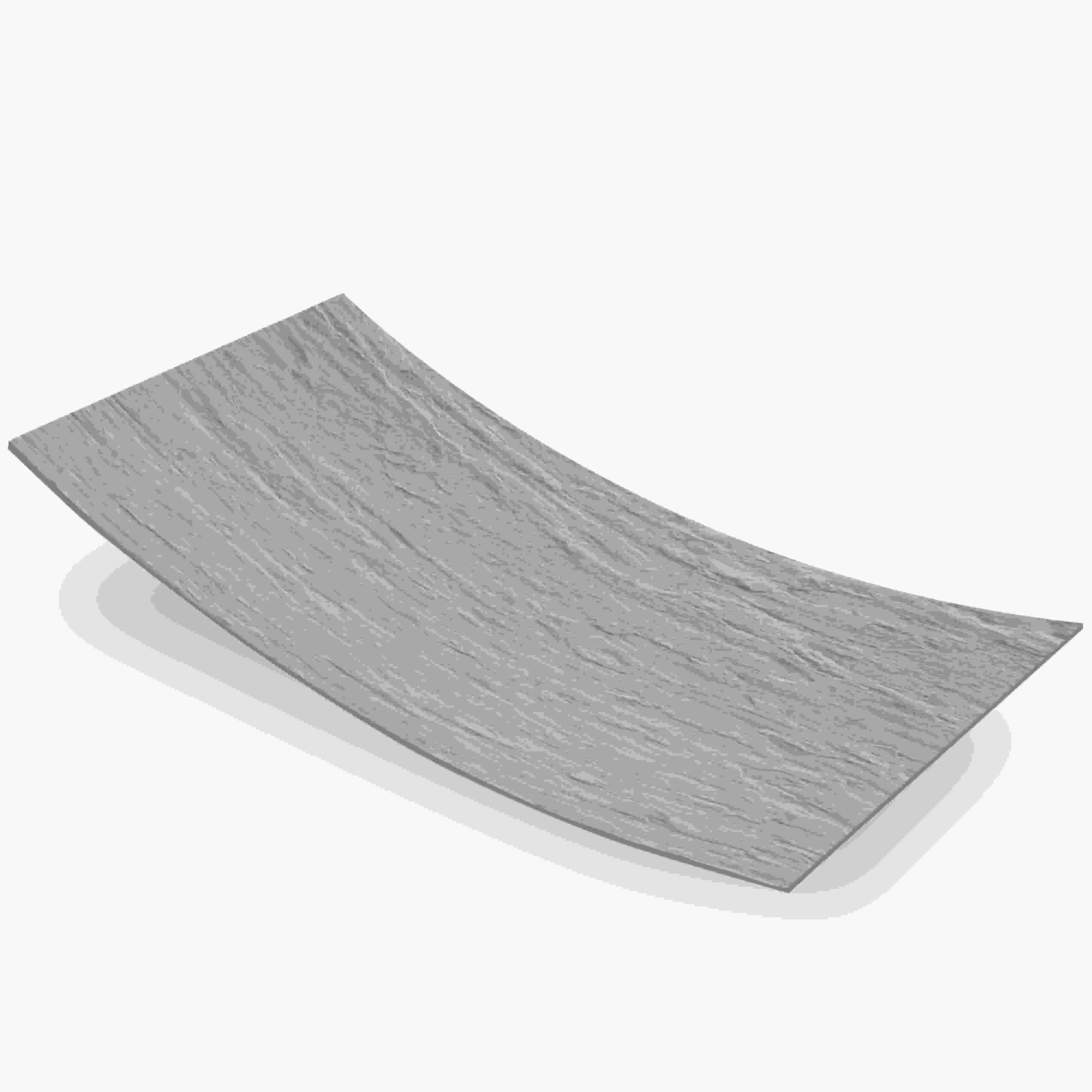
Before we jump into the nuts and bolts of how it's made, let's get clear on what Oasis Stone Regular actually is. Think of it as the cool, eco-conscious cousin of traditional cladding materials. Part of the broader mcm flexible stone family, it's a modified composite material designed to mimic the look and texture of natural stone—think warm travertine or rugged slate—but with a fraction of the environmental impact. What sets it apart? It's lightweight, flexible (so it bends without breaking, perfect for tricky architectural curves), and crafted from a blend of recycled and sustainably sourced ingredients. Unlike heavy natural stone slabs that require massive machinery to quarry and transport, or fair-faced concrete that often relies on high-carbon cement, Oasis Stone Regular is engineered to be both kind to the planet and a dream to work with.
You might be wondering, "If it's not real stone, does it look cheap?" Spoiler: No. Thanks to advanced molding techniques (we'll get to those later), it captures the intricate details of natural materials—from the veining in marble to the pockmarked texture of travertine—so well that even pros sometimes do a double-take. And because it's part of the mcm flexible stone line, it's available in a range of finishes, from matte to subtly glossy, making it versatile for everything from modern office buildings to cozy home exteriors.

Creating Oasis Stone Regular is a bit like baking a cake—except instead of flour and sugar, you're using recycled aggregates and mineral blends, and the "oven" is a state-of-the-art, energy-efficient curing chamber. Let's walk through each step, highlighting the eco-friendly twists that make this process stand out.
Every great product starts with great ingredients, and Oasis Stone Regular is no exception. The first rule here? No pillaging the planet. The team behind it sources raw materials from three key places:
Transport is another eco-focus here. Raw materials are sourced from within 200 miles of the manufacturing facility whenever possible, slashing carbon emissions from long-haul trucks. Compare that to traditional natural stone, which might be shipped from Italy to Dubai, leaving a massive carbon trail—Oasis Stone Regular keeps it local.
Once the materials arrive, it's time to blend them into the signature Oasis Stone Regular mix. Picture a giant, high-tech mixer—not the clunky concrete mixers you see on construction sites, but a precision machine that looks more like something from a craft brewery. Here's where the magic (and the math) happens:
The recipe is calibrated to use the minimum amount of water possible—about 40% less than traditional concrete mixes. Why? Water scarcity is a global issue, especially in regions like the Middle East where green building materials are in high demand. The mixer uses a closed-loop water system, meaning any excess water is captured, filtered, and reused. No water goes down the drain, and none is wasted.
Energy is another star here. The mixing process is powered entirely by solar panels on the factory roof. Even on cloudy days, a backup system runs on biogas from local agricultural waste. The result? A mixing phase that emits 65% less CO2 than standard stone or concrete production.
And get this: The mixer is programmed to avoid over-mixing. Over-mixing not only wastes energy but also creates excess heat, which can compromise the material's strength. By using sensors to monitor consistency, the machine stops exactly when the mix is perfect—no more, no less. It's like your grandma's secret cookie recipe: precise, efficient, and zero waste.
Now comes the fun part: turning the mix into the beautiful panels you see on buildings. Here's where mcm 3d printing series technology shines. Instead of traditional molds that are single-use and often made of plastic (which ends up in landfills), Oasis Stone Regular uses 3D-printed molds made from recycled plastic pellets. These molds can be reused hundreds of times before being recycled again—no waste, no guilt.
The 3D printers themselves are pretty impressive. They lay down the mix in ultra-thin layers, creating intricate textures that mimic natural stone's unique patterns. Want the look of "travertine (starry blue)" or "lunar peak silvery"? The printers can replicate those details with pinpoint accuracy, right down to the tiny air bubbles in travertine or the metallic sheen of lunar peak finishes. And because it's 3D-printed, there's no excess material—unlike traditional stone cutting, where up to 30% of the raw stone is wasted as scrap. Every ounce of mix goes into the final product.
For custom designs—say, a client wants a wave-like facade for a beachfront hotel—the 3D printers can adjust on the fly. No need for new molds; just tweak the digital design. This flexibility is a game-changer for architects who want unique, sustainable designs without the environmental cost.
After molding, the panels need to cure—essentially, dry and harden into their final form. Traditional curing methods often use high-heat ovens that guzzle natural gas or electricity, but Oasis Stone Regular takes a different approach: solar curing.
The panels are moved to a greenhouse-like curing chamber lined with solar panels and insulated with recycled foam. The chamber traps sunlight, creating a warm, controlled environment that cures the panels naturally over 72 hours. No fossil fuels, no excess energy—just good old-fashioned sunshine (with a little help from technology on cloudy days). The result? A stronger, more durable panel than one cured with high heat, which can make materials brittle over time.
Humidity is another factor here. The chamber uses a misting system that recycles the same water used in mixing, ensuring the panels cure evenly without drying out too fast. This attention to detail means Oasis Stone Regular panels have a tensile strength of 25 MPa—strong enough to withstand harsh weather, from Dubai's scorching summers to London's rainy winters.
Once cured, the panels get their final touches—but don't expect harsh chemicals here. Oasis Stone Regular's finish is all about enhancing the natural texture of the mix, not covering it up with toxic sealants. Most panels are left with a "natural" finish, which means minimal processing: a light sanding to smooth edges, and that's it. For clients who want a bit more shine, there's an option for a water-based sealant made from plant resins—no VOCs (volatile organic compounds), which are harmful to both people and the planet.
Colors come from natural pigments, too. Want a warm "lime stone (beige)" or a rich "rusty red"? These hues are derived from iron oxides, clay, and other earth minerals, not synthetic dyes. Not only do they look more authentic than chemical colors, but they also fade less over time—so that "starry orange" travertine finish will still pop decades after installation.
Waste is nonexistent here, too. Any offcuts from trimming are ground up and added back into the raw material mix for future batches. It's a closed-loop system that leaves zero waste behind—unlike traditional stone processing, where leftover bits end up in landfills.
Before the panels head out the door, they undergo rigorous testing to ensure they meet both eco and performance standards. Here's what the quality control team checks:
Only panels that pass all these tests get the Oasis Stone Regular stamp of approval. It's a strict process, but it's why builders trust it for everything from luxury hotels to affordable housing projects—sustainability doesn't mean sacrificing quality.

We've touched on these throughout the process, but let's zoom out and highlight the specific techniques that make Oasis Stone Regular a leader in green building materials . These aren't just buzzwords—they're measurable, impactful choices that add up to a greener planet.
From recycled raw materials to reusing water and turning waste into new panels, Oasis Stone Regular embodies the circular economy model. Traditional building materials follow a linear "take-make-waste" model: quarry stone, cut it, install it, replace it in 20 years, and throw the old stuff away. Oasis Stone Regular? It's designed to be recycled at the end of its life—those panels you install today could become part of a new building in 50 years. That's sustainability with a long-term vision.
The manufacturing facility runs on 100% renewable energy: solar panels on the roof, wind turbines nearby, and biogas backup. In 2024, the plant generated 120% of the energy it needed, feeding excess back into the grid. Compare that to a typical concrete plant, which is one of the most energy-intensive industrial facilities—Oasis Stone Regular is proof that manufacturing can be a net positive for the grid.
Let's crunch the numbers: The carbon footprint of one square meter of Oasis Stone Regular is 2.3 kg CO2e (carbon dioxide equivalent). For natural travertine, that number is 18 kg CO2e. For standard concrete cladding, it's 12 kg CO2e. That's a 75-80% reduction in emissions—enough to offset the carbon footprint of a round-trip flight from Dubai to London for every 1,000 square meters installed. When you're building a skyscraper with 50,000 square meters of cladding, that impact adds up fast.
Water is the lifeblood of manufacturing, but Oasis Stone Regular uses just 2.5 liters of water per square meter of panel—less than the amount of water the average person uses brushing their teeth twice. Traditional concrete? Try 10 liters per square meter. In water-scarce regions like the Middle East, this isn't just eco-friendly—it's essential. The closed-loop water system ensures that every drop is reused, making the process nearly water-neutral.
Still on the fence? Let's put Oasis Stone Regular head-to-head with traditional building materials to see how it measures up. The table below breaks down key factors like eco-impact, cost, durability, and more—no jargon, just facts.
| Factor | Traditional Natural Stone (e.g., Marble) | Standard Concrete Cladding | Oasis Stone Regular |
|---|---|---|---|
| Carbon Footprint (per m²) | 18 kg CO2e | 12 kg CO2e | 2.3 kg CO2e |
| Recycled Content | 0% | 5-10% | 30% |
| Water Use (per m²) | 8 liters | 10 liters | 2.5 liters |
| Durability | 50-80 years (prone to cracking) | 30-50 years (can spall in harsh weather) | 80-100 years (flexible, weather-resistant) |
| Weight (per m²) | 25-30 kg | 20 kg | 8 kg |
| Installation Cost | High (requires heavy machinery, skilled labor) | Medium (needs specialized tools) | Low (lightweight, easy to cut/install by hand) |
| Maintenance | High (sealing every 2-3 years, prone to staining) | Medium (occasional cleaning, repairs for cracks) | Low (no sealing needed, resistant to stains) |
| Design Flexibility | Low (rigid, hard to shape) | Medium (can be molded, but limited textures) | High (3D-printed, custom textures/patterns) |
As you can see, Oasis Stone Regular outperforms traditional materials in nearly every category—especially when it comes to sustainability. That lightweight design? It means less structural support is needed for buildings, reducing the overall amount of steel and concrete required. Over time, the lower maintenance costs and longer lifespan make it a more cost-effective choice, too. It's a win-win-win: for your wallet, your design vision, and the planet.
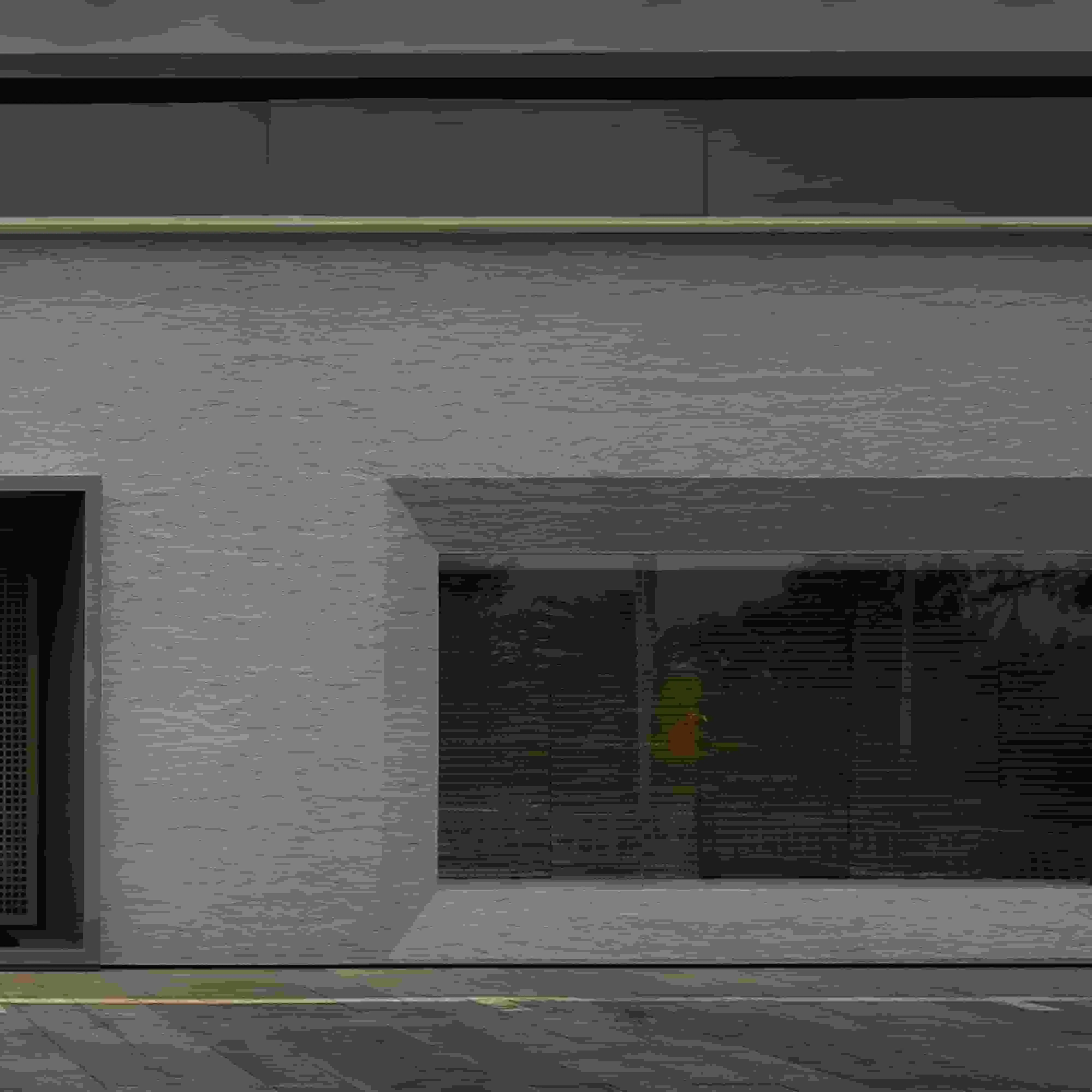
Numbers and tables are great, but let's look at a real project to see how Oasis Stone Regular performs in the field. Meet the Al-Mansoori Community Center in Dubai, a 10,000-square-meter facility built in 2023 with sustainability at its core. The architects wanted a material that would reflect the region's natural beauty while keeping the project's carbon footprint low—and Oasis Stone Regular was the answer.
The center's exterior features 2,500 square meters of Oasis Stone Regular in "travertine (starry blue)" and "Oasis Stone Regular" finishes, chosen for their resemblance to the desert sky at dusk. Here's what made the project stand out:
The Al-Mansoori Center isn't an anomaly. From boutique hotels in Bali to office buildings in Berlin, Oasis Stone Regular is popping up worldwide, proving that sustainability and style can coexist.
At the end of the day, Oasis Stone Regular isn't just a building material—it's a statement. It says that we don't have to choose between beautiful design and a healthy planet. The manufacturing process, from sustainable sourcing to solar curing, is a masterclass in how to do things better. It's proof that green building materials can be durable, affordable, and stunning—no compromises required.
As builders, architects, and homeowners, we hold the power to shape the future of construction. Every choice we make—from the materials we use to the designs we create—ripples out into the world. Oasis Stone Regular is more than a product; it's a step toward a future where our buildings enhance the planet, not harm it.
So the next time you walk past a building with a stunning stone facade, take a closer look. Is it natural stone, shipped halfway around the world? Or could it be something like Oasis Stone Regular—crafted with care, designed for sustainability, and built to last? The future of building is green, and it's closer than you think.
Recommend Products












