
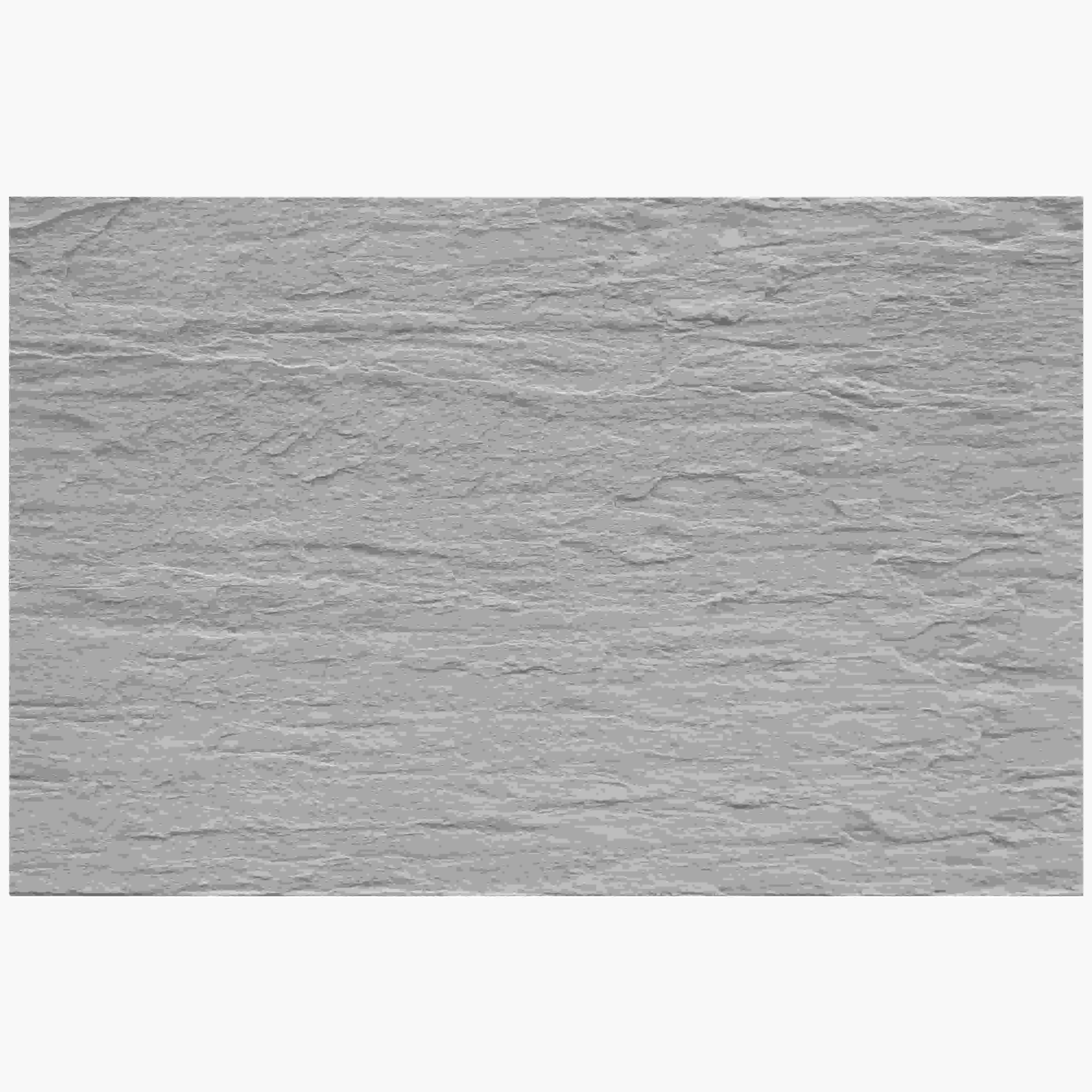
In the world of architecture, a building's facade is more than just a pretty face—it's a shield, a storyteller, and a bridge between the structure and its surroundings. Among the myriad materials shaping modern skylines, Oasis Stone Regular has emerged as a favorite for designers seeking both durability and character. But what truly elevates this material from good to exceptional? The answer lies in its surface treatments. These subtle yet powerful modifications don't just enhance its appearance; they transform its performance, making it adaptable to diverse climates, functional needs, and aesthetic visions. Let's dive into how these treatments work, why they matter, and how they're reshaping the way we build.
Imagine a raw slab of stone—strong, yes, but vulnerable. Left untreated, it might absorb rainwater, fade under harsh sunlight, or lose its luster in high-traffic areas. Surface treatments act as a protective layer, a stylist, and a problem-solver all in one. For Oasis Stone Regular, a material prized for its versatility, these treatments are the key to unlocking its full potential. They can make it slip-resistant for a busy shopping mall floor, water-repellent for a coastal hotel facade, or subtly textured to mimic ancient stone in a heritage restoration project. In short, surface treatments turn a good material into a great one, tailored to the unique demands of each project.
But their impact goes beyond function. A building's facade is often the first thing people notice, and texture plays a huge role in how we perceive space. A polished finish might exude modern elegance, while a sandblasted surface feels warm and inviting. For architects, this means surface treatments are a tool for storytelling—whether they're aiming to evoke the rugged beauty of a desert landscape or the sleek precision of a futuristic city. And with Oasis Stone Regular's natural palette, treatments can enhance existing hues, from soft beiges to deep grays, adding depth and dimension that static materials like fair-faced concrete often lack.

Oasis Stone Regular's adaptability shines through its range of surface treatments, each designed to meet specific needs. Below is a breakdown of the most popular options, their methods, and how they enhance the material's performance:
| Treatment Type | Method | Key Benefits | Ideal Applications |
|---|---|---|---|
| Polished | Grinding with fine abrasives to create a high-gloss finish | Enhances color depth; easy to clean; reflects light for bright spaces | Modern interiors, lobby floors, high-end retail facades |
| Honed | Grinding to a smooth, matte finish without gloss | Reduces glare; hides fingerprints/scratches; soft, elegant texture | Residential floors, office lobbies, outdoor patios |
| Sandblasted | High-pressure sand to etch a rough, textured surface | Superior slip resistance; hides wear; weather-resistant | Pool decks, pedestrian walkways, exterior cladding in rainy climates |
| Brushed | Wire brushes create parallel grooves for a linear texture | Adds visual interest; moderate slip resistance; accentuates natural stone grain | Feature walls, fireplace surrounds, heritage-inspired facades |
| Antiqued | Acid washing or tumbling to mimic aged, weathered stone | Evokes historical charm; masks minor damage; blends with heritage structures | Restoration projects, boutique hotels, cultural centers |

The polished finish is a classic for a reason. By grinding the stone's surface with progressively finer abrasives, it creates a mirror-like shine that amplifies Oasis Stone Regular's natural colors. But this isn't just about looks—polishing also seals the stone's pores, making it less porous and more resistant to stains. In high-traffic areas like hotel lobbies or shopping malls, this means fewer spills soak in, and cleaning is a breeze with just a damp cloth. However, polished surfaces can be slippery when wet, so they're best paired with anti-slip sealants in outdoor or wet environments. For example, a recent project in Dubai used polished Oasis Stone Regular for its lobby floors, where the reflective finish complements the space's glass walls, creating an illusion of endless light—all while withstanding daily foot traffic without losing its luster.
If polished is the diva of finishes, honed is the reliable workhorse. By stopping the grinding process before the gloss stage, honed Oasis Stone Regular has a smooth, matte surface that's easy on the eyes and the maintenance crew. Unlike polished stone, it doesn't show fingerprints or water spots, making it ideal for busy residential kitchens or office break rooms. Its slip resistance is also superior to polished finishes, though not as high as sandblasted. A school in Barcelona recently chose honed Oasis Stone Regular for its corridors, citing its ability to hide scuff marks from backpacks and chairs while maintaining a calm, uniform appearance. "It's the kind of finish that looks better with age," the project architect noted. "Minor wear just adds to its character."
For projects facing harsh weather—think coastal areas with salt spray or mountain regions with heavy snow—sandblasted Oasis Stone Regular is a game-changer. The high-pressure sand etches tiny grooves into the surface, creating a rough texture that grips shoes, reducing slip risks even in wet conditions. This makes it a top choice for pool decks, outdoor plazas, and pedestrian bridges. But its benefits go beyond safety: the textured surface also scatters sunlight, preventing glare, and hides dirt, so it stays looking clean longer. A coastal resort in Greece used sandblasted Oasis Stone Regular for its terrace floors, and after three years of exposure to saltwater and strong winds, the material shows no signs of erosion. "We tested several options, including travertine (starry green), but the sandblasted finish on Oasis Stone held up better against the elements," the resort's maintenance manager explained.
Brushed finishes are all about texture with purpose. Using wire brushes, craftsmen create parallel lines that follow the stone's natural grain, adding visual interest without overwhelming a space. This treatment is popular in projects aiming for a balance between modern and organic design, like boutique hotels or art galleries. The linear texture also helps mask minor scratches, making it suitable for high-traffic areas where appearance matters. A restaurant in Tokyo combined brushed Oasis Stone Regular with MCM flexible stone for its facade— the brushed stone's warm, tactile surface contrasts beautifully with the MCM panels' sleekness, creating a facade that changes with the light. "Guests often comment on how the brushed texture feels like running your hand over weathered wood," the restaurant's designer shared. "It adds a sensory layer that plain concrete just can't match."
For projects steeped in history, antiqued Oasis Stone Regular is a nod to the past with a modern twist. Acid washing or tumbling creates a weathered look, mimicking the patina of stone that's stood for centuries. This finish is perfect for heritage restorations, like a 19th-century theater in Rome that used antiqued Oasis Stone to replace damaged original stone. The treatment matched the old stone's color and texture so seamlessly that visitors can't tell where the original ends and the new begins. But antiqued isn't just for old buildings—it's also trending in contemporary design, where contrast is key. A new café in Paris paired antiqued Oasis Stone with sleek metal accents, creating a space that feels both cozy and cutting-edge. "Antiqued finish adds soul," the café owner said. "It makes the stone feel like it has a story, which resonates with our customers."
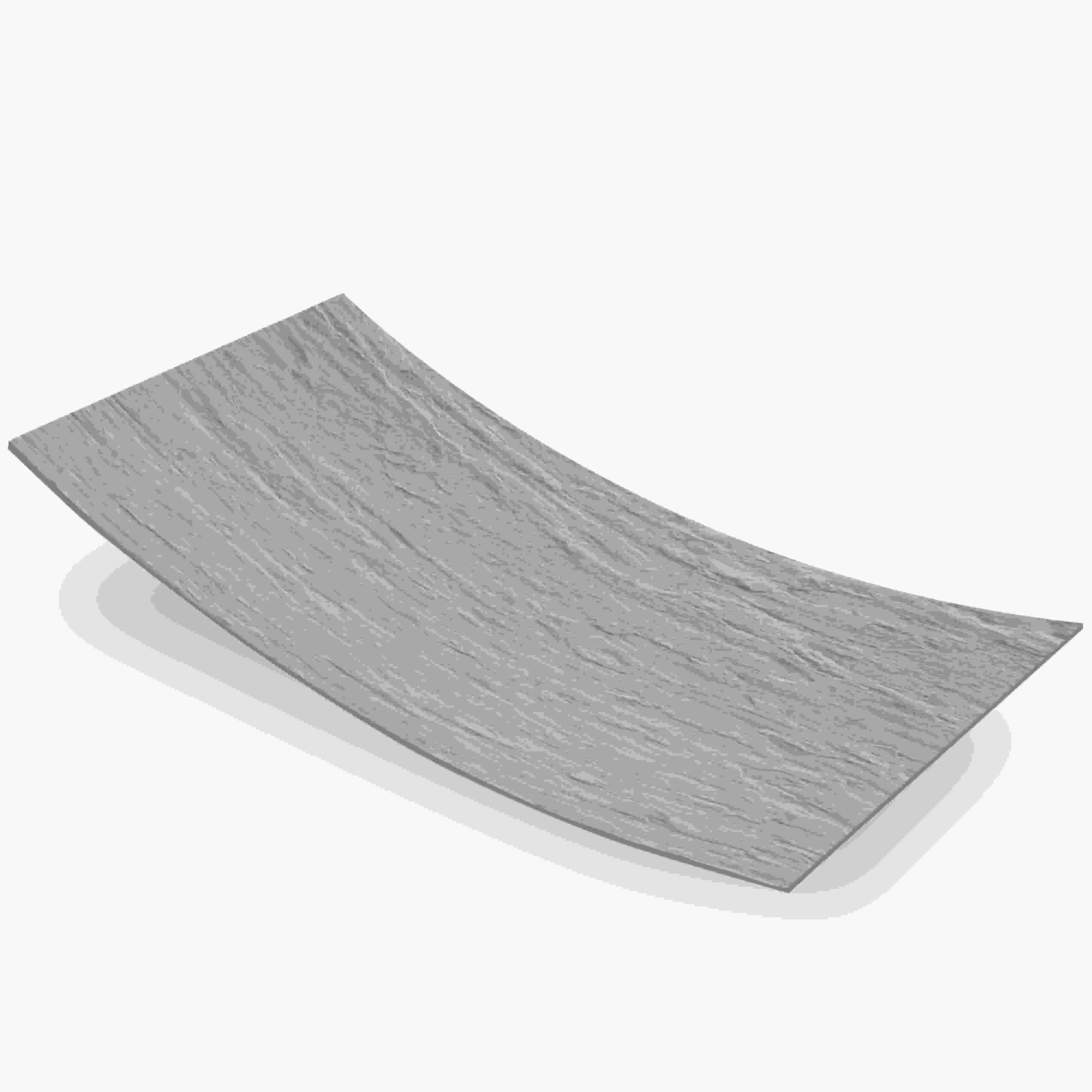
What sets Oasis Stone Regular apart from other facade materials? Its ability to adapt. Take fair-faced concrete, for example—a popular choice for minimalist designs. While concrete offers a uniform look, its surface treatments are limited, often restricted to staining or stamping. Oasis Stone Regular, by contrast, can be polished, honed, sandblasted, or antiqued, offering far more creative flexibility. Similarly, materials like lunar peak silvery (a metallic-finish stone) are stunning but lack the textural variety that Oasis Stone's treatments provide. Lunar peak silvery's shine is fixed, whereas Oasis Stone can shift from glossy to rugged, depending on the treatment.
Even within the travertine family, Oasis Stone Regular holds its own. Travertine (starry green), with its unique veining, is beautiful but porous, requiring frequent sealing. Oasis Stone Regular, with treatments like polishing or honing, has a denser surface that's more resistant to staining and water absorption. A museum in Istanbul compared the two for its outdoor sculpture garden: while travertine (starry green) was initially favored for its color, the team switched to sandblasted Oasis Stone after testing showed it required 50% less maintenance over 10 years. "We loved the starry green's look, but the Oasis Stone's durability won us over," the museum's curator said. "It's a material that works as hard as we do."

As architecture evolves, so do surface treatments. One emerging trend is the integration of sustainable practices—think treatments using eco-friendly sealants or water-based dyes that reduce environmental impact. Another is the use of digital technology: 3D scanning to map a stone's natural grain, then customizing treatments to enhance specific patterns. For example, a recent project used 3D printing to create a brushed finish that follows the stone's unique veining, resulting in a one-of-a-kind texture that's both organic and precise. This blend of old-world craftsmanship and new technology is opening up exciting possibilities for Oasis Stone Regular, allowing designers to create facades that are not just functional, but works of art.
There's also growing interest in smart treatments—coatings that react to environmental changes. Imagine a facade that darkens in intense sunlight to reduce heat absorption, or lightens in low light to brighten a space. While still in development, these innovations could make Oasis Stone Regular even more adaptable to climate change, a critical consideration for future-proofing buildings. "The goal is to make the stone work smarter, not harder," says a materials scientist at a leading research lab. "Treatments won't just protect the stone—they'll help the building perform better overall."
Oasis Stone Regular is more than a building material—it's a canvas, and surface treatments are the brushstrokes that bring it to life. From polished lobbies that sparkle with light to sandblasted plazas that stand up to storms, these treatments transform the stone's performance, making it versatile enough for any project. Whether paired with modern materials like MCM flexible stone or standing alone in a heritage restoration, Oasis Stone Regular's treatments ensure it's not just built to last, but built to inspire.
As architects and designers continue to push boundaries, one thing is clear: the future of building lies in materials that can adapt. And with its range of surface treatments, Oasis Stone Regular is leading the way—proving that sometimes, the smallest changes (to a stone's surface) can make the biggest difference in how we live, work, and experience the spaces around us.
Recommend Products












