Picture this: You're walking through a modern shopping mall on a sweltering summer day. The air conditioning is cranked up, but outside, the sun blazes at 40°C (104°F). Later that evening, a thunderstorm rolls in, dropping the temperature by 20°C in a matter of hours. Now, think about the walls, floors, and facades surrounding you. What if I told you those surfaces are silently expanding and contracting with every temperature swing? This invisible dance is called thermal expansion, and it's one of the most critical yet overlooked factors in building durability.
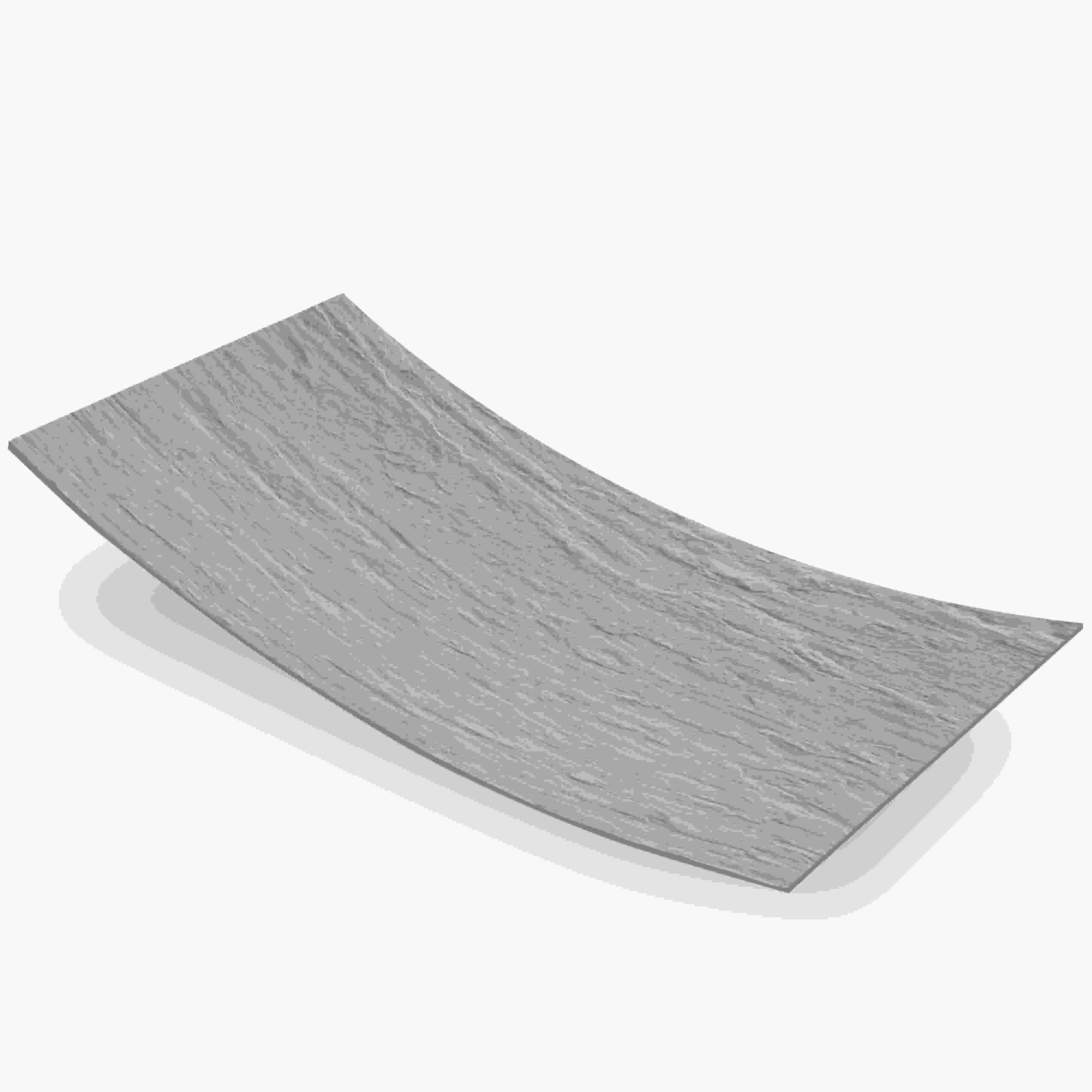
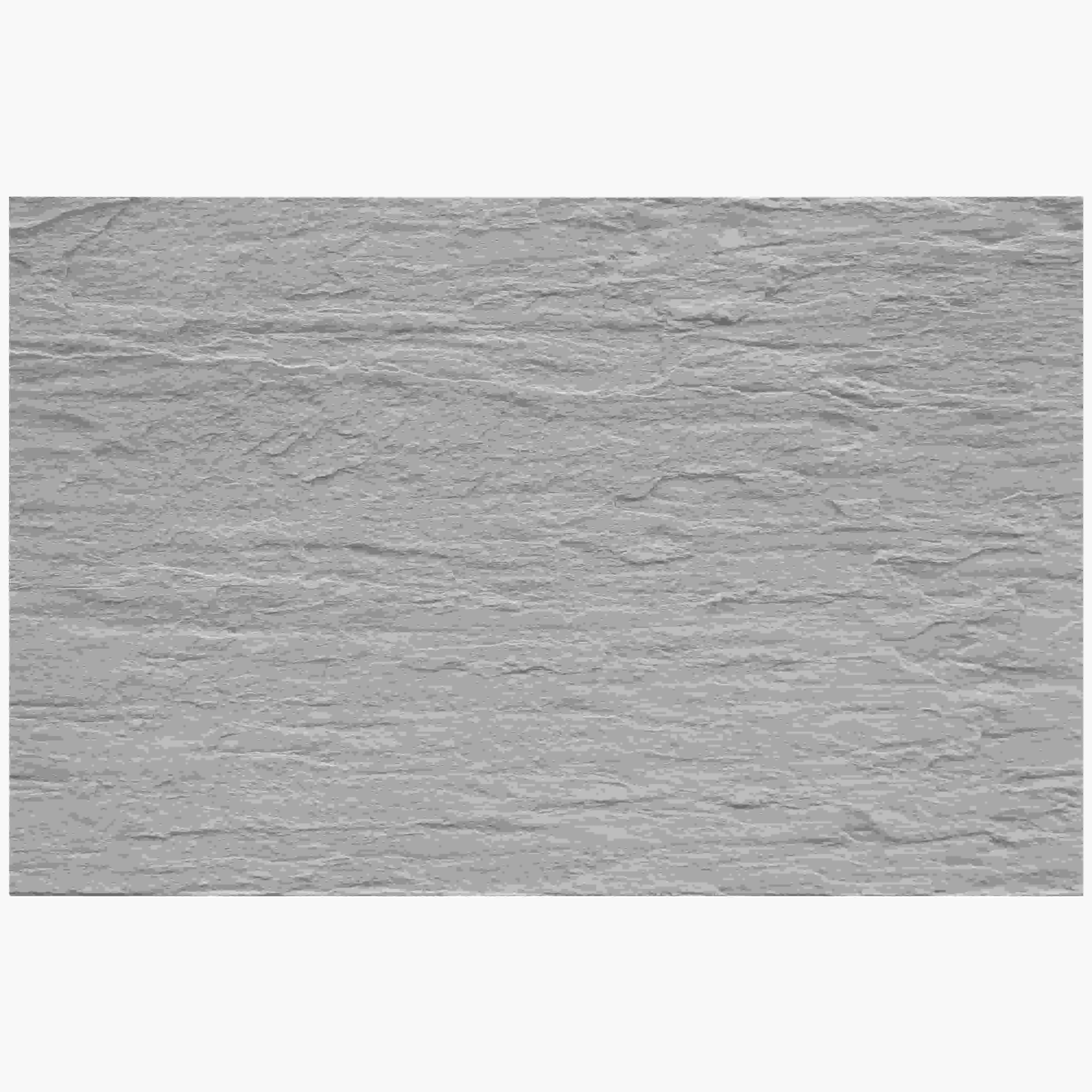
For architects, contractors, and homeowners alike, choosing materials that can handle these daily (and seasonal) fluctuations isn't just about aesthetics—it's about avoiding cracks, warping, and costly repairs down the line. Enter Oasis Stone Regular, a standout in the world of modified composite materials (MCM) that's gaining attention not just for its stunning visual appeal but for its impressive ability to manage thermal expansion. In this article, we'll dive deep into what thermal expansion means for your projects, how Oasis Stone Regular stacks up against other materials like fair-faced concrete and Lunar Peak Silvery, and why understanding this property could be the difference between a project that lasts decades and one that starts showing signs of wear in just a few years.