
Choosing the right building materials isn't just about looks—it's about balancing budget, durability, and performance. Whether you're sprucing up a storefront, building a new home, or revamping an office, the materials you pick can make or break your project's finances. Today, we're zeroing in on two popular options: Oasis Stone Regular and foamed aluminium alloy boards (those sleek, modern panels you've seen on contemporary buildings). Let's break down their costs, so you can make a decision that feels smart for both your wallet and your vision.
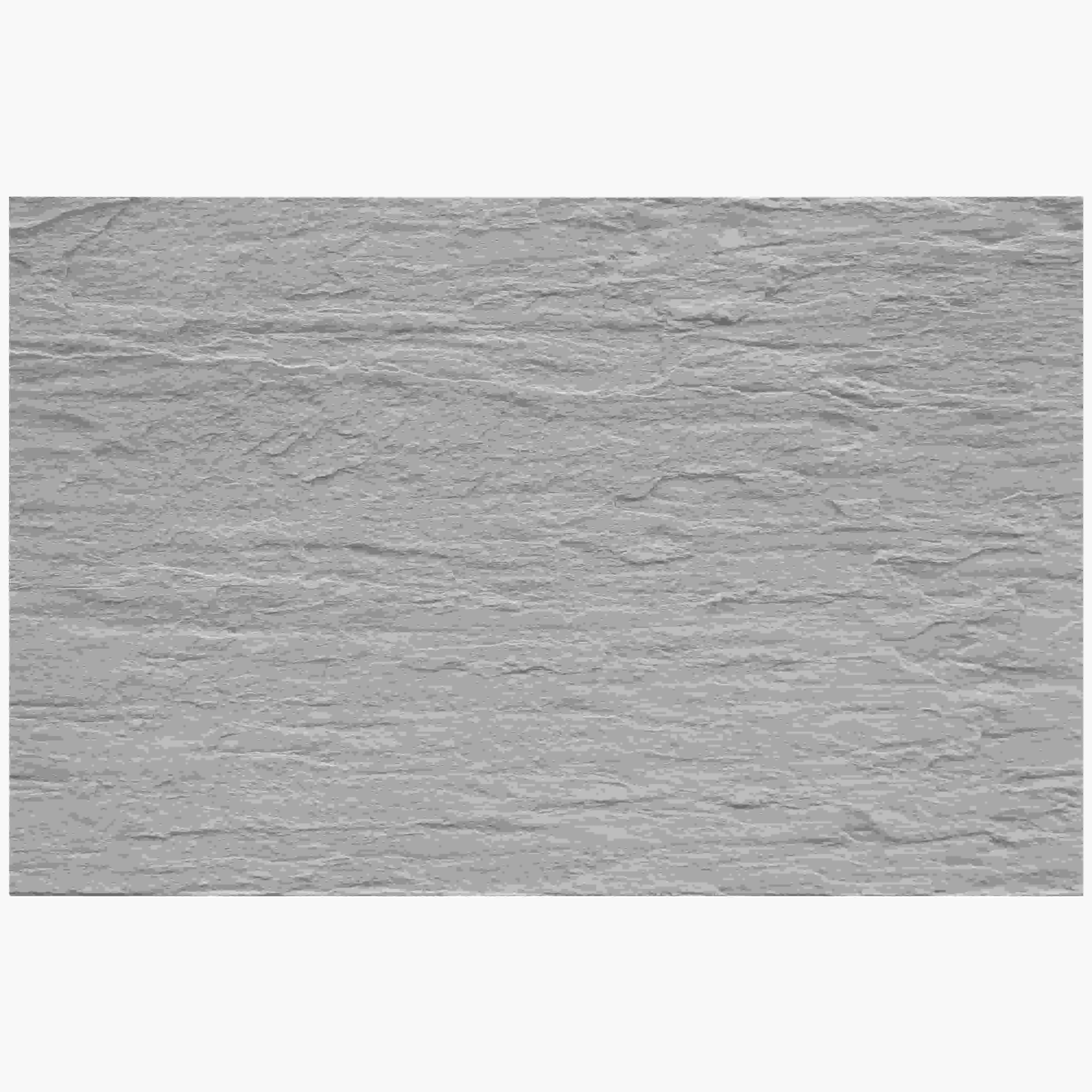
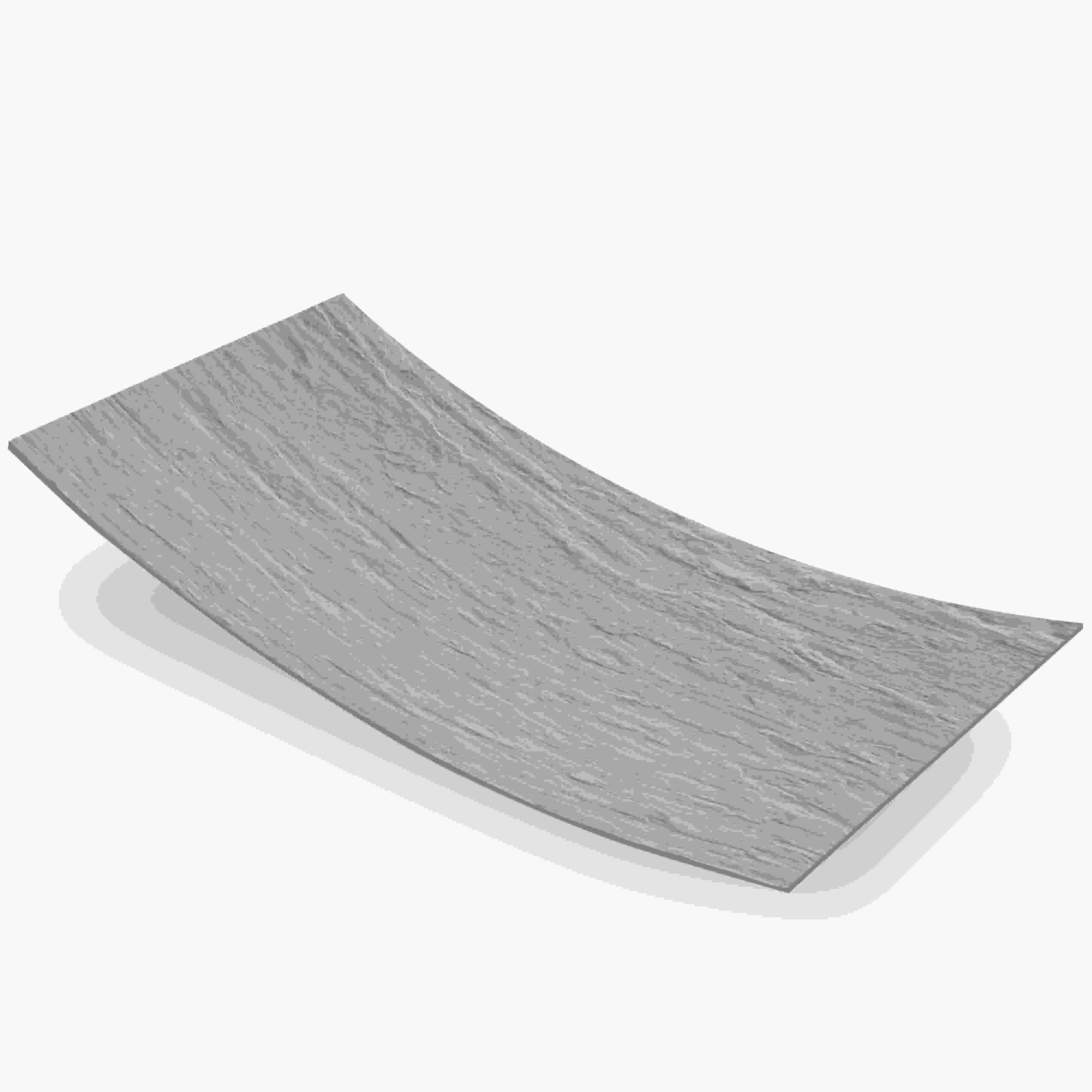
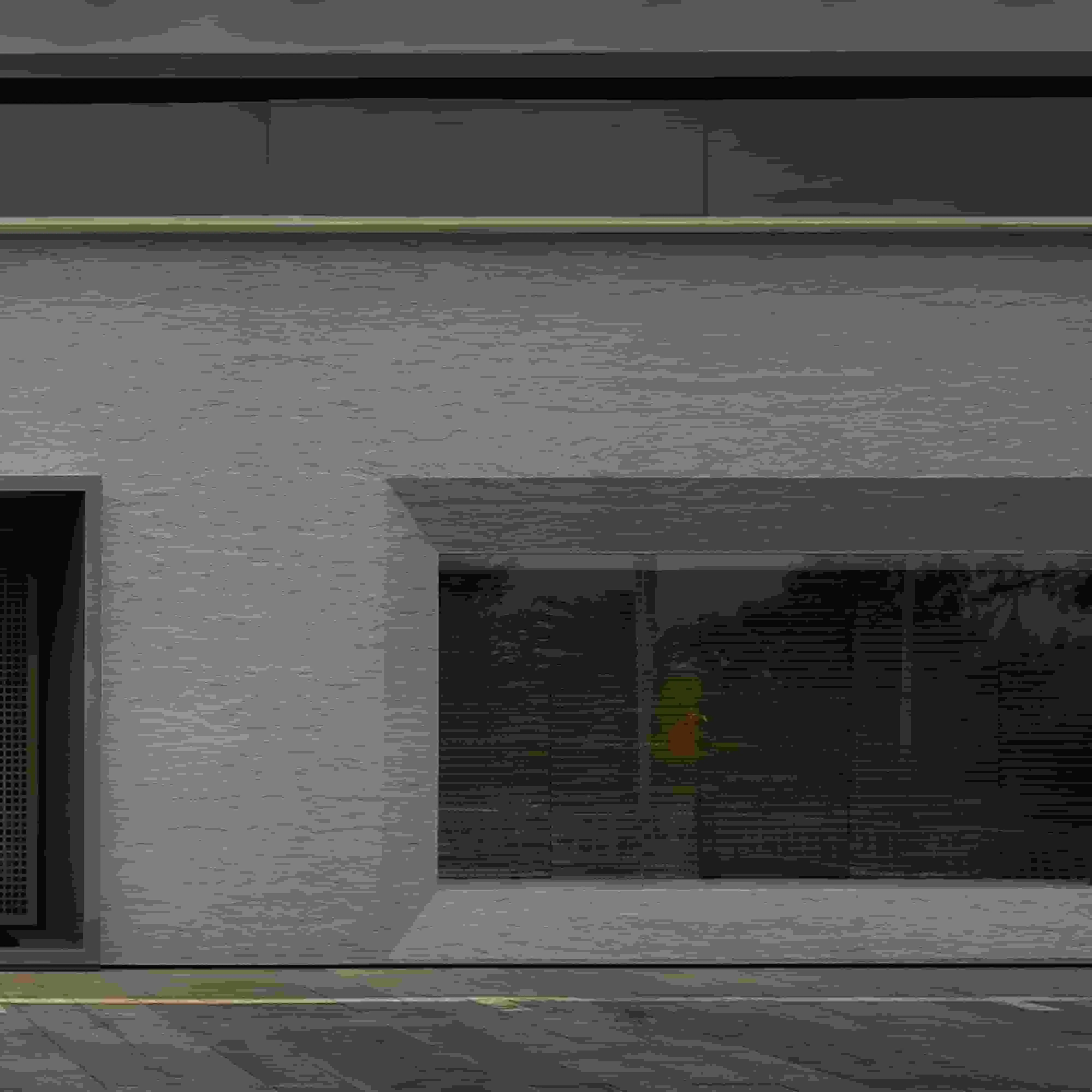
Oasis Stone Regular is part of the broader MCM flexible stone family—think of it as nature meets innovation. It's made by blending natural stone aggregates with modified composite materials, giving it the texture and appearance of real stone but with added flexibility and lighter weight. If you've walked past a building with a warm, earthy facade that looks like it's been carved from desert rock, chances are it's something like Oasis Stone Regular. It's popular for exteriors, accent walls, and even indoor feature panels, thanks to its durability and resistance to weather, scratches, and fading.
Here's the thing about Oasis Stone: it's designed to mimic the look of natural stone without the heft or price tag of quarried stone. It comes in variants like Oasis Stone Rane and Oasis Stone Foge , but for this analysis, we're focusing on the "Regular" variant—the workhorse of the line that balances cost and performance.
On the flip side, foamed aluminium alloy boards are all about that contemporary, industrial-chic vibe. These panels are made by compressing aluminum alloy into a lightweight, foam-like structure (hence "foamed"), then coating them with finishes like vintage silver , vintage gold , or classic gold . They're thin, lightweight, and incredibly versatile—perfect for creating smooth, metallic facades, signage, or interior accent walls that catch the light just right.
What makes them stand out? Their weight. Unlike solid metal or stone, foamed aluminium panels are easy to transport and install, which can be a big plus for tight construction schedules. They're also resistant to corrosion, which is a win for coastal areas or places with harsh weather. But as with any material, there's a trade-off between that sleek look and long-term costs.
When we talk about "cost," most people think of the initial price per square foot. But smart builders know better—it's the total cost over time that really matters. Let's break this down into parts: initial material cost , installation , maintenance , and longevity . We'll compare both materials side by side, so you can see where your money is really going.
Let's put numbers to this (these are ballpark figures based on industry averages—always get quotes from local suppliers!).
| Cost Factor | Oasis Stone Regular | Foamed Aluminium Alloy Board (Vintage Silver/Gold) |
|---|---|---|
| Initial Material Cost (per sq ft) | $12–$18 | $15–$25 |
| Installation Cost (per sq ft) | $8–$12 (heavier than aluminium, requires more labor) | $5–$8 (lightweight, faster to install) |
| Maintenance (Yearly Average) | $1–$2 (sealing every 3–5 years, minor cleaning) | $0.50–$1 (occasional cleaning with mild detergent) |
| Estimated Lifespan | 25–30 years (with proper maintenance) | 15–20 years (finish may fade or scratch over time) |
| Total Cost Over 20 Years* | $32–$46 (material + install + maintenance) | $35–$51 (material + install + maintenance + partial replacement) |
*Assumes no major damage; aluminium may require partial panel replacement around year 15, adding $5–$10/sq ft.
Numbers on paper are helpful, but let's talk real life. Oasis Stone Regular, being a flexible stone , is tough. It can handle extreme temperatures, heavy rain, and even the occasional hailstorm without cracking. That means fewer repairs over time. On the flip side, foamed aluminium panels, while scratch-resistant, can dent if hit by something heavy (like a wayward ladder during roof maintenance). Replacing a single aluminium panel might cost $20–$30 per sq ft (including labor), whereas repairing a small chip in Oasis Stone could be as simple as a touch-up kit costing $50.
Another angle: energy efficiency. Oasis Stone has natural thermal mass, which can help insulate buildings, reducing heating and cooling costs. It's not a huge savings—maybe $50–$100 per year for a small commercial building—but over 20 years, that adds up. Foamed aluminium, being thin and metallic, offers little insulation, so you might end up paying more in utility bills. Not a dealbreaker, but worth factoring in.

Costs aren't set in stone (pun intended). Here are a few wildcards that can make one material cheaper than the other, depending on your project:
Theory is great, but how does this play out in real projects? Let's look at two common scenarios:
You want a warm, inviting look for your café. Let's crunch the numbers:
Oasis wins here—lower total cost over 20 years, and that earthy vibe fits a café perfectly.
You need a sleek, modern look for a corporate building. Bulk discounts apply:
Oasis still comes out ahead, even with a large project. The initial savings on material and install add up fast, and lower long-term costs seal the deal.
It depends on your priorities. If you want long-term savings , durability , and a natural, earthy aesthetic , Oasis Stone Regular is the way to go. It's a solid investment that pays off over decades, especially for projects where maintenance and replacement costs would be a headache.
If you're after a sleek, modern look and need something fast to install (like a tight deadline), foamed aluminium alloy boards might be worth the extra long-term cost—especially for temporary structures or buildings you plan to renovate in 10–15 years anyway. Plus, those vintage gold or silver finishes can make a bold design statement that draws customers in.
At the end of the day, both materials have their strengths. Oasis Stone Regular is a workhorse that blends beauty and longevity, while foamed aluminium alloy boards offer modern flair and ease of installation. The key is to look beyond the initial price tag and think about how the material will perform—and cost—over the life of your project.
And hey, if you're torn, why not mix them? Use Oasis Stone for the main facade and aluminium panels for accent pieces. That way, you get the best of both worlds—without breaking the bank. Happy building!
Recommend Products












