
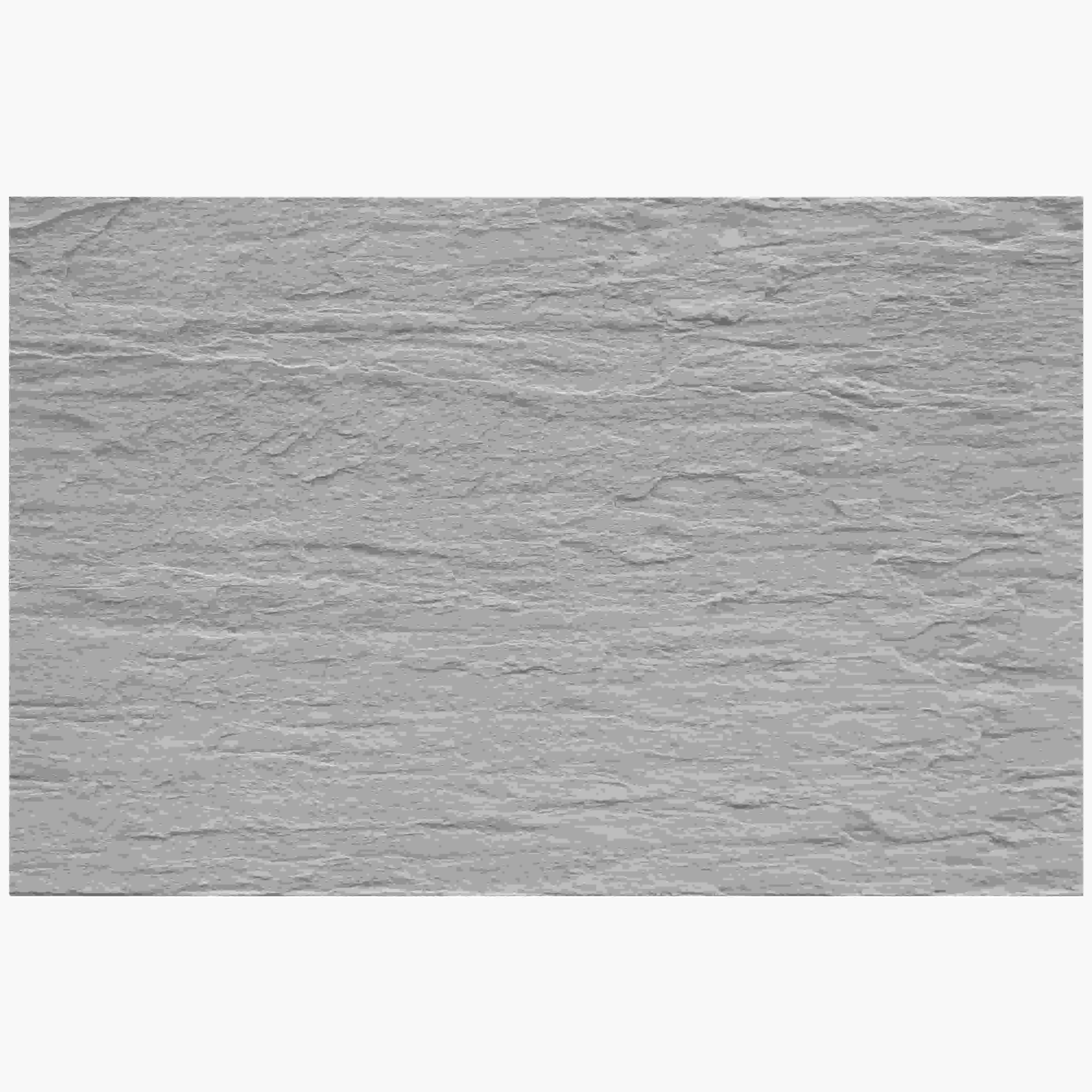
Let's talk about building materials—those unsung heroes that shape the walls we live behind, the facades that define our cities, and the structures that stand the test of time. For architects, builders, and even DIY enthusiasts, picking the right material isn't just about looks (though that matters!). It's about two big players: weight and strength . Too heavy, and you're overloading your structure; not strong enough, and you're compromising safety. Today, we're putting two popular options head-to-head: Oasis Stone Regular and good old Concrete Panels . Which one pulls ahead when it comes to being light on its feet but tough as nails? Let's dive in.
Before we start nitpicking weight and strength, let's make sure we're all on the same page about what these materials even are. They might both end up on building exteriors or interiors, but their DNA? Totally different.
If you haven't heard of Oasis Stone Regular yet, don't worry—you're not alone. It's part of a newer wave of
modified composite material panels
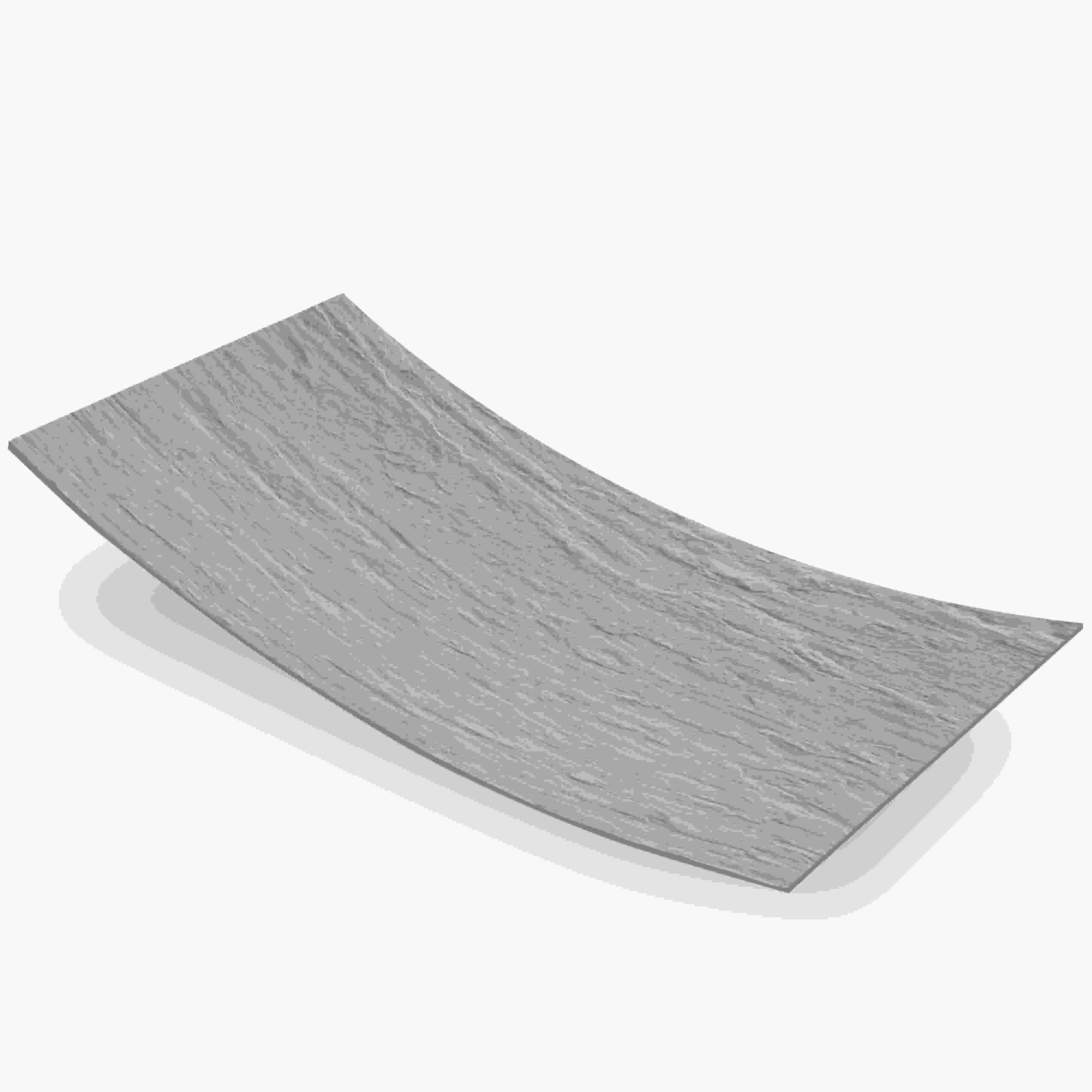
(fancy term, I know) that's been turning heads in the construction world. Think of it as a blend of traditional stone aesthetics and modern engineering. Instead of being hewn from a single block of rock, it's crafted by combining natural minerals with reinforced fibers and polymers. The result? A material that's designed to mimic the look of natural stone (think earthy textures, warm tones) but with a twist: it's
flexible
and
lightweight
.
Builders love it for more than just looks, though. Its composition makes it easier to cut, shape, and install compared to solid stone. But today, we're zeroing in on two key traits: how much it weighs and how much punishment it can take. Spoiler: "lightweight flexible stone sheets" isn't just a marketing buzzword here—it's a game-changer.
Concrete panels, on the other hand, are the grandfathers of the construction scene. You've seen them everywhere: industrial buildings, parking garages, even some modern homes going for that "raw, minimalist" vibe. These are precast slabs made by pouring concrete (a mix of cement, sand, gravel, and water) into molds, letting them cure, and then shipping them to job sites.
They're known for being dense, rigid, and… well, heavy. But that heft has long been seen as a badge of honor. For decades, "heavy" equaled "strong" in construction circles. Concrete panels have a reputation for standing up to harsh weather, supporting heavy loads, and lasting decades. But in a world where efficiency and sustainability matter more than ever, is that old mindset still holding up?

Let's get real: when you're hauling materials to the 20th floor of a high-rise or retrofitting an old building with fragile foundations, every kilogram counts. Weight affects everything from transportation costs (heavier panels need bigger trucks) to installation time (more workers, bigger cranes) to the structural demands on your building (your foundation and beams have to support all that mass). So, how do Oasis Stone Regular and Concrete Panels stack up here? Let's break it down.
To make this concrete (pun intended), let's look at the numbers. We'll compare weight per square meter, since that's how most builders measure material loads. I've pulled data from industry specs and real-world supplier sheets to keep it honest:
| Material | Weight (kg per square meter) | Typical Thickness Range (mm) | Transportation Ease | Installation Labor Needs |
|---|---|---|---|---|
| Oasis Stone Regular | 8 – 12 kg | 6 – 12 mm | Easy (fits more panels per truck) | 2 – 3 workers (no heavy lifting gear needed) |
| Concrete Panels (Standard Precast) | 20 – 30 kg | 15 – 30 mm | Challenging (fewer panels per truck, higher fuel costs) | 4 – 5 workers + crane or forklift |
Whoa, that's a gap.
Oasis Stone Regular clocks in at less than half the weight of standard concrete panels. Let's put that in perspective: if you're covering a 100-square-meter wall, Oasis Stone would weigh 800 – 1,200 kg total. Concrete panels? 2,000 – 3,000 kg. That's like comparing a compact car to a pickup truck.
What does this mean for your project? For starters, transportation. A single truck can carry 3x more Oasis Stone panels than concrete ones, slashing delivery trips (and carbon emissions, if that's a priority). On-site, you won't need a massive crane to hoist panels up—sometimes a couple of workers with a basic lift can handle it. That cuts down on rental costs for heavy machinery and speeds up installation.
And let's not forget the building itself. Lighter materials mean less stress on your foundation, beams, and columns. For older buildings being renovated, this is a lifesaver—you won't have to reinforce the structure just to support the cladding. For new builds, it can even let you design taller structures with slimmer, more cost-effective foundations.
Here's the thing: sometimes, weight has benefits. In areas prone to high winds or earthquakes, heavier materials can feel more stable (though modern engineering often counters this with other techniques). But in most cases, especially in urban construction or projects where speed and cost matter, lighter is better. Oasis Stone Regular's low weight isn't just a convenience—it's a cost-saver and a flexibility booster.

Okay, so Oasis Stone Regular is lighter. But does that mean it's a pushover? The big question on every builder's mind: Is it strong enough to handle real-world conditions? Let's talk strength—specifically, compressive strength (how well it resists being crushed), tensile strength (how well it resists being pulled apart), and impact resistance (how it handles bumps, hail, or accidental hits).
Concrete has always been a rockstar (again, pun intended) at compressive strength. That's the ability to withstand weight pressing down on it—think of a load-bearing wall supporting the floors above. Standard concrete panels typically have a compressive strength of 30 – 40 MPa (megapascals, the unit of pressure). Some high-strength mixes can hit 60 MPa or more. That's why concrete is still the go-to for things like bridge supports and industrial floors.
Oasis Stone Regular, being a composite material, plays by different rules. Its compressive strength is lower than concrete—usually around 15 – 25 MPa. But here's where it surprises people:
tensile strength
. Concrete is brittle; it cracks easily when pulled or bent (that's why rebar is often added to reinforce it). Oasis Stone, thanks to those reinforced fibers in its mix, has much better tensile strength—around 3 – 5 MPa, compared to concrete's measly 2 – 3 MPa (without rebar).
What does that mean in real life? Imagine a hailstorm hitting your building facade. A concrete panel might chip or crack under impact because it can't bend. Oasis Stone, being more flexible, can absorb that impact and bounce back. It's like the difference between a glass plate and a plastic cutting board—one shatters, the other bends.
And let's not sleep on durability. Oasis Stone Regular is designed to resist moisture, mold, and UV rays—common enemies of building materials. Many suppliers even back it with 15 – 20 year warranties against fading or degradation. Concrete, while durable, can develop cracks over time if not sealed properly, leading to water damage and costly repairs.
Both materials fall under the umbrella of "high-strength construction boards," but they excel in different areas. Concrete is unbeatable for heavy compressive loads—if you're building a bunker or a factory floor, it's still the king. But for most commercial and residential cladding, facades, or interior walls, Oasis Stone Regular's blend of tensile strength, flexibility, and impact resistance makes it a more well-rounded choice. It's strong where it needs to be, without the extra weight.
Numbers and specs are great, but let's talk about actual projects. When would you pick Oasis Stone Regular over Concrete Panels, and vice versa?

Lightweight (8 – 12 kg/m²) = easier transport, lower labor costs, less structural stress.
Better tensile strength and flexibility = resists cracking from impacts or movement.
Faster installation = saves time on the job site.
Design versatility = can be curved, colored, or textured for unique aesthetics.
Moisture and UV resistant = lower maintenance over time.
Lower compressive strength than concrete = not ideal for heavy load-bearing roles.
Newer material = some builders may be hesitant to switch from "tried and true" concrete.
Slightly higher upfront cost per square meter (though savings in labor/transport often offset this).
Superior compressive strength = excellent for load-bearing walls and heavy-duty use.
Proven track record = decades of reliability in construction.
Lower upfront material cost (though higher labor/transport costs may erase this).
Fire-resistant = meets strict safety codes for commercial buildings.
Heavy (20 – 30 kg/m²) = higher transport costs, more labor, need for heavy machinery.
Brittle = prone to cracking under impact or structural movement.
Rigid = hard to shape into custom designs; limited aesthetic flexibility.
Requires sealing = higher maintenance to prevent moisture damage.
At the end of the day, there's no "one size fits all" answer. It depends on your project's needs. If you're building a high-rise, renovating an old building, or prioritizing speed and flexibility, Oasis Stone Regular is a standout. Its lightweight design and balanced strength make it a modern solution for a construction world that values efficiency.
But if you're working on an industrial site, a load-bearing wall, or need that ultra-high compressive strength, concrete panels still have their place. Just be prepared for the extra costs and labor that come with their heft.
Here's my two cents: The construction industry is moving toward smarter, more sustainable materials. Oasis Stone Regular, as a
modified composite material panel
, represents that shift—proving that you don't need to sacrifice strength for lightness. For most commercial and residential projects today, it's a strong contender (pun absolutely intended) that's worth a closer look.
So, next time you're standing in front of a material catalog, weighing your options (literally), remember: light doesn't have to mean weak. Sometimes, the future of building is lighter, stronger, and a little more flexible.
Recommend Products












