
Walk down any city street, and you'll notice buildings whispering stories through their facades. Some shout modernity with sleek glass, others murmur tradition with earthy stone. But beyond aesthetics, these outer layers do something far more critical: they're the first line of defense in the battle for energy efficiency. In a world where 40% of global energy consumption comes from buildings, the choice between materials like Oasis Stone Regular and glass facades isn't just about curb appeal—it's about comfort, cost, and the planet. Let's dive into how these two contenders stack up, and why the right choice might surprise you.
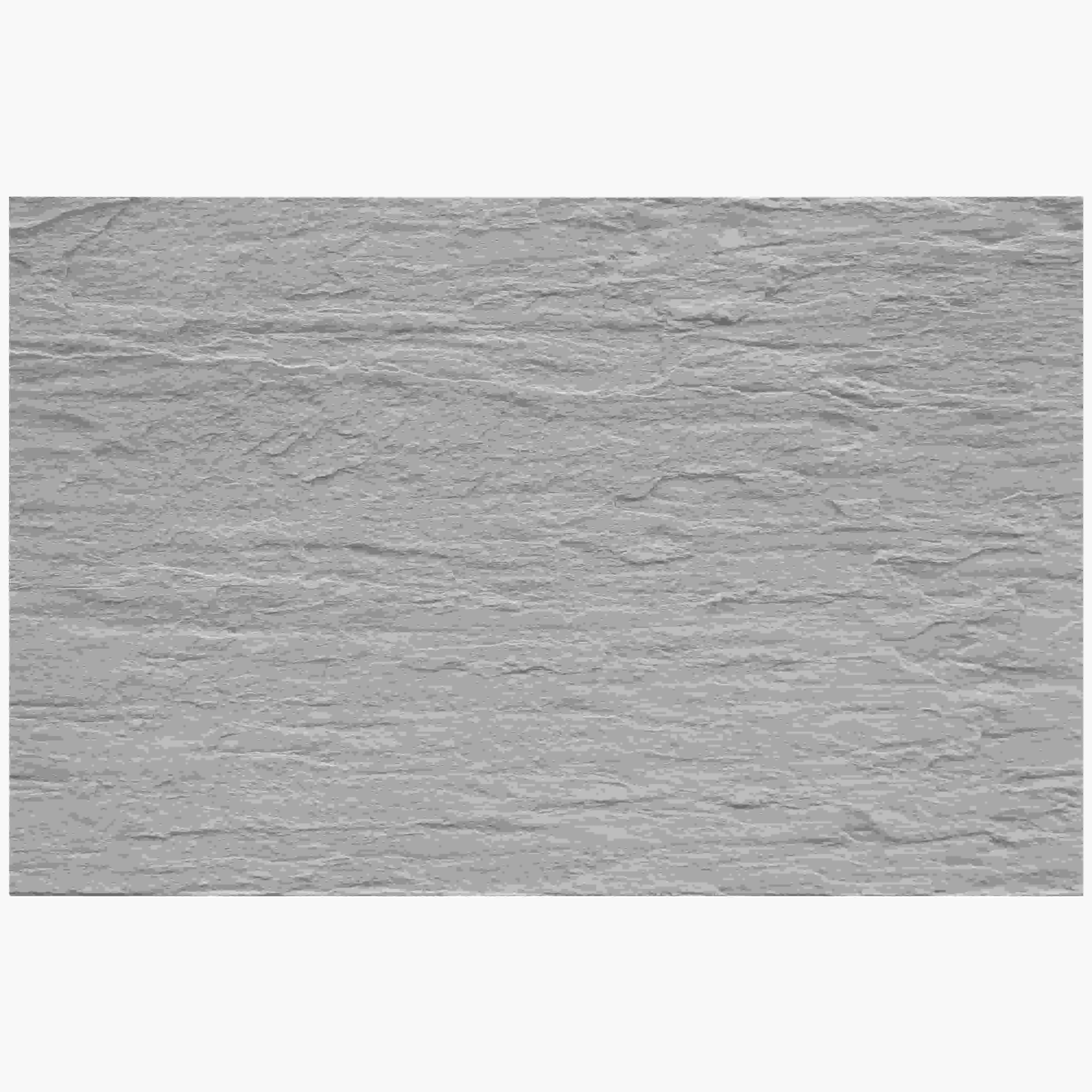
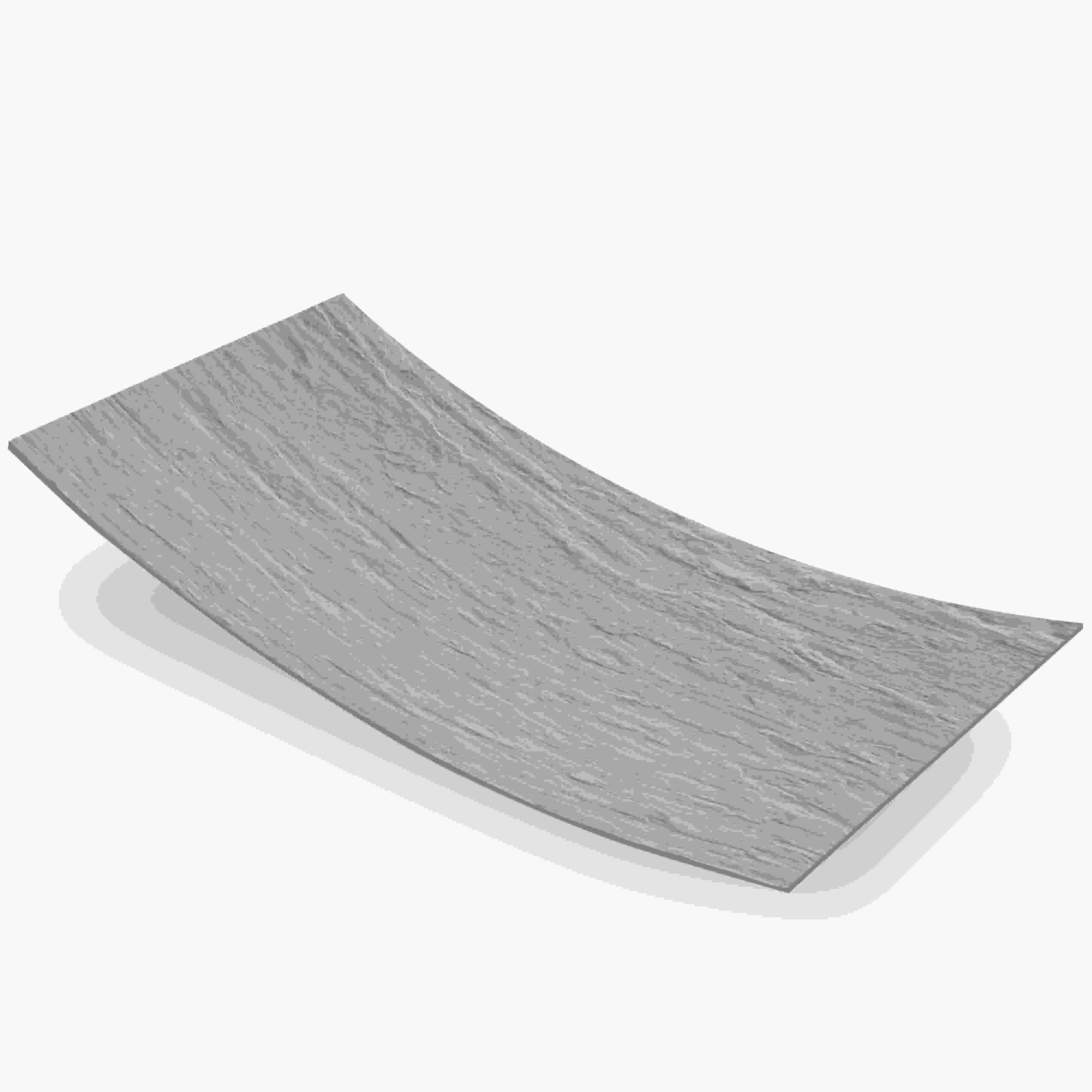
First up: Oasis Stone Regular , a standout in the MCM flexible stone family. If you're unfamiliar with MCM (Modified Composite Material), think of it as nature and technology shaking hands. These stones start with real mineral aggregates—think crushed travertine, slate, or limestone—blended with a lightweight, flexible backing. The result? A facade material that looks and feels like natural stone but weighs a fraction, bends without breaking, and plays nice with energy efficiency.
Oasis Stone Regular leans into earthy charm. Its surface mimics weathered sandstone, with soft, muted tones that shift with the light—beige bases streaked with warm grays, like sunlight filtering through desert dunes. Run your hand over it, and you'll feel texture: not the cold smoothness of glass, but the subtle grit of stone that's seen centuries. It's the kind of material that makes a building feel rooted, like it's been part of the landscape forever.
Fun fact: MCM flexible stone panels weigh just 3-5 kg per square meter—about the same as a large watermelon for a 10 sqm wall. Compare that to traditional stone, which can hit 50 kg/sqm, and you start to see why architects love it for retrofits and high-rises.
Now, glass facades—the darlings of 21st-century architecture. Picture the shimmering towers of downtown skylines, all glass and steel, reflecting clouds and sunsets. They're bold, they're bright, and they promise something we all crave: light. Tons of it. Walk into a glass-wrapped office, and you'll notice how the space feels airy, open, like the outdoors and indoors are having a conversation.
But here's the catch: that transparency comes with a trade-off. Traditional clear glass is a lousy insulator. It's like leaving a window open on a winter day—heat zooms out, cold rushes in, and your HVAC system works overtime to keep up. Sure, there are "low-e" (low-emissivity) coatings and double-glazed options now, but even then, glass struggles to compete with materials built for blocking heat flow.
Let's cut to the chase: How do these materials perform when the mercury spikes or plummets? We'll break it down into four key categories—thermal insulation, solar reflectance, thermal mass, and air tightness—to see which one comes out on top.
Insulation is all about resistance to heat flow, measured by R-value (the higher the R-value, the better the insulator). Let's start with glass. Even the best double-glazed, low-e glass has an R-value around 2.0-3.0. That's better than a single pane (R-0.9), but still, not great. Imagine wrapping your house in a thin blanket—cozy for a minute, but you'll still shiver when the wind picks up.
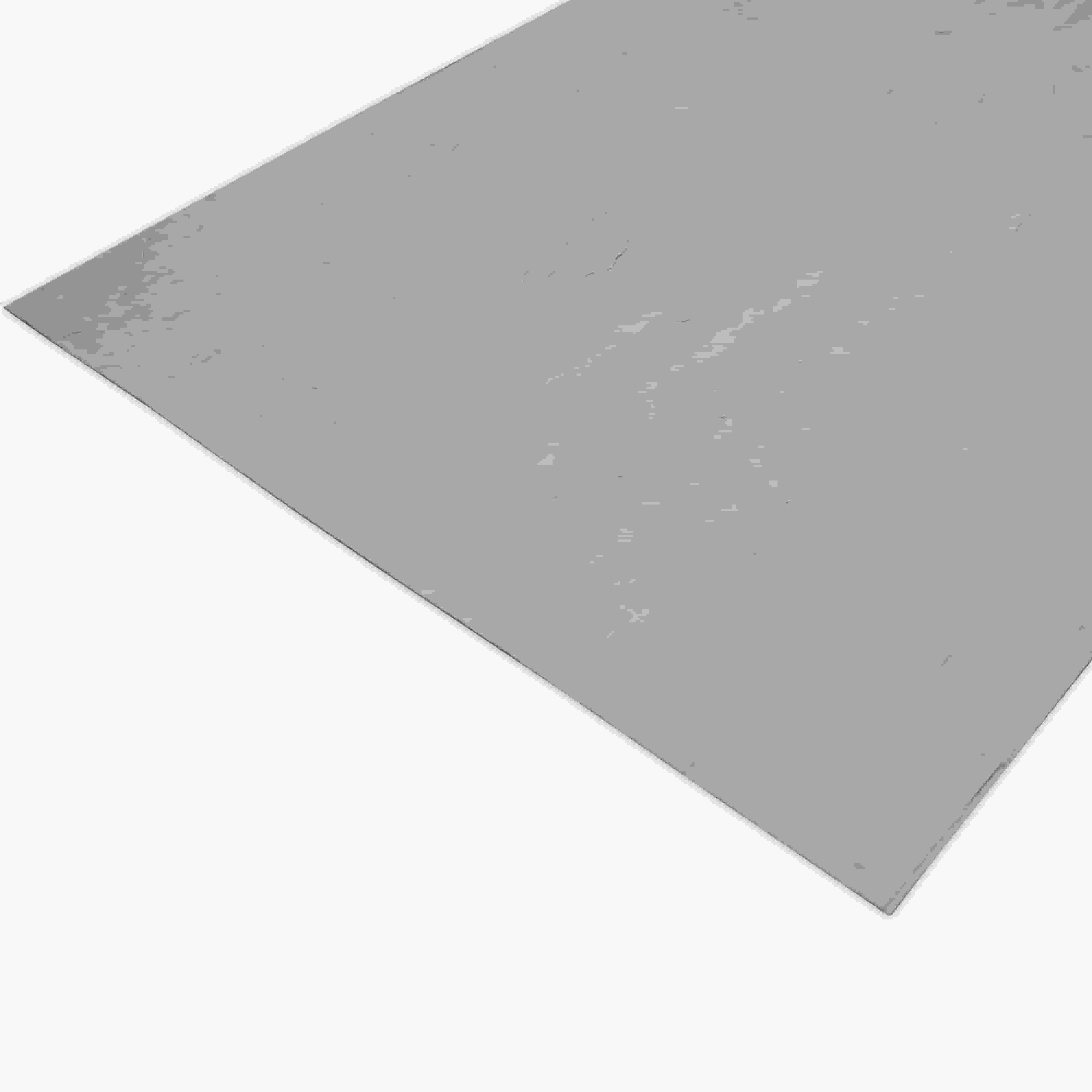
Oasis Stone Regular, thanks to its MCM flexible stone composition, cranks things up. Its R-value sits around 4.0-5.0, and when paired with a layer of rigid foam insulation behind it? You're looking at R-8.0 or higher. That's like upgrading from a thin blanket to a down comforter. In Phoenix, where summer temps hit 110°F, a building with Oasis Stone might need 30% less AC than one with glass. In Stockholm, that same stone could slash heating costs by 25% in winter.
Ever walked barefoot on black asphalt on a hot day? Ouch. That's solar absorptance—the material soaks up the sun's rays and radiates heat. Glass, especially dark-tinted glass, is a champion at this. It can absorb 70-80% of solar energy, turning your building into a giant solar oven. You've felt it: that stuffy, overheated feeling in a glass-walled room at 3 PM, even with the AC on.
Oasis Stone Regular, with its light, earthy tones, reflects 40-50% of solar radiation. It's like wearing a white shirt on a summer day instead of black—you stay cooler because the material sends the sun's heat packing. Some MCM stones, like Lunar Peak Silvery (a silvery-gray cousin of Oasis Stone), push reflectance up to 60%, making them stars in hot, sunny climates.
Thermal mass is a material's ability to absorb heat, store it, and release it slowly—like a battery for temperature. Think of a stone wall in the desert: it soaks up sun all day, then releases that heat at night, keeping the air warm. Glass? It has almost no thermal mass. It heats up fast, cools down fast, and does nothing to stabilize indoor temps. That's why glass buildings swing between too hot and too cold, leaving your thermostat on a rollercoaster.
Oasis Stone Regular, being a mineral-based material, has solid thermal mass. It won't solve all your temperature problems, but it takes the edge off. On a 95°F day, it absorbs heat during the afternoon, then releases it gradually overnight, so your AC doesn't kick on at 6 AM when the sun rises. In winter, it holds onto the warmth from sunlight, keeping rooms toasty long after sunset.
Even the best insulator fails if there are gaps. Glass facades, for all their sleekness, are tricky here. They're made of individual panes held together by sealants and metal frames. Over time, those seals crack, frames warp, and suddenly you've got drafts—cold air sneaking in, warm air rushing out. A 2018 study found that poorly installed glass facades can lose 20-30% of a building's heated/cooled air through leaks.
Oasis Stone Regular panels, on the other hand, lock together like puzzle pieces. Their flexible backing conforms to walls, and the interlocking edges create a tight seal. Installers often add a vapor barrier behind them, turning the entire facade into a single, airtight blanket. Less air leakage means less energy wasted—simple as that.

| Metric | Oasis Stone Regular (MCM Flexible Stone) | Standard Glass Facade (Double-Glazed, Low-E) |
|---|---|---|
| Thermal Resistance (R-value) | 4.0-5.0 (up to 8.0 with added insulation) | 2.0-3.0 |
| Solar Reflectance | 40-50% (up to 60% for light-toned variants like Lunar Peak Silvery) | 20-30% (dark tinted); 30-40% (clear) |
| Thermal Mass | High (absorbs/stores heat slowly) | Low (heats/cools rapidly) |
| Air Leakage | 0.1-0.3 air changes per hour (ACH) | 0.5-1.0 ACH (higher with age/seal failure) |
| Weight (per sqm) | 3-5 kg | 8-12 kg (glass + frame) |
| Installation Cost (per sqm) | $80-120 | $150-250 (higher for triple-glazed) |
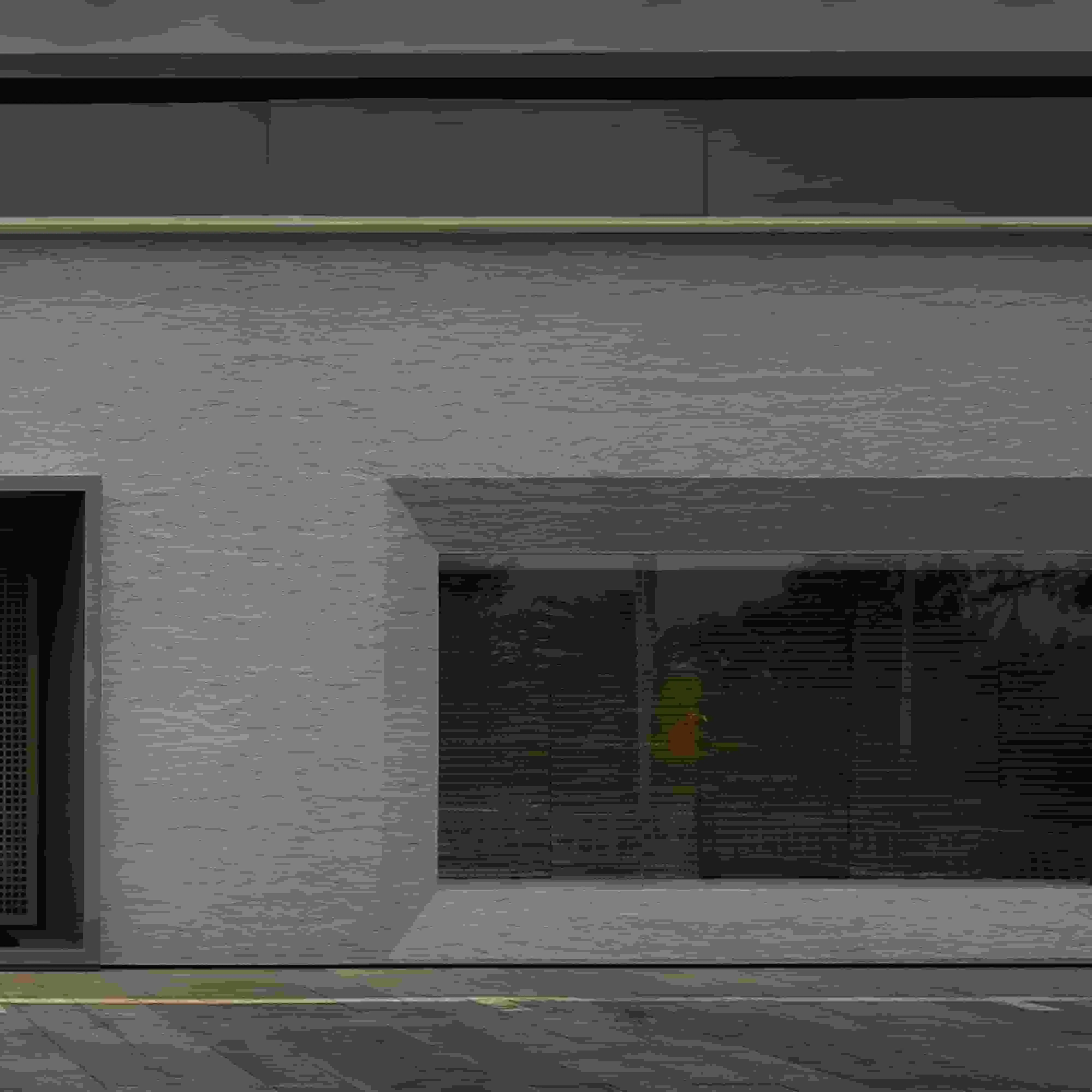
Let's head to Dubai, where summer days hit 115°F and AC bills can make business owners wince. In 2021, a tech startup moved into a renovated 1990s building clad in Oasis Stone Regular . The previous facade? Aluminum siding that leaked air like a sieve. The new MCM panels, paired with 50mm rigid foam insulation, transformed the space.
"Before, we had AC units running 24/7, and the office still felt like a sauna by 3 PM," says Fatima, the office manager. "Now? We turn the AC down to 75°F at 9 AM, and it stays cool until 6 PM. Our energy bill dropped from $2,800/month to $1,600. That's enough to hire a new intern!"
Contrast that with a 40-story glass tower in Chicago. It's stunning—floor-to-ceiling windows, views of Lake Michigan, the works. But in January, when wind chills hit -20°F, the story changes. "The conference room on the 15th floor is freezing," says Mark, an accountant who works there. "We keep space heaters under the tables, and the HVAC runs nonstop. Last winter, the building's energy bill was $1.2 million. The management even started dimming the lights to save money—ironic, since we chose glass for the light!"
To be fair, the building added low-e coatings and insulated blinds, which helped cut costs by 15%. But it's a band-aid, not a cure. Glass, by its nature, struggles in extreme climates.
Energy efficiency isn't the only player in the green building game. Let's talk sustainability—how these materials treat the planet over their lifetime.
Oasis Stone Regular gets points for being low-waste. MCM production uses 70% recycled mineral aggregates, and the panels themselves are 100% recyclable at the end of their life (which, by the way, is 50+ years—about twice as long as standard glass facades). Plus, since they're lightweight, transporting them uses less fuel—trucks can carry 10x more MCM panels than traditional stone, cutting carbon emissions during delivery.
Glass, while recyclable, has a dirtier origin story. Making glass requires melting silica sand at 1,700°C, which guzzles energy and spews CO2. A single ton of glass produces about 600 kg of CO2—compare that to MCM stone, which clocks in at 150 kg/ton. And when glass facades fail (seals break, panes crack), replacing them is labor-intensive and pricey—often requiring cranes and specialized crews.
Then there's fair-faced concrete , another contender in the sustainable facade ring. It's durable, has good thermal mass, and looks industrial-chic. But it's heavy (2400 kg/cubic meter!) and lacks the flexibility of MCM stone. For high-rises or buildings with weight restrictions, it's often out of the question.
Let's be clear: glass facades aren't all bad. If you're in a mild climate (think Seattle or London, where temperatures hover around 50-70°F year-round), their light and openness might outweigh the energy costs. And with advancements like triple-glazed glass and dynamic shading systems, they're getting better.
But for most of us—living in places with sweltering summers, freezing winters, or tight energy budgets— Oasis Stone Regular and other MCM flexible stone products are hard to beat. They offer the best of both worlds: the beauty of natural stone, the efficiency of modern materials, and a price tag that makes sense over time.
At the end of the day, a facade is more than skin deep. It's about creating buildings that work with the environment, not against it. Buildings that keep us comfortable without draining the grid. Buildings that feel like home, whether we're inside or out.
So next time you pass a building, take a closer look. Is it wearing glass, all flash and no substance? Or is it wrapped in stone, quiet and strong, doing the hard work of keeping the world a little greener? The answer might just surprise you.
Recommend Products












