
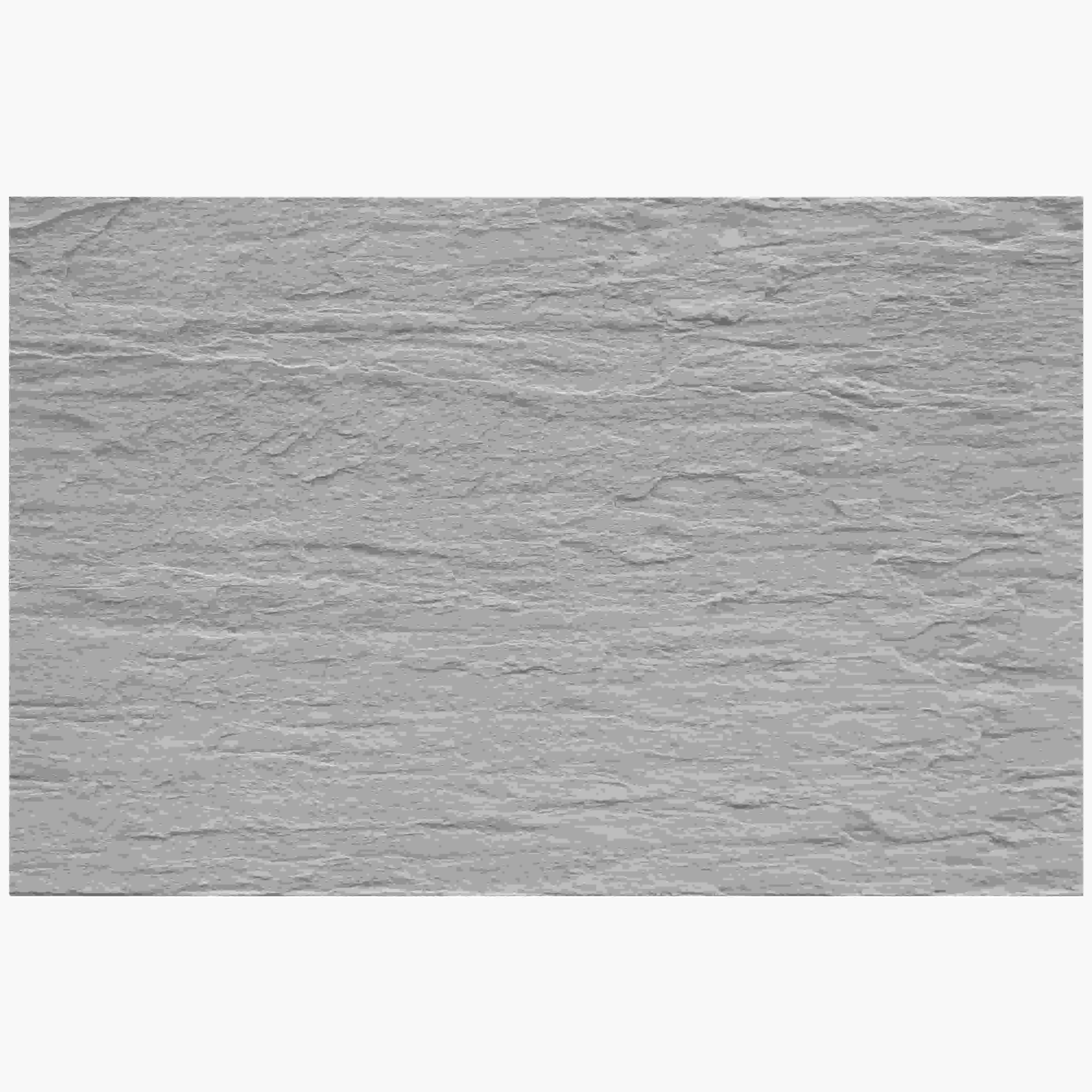
Choosing materials for your space is more than just a practical decision—it's about balancing dreams with budgets, aesthetics with reality. For architects, homeowners, and designers alike, the battle between the timeless allure of natural stone and the innovative promise of modern alternatives like Oasis Stone Regular is one that tugs at both the heart and the wallet. Let's dive into this journey together, exploring which option truly delivers on cost, beauty, and peace of mind.
Picture this: You're standing in a sunlit room, sketching the perfect café you've always wanted. The walls need to tell a story—warm, textured, inviting. Your mind drifts to the golden veins of travertine you saw in a magazine, or the earthy depth of marble. But then the contractor sends over the quote, and your heart sinks. Natural stone, while stunning, comes with a price tag that could derail your entire project. Sound familiar? You're not alone.
For decades, natural stone has been the gold standard for luxury and authenticity. From the marble floors of ancient Roman villas to the travertine facades of modern boutiques, it carries a legacy of craftsmanship. But legacy often comes with costs: quarries, transportation, labor, and maintenance. Enter modern alternatives like Oasis Stone Regular, part of the innovative MCM (Modified Composite Material) family—products designed to mimic the beauty of natural stone without the financial strain. But does it live up to the hype?
Today, we're putting Oasis Stone Regular head-to-head with traditional natural stone (think travertine , marble, and granite) to answer the question: Which choice gives you the most bang for your buck, without sacrificing the soul of your space?

First, let's get clear on the contenders. Natural stone refers to materials quarried directly from the earth: travertine (with its signature pitted surface), marble (known for its swirling patterns), granite (durable and speckled), and limestone (soft and porous). Each piece is unique, formed over millions of years, which is part of its charm—and its cost.
Oasis Stone Regular , on the other hand, is a product of modern engineering. It's part of the MCM family, which includes innovative options like mcm flexible stone and lunar peak series. MCM products blend natural minerals with advanced polymers, creating lightweight, durable panels that replicate the texture and color of natural stone. Oasis Stone Regular, in particular, is designed for versatility—indoor or outdoor use, walls or floors—with a focus on affordability and ease of use.
Now, let's break down the comparison across the areas that matter most: cost, installation, maintenance, durability, and environmental impact.

Let's start with the first hurdle: how much do these materials cost upfront? For natural stone, the numbers can vary widely, but let's use travertine as a benchmark—a popular choice for both residential and commercial projects. High-quality travertine (like the travertine (starry green) or travertine (vintage gold) varieties) typically costs between $15–$30 per square foot, depending on the grade and origin. Rare stones, like marble with unique veining, can soar to $50 per square foot or more.
Then there's transportation. Natural stone is heavy—really heavy. A single slab of marble can weigh 200–300 pounds, meaning higher shipping fees, especially if you're sourcing from overseas quarries (hello, Italian marble!). Add in the cost of custom cutting to fit your space, and the initial investment can feel overwhelming.
Oasis Stone Regular, by contrast, is a breath of fresh air. As a lightweight MCM panel, it's manufactured in standardized sizes, reducing waste and cutting production costs. Prices typically range from $8–$15 per square foot—nearly half the cost of mid-range travertine . Since it's lighter (around 3–5 pounds per square foot, compared to natural stone's 15–20 pounds), shipping is a fraction of the cost. No need for specialized trucks or extra labor to haul heavy slabs—your wallet will thank you before the first panel even arrives.
But wait—does lower cost mean lower quality? Not necessarily. MCM technology has come a long way, and Oasis Stone Regular is engineered to mimic the texture and color of natural stone so closely that even experts sometimes do a double-take. It's the kind of "affordable luxury" that lets you have the look you love without the guilt of overspending.
Initial costs are just the start. Installation is where natural stone can really drain your budget—and your patience. Imagine hiring a team of masons to lug 300-pound travertine slabs up three flights of stairs. Not only does that require specialized labor (read: higher hourly rates), but it also increases the risk of accidents or damage to the stone itself. One wrong step, and that $20-per-square-foot slab becomes a $200 mistake.
Natural stone also demands precision. Each piece is unique, so cutting it to fit around windows, doors, or fixtures requires skilled craftsmen and specialized tools. If you're working with a curved wall or a custom design, expect to pay even more for those intricate cuts. And let's not forget the substrate—natural stone needs a reinforced, level surface to prevent cracking over time. That might mean additional work (and cost) to strengthen your walls or floors before installation even begins.
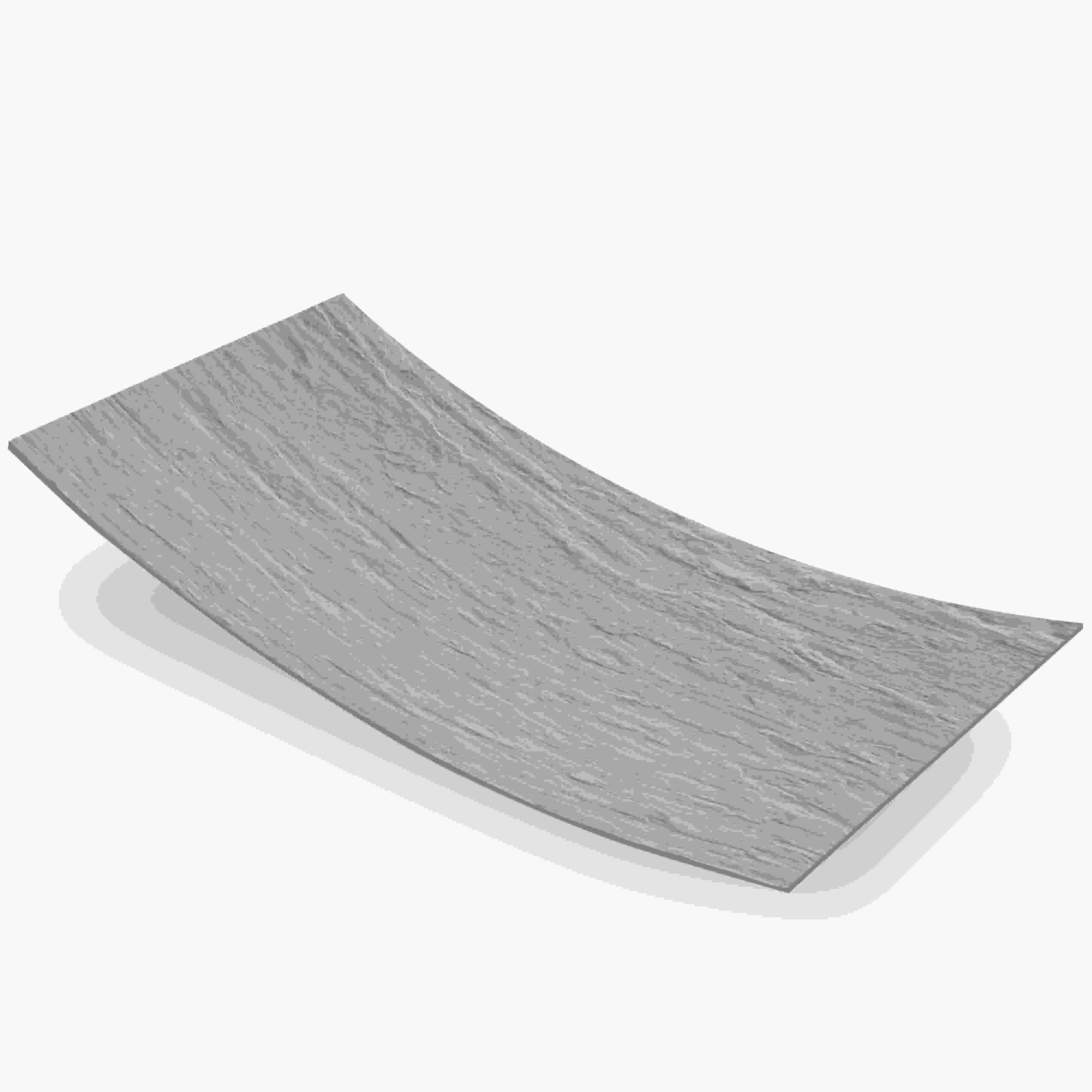
Oasis Stone Regular, though? It's like the easygoing friend who makes every project feel manageable. Because it's lightweight and flexible (thanks to its mcm flexible stone roots), it can be installed by a standard construction crew—no need for elite masons. It cuts cleanly with basic tools, so custom shapes or tricky angles are a breeze. And since it's so light, you won't need to reinforce your walls or floors unless you're covering an extremely large area. For a 500-square-foot wall, installation costs for natural stone might run $5,000–$8,000 (labor alone). Oasis Stone Regular? More like $2,000–$3,500. That's a savings of over 50%—money you could put toward lighting, furniture, or that dream espresso machine for your café.
Take it from Maria, a boutique owner in Portland who renovated her storefront last year: "We originally wanted travertine (starry blue) walls, but the installer said we'd need to reinforce the framing and hire a stone specialist. The quote was $12,000. We switched to Oasis Stone Regular, and the crew had it up in three days for $4,500. Our customers still ooh and aah over the 'stone' walls—they have no idea it's MCM. And honestly? I can't tell the difference either."

Natural stone is often sold as a "lifetime investment," but that lifetime comes with ongoing care. Let's say you splurge on travertine floors for your home. Within a year, you'll notice stains from coffee spills or water rings from potted plants. Why? Natural stone is porous—it soaks up liquids like a sponge. To protect it, you'll need to seal it every 1–3 years, at a cost of $1–$3 per square foot. For a 1,000-square-foot space, that's $1,000–$3,000 over a decade. And if you forget to seal it? Stains can become permanent, requiring professional restoration (another $2–$5 per square foot).
Then there's daily maintenance. Natural stone scratches easily—drag a chair across a marble floor, and you'll leave a mark. Harsh cleaners can etch the surface, so you'll need to buy specialized, pH-neutral products. Over time, those small expenses add up, turning your "one-time investment" into a recurring cost.
Oasis Stone Regular, by contrast, is designed for low-maintenance living. Its composite material is non-porous, so spills wipe right off with a damp cloth—no sealing required. It's scratch-resistant, too, so you can drag that café chair or let your dog run across the floor without panic. And because it's colorfast, it won't fade in sunlight or discolor from moisture. For busy homeowners or business owners, this means more time enjoying your space and less time worrying about upkeep.
John, a homeowner in Arizona, learned this lesson the hard way: "We installed travertine (beige) in our outdoor patio, thinking it would look amazing. But the desert sun faded it, and the monsoon rains stained it. We sealed it twice a year, but it still looked worn after five years. When we renovated, we went with Oasis Stone Regular. Now, I hose it down once a month, and it still looks brand new. No more sealing, no more stress."
Critics of MCM products often argue, "But natural stone lasts centuries!" It's true—ancient Roman travertine is still standing. But let's be real: How long do you plan to stay in your home or run your business? Most people renovate every 10–20 years, which means natural stone's "lifetime" advantage might be overkill for your needs.
Oasis Stone Regular is no slouch in the durability department. It's engineered to withstand harsh weather (rain, snow, UV rays), making it ideal for both indoor and outdoor use. Unlike natural stone, it won't crack due to freeze-thaw cycles or expand in humidity. In fact, many MCM products, including Oasis Stone Regular, come with a 15–20 year warranty—more than enough time to enjoy your space before you might want a refresh.
Consider commercial spaces, where foot traffic is relentless. A hotel lobby with natural stone floors might need to replace cracked tiles every 5–7 years. Oasis Stone Regular, with its impact-resistant core, can handle heavy traffic for a decade or more without showing significant wear. For businesses, that's not just durability—it's consistency. Your space will look polished and professional year after year, without the need for frequent repairs.
These days, cost-effectiveness isn't just about money—it's about doing right by the planet. Natural stone quarrying can have a heavy environmental footprint: deforestation, soil erosion, and water pollution from mining chemicals. Transporting stone from quarries in Italy, Turkey, or Brazil also adds to carbon emissions. For eco-conscious builders, this is a hard pill to swallow.
Oasis Stone Regular, as part of the MCM family, is designed with sustainability in mind. Many MCM products use recycled materials in their composition, and manufacturing processes are often more energy-efficient than quarrying. Since it's lightweight, shipping requires less fuel, reducing carbon emissions. Plus, MCM panels generate less waste during installation (no broken slabs!) and can sometimes be recycled at the end of their lifespan.
That's not to say natural stone is "bad"—many quarries now follow sustainable practices, and stone is a natural, biodegradable material. But for those prioritizing lower environmental impact without sacrificing aesthetics, Oasis Stone Regular offers a compelling alternative.
When Maya, owner of "Brew & Bloom" café in Chicago, set out to open her first location, she had a vision: a warm, earthy space with walls that felt like a mountain retreat. Her initial plan? travertine (starry orange) accent walls and fair-faced concrete floors. But after receiving quotes for natural stone installation ($18,000 for materials and labor), she realized she'd have to cut corners elsewhere—like skimping on the high-quality espresso machine or reducing seating.
"I was devastated," Maya recalls. "The walls were supposed to be the soul of the café. I didn't want to settle for something generic." Her architect suggested Oasis Stone Regular, and after seeing samples, Maya was sold: "It looked just like the travertine I loved, but the total cost for materials and installation was $7,500—less than half! That freed up money to invest in the things that matter: better coffee, more comfortable chairs, and even a small outdoor patio."
Two years later, Brew & Bloom is thriving. "Customers always comment on the walls—they think it's real stone," Maya says. "And maintenance is a breeze. I wipe down the walls once a week, and they still look brand new. I never have to worry about stains from coffee spills or scratches from moving furniture. Choosing Oasis Stone Regular wasn't just a financial decision—it was a decision to keep my dream intact."
Mark and Lisa, a couple in Colorado, renovated their 1970s home with high-end natural stone: marble stream stone countertops, granite portoro floors, and travertine (vintage gold) bathroom walls. "We wanted something timeless," Lisa says. "We saved for years to afford it."
Three years later, the costs started piling up. "The marble countertops stained if we left a glass of wine on them for 10 minutes," Mark explains. "We had to seal the travertine in the bathroom every six months because of the humidity, and last winter, a slab cracked after a freeze-thaw cycle. Repairs cost $1,200. We love how it looks, but we didn't realize how much work and money would go into maintaining it."
When they renovated their basement this year, they chose Oasis Stone Regular for the accent wall. "It was a no-brainer," Lisa says. "It looks just as good as the travertine , but we don't stress about it. Our kids can play near it, we can hang pictures without worrying about cracks, and we haven't spent a dime on maintenance. If we'd known then what we know now, we might have mixed natural stone with MCM to balance beauty and practicality."
At the end of the day, the choice between Oasis Stone Regular and natural stone depends on your priorities. If you have an unlimited budget, crave the absolute authenticity of natural stone, and don't mind the maintenance, then by all means—indulge. Natural stone is a masterpiece of nature, and its legacy is unmatched.
But for most of us—homeowners, small business owners, and dreamers on a budget—Oasis Stone Regular offers something priceless: the beauty of natural stone without the financial stress, installation headaches, or ongoing maintenance. It's a material that lets you build the space you've imagined, without having to choose between your vision and your wallet.
Whether you're designing a café, renovating your home, or building a commercial space, Oasis Stone Regular proves that cost-effective doesn't have to mean compromise. It's a reminder that sometimes, the most innovative solutions are the ones that let us have it all—beauty, durability, and peace of mind.
So go ahead—build that dream space. With Oasis Stone Regular, your walls can tell a story that's both beautiful and budget-friendly. Your future self (and your bank account) will thank you.
Recommend Products












