
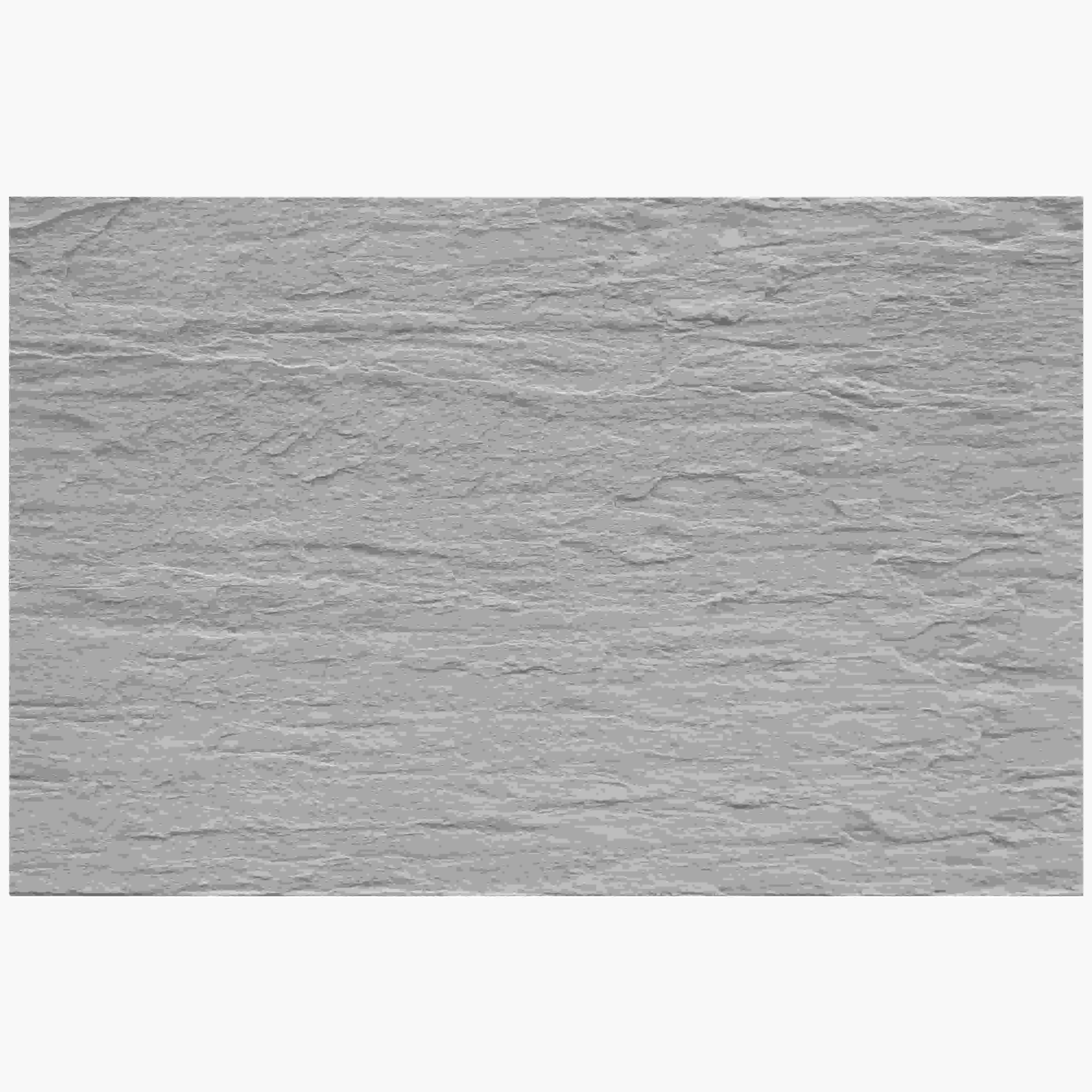
Choosing the right material for your walls, backsplash, or exterior facade is a bit like picking a soundtrack for a movie—you might not notice it at first, but it sets the mood, tells a story, and lingers in the memory of everyone who experiences it. In the world of modern design and construction, two materials often find themselves in the spotlight for their unique personalities: Oasis Stone Regular and Standard Cement Boards . One feels like a whisper of nature, the other like a nod to industrial strength. But how do you decide which one belongs in your project? Let's dive in, explore their quirks, strengths, and the little details that make all the difference.
If you've ever walked through a space and thought, "This feels alive," there's a good chance a material like Oasis Stone Regular was part of the magic. Born from MCM's innovative approach to blending natural aesthetics with cutting-edge technology, Oasis Stone Regular is part of the brand's mcm flexible stone family—a line that's all about making nature-inspired textures accessible, durable, and surprisingly adaptable. Think of it as a bridge between the raw beauty of a sunbaked canyon wall and the practicality of a modern building material.
What makes it tick? Under the hood, Oasis Stone Regular typically combines high-performance polymers with natural stone aggregates, creating a lightweight panel that mimics the look and feel of quarried stone without the heaviness or fragility. Run your hand over it, and you might mistake it for travertine (starry green) —with its subtle, star-like flecks—or even the smooth, metallic sheen of lunar peak silvery , a finish that shimmers like moonlight on rock. Unlike traditional stone, though, it bends (a little!) and cuts easily, making it a dream for designers who want curved walls or intricate patterns without the hassle of hauling massive slabs.
Now, meet the other contender: Standard Cement Board. If Oasis Stone is the poet of materials, Cement Board is the engineer. For decades, it's been the go-to for spaces where durability isn't just a plus—it's a requirement. Picture a busy restaurant kitchen backsplash, a bathroom shower surround, or the exterior of a commercial building that braves rain, snow, and scorching sun. Chances are, there's cement board behind that tile or paint.
What's in it? As the name suggests, it's mostly cement, mixed with sand and reinforced with fiberglass mesh to add strength. The result is a rigid, dense panel that feels industrial—think fair-faced concrete but even more no-nonsense. It doesn't pretend to be pretty on its own (though some designers love its raw, utilitarian vibe), but it's a rock-solid base for tiles, paints, or veneers. It's heavy, it's tough, and it's built to outlast trends.
Now that we know their origins, let's break down how these two stack up in the areas that'll actually affect your project—from how they look to how they perform over time.
Oasis Stone Regular and Standard Cement Board start from completely different philosophies. Oasis leans into "mimicry with a twist"—using polymers and stone dust to replicate natural textures. It's like making a photo-realistic painting of a mountain; you get the beauty without the bulk. Standard Cement Board, on the other hand, is all about simplicity: cement, sand, and fiberglass. No frills, just a dense matrix designed to resist moisture, fire, and impact.
The difference in composition translates to feel, too. Oasis Stone is lightweight (around 3-5 kg per square meter, depending on thickness), so hanging it on a wall feels more like mounting a large poster than lifting a cinder block. Cement board? Expect 15-20 kg per square meter—heavy enough that you'll want a helper (or two) for installation.
Let's talk about the "vibe." Oasis Stone Regular is all about storytelling through texture. Want a living room wall that feels like a walk through a forest? Go for a finish that mimics moss-covered stone. Dream of a hotel lobby that evokes a starry night? Travertine (starry green) or lunar peak silvery could be your muse. It comes in a rainbow of nature-inspired hues—from earthy beiges to deep, starry blues—and its surface has depth: tiny pits, subtle veins, and matte or semi-gloss finishes that catch light in interesting ways.
Cement board, by contrast, is a blank canvas—literally. Its natural color is a dull gray, and its surface is smooth (or slightly rough, depending on the brand) but uniform. Some designers embrace this minimalism, leaving it exposed as a nod to industrial chic (think loft apartments with fair-faced concrete walls). But for most, it's a background player—something to hide behind tiles or paint. It doesn't "wow" on its own, but it lets other materials shine.
Both materials are built to last, but they handle wear and tear differently. Oasis Stone Regular, thanks to its polymer core, is surprisingly resistant to chipping and cracking—even if you accidentally bump a ladder into it. It's also moisture-resistant (great for bathrooms or kitchens) and won't fade in sunlight, so that travertine (starry green) hue will stay vibrant for years. The catch? It's not indestructible. While it can handle light impacts, heavy blows (like a sledgehammer) might leave a mark.
Cement board, on the other hand, is nearly bulletproof. It's water-resistant (though not waterproof—you'll still need a membrane in wet areas), fire-resistant, and impervious to mold and mildew. drop a tool on it, and it might chip, but it won't shatter. The downside? Its rigidity makes it prone to cracking if the wall behind it shifts (hello, old houses with settling foundations). And because it's heavy, improper installation can lead to sagging over time.
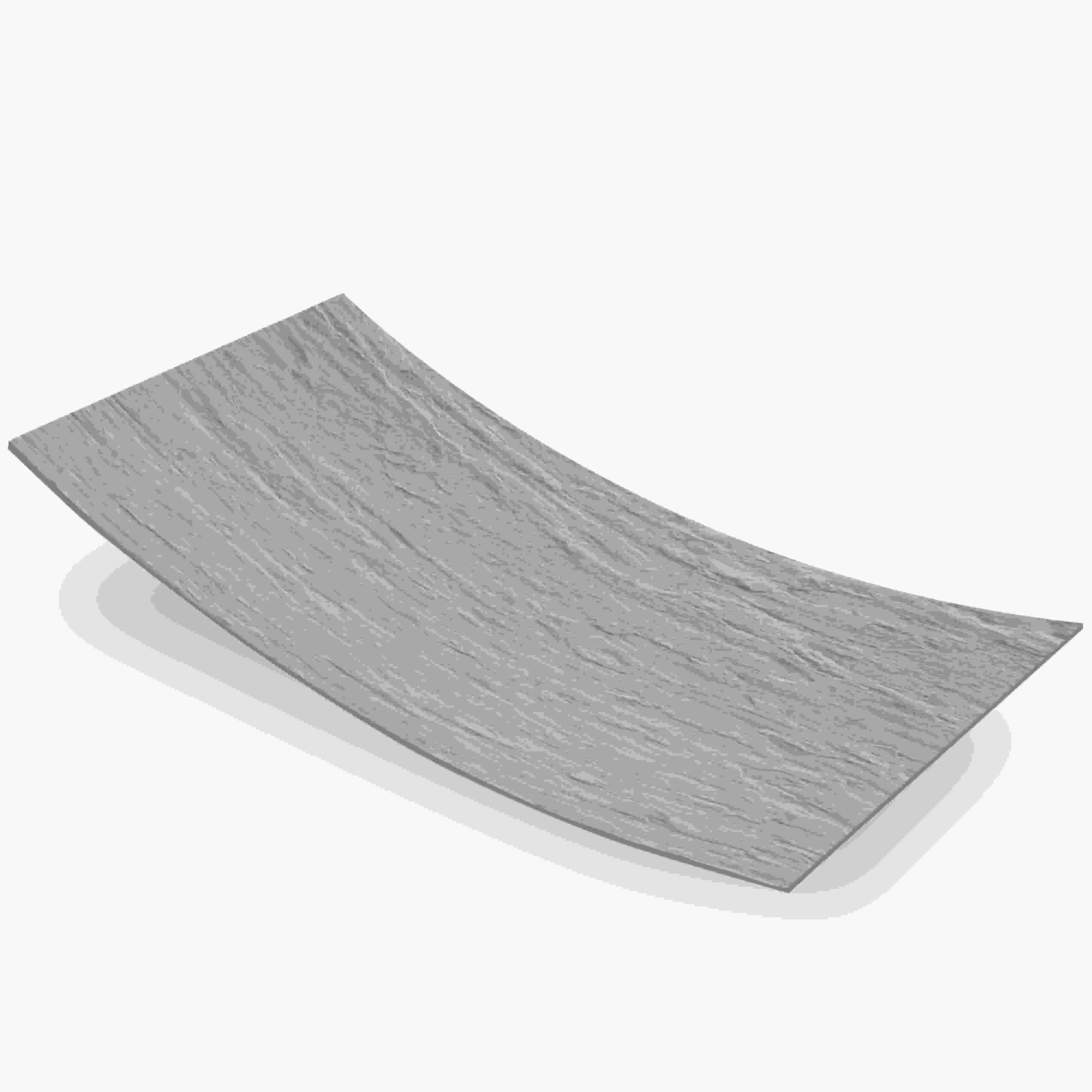
Let's get practical: How hard is it to put these up? Oasis Stone Regular is a DIYer's friend. Since it's lightweight (remember, 3-5 kg per panel), you can carry a stack by yourself. It cuts with a utility knife or a jigsaw, so no need for special tools. And because it's flexible, it can conform to slightly uneven walls without cracking. Most panels even come with a peel-and-stick backing or simple adhesive, making installation a weekend project.
Cement board? Not so much. A 3x5 ft sheet can weigh 30+ pounds, so you'll need a partner to lift it. Cutting it requires a circular saw with a diamond blade (earplugs recommended—this stuff is loud!). And because it's rigid, the wall behind it needs to be perfectly flat; any bumps will show through. Oh, and don't forget the screws: Cement board needs special corrosion-resistant fasteners, and you'll have to tape and mud the seams to prevent moisture from seeping through. It's doable, but it's not a casual Saturday task.
Oasis Stone Regular loves the spotlight. It's perfect for feature walls in living rooms, accent panels in bedrooms, or exterior facades that want to stand out (imagine a café with lunar peak silvery panels that glow at dusk). It's also great for commercial spaces like boutiques or hotels, where aesthetics matter as much as durability. Since it's lightweight, it's even used for ceiling accents—something cement board could never pull off without major structural support.
Cement board, meanwhile, is happiest behind the scenes. It's the backbone of tile showers, kitchen backsplashes, and exterior soffits. It's also a favorite for high-moisture areas (think laundry rooms or mudrooms) and spaces that need fire resistance (like around fireplaces). Some bold designers use it as a standalone wall material in industrial-style homes, pairing it with metal fixtures and dark wood for a raw, edgy look—but that's the exception, not the rule.
In a world where eco-friendliness matters, how do they stack up? Oasis Stone Regular has a leg up here. Since it's part of the mcm flexible stone line, it often uses recycled stone aggregates and low-VOC polymers, reducing its carbon footprint. Its lightweight nature also cuts down on transportation emissions (fewer trucks needed to haul it). Plus, because it's durable, it won't need replacing every few years—less waste in landfills.
Cement board, unfortunately, isn't as green. Cement production is a major source of CO2 emissions, and the fiberglass mesh can be tricky to recycle. That said, its longevity means it's not a material you'll replace often, and some brands now offer low-carbon cement options. It's a trade-off: great for long-term durability, but harder on the planet upfront.

| Feature | Oasis Stone Regular | Standard Cement Board |
|---|---|---|
| Composition | Polymers + natural stone aggregates (part of mcm flexible stone line) | Cement, sand, fiberglass mesh |
| Weight | Lightweight (3-5 kg/sq m) | Heavy (15-20 kg/sq m) |
| Aesthetics | Nature-inspired textures (e.g., travertine (starry green), lunar peak silvery); warm, varied finishes | Raw, industrial look (similar to fair-faced concrete); uniform, utilitarian |
| Durability | Resistant to chipping, fading, and moisture; flexible | Fire-resistant, mold-proof, water-resistant; rigid but prone to cracking on uneven walls |
| Installation | Easy: lightweight, cuts with basic tools, peel-and-stick options | Challenging: heavy, requires power tools and corrosion-resistant fasteners |
| Best For | Feature walls, accent panels, exteriors, ceilings | Tile backer, shower surrounds, high-moisture areas, industrial-style interiors |
| Sustainability | Often uses recycled materials; low transportation emissions | High carbon footprint (cement production); long lifespan reduces waste |
At the end of the day, the choice between Oasis Stone Regular and Standard Cement Board comes down to one question: What story do you want your space to tell? If you're after warmth, texture, and a touch of nature—whether it's the starry glow of travertine (starry green) or the sleek shimmer of lunar peak silvery —Oasis Stone Regular is your material. It's for the dreamers who want their walls to feel like they have a heartbeat.
But if your top priority is no-nonsense durability—if you need a material that laughs at moisture, ignores dents, and just gets the job done—Standard Cement Board is the way to go. It's the quiet hero, the one that works hard so your tiles and paint can take the credit.

Here's the secret: You don't have to choose one or the other. Some of the most stunning spaces mix the two. Imagine a bathroom with cement board shower walls (practical!) and an Oasis Stone accent wall behind the vanity (pretty!). Or a kitchen where cement board forms the backsplash base, topped with thin mcm flexible stone panels for texture. The best designs aren't about picking winners—they're about pairing materials that complement each other, creating a space that's both functional and full of soul.
So, whether you lean into the natural beauty of Oasis Stone Regular or the industrial strength of Cement Board, remember: The right material isn't just about what it's made of. It's about how it makes you feel every time you walk into the room. And that's a choice only you can make.
Recommend Products












