
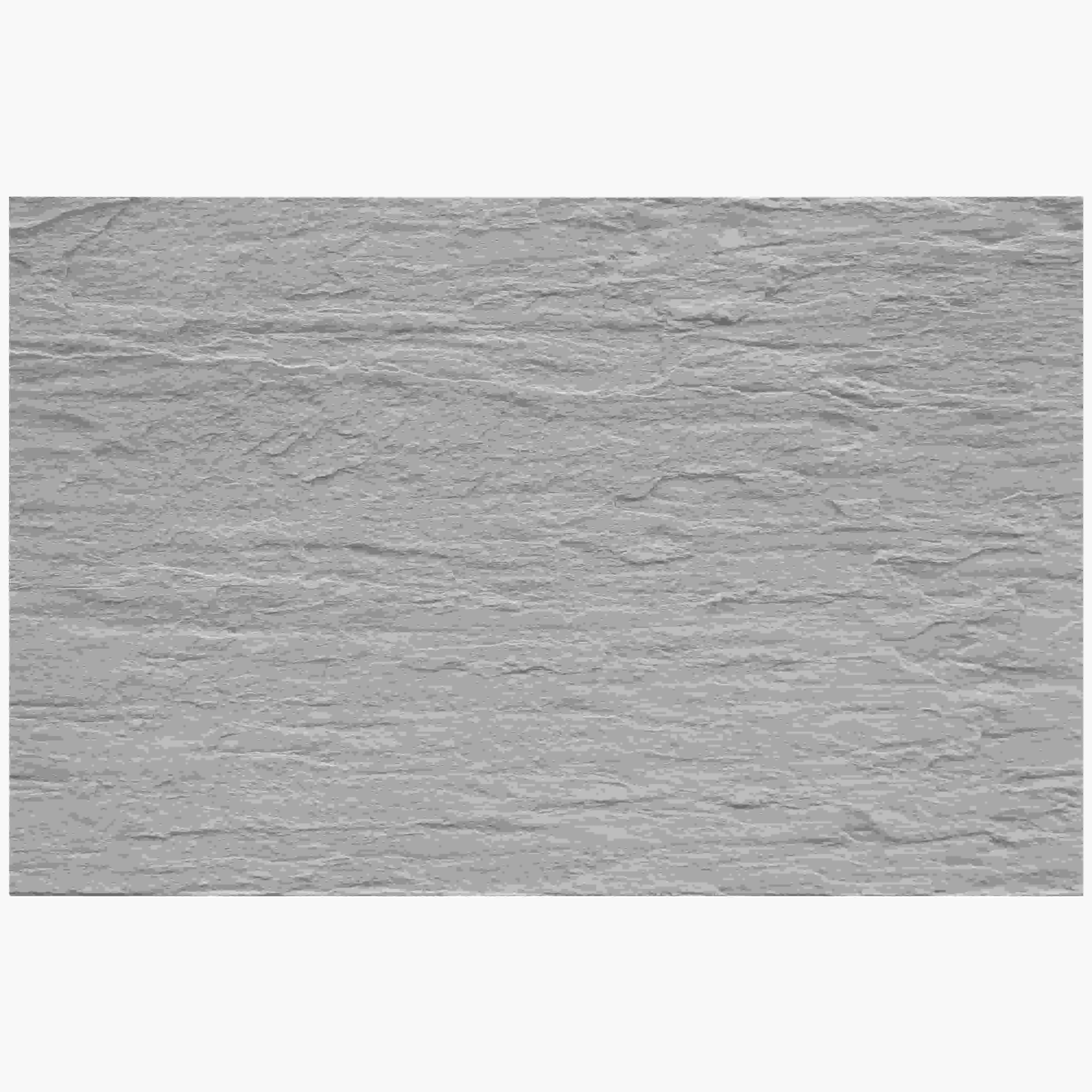
Let's start with the fun part: how these materials make you feel the moment you lay eyes on them. Aesthetics aren't just about color—they're about texture, depth, and the way light plays off the surface. Both Oasis Stone Regular and Travertine have distinct personalities, but they shine in very different ways.
Oasis Stone Regular feels like a love letter to the desert—warm, grounded, and subtly textured. Picture running your hand over its surface: it's not perfectly smooth, but not overly rough either. The texture has a gentle, weathered quality, like stone that's been kissed by wind and sun for years, but with a modern edge. Colors lean toward earthy neutrals—soft beiges, warm claybanks, and muted grays—that blend seamlessly with both contemporary and rustic designs.
What sets it apart is its consistency. Unlike some natural stones that vary wildly in pattern, Oasis Stone Regular offers a uniform look that's easy to work with for large surfaces. Think of it as the reliable friend in the material world—you know exactly what you're getting, and it plays well with other elements, whether you pair it with wood accents or sleek metal fixtures. It's the kind of material that makes a space feel put-together without screaming for attention.
Travertine, on the other hand, is the storyteller of stones. Its most defining feature? Those charming, naturally occurring pores and troughs—little "pockets" that form as minerals dissolve and re-crystallize over time. These pores give it a lived-in, organic look that feels ancient yet alive. Run your finger over Travertine, and you'll notice tiny indentations and ridges, each unique, like a fingerprint of the earth.
Colors here are classic: creamy whites, soft tans, warm golds, and even bold hues like Travertine (Starry Red) or Travertine (Starry Blue) for those who want a pop of drama. The Vintage series—Travertine (Vintage Silver), Travertine (Vintage Gold)—adds a touch of antiquity, with muted tones that look like they've been polished by time. It's the material you'd choose if you want a space to feel "storied," like it's been around long enough to collect memories.
But here's the thing: Travertine's porosity isn't just for show. Those tiny holes can catch light, casting soft shadows that shift throughout the day. In a sunlit kitchen, Travertine countertops glow with a warm, diffused light; in a bathroom, they add texture that contrasts beautifully with smooth fixtures. It's not just a surface—it's a mood-setter.
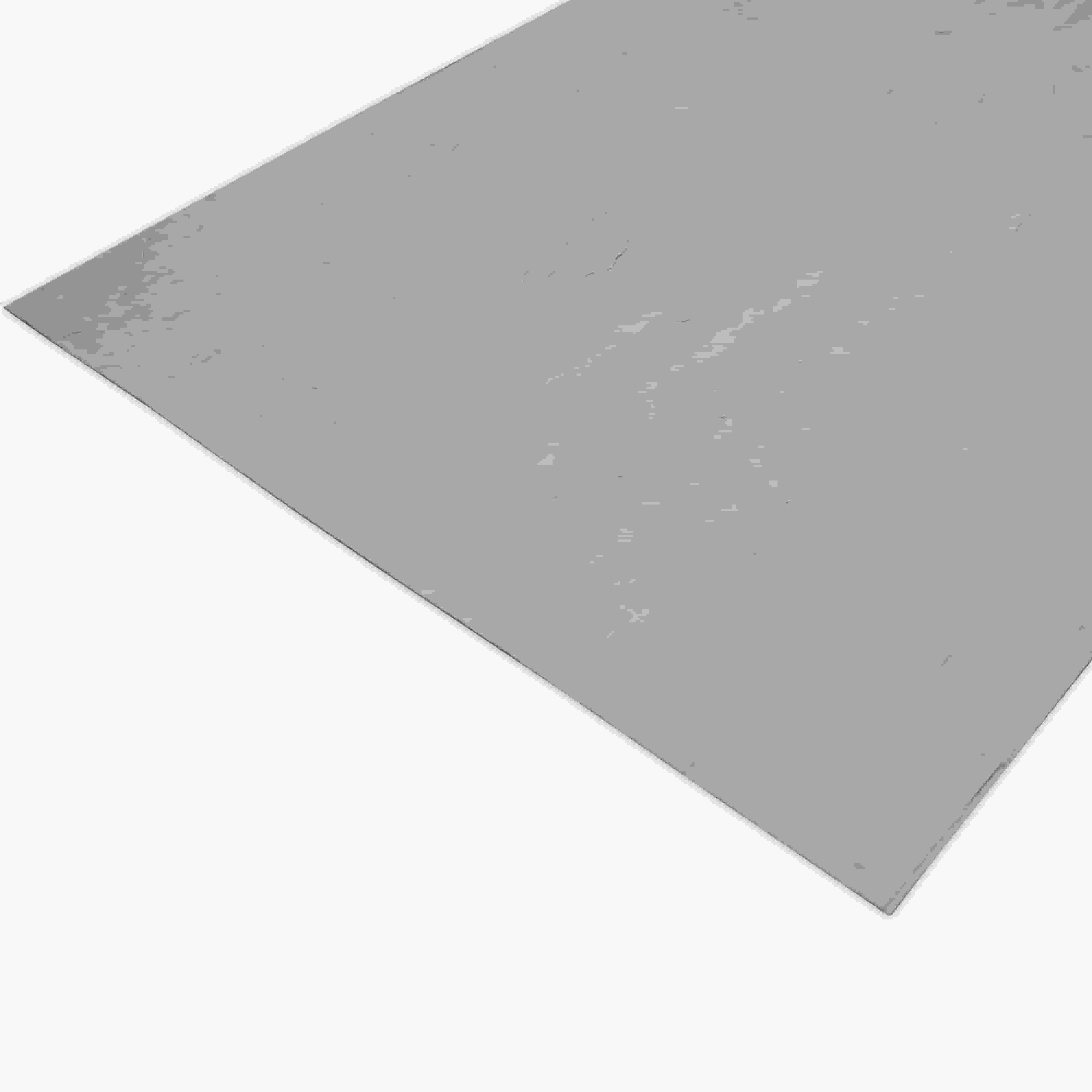
Looks matter, but let's get real: a material that chips easily or soaks up stains like a sponge won't stay beautiful for long. When it comes to practicality, Oasis Stone Regular and Travertine have some key differences that could make or break your project.
Oasis Stone Regular is engineered for resilience. Made with modern composite materials, it's designed to resist scratches, dents, and even the occasional dropped pot (we've all been there). Its dense surface doesn't have the porous structure of Travertine, so it holds up better in high-traffic areas—think busy restaurant floors or kids' playrooms. It's also less prone to cracking in extreme temperatures, making it a solid choice for both indoor and outdoor use, from patio floors to exterior cladding.
Travertine, being a natural stone, is durable but has limits. Its porosity means it's more susceptible to staining if not sealed properly. A spilled glass of red wine on an unsealed Travertine (Starry Green) floor? You'll be scrubbing for hours, and there's still a chance of a lingering mark. It's also softer than materials like granite or Oasis Stone, so heavy furniture legs or sharp objects can leave scratches. That said, with regular sealing (every 1-2 years) and gentle care, it can last decades—ancient Roman buildings still stand with Travertine columns, after all. It's all about setting realistic expectations: Travertine thrives in low-to-moderate traffic areas where its character is celebrated, not stressed.
Let's talk upkeep. Oasis Stone Regular is the low-maintenance friend you wish you had. A quick wipe with a damp cloth and mild soap is usually all it takes to keep it clean. No need for special sealers or harsh chemicals—just basic care, and it stays looking fresh. That's a big win for busy homeowners or commercial spaces where time is money.
Travertine demands a bit more TLC. As mentioned, sealing is non-negotiable to prevent stains. You'll also want to avoid acidic cleaners (like vinegar or lemon) that can etch the surface, leaving dull spots. Even with sealing, you'll need to wipe up spills quickly—especially acidic ones like coffee or tomato sauce. It's not a dealbreaker, but it does require a commitment. Think of it like a vintage car: beautiful, but you can't just ignore the maintenance.
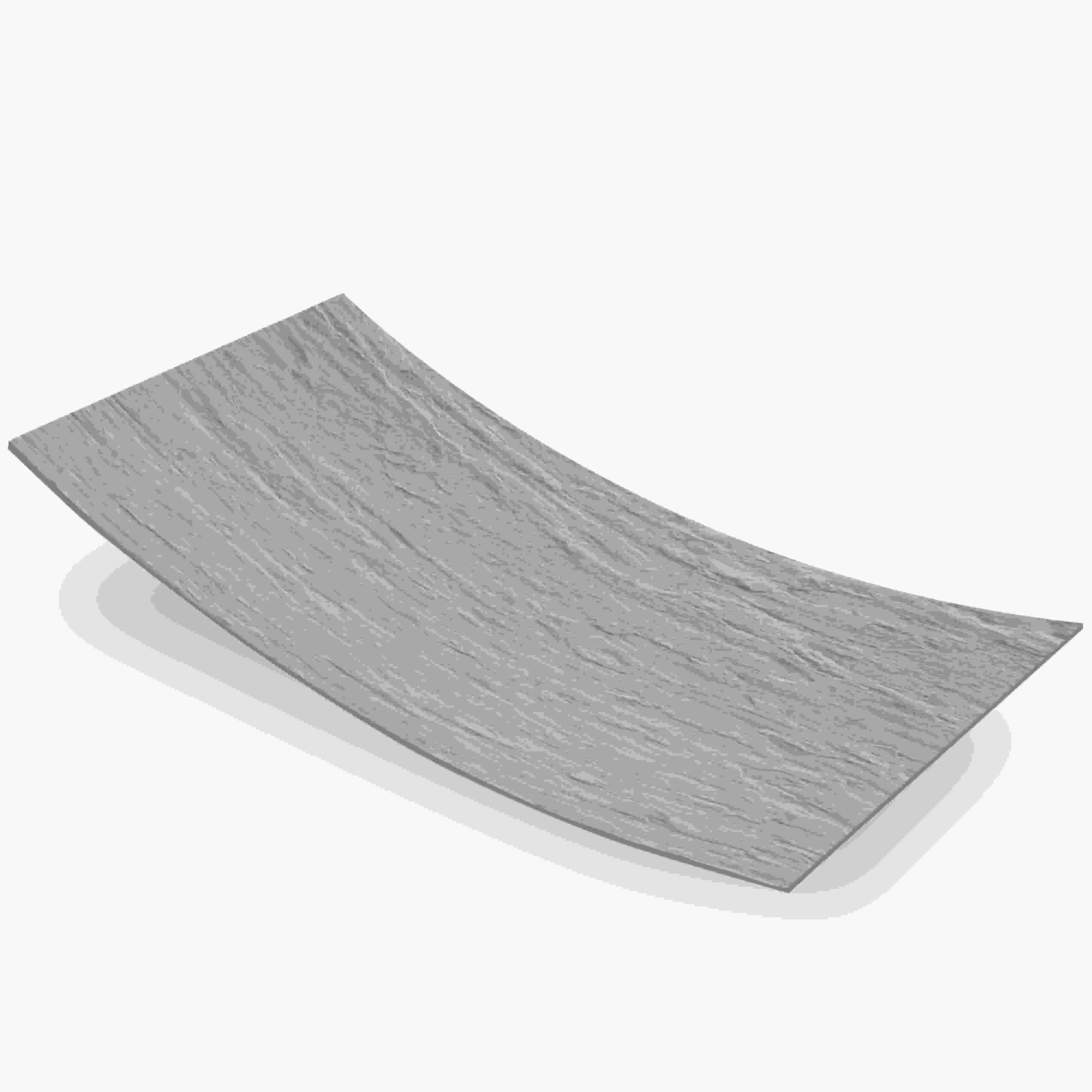
Installation can make or break a project timeline—and budget. Oasis Stone Regular, often part of the MCM flexible stone family, is lightweight compared to natural stone. That means easier handling for installers, fewer workers needed, and less structural support required. It can be cut to size with standard tools, and its flexibility makes it ideal for curved surfaces or unique designs (hello, statement walls with gentle arches). For large projects, like a hotel facade using MCM big slab board series, this translates to faster installation and lower labor costs.
Travertine, being a natural stone, is heavier and more brittle. Installers need to handle it carefully to avoid chipping, and cutting it requires specialized tools (like diamond blades) to get clean edges. It also needs a sturdy subfloor or wall structure to support its weight, which can add to the project's complexity. That said, skilled installers love working with Travertine for its versatility—you can lay it in herringbone patterns, mix different finishes, or even combine it with other materials like fair-faced concrete for a modern-rustic vibe. It just takes a bit more time and expertise.

Still on the fence? Let's put it all in a table to see how they stack up:
| Feature | Oasis Stone Regular | Travertine | MCM Big Slab Board Series (for context) |
|---|---|---|---|
| Aesthetic Vibe | Modern, uniform, desert-inspired neutrals | Organic, porous, timeless earthy tones (plus bold starry variants) | Sleek, large-format, minimal seams |
| Durability | High (scratch/stain-resistant, weatherproof) | Moderate (needs sealing; prone to scratches/stains if unprotected) | High (engineered for strength and flexibility) |
| Maintenance | Low (wipe with soap and water; no sealing needed) | Moderate (seal every 1-2 years; avoid harsh cleaners) | Low (similar to Oasis Stone Regular) |
| Best For | High-traffic areas, outdoor spaces, modern designs | Low-to-moderate traffic, cozy interiors, heritage-inspired projects | Large surfaces (walls, floors) with a seamless look |
Let's ground this in examples. Where do these materials truly thrive?
Imagine a bustling co-working space with open floor plans and constant foot traffic. The designers chose Oasis Stone Regular for the floors—its neutral claybank hue keeps the space bright, while its scratch resistance handles rolling chairs and coffee spills. In the breakout area, a feature wall clad in MCM big slab board series (paired with Oasis Stone accents) creates a seamless, modern backdrop for brainstorming sessions. No one's stressing about stains or scuffs—just focus on collaboration.
Now, picture a boutique bed-and-breakfast in a historic district. The lobby features a Travertine (Vintage Gold) fireplace surround, its porous texture glowing softly against the warm wood furniture. Upstairs, the bathrooms have Travertine (Starry Blue) shower walls—sealed, of course—adding a touch of luxury without feeling cold. Guests run their hands over the stone, commenting on its "old-world charm," and the innkeepers love that it ages gracefully, getting more character with each passing year.
And let's not forget the wildcards. Travertine (Starry Orange) could be the star of a trendy cocktail bar's accent wall, while Oasis Stone Regular might clad a minimalist home's exterior, standing up to rain and sun without fading. It's all about matching the material to the space's personality and purpose.

At the end of the day, there's no "better" material—only the better fit for your project. If you prioritize low maintenance, durability, and a modern, uniform look, Oasis Stone Regular is your go-to. It's the practical choice that doesn't skimp on style, perfect for busy lifestyles or commercial spaces where reliability is key.
If you crave character, history, and the warmth of natural stone, Travertine is worth the extra care. It's for those who see imperfections as part of the beauty—who want their space to feel like it has a past, not just a present. Just remember to factor in sealing and gentle maintenance to keep it looking its best.
And hey, why not mix them? A kitchen with Oasis Stone countertops (easy to clean!) and a Travertine backsplash (texture and charm!) could be the perfect balance. Building materials are about storytelling, after all—and the best stories have a little bit of everything.
So, whether you're team Oasis or team Travertine, here's to creating spaces that look good, work hard, and feel like home. Happy designing!
Recommend Products












