
When it comes to choosing exterior cladding for your home or commercial space, there's a lot more at stake than just aesthetics. Sure, you want something that makes passersby stop and say, "Wow, that looks great," but what really counts is how well it holds up over time. After all, your exterior is the first line of defense against rain, wind, hail, scorching sun, and whatever else the elements throw its way. Today, we're putting two popular options head-to-head: Oasis Stone Regular, a rising star in the world of innovative cladding, and vinyl siding, a long-standing favorite for its affordability. Let's cut through the marketing hype and get real about durability—because when you're investing in your property, you deserve to know which one will still look sharp (and function well) decades down the line.
Before we dive into the nitty-gritty of durability, let's make sure we're all on the same page about what these materials are. Vinyl siding, as most homeowners know, is a type of plastic cladding made from polyvinyl chloride (PVC). It's been around since the 1950s, loved for its low cost, wide range of colors, and easy installation. But as with many budget-friendly options, there are trade-offs—especially when it comes to long-term toughness.
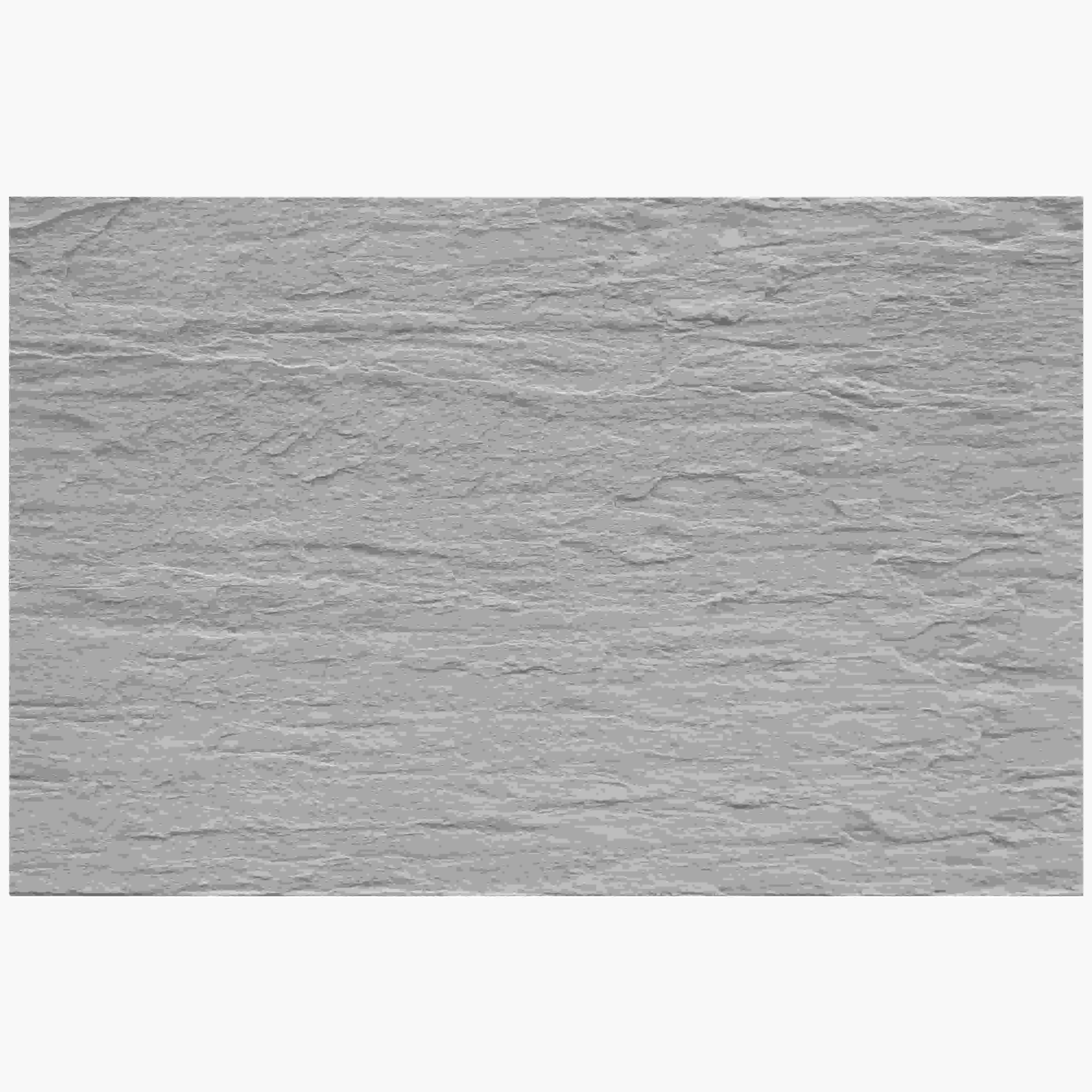
Oasis Stone Regular, on the other hand, is part of the next generation of exterior materials. Hailing from the MCM (Modified Composite Material) family—think MCM flexible stone and modified composite material panels —it's engineered to mimic the look of natural stone but with added benefits like flexibility and lighter weight. Unlike vinyl, which is a single-ply plastic, Oasis Stone Regular is a layered product, combining mineral aggregates, resins, and reinforcing fibers to create a material that's both strong and adaptable. It's the kind of cladding that makes you do a double-take: "Is that real stone?" Spoiler: It's not, but its durability might just make you forget the difference.
Durability isn't a one-size-fits-all term. It's about how a material handles specific stressors over time. Let's compare Oasis Stone Regular and vinyl siding across the key areas that matter most for exterior cladding.
Your exterior cladding doesn't get a day off—rain, snow, humidity, and extreme temperatures are all part of the job. Here's how each contender holds up:
Oasis Stone Regular: One of the standout features of MCM flexible stone products like Oasis Stone Regular is their ability to thrive in harsh weather. Thanks to their modified composite makeup, they're designed to resist expansion and contraction when temperatures swing. In scorching summer heat (we're talking 100°F+), you won't see warping or melting—unlike some plastics. In freezing winters, they stand up to freeze-thaw cycles, where water seeps in, freezes, and expands (a common culprit for cracking in rigid materials). Even in coastal areas, where salt air can corrode metal and degrade other materials, Oasis Stone Regular holds its ground, with minimal pitting or discoloration over time.
Vinyl Siding: Vinyl is no stranger to weather-related woes. While it can handle mild climates reasonably well, extreme temps are its kryptonite. On hot days, PVC softens, which can lead to warping—especially if the siding was installed too tightly (no room to expand). In cold weather, it becomes brittle; a sudden cold snap can make it prone to cracking, even from minor impacts. And let's not forget humidity: trapped moisture behind vinyl siding (a common issue if installation gaps aren't sealed properly) can lead to mold growth or rotting of the underlying structure—yikes.
From hailstones the size of golf balls to a stray baseball from the neighbor's kid, exterior cladding takes a lot of hits. How do these two stack up?
Oasis Stone Regular: Imagine a material that's tough enough to mimic natural stone but has a little give—Oasis Stone Regular fits the bill. Its composite structure, reinforced with fibers, absorbs impacts rather than shattering. In hailstorm tests, it's common to see minimal damage—maybe a small scuff rather than a crack or hole. Even accidental bumps from ladders or gardening tools rarely leave a mark. This is a big win for homeowners in storm-prone areas or those with active families (or clumsy delivery drivers).
Vinyl Siding: Vinyl is… well, vinyl. It's not known for being tough. A-sized hailstone can easily crack or dent it, and a hard impact (like a falling branch) will often punch a hole right through. The worst part? Once damaged, vinyl siding is hard to repair—you usually have to replace the entire panel. And let's not talk about how it looks after a few years of wear: dents, scratches, and "oil canning" (that wavy, uneven look) are all too common.
Sunlight is great for plants, but it's not always kind to exterior materials. UV rays break down pigments over time, leaving once-vibrant colors looking dull and washed out. Here's the scoop:
Oasis Stone Regular: Manufacturers of MCM products like Oasis Stone Regular don't skimp on UV protection. The pigments used are often integrated into the material itself, not just painted on top, which means they're more resistant to fading. Even after 15+ years in direct sunlight, you'll notice minimal color change—just a subtle softening rather than a dramatic shift. Darker shades, which are notoriously prone to fading, hold up surprisingly well here.
Vinyl Siding: Vinyl siding is famous for fading, especially darker colors. That rich navy blue or forest green you loved? Chances are, it'll look more like a muted gray-blue or sage within 5-7 years. Some manufacturers add UV stabilizers, but they only slow the process, not stop it. Lighter colors fare better, but even they lose their brightness over time. And once it fades, there's no going back—you either live with the dull look or shell out for new siding.
Water is the enemy of any building's structure. A cladding that can't shed or resist moisture is a recipe for mold, rot, and costly repairs. Let's compare:
Oasis Stone Regular: Oasis Stone Regular is designed to be breathable yet water-resistant. Its surface repels rain, so water beads up and runs off instead of soaking in. And because it's installed with proper ventilation (no trapped moisture here), there's little risk of mold or mildew growth behind the panels. Even in areas with heavy rainfall or high humidity, it stays dry and intact—no peeling, bubbling, or staining.
Vinyl Siding: Vinyl itself is waterproof, but the problem is how it's installed. If there are gaps between panels or around windows/doors, water can seep behind the siding and get trapped. Without proper drainage, that moisture can rot the sheathing, insulation, or even the framing of your home. And while some vinyl siding comes with a "moisture barrier," it's not foolproof—especially if the barrier gets torn during installation or over time.
Let's talk numbers—how many years can you realistically expect each material to last?
| Factor | Oasis Stone Regular | Vinyl Siding |
|---|---|---|
| Expected Lifespan | 30+ years (many manufacturers offer 25-30 year warranties) | 20-25 years (often with 15-20 year warranties, but performance varies by climate) |
| Signs of Aging | Minor color softening, minimal wear | Fading, warping, cracking, dents |
| Repair Needs | Rare; minor scuffs can often be cleaned or touched up | Frequent; damaged panels require full replacement |
Oasis Stone Regular: With proper installation, Oasis Stone Regular is built to last 30+ years. Many manufacturers back this up with warranties ranging from 25 to 30 years, covering defects, fading, and cracking. Even in harsh climates, it ages gracefully—you might notice a slight softening of color or a few minor scuffs, but nothing that screams "replace me now."
Vinyl Siding: Vinyl siding typically lasts 20-25 years, but that number drops in extreme climates. In coastal areas (salt air), hot deserts (UV exposure), or cold regions (brittleness), you might be looking at replacement in 15-20 years. And when it starts to fail, it's not subtle—warped panels, cracked edges, and faded color make it obvious that it's time for an upgrade.
Durability isn't just about lasting long—it's about how much effort you have to put in to keep it that way. Let's talk maintenance:
Oasis Stone Regular: If low-maintenance is your jam, you'll love this. A quick rinse with a garden hose once or twice a year is usually all it takes to keep it looking fresh. For tougher stains (like bird droppings or mildew), a mild soap and soft brush do the trick—no harsh chemicals needed. And because it's so impact-resistant, you won't be spending weekends replacing cracked panels or patching holes. It's the "set it and forget it" of exterior cladding.
Vinyl Siding: Vinyl might seem low-maintenance at first, but it's a bit of a diva. You'll need to clean it annually with a pressure washer (but not too much pressure—you could damage the panels), and avoid harsh cleaners that can strip the color. If it fades, you might be tempted to paint it, but vinyl isn't great at holding paint—it often peels or bubbles, leading to more work. And when panels crack or warp? You'll need to track down matching replacements (good luck if the color's been discontinued) and hire a pro to install them. All that adds up to time and money you could be spending elsewhere.
These days, durability isn't just about your wallet—it's about the planet, too. How do these materials stack up in terms of eco-friendliness?
Oasis Stone Regular: As a modified composite material, Oasis Stone Regular often has a lower environmental footprint than traditional stone (which requires heavy mining and transportation) or vinyl. Many MCM products are made with recycled content, and because they're lightweight, they reduce transportation emissions during installation. They're also free of harmful chemicals like phthalates (found in some vinyl products) and have low VOC emissions. Plus, their long lifespan means less frequent replacement—fewer materials ending up in landfills over time.
Vinyl Siding: Vinyl has a complicated relationship with the environment. PVC production releases toxic chemicals, and vinyl siding isn't easily recyclable (most ends up in landfills, where it can leach chemicals into the soil). Its shorter lifespan also means more frequent replacements, contributing to waste. While some brands are working on more sustainable options, traditional vinyl siding still has a long way to go in this department.

At the end of the day, both Oasis Stone Regular and vinyl siding have their place—but when it comes to durability, Oasis Stone Regular is the clear winner. Its ability to withstand extreme weather, resist impacts, stay vibrant under UV rays, repel moisture, and last 30+ years with minimal maintenance makes it a standout choice for anyone who wants their exterior cladding to go the distance.
Vinyl siding, on the other hand, is best suited for budget-conscious homeowners in mild climates who don't mind replacing it every 20 years or so. It's affordable upfront, but the long-term costs (in repairs, replacements, and maintenance) can add up.
So, if you're investing in a home or commercial space and want exterior cladding that's as tough as it is good-looking, Oasis Stone Regular—with its MCM flexible stone technology and modified composite material panels—is worth every penny. After all, durability isn't just a feature; it's peace of mind.
Recommend Products












