
In a world where "going green" has shifted from a buzzword to a critical responsibility, the building industry stands at a crossroads. Every beam, panel, and tile we choose leaves a footprint—on the planet, on communities, and on future generations. Today, we're diving into two popular contenders in the sustainable building materials arena: Oasis Stone Regular and traditional wood cladding. Which one truly walks the walk when it comes to eco-friendliness? Let's peel back the layers, beyond marketing claims, to uncover the real story of their sustainability.
Buildings account for nearly 40% of global carbon emissions, according to the UN Environment Programme. That's more than cars and planes combined. The materials we use to construct them? They're a huge part of that equation. From the moment raw materials are extracted to the day a building is demolished, every step releases greenhouse gases, depletes resources, or generates waste. So, when architects, builders, or homeowners opt for "sustainable" materials, they're not just following a trend—they're casting a vote for the kind of world they want to live in.
But here's the catch: not all "green" labels are created equal. A material might sound eco-friendly on the surface, but dig deeper, and you might find hidden costs—like deforestation for wood, or energy-heavy manufacturing for synthetic alternatives. That's why today's showdown matters. Oasis Stone Regular and wood cladding are both marketed as viable options for eco-conscious projects, but their paths to sustainability are vastly different.

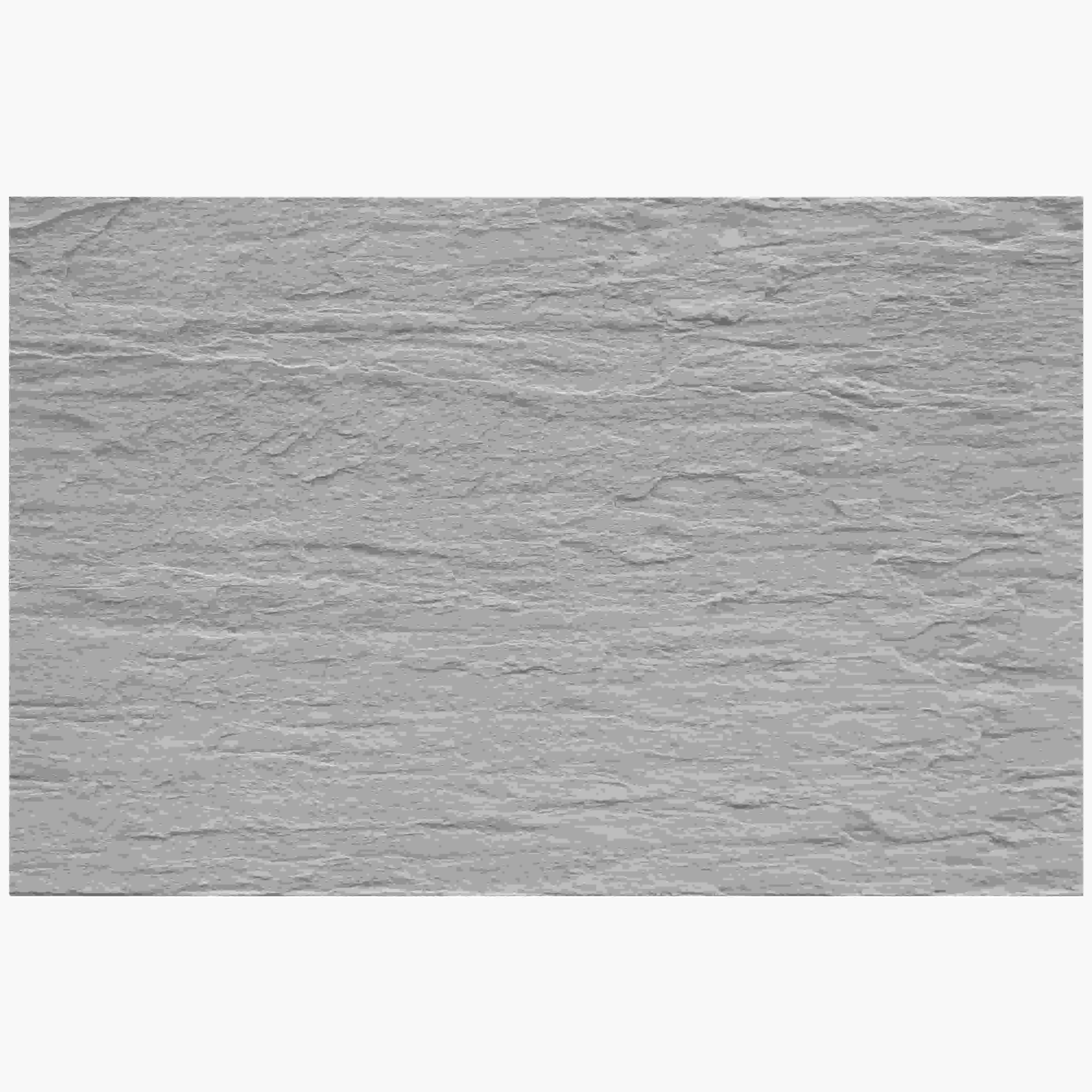
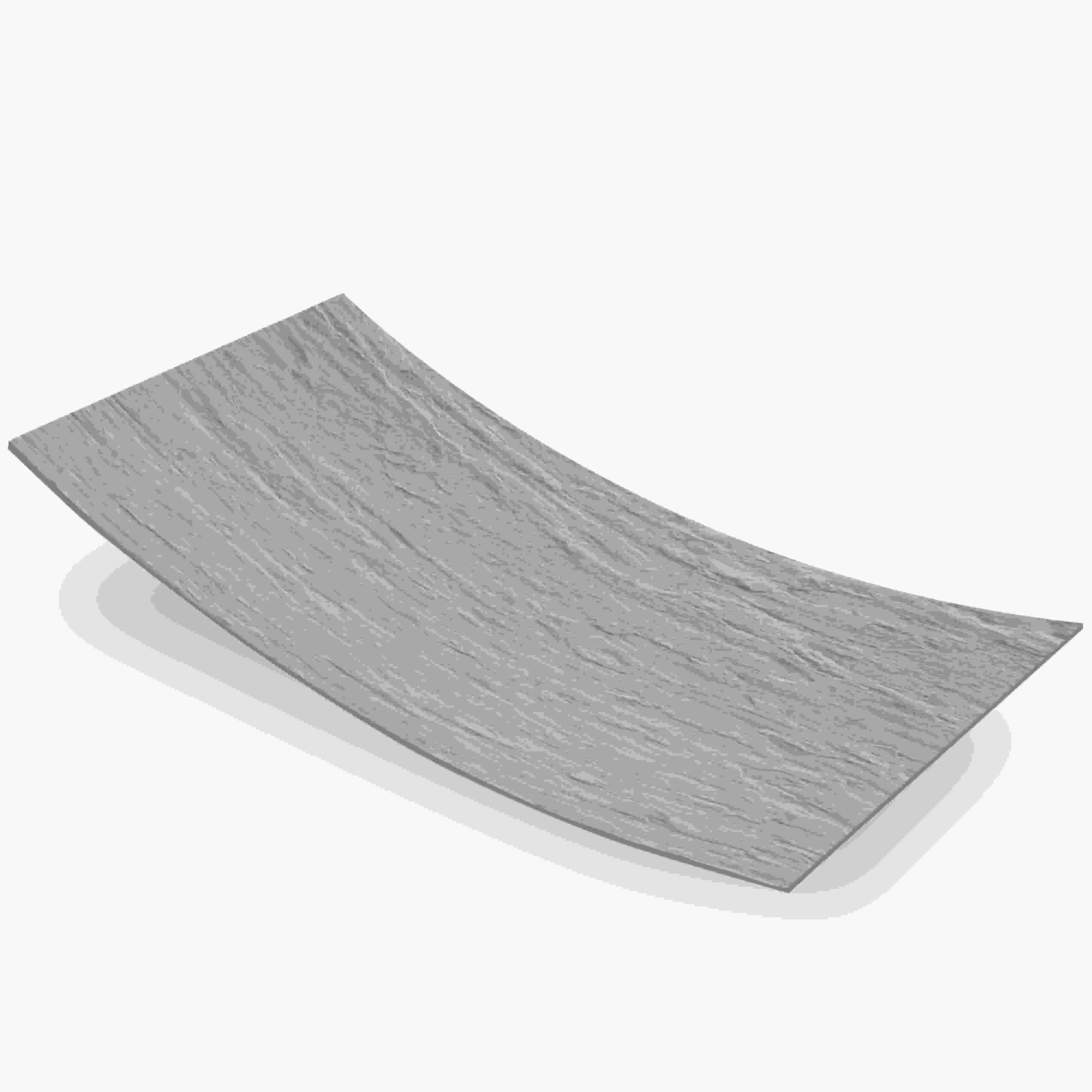
If you haven't heard of Oasis Stone Regular, you're not alone. It's part of a new wave of modified composite materials (MCM) designed to mimic the look of natural stone while cutting down on environmental impact. Think of it as stone's smarter, greener cousin. Unlike traditional stone panels, which are often quarried in massive blocks and cut into slabs (a process that generates tons of waste), Oasis Stone Regular is engineered using a blend of natural stone aggregates, recycled minerals, and a low-VOC binder. The result? A lightweight, flexible panel that's easier to transport, install, and—crucially—more sustainable to produce.
Developed by MCM, a company known for its 3D printing and flexible stone innovations, Oasis Stone Regular was born from a simple question: How can we create a stone-like material that doesn't drain the planet's resources? The answer, it turns out, lies in precision engineering. By using recycled stone dust from existing quarries (a byproduct that would otherwise end up in landfills) and optimizing the manufacturing process to require less energy, MCM claims to reduce the carbon footprint of traditional stone panels by up to 40%.
Let's walk through its lifecycle. First, raw materials: instead of mining new stone, Oasis Stone Regular starts with recycled stone aggregates. These are sourced from quarries that already supply other construction projects, diverting waste that would otherwise pile up. Next, the aggregates are mixed with a plant-based binder (no harsh chemicals here) and pressed into panels using a low-heat curing process. Traditional stone processing often involves high-temperature kilns or heavy machinery that guzzles fossil fuels; Oasis Stone Regular skips that, using pressure and ambient curing to set the panels. The result is a product that's not only strong—resistant to cracks, moisture, and UV rays—but also uses 60% less energy to manufacture than standard stone panels.

Wood cladding has been around for centuries, and for good reason. There's something inherently inviting about a wooden exterior—think of a cozy cabin in the woods or a modern home with warm, natural tones. It's versatile, too: from sleek, vertical slats to rustic, weathered boards, wood adds character that few materials can match. For many builders and homeowners, it's the gold standard of "natural" building materials. But here's the thing: "natural" doesn't always equal "sustainable."
Let's start with sourcing. Most wood cladding comes from softwoods like pine, cedar, or spruce, or hardwoods like teak. While some is harvested from sustainably managed forests (certified by organizations like the Forest Stewardship Council, or FSC), a shocking amount still comes from old-growth forests or illegally logged areas. The numbers are grim: the UN estimates that 10% of global deforestation is linked to the construction industry. Even FSC-certified wood, while better, has its issues. Harvesting trees—even responsibly—disrupts ecosystems, displaces wildlife, and releases carbon stored in the trees (a single mature tree can absorb 48 pounds of CO2 per year; cutting it down releases that carbon back into the atmosphere).
Then there's the manufacturing process. After trees are cut, the logs are transported to mills, where they're dried (often in energy-intensive kilns), treated with preservatives to resist rot and pests (many of which contain toxic chemicals like arsenic or formaldehyde), and cut into cladding boards. Each step adds to the carbon footprint. And let's not forget transportation: if your wood cladding is imported from, say, Canada to Australia, the emissions from shipping alone can negate any "green" benefits.
Enough background—let's get to the showdown. To truly compare Oasis Stone Regular and wood cladding, we need to look at their sustainability across five key areas: raw material sourcing, manufacturing, durability, maintenance, and end-of-life. Let's break it down, with a little help from a comparison table.
| Metric | Oasis Stone Regular | Wood Cladding (Average) |
|---|---|---|
| Raw Material Sourcing | Uses 70% recycled stone aggregates; no new mining. | Requires tree harvesting; 30% of global supply is from unsustainable sources. |
| Manufacturing Carbon Footprint | 40% lower than traditional stone; low-heat curing, minimal waste. | High energy use for drying/kilning; chemical treatments add emissions. |
| Durability (Lifespan) | 50+ years; resistant to rot, pests, moisture. | 15–30 years (untreated); 30–50 years (treated with chemicals). |
| Maintenance Requirements | None; no sealing, painting, or chemical treatments. | Needs annual sealing (with VOC-heavy products); prone to rot/mold in humid climates. |
| End-of-Life | 100% recyclable; can be ground into aggregate for new panels. | Biodegradable if untreated; treated wood may leach toxins into soil. |
Oasis Stone Regular's biggest win here is its use of recycled stone aggregates. By tapping into quarry waste, it reduces the need for new mining—a process that scars landscapes, pollutes waterways, and displaces communities. Wood cladding, on the other hand, relies on tree harvesting. Even with FSC certification, logging disrupts ecosystems. For example, the Amazon rainforest loses 17% of its trees to deforestation, with a significant portion going to the construction and furniture industries. While reforestation efforts help, a tree takes decades to mature, and young trees absorb far less carbon than old-growth ones.
When it comes to making the materials, Oasis Stone Regular again has the edge. Its low-heat curing process uses 60% less energy than kiln-dried wood cladding. Wood cladding's drying phase alone can account for 20% of its total carbon footprint—kilns often run on natural gas or coal. Then there are the chemical treatments: most wood cladding needs preservatives to resist termites and rot, and many of these chemicals (like chromated copper arsenate, or CCA) are toxic to humans and wildlife. Oasis Stone Regular, being inorganic, needs no such treatments. It's naturally resistant to pests and moisture, so the manufacturing process skips the harmful chemicals entirely.
A material's sustainability isn't just about how it's made—it's about how long it lasts. The longer a material stays in use, the fewer resources needed to replace it. Oasis Stone Regular is built to last 50+ years, even in harsh climates. It doesn't warp in humidity, crack in freezing temperatures, or fade in the sun. Wood cladding, by contrast, has a lifespan of 15–30 years if left untreated. Treated wood can last 30–50 years, but as we mentioned, those treatments come with environmental costs. In coastal areas or rainy regions, wood cladding often needs replacement every 20 years due to rot—a cycle that means more trees harvested, more manufacturing, and more waste.
Let's talk about upkeep. Wood cladding isn't a "set it and forget it" material. To keep it looking good and structurally sound, homeowners or builders need to seal it every 1–3 years with waterproofing products, many of which contain volatile organic compounds (VOCs). These VOCs off-gas into the air, contributing to indoor and outdoor air pollution. Oasis Stone Regular? It's virtually maintenance-free. A quick hose-down now and then is all it takes to keep it clean. No sealants, no paints, no chemicals—just a material that holds up on its own.
Even the most durable materials eventually reach the end of their useful life. So, what happens to them then? Oasis Stone Regular is 100% recyclable. When a building is renovated or demolished, the panels can be ground up and used as aggregate for new Oasis Stone Regular panels or other construction materials. No waste, no landfill. Wood cladding, if untreated, is biodegradable—it will break down over time, returning nutrients to the soil. But here's the catch: most wood cladding is treated with chemicals, which can leach into the soil as it decomposes, harming plants and wildlife. And even untreated wood, when disposed of in landfills (where it's often buried under other waste), decomposes anaerobically, releasing methane—a greenhouse gas 25 times more potent than CO2.
Numbers and tables are great, but nothing brings sustainability to life like real stories. Let's meet two builders who chose these materials—and see how their choices played out.
In 2023, the Portland Green Community Center needed a durable, eco-friendly exterior. The team, led by architect Maria Gonzalez, considered both wood cladding and Oasis Stone Regular. "We wanted something that looked natural but didn't cost the earth—literally," Maria says. "Wood was tempting, but we were worried about sourcing FSC-certified lumber locally. Most of the FSC wood available was imported from Canada, which added shipping emissions. Then we found Oasis Stone Regular."
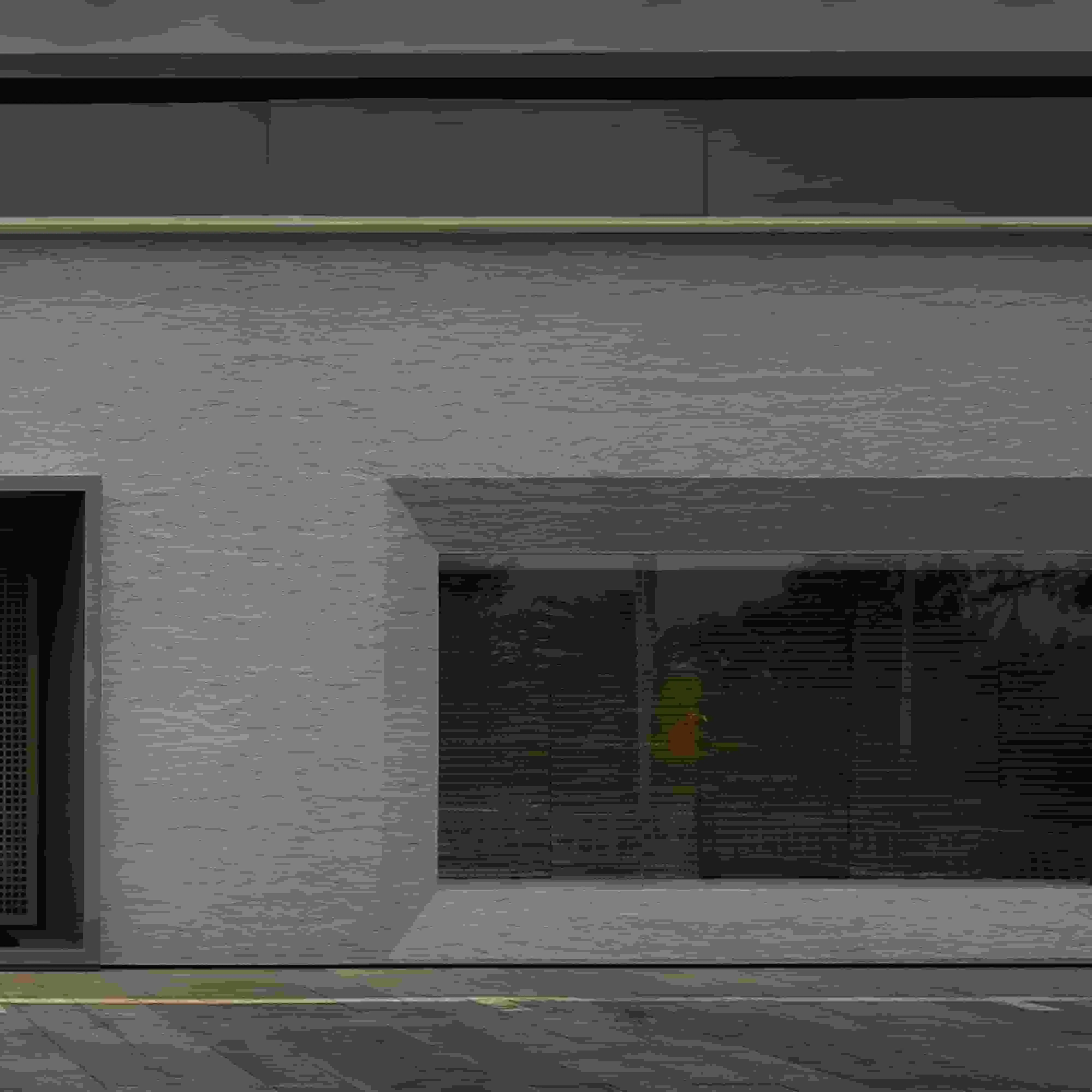
The center opted for Oasis Stone Regular in a warm beige tone, mimicking the look of local limestone. "Installation was a breeze," Maria recalls. "Because the panels are lightweight, we needed fewer workers and less heavy machinery—another bonus for our carbon budget." Two years later, the panels still look brand-new, even after Portland's rainy winters. "We haven't spent a dime on maintenance," Maria adds. "Compare that to the wood-clad community center down the road—they're repainting and resealing every year. We made the right call."
Mark and Lisa, homeowners in Seattle, chose wood cladding for their 2020 home build. "We loved the look—warm, rustic, like a cabin in the city," Lisa says. They opted for FSC-certified cedar, thinking they were making an eco-friendly choice. But three years later, they're reconsidering. "The maintenance is brutal," Mark groans. "We have to power-wash it twice a year and apply a VOC sealant every spring. Last year, we found rot behind one panel—apparently, Seattle's constant rain seeped in despite the sealant. We had to replace a 10-foot section, which meant ordering new wood, paying for labor… it's not just the cost; it's the guilt. All that wood, all that energy to replace it."
Would they choose differently now? "Absolutely," Lisa says. "If we did it over, we'd look at Oasis Stone or even wood concrete board —a hybrid material that uses wood fibers and concrete. It has the warmth of wood but the durability of stone. Live and learn, right?"
So, after all this, which material comes out on top? It depends on your priorities. If you're dead set on the look and feel of wood, and you can source FSC-certified, locally harvested wood, and you're willing to commit to regular, eco-friendly maintenance (think non-toxic sealants), wood cladding can be a sustainable choice. But for most projects—especially those in humid climates, on a tight budget, or aiming for long-term sustainability—Oasis Stone Regular is the clear winner. It uses recycled materials, cuts down on manufacturing emissions, lasts longer, needs no maintenance, and is fully recyclable. It's not perfect—no material is—but it's a step forward in the fight for greener buildings.
And let's not forget about wood concrete board , the hybrid option Mark and Lisa now wish they'd chosen. Made from wood fibers (often recycled) and concrete, it offers the best of both worlds: the warmth of wood with the durability of concrete. It's not as widely available as Oasis Stone Regular or wood cladding yet, but it's a promising sign that the building industry is innovating to meet our sustainability goals.
Oasis Stone Regular and wood cladding are just two players in a rapidly evolving field. As demand for green building materials grows, we can expect more innovations: 3D-printed stone panels, mycelium-based composites (made from mushroom roots), and even solar-integrated cladding that generates energy. The key, experts say, is to keep pushing for transparency. "Builders and homeowners need to ask tough questions: Where does this material come from? How is it made? What happens to it when it's done?" says Dr. Elena Patel, a sustainability researcher at MIT. "The more we demand answers, the more companies will compete to be the greenest."
Sustainable building isn't just a trend—it's a responsibility. Every time we choose a material for our homes, offices, or community spaces, we're voting for the kind of planet we want to leave behind. Oasis Stone Regular, with its recycled aggregates, low-carbon manufacturing, and long lifespan, offers a compelling vision of what that future can look like. Wood cladding, when sourced and maintained responsibly, has its place too—but it requires more effort to keep it green.
At the end of the day, the best material is the one that aligns with your values, budget, and project needs. But whatever you choose, remember: sustainability isn't about perfection. It's about progress. And every step—whether it's choosing Oasis Stone Regular, FSC wood, or wood concrete board—is a step in the right direction.
So, here's to building smarter, greener, and more beautifully—one panel at a time.
Recommend Products












