
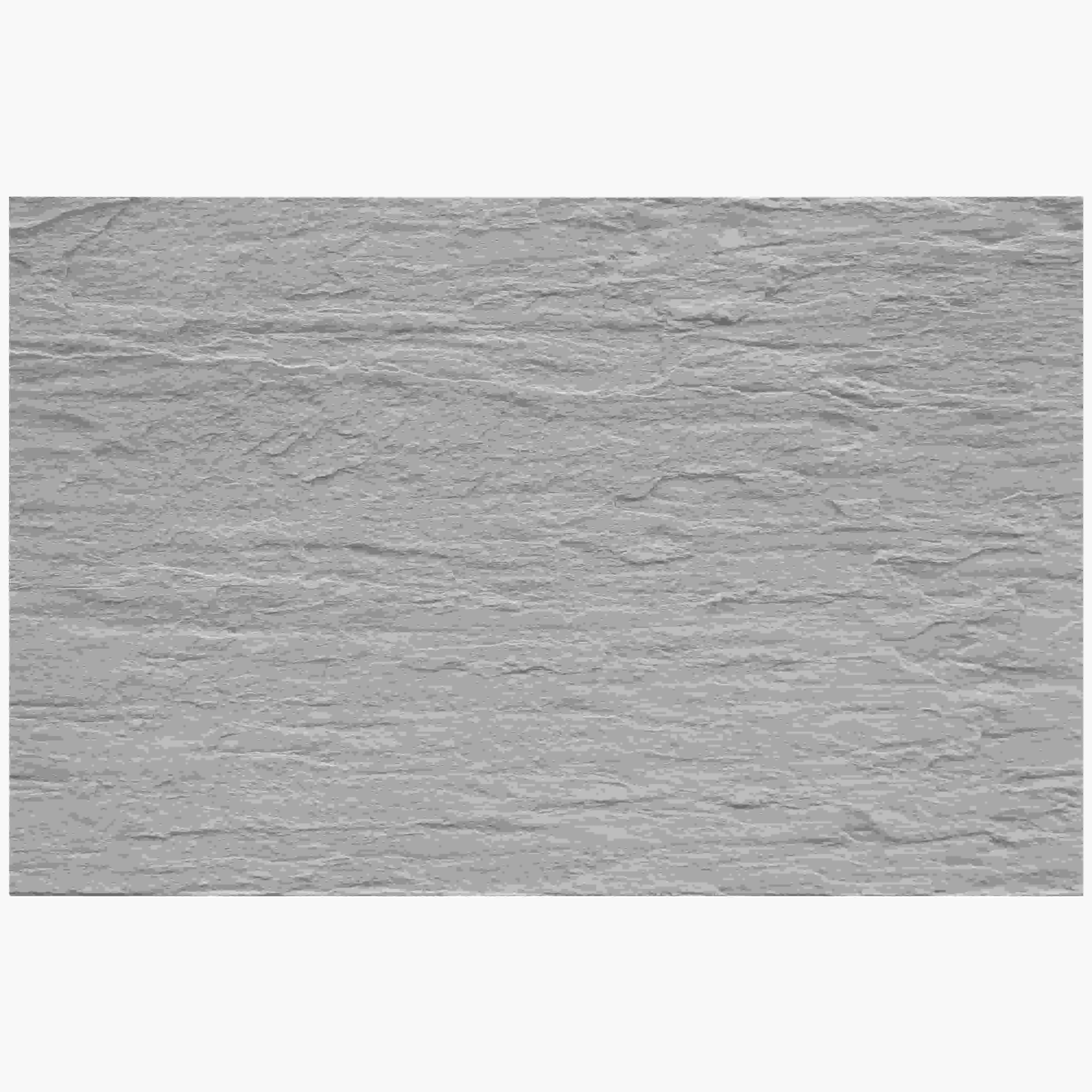
Walk into any building—whether it's a cozy home in the suburbs, a sleek office tower downtown, or a historic museum—and you'll likely overlook one of its most critical components: the materials that clothe its walls and floors. But for architects, builders, and homeowners alike, those materials tell a story of durability, functionality, and beauty. Today, we're zeroing in on a material that's been turning heads in the construction world: Oasis Stone Regular. More specifically, we're diving into a property that might not sound glamorous at first but makes all the difference in how a building stands the test of time: its water absorption rate.
Why does water absorption matter? Imagine a rainy day in a coastal city, where rain pounds against the exterior walls of a commercial complex. Or a freezing winter in a mountain town, where moisture seeps into building materials, freezes, and expands—slowly cracking the structure from the inside out. In these scenarios, a material's ability to resist water absorption isn't just a technical detail; it's a safeguard against costly repairs, structural damage, and shortened lifespans. For architects, it's a key factor in choosing materials that align with sustainability goals and client budgets. For homeowners, it's peace of mind that their investment will weather the elements for decades.
In this article, we'll unpack what water absorption rate really means, why it's a non-negotiable metric in construction, and how Oasis Stone Regular stacks up. We'll compare it to other popular materials like lime stone (beige), historical pathfinders stone, and gobi panel, and explore how its unique composition—rooted in modified composite material panels—gives it an edge. By the end, you'll understand why this unassuming metric is the unsung hero of durable, beautiful buildings.
Let's start with the basics: water absorption rate is the percentage of a material's weight that comes from absorbed water when it's fully immersed. In simpler terms, it measures how much water a material soaks up when exposed to moisture. For example, if a 100kg slab of stone absorbs 5kg of water after 24 hours of immersion, its absorption rate is 5%.
But why does this percentage matter? Think of a sponge versus a piece of sealed wood. The sponge (high absorption) soaks up water quickly, becoming heavy and prone to mold. The sealed wood (low absorption) repels water, staying dry and stable. Building materials work the same way. High absorption rates can lead to a host of issues:
Industry standards typically categorize materials by their absorption rates. For exterior cladding, a rate below 3% is considered excellent, while rates above 6% may require additional sealing or maintenance. For interior use, the bar is slightly lower, but low absorption still correlates with longevity and ease of care.
To truly grasp the importance of water absorption rate, let's step into the shoes of an architect named Maya, who's designing a community center in a region with hot, humid summers and occasional monsoons. Her client wants the building to be low-maintenance, energy-efficient, and visually striking. When choosing exterior cladding, Maya knows that water absorption rate will directly impact all three goals.
If she picks a material with high absorption (say, 8%), the center's walls could absorb rainwater during monsoons, leading to mold growth in the insulation. This would reduce energy efficiency (as mold traps moisture, making heating and cooling less effective) and require frequent cleaning or repairs. The client's budget would take a hit, and the building's aesthetic would suffer as stains and cracks appear.
Now, if she chooses a material with low absorption (like Oasis Stone Regular, as we'll see later), the walls repel water, keeping the interior dry and mold-free. The building stays energy-efficient, maintenance costs drop, and the exterior retains its original beauty for years. For Maya, water absorption rate isn't just a number—it's a tool to deliver on her client's vision.
Beyond aesthetics and maintenance, water absorption also impacts sustainability. Materials with high absorption often require more frequent replacement, increasing waste and carbon footprints. Low-absorption materials, by contrast, last longer, reducing the need for manufacturing and transportation of new materials. In an era where green building practices are non-negotiable, this metric is a silent contributor to LEED certifications and eco-friendly design.

Before we dive into its water absorption metrics, let's understand what makes Oasis Stone Regular unique. Unlike traditional natural stones, which are mined and cut, Oasis Stone Regular is part of a newer generation of modified composite material panels. These panels blend natural minerals (like limestone and travertine) with advanced polymers and fibers, creating a material that's both durable and versatile.
The result? A stone-like appearance with the benefits of modern engineering. Oasis Stone Regular is lightweight (easier to install than natural stone), resistant to chipping, and—crucially—engineered to control water absorption. Its manufacturing process involves compressing mineral particles under high pressure, reducing porosity (the tiny holes that trap water) and creating a dense, uniform structure.
But don't just take our word for it. Let's hear from Raj, a construction manager who used Oasis Stone Regular on a recent hotel project in Arizona. "We needed something that could handle the desert heat by day and cool, dewy nights without absorbing moisture," he says. "Natural travertine was too porous—we'd seen it crack in similar projects. Oasis Stone Regular was a game-changer. It installed quickly, and after a year of monsoons and temperature swings, the exterior still looks brand-new."
So, what sets Oasis Stone Regular apart from other composite panels? Its blend of natural minerals and synthetic binders strikes a balance between authenticity and performance. It mimics the texture and color of natural stone (think warm beiges and earthy tones) but with a consistency that natural stone can't match. No two pieces of natural stone are identical, which can lead to uneven absorption rates across a project. Oasis Stone Regular, however, is manufactured to strict standards, ensuring every panel performs the same way.
To understand Oasis Stone Regular's water absorption rate, we first need to look at how the industry tests this metric. The most common method is the immersion test, outlined by standards like ASTM C97 (for natural stone) or ASTM D570 (for plastics). Here's a step-by-step breakdown of how it works for Oasis Stone Regular:
For Oasis Stone Regular, this test consistently yields impressive results. In third-party lab tests, the average water absorption rate is 2.3%, with minimal variation between samples (±0.2%). This low, consistent rate is a testament to its dense, engineered structure. By comparison, natural limestone often has absorption rates between 3-6%, and some porous stones like sandstone can exceed 10%.
But why stop at immersion? Real-world conditions are more complex than a 24-hour soak. To simulate long-term exposure, some labs also perform cyclic tests: immersing samples, drying them, and repeating the process 50 times to mimic years of rain and sun. Oasis Stone Regular holds up here, too, with absorption rates increasing by less than 0.5% after 50 cycles—proof that its resistance isn't just a one-time result.

So, we know Oasis Stone Regular has a water absorption rate of ~2.3%. What does that number actually tell us? Let's put it in context:
But numbers only tell part of the story. Let's consider a real-world scenario: a restaurant in Seattle, where it rains 150 days a year. The owner wants exterior cladding that won't stain from rainwater or develop mold in the corners. If they choose a material with 6% absorption, they might notice dark streaks on the walls after six months, as water carries dirt from the roof onto the cladding. With Oasis Stone Regular (2.3% absorption), the walls repel most rainwater, so dirt slides off instead of soaking in. The restaurant stays looking fresh, and the owner avoids pressure-washing every quarter.
Another example: a ski lodge in Colorado, where winter temperatures drop to -20°C (-4°F). A material with high absorption (say, 7%) would soak up snowmelt during the day, then freeze overnight. Over a single winter, this could create hairline cracks. After five winters, those cracks might widen, requiring expensive repairs. Oasis Stone Regular, with its low absorption, minimizes this risk. The stone stays mostly dry, so freezing water can't expand and damage the structure.
In short, Oasis Stone Regular's 2.3% rate isn't just a technical achievement—it's a practical solution for real-world challenges. It's the reason why architects and builders are increasingly specifying it for projects where durability and low maintenance are priorities.
To truly appreciate Oasis Stone Regular's performance, let's compare it to three other popular building materials from the market: lime stone (beige), historical pathfinders stone, and gobi panel. These materials are often used in similar applications (exterior cladding, accent walls, outdoor patios), making them ideal benchmarks.
| Material | Water Absorption Rate | Key Features | Ideal Applications |
|---|---|---|---|
| Oasis Stone Regular | 2.3% | Modified composite material, lightweight, low porosity, consistent color | Exterior cladding, commercial buildings, coastal/ humid climates |
| lime stone (beige) | 4.8% | Natural stone, warm beige color, porous, classic aesthetic | Interior walls, low-moisture exteriors (e.g., desert regions) |
| historical pathfinders stone | 5.2% | Reclaimed-look natural stone, high texture, varies in porosity | Heritage buildings, rustic accent walls, dry climates |
| gobi panel | 3.5% | Composite with desert-inspired texture, medium weight, moderate porosity | Outdoor patios, arid to semi-arid regions |
Looking at the table, a few trends stand out. Oasis Stone Regular has the lowest absorption rate by a significant margin, making it the most versatile across climates. Lime stone (beige), while beautiful, has a rate of 4.8%—close to the IBC's 5% threshold, which means it may need sealing every 2-3 years in rainy areas. Historical pathfinders stone, with its rustic, reclaimed look, has the highest rate at 5.2%, making it better suited for dry, indoor spaces where moisture is minimal. Gobi panel, designed to mimic desert stone, falls in the middle at 3.5%, but still can't match Oasis Stone Regular's resistance.
Another key difference is consistency. Natural stones like lime stone (beige) and historical pathfinders stone vary in porosity because they're mined from different quarries. One slab might have a 4% rate, the next 6%, depending on the rock's formation. Oasis Stone Regular, as a composite, is manufactured to uniform standards, so every panel performs the same way. For large projects (like a 50-story office building), this consistency is invaluable—it ensures the entire structure has the same level of water resistance, reducing weak points.
While Oasis Stone Regular is engineered for low absorption, no material is entirely immune to external factors. Here are a few variables that can affect its water absorption rate over time, and how to mitigate them:
Oasis Stone Regular comes with a factory-applied sealant that reduces absorption by 30-40%. Over time (5-7 years, depending on exposure), this sealant can wear off, slightly increasing the absorption rate. The fix? Reapplying a water-based sealant every 5 years. This is a simple, low-cost maintenance step that extends the material's lifespan.
Poor installation—like leaving gaps between panels or using incorrect adhesives—can trap moisture behind the cladding. Even with low absorption, trapped water can lead to mold or rot in the underlying structure. To avoid this, builders should follow the manufacturer's guidelines: use vapor-permeable adhesives, ensure proper drainage, and seal joints with weather-resistant caulk.
Extreme conditions (e.g., saltwater spray in coastal areas, acid rain in industrial zones) can degrade the sealant faster. In these cases, more frequent sealant checks are needed. For example, a building in Miami (coastal, salt exposure) might need sealant reapplied every 4 years, while one in Denver (inland, low humidity) could wait 7 years.
Over decades, even the most durable materials show signs of wear. Scratches or chips in Oasis Stone Regular can create tiny pores where water can enter. Regular cleaning (with mild soap and water, no harsh chemicals) helps prevent debris from settling into scratches and worsening them.
The good news? These factors are manageable with proactive maintenance. Unlike natural stone, which can't be "repaired" once porous, Oasis Stone Regular's composite structure responds well to sealing and care. For most projects, the long-term benefits far outweigh the minor upkeep.
Oasis Stone Regular's low water absorption rate makes it versatile, but where does it truly excel? Let's explore its top applications:
From office towers to residential complexes, exterior cladding is where water absorption matters most. Oasis Stone Regular's 2.3% rate makes it ideal for this role. Its lightweight design also reduces structural load, a bonus for high-rise buildings. Architects love it for its ability to mimic natural stone (in colors like beige, gray, or earthy brown) without the weight or maintenance of quarried stone.
Outdoor surfaces are constantly exposed to rain, snow, and foot traffic. Oasis Stone Regular's low absorption prevents puddles from soaking in, reducing slip risks (since dry surfaces are less slippery). It also resists staining from spilled drinks or leaves, making it a favorite for restaurants with outdoor seating.
Coastal areas like Florida, Sydney, or Singapore face saltwater spray and high humidity. Materials here need to resist both water and corrosion. Oasis Stone Regular's composite structure is non-porous enough to repel saltwater, and its polymer binders don't rust or degrade like metal. In Singapore's Marina Bay district, several luxury hotels use Oasis Stone Regular for their exterior facades, citing its ability to withstand the tropical climate.
When restoring historic buildings, architects often need materials that match the original aesthetic but meet modern durability standards. Oasis Stone Regular can be custom-colored to mimic aged stone (like historical pathfinders stone) while offering better water resistance. For example, a 19th-century courthouse in Boston used Oasis Stone Regular for its exterior restoration, blending seamlessly with the original masonry while protecting against New England's harsh winters.
While indoor spaces are less exposed to water, moisture can still be an issue (e.g., steam in bathrooms, humidity in kitchens). Oasis Stone Regular's low absorption makes it suitable for indoor use, adding texture and warmth without the risk of mold. Interior designers often pair it with wood or metal accents for a modern, industrial look.
When we talk about building materials, we often focus on aesthetics—color, texture, how it "feels" in a space. But as we've explored, water absorption rate is the quiet metric that determines whether a material will look good and last. For Oasis Stone Regular, its 2.3% rate isn't just a number; it's a promise of durability, low maintenance, and versatility.
Whether you're an architect designing a skyscraper, a builder choosing cladding for a home, or a homeowner planning a patio, asking about water absorption rate should be your first step. It's a window into how the material will perform over time—how it will handle rain, snow, humidity, and the inevitable wear of daily life.
Oasis Stone Regular stands out in this crowded market because it balances beauty and function. It looks like natural stone but acts like a modern composite, with the water resistance to back it up. When compared to materials like lime stone (beige) or historical pathfinders stone, it offers better performance without sacrificing aesthetic appeal.
At the end of the day, building materials are more than just parts of a structure—they're investments in the future. A material that resists water absorption is an investment in lower repair costs, longer lifespans, and buildings that remain beautiful for generations. For Oasis Stone Regular, that investment starts with a simple metric: 2.3%. And in the world of construction, that number speaks volumes.
Recommend Products












