
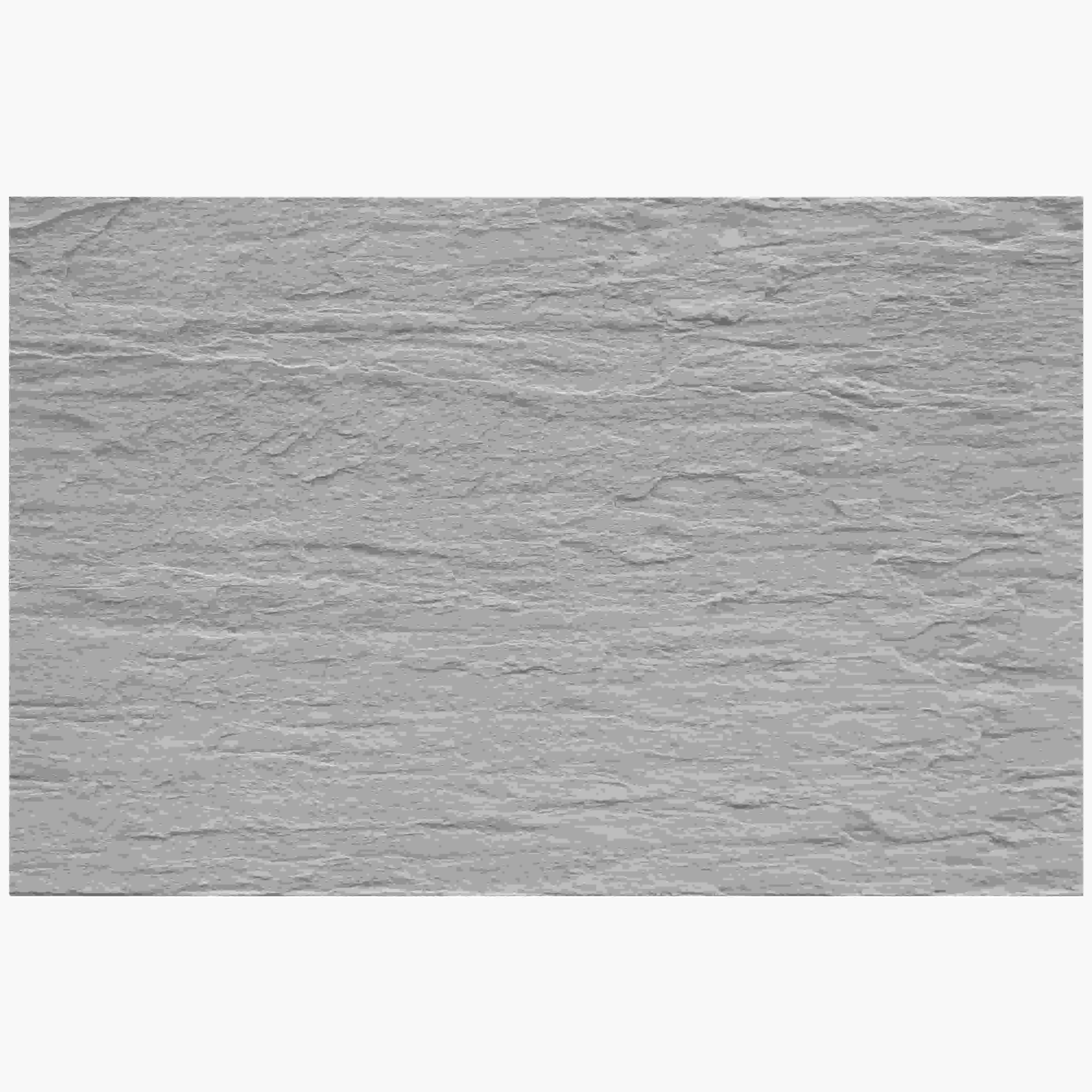
Exploring the Innovation Shaping Modern Architecture
Buildings are more than just structures—they're storytellers. The materials we choose to clothe them in whisper tales of tradition, innovation, and the people who design and inhabit them. In recent years, a quiet revolution has been unfolding in the world of architectural cladding: Modified Cementitious Material, or MCM. Today, we're diving into this game-changing material, with a spotlight on one of its most captivating expressions: Oasis Stone Regular . Along the way, we'll uncover why MCM is redefining how we think about building materials, from the flexibility of MCM flexible stone to the grandeur of MCM big slab board series .
At its core, MCM is a composite material with a cementitious base—think of it as traditional cement's smarter, more adaptable cousin. What sets it apart? It's "modified" with polymers, fibers, and other additives that transform its properties. Unlike rigid, heavy concrete or fragile natural stone, MCM bends without breaking, weighs a fraction of the alternatives, and still manages to mimic the look and feel of natural materials with stunning accuracy.
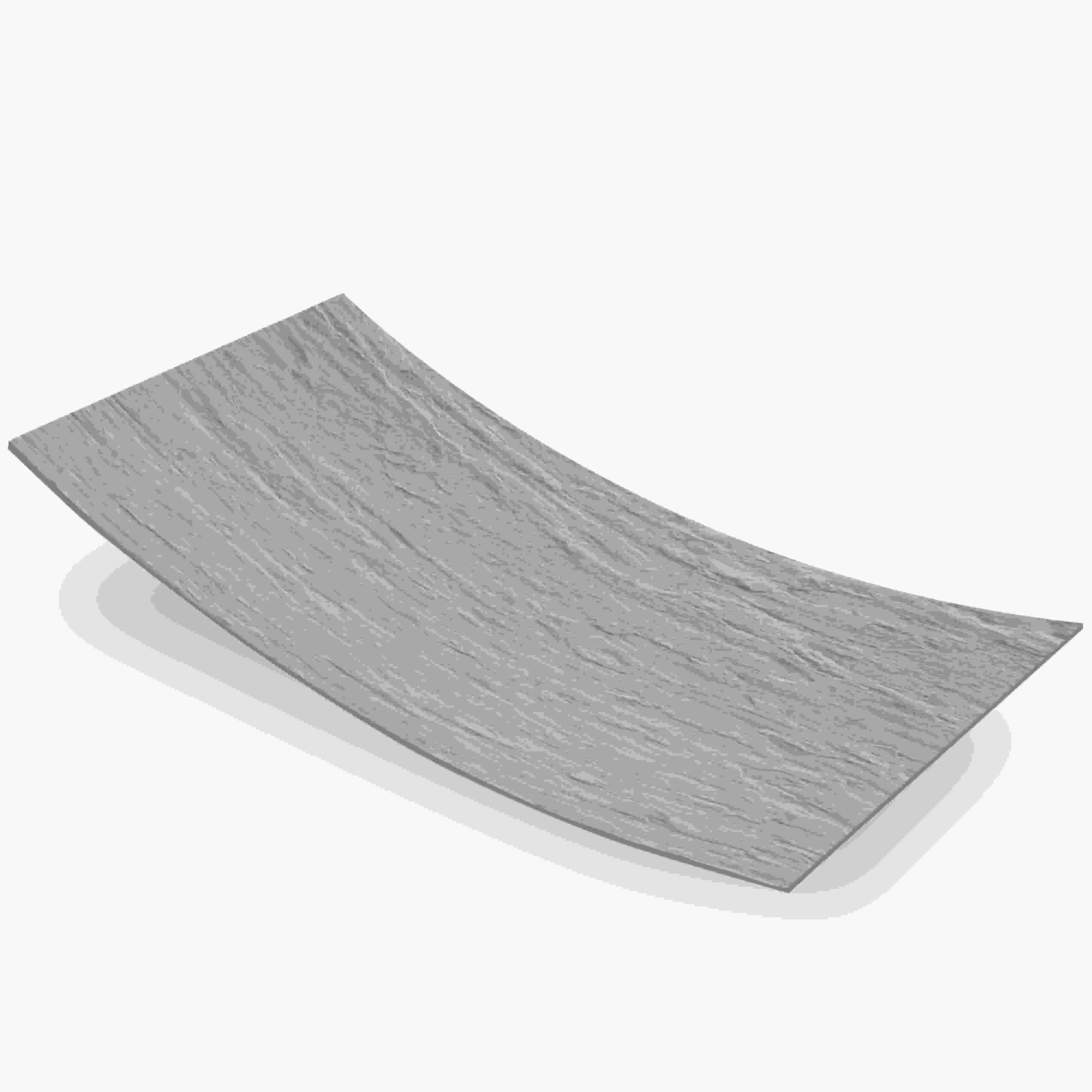
Imagine (oops, scratch that— feel ) holding a sheet of MCM in your hands. It's thin, maybe 3-6mm thick, yet surprisingly strong. Run your finger across its surface, and you might swear it's travertine, slate, or even weathered wood. That's the magic: MCM captures the essence of natural textures while leaving behind their limitations. And among its many forms, MCM flexible stone stands out as a poster child for this innovation—it's so pliable, it can wrap around curved surfaces, turn sharp corners, and adapt to the most creative architectural visions.
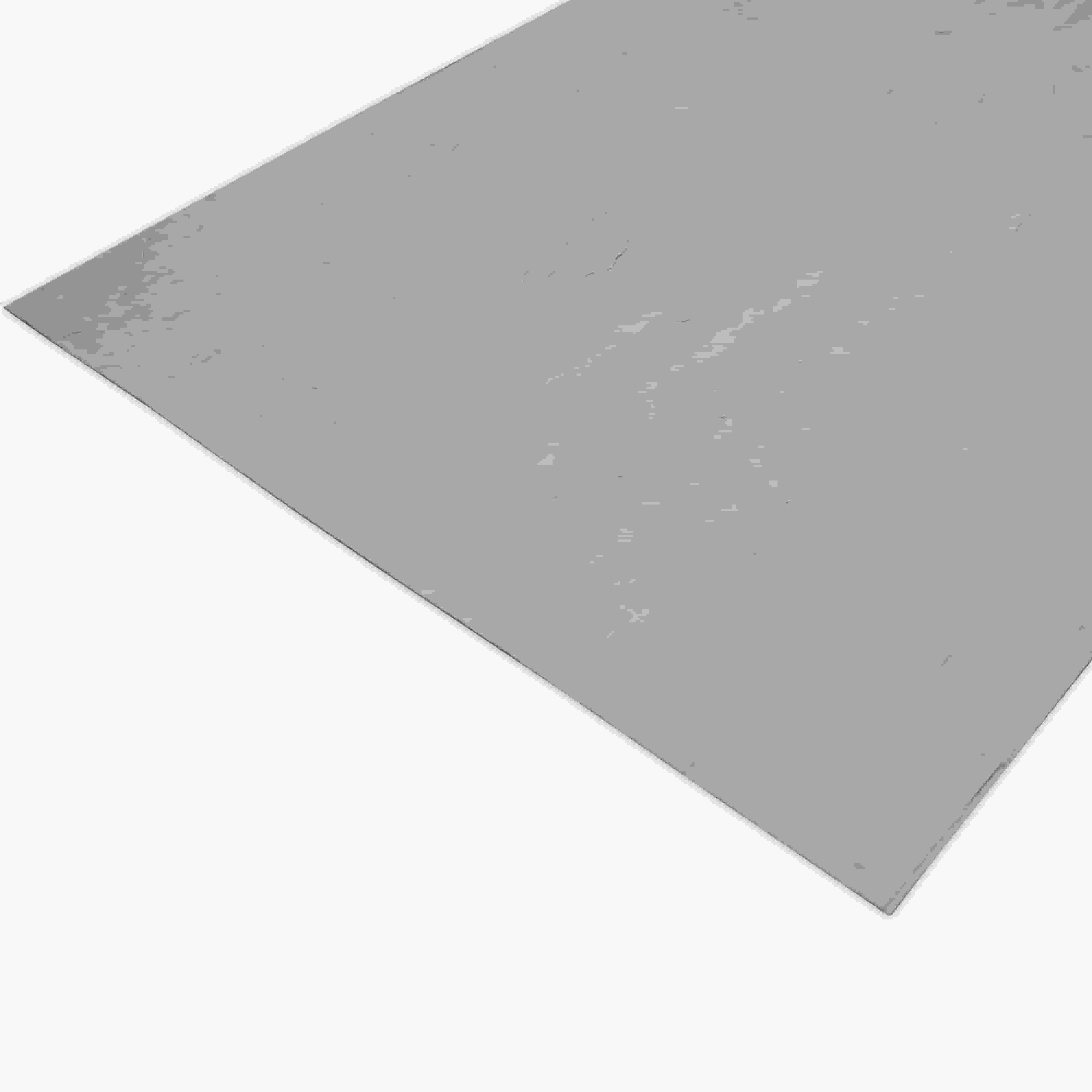
If MCM is the canvas, then Oasis Stone Regular is a masterpiece painted with earthy tones and organic textures. Designed to evoke the serenity of a desert oasis, this particular MCM variant leans into warm, neutral hues—think soft beiges, muted browns, and hints of sandblasted gray. Its surface isn't uniform; instead, it carries the subtle imperfections of natural stone: tiny pits that mimic fossilized shells, gentle color gradients that look like sunlight filtering through palm leaves, and a matte finish that feels both rustic and refined.
But what makes Oasis Stone Regular more than just a pretty face? Let's break it down:
Architects and designers often pair Oasis Stone Regular with bolder MCM variants to create contrast. For example, if you want to balance its earthy calm with a touch of drama, travertine (starry green) —another MCM favorite—adds a pop of deep, celestial color that feels both modern and timeless. Together, they prove MCM isn't just a material; it's a palette.

Oasis Stone Regular is part of a larger MCM universe, each series tailored to different needs. Take the MCM big slab board series , for instance. These are the heavyweights (pun intended—though they're still lightweight!) of the MCM world, with slabs up to 1200x2400mm. Perfect for commercial spaces where seamless, uninterrupted surfaces make a statement: think airport terminals, shopping malls, or modern office lobbies. Imagine a conference room wall covered in a single, sweeping slab of MCM big slab in a muted gray—clean, contemporary, and free of unsightly grout lines.
Then there's fair-faced concrete —a material with an industrial, raw appeal that's been trending in minimalist design. While traditional fair-faced concrete is thick and unforgiving, MCM versions capture its utilitarian charm but with the same flexibility and lightness as Oasis Stone Regular. It's a favorite for lofts, art galleries, and tech offices where "less is more" reigns supreme.
| Material | Weight (kg/m²) | Flexibility | Best For |
|---|---|---|---|
| Oasis Stone Regular (MCM) | 4-6 | High (bends up to 30°) | Residential exteriors, boutique interiors, landscaping |
| MCM Big Slab Board Series | 5-7 | Moderate (ideal for large, flat surfaces) | Commercial lobbies, airport terminals, high-rise facades |
| Traditional Natural Stone (e.g., marble) | 20-30 | Low (brittle, prone to cracking) | Luxury interiors (limited to flat, supported surfaces) |
| Fair-Faced Concrete (Traditional) | 18-25 | Very low (rigid, no bending) | Industrial buildings, structural elements |
The table above tells a clear story: MCM, in all its forms, outperforms traditional materials in weight and flexibility while matching (or exceeding) them in versatility. It's why architects are swapping stone and concrete for MCM—not just to save costs, but to unlock design possibilities they never thought possible.
Let's step into a hypothetical (but entirely plausible) scenario: A small bed-and-breakfast in the countryside wants to blend in with its natural surroundings but needs a cladding material that can withstand harsh winters and hot summers. The owner, Sarah, initially considers natural sandstone—beautiful, but expensive and heavy. Her architect suggests Oasis Stone Regular.
"It looks like the stone from the nearby cliffs," Sarah says, running her hand over a sample. "But it's so light!" The installer agrees: "We can put it up in half the time, and you won't need to reinforce the walls. Plus, if a storm damages a panel, we can replace just that one—no tearing down the whole wall." A year later, the B&B's exterior still looks fresh, with the Oasis Stone Regular aging gracefully, its colors softening like a well-loved book.
Or consider a corporate office in the city. The design brief calls for a "biophilic" workspace—one that connects employees to nature without sacrificing urban sleekness. The design team opts for MCM big slab boards in a light oak finish for the reception desk, paired with Oasis Stone Regular on the accent wall. The result? A space that feels both grounded (thanks to the stone-like texture) and airy (thanks to the light wood tones). Employees comment on how "calm" the lobby feels—a testament to MCM's ability to evoke emotion through texture.

In a world where sustainability and creativity are non-negotiable, MCM isn't just a trend—it's a shift. Traditional building materials often come with trade-offs: beauty vs. durability, cost vs. sustainability, flexibility vs. strength. MCM erases those lines. Oasis Stone Regular, with its earthy charm, is a perfect example of this balance: it's kind to the planet, easy to work with, and endlessly customizable.
As cities grow taller and design bolder, materials like MCM will become even more critical. Imagine skyscrapers clad in MCM big slabs that reflect the sky by day and glow softly at night, or homes with curved walls wrapped in MCM flexible stone that blend into mountain landscapes. The possibilities are as limitless as our imagination.
And let's not forget the little things—the details that make a space feel "lived in." A café with a countertop made of travertine (starry green) MCM, its surface catching the light like a night sky. A library with fair-faced concrete MCM shelves that feel industrial yet warm. These are the moments MCM creates: not just buildings, but experiences.
At the end of the day, materials are more than just what we build with—they're how we communicate. Oasis Stone Regular, as part of the MCM family, speaks a language of adaptability, sustainability, and beauty. It says, "We can honor the past (natural textures) while embracing the future (innovation)." It says, "Design shouldn't be limited by what's possible—it should be driven by what's dreamed."
So the next time you walk past a building that makes you pause, take a closer look. Maybe it's clad in MCM—light, flexible, and full of stories waiting to be told. And if it's Oasis Stone Regular? Consider yourself lucky. You're standing in the presence of a material that's not just building the future—it's shaping it, one beautiful, bendable panel at a time.
Recommend Products












