

Picture this: You're standing in a sunlit showroom, surrounded by swatches of stone and panels. The screen on your tablet displays a stunning image of Red Travertine —rich, warm, with subtle veins that look like liquid sunlight frozen in time. You nod, convinced this is the one for your project. Six weeks later, the first shipment arrives, and… it's not right. The red is too muted, the texture feels flat under your fingertips, and under your space's fluorescent lights, it leans more brick than burgundy. Sound familiar? If you've ever ordered building materials without testing samples first, you know the sinking feeling of disappointment. But here's the good news: personalized samples—especially for nuanced materials like Red Travertine and MCM Flexible Stone —are your secret weapon to avoiding that regret. They're not just tiny pieces of stone; they're windows into how your space will feel, breathe, and tell its story.
Travertine has been captivating designers for centuries, from the ancient Roman baths to modern boutique hotels. But Red Travertine ? It's in a league of its own. There's something primal about red—it evokes warmth, energy, and even a touch of drama. Think of a cozy wine bar with walls clad in travertine (starry red) , where the stone's natural pits and crevices catch the glow of pendant lights, creating a atmosphere that feels both intimate and grand. Or a restaurant foyer with linear travertine (claybank) floors, where the red undertones complement wooden tables and greenery, making guests feel instantly welcome.
But not all reds are created equal. Walk into any stone supplier's catalog, and you'll find a spectrum: travertine (starry orange) leans fiery and bold, perfect for a statement wall in a creative agency. travertine (starry blue) offers cool contrast, but Red Travertine —especially variants like travertine (vintage red) —strikes that sweet spot between timeless and trendy. Its beauty lies in its imperfections: the honeycombed pores, the subtle variations in hue, the way it ages gracefully, developing a patina that tells the story of the space it inhabits.
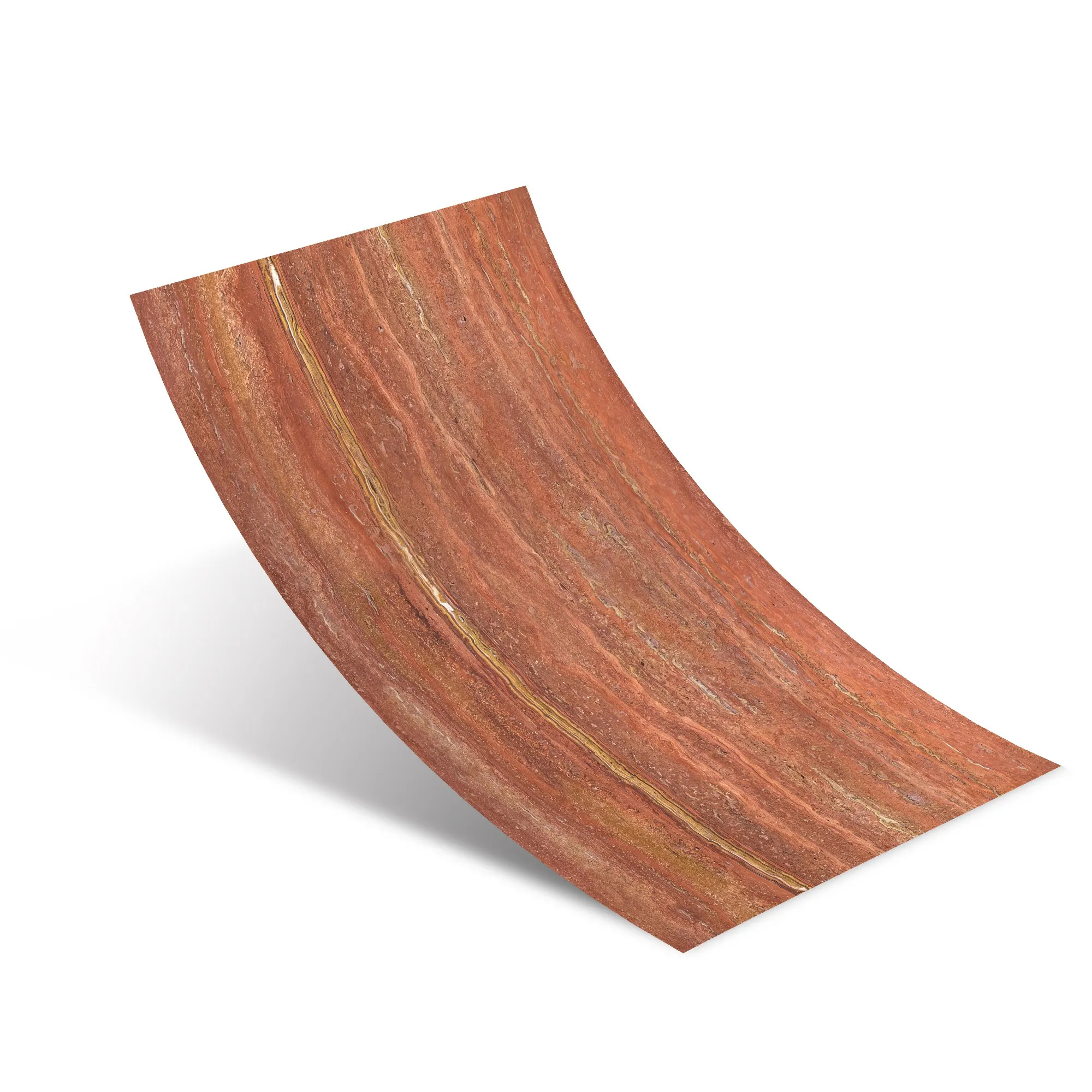
Ordering a personalized sample isn't just about "checking the color." It's about customization. Maybe you need a Red Travertine with fewer pores for a sleek, modern kitchen backsplash, or more texture for a rustic outdoor patio. Suppliers like MCM get this—that's why their MCM 3D Printing Series allows for tailored textures, and their MCM Project Board Series includes samples sized to mimic real-world installation (no more guessing how a 2x2 inch swatch will look on a 10-foot wall).
Take Sarah, an interior designer I worked with last year. She was tasked with revamping a historic theater lobby, and she fell hard for travertine (starry red) online. But instead of ordering blindly, she requested three samples: one with a polished finish, one honed, and one brushed. When they arrived, she taped them to the lobby walls and observed them for a week. The polished sample, while stunning in photos, reflected too much light from the theater's chandeliers, creating glare. The honed version? Perfect. Its matte surface softened the red, making the space feel elegant without overwhelming the vintage architecture. "That sample saved me from a disaster," she told me later. "It wasn't just about the color—it was about how the texture interacted with the room's unique light."
To help you navigate the world of Red Travertine , here's a breakdown of popular variants and how they might fit your project:
| Variant Name | Color Notes | Texture Profile | Best For |
|---|---|---|---|
| Travertine (Starry Red) | Deep crimson with tiny "star" flecks of gold and cream; resembles a night sky. | Medium porosity, slightly rough to the touch; pits are filled but visible. | Accent walls, fireplace surrounds, luxury retail interiors. |
| Travertine (Vintage Red) | Muted terracotta with gray veins; has an aged, "lived-in" look. | Smooth honed finish; minimal porosity for easy cleaning. | Heritage homes, cafes, spaces aiming for a rustic-chic vibe. |
| Linear Travertine (Claybank) | Warm red-brown with linear, horizontal veins; earthy and grounded. | Flat, consistent texture with subtle grooves; uniform appearance. | Flooring, stair risers, commercial lobbies with high foot traffic. |
| Dolomitic Travertine (Dark Grey) | Not strictly red, but features rich red undertones against dark gray; dramatic contrast. | Dense, low porosity; smooth with a slight sheen when polished. | Modern offices, statement columns, high-end restaurants. |
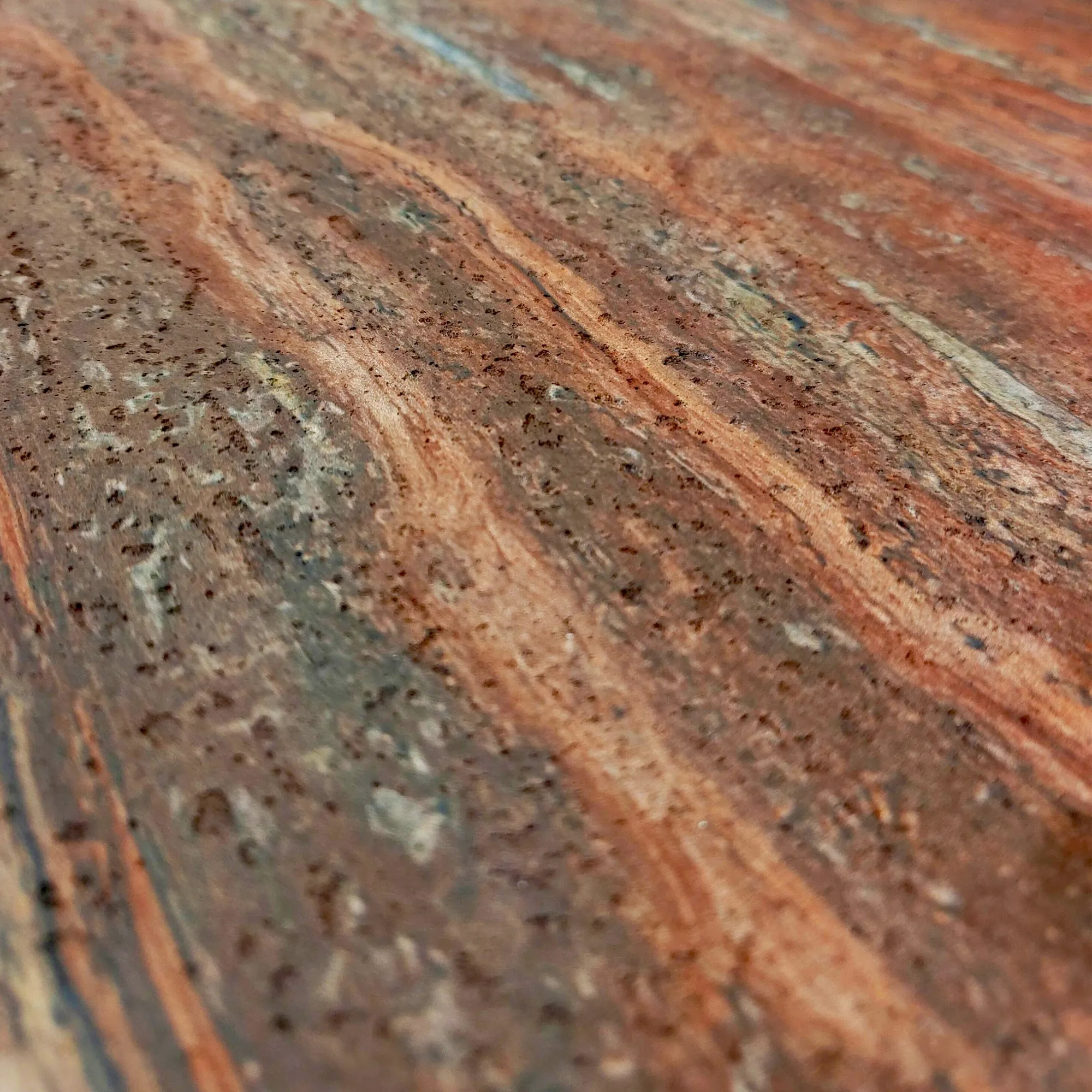
If Red Travertine is the heart of your design, MCM Flexible Stone is its versatile body. Traditional stone is heavy, brittle, and tricky to install on curved surfaces or high-rise buildings. MCM (Modified Composite Material) changes the game. It's a lightweight, flexible panel that mimics the look and feel of natural stone but with none of the hassle. Imagine wrapping a curved in Red Travertine —with traditional stone, that would require custom cutting, heavy machinery, and a small army of installers. With MCM Flexible Stone ? It bends, adheres easily, and cuts down on installation time (and cost) significantly.
I recently visited a boutique hotel in Barcelona where the designers used MCM Flexible Stone in Red Travertine for the guest room headboards. The result? Each headboard felt like a mini work of art, with the stone's texture adding depth to the minimalist space. And because MCM is so lightweight, the hotel didn't need to reinforce the walls—something that would have been mandatory with real stone. "We wanted the warmth of travertine without the weight," the lead designer explained. "The MCM samples convinced us it was possible. We tested three thicknesses before choosing the one that felt substantial but not clunky."
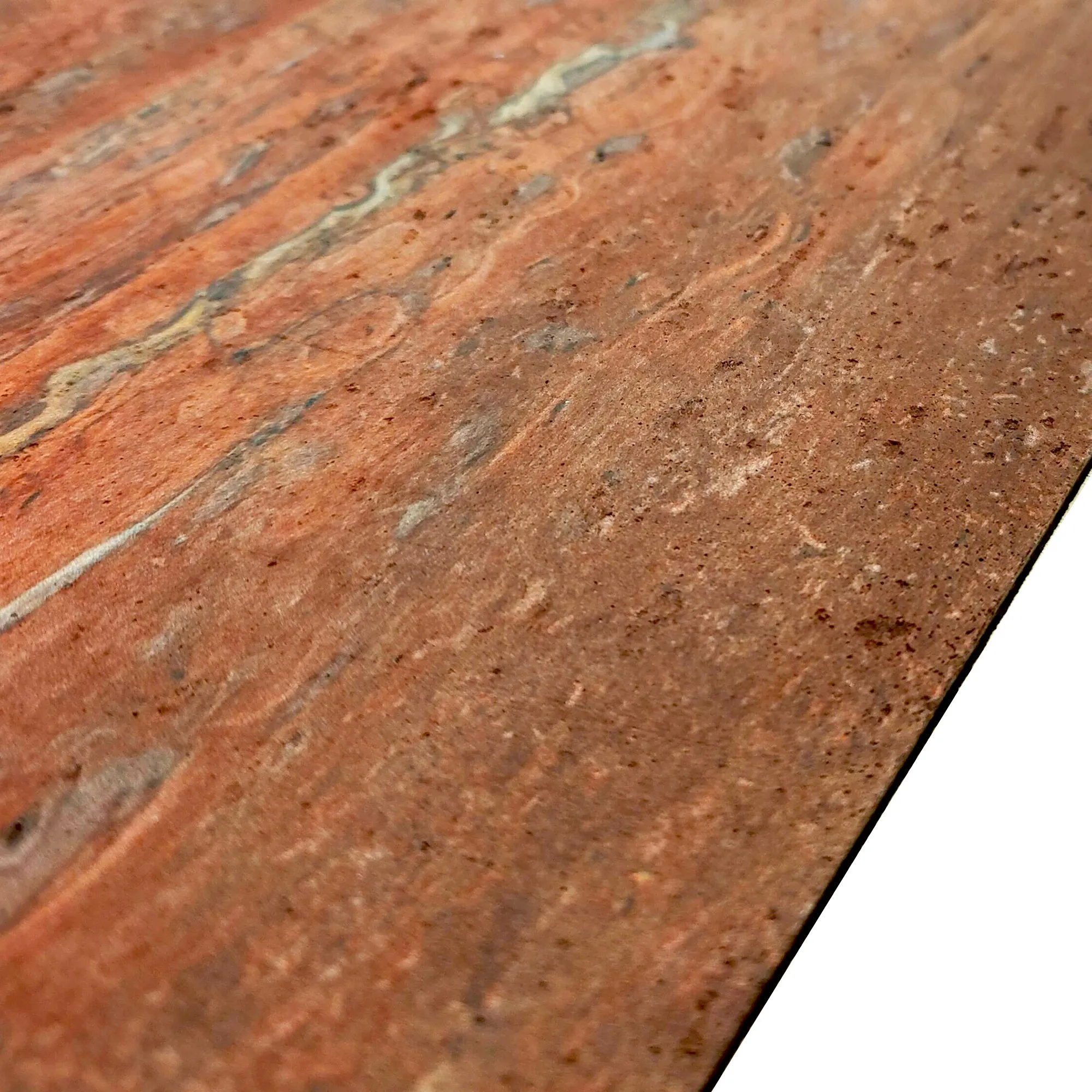
For larger projects—think hotel lobbies, conference centers, or even residential great rooms—seamless design is key. Nothing breaks the flow of a space like visible grout lines or mismatched stone slabs. That's where the MCM Big Slab Board Series shines. These panels come in sizes up to 1200x2400mm, meaning fewer joints and a more cohesive look. Imagine a corporate headquarters with a Red Travertine feature wall made from MCM Big Slab Board Series panels—no interruptions, just a sweeping expanse of color and texture that makes a bold statement about the company's brand.
But here's the catch: big slabs mean big samples. Don't settle for a 10x10cm swatch when you're dealing with a 2-meter panel. Request a larger sample (at least 30x30cm) to see how the color and pattern repeat across the slab. A small sample might hide a vein that becomes dominant in a bigger piece, or a subtle color shift that only becomes apparent when multiple slabs are laid together. I once worked with a developer who skipped this step for a shopping mall's food court, ordering travertine (starry orange) big slabs based on a tiny sample. When installed, the orange veining was far more prominent than expected, clashing with the mall's blue signage. A larger sample would have revealed that pattern—saving them thousands in replacement costs.
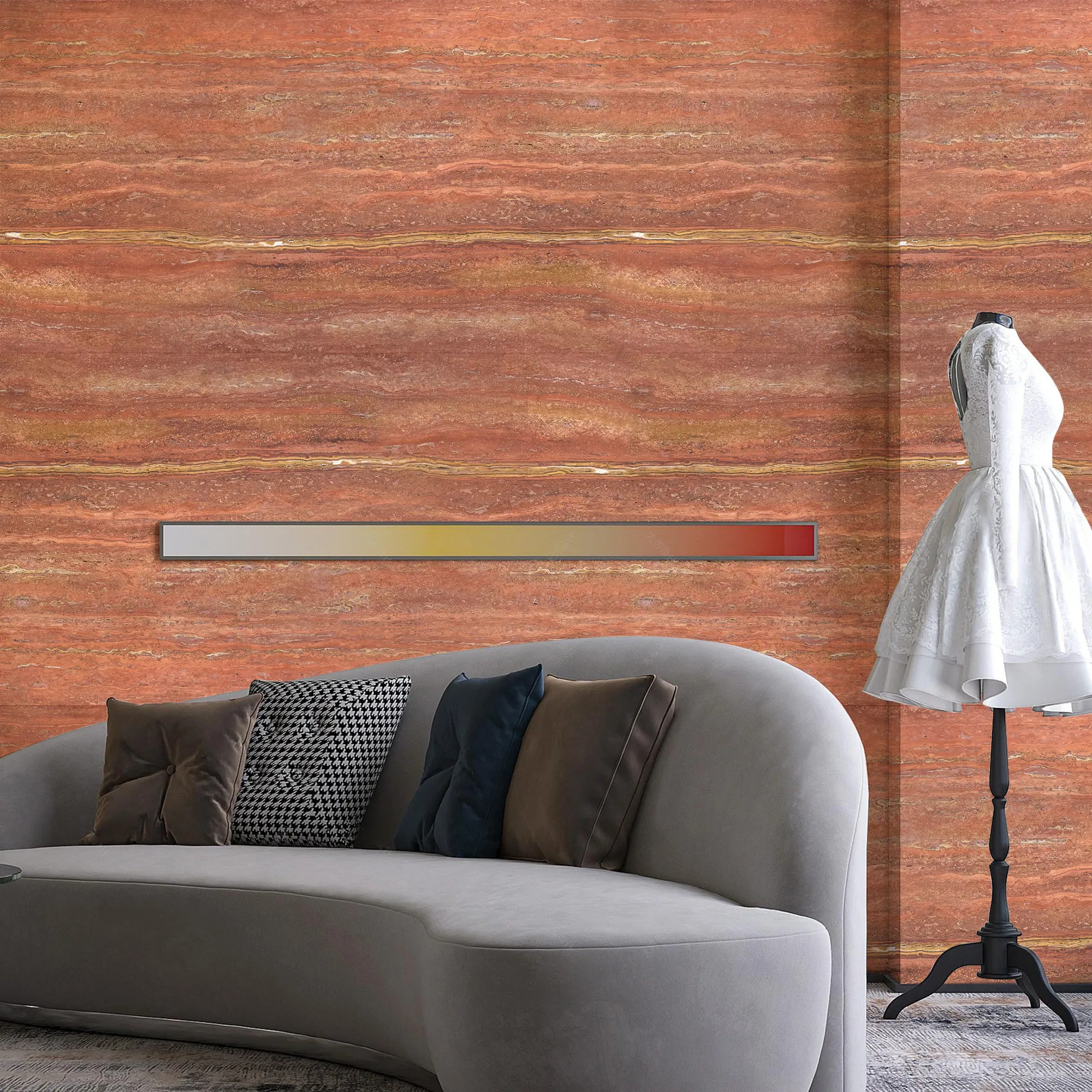
Great design is about balance, and Red Travertine plays well with others. Pair it with fair-faced concrete for an industrial-modern vibe—the concrete's cool gray tones tone down the red's warmth, creating a space that feels both edgy and inviting. Or mix in wood grain board for a organic touch; the natural wood patterns complement the stone's earthiness, perfect for a residential living room or a boutique spa.
Another unexpected pairing? foamed aluminium alloy board (vintage silver) . I saw this combo in a high-end jewelry store last year: Red Travertine display shelves with foamed aluminium alloy board (vintage silver) accents. The silver added a touch of luxury, while the red made the jewelry pop. It was bold, unexpected, and totally unforgettable. But again—this magic only works if you test the samples together. Red and silver can clash if the tones are off; a warm red with a cool silver might feel disjointed, but travertine (vintage red) with foamed aluminium alloy board (vintage silver) ? They're like old friends, each enhancing the other's best qualities.
So you've ordered your personalized Red Travertine and MCM Flexible Stone samples—now what? Testing them properly is just as important as ordering them. Here's how to do it like a pro:
At the end of the day, ordering personalized samples for Red Travertine , MCM Flexible Stone , or MCM Big Slab Board Series isn't an extra cost—it's an investment in peace of mind. Think of it this way: A few dollars spent on samples can save you thousands in rework, not to mention the frustration of living with a design that doesn't feel "right." Whether you're an architect designing a landmark building or a homeowner refreshing your kitchen, samples let you make decisions with confidence. They turn abstract ideas into tangible reality, ensuring that when the final panels arrive, you'll look at your space and think, "Yes—this is exactly how I imagined it."
So the next time you're tempted to skip the sample and hit "order," pause. Ask for that tiny piece of stone, that slice of Red Travertine that holds the key to your space's soul. Take it home, live with it, test it. Your future self—and your project—will thank you.
Recommend Products











