

In the dynamic world of architecture and construction, selecting the right materials for exterior facades is paramount. It's not just about aesthetics; it's about enduring performance, sustainability, and long-term value. While our primary focus at COLORIA GROUP lies in innovative MCM (Modified Cementitious Material) solutions, we acknowledge the diverse needs of the market. This article explores the unique weather resistance features often associated with materials like pine bark board, offering insights into their suitability for challenging external environments. Understanding various material properties helps us better appreciate the advanced capabilities of modern building solutions, including our own specialized offerings for durable and eco-friendly construction.
The allure of natural textures and organic aesthetics in architectural design remains timeless. Materials derived from natural resources, such as specific wood-based panels, bring a unique warmth and character to buildings. When considering options like pine bark board for exterior facades, architects and developers are often drawn to its distinctive appearance and the promise of a harmonious integration with the natural surroundings. However, the true test of any exterior material lies in its ability to withstand the relentless forces of nature—sun, rain, wind, and temperature fluctuations. This is where the concept of weather resistance becomes critically important, influencing both the longevity and the maintenance requirements of a building's outer shell.
While traditional wood materials face challenges with moisture absorption, rot, and pest infestation, advanced manufacturing techniques and treatments can enhance their durability. It's a continuous pursuit in the construction industry to fuse natural beauty with robust performance, ensuring that facades not only look good but also provide lasting protection and structural integrity. At COLORIA GROUP, our decades of industry experience have taught us that innovation is key to overcoming these traditional limitations, leading us to develop materials that excel in both form and function for residential and commercial projects globally.
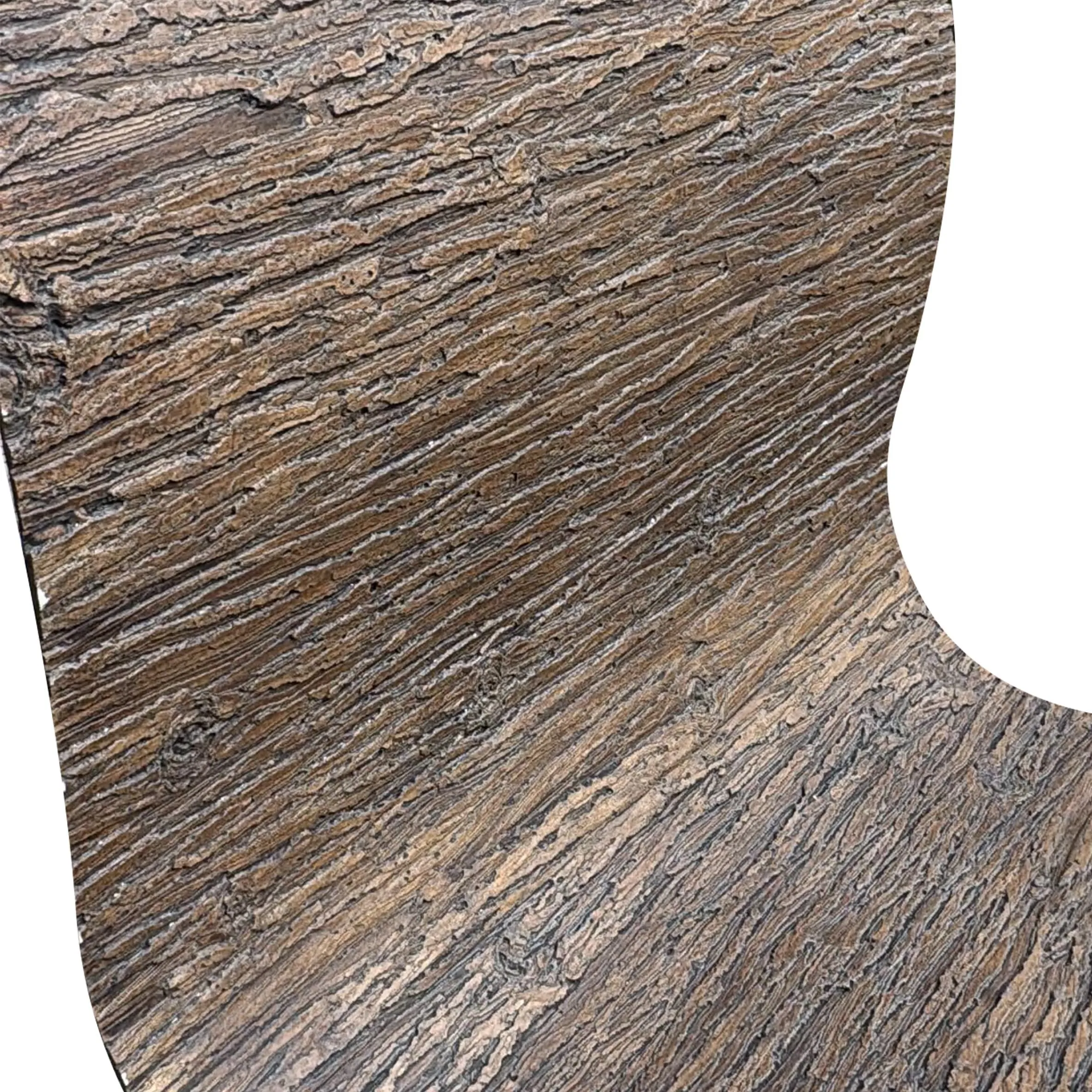
Weather resistance encompasses a broad spectrum of properties that enable a material to maintain its integrity, appearance, and protective function when exposed to outdoor elements. For any exterior facade material, including those that draw inspiration from natural textures, several key factors determine its ultimate performance.
Water is arguably the most destructive force for exterior building materials. Continuous exposure to moisture can lead to swelling, warping, rotting, and the growth of mold and mildew. A truly weather-resistant material must either be highly water-repellent or possess a structure that allows for efficient moisture drainage and drying. For some engineered wood-based panels, specific treatments, coatings, or inherent material compositions are designed to minimize water absorption and prevent saturation, thereby protecting the underlying structure and preserving the aesthetic quality of the facade. This critical aspect ensures that the material does not degrade prematurely, maintaining its structural stability and preventing secondary issues like efflorescence or frost damage.
The sun's ultraviolet (UV) rays can cause significant damage to exterior materials over time. UV radiation can break down molecular bonds, leading to fading, discoloration, chalking, and embrittlement. A high-performing facade material needs to exhibit excellent UV stability to maintain its original color and structural integrity for years. This is especially important for maintaining the aesthetic appeal of the building and reducing the need for frequent recoating or replacement. Advanced material formulations often incorporate UV inhibitors or protective layers to shield the core material from solar degradation, ensuring vibrant and consistent appearance across the building's lifespan.
Exterior facades are subjected to wide temperature swings, from freezing winters to scorching summers. Materials must be able to expand and contract without cracking, buckling, or delaminating. This property, known as thermal stability, is crucial for preventing stress fractures and maintaining the airtightness and watertightness of the building envelope. Materials with low coefficients of thermal expansion, or those designed with integrated expansion joints, perform better in environments with extreme temperature variations. The capacity to manage these physical stresses is a hallmark of durable building components, contributing to the overall structural health and energy efficiency of a building.
In humid environments, exterior surfaces can become breeding grounds for algae, fungi, and moss. Additionally, certain materials, especially those with organic components, can be susceptible to insect infestation. Effective weather-resistant materials should inhibit biological growth and be unappealing or resistant to pests. This often involves incorporating anti-microbial additives or using materials that are inherently inorganic and therefore not a food source for pests or microorganisms. This reduces maintenance burden and ensures a healthier, cleaner building facade over time.
Beyond environmental elements, exterior facades must also withstand physical impacts from hail, wind-borne debris, or accidental contact. A robust facade material should possess sufficient impact resistance to prevent chipping, denting, or cracking, which could compromise its protective qualities and aesthetic value. Durability against abrasion and everyday wear and tear also contributes to the longevity and low maintenance of the facade. These physical properties are crucial for ensuring the long-term performance and appearance of the building's exterior, especially in high-traffic or exposed areas.
"At COLORIA GROUP, our commitment to providing cutting-edge building materials means we constantly evaluate and innovate. We understand the multifaceted challenges facades face and strive to offer solutions that not only meet but exceed expectations for durability and sustainability, serving both residential and commercial projects with excellence."
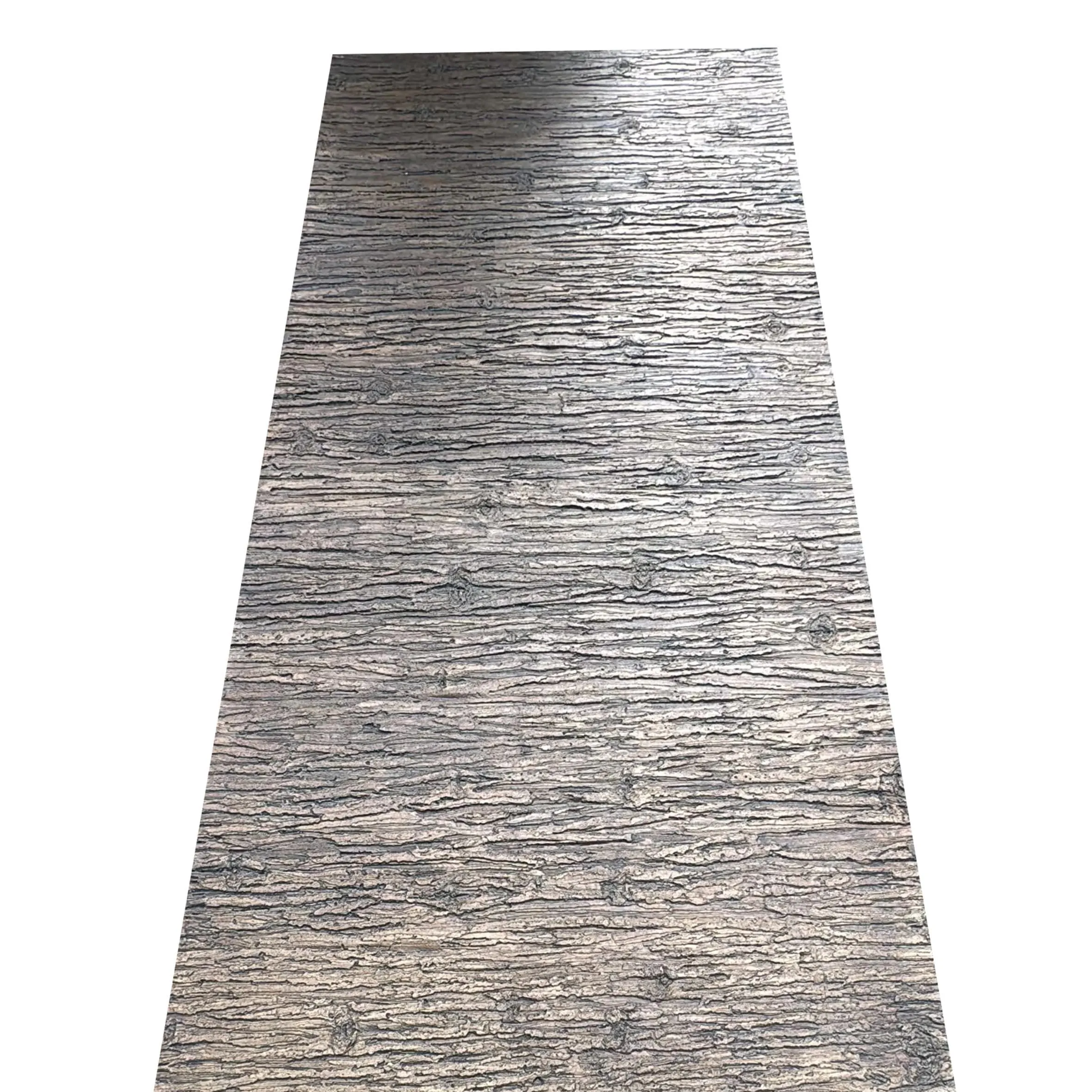
While the discussion on pine bark board highlights the aesthetic appeal and specific challenges of natural materials, it's essential to contrast these with advanced modern solutions like COLORIA GROUP's MCM (Modified Cementitious Material) products . Our core offerings, developed through extensive research and leveraging decades of industry experience, directly address and often surpass the weather resistance capabilities of many traditional options.
Our MCM series products represent a significant leap in exterior and interior finishing. These materials, composed of modified inorganic minerals and polymeric binders, offer unparalleled advantages, especially when it comes to combating the elements. Unlike organic-based materials that might absorb moisture or be susceptible to rot, MCM is inherently water-resistant, often featuring very low water absorption rates, which is crucial for preventing degradation.
Furthermore, MCM materials exhibit superior UV stability and color retention. Their inorganic composition means they are far less prone to fading or chalking under intense sunlight compared to many wood or polymer-based products. This ensures that the building's facade retains its pristine appearance for much longer, reducing the need for costly repainting or repair. The thermal expansion properties of MCM are also carefully engineered to minimize stress under temperature fluctuations, preventing cracking and ensuring long-term structural integrity for building exterior and interior wall decoration .
As a one-stop solution provider , COLORIA GROUP emphasizes not just the material itself but the complete lifecycle performance. Our MCM products, including the MCM Big Slab Board Series and MCM Project Board Series , are designed with sustainability and extreme durability in mind. They are typically lightweight, yet incredibly strong, offering excellent impact resistance. Being inorganic, they are naturally resistant to biological growth like mold, mildew, and algae, and are impervious to common pests, eliminating a significant maintenance concern. Moreover, their green and eco-friendly characteristics underscore our commitment to responsible construction practices.
| Feature | COLORIA GROUP's MCM | Engineered Wood-based Panels (e.g., Pine Bark Board) |
|---|---|---|
| Moisture & Water Resistance | Excellent, very low water absorption, impervious to rot and swelling. | Good to fair, highly dependent on treatments/coatings. Risk of swelling, warping, and rot if protective layers fail. |
| UV Stability & Color Retention | Superior, inorganic pigments provide long-lasting color, minimal fading/chalking. | Moderate to good, may fade or chalk over time; requires consistent UV protective coatings. |
| Thermal Stability | Very good, low thermal expansion/contraction, resistant to cracking. | Moderate, susceptible to expansion/contraction; requires careful installation to prevent buckling. |
| Biological & Pest Resistance | Excellent, inorganic composition prevents mold, mildew, algae growth, and pest infestation. | Fair, prone to mold, mildew, and insect attack unless specifically treated or engineered. |
| Impact Resistance | High, offers robust protection against physical damage. | Moderate, varies greatly by specific product and density; can be susceptible to denting/chipping. |
| Maintenance Requirements | Very low, easy to clean, minimal upkeep. | Moderate to high, may require periodic sealing, painting, or treatment. |
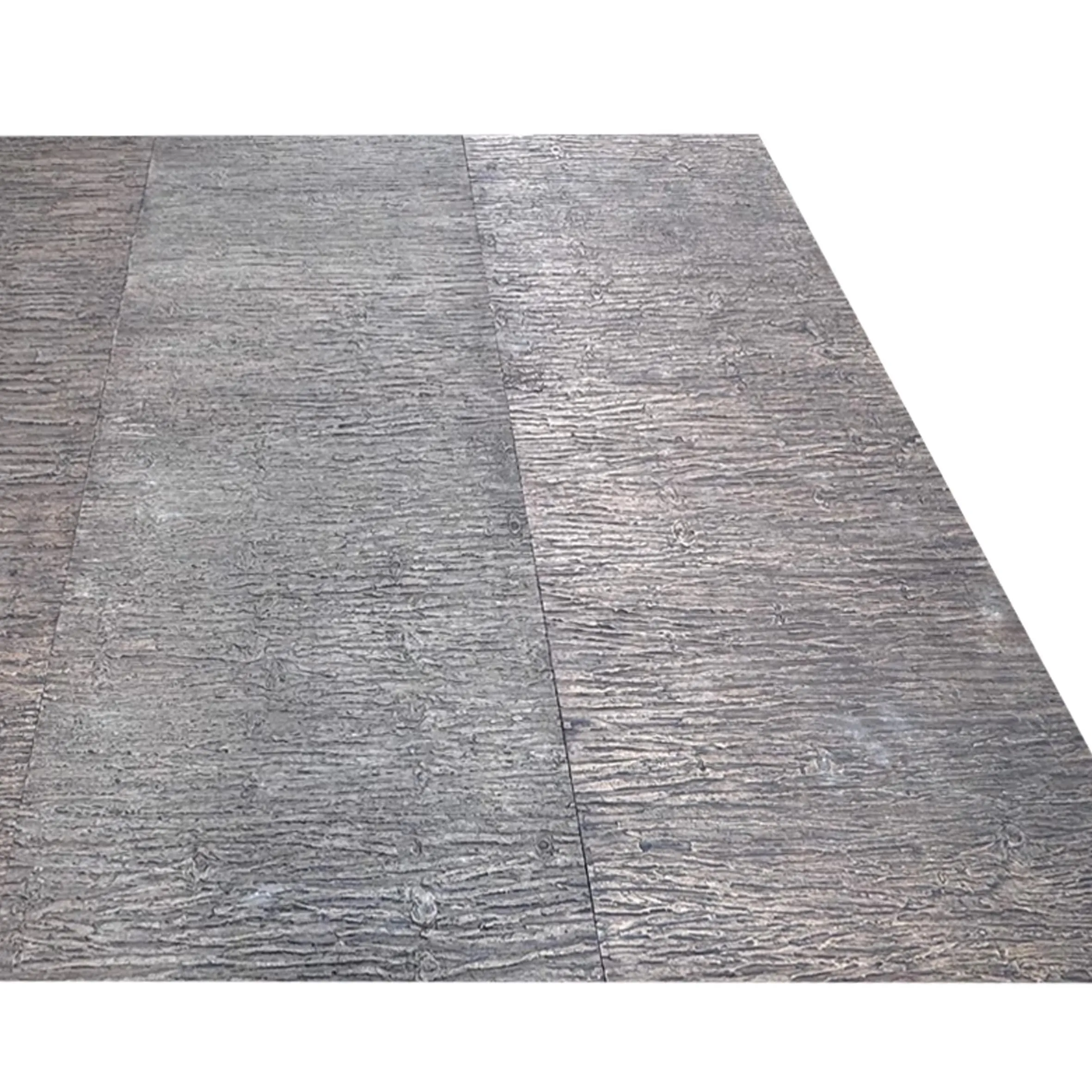
COLORIA GROUP's commitment extends globally. Our presence, particularly with an established agency in Saudi Arabia, underscores our capability to cater to extremely challenging climatic conditions. The harsh desert environment, characterized by intense heat, strong winds, and occasional sandstorms, demands materials with exceptional weather resistance. Our MCM solutions are engineered to perform optimally even in such rigorous settings, providing reliable and aesthetically pleasing facades that stand the test of time. This global outreach allows us to refine our products against a wide array of environmental stressors, ensuring that our offerings are robust enough for any location.
The adaptability and superior performance of our MCM products mean that whether a project is in a humid coastal region, a frigid northern climate, or an arid desert, our materials provide consistent protection and maintain their aesthetic integrity. This comprehensive approach to material development and application support solidifies our position as a trusted partner for architects, builders, and developers seeking high-quality, sustainable facade solutions. Our solutions are designed not just for aesthetics but for enduring resilience, fulfilling the complex demands of modern construction.
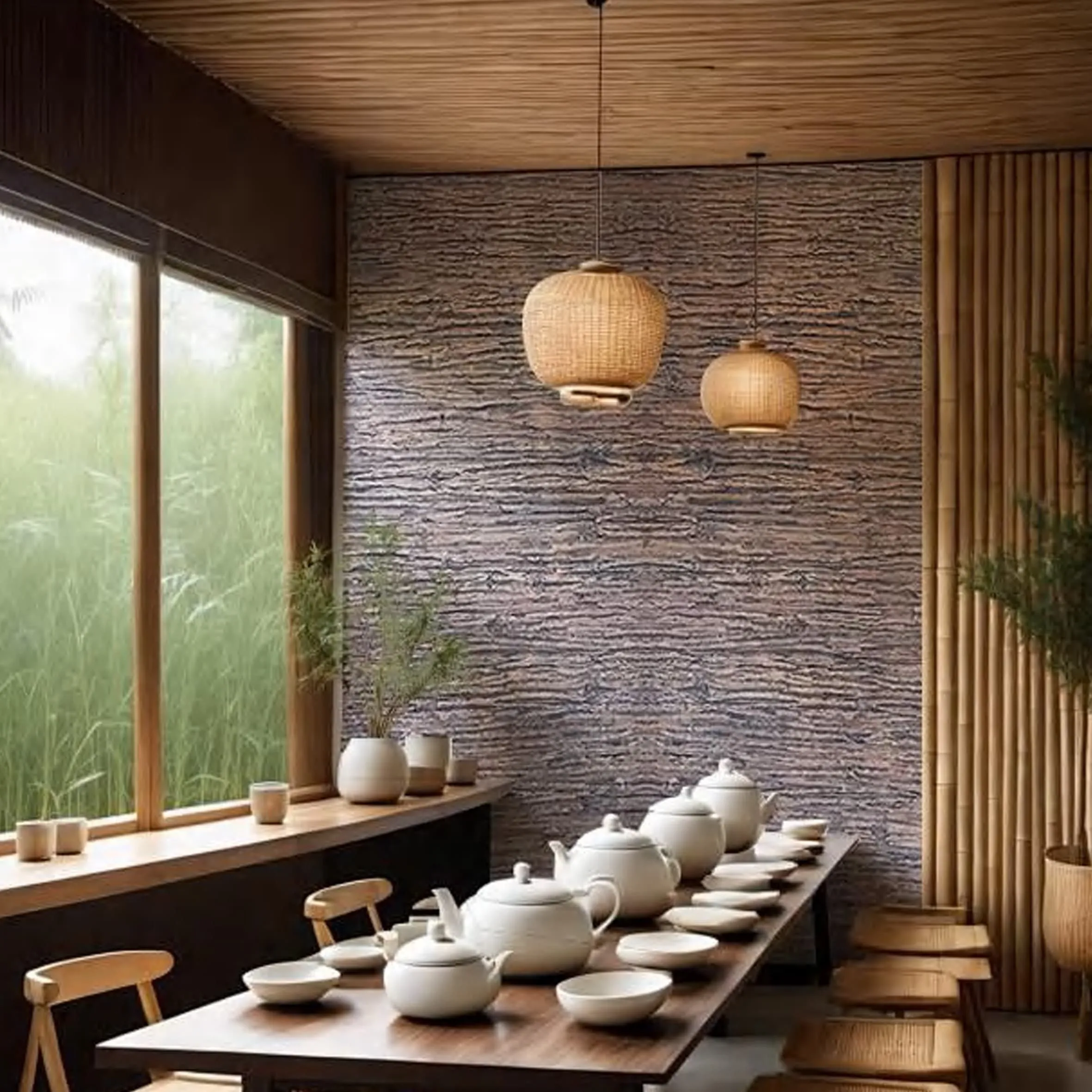
As the construction industry continues to evolve, the emphasis on sustainable and innovative building materials grows stronger. While some natural wood-based panels aim for sustainability through responsible sourcing, materials like our MCM products offer inherent advantages in this realm, from eco-friendly production processes to long lifespans that reduce waste and resource consumption. The ability to customize and integrate these materials seamlessly into diverse architectural styles, from the modern minimalist to the traditionally inspired, highlights their versatility.
Ultimately, the choice of facade material significantly impacts a building's performance, longevity, and environmental footprint. Understanding the intricate details of weather resistance, as we've explored, empowers informed decision-making. COLORIA GROUP remains dedicated to pioneering solutions that not only meet these demands but also push the boundaries of what's possible in building materials , ensuring beautiful, durable, and sustainable structures for the future. Our 3D Printing Series, for example, opens new avenues for customized architectural elements, further blending innovation with our core commitment to quality and environmental responsibility.
Recommend Products











