

In an era where environmental consciousness is no longer just a trend but a global imperative, every industry is facing the critical challenge of minimizing its ecological footprint. The construction and building materials sector, a significant consumer of resources and generator of waste, is particularly under the microscope. Traditional material production often leaves behind substantial waste, leading to landfill burdens and the squandering of valuable resources. However, visionary companies are now stepping up, harnessing innovation to transform what was once considered waste into high-value, sustainable building solutions. This is precisely where the concept of Pine Bark Board Production shines, representing a paradigm shift in how we perceive and utilize natural by-products. It's not just about creating a new product; it's about pioneering techniques that champion resource efficiency, reduce waste, and ultimately contribute to a healthier planet.
The timber industry, while providing indispensable materials for construction and countless other applications, inherently produces a vast amount of by-products. Among these, bark is a prominent example. Historically, bark has been treated as a low-value commodity, often destined for incineration, composting, or simply discarded, leading to disposal challenges and missed economic opportunities. However, the true potential of pine bark, with its unique fibrous structure and inherent properties, has largely been overlooked. Through sophisticated research and development, innovative techniques are now unlocking this hidden value, transforming raw, discarded bark into durable, versatile, and aesthetically pleasing construction materials. This shift is in perfect alignment with the growing demand for sustainable building practices and aligns with the ethos of a **one-stop solution provider** in the architectural materials space, dedicated to offering comprehensive, eco-conscious options for both residential and commercial projects.
The drive towards Pine Bark Board Production isn't merely about creating a new product; it's deeply rooted in the pressing need to address environmental concerns. Forest industries worldwide process billions of cubic meters of timber annually, and a significant portion of the tree – including bark – is separated during the milling process. While some bark finds its way into landscaping, biomass fuel, or niche chemical extraction, a substantial amount remains underutilized, contributing to disposal problems. Large piles of bark can pose fire hazards, attract pests, and slowly decompose, releasing greenhouse gases. The traditional approach of seeing bark as a waste product not only creates an environmental burden but also represents a colossal missed opportunity for resource optimization.
The concept of a circular economy, where waste is minimized and resources are kept in use for as long as possible, is gaining traction globally. Pine Bark Board Production is a shining example of applying circular economy principles directly to the building materials sector. By diverting pine bark from waste streams and processing it into functional boards, we effectively close a loop, turning a liability into an asset. This process significantly reduces the demand for virgin timber in certain applications, thereby lessening pressure on forests. Furthermore, the energy required for producing these boards, especially when compared to energy-intensive materials like concrete or steel, can be substantially lower, particularly if sustainable manufacturing processes are employed. The emphasis on **green and environmentally friendly characteristics** is not just a marketing slogan but a core principle driving the innovation behind these materials. It speaks to a broader commitment to sustainable development, offering tangible benefits for both the environment and the end-user.
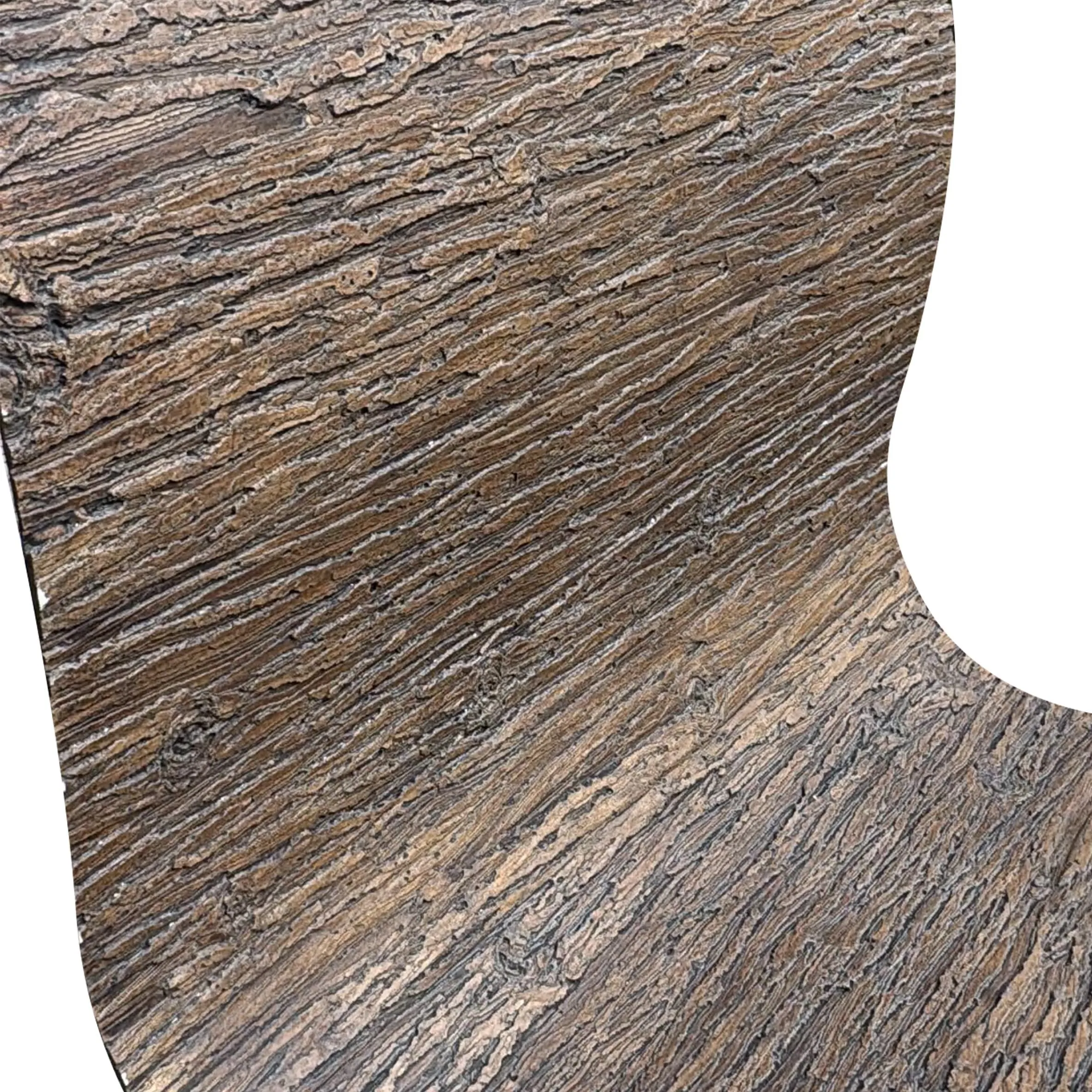
The journey from discarded pine bark to a high-performance building board is a testament to material science and engineering ingenuity. It involves a series of carefully orchestrated steps, each designed to optimize the bark's natural properties and transform it into a resilient and versatile product. This innovative process moves beyond simple compression; it often incorporates advanced binding agents and sophisticated manufacturing techniques, echoing the kind of material modification seen in cutting-edge products like **MCM (Modified Cementitious Material)**, which are known for their enhanced performance and sustainability.
The first critical step involves the efficient collection and initial processing of pine bark. Bark is typically debarked from logs at sawmills or pulp mills. Once collected, it undergoes a rigorous cleaning process to remove impurities such as dirt, stones, and foreign wood particles. Following cleaning, the bark is usually shredded or milled into smaller, more uniform particles. The size and shape of these particles are crucial, as they directly influence the final board's density, strength, and surface finish. Some advanced techniques might involve further refinement, such as defibration, to separate individual bark fibers, which can then be recombined with binders.
While bark possesses some natural binding qualities, especially its lignin content, these are often insufficient for creating robust, structural boards. This is where innovation in binding agents comes into play. Traditional wood composite boards often rely on formaldehyde-based resins, which can have environmental and health concerns. However, modern Pine Bark Board Production increasingly utilizes low-VOC (Volatile Organic Compound) or formaldehyde-free binders. These can include bio-based resins derived from agricultural waste, natural starches, or even advanced mineral-based binders. The selection of the binder is paramount; it determines the board's durability, moisture resistance, fire performance, and environmental profile. The science behind these binders is complex, often involving intricate chemical formulations that ensure strong adhesion between bark particles without compromising the board's green credentials. This sophisticated approach to material formulation parallels the development of **MCM**, where specific modifications are made to base materials to achieve superior performance characteristics.
Once the prepared bark particles are mixed with the chosen binder, they are formed into a mat. This mat is then subjected to high pressure and elevated temperatures in specialized hot presses. The pressing process serves multiple critical functions: it compacts the material to achieve the desired density, activates the binders, and cures the board, giving it its final structural integrity. Variations in pressing parameters – temperature, pressure, and duration – allow manufacturers to fine-tune the board's properties, producing a range of densities and strengths suitable for different applications. Some cutting-edge techniques might involve multi-daylight presses or continuous presses, optimizing efficiency and consistency. The precision involved in these forming and pressing stages is vital for ensuring the consistent **high quality** of the finished product.
After hot pressing, the boards undergo a curing period, during which the binders fully harden and the board stabilizes. This is often followed by trimming to exact dimensions and sanding to achieve a smooth, uniform surface suitable for various finishes. Depending on the intended application, boards might receive additional treatments, such as moisture-resistant coatings, fire retardants, or decorative veneers. The ability to apply diverse finishes and cut the boards to specific sizes underscores the potential for **customization**, making them adaptable to a wide array of architectural and design requirements.
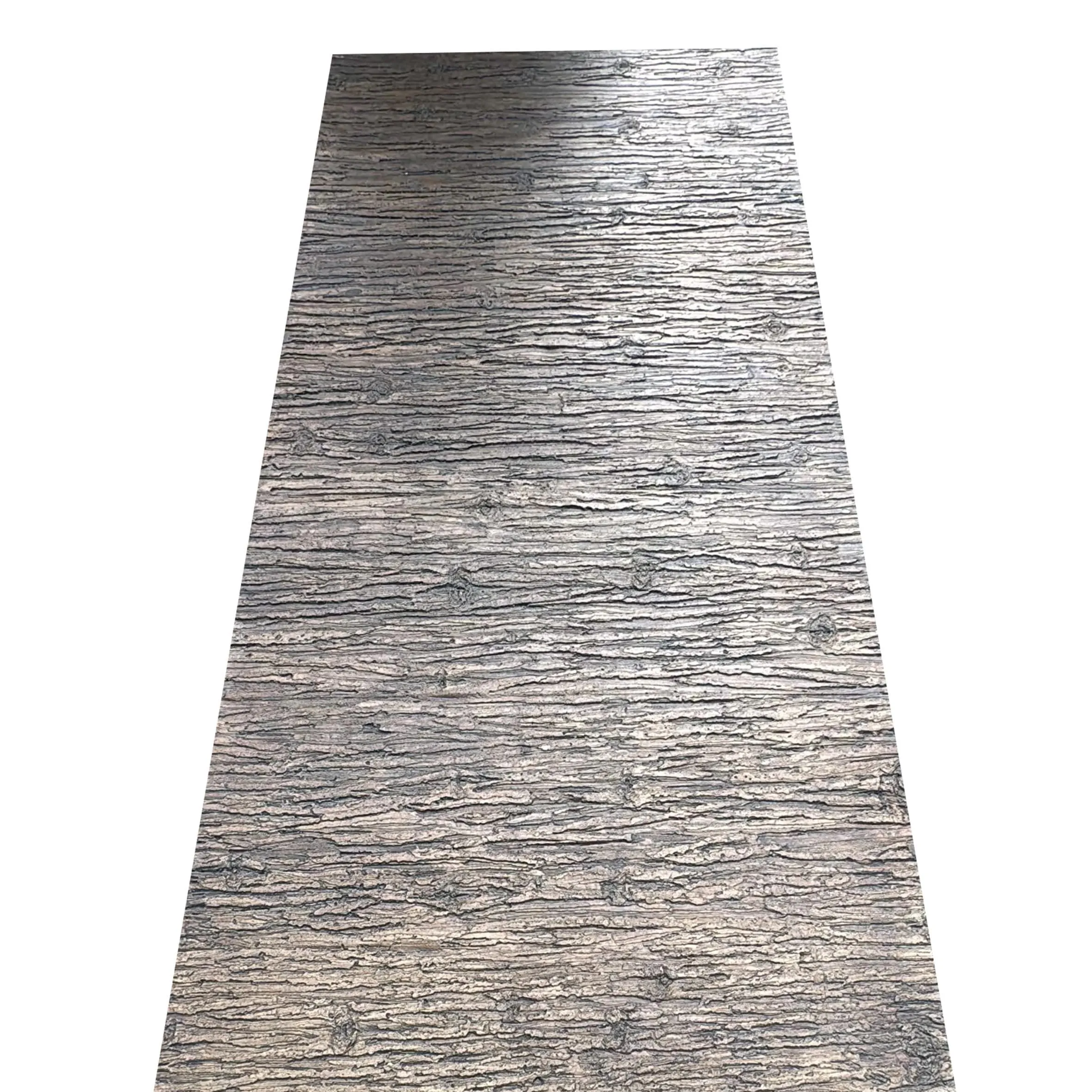
The innovative production techniques yield boards with a compelling list of advantages that position them as a leading sustainable material in contemporary construction and design. These benefits extend beyond mere environmental impact, offering tangible improvements in performance and aesthetics.
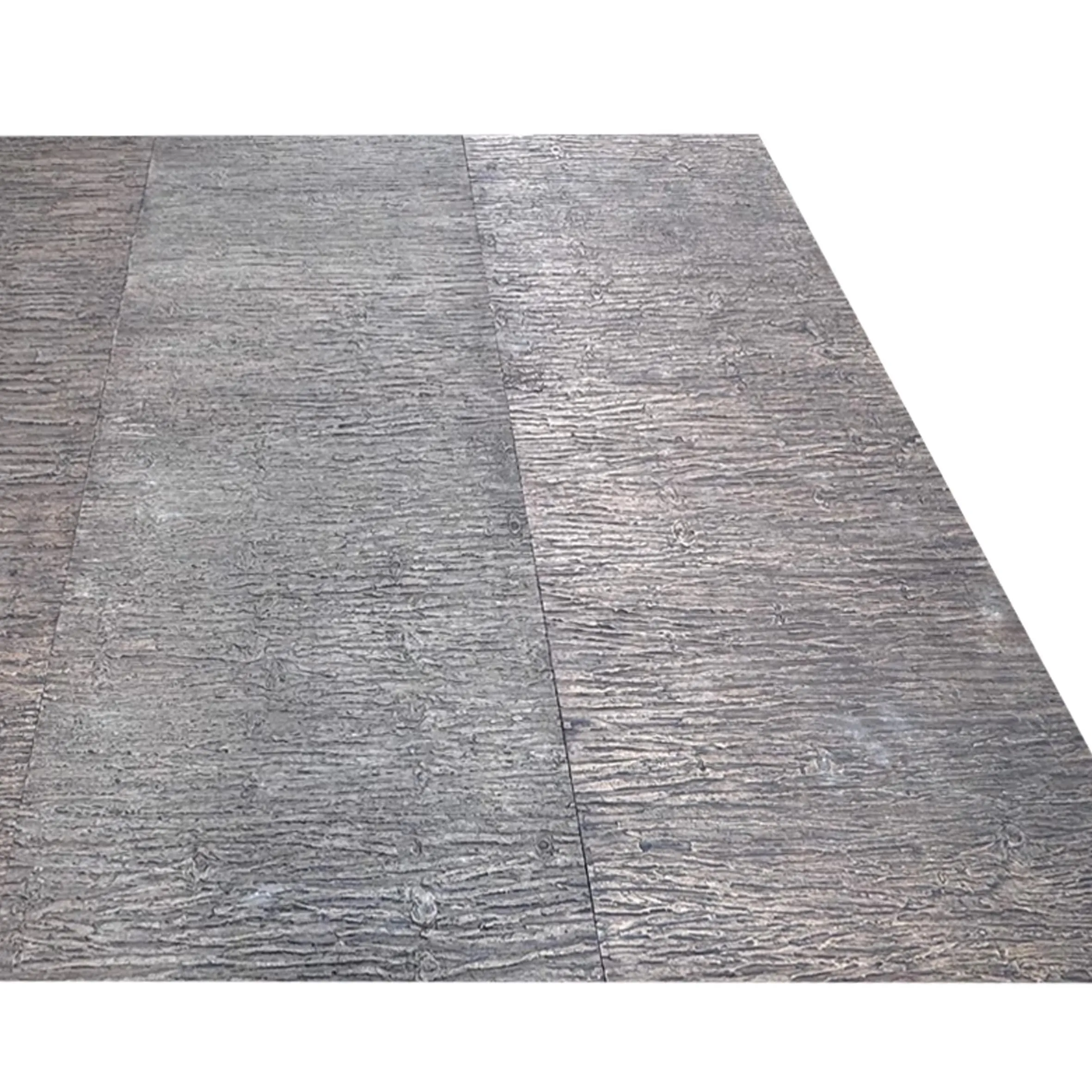
The versatility stemming from their innovative production methods means Pine Bark Boards can be deployed across a broad spectrum of architectural and design applications. Their characteristics make them particularly suited for areas where sustainability, aesthetics, and performance are paramount.
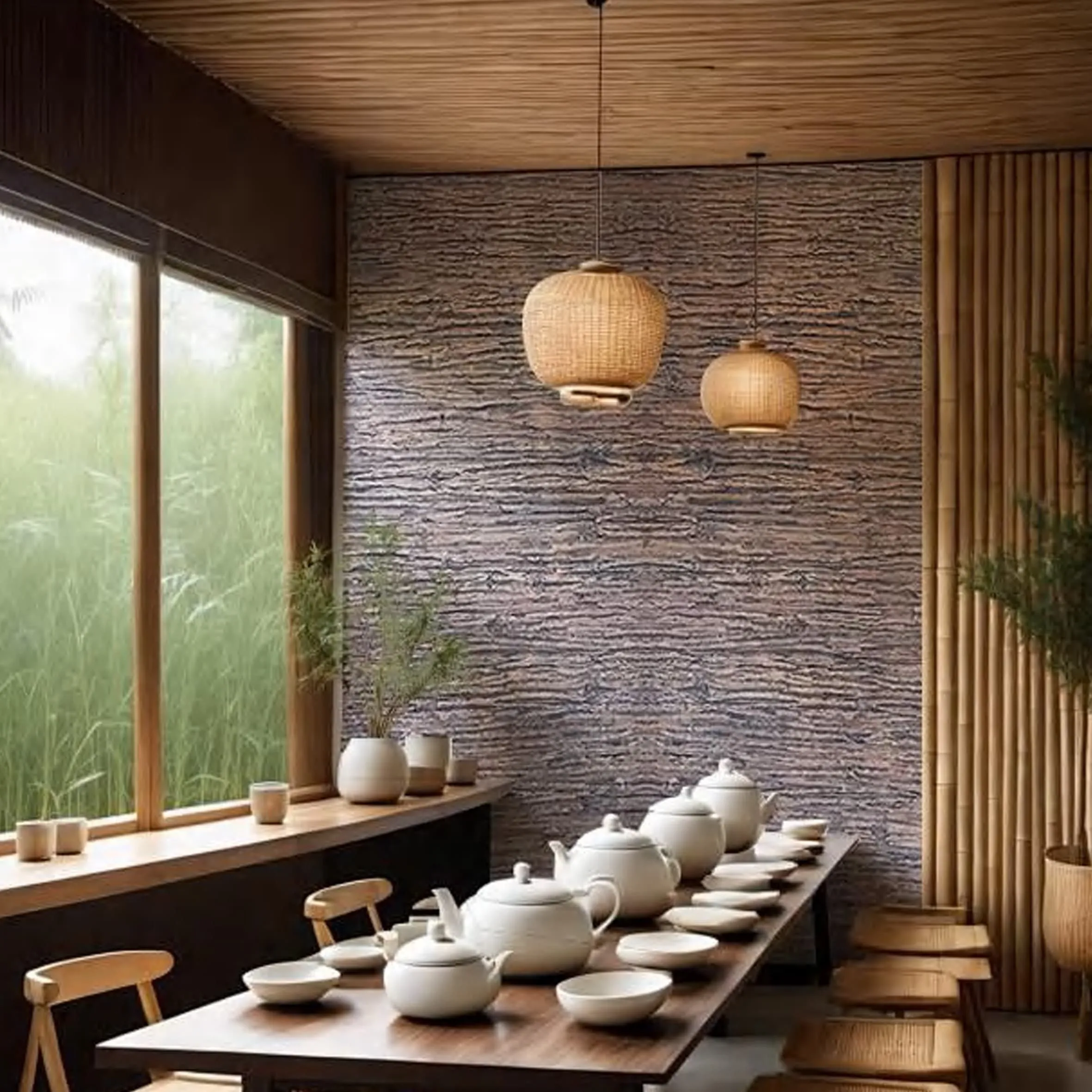
In interior spaces, Pine Bark Boards are finding increasing use as decorative wall panels, ceiling tiles, and partition walls. Their unique texture offers a natural, organic feel that can complement various design styles, from rustic to contemporary minimalist. The acoustic properties make them ideal for spaces requiring sound dampening, such as offices, recording studios, or large public halls. Furthermore, the material's workability allows for its transformation into furniture components, cabinetry, and bespoke joinery, providing designers with a sustainable and visually distinctive option. The ability for **customization** in terms of finishes and cuts means they can seamlessly integrate into any interior scheme.
With appropriate weather-resistant treatments and advanced binder technologies, Pine Bark Boards can also be engineered for exterior applications, primarily as facade cladding. Their insulation properties contribute to the thermal performance of the building envelope, while their natural appearance can create visually striking exteriors. This is where their durability and stability become crucial, standing up to the elements and contributing to the longevity of the building. The continuous development of robust, weather-resistant formulations extends their potential in this demanding area.
The consistent dimensions and ease of processing of engineered Pine Bark Boards make them highly suitable for modular construction and prefabrication. These modern construction methods demand materials that are uniform, easy to work with, and contribute to rapid assembly on site. By integrating Pine Bark Boards into prefabricated panels, the benefits of sustainable materials can be scaled up efficiently, aligning with the industry's move towards faster, more controlled building processes.
The trajectory of Pine Bark Board Production is one of continuous innovation. Researchers are exploring new binder systems, including those based on nanotechnology, to further enhance strength, water resistance, and fire performance. The integration of sensors into these boards for "smart building" applications is also an area of active development. Moreover, the refinement of production processes aims to reduce energy consumption even further, making these boards even more sustainable. The overarching goal is to achieve performance levels that not only match but potentially surpass conventional materials, all while maintaining their core **green and environmentally friendly characteristics**.
The successful adoption and widespread implementation of innovative materials like Pine Bark Boards require more than just technological advancements; it demands a holistic approach that integrates these solutions into broader architectural and construction practices. This is where companies that act as a **one-stop solution provider** in the architectural materials domain truly make a difference. Such providers don't just offer individual products; they curate a portfolio of high-quality, sustainable options and provide the expertise to integrate them seamlessly into complex projects.
For instance, a company deeply rooted in offering comprehensive material solutions, and known for its expertise in innovative composites like **MCM (Modified Cementitious Material)**, understands the nuanced requirements of both residential and commercial ventures. Their experience in delivering **high quality** products and services, coupled with a commitment to **green and environmentally friendly characteristics**, positions them perfectly to champion materials like Pine Bark Boards. They would recognize how these boards complement other advanced materials, creating synergies that enhance overall project performance and sustainability.
The ability to provide **customization** is another critical factor. Every architectural project is unique, with specific aesthetic, functional, and environmental demands. A true solution provider can adapt material offerings, finishes, and technical specifications to meet these bespoke requirements. Whether it's specifying a particular board density for a load-bearing application, designing a unique pattern for a decorative wall, or ensuring compliance with specific regional building codes, the capacity for customization ensures that these sustainable materials are not just viable but optimal choices. This goes beyond simply selling products; it's about providing comprehensive advice, technical support, and logistical coordination to ensure the successful integration of materials from conception to completion.
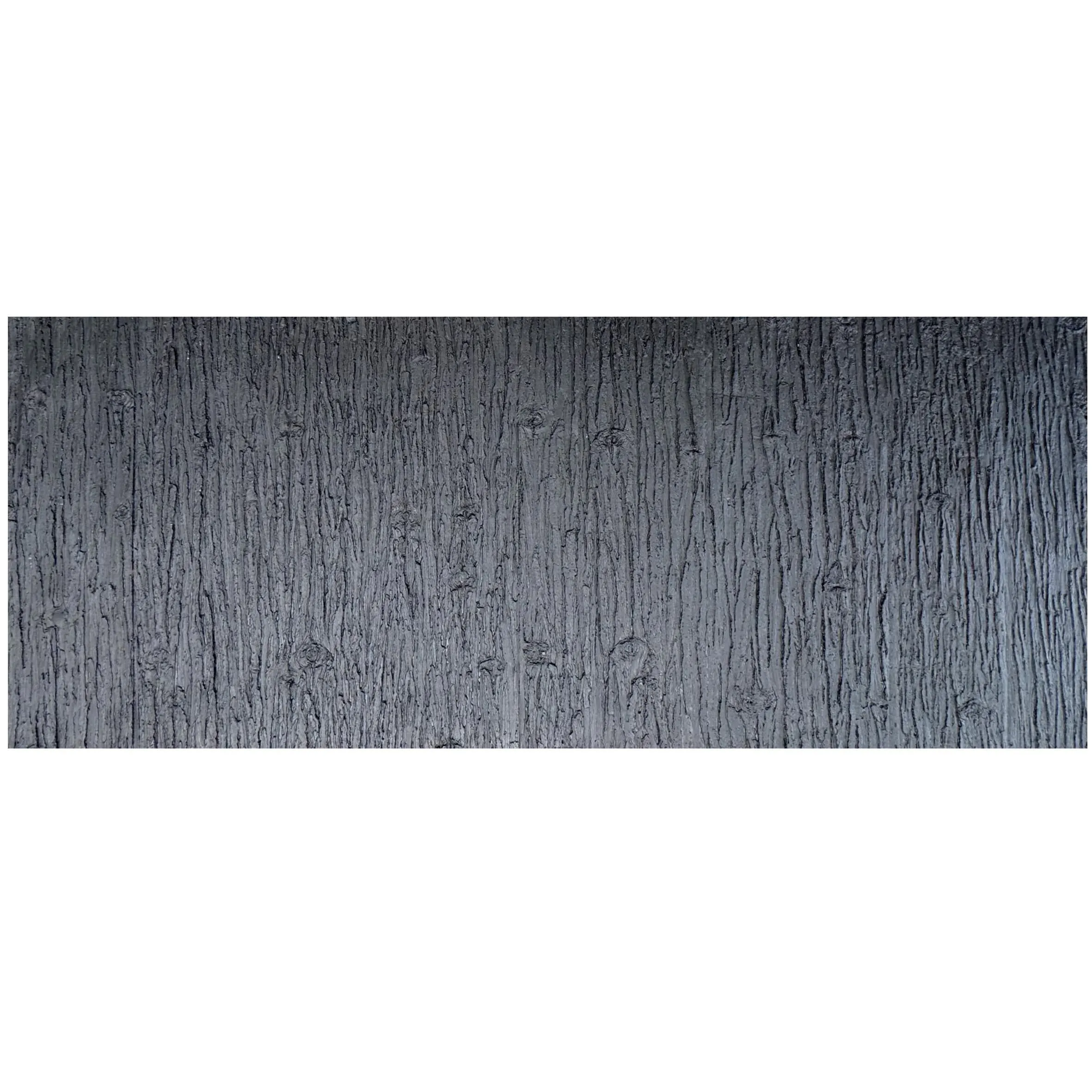
Beyond the direct environmental and performance benefits, Pine Bark Board Production brings significant economic and social advantages. It fosters local economies by creating new manufacturing jobs in regions with timber industries. It also generates new revenue streams from what was previously considered waste, adding value to the entire forestry supply chain.
Furthermore, the development and adoption of such innovative techniques drive research and development, pushing the boundaries of material science and engineering. This intellectual capital contributes to a knowledge-based economy and positions countries at the forefront of sustainable innovation. As global markets increasingly demand environmentally responsible products, investing in Pine Bark Board Production can open up new trade opportunities and enhance a nation's reputation for sustainable manufacturing.
The social impact is also considerable. By reducing waste and promoting healthier building materials, these innovations contribute to the well-being of communities. Healthier indoor air quality, reduced environmental pollution, and the creation of aesthetically pleasing, natural-feeling spaces all enhance quality of life. The story of transforming waste into value resonates with a public increasingly aware of ecological challenges, fostering a sense of shared responsibility and progress.
| Feature/Benefit | Traditional Wood Panels | MCM (Modified Cementitious Material) | Pine Bark Board |
|---|---|---|---|
| Primary Raw Material | Virgin Timber/Wood Chips | Cement, Mineral Powders, Additives | Pine Bark Board"> Waste Pine Bark (By-product) |
| Sustainability Aspect | Can be sustainable if harvested responsibly; waste generation. | Durability, reduced resource consumption due to thinness, often lightweight, environmentally friendly binders. | Pine Bark Board"> High waste reduction, low carbon footprint, circular economy principle. Excellent **green and environmentally friendly characteristics**. |
| Key Performance Drivers | Strength, workability, natural aesthetics. | Lightweight, flexibility, fire resistance, moisture resistance, wide aesthetic range, **high quality** finish. | Pine Bark Board"> Thermal/acoustic insulation, unique aesthetics, waste utilization, durability. Focus on **high quality** manufacturing. |
| Aesthetic Versatility | Natural wood grain, can be stained/painted. | Mimics natural stone, brick, wood; diverse textures and colors. Highly adaptable to **customization**. | Pine Bark Board"> Unique organic texture, earthy tones, can be finished or left natural. Offers significant potential for **customization**. |
| Typical Applications | Furniture, interior panels, structural elements. | Interior/exterior walls, facades, flooring, ceiling. A core offering for a **one-stop solution provider**. | Pine Bark Board"> Decorative wall/ceiling panels, acoustic panels, furniture components, insulation layers. |
| Innovation Focus | Sustainable forestry, engineered wood products. | Material modification for enhanced flexibility, lightness, and environmental attributes. Example of advanced material science. | Pine Bark Board"> Waste-to-value conversion, novel binder technologies, optimization of bark properties. A significant innovative technique. |
The journey of Pine Bark Board Production exemplifies the power of innovation in transforming industrial by-products into valuable, high-performance materials. It represents a commitment to reducing waste, fostering sustainability, and delivering products that meet the rigorous demands of modern architecture. This mirrors the ethos of forward-thinking companies dedicated to offering comprehensive, **one-stop solution provider** services, continuously seeking out and integrating cutting-edge materials that are both **green and environmentally friendly** and of the utmost **high quality**, all while providing extensive options for **customization**.
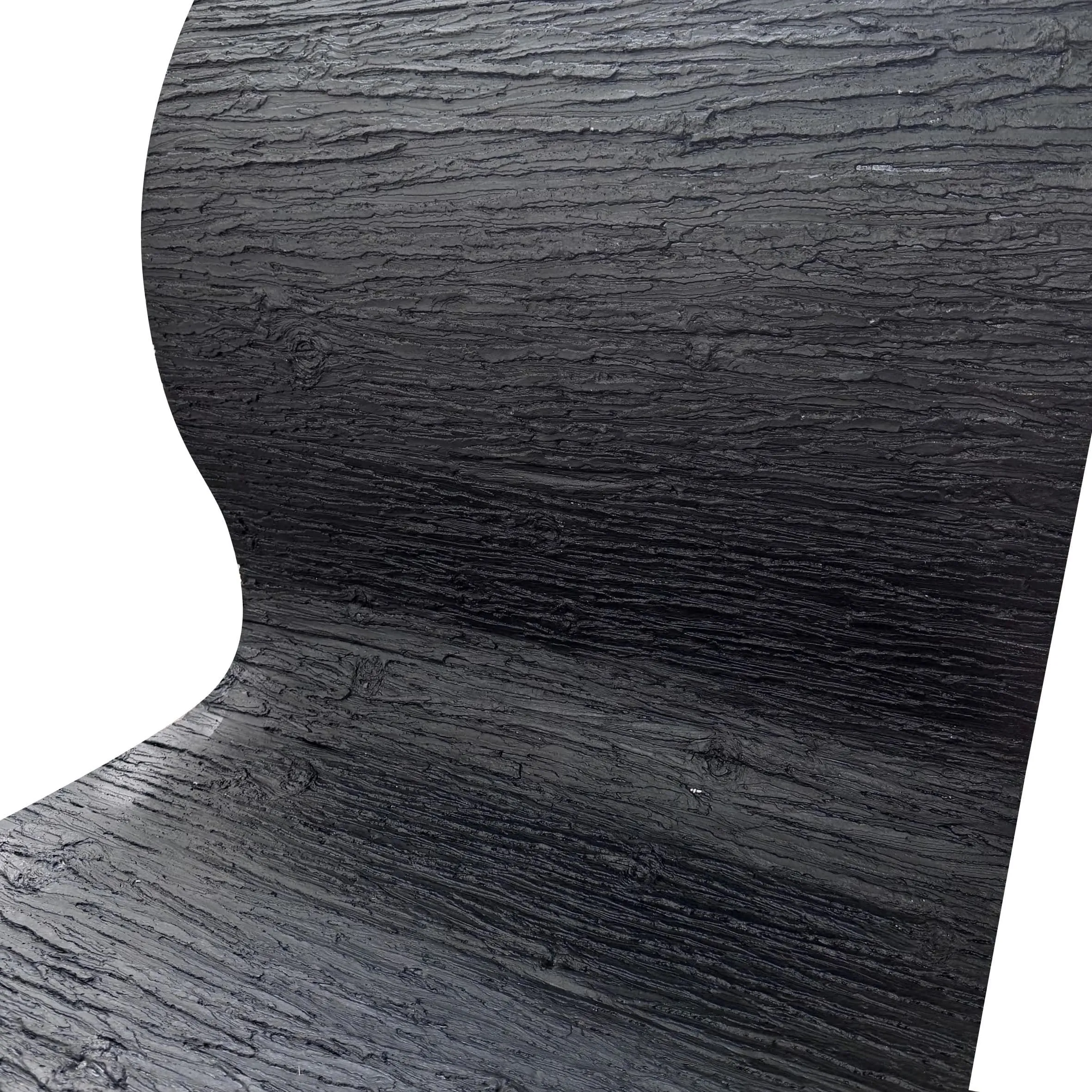
The narrative of Pine Bark Board Production is more than just a story about a new building material; it is a compelling testament to human ingenuity and our collective ability to address pressing environmental challenges through innovation. By taking a plentiful, often discarded industrial by-product like pine bark and transforming it into a versatile, high-performance board, we are not only reducing waste but also unlocking a new paradigm for sustainable construction. This process aligns perfectly with the global push towards a circular economy, where resources are valued and reused, and the environmental footprint of our industries is systematically minimized.
The innovative techniques involved in creating these boards – from advanced binding agents to precise forming and curing processes – result in a product that delivers on multiple fronts. It offers exceptional thermal and acoustic insulation, commendable durability, and a unique aesthetic appeal that can enhance any design. Crucially, these boards boast strong **green and environmentally friendly characteristics**, contributing to healthier indoor environments and a lower carbon footprint for buildings. This combination of ecological responsibility and superior performance makes them an increasingly attractive choice for architects, designers, and developers committed to building a better future.
For leading **one-stop solution provider** companies in the architectural materials sector, embracing and integrating such pioneering materials is not just a strategic advantage but a fundamental responsibility. Just as they champion advancements in materials like **MCM (Modified Cementitious Material)**, these providers understand the intricate link between material innovation and project success. They see the value in offering **high quality**, customizable solutions that cater to the evolving demands of both residential and commercial projects. The ability to provide extensive **customization** options ensures that the inherent benefits of Pine Bark Boards can be fully leveraged, adapted to specific project requirements, and seamlessly incorporated into diverse architectural visions.
Ultimately, Pine Bark Board Production represents a vital step forward in the quest for truly sustainable building practices. It demonstrates that with creativity, scientific rigor, and a commitment to environmental stewardship, we can transform challenges into opportunities. As the demand for eco-conscious materials continues to grow, these innovative boards will play an increasingly significant role in shaping the built environment, proving that reducing waste through innovative techniques is not just an ideal, but a tangible, impactful reality. The future of construction is not just about building strong and beautiful structures, but about building them responsibly, harmoniously, and with a profound respect for the planet's finite resources.
Recommend Products











