

When we think about building exteriors that last, our minds often turn to nature for inspiration. How do ancient trees survive for centuries, weathering storms, resisting insects, and standing tall against the slow march of decay? One of nature's most fascinating examples of resilience is pine bark. For generations, builders and designers have been captivated by its rugged texture and its inherent ability to protect the tree within. This has led to a natural question: can we harness that same protective power for our homes and commercial buildings?
The idea of a "pine bark board" is an appealing one. It suggests a material that is not only beautiful and organic in appearance but also tough, durable, and naturally resistant to the very things that threaten our buildings the most: pests and rot. But how does this concept translate from a forest to a facade? In this exploration, we'll delve into the science behind pine bark's natural defenses, examine the realities of using it in construction, and ultimately, uncover how modern material science has not only met but exceeded nature's design. We'll see how innovative companies like COLORIA GROUP are pioneering solutions that offer the aesthetic spirit of materials like pine bark, but with engineered performance that provides unparalleled protection for modern exteriors.
Before we can replicate or improve upon nature, we must first understand its masterwork. The bark of a pine tree is far more than just a protective skin; it's a complex, multi-layered shield forged through millennia of evolution. Its remarkable resistance to pests and rot isn't an accident—it's a sophisticated defense system.
The primary reason pine bark resists decay and deters insects is its chemical composition. It's packed with a cocktail of organic compounds that are unappetizing or downright toxic to many organisms:
Beyond its chemistry, the physical structure of pine bark adds another layer of defense. It's thick, fibrous, and often layered in plates or scales. This dense, non-uniform structure makes it difficult for wood-boring insects to gain purchase and tunnel through. The outer layers are composed of dead cells, which offer no nutritional value to pests, forcing them to expend significant energy to get to the living tissue beneath. This multi-layered structure also provides excellent insulation, protecting the tree from extreme temperatures and even low-intensity forest fires.
In essence, a pine tree wraps itself in a shield that is simultaneously waterproof, antimicrobial, insect-repellent, and physically tough. It's a brilliant piece of natural engineering and a perfect model for what we'd want in an exterior building material.
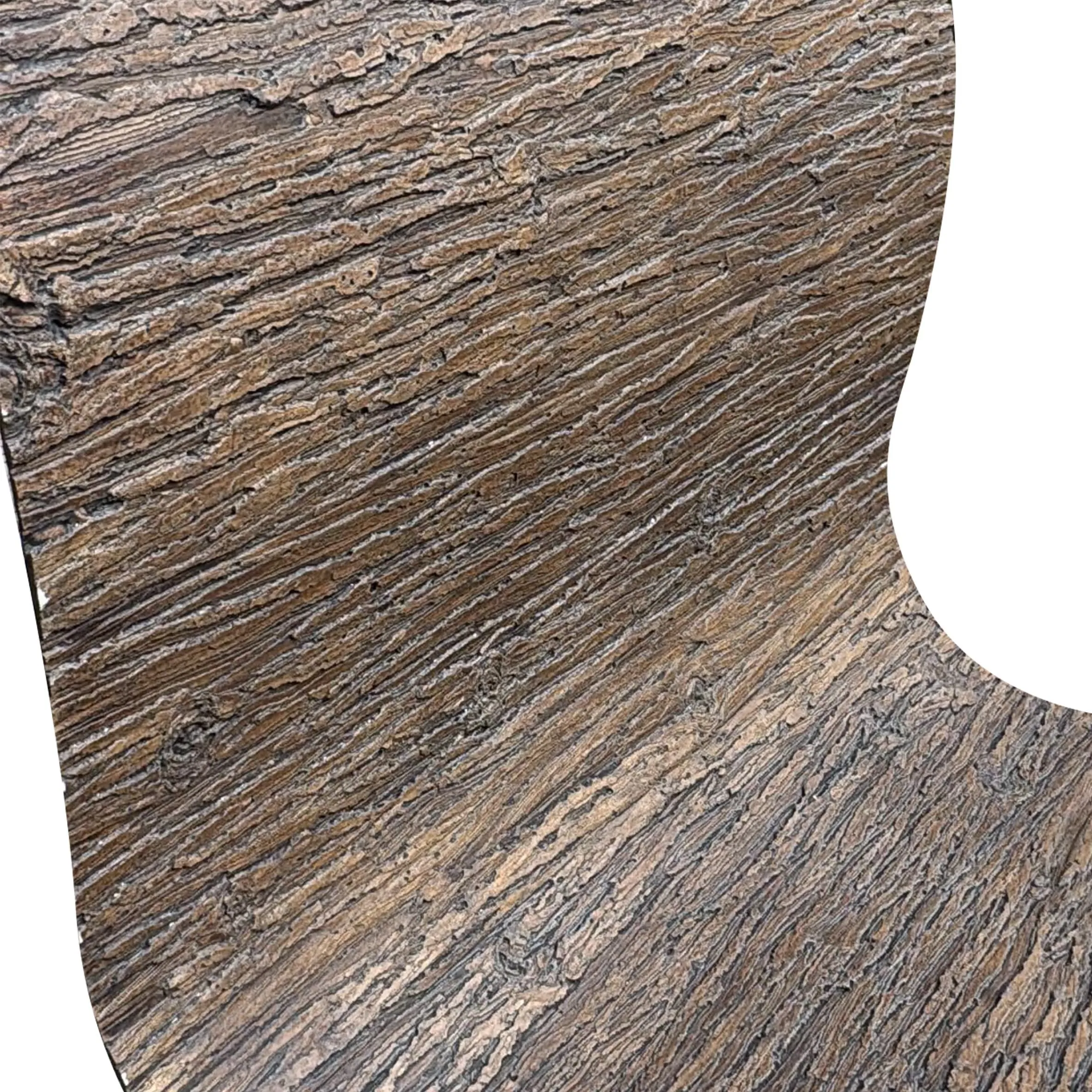
Given its incredible properties, why aren't our cities filled with buildings clad in natural pine bark boards? The transition from a living tree to a viable, mass-produced building material is fraught with challenges. The dream of a natural pine bark facade collides with some harsh practical and economic realities.
The very things that make pine bark effective in nature—its irregularity, its organic composition, and its connection to a living system—also make it a problematic material for the standardized, long-term demands of construction.
Harvesting bark in large, usable sheets without harming the tree is difficult. While some bark can be harvested from felled trees in the timber industry, this supply is inconsistent. Creating a dedicated supply chain for architectural-grade bark panels would put immense pressure on forests, raising significant sustainability concerns. Scaling this for global demand is simply not feasible without devastating environmental consequences.
Natural bark is anything but uniform. Its thickness, texture, and size vary from tree to tree and even on different parts of the same tree. Turning this raw material into standardized "boards" would require extensive processing: cleaning, flattening, cutting, and treating. This is a labor-intensive and costly process. Furthermore, creating large, seamless panels—a common desire in modern architecture—is virtually impossible. You are limited to smaller, tile-like applications, resulting in numerous seams that can themselves become weak points for moisture and pests.
Once removed from the living tree, the bark's defense system begins to degrade. It is no longer supplied with fresh resin to seal wounds, and over time, exposure to UV radiation and constant wet-dry cycles can break down its chemical defenses. The tannins and phenols leach out, and the suberin can become brittle. While it's initially resistant, it is still an organic material. Eventually, it will become susceptible to the very pests and rot it once repelled, requiring replacement or heavy, repeated chemical treatments—undermining the "natural" appeal. It's a high-maintenance choice that simply can't offer the multi-decade lifespan expected from modern cladding.
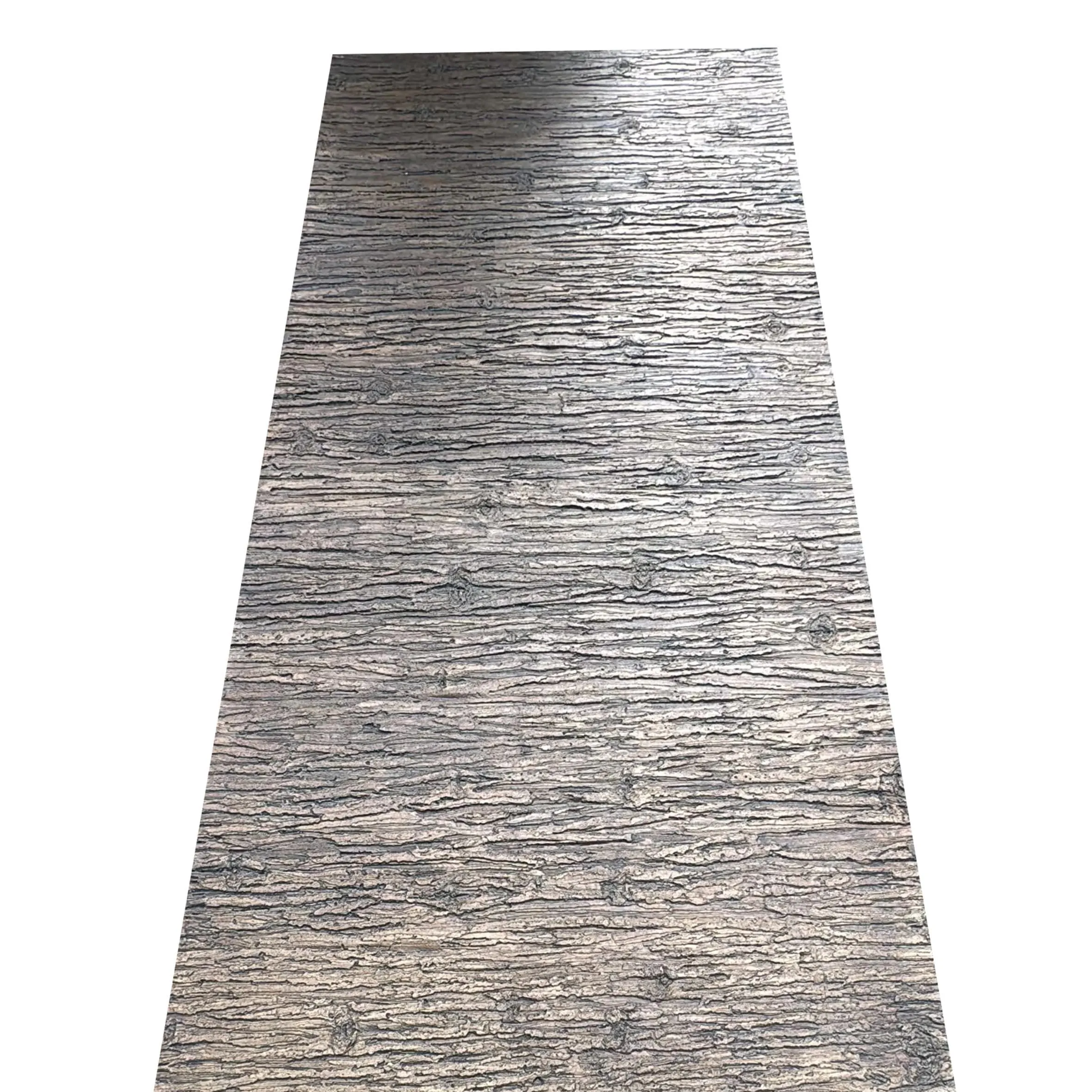
So, if using natural bark is impractical, do we abandon the dream? Absolutely not. Instead, we turn to science. This is where the concept of biomimicry—innovation inspired by nature—comes into play. The goal is no longer to use the natural material itself, but to understand its principles and engineer a new material that embodies its best qualities while eliminating its weaknesses.
This philosophy is the driving force behind the work of COLORIA GROUP . As a focused, one-stop solution provider in the architectural materials space, the company's mission is to deliver products that are not just high-quality, but also intelligent. It's about looking at a natural wonder like pine bark and asking, "How can we create a material that offers this same rugged beauty and resistance, but is also sustainable, scalable, consistent, and lasts for decades with minimal maintenance?"
The answer lies in moving away from organic materials that decay and embracing advanced, inorganic composites. By starting at the molecular level, it's possible to build a material that is inherently immune to the biological threats that plague wood and other natural products. This is the next step in the evolution of building materials: performance by design, not by chance.
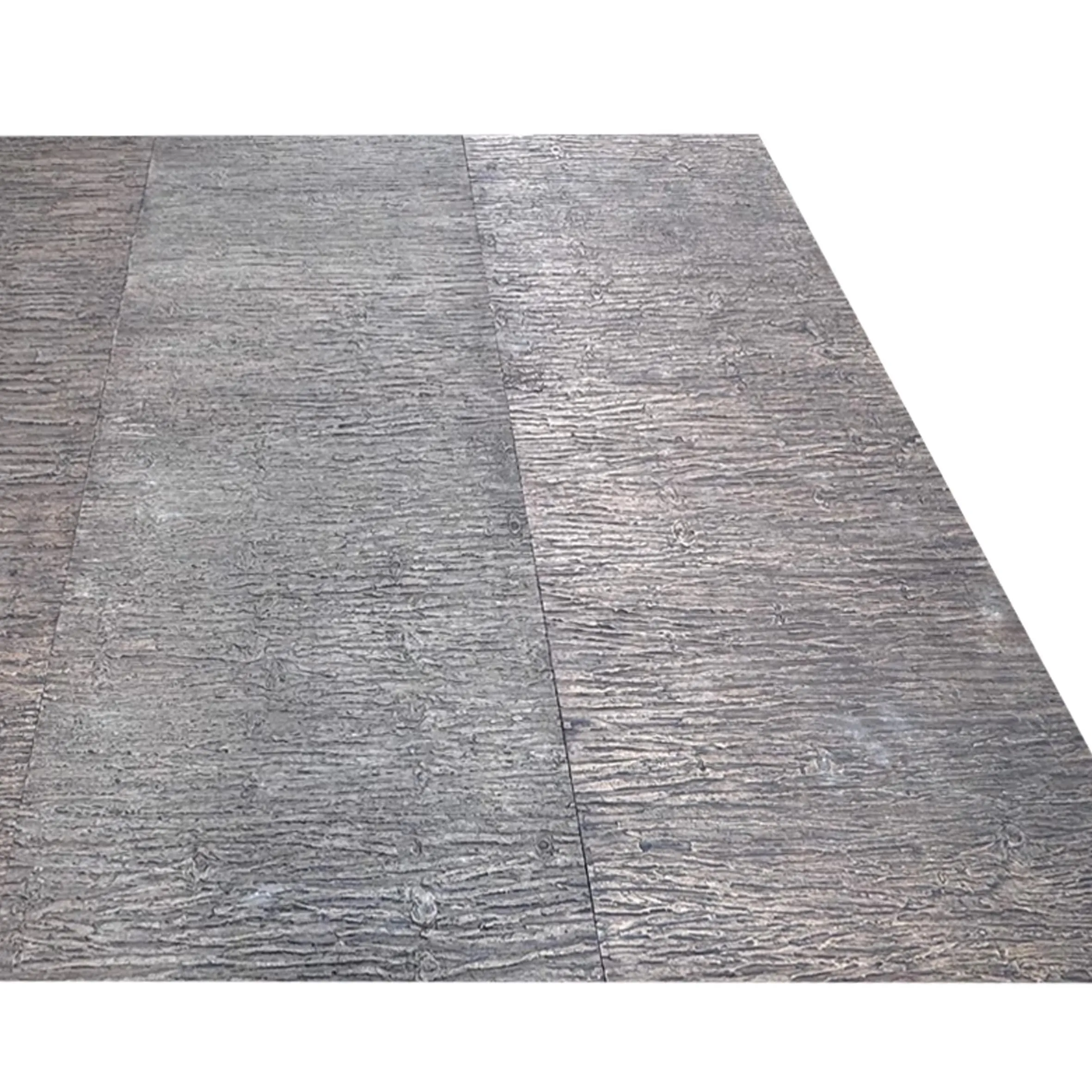
The culmination of this forward-thinking approach is found in COLORIA GROUP 's core product line: MCM. MCM stands for **Modified Cementitious Material**, and it represents a quantum leap in exterior and interior surface technology. It takes the inspirational qualities of natural materials like stone, wood, and even bark, and re-engineers them into a far more practical and durable form.
At its heart, MCM is a green, eco-friendly material created from a base of natural components. The primary ingredients are often natural soil, stone powder, and other mineral fragments. These raw, inorganic materials are the key to its inherent durability. They are mixed with a small amount of water-based binders and put through a low-temperature manufacturing process.
This process is crucial. Unlike traditional ceramics or cement products that require high-temperature kilns and massive energy consumption, MCM is typically cured at temperatures below 150°C. This results in a significantly lower carbon footprint, aligning with modern demands for sustainable construction. The material is then molded into various forms and textures, capable of replicating almost any natural surface with stunning realism.
Think of it this way: MCM takes the fundamental building blocks of the earth—minerals and soil—and uses smart technology to reconstitute them into a high-performance architectural product. It's a material born from the earth, for building on the earth.
This innovative composition is what allows MCM to provide a definitive answer to the challenges posed by natural materials. It delivers the desired aesthetic without the associated vulnerabilities, offering a solution that is both beautiful and built to endure.
Here we arrive at the heart of the matter. How does MCM technology provide superior protection against pests and rot, effectively delivering on the promise that a "pine bark board" could only hint at? The answer lies in its fundamental, inorganic nature.
Pests like termites, carpenter ants, and wood-boring beetles are a nightmare for any property owner. They thrive by consuming organic, cellulose-based materials—in other words, wood. Traditional wood siding, even when treated, can eventually become a food source as its chemical protections wear off.
MCM completely eliminates this threat. Because it's made from soil, stone powder, and other minerals, it contains absolutely no organic cellulose. To a termite, an MCM panel is just a sheet of rock. It's inedible and offers no nutritional value. There is simply nothing for them to eat. This isn't a temporary chemical deterrence; it's a permanent, physical property of the material itself. This makes MCM an ideal choice for projects in termite-prone regions, from the humid subtropics to arid environments like those in Saudi Arabia, where COLORIA GROUP has a strong presence.
Rot is the silent destroyer of many building exteriors. It's caused by fungi that, much like insects, feed on organic matter, but they require one additional, crucial ingredient: moisture. Wood and even some fiber-cement products can absorb water, creating the damp conditions necessary for mold, mildew, and rot to take hold.
MCM, on the other hand, is inherently hydrophobic and has extremely low water absorption rates. Its dense, non-porous structure prevents water from penetrating the surface. Without moisture, rot-causing fungi cannot survive. This means no mold growing in the shadows, no soft spots developing after a rainy season, and no structural degradation from fungal decay. The material remains stable and inert, whether it's facing torrential rain or high humidity. This inertness is a core feature of the **Modified Cementitious Material**, providing peace of mind that organic-based materials never can.
Unlike wood or bark, which swells and contracts with changes in humidity and temperature, MCM is dimensionally stable. This stability prevents the formation of cracks, gaps, and warping over time. These openings in traditional cladding are often the entry points for both moisture and pests. By maintaining its integrity and seamlessness, an MCM facade presents a continuous, unbroken shield, leaving no vulnerabilities for nature's destructive forces to exploit.
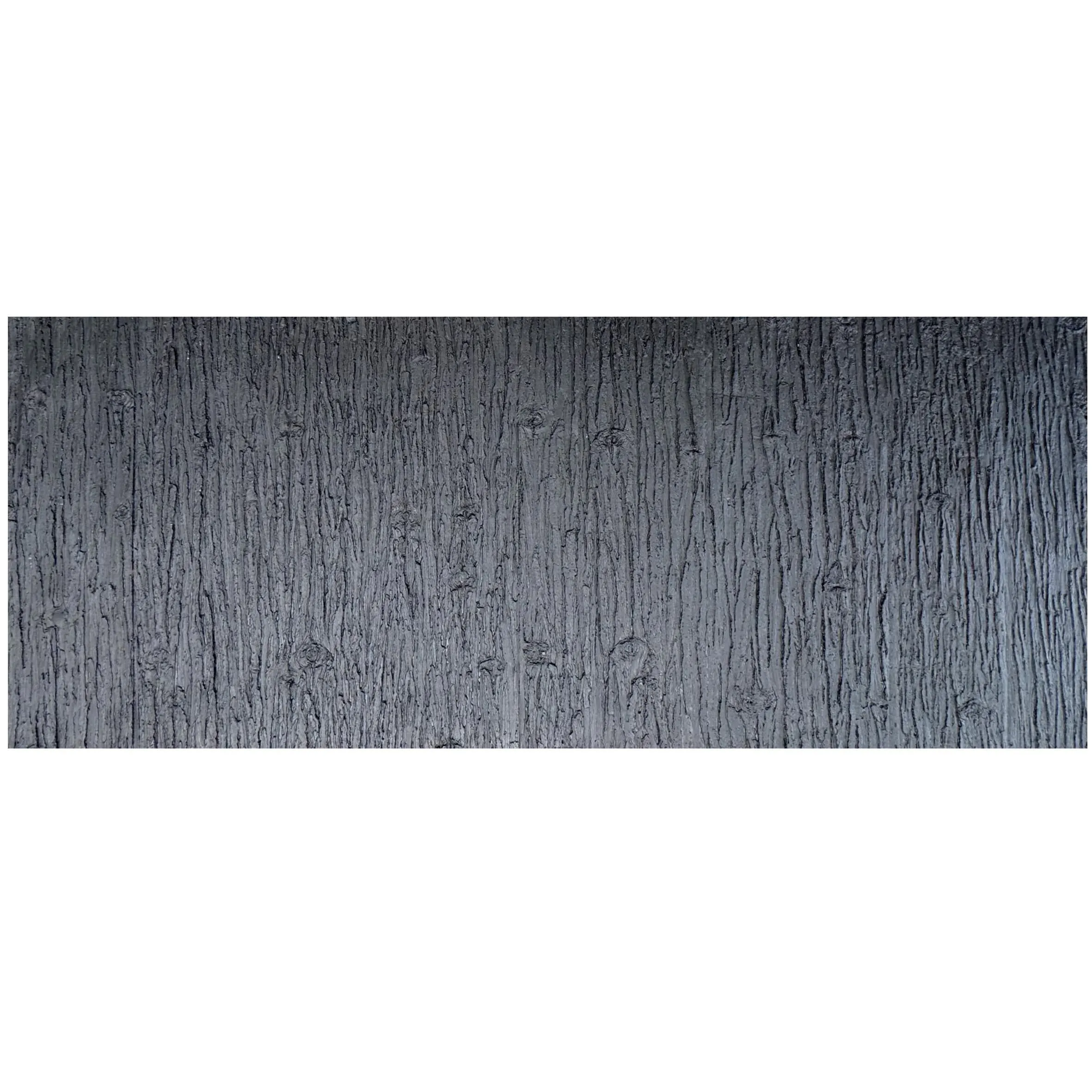
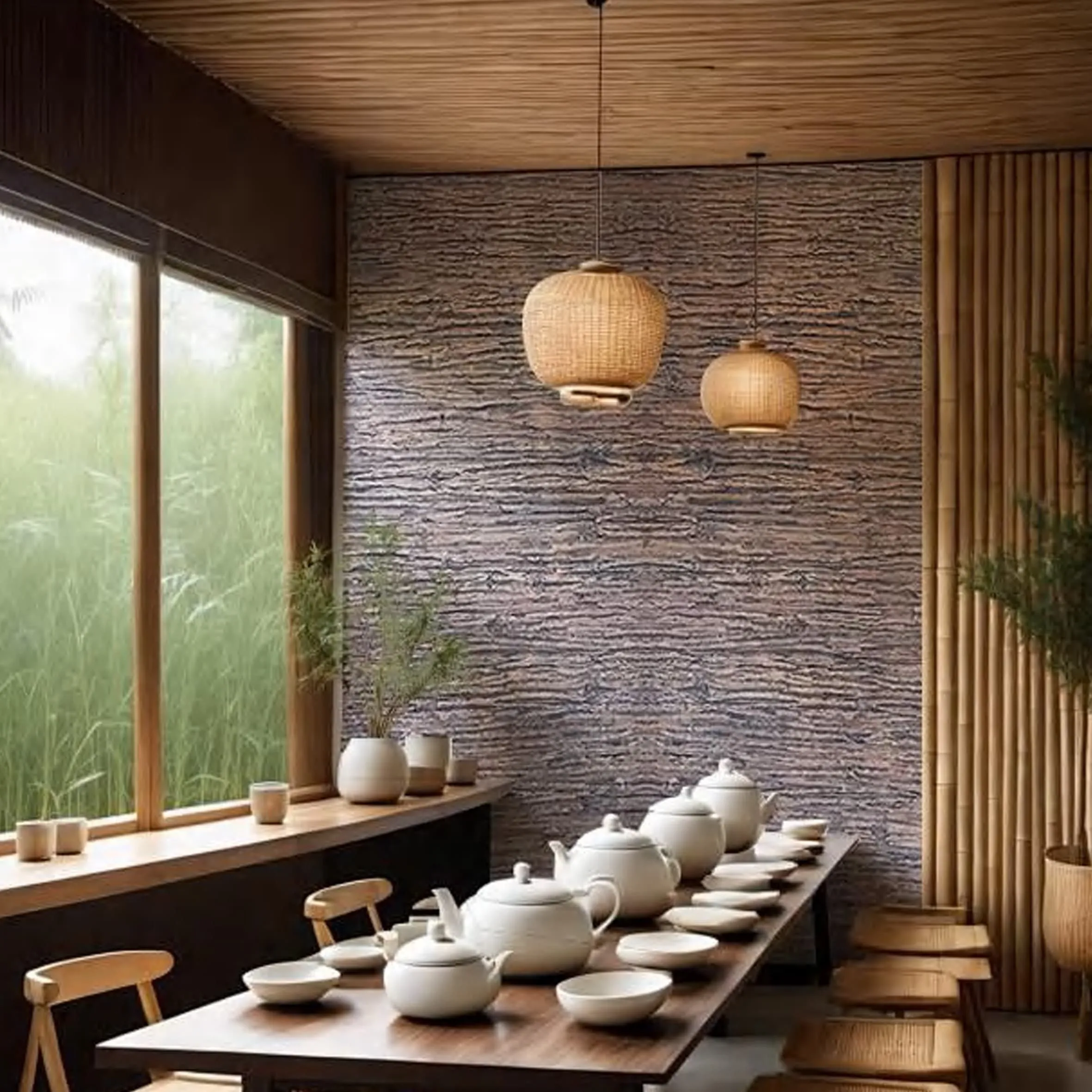
Ultimate durability is meaningless if the material is unattractive. The true genius of MCM technology is its ability to pair this robust performance with virtually unlimited aesthetic freedom. It shatters the compromise between beauty and brawn. For those who love the rugged, natural look of pine bark, MCM offers a perfect, enhanced alternative.
One of COLORIA GROUP 's standout product lines is the **MCM Flexible Stone** series. This material is lightweight, thin, and, as its name suggests, flexible. It can be wrapped around curved columns, arches, and complex architectural features with ease—something impossible with rigid stone or wood. Using high-definition molding technology, **MCM Flexible Stone** can be produced with the deep, fissured texture of pine bark, the layered grain of petrified wood, or the rough surface of split-face slate. The color is integrated throughout the material, not just painted on the surface, ensuring that it won't chip or fade away. You get the authentic visual and tactile feel of the natural material you desire, but in a format that is vastly more durable and versatile.
Modern architecture often calls for large, monolithic surfaces that convey a sense of scale and solidity. Natural materials are limited by the size of the tree or the stone quarried. The **MCM Big Slab Board Series** overcomes this limitation entirely. These large-format panels can be used to create expansive, virtually seamless walls both inside and out. Imagine a feature wall with the appearance of a single, massive slab of travertine or a continuous facade that looks like weathered wood planking, all without the weight, cost, or installation complexity of the real thing. This series empowers architects and designers to think bigger, creating dramatic and imposing designs that are still practical to build and maintain.
Beyond replicating existing textures, MCM technology, especially with the MCM 3D Printing Series, opens the door to complete customization. Unique patterns, bespoke textures, and custom-branded surfaces can be created. This allows for a level of architectural expression that was previously unimaginable. Whether it's a flowing geometric pattern or an intricate artistic design, MCM can bring it to life on a building's facade, all while retaining its core properties of pest and rot resistance.
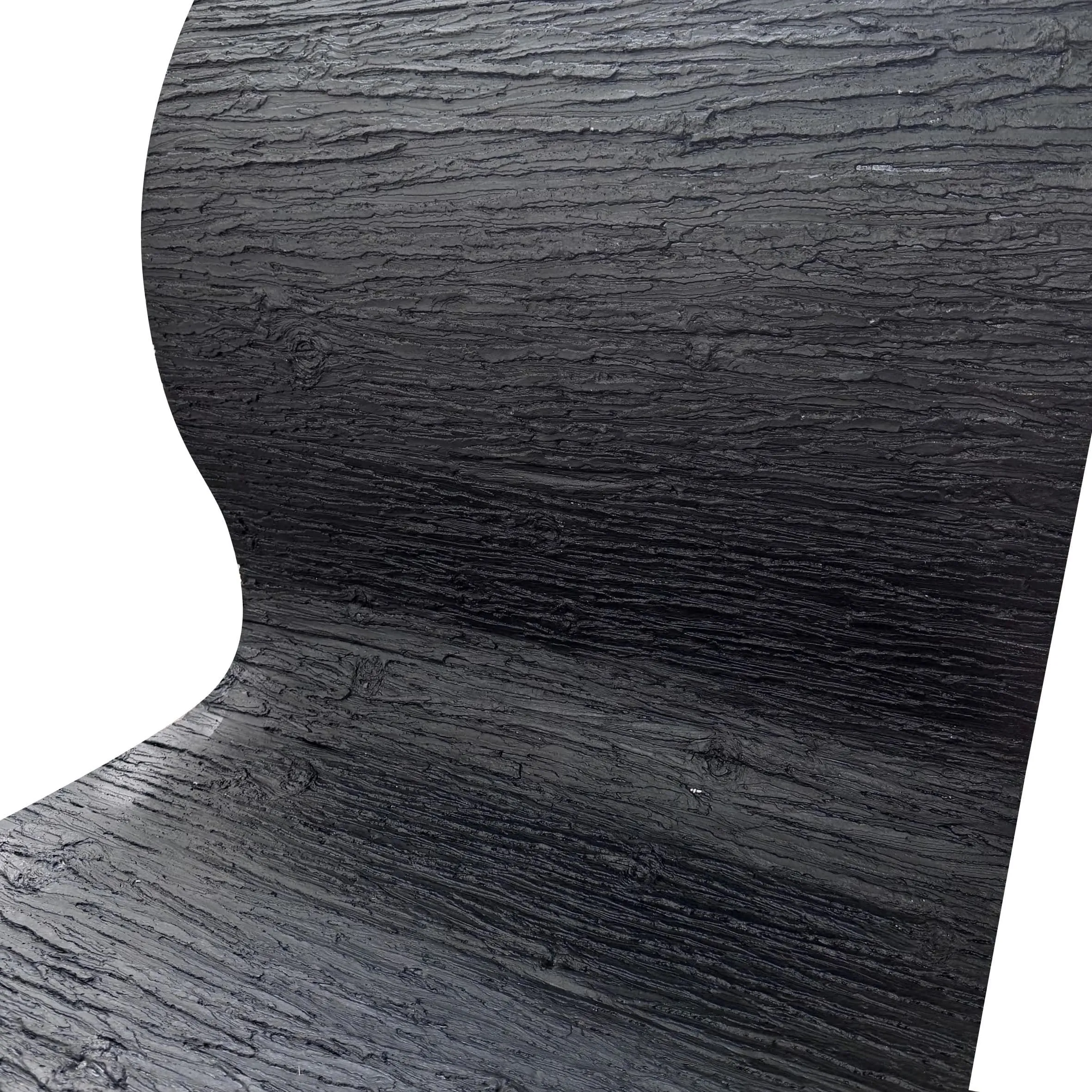
While its resistance to pests and rot is a game-changer, the advantages of MCM extend far beyond that. As a comprehensive solution, it addresses nearly every key performance indicator for a modern building material. Let's compare it to traditional materials like wood siding.
| Feature | COLORIA GROUP MCM Products | Traditional Wood Siding |
|---|---|---|
| Pest Resistance | Inherent (Inorganic, no food source) | Vulnerable (Requires chemical treatment) |
| Rot & Mold Resistance | Excellent (Extremely low water absorption) | Poor (Absorbs moisture, requires sealing) |
| Fire Resistance | Class A Fire Rated (Non-combustible) | Poor (Highly combustible) |
| Weight | Lightweight (Typically 4-8 kg/m²) | Moderate to Heavy |
| Flexibility | High (Can wrap around curves) | None (Rigid) |
| UV Stability / Colorfastness | Excellent (Mineral pigments) | Fair (Prone to fading, requires re-staining) |
| Maintenance | Very Low (Self-cleaning properties, no sealing needed) | High (Requires regular painting, sealing, inspection) |
| Sustainability | Good (Low-energy production, recycled content) | Variable (Depends on forest management) |
As the table clearly shows, the benefits are comprehensive. Its Class A fire rating provides an exceptional level of safety, as the material will not contribute to the spread of flames. Its lightweight nature reduces the structural load on the building, potentially lowering construction costs, and makes it easier and faster to install. The flexibility of products like the **MCM Flexible Stone** revolutionizes design possibilities for non-flat surfaces. Finally, the incredibly low maintenance requirements translate directly into long-term cost savings and a building that looks pristine for years to come with minimal effort.
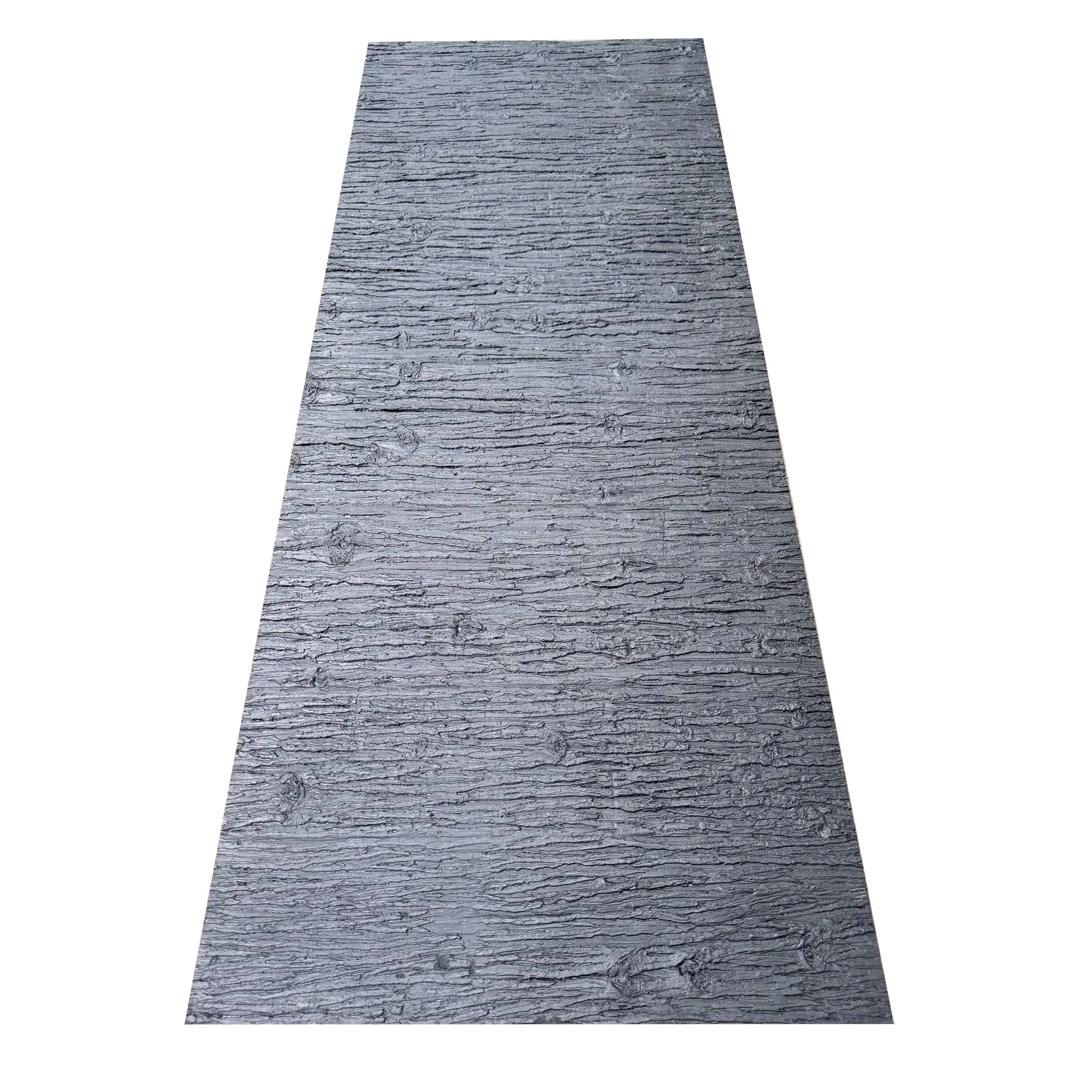
The combination of unparalleled durability, aesthetic versatility, and sustainable production has positioned MCM technology as a new global standard for architectural surfaces. COLORIA GROUP stands at the forefront of this movement, not just as a manufacturer, but as a holistic, one-stop solution provider. Their expertise spans from initial design consultation to providing a complete system of materials for both residential and commercial projects worldwide.
This global perspective is critical. A material that performs well in a temperate climate must also excel in the scorching heat and abrasive sands of the Middle East, or the humid, rainy seasons of Southeast Asia. COLORIA GROUP 's experience and established presence in diverse markets, including its agency in Saudi Arabia, serve as a testament to the material's proven performance in some of the world's most challenging environments. When you choose an MCM product, you're choosing a solution that has been stress-tested by the real world and has passed with flying colors.
For architects, developers, and homeowners, this means confidence. It means knowing that the building's exterior—its first line of defense and its primary aesthetic statement—is engineered to last. It means freedom from the constant worry of pests, rot, fire, and fading. It's about investing in a solution that pays dividends for decades in both performance and enduring beauty.
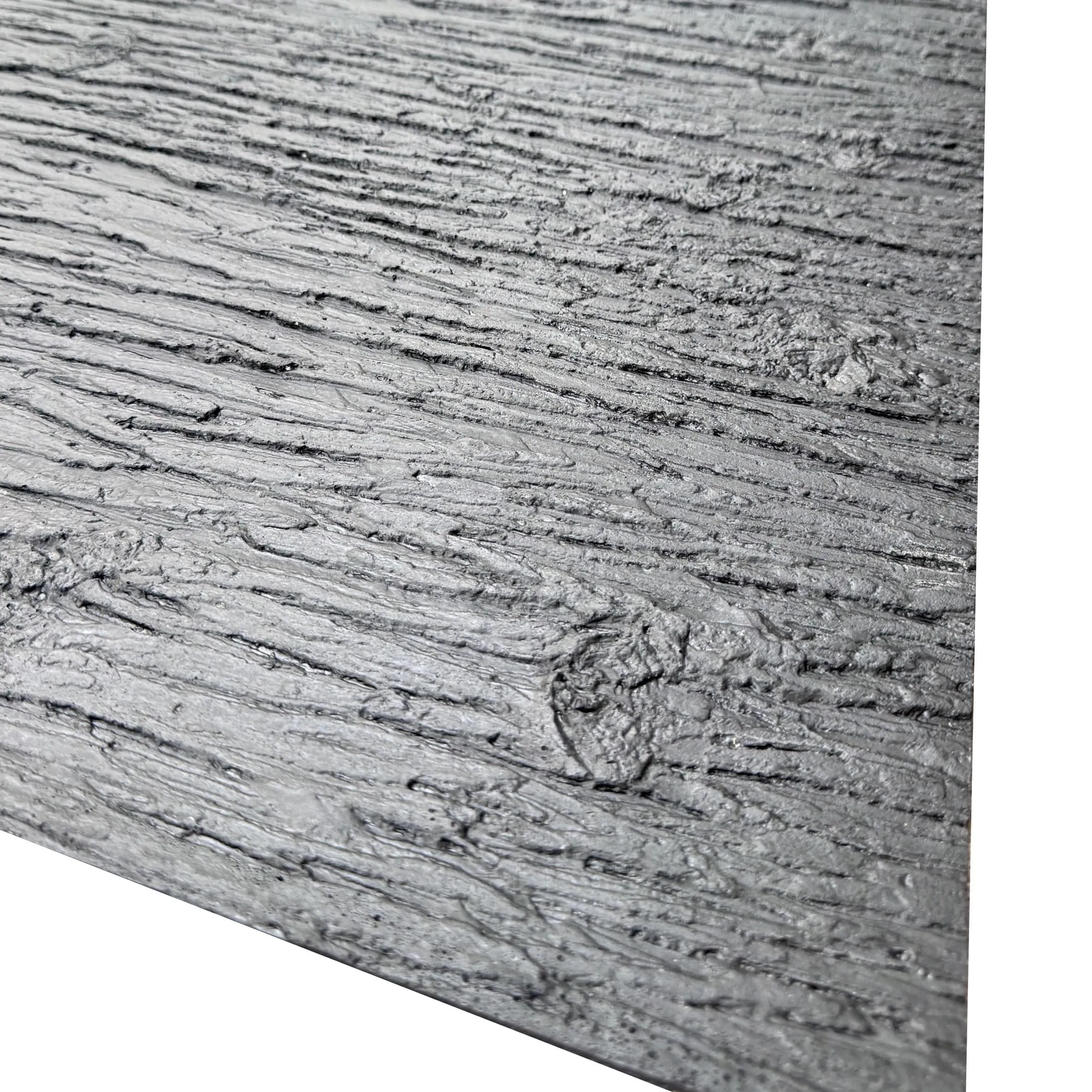
We began with the powerful image of pine bark, nature's own armor, and its promise of resistance to pests and rot. We admired its natural defense mechanisms and its rugged beauty. But we also faced the practical limitations that prevent it from being a viable solution for the modern built environment.
The journey from that natural inspiration to an engineered reality is the story of modern material science. It's the story of COLORIA GROUP and its innovative MCM technology. By understanding the principles of nature's resilience and re-engineering them with inorganic, earth-based materials, a far superior solution has been created. Products like the **MCM Big Slab Board Series** and **MCM Flexible Stone** offer not only the aesthetic of pine bark but any other natural material imaginable, without any of the inherent weaknesses.
This is protection by design. It's an exterior that is fundamentally inedible to pests, impenetrable to rot-causing moisture, and unfazed by fire or sun. It is the realization of the dream: a facade that is as beautiful as nature, but as enduring as stone. For your next project, look beyond the limitations of the past and embrace the engineered future of exterior protection.
Recommend Products











