

Hey everyone! Ever wonder how the materials we choose for our buildings impact our planet? It's a huge deal, especially with the growing focus on sustainable construction. Today, we're diving deep into something really cool: Pine Bark Board and its significant contributions to achieving green building certifications like LEED and BREEAM. You might already know COLORIA GROUP as a leader in innovative building materials, offering everything from advanced MCM Big Slab Board Series to bespoke solutions. We're constantly exploring new ways to enhance sustainability, and Pine Bark Board is a fantastic example of that commitment.
In the world of construction, making eco-friendly choices isn't just a trend; it's a necessity. Green building certifications are like gold stars for structures that go above and beyond in terms of environmental performance. They're basically a seal of approval that your building is energy-efficient, uses sustainable materials, and minimizes its environmental footprint. For companies like COLORIA GROUP, which has decades of industry experience and a global reach, including a strong presence in Saudi Arabia, offering materials that contribute to these certifications is paramount.
Before we jump into Pine Bark Board, let's quickly touch on what LEED and BREEAM actually are. Think of them as the two biggest names in green building assessments, each with its own flavor but both aiming for the same goal: more sustainable buildings.
LEED, which stands for Leadership in Energy and Environmental Design, is a widely recognized green building certification program developed by the U.S. Green Building Council (USGBC). It provides a framework for healthy, highly efficient, and cost-saving green buildings. LEED certification is available for virtually all building types and is based on a points system across several categories:
The more points a project earns, the higher its certification level: Certified, Silver, Gold, or Platinum. Using materials like our MCM Project Board Series, known for its green and customized features, can significantly contribute to these points.
BREEAM, or Building Research Establishment Environmental Assessment Method, is the world's longest-established and leading method of assessing, rating, and certifying the sustainability of buildings. Originating in the UK, BREEAM evaluates the procurement, design, construction, and operation of a project against a range of sustainability categories:
BREEAM rates buildings on a scale from 'Pass' to 'Outstanding'. It's a very comprehensive standard, much like how our MCM 3D Printing Series offers innovative, detailed solutions for diverse architectural needs.
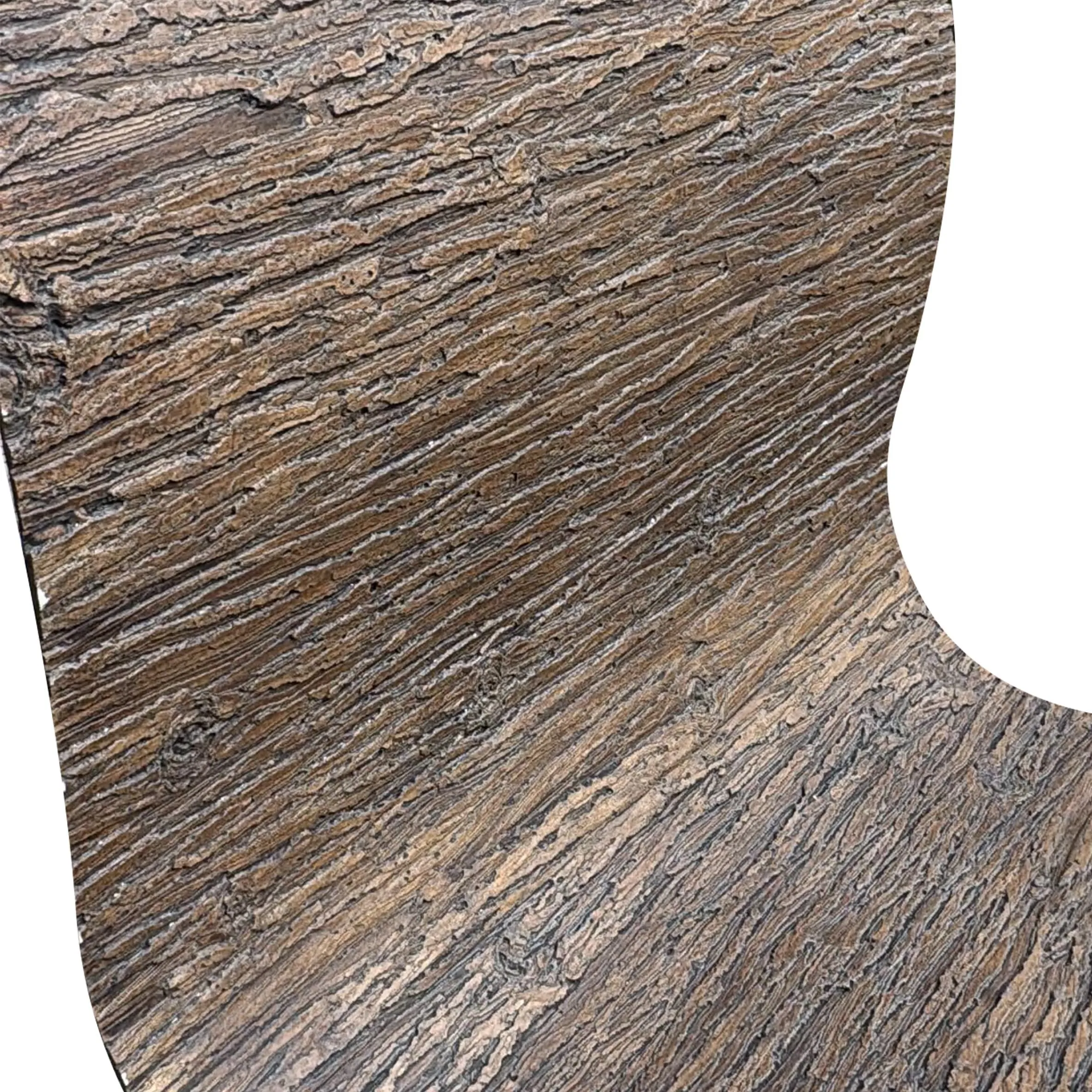
Now, let's talk about the star of our show: Pine Bark Board. At COLORIA GROUP, we're always pushing the boundaries of material science, much like our core focus on Modified Cementitious Material (MCM) products. While MCM Flexible Stone offers incredible durability and aesthetic appeal, Pine Bark Board brings a unique set of sustainable advantages to the table, making it an excellent choice for green building projects.
Pine Bark Board is an innovative material primarily composed of recycled pine bark, a byproduct of the timber industry that would otherwise go to waste. By repurposing this natural resource, we're not just creating a new product; we're actively contributing to the circular economy and reducing landfill waste. This commitment to green and customized solutions is at the heart of our operations.
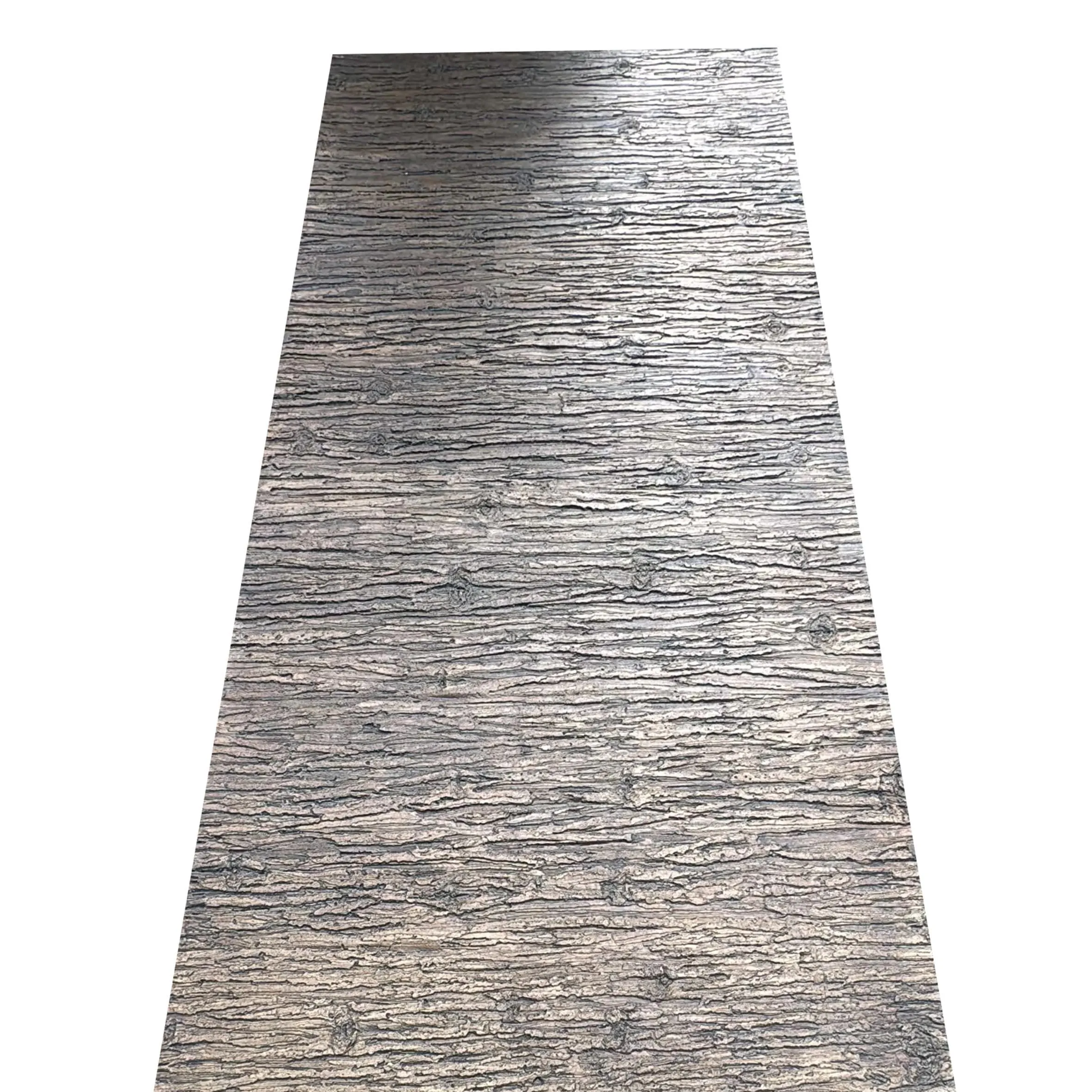
Using Pine Bark Board can significantly help projects earn points across several LEED categories. Let's break down how this material aligns with LEED's stringent requirements.
This is where Pine Bark Board truly shines. LEED's MR category focuses on minimizing the embodied energy and other impacts associated with the extraction, processing, transport, maintenance, and disposal of building materials. Here's how Pine Bark Board contributes:
While not a direct energy-producing material, Pine Bark Board's inherent properties can indirectly contribute to energy efficiency:
A healthy indoor environment is crucial for building occupants, and Pine Bark Board supports this goal:
For truly pioneering projects, Pine Bark Board can potentially contribute to innovation points:
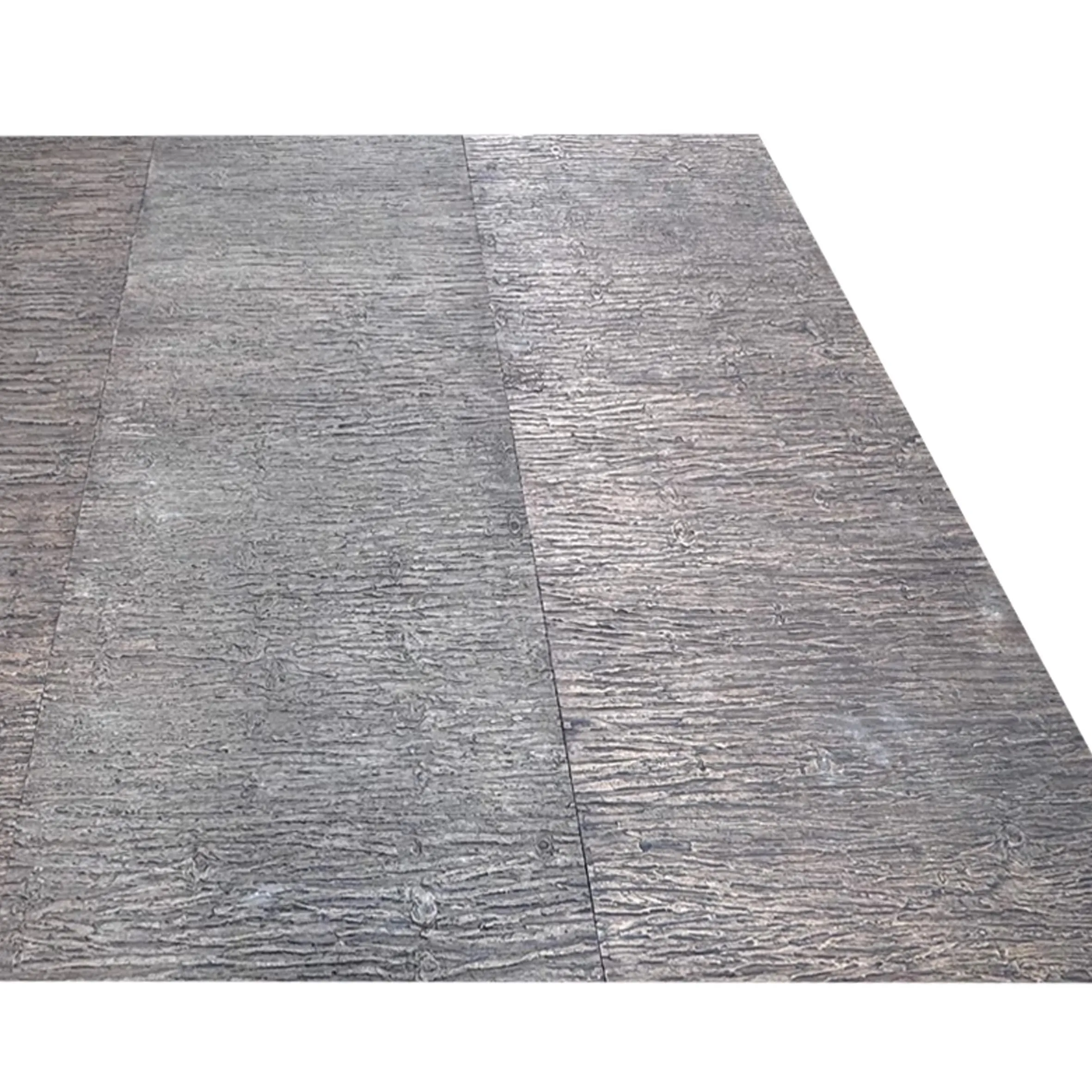
BREEAM's holistic approach to sustainability makes Pine Bark Board an excellent fit across several assessment categories, emphasizing its role in environmental sustainability .
This category is central to BREEAM, and Pine Bark Board performs exceptionally well:
Just like with LEED, Pine Bark Board aids in energy performance:
The health aspect is a strong suit for Pine Bark Board:
Managing waste effectively is a core BREEAM principle:
Although less direct, there can be contributions here:
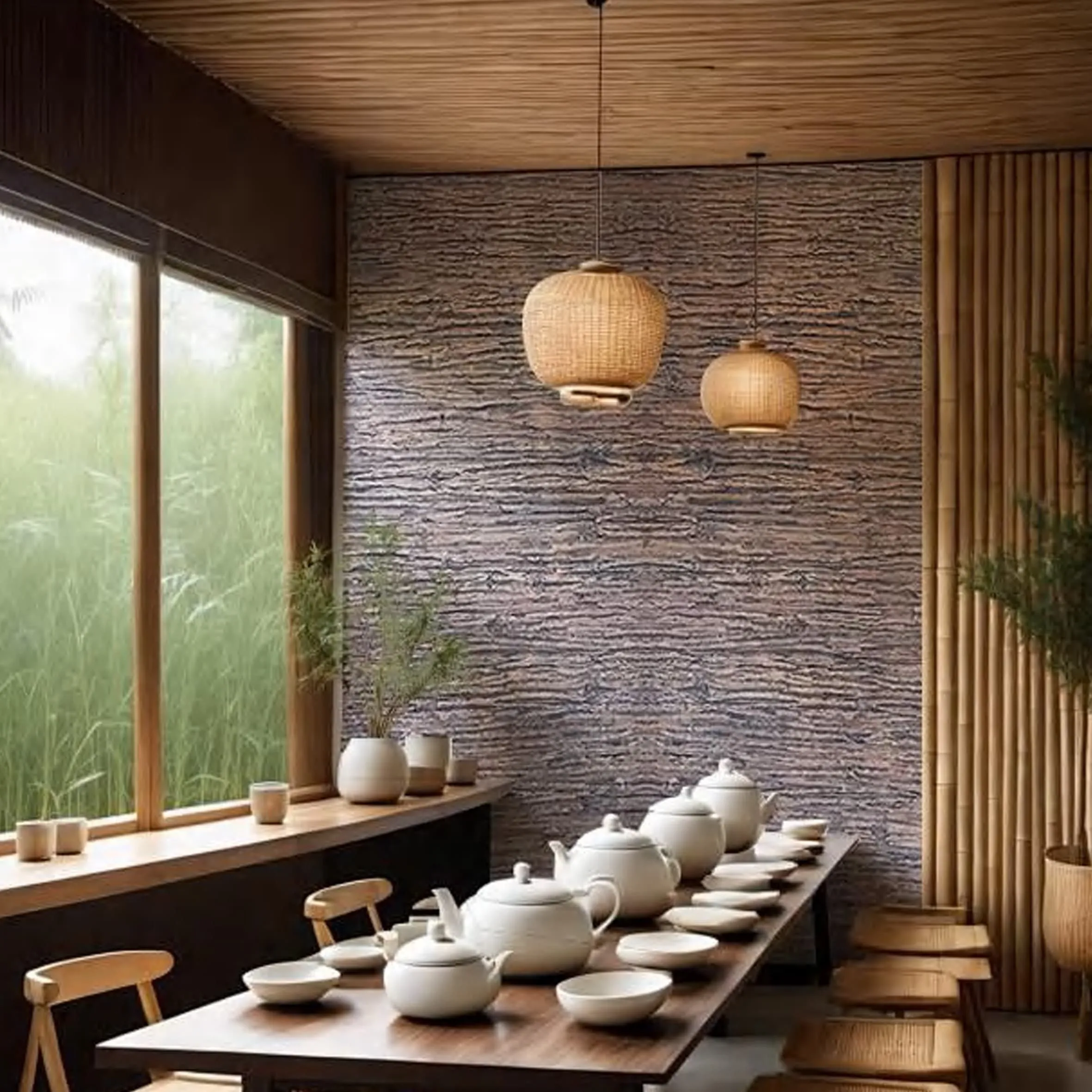
To truly appreciate Pine Bark Board's advantages, let's stack it up against some common alternatives, highlighting why it's a smart choice for architecture and design focused on sustainability.
| Feature/Criterion | Pine Bark Board | Plywood/MDF (Traditional) | Drywall (Gypsum) |
|---|---|---|---|
| Raw Material Source | Recycled pine bark (waste product) | Virgin timber (often unsustainably harvested), wood chips | Mined gypsum, paper (virgin pulp) |
| Recycled Content | High (primary component) | Typically low or none | Can have some, but often low |
| Embodied Carbon | Relatively low, often carbon negative (sequestration) | Moderate to high, depending on adhesives and manufacturing | Moderate, energy-intensive mining and processing |
| VOC Emissions | Very low/None | Can be high (formaldehyde in adhesives) | Generally low, but some can contain VOCs |
| Thermal Insulation | Good to excellent | Moderate | Poor (requires additional insulation) |
| Acoustic Performance | Good sound absorption | Moderate | Poor (requires additional soundproofing) |
| End-of-Life Options | Biodegradable, recyclable | Difficult to recycle (adhesives), often landfilled | Recyclable in some areas, but often landfilled |
| Contribution to Green Certifications | High (MR, EQ, EA, IN for LEED; Materials, Waste, Energy, Health & Wellbeing for BREEAM) | Limited (can get some points for certified wood, but often negative on VOCs) | Limited (some points for recycled content or regional sourcing) |
As you can see, Pine Bark Board offers a compelling sustainable alternative, outperforming traditional materials in many critical environmental metrics. This makes it an invaluable asset for any project aiming for high-level green certification, complementing COLORIA GROUP's broader portfolio of innovative and eco-conscious solutions.
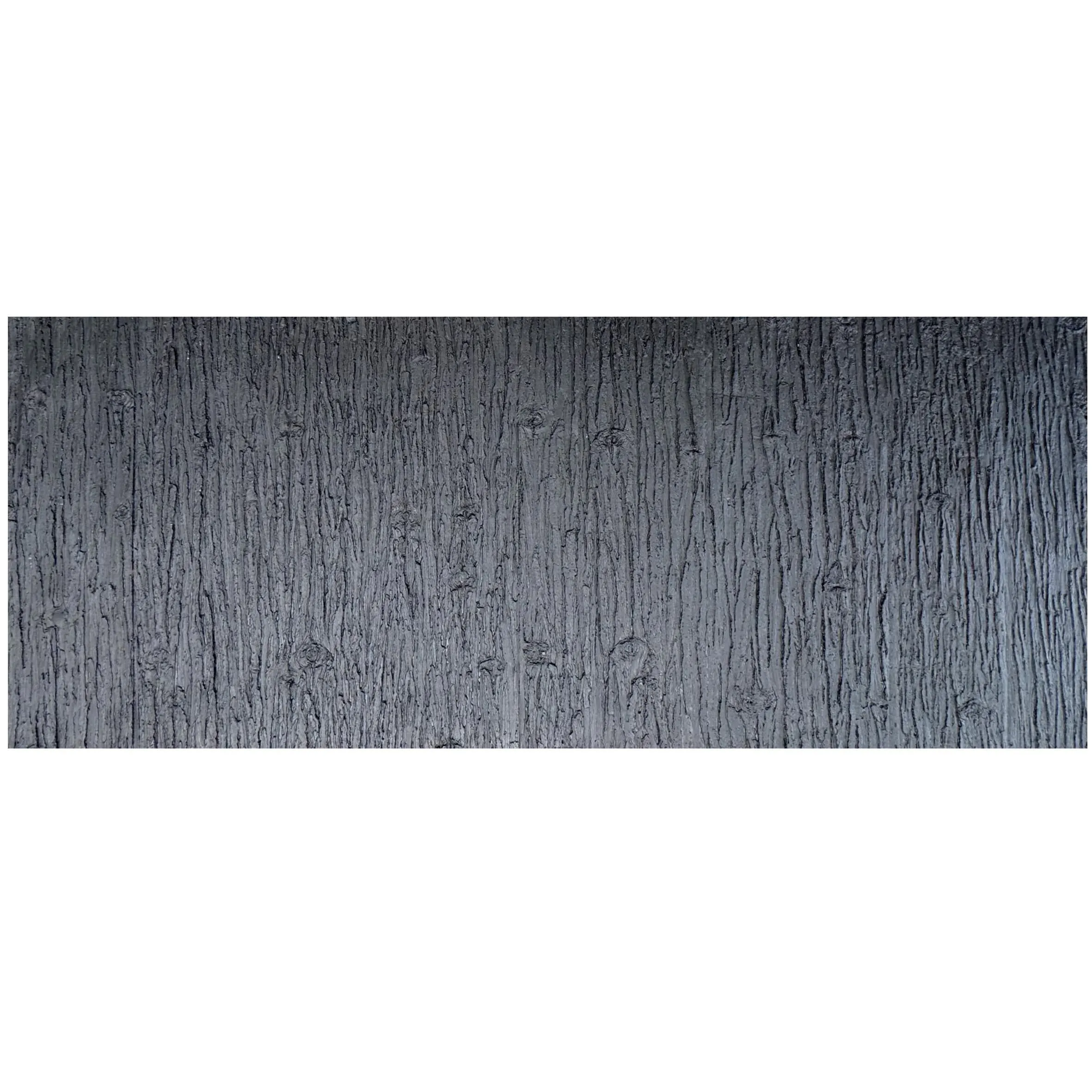
The application of Pine Bark Board isn't just theoretical; it's already making a difference in various projects. Imagine an office building using Pine Bark Board for interior partitions, creating a naturally insulated, sound-dampened, and healthy environment. Or a retail space leveraging its unique aesthetic for decorative panels, all while contributing to its LEED Gold certification. This kind of customized solution allows architects and designers to innovate without compromising on environmental responsibility.
COLORIA GROUP, as a one-stop solution provider for architectural materials, understands the evolving demands of the market. Our commitment to sustainability isn't limited to our MCM (Modified Cementitious Material) range, which includes the versatile MCM Big Slab Board Series and the resilient MCM Flexible Stone. We constantly seek out and develop materials that align with the highest environmental standards, offering a comprehensive suite of products for both residential and commercial projects globally. Our strong presence in markets like Saudi Arabia means we are uniquely positioned to deliver these cutting-edge materials and solutions where they're needed most.
The future of construction is undoubtedly green. As regulations become stricter and client expectations for sustainability grow, materials like Pine Bark Board will become standard rather than niche. We anticipate more innovations in this space, with materials becoming even more efficient, more recycled, and more integrated into holistic building systems.
A Note on Our Philosophy: At COLORIA GROUP, we believe that high-quality building materials shouldn't come at the expense of our planet. Whether it's through our advanced MCM products or innovative offerings like Pine Bark Board, our mission is to empower architects, builders, and developers to create stunning, durable, and environmentally responsible spaces. We're not just selling products; we're offering solutions for a sustainable future.
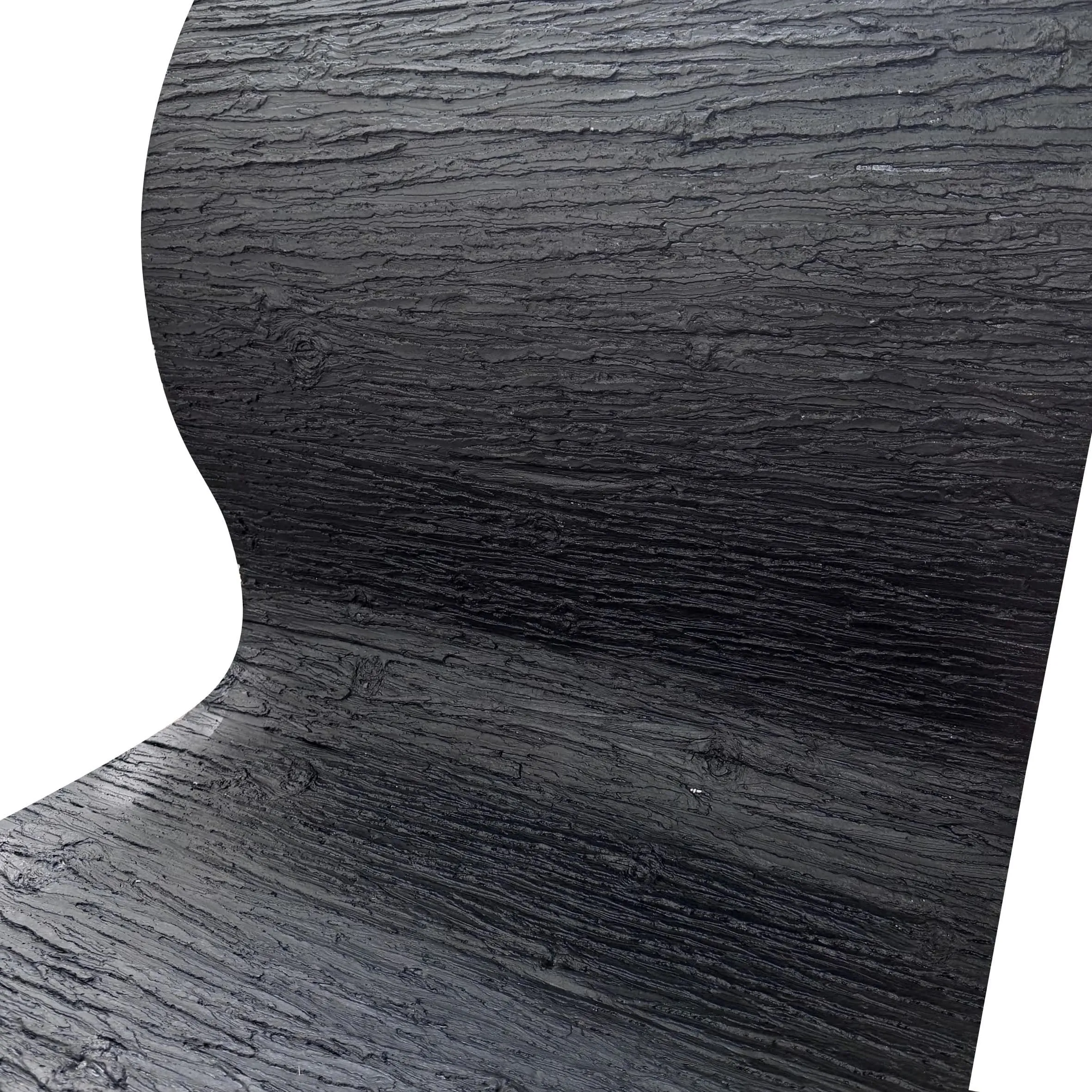
Pine Bark Board stands out as an exceptional choice for architects and builders aiming for green building certifications like LEED and BREEAM. Its origin as a recycled waste product, low embodied carbon, superior insulation properties, and contributions to indoor air quality make it a powerful material in the quest for sustainable construction. By embracing materials like Pine Bark Board, alongside our established range of MCM products such as the MCM Project Board Series and MCM 3D Printing Series, the industry can collectively move towards a more environmentally conscious future.
Choosing sustainable materials isn't just about ticking boxes for certification; it's about building a better, healthier world for everyone. And with innovative products like Pine Bark Board, this goal is more achievable than ever before. We're excited to see how this material will continue to shape the landscape of green building, demonstrating that innovation and environmental responsibility can, and should, go hand in hand.
Recommend Products











