

Hey everyone! Today, we're diving into a super interesting topic that's been gaining a lot of buzz in the construction and design world: Pine Bark Board vs. Traditional Wood Panels . Now, if you're like most people, when you think about materials for your home or commercial project, wood panels probably come to mind first. They've been the go-to for ages, right? But what if I told you there's a challenger on the block, a material that offers unique advantages you might not have considered?
Here at COLORIA GROUP, we're all about bringing innovative, high-performance solutions to the table, and while our core expertise lies in cutting-edge materials like MCM (Modified Cementitious Material) , we also understand the broader landscape of construction. The idea of using natural by-products like pine bark in construction is fascinating, especially when we talk about sustainability. So, let's explore how these two stack up, looking at everything from durability to environmental impact.
When we talk about traditional wood panels, we're usually thinking about plywood, particle board, MDF (Medium-Density Fiberboard), or solid wood planks. These materials have been staples in construction for good reason:
However, they also come with their own set of challenges, like susceptibility to moisture, fire, pests, and the environmental implications of extensive logging.
Now, let's talk about Pine Bark Board. This isn't your grandpa's lumber! Imagine taking a natural resource often discarded as waste – pine bark – and transforming it into a valuable construction material. This approach aligns perfectly with the kind of forward-thinking, eco-friendly solutions we champion. While it's not our primary product series (that's our amazing MCM!), the concept of upcycling natural materials into high-performance boards is something we can definitely appreciate and draw parallels with our own innovations.
The idea behind pine bark board is to leverage the unique properties of bark, often mixed with binders, to create panels that could offer specific advantages over traditional wood. Think about the resilience bark has in nature – protecting the tree from elements. Can we harness that?
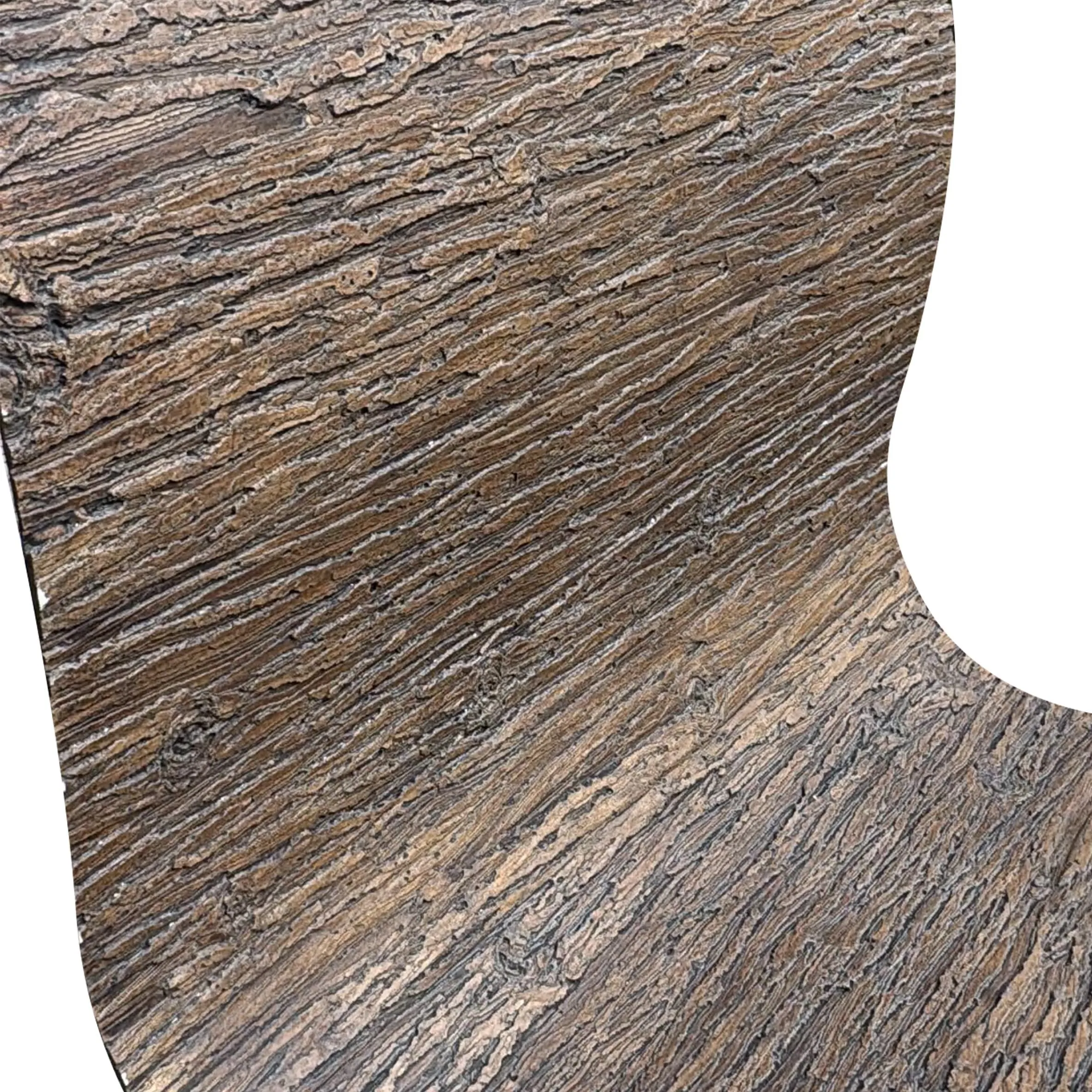
Let's break down the performance aspects where these two materials truly diverge. This isn't just about what looks good; it's about what performs best in the long run for your specific needs, especially when you're looking for an one-stop solution provider for your project materials.
When it comes to durability, traditional wood panels can be a mixed bag. Solid wood is strong but can warp, crack, or rot if not properly maintained or treated. Plywood offers good stability, but MDF and particle board are notoriously susceptible to moisture damage, swelling, and losing structural integrity when exposed to water.
Pine Bark Board, on the other hand, often boasts enhanced resistance to moisture and decay. The natural composition of bark, which is designed to protect the tree, can be harnessed through manufacturing processes to create a panel that stands up better to humid environments and fungal growth. This could mean a longer lifespan, especially in challenging climates or for exterior applications, making it a potentially green solution for specific needs.
This is a big one. Anyone who's dealt with a warped kitchen cabinet door knows the pain of moisture-damaged wood. Traditional wood panels, especially engineered wood products, absorb water readily, leading to swelling, delamination, and the perfect breeding ground for mold.
Pine Bark Boards, depending on their manufacturing and binder composition, can offer superior moisture resistance. The cellular structure of bark, along with specialized treatments or binders, can make these boards far less prone to water absorption and subsequent damage. This makes them an intriguing option for areas exposed to humidity or even for certain exterior cladding applications, where our own MCM products like MCM Flexible Stone truly shine in their performance.
Fire safety is paramount in any construction project. Traditional wood panels are, by nature, combustible. While they can be treated with fire retardants, their inherent flammability remains a concern, especially in commercial or multi-family residential buildings where strict fire codes apply.
Pine Bark Boards have the potential to offer improved fire resistance. Bark itself can contain compounds that make it less flammable than wood fiber. When combined with non-combustible binders or specific manufacturing techniques, these boards can be engineered to achieve higher fire ratings, providing an added layer of safety and peace of mind. This is an area where advanced materials are always seeking improvement, similar to how our MCM materials offer excellent fire-retardant properties.
In today's world, sustainability isn't just a buzzword; it's a necessity. Traditional wood panels, while a natural resource, contribute to deforestation, and their manufacturing often involves energy-intensive processes and chemical adhesives that can off-gas VOCs (Volatile Organic Compounds).
This is where Pine Bark Board truly shines as a green solution . By utilizing pine bark, a significant agricultural waste product, it helps reduce landfill waste and lessens the demand for virgin timber. This circular economy approach is a massive win for the environment. Furthermore, if manufactured with eco-friendly binders and processes, pine bark boards can have a significantly lower carbon footprint, aligning perfectly with the global push for sustainable building materials. This focus on green and customized characteristics is also a cornerstone of COLORIA GROUP's philosophy, especially with our MCM products.
Traditional wood panels vary widely here. Solid wood and plywood offer excellent structural support, while particle board and MDF are generally used for non-load-bearing applications. They are all relatively easy to cut, nail, and screw, though engineered wood can sometimes chip or splinter.
Pine Bark Boards' structural properties would largely depend on the specific formulation and density. They might not always match the sheer load-bearing capacity of structural plywood, but for many applications like interior cladding, decorative panels, or non-load-bearing partitions, they could be perfectly adequate. Their workability would also be influenced by the binders used; some might be easier to cut cleanly than others, but generally, they are designed to be user-friendly for construction and renovation.
Traditional wood panels offer a classic, natural wood aesthetic. While beautiful, the range of finishes can sometimes be limited by the wood species itself.
Pine Bark Board, surprisingly, can offer a unique aesthetic. It might not mimic traditional wood grain, but its natural, textured surface can provide a distinct, earthy, and modern look. Plus, like our own MCM Big Slab Board Series , pine bark boards can often be customized with various finishes, colors, or textures during manufacturing, allowing for greater design flexibility. This ability to create customized and unique appearances without compromising on performance is a hallmark of innovative materials.
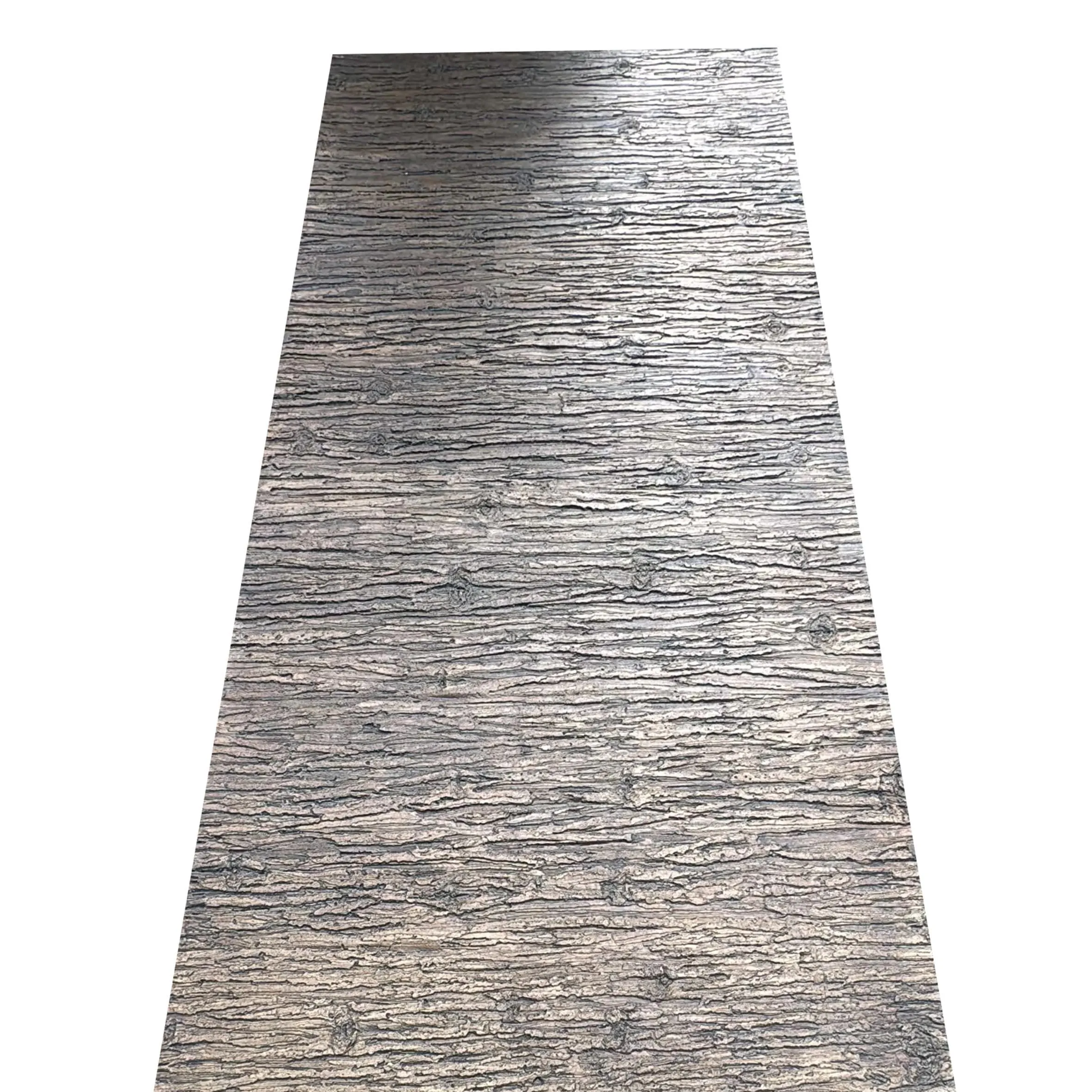
So, after all this comparison, you might be asking: "Where exactly would I use Pine Bark Board?" It's a great question! While it might not replace structural timber beams, it holds incredible promise for applications where durability, moisture resistance, fire safety, and particularly green and customized characteristics are priorities.
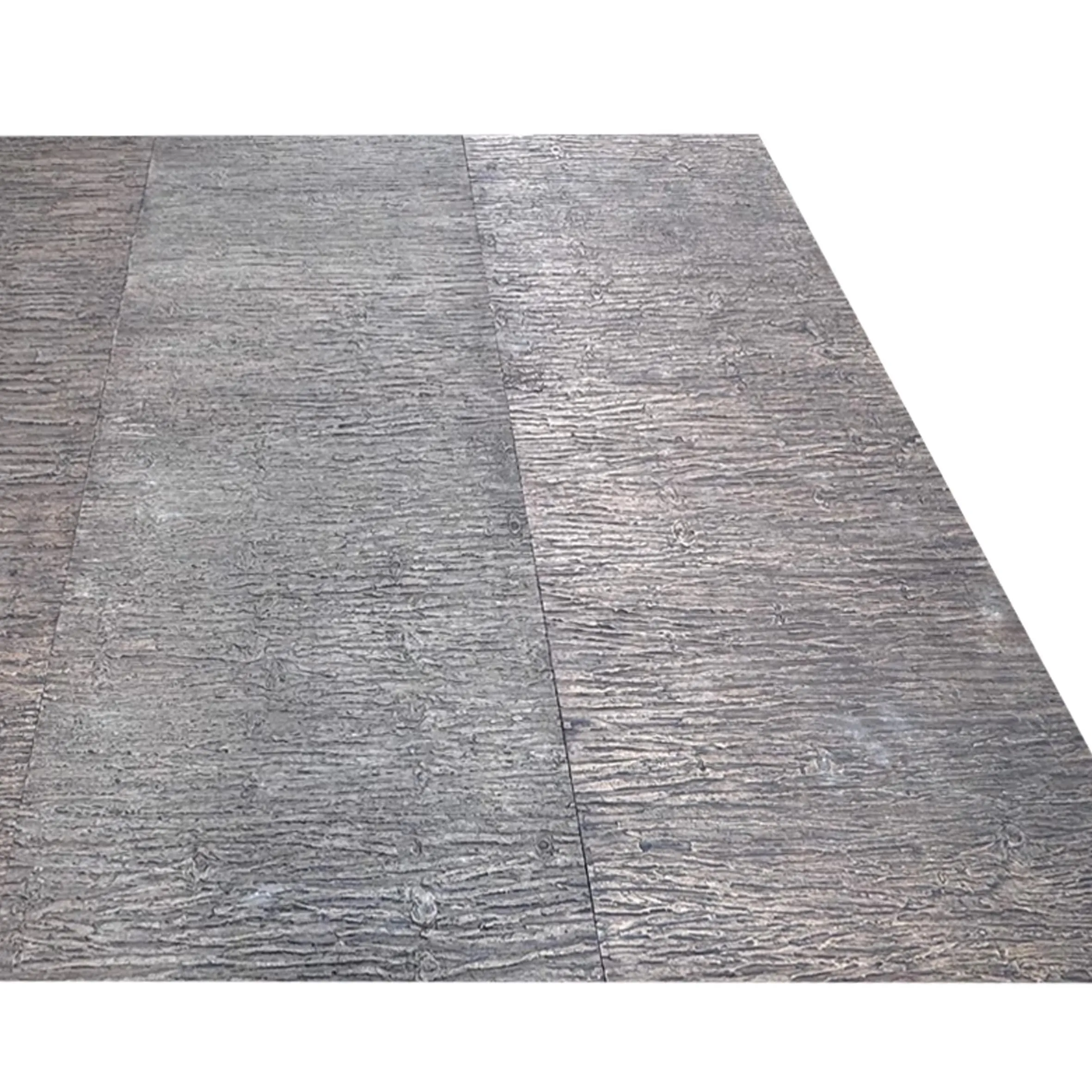
At COLORIA GROUP, we're dedicated to being your one-stop solution provider for architectural materials. While pine bark board represents an exciting direction in sustainable material innovation, our core strength lies in our advanced MCM (Modified Cementitious Material) series products . Our commitment to green and customized characteristics is deeply embedded in everything we do, from our MCM Big Slab Board Series to our MCM Project Board Series and even our groundbreaking MCM 3D Printing Series .
Our MCM products offer a revolutionary alternative for both interior and exterior decoration. They combine the best of both worlds: the aesthetic appeal of natural materials like stone and wood, with superior performance in terms of durability, fire resistance, moisture resistance, and extreme weather conditions. Plus, they are incredibly lightweight, flexible, and environmentally friendly, being made from natural inorganic mineral powders and sustainable binders.
Just like the innovative spirit behind pine bark board, we believe in pushing the boundaries. Our MCM Flexible Stone , for example, gives you the majestic look of natural stone without the weight, cost, or environmental impact, offering unparalleled flexibility in design and application. We cover global markets, with a strong presence through our agency in Saudi Arabia, leveraging decades of industry experience to deliver excellence.
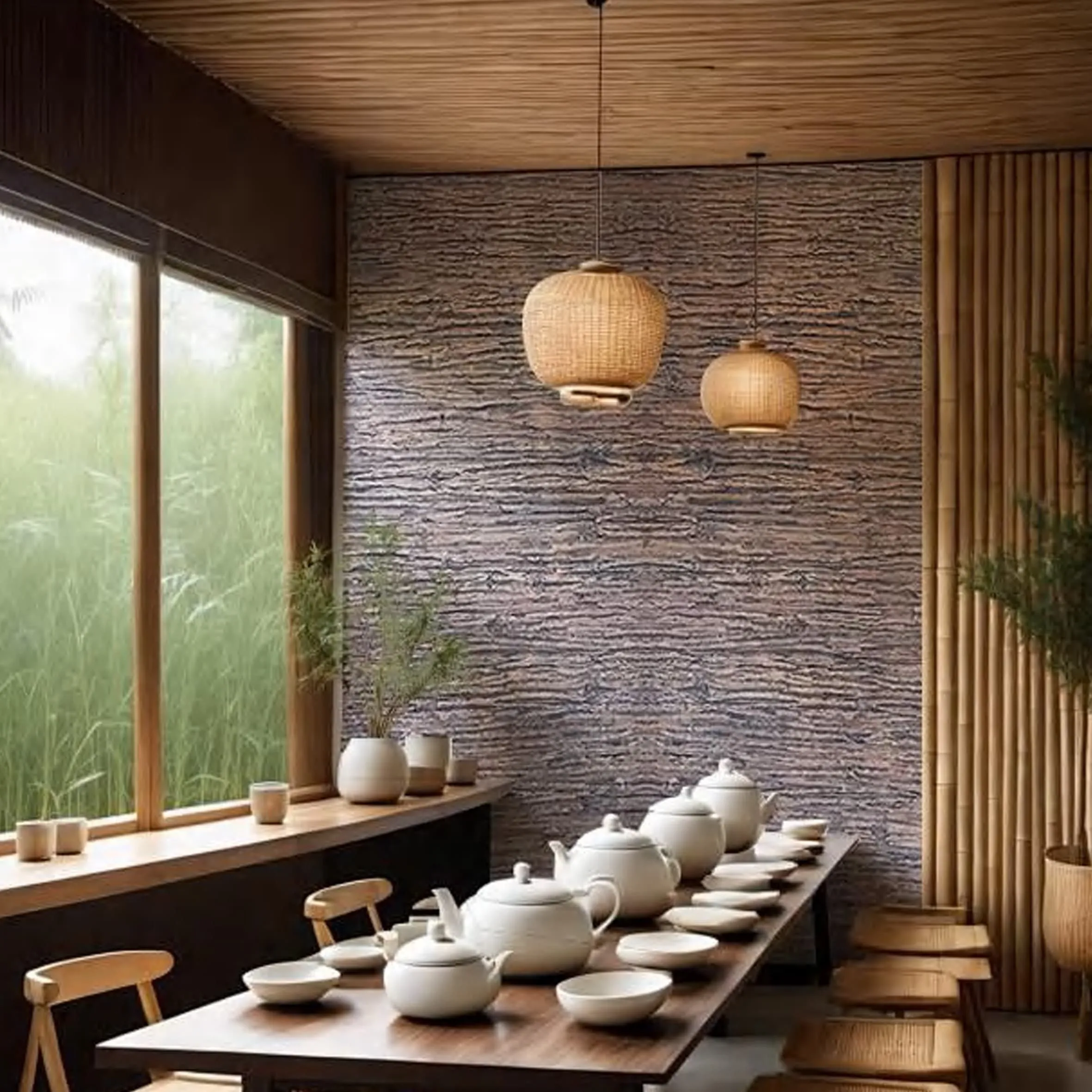
Comparing Pine Bark Board to Traditional Wood Panels really highlights the ongoing evolution in construction materials. While traditional wood has its undeniable charm and utility, new, sustainable, and high-performance options are emerging that challenge the status quo. Pine bark board represents a fantastic step towards utilizing waste materials for greater sustainability and potentially improved performance in specific areas like moisture and fire resistance.
For projects demanding the highest standards in durability, versatility, and eco-friendliness, COLORIA GROUP's MCM series products offer a truly modern and comprehensive solution. Whether you're looking for the vast design potential of our large format MCM slabs or the specific performance of our flexible stone, we're here to help you build better, smarter, and greener.
| Feature | Pine Bark Board (General) | Traditional Wood Panels (General) |
|---|---|---|
| Source Material | Pine Bark Board (General)"> Pine bark (waste product) | Virgin timber (solid wood, plywood) or wood fibers (MDF, particle board) |
| Sustainability | Pine Bark Board (General)"> High (upcycling waste, lower deforestation impact) | Varies (can contribute to deforestation, higher carbon footprint if not sustainably sourced) |
| Moisture Resistance | Pine Bark Board (General)"> Potentially superior (due to bark's natural properties and binders) | Varies (solid wood okay with treatment, engineered wood highly susceptible) |
| Fire Resistance | Pine Bark Board (General)"> Potentially enhanced (bark compounds, non-combustible binders) | Combustible (can be treated, but inherently flammable) |
| Durability | Pine Bark Board (General)"> Good, potentially resistant to decay and pests | Varies (solid wood durable, engineered wood less so without protection) |
| Aesthetic | Pine Bark Board (General)"> Unique, textured, natural, customizable | Classic wood grain, natural, timeless |
| Structural Use | Pine Bark Board (General)"> Mainly non-load-bearing, decorative, cladding | Varies (solid wood/plywood for structural, MDF/particle board for non-structural) |
| Cost | Pine Bark Board (General)"> Emerging market, cost-effectiveness improving | Wide range, from inexpensive particle board to premium solid wood |
Ready to transform your project with advanced, sustainable materials? Discover how COLORIA GROUP's MCM solutions can meet your specific needs for unparalleled performance and aesthetic appeal.
Recommend Products











