
Concrete is the backbone of our built world—from the floors under our feet to the facades that define city skylines. But for all its strength, there's one silent enemy that can turn a dream project into a frustrating nightmare: poor adhesion. You've seen it before—peeling finishes, cracked overlays, or that nagging worry that the beautiful stone cladding might start to loosen. It's not just about looks; it's about durability, safety, and the pride in a project that stands the test of time. That's where COLORIA MCM steps in. Their modified bonding technology isn't just a fix for adhesion issues—it's a revolution in how we think about concrete's ability to hold onto beauty, function, and innovation.
Let's start with the basics. When we talk about "polish concrete adhesion strength," we're talking about the bond between the concrete itself and whatever lies on top—whether it's a decorative overlay, a stone panel, or a custom finish. Weak adhesion doesn't just look bad; it compromises everything. Imagine a restaurant with a polished concrete floor that starts to chip after a few months of foot traffic, or a home exterior where the travertine (beige) cladding begins to peel away in the rain. These aren't just aesthetic issues—they're safety hazards and costly headaches.
So why do adhesion problems happen? Traditional concrete, for all its toughness, has a porous surface that can trap moisture, weaken over time, or fail to grip materials with different textures. Add in factors like temperature fluctuations, UV exposure, or the weight of heavy cladding (hello, epoch stone 's bold, thick slabs), and suddenly that "strong" bond feels a lot less reliable. Architects and designers have long wished for a solution that doesn't force them to choose between durability and beauty. Enter COLORIA MCM's modified bonding technology.
COLORIA MCM didn't just tweak existing formulas—they reimagined what adhesion could be. At the heart of their innovation is a blend of advanced polymers, nano-engineered adhesives, and a proprietary surface treatment process that transforms how concrete interacts with other materials. Let's break it down in simple terms (no lab coats required):
But don't just take our word for it. "We used to avoid pairing heavy stone cladding with polished concrete because we were terrified of delamination," says Maria Gonzalez, an architect with a boutique firm in Chicago. "COLORIA's bonding tech changed that. Last year, we wrapped a retail space in epoch stone over polished concrete, and a year later, it still looks like it was installed yesterday. No cracks, no gaps—just that seamless, solid feel we'd only dreamed of before."
Adhesion strength is only as good as the materials it connects. COLORIA MCM's product line is designed to work in harmony with their bonding technology, turning "what if" into "what is." Let's spotlight a few standouts:
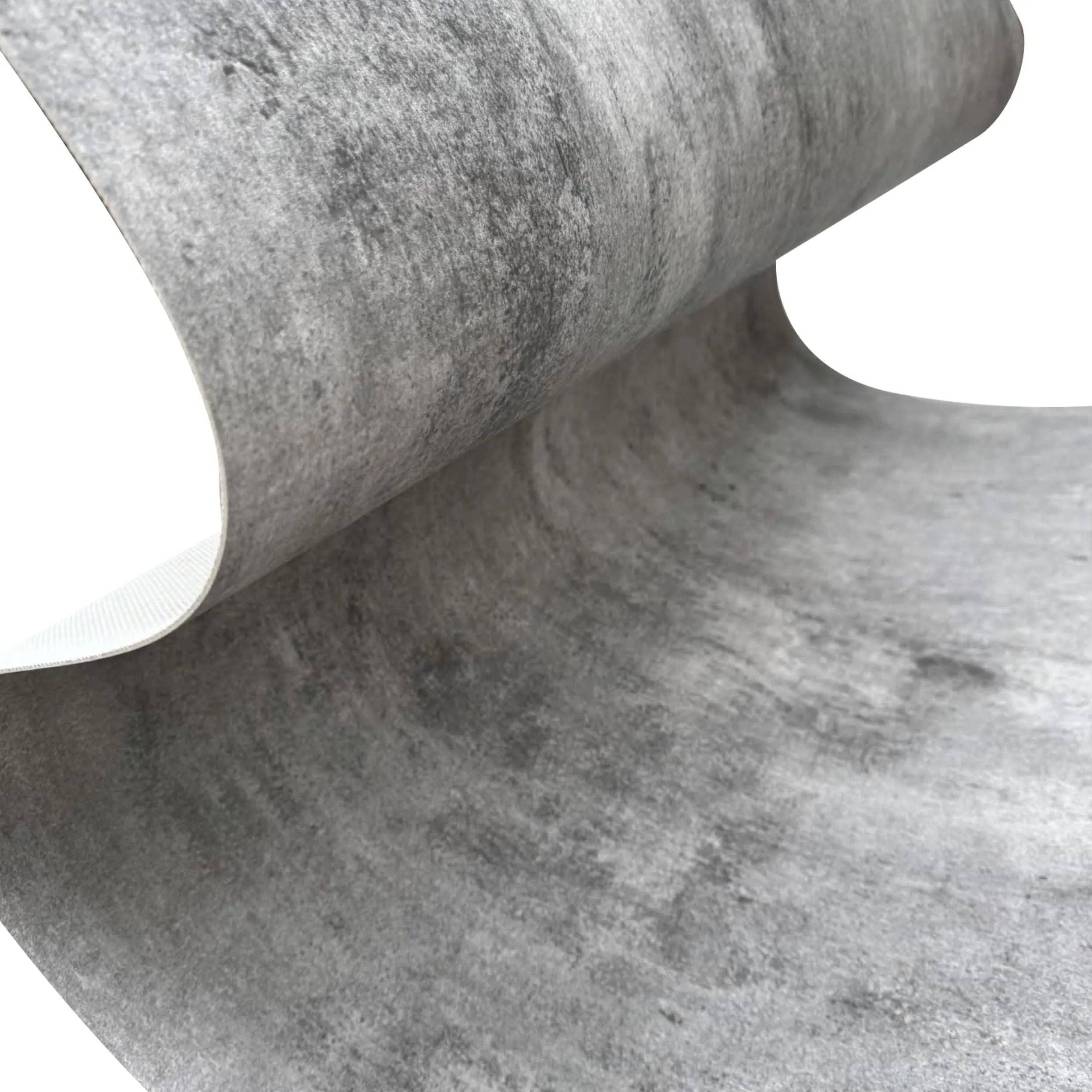
Imagine a stone panel that can curve around a circular wall or wrap a staircase without cracking. That's mcm flexible stone —lightweight, durable, and stunningly realistic. But its flexibility used to be a double-edged sword: bend too much, and traditional adhesives would fail. COLORIA's modified bonding tech solves this by creating a bond that moves with the stone. "We used the flexible stone on a museum's curved facade," says David Chen, a contractor in Seattle. "It's been two winters, and not a single panel has shifted. The bonding agent just… holds on, even when the stone flexes in the cold."
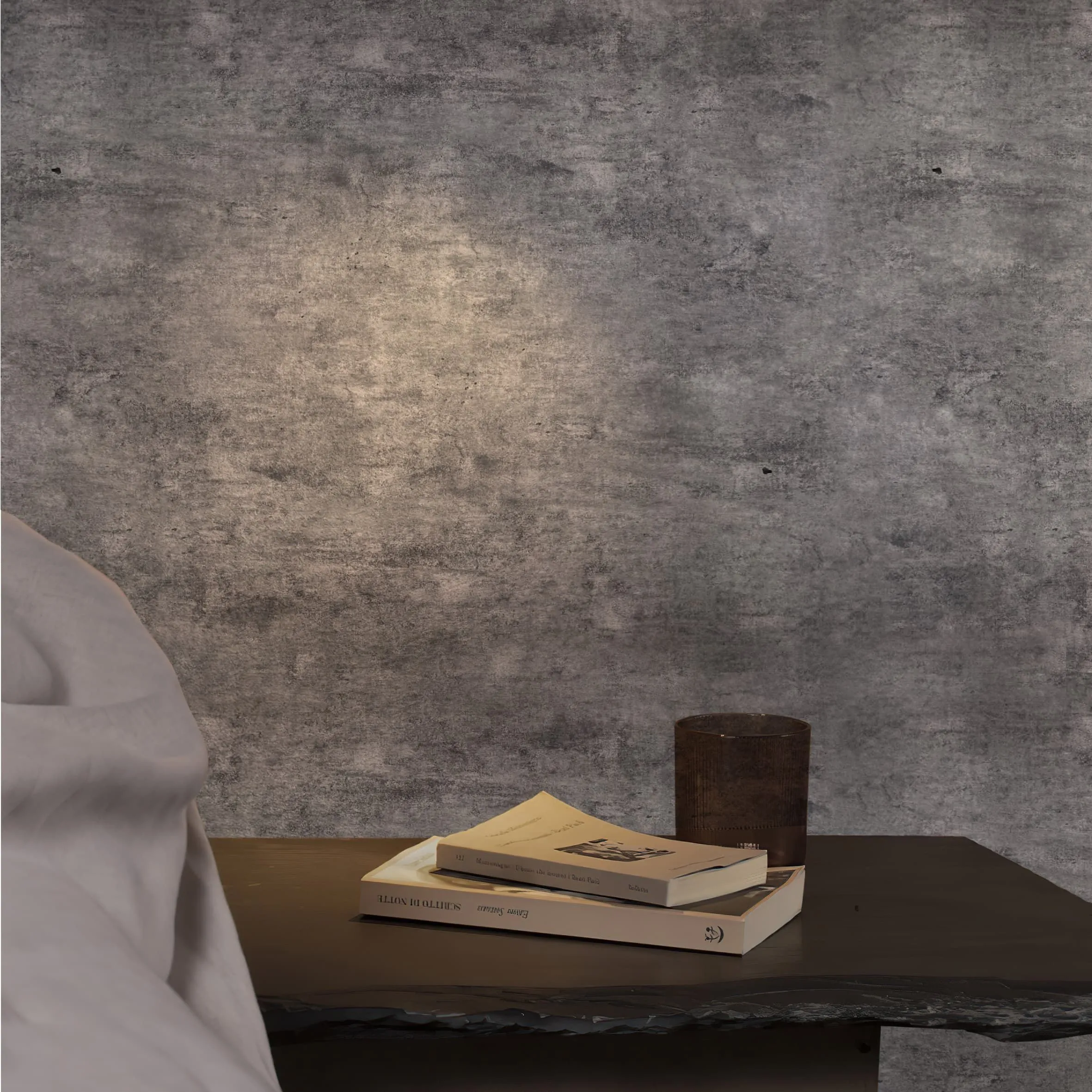
Fair-faced concrete is all about that raw, honest beauty—the kind that lets the material's natural texture shine. But achieving that "perfectly imperfect" look used to mean sacrificing adhesion. Not anymore. COLORIA's technology ensures that the concrete's surface, even with its subtle pits and variations, bonds flawlessly to overlays, sealers, or adjacent materials. "Clients love fair-faced concrete for its industrial-chic vibe," notes Gonzalez, "but they hate when the sealant starts to peel. With COLORIA, we get that matte, tactile finish without the maintenance headaches. It's a win-win."
Wood and concrete are a design match made in heaven—warmth meets strength. But wood expands, concrete contracts, and traditional bonds? They crack under the pressure. Wood grain board from COLORIA MCM changes the game. Its engineered wood-like surface pairs with the modified bonding tech to create a bond that adapts to temperature and humidity shifts. "We used wood grain board as an accent on a polished concrete floor in a café," says Chen. "Six months in, with spills, scuffs, and daily foot traffic, the transition between wood and concrete is still seamless. No gaps, no lifting—just that cozy, integrated look the client wanted."
Travertine is beloved for its soft, earthy tones and unique veining, but its porous nature has always made adhesion tricky. Travertine (beige) from COLORIA MCM, paired with their bonding tech, turns that weakness into a strength. The technology penetrates the stone's natural pores, creating a bond that's both deep and gentle—preserving the stone's beauty while locking it firmly in place. "We installed travertine (beige) tiles over polished concrete in a luxury home's entryway," says Gonzalez. "The homeowner was worried about slipping, so we used a honed finish. A year later, the tiles still feel like they're part of the concrete itself. No movement, no grout cracks—just that warm, welcoming glow travertine is known for."
| Factor | Traditional Concrete Adhesion | COLORIA MCM Modified Bonding Technology |
|---|---|---|
| Bond Strength (psi) | 300–500 psi | 1,200–1,500 psi |
| Expected Durability (years) | 5–8 years (with maintenance) | 15+ years (minimal maintenance) |
| Compatibility with MCM Products | Limited (risk of delamination with heavy materials) | Full compatibility (works with flexible stone, epoch stone, wood grain, and more) |
| Application Temperature Range | 50–85°F (narrow window) | 35–100°F (works in cold winters or hot summers) |
| Resistance to Moisture | Low (prone to water damage) | High (repels moisture while allowing breathability) |
Adhesion strength isn't just a technical spec—it's the difference between a project that wows today and one that wows for decades. Let's step into a few real (names changed for privacy) spaces where COLORIA's technology has left its mark:
In downtown Austin, a 1920s warehouse was converted into luxury lofts. The design called for polished concrete floors paired with wood grain board accent walls and travertine (beige) kitchen backsplashes. "We were nervous about the wood grain board—lofts get a lot of foot traffic, and we didn't want the walls to start looking shabby," says the project manager, Jake Miller. "COLORIA's bonding tech put those fears to rest. Two years in, the wood grain still looks fresh, and the travertine backsplash? It's been through countless dinner parties, and there's not a single chip or loose tile. The clients keep telling us it feels like the space was 'built to last forever.'"
A tech company in Silicon Valley wanted a campus that reflected innovation—so they went big with epoch stone cladding on their main building, paired with fair-faced concrete walkways. "Epoch stone is thick and heavy, and we needed it to stick to the concrete facade without any risk of falling," explains the lead architect, Priya Patel. "COLORIA's team walked us through their bonding process, and we were blown away by the testing data. Now, when employees walk past that building, they don't just see a cool design—they see a statement: 'We build things that last.' And that's exactly what we wanted."
At the end of the day, COLORIA MCM's modified bonding technology isn't just about making concrete stick better. It's about giving creators the freedom to dream bigger. No more saying, "We can't do that because the adhesion won't hold." Now, it's "Let's do that—and make sure it lasts."
Whether you're a homeowner wanting a kitchen floor that can handle kids, pets, and life's little messes; an architect pushing the boundaries of what concrete can look like; or a contractor tired of callbacks to fix peeling finishes, adhesion strength is the foundation of every successful project. And with COLORIA MCM, that foundation is stronger, smarter, and more reliable than ever.
So the next time you look at a polished concrete surface, take a moment to appreciate the bond that holds it all together. Because in the world of design and construction, the best stories aren't just told by what you see—they're held up by what you can't.
Recommend Products












