
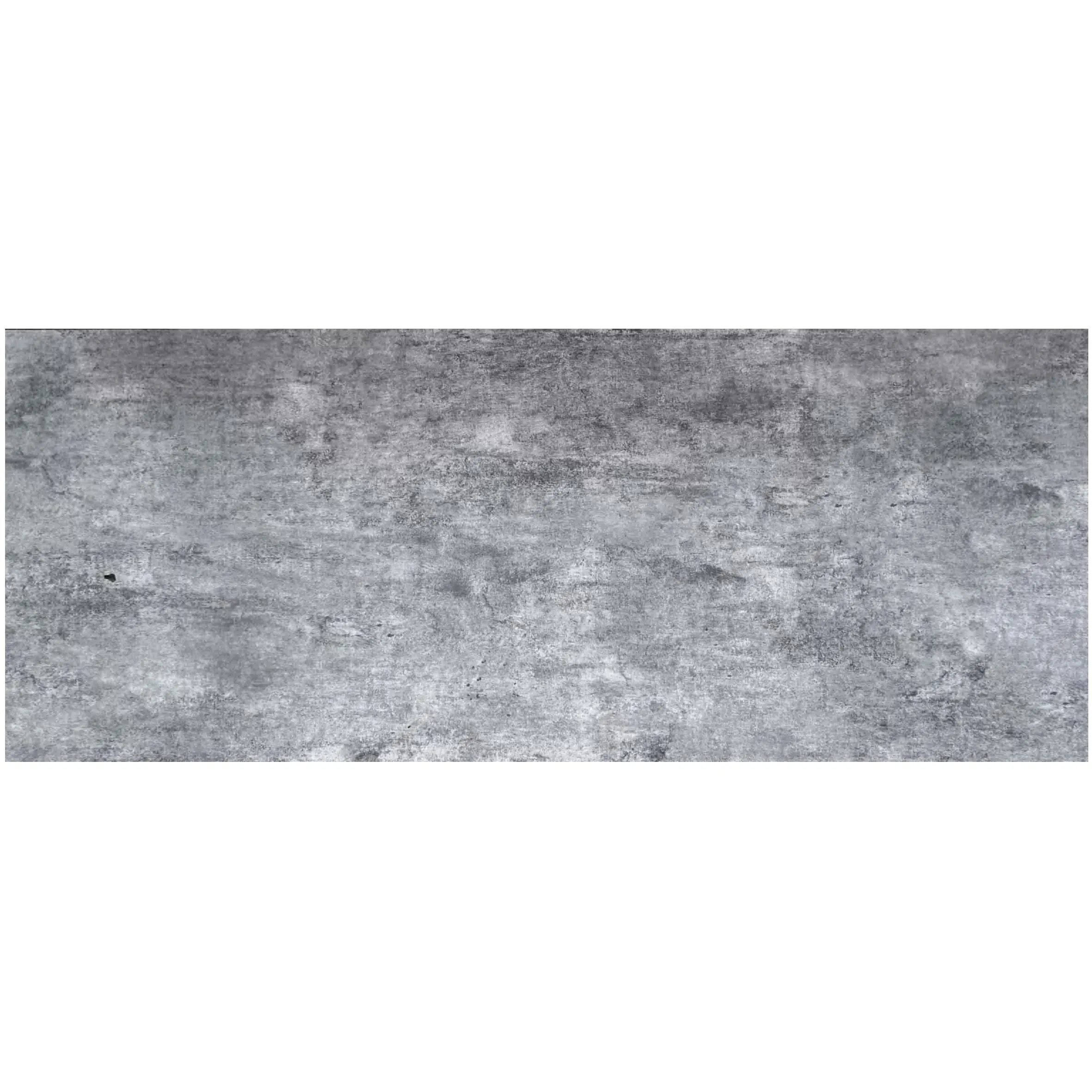
Color is more than just a visual detail—it's the silent storyteller of a space. Whether you're designing a cozy café that feels like a warm hug or a sleek corporate lobby that exudes confidence, the hues and textures you choose shape how people experience and remember that environment. But here's the problem: too often, building materials come in a one-size-fits-all palette, leaving designers stuck between "close enough" and "compromise." That's where COLORIA MCM steps in, especially with their polish concrete line—a game-changer for anyone who refuses to let generic colors limit their vision.
Let's talk about concrete. For decades, it's been the workhorse of construction—durable, reliable, but let's be honest, a little… boring. Traditional concrete often defaults to a drab gray, leaving designers to cover it up with paint or tiles that chip, fade, or just don't quite match the mood they're after. But COLORIA MCM's polish concrete isn't your grandpa's concrete. It's concrete reimagined: smooth, lustrous, and—most importantly—customizable to the exact shade you've been dreaming of.
What makes it different? It starts with the base. Instead of relying on generic pigments, COLORIA uses advanced coloring techniques that penetrate the material, ensuring the color runs deep, not just skin-deep. That means no peeling, no fading, even in high-traffic areas or under harsh sunlight. And the polish? It's not just a shine—it's a finish that catches the light in all the right ways, turning a simple floor or wall into a statement piece. Imagine a restaurant floor that shifts from soft ivory in the morning to warm amber at sunset, or a retail space where the walls glow with a subtle terracotta hue that makes every product pop. With polish concrete from COLORIA, that's not a fantasy—it's a specification.
But the real magic is in the customization. Maybe you've seen a painting that uses a specific shade of "dusk blue" and want to replicate that in your project. Or perhaps you're designing a space around a brand's signature color, a unique blend of "forest green" that's nowhere to be found in standard material swatches. COLORIA's team works with you to match that color exactly, using digital color analysis and small-batch testing to get it right. No more settling for "close." This is color precision that lets your design vision take center stage.
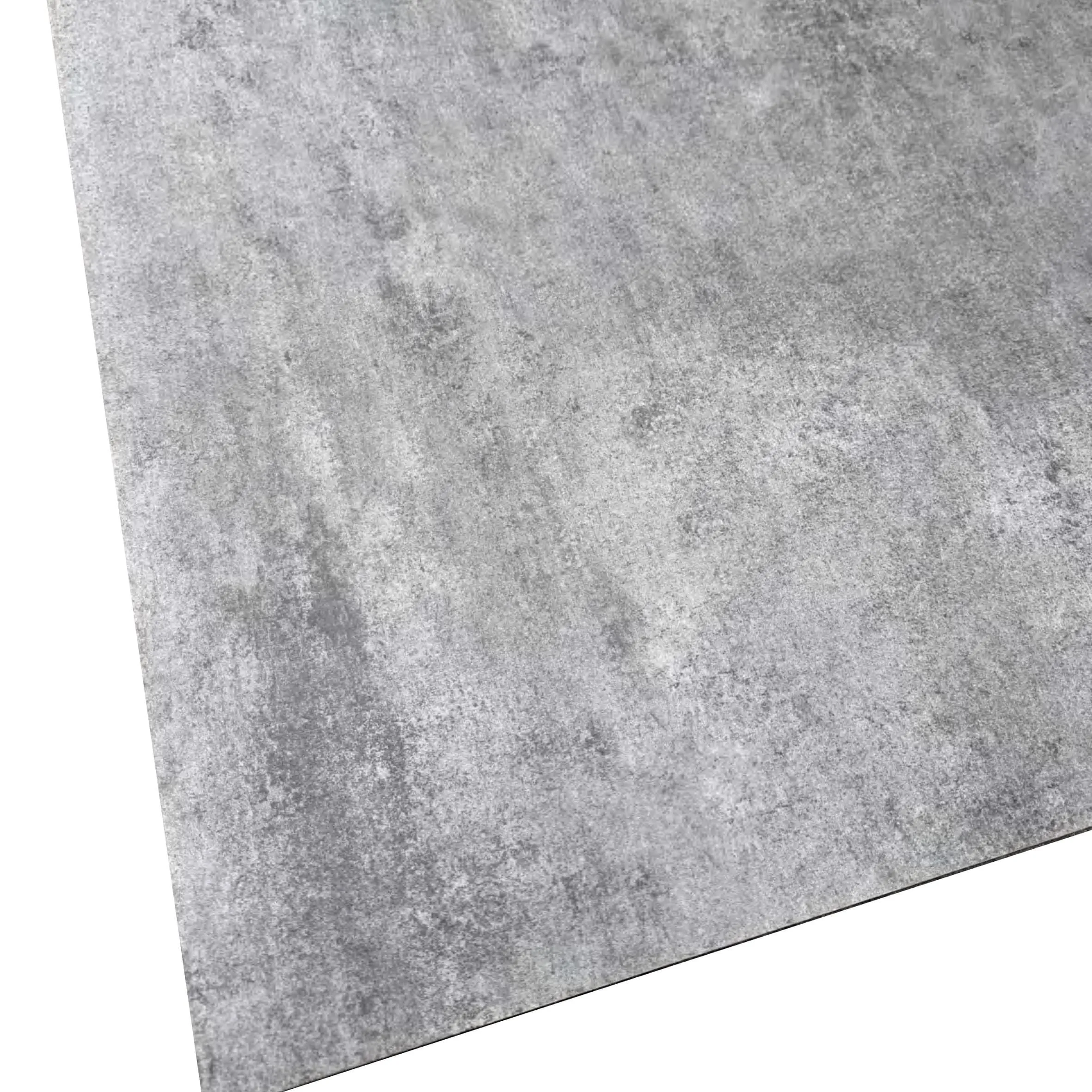
Polish concrete is just the beginning. COLORIA MCM understands that great design thrives on variety, which is why their lineup includes materials that complement and contrast with polish concrete, each with its own personality and color story. Let's dive into a few standouts that are redefining what's possible in architectural design.
If polish concrete is the bold protagonist of your design, mcm flexible stone is the versatile sidekick. Traditional stone is heavy, rigid, and often limited in color options—but this isn't traditional stone. MCM flexible stone is lightweight (so it's easier to install on walls, ceilings, even furniture), flexible (meaning it can curve around corners or follow unique architectural shapes), and yes—fully customizable in color. Think of it as stone with a personality: you can get it in earthy tones that mimic natural slate, or vibrant hues that make a wall feel like a piece of art. One project we loved? A boutique hotel in Bali that used flexible stone in a soft "sandy beige" to wrap around curved columns, creating a seamless flow between indoor and outdoor spaces. It felt organic, warm, and totally unique—exactly what the designer wanted.
For designers who crave the industrial edge of concrete but want something with more texture and character, fair-faced concrete is a revelation. Unlike polish concrete, which is smooth and glossy, fair-faced concrete celebrates the material's natural texture—the slight imperfections, the subtle variations in tone, the way it looks like it was poured yesterday but will stand the test of time. It's the kind of material that feels "honest," like it has a story to tell. And yes, it's customizable too. COLORIA offers fair-faced concrete in shades from "cloud white" (bright, clean, perfect for minimalist spaces) to "charcoal gray" (deep, moody, ideal for adding drama to a modern loft). We recently saw it used in a coworking space where the walls were finished in "warm taupe" fair-faced concrete, paired with wooden furniture and potted plants. The result? A space that felt both industrial and inviting—like working in a warehouse that's been given a cozy upgrade.
There's something about wood that makes a space feel like home. The grain, the warmth, the way it ages gracefully—wood is timeless. But traditional wood comes with trade-offs: it scratches, warps, and requires constant maintenance, especially in high-moisture areas like kitchens or bathrooms. Enter wood grain board from COLORIA MCM. It's a composite material that mimics the look and feel of real wood—down to the subtle knots and grain patterns—but with the durability of modern engineering. And the color options? Endless. Want the rich, reddish-brown of mahogany? Done. Prefer the light, airy tone of ash? No problem. There's even a "weathered oak" shade that looks like it's been kissed by the sun and sea, perfect for coastal projects. One of our favorite applications? A restaurant in Seattle that used wood grain board on the ceiling, stained in a soft "honey blonde," to offset the dark polish concrete floors. The contrast was stunning—warmth above, sophistication below—and because it's COLORIA's wood grain board, the owners never have to worry about water damage from the city's frequent rain.
Every now and then, a material comes along that feels like a secret weapon for designers. For COLORIA, that's travertine (starry blue) . Travertine is a classic stone, known for its porous, organic texture, but COLORIA has taken it to the next level with their "starry" series. Imagine travertine's natural pitted surface, but instead of the usual beige or ivory, it's dyed a deep, dreamy blue—like looking up at the night sky on a clear evening. And the "stars"? Those are tiny, iridescent flecks that catch the light, adding a subtle shimmer that makes the stone feel alive. It's not just a material; it's an experience. We saw it used in a hotel lobby in Dubai, where a feature wall made of starry blue travertine served as the backdrop for a sleek reception desk. The blue was bold but not overwhelming, and the "stars" sparkled as guests walked by, turning a simple check-in area into a moment of wonder. It's the kind of detail that makes people stop and say, "Wow—what is that?"
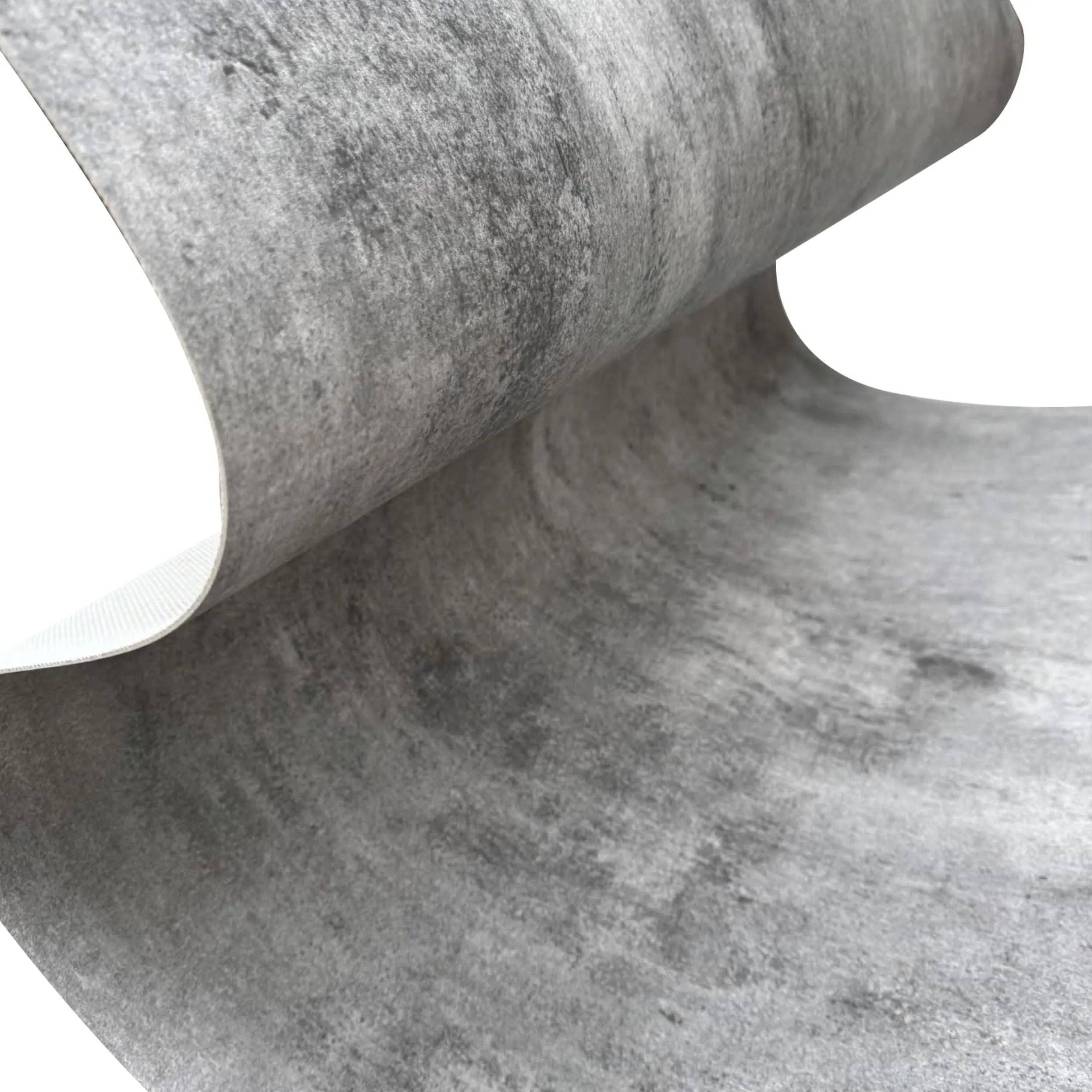
With so many options, it can be hard to decide which material is right for your project. To help, we've put together a quick comparison of the materials we've covered, so you can see at a glance how they stack up:
| Material | Key Features | Color Customization | Best For |
|---|---|---|---|
| Polish Concrete | Smooth, glossy finish; deep, fade-resistant color; durable for high traffic | Exact color matching to brand or design specs; wide range from neutrals to bold hues | Retail floors, restaurant walls, corporate lobbies |
| MCM Flexible Stone | Lightweight, flexible (curves, corners); natural stone texture; water-resistant | Earthy tones, vibrant accents, custom blends | Accent walls, column wraps, outdoor patios |
| Fair-Faced Concrete | Raw, industrial texture; matte finish; low maintenance | Neutrals (whites, grays, beiges), subtle pastels | Coworking spaces, art galleries, modern homes |
| Wood Grain Board | Realistic wood look; scratch/warp-resistant; moisture-proof | Stains mimicking oak, maple, mahogany, weathered tones | Kitchen backsplashes, bathroom walls, ceiling accents |
| Travertine (Starry Blue) | Porous, organic texture; iridescent "star" flecks; bold, unique color | Starry series (blue, red, orange); custom dye options | Feature walls, hotel lobbies, statement pieces |
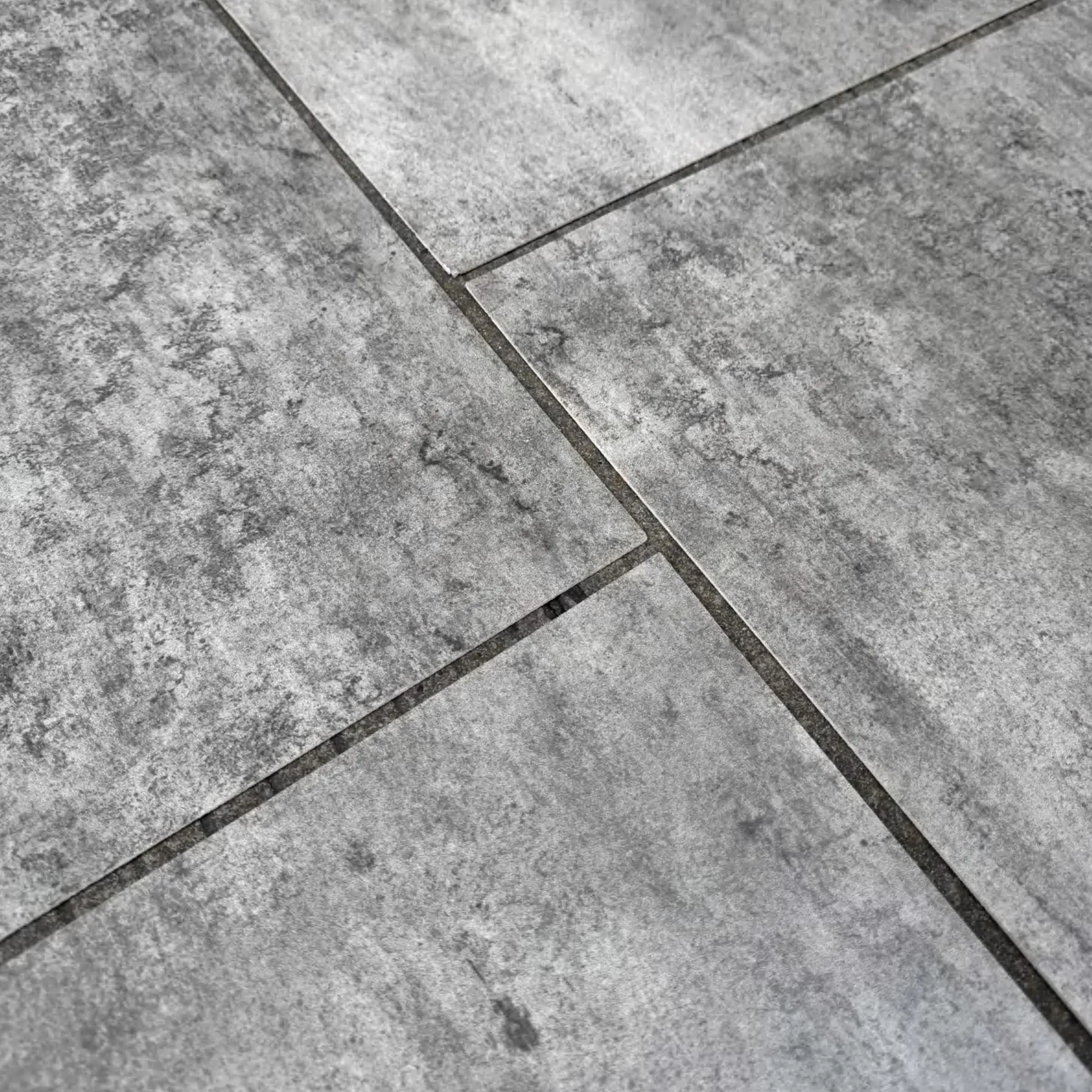
In today's design world, beauty can't come at the expense of the planet. That's why COLORIA MCM puts sustainability at the heart of everything they do—including their color customization process. All their materials are made with eco-friendly pigments and low-VOC (volatile organic compound) formulas, so you can have vibrant color without releasing harmful chemicals into the air. The production process also minimizes waste, using recycled materials where possible and optimizing energy use. And because their materials are so durable, they last longer, reducing the need for frequent replacements—a win for both your budget and the environment.
Take their polish concrete, for example. Traditional concrete production is energy-intensive, but COLORIA uses a modified mix that requires less cement, cutting down on carbon emissions. And because the color is integral (not painted on), there's no need for toxic topcoats that chip off and end up in landfills. It's design that looks good and does good—a combination that's becoming non-negotiable for today's conscious designers.
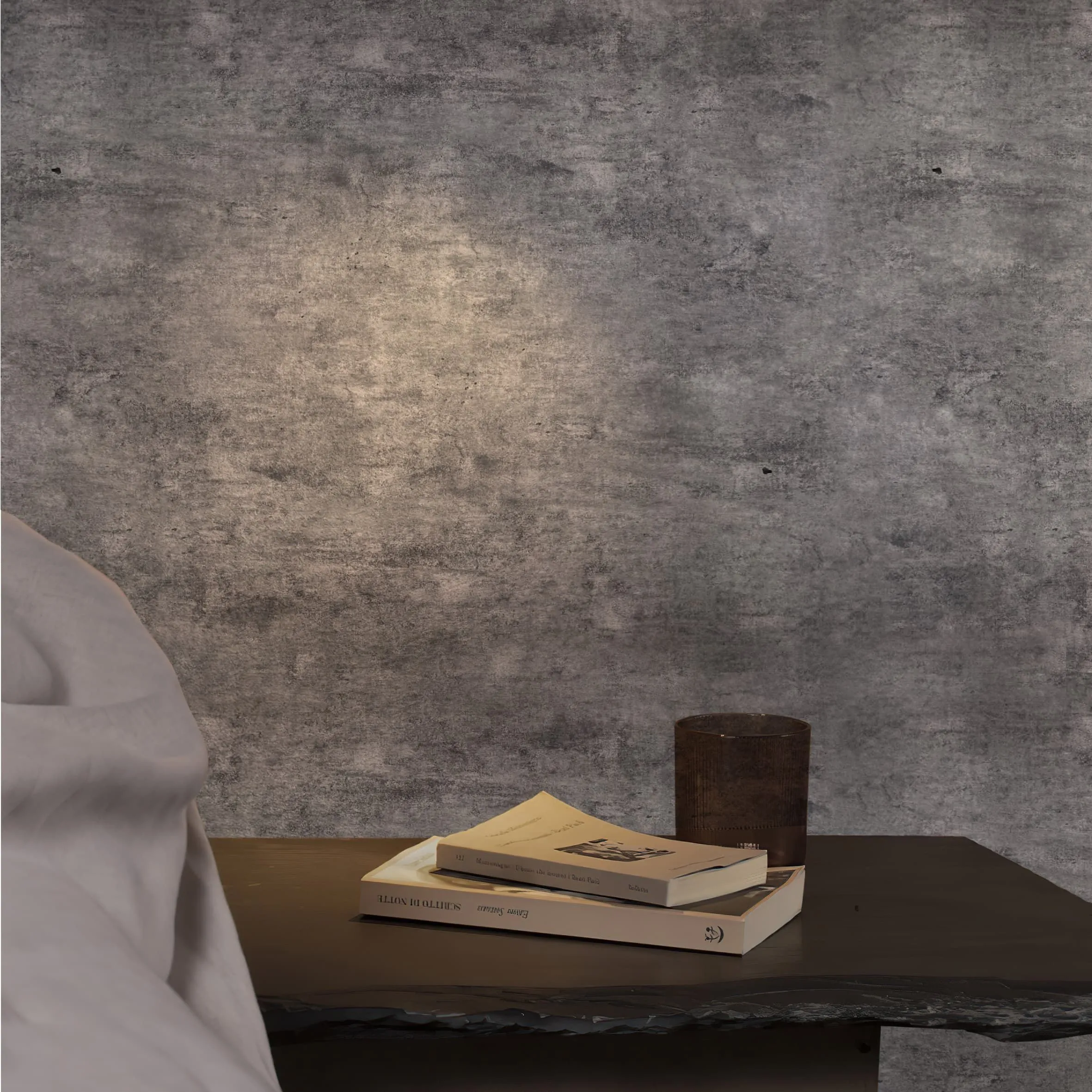
At the end of the day, materials are just tools. What matters is the story they help you tell. Maybe you're designing a community center that needs to feel inclusive and welcoming—so you pair warm wood grain board with soft beige polish concrete to create a space that says, "Everyone belongs here." Or perhaps you're working on a tech startup office that wants to feel innovative and forward-thinking—so you use starry blue travertine and sleek, dark fair-faced concrete to evoke a sense of exploration and possibility.
COLORIA MCM doesn't just sell materials; they sell the freedom to design without limits. Their polish concrete color customization is a testament to that—proof that even the most utilitarian material can be transformed into something extraordinary when you prioritize color, creativity, and collaboration. So the next time you find yourself staring at a swatch book full of "meh" options, remember: with COLORIA, your perfect color isn't just out there—it's waiting to be created.
Because great design isn't about following trends. It's about creating spaces that feel uniquely yours. And with COLORIA MCM, that starts with the perfect color.
Recommend Products












