
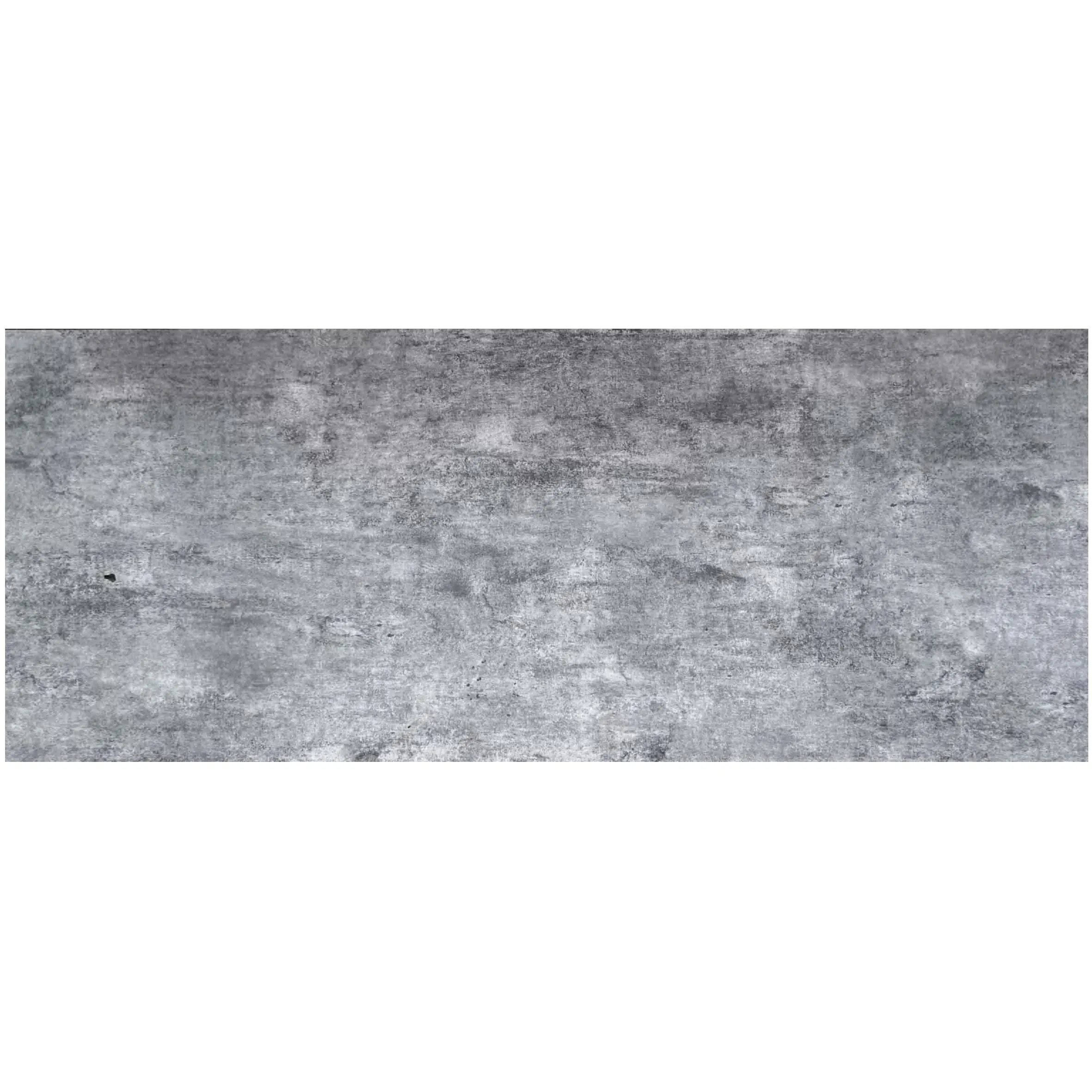
When it comes to designing spaces—whether a cozy home, a bustling commercial hub, or a striking public building—choosing the right decorative materials is more than just about aesthetics. It's a balance of beauty, durability, and budget. For decades, traditional materials like natural stone, solid concrete, and hardwood have dominated the market, admired for their timeless appeal. But in recent years, a new player has emerged: COLORIA's MCM (Modified Composite Material) series. Blending innovation with sustainability, these products promise to redefine how we think about design and cost. Let's dive into a detailed cost analysis, exploring why COLORIA MCM might just be the smarter choice for your next project.
Before we crunch numbers, let's get to know COLORIA MCM. Short for Modified Composite Material, MCM is a cutting-edge technology that combines recycled minerals, polymers, and advanced manufacturing processes to create lightweight, durable, and hyper-realistic decorative panels. Unlike traditional materials, which are often heavy, prone to damage, or limited in design, COLORIA MCM products mimic the look and texture of natural stone, wood, metal, and concrete—without the drawbacks.
Take, for example, COLORIA's travertine (starry green) or lunar peak silvery panels. These aren't just "look-alikes"; they're engineered to capture the intricate veining of travertine or the metallic sheen of natural stone, all while being 70% lighter than solid stone. Similarly, options like foamed aluminium alloy board (vintage silver) offer the industrial chic of metal without the rust, weight, or high maintenance. It's design freedom, reimagined.
Did you know? COLORIA's MCM range spans over 100 styles, from the earthy warmth of bamboo mat board to the futuristic glow of starmoon stone , and even the rugged charm of gobi panel . Whatever your vision, there's an MCM solution that fits—without compromising on durability.
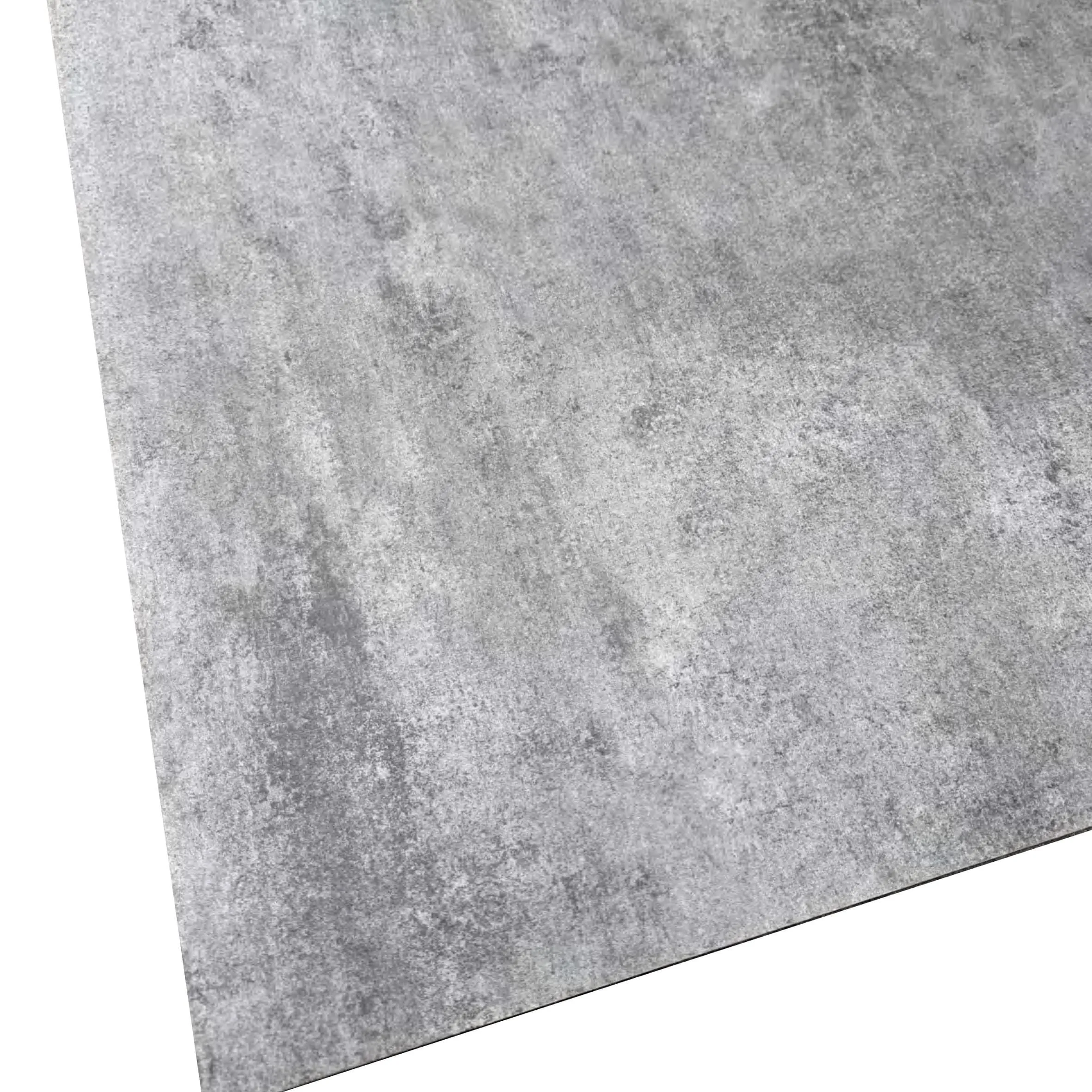
Cost is often the first question on any project planner's mind. Let's break down the expenses into four key categories: upfront purchase, installation, maintenance, and long-term value. We'll compare COLORIA MCM with three popular traditional options: natural travertine, solid concrete, and hardwood.
| Cost Category | COLORIA MCM (e.g., Travertine Starry Green) | Traditional Natural Travertine | Solid Concrete | Hardwood (Oak) |
|---|---|---|---|---|
| Material Cost (per sq. ft) | $12–$18 | $20–$35 | $8–$12 | $15–$25 |
| Installation Cost (per sq. ft) | $5–$8 | $10–$15 | $6–$10 | $8–$12 |
| Annual Maintenance Cost (per sq. ft) | $0.50–$1 | $3–$5 (sealing, polishing) | $2–$4 (crack repair, staining) | $4–$6 (refinishing, termite treatment) |
| Expected Lifespan | 30–50 years | 15–25 years (with heavy maintenance) | 20–30 years (prone to cracking) | 10–15 years (with refinishing) |
| Total 20-Year Cost (Estimated, per sq. ft) | $22–$35 | $80–$135 | $52–$74 | $95–$147 |
At first glance, solid concrete might seem cheaper upfront, but factor in maintenance (crack repairs, resealing) and lifespan, and COLORIA MCM pulls ahead. Natural travertine and hardwood, while luxurious, come with steep long-term costs—travertine requires annual sealing to prevent staining, and hardwood needs refinishing every 3–5 years. COLORIA MCM? A quick wipe with mild soap is all it takes to keep panels like fair-faced concrete or wood grain board looking brand new.
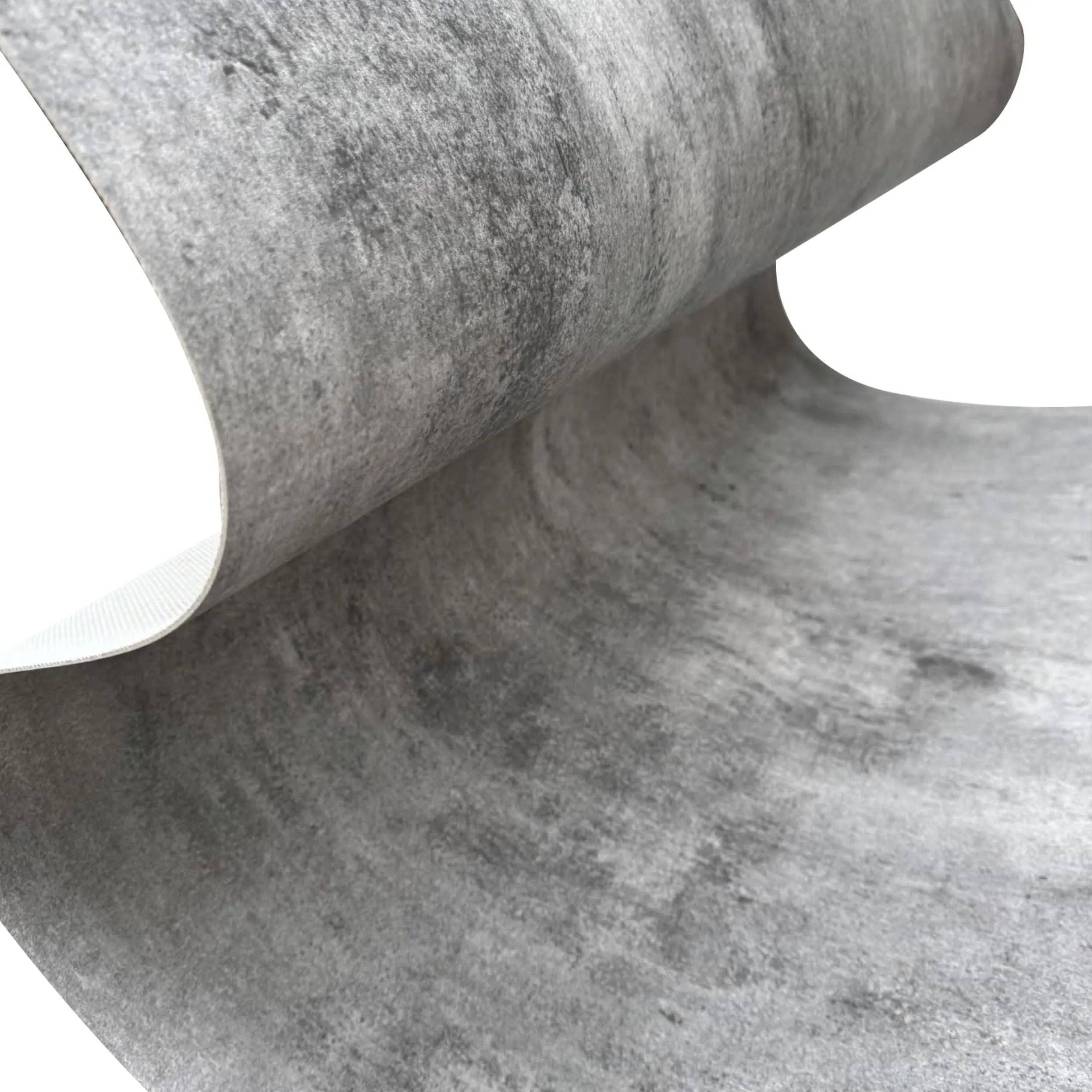
Let's talk about installation—a often-overlooked cost driver. Traditional materials like natural stone are heavy: a single sq. ft of travertine can weigh 15–20 lbs, requiring reinforced structures, specialized labor, and longer installation times. COLORIA MCM panels, by contrast, weigh just 3–5 lbs per sq. ft. This means:
Consider boulder slab (vintage gold) , a COLORIA favorite for commercial facades. Its lightweight design means it can be installed on high-rise buildings without adding excessive load to the structure—something impossible with real boulder stone. The result? A showstopping exterior at a fraction of the installation cost.
In today's eco-conscious world, sustainability isn't just a trend—it's a long-term cost driver. COLORIA MCM is crafted using up to 40% recycled materials, from post-industrial minerals to reclaimed polymers, reducing waste and lowering production emissions. Traditional materials, on the other hand, often come with a heavy environmental footprint: quarrying natural stone disrupts ecosystems, while hardwood logging contributes to deforestation.
What does this mean for your budget? Many regions offer tax incentives or rebates for sustainable building materials. Plus, COLORIA MCM's energy-efficient production can help projects qualify for LEED or BREEAM certifications, increasing property value by up to 7% (according to the U.S. Green Building Council). Over time, that's a significant return on investment.
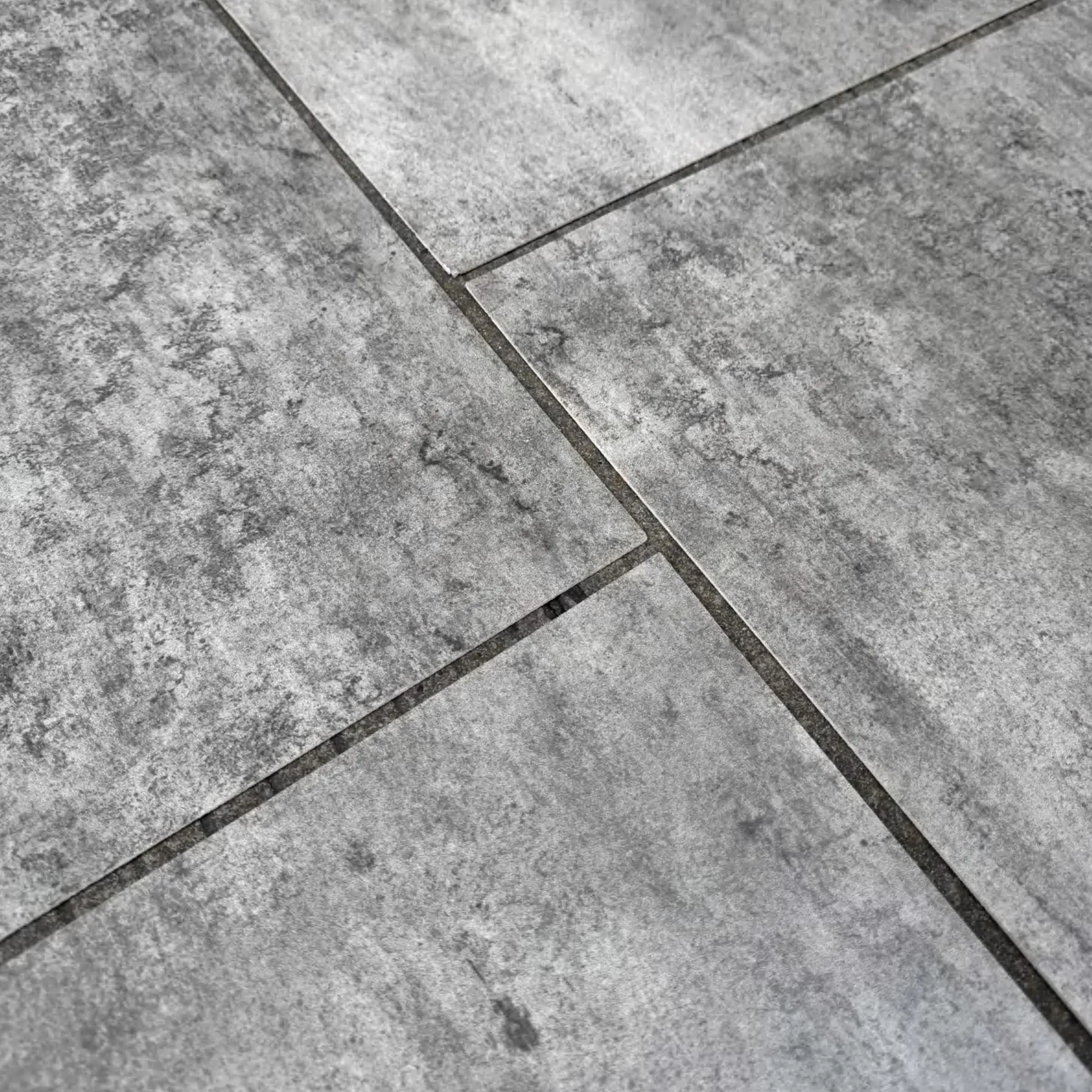
Cost isn't just about dollars and cents—it's about getting the most bang for your buck in terms of design. Traditional materials often limit creativity: natural stone has fixed patterns, concrete is hard to customize, and wood warps or fades over time. COLORIA MCM breaks these barriers.
Want a travertine (starry red) accent wall in your living room? Or a weaving (khaki) panel ceiling that mimics handwoven textiles? COLORIA's 3D printing technology allows for intricate textures and custom colors, so your space isn't just "decorated"—it's a reflection of your unique vision. Even better, these designs are fade-resistant and scratch-proof, so they'll look as vibrant in 10 years as they do on day one.
Take linear travertine (claybank) , for example. Traditional linear travertine is expensive and hard to source in large, consistent pieces. COLORIA's version is manufactured to exact specifications, ensuring seamless patterns across walls, floors, or even furniture. No more mismatched tiles or "close enough" designs—just precision, at a fraction of the cost.
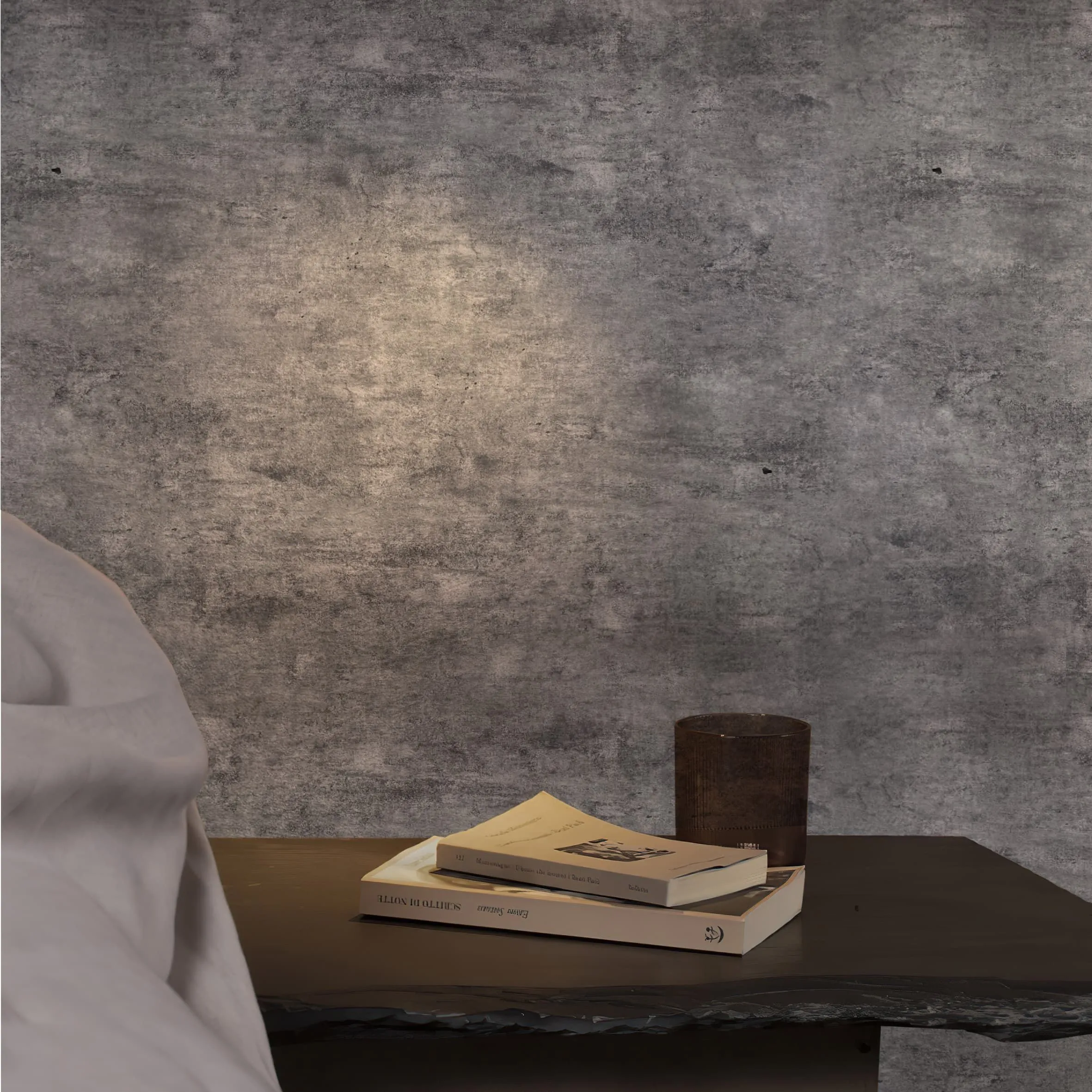
Some might worry: "If it's lighter and cheaper, is it less durable?" Let's put those fears to rest. COLORIA MCM panels are engineered to withstand extreme conditions: UV rays, moisture, temperature fluctuations, and even impact. Tests show they resist fading for up to 20 years, repel stains (no more worrying about wine spills on marble veil white ), and can handle heavy foot traffic without chipping. Compare that to natural stone, which etches easily, or hardwood, which dents and warps with moisture.
In fact, COLORIA offers a 15-year warranty on most products—a guarantee few traditional material suppliers can match. When you factor in that peace of mind, the "cheaper upfront" traditional options start to look like risky investments.
So, is COLORIA MCM worth the investment? Let's recap: lower long-term costs, faster installation, endless design flexibility, and a smaller environmental footprint. While traditional materials like natural travertine or hardwood have their charm, they come with hidden expenses—from maintenance to structural upgrades—that add up over time. COLORIA MCM isn't just a "replacement"; it's a better alternative, blending the best of nature and technology.
Whether you're drawn to the celestial beauty of travertine (starry blue) , the industrial edge of fair-faced concrete , or the warmth of ancient wood , COLORIA MCM proves that great design doesn't have to break the bank. It's an investment in a space that looks stunning today, stays beautiful tomorrow, and saves you money for years to come. Now that's a cost analysis that adds up.
Recommend Products












