
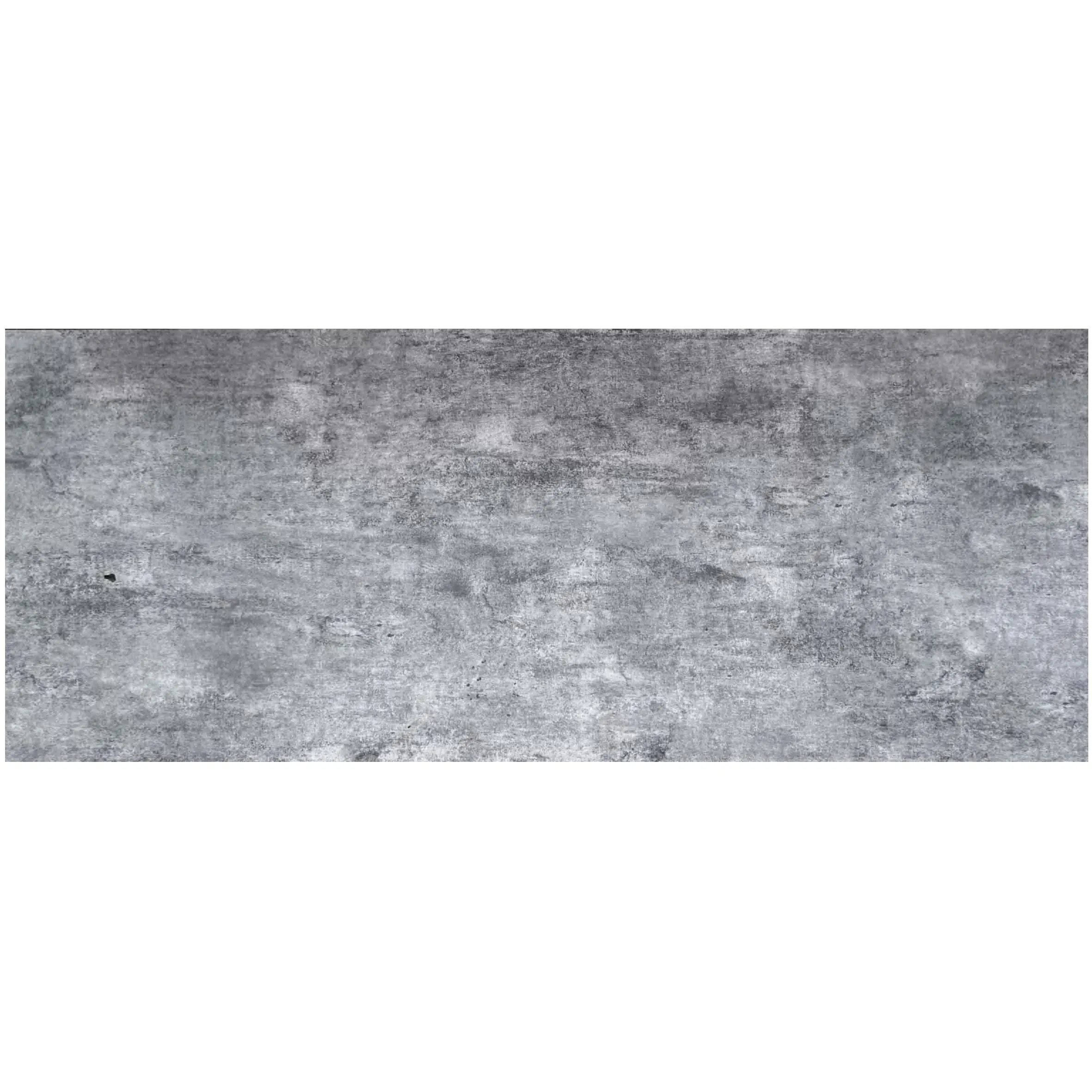
Concrete has long been the unsung hero of architecture and design—quietly holding up skyscrapers, shaping cityscapes, and grounding our built environments. But in 2025, it's stepping out of the shadows and into the spotlight, reimagined as a medium of artistry, customization, and sustainable innovation. This year, the buzz isn't just about "concrete"—it's about polish concrete : a term that encapsulates the marriage of durability, texture, and aesthetic finesse. And leading this revolution? COLORIA MCM, whose 3D printing series is turning traditional design limitations on their head. From flexible stone panels that mimic the flow of natural rock to foamed aluminium alloy accents that add industrial-chic warmth, let's dive into how COLORIA MCM is reshaping the future of design—one layer, one texture, one innovation at a time.
Gone are the days when concrete was confined to drab gray slabs or utilitarian floors. In 2025, polish concrete has become a canvas for designers, blending raw industrial edge with organic warmth. What's driving this shift? For starters, homeowners and businesses alike crave spaces that feel unique —not just "on-trend," but deeply personal. Polish concrete delivers that by offering endless possibilities for texture, color, and pattern. Think: a kitchen backsplash that looks like weathered stone but weighs half as much, or a office lobby wall with undulating waves that catch the light, changing mood from dawn to dusk.
But it's not just about aesthetics. Sustainability is a non-negotiable in 2025, and polish concrete—especially when paired with innovative manufacturing like 3D printing—ticks that box too. Reduced waste, energy-efficient production, and materials that prioritize recycled or low-impact components are no longer "nice-to-haves"; they're deal-breakers. And that's where COLORIA MCM's 3D printing series comes in: a technology that's as kind to the planet as it is to the eye.
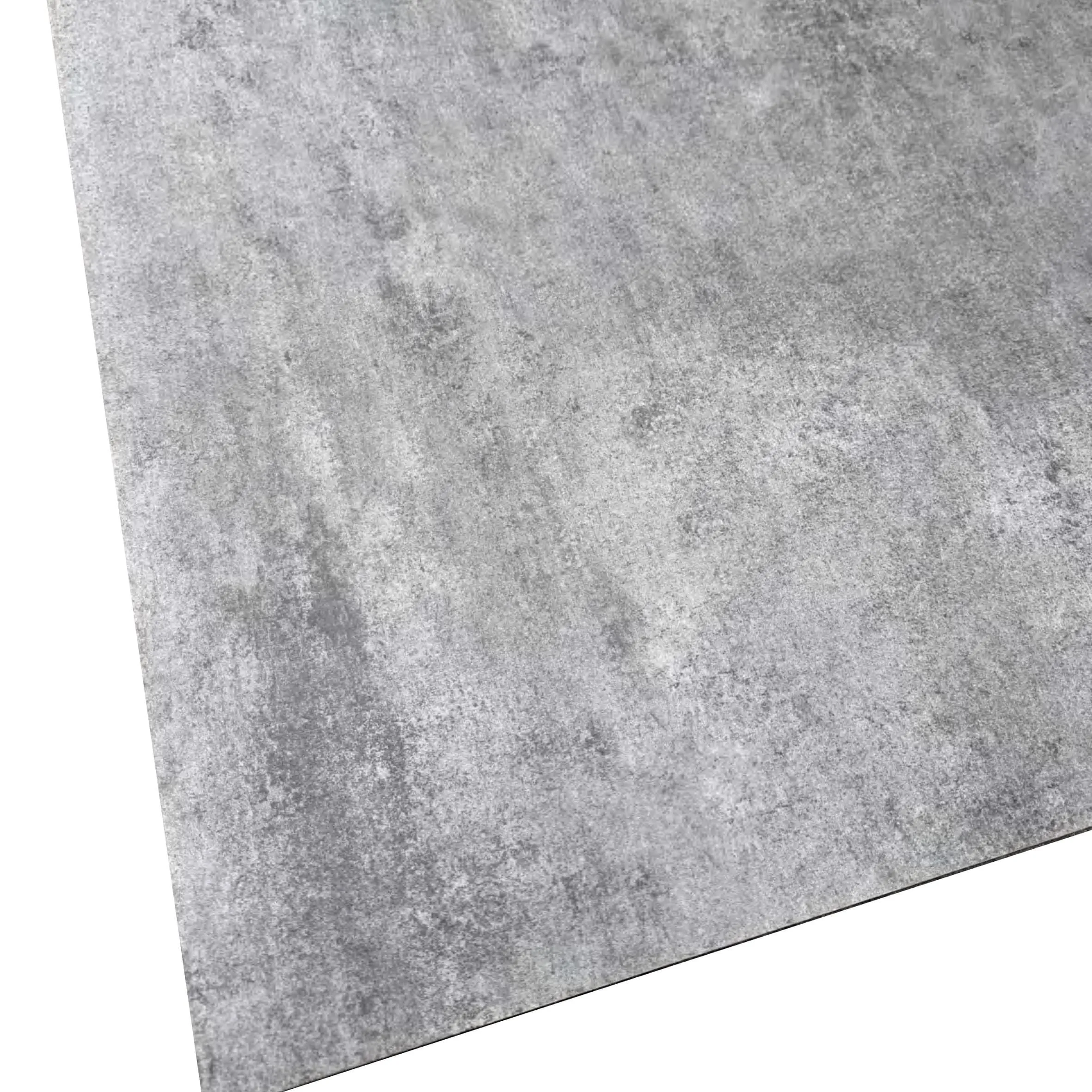
Imagine trying to carve a marble statue with a sledgehammer—frustrating, imprecise, and limited by the tool. Traditional concrete manufacturing has long felt that way: rigid molds, long curing times, and little room for experimentation. But 3D printing? It's like swapping the sledgehammer for a precision sculpting tool. COLORIA MCM's 3D printing series uses layer-by-layer deposition to build materials from the ground up, allowing for geometries and textures that were once impossible.
Take their mcm 3d printing series as an example. Unlike traditional casting, which requires a mold for every design, 3D printing lets designers input digital models and watch as machines extrude material—whether flexible stone, foamed aluminium, or fair-faced concrete—into complex shapes. Want a wall panel that mimics the ripples of a desert dune? Or a countertop with embedded patterns that look like fossilized wood? 3D printing makes it happen, without the waste of trial-and-error molds or the constraints of standard sizes.
| Feature | Traditional Concrete Manufacturing | COLORIA MCM 3D Printing |
|---|---|---|
| Design Flexibility | Limited to simple, mold-based shapes; minimal texture variation. | Complex geometries (wave panels, semicircle boards), custom textures (star gravel, lunar peak finishes), and one-of-a-kind patterns. |
| Weight & Installation | Heavy, requiring structural reinforcement; labor-intensive installation. | Lightweight materials (e.g., flexible stone, foamed aluminium) reduce structural load; faster installation with pre-fabricated, precision-fit panels. |
| Sustainability | High waste from mold production and excess material; energy-heavy curing. | 90% reduction in material waste; energy-efficient layer deposition; recycled content in foamed aluminium and flexible stone. |
| Aesthetic Range | Mostly uniform colors and textures; limited to matte or polished finishes. | Metallic accents (foamed aluminium in vintage gold/silver), gradient colors (rammed earth board), and organic patterns (stream limestone, bamboo mat board). |
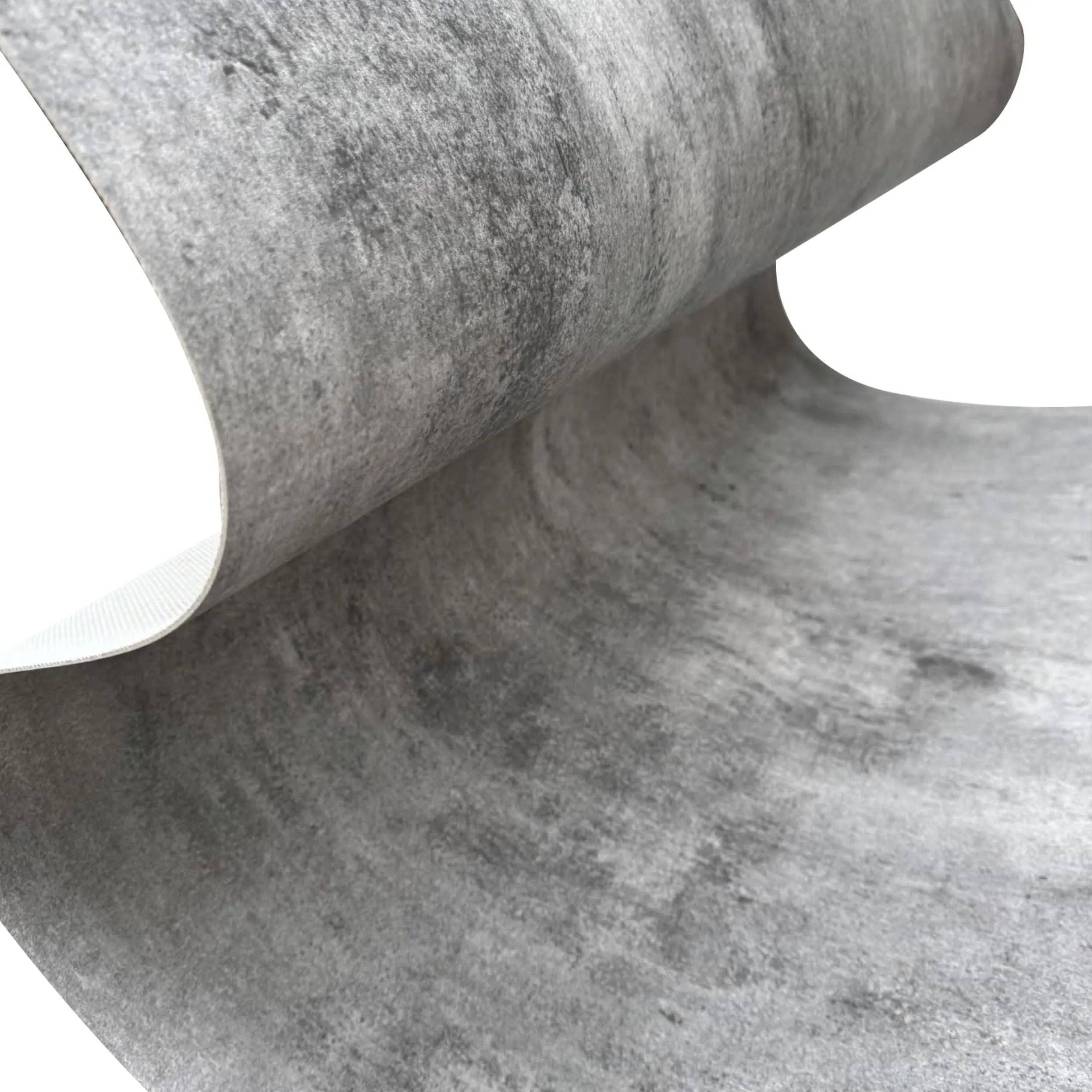
3D printing is only as good as the materials it uses—and COLORIA MCM isn't cutting corners here. Their lineup reads like a love letter to both natural beauty and engineering ingenuity, blending the best of nature with cutting-edge tech. Let's break down a few standouts:
What it is: A composite material that mimics the look and feel of natural stone (think travertine, slate, or marble) but with a lightweight, bendable core. Perfect for curved walls, ceilings, or furniture that demands both durability and grace.
Why it matters in 2025: Designers are ditching "flat and static" for dynamic, flowing spaces. Flexible stone lets you create a feature wall that wraps around a staircase, or a headboard that curves to cradle the bed—all without the need for heavy structural support. COLORIA MCM's 3D printing even lets you add custom textures, like the "starry green" travertine, which sparkles with embedded mineral-like flecks, mimicking a night sky.
What it is: Lightweight aluminium alloy with a foam-like core, available in finishes like vintage silver, vintage gold, and bold gold. It's industrial yet surprisingly warm, with a matte sheen that softens harsh light.
Why it matters in 2025: Mixing materials is huge this year—think stone + metal, wood + concrete—and foamed aluminium alloy is the ultimate team player. Pair it with fair-faced concrete for a raw, warehouse-chic vibe, or with woven textures (COLORIA MCM's "weaving (khaki)" or "weaving (beige)" series) for contrast. And thanks to 3D printing, you can get intricate patterns, like the "linear travertine" or "round line stone," that make the metal feel less "machine-made" and more "handcrafted."
What it is: Concrete left in its natural state, with visible aggregates, subtle color variations, and the occasional "imperfection" that tells a story. No heavy polishing, no paint—just the material in its purest form.
Why it matters in 2025: "Wabi-sabi" design—celebrating imperfection—has gone mainstream, and fair-faced concrete is its poster child. COLORIA MCM's 3D printed version takes this further by letting designers control the "imperfections": adding intentional air bubbles for texture, varying aggregate sizes for depth, or embedding thin layers of color (like "lime stone (beige)" or "ando cement (light grey)") for a marbled effect. It's minimalism with soul.
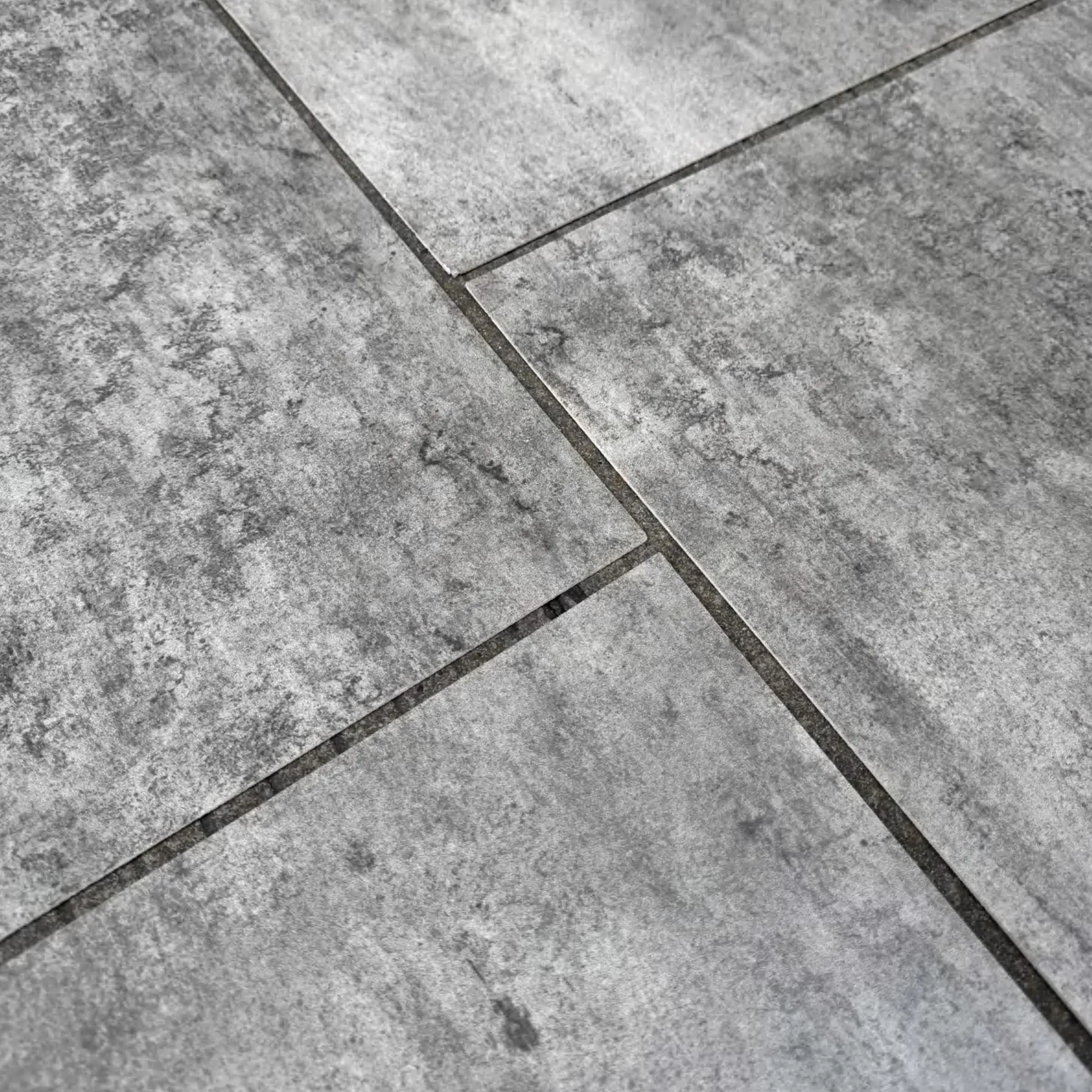
Let's get practical: how does all this innovation translate to real spaces? Let's walk through a few 2025 design scenarios where COLORIA MCM's 3D printing series shines.
Residential: The "Calm Core" Home
A family in Portland wants their living room to feel like a forest retreat—serene, grounded, and full of texture. They opt for COLORIA MCM's
mcm big slab board series
in "stream limestone (claybank)," 3D printed to look like smooth river rock with subtle ridges that mimic water flow. The walls are paired with
flexible stone
panels in "travertine (starry blue)," which catch the light and create the illusion of a starry night. Even the fireplace surround gets a upgrade:
foamed aluminium alloy board (vintage silver)
accents that add a touch of modernity without clashing with the organic vibe. The result? A space that feels both cozy and expansive, like bringing the outdoors in—without the maintenance of real stone.
Commercial: The Boutique Hotel with Personality
A new boutique hotel in Barcelona wants to stand out in a crowded market. Their secret weapon? COLORIA MCM's 3D printed
wave panel
in "lunar peak silvery," used as a feature wall in the lobby. The panels undulate like ocean waves, and when lit from below, cast moving shadows that make the space feel alive. Upstairs, guest rooms feature
fair-faced concrete
headboards with embedded "thread" patterns (think: delicate lines that look hand-drawn) and
polish concrete
floors in "epoch stone," which has the depth of aged marble but the durability of concrete. It's bold, memorable, and entirely custom—exactly what travelers seek in 2025.
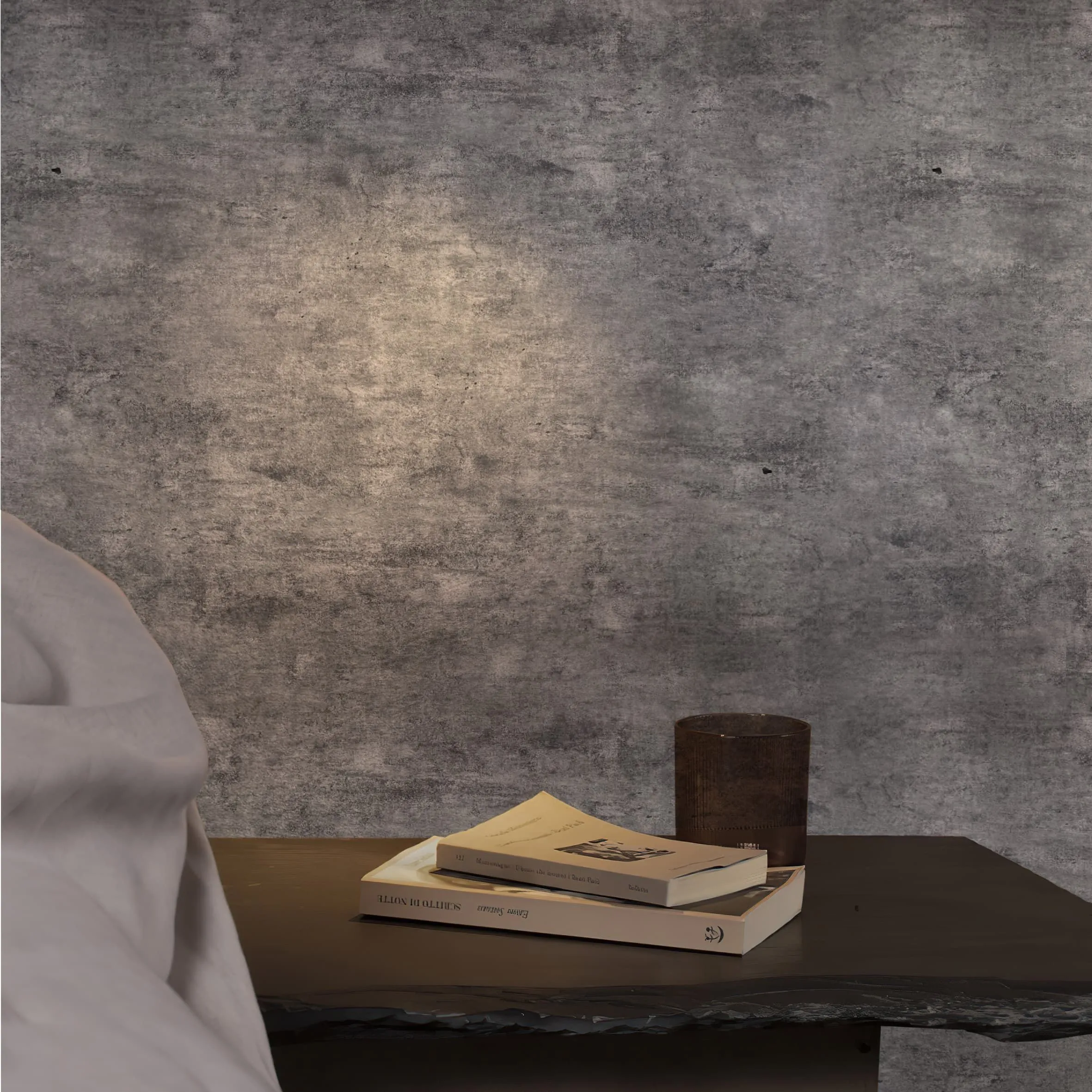
In 2025, "green design" isn't a marketing buzzword—it's a responsibility. COLORIA MCM's 3D printing series doesn't just look good; it does good, too. By building materials layer by layer, the process minimizes waste: no excess concrete poured into molds, no scraps from cutting pre-made slabs. Even better, many of their materials incorporate recycled content: foamed aluminium alloy boards use 70% recycled aluminium, while flexible stone blends reclaimed stone dust with plant-based binders. And because 3D printing reduces the need for heavy transportation (panels are lightweight and can be printed locally), the carbon footprint gets a further trim.
But sustainability isn't just about materials—it's about longevity. COLORIA MCM's 3D printed panels are built to last, resisting chipping, fading, and wear. That means less replacement, less waste, and spaces that age gracefully, growing more beautiful with time.
So, what's on the horizon for COLORIA MCM and 3D printed polish concrete? If 2025 is any indication, the possibilities are endless. We're already seeing early experiments with "smart" materials: 3D printed concrete that can change color with temperature, or panels embedded with subtle LED lighting for dynamic mood shifts. There's also talk of "biodegradable" concrete blends, using mycelium or algae-based binders, for temporary installations or eco-sensitive projects.
But perhaps the most exciting prospect is accessibility . As 3D printing technology becomes more mainstream, COLORIA MCM aims to make custom design available to more people—not just high-end hotels or luxury homes, but small businesses, cafes, and everyday homeowners. Imagine being able to upload a photo of your favorite beach, and have COLORIA MCM 3D print a backsplash that replicates the texture of the sand and waves. That's the future: design that's as unique as you are.
In 2025, polish concrete isn't just a trend—it's a movement. It's about rejecting the "one-size-fits-all" mentality and embracing spaces that tell a story. And at the heart of this movement is COLORIA MCM, whose 3D printing series proves that innovation and artistry can go hand in hand. Whether it's the lightweight flexibility of their stone panels, the industrial warmth of foamed aluminium, or the raw beauty of fair-faced concrete, COLORIA MCM is proving that the future of design isn't just about looking good—it's about feeling deeply, living sustainably, and daring to imagine what's possible.
So, here's to 2025: a year where concrete isn't just the foundation of our spaces, but the soul of them. And here's to COLORIA MCM, for building that soul—one 3D printed layer at a time.
Recommend Products












