
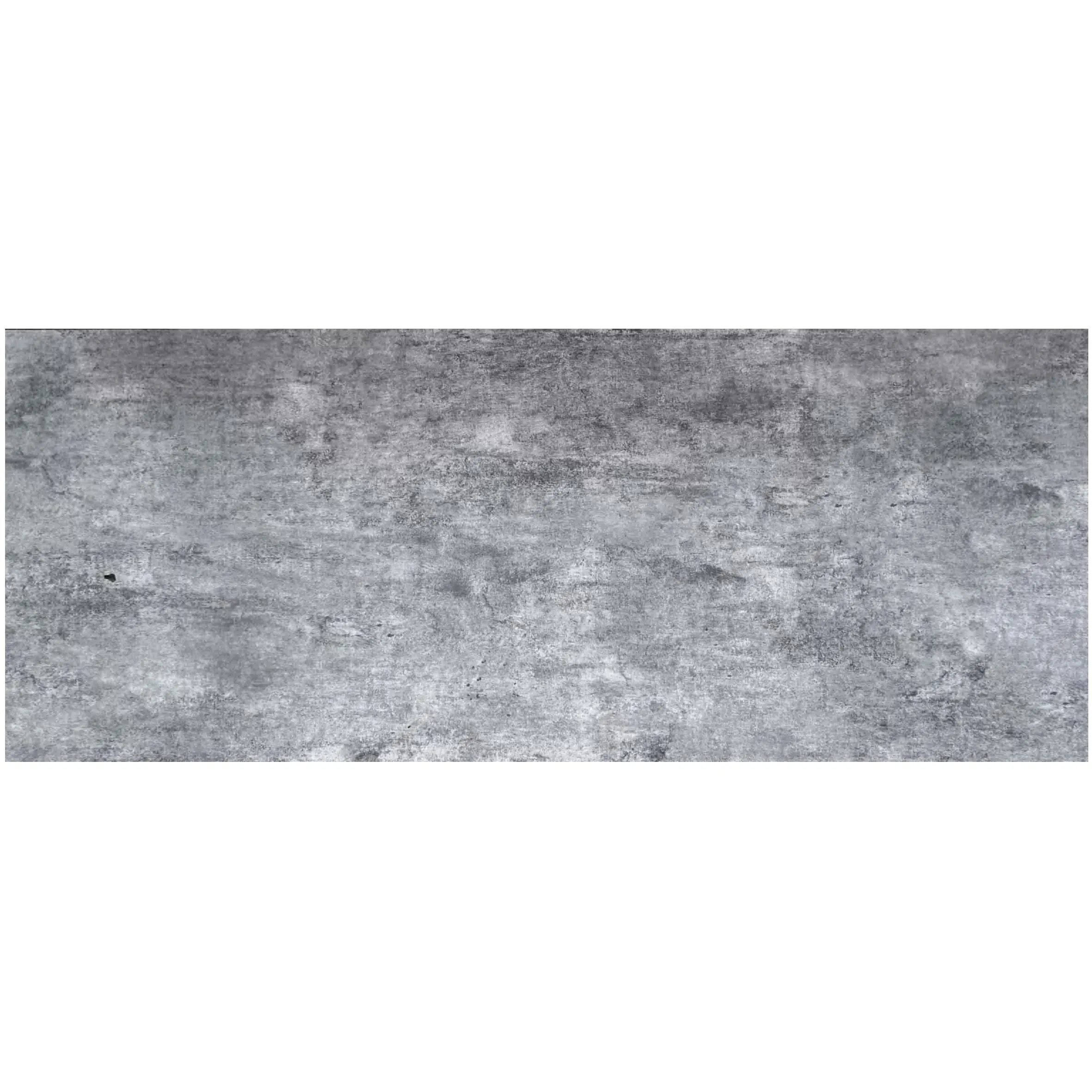
Walk through any modern city, and you'll likely be surrounded by it—polish concrete. Sleek, industrial, and undeniably trendy, it's the go-to for everything from boutique cafes to corporate lobbies. But here's the thing no one talks about enough: that "sleek" finish often comes with a not-so-sleek environmental price tag. The construction industry is responsible for nearly 40% of global carbon emissions, and traditional building materials like polish concrete are a big part of that problem. Today, we're diving into why that matters—and how innovators like COLORIA MCM are reimagining materials like MCM flexible stone and fair-faced concrete to build a greener future.
Let's start with the basics: what even is polish concrete? It's regular concrete that's ground down and sealed to create a smooth, reflective surface. Sounds simple, right? But the process of making it is anything but eco-friendly. Traditional concrete production relies heavily on cement, and here's the kicker: cement manufacturing alone accounts for about 8% of the world's CO2 emissions. That's more than all the planes, trains, and cars combined. When you factor in the energy needed to quarry raw materials, transport heavy concrete slabs (which guzzle fuel), and the waste generated during installation (up to 15% of materials end up in landfills), it's clear: that "minimalist" polish concrete floor is actually a carbon heavyweight.
And it doesn't stop there. Traditional polish concrete is thick—really thick. A typical slab can be 10-15cm deep, which means more materials, more truck trips to haul it, and more structural support needed for buildings. Over time, it cracks too, especially in areas with temperature fluctuations, leading to frequent repairs and replacements. Each repair? More cement, more emissions, more waste. It's a cycle that's great for short-term aesthetics but terrible for the planet's long-term health.
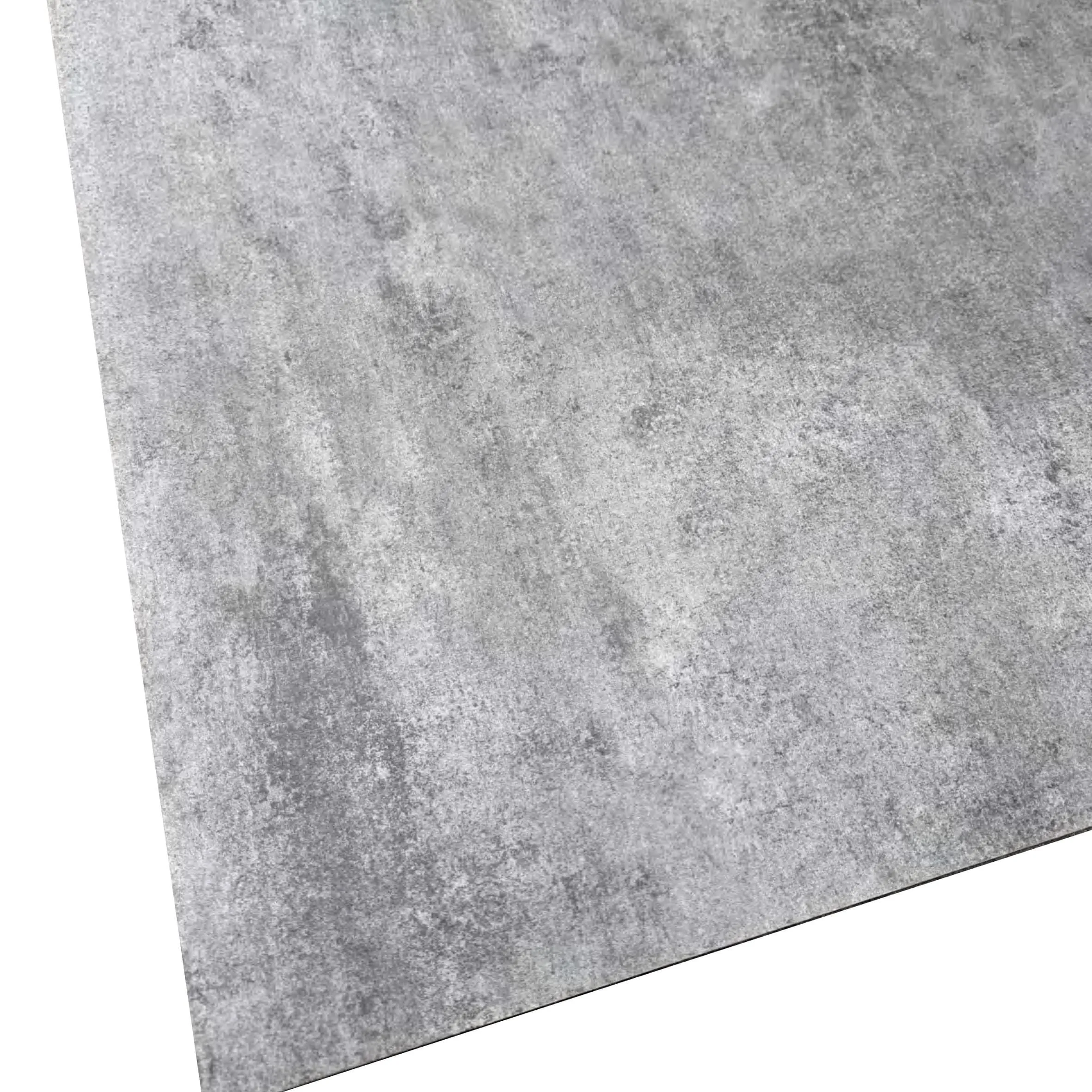
Enter COLORIA MCM. This isn't just another building materials company—it's a team of problem-solvers who asked: "What if we could keep the beauty of materials like polish concrete, but cut their carbon footprint by half… or more?" Their answer? A lineup of products designed from the ground up for sustainability, without sacrificing style. We're talking materials that are lighter, more durable, and made with way less energy. Think of it as green building materials that don't make you choose between "eco-friendly" and "elegant."
At the heart of their approach is a simple idea: reduce, reuse, rethink. Reduce the use of carbon-intensive materials like cement. Reuse recycled content wherever possible. Rethink how materials are made and installed to cut waste. The result? Products that don't just meet industry standards—they set new ones for what it means to be sustainable in construction. Let's break down how they're doing it, starting with their star player: MCM flexible stone .
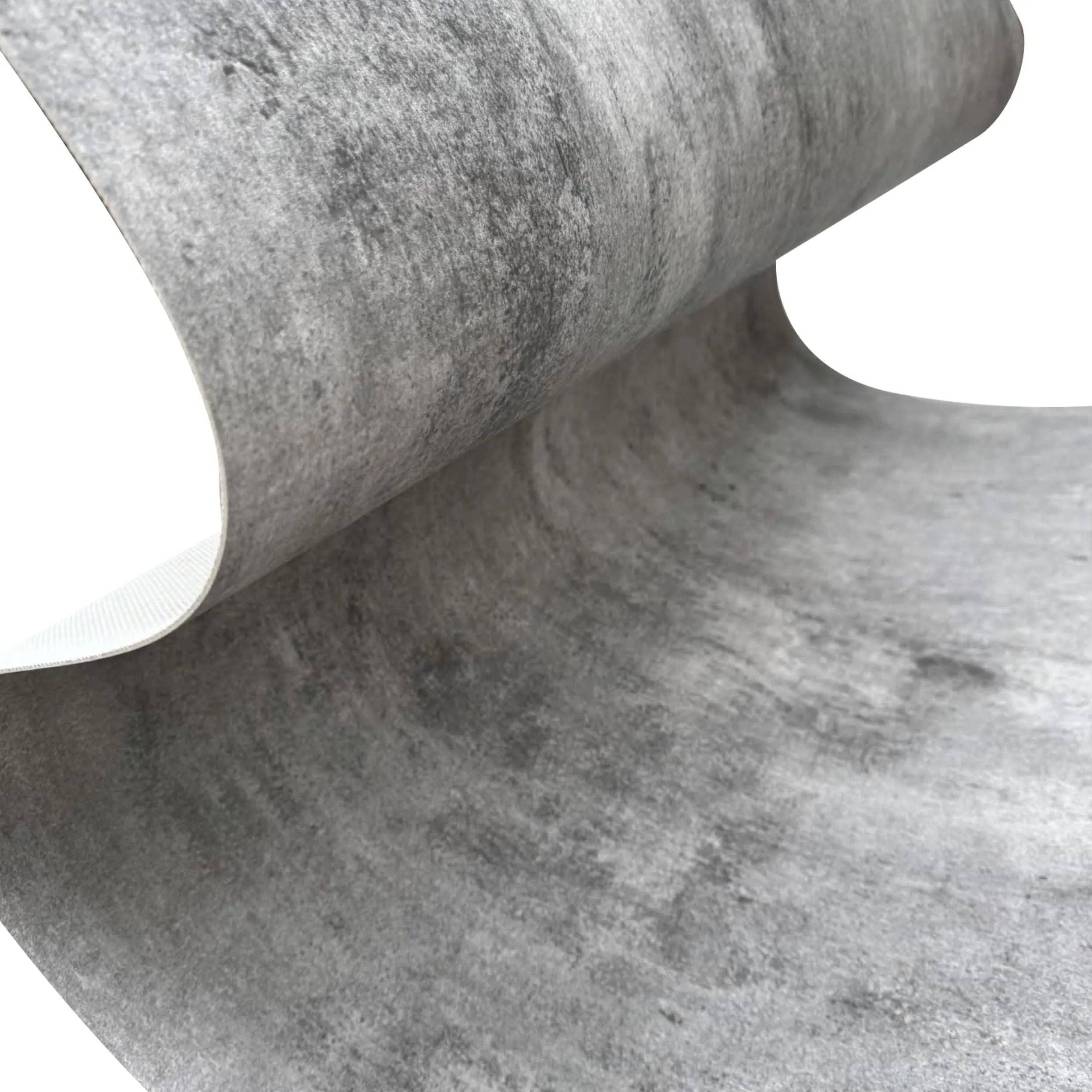
If you're picturing a heavy stone slab, think again. MCM flexible stone is a game-changer. It's made by compressing natural minerals (like marble or travertine) with a recycled polymer binder, creating a material that's thin (just 3-5mm thick), flexible (it can bend!), and surprisingly strong. How does that translate to lower emissions? Let's do the math: traditional stone slabs weigh around 20-30kg per square meter. MCM flexible stone? A mere 3-5kg per square meter. That's a 75-85% weight reduction. Lighter materials mean fewer trucks on the road (since one truck can carry 5x more MCM stone than traditional slabs), which cuts transportation emissions dramatically. Less fuel burned, less CO2 released—simple as that.
But the savings start even earlier, in production. Traditional stone quarrying involves blasting, heavy machinery, and tons of water. MCM flexible stone, on the other hand, uses 30% less energy to manufacture because it requires less processing. The recycled polymer binder? It's made from post-consumer plastic waste, giving new life to materials that would otherwise sit in landfills. And since it's flexible, installation is a breeze—no need for heavy equipment or excessive cutting. Installers report up to 90% less waste on job sites using MCM flexible stone compared to traditional stone. That's less material in landfills, and more money saved for builders (win-win).
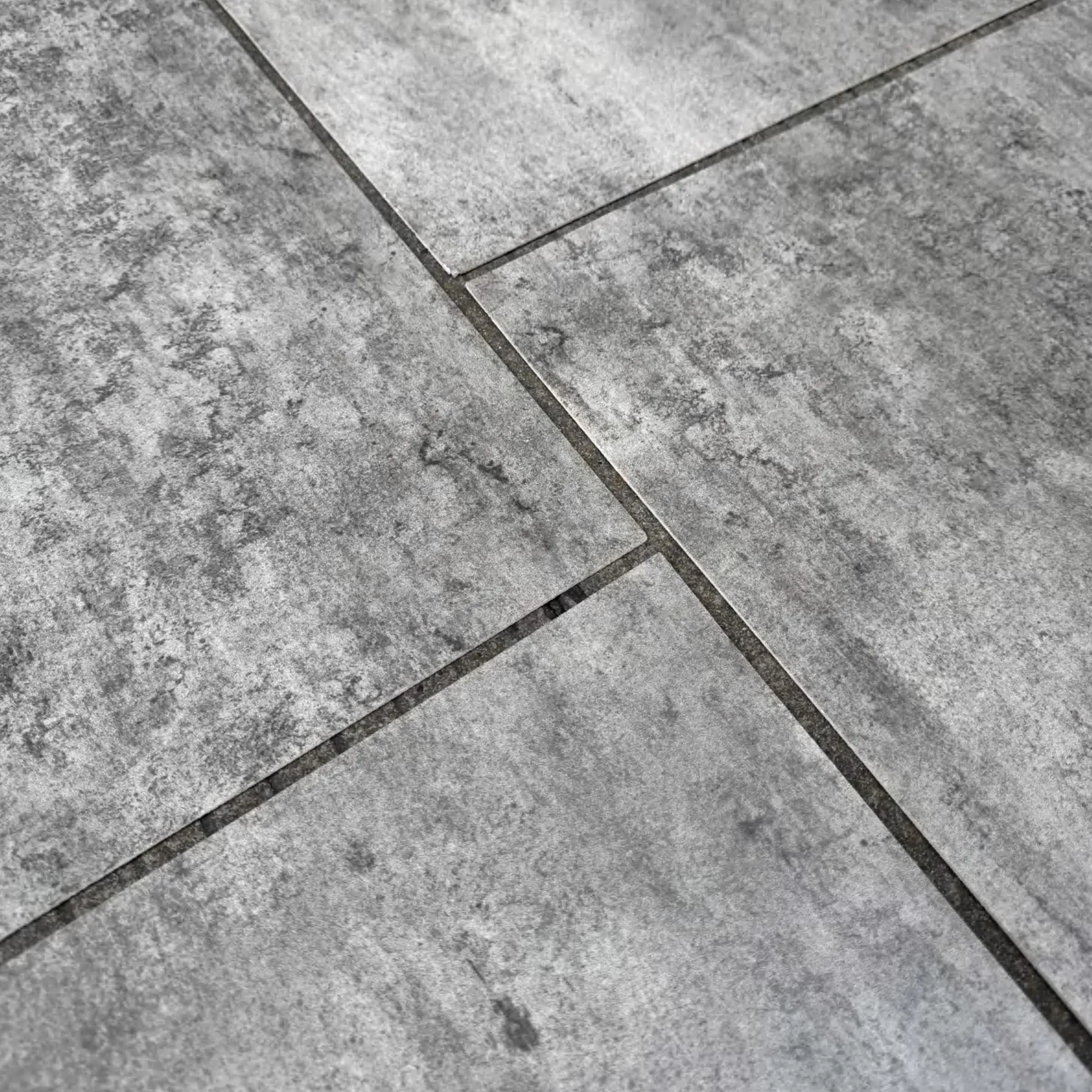
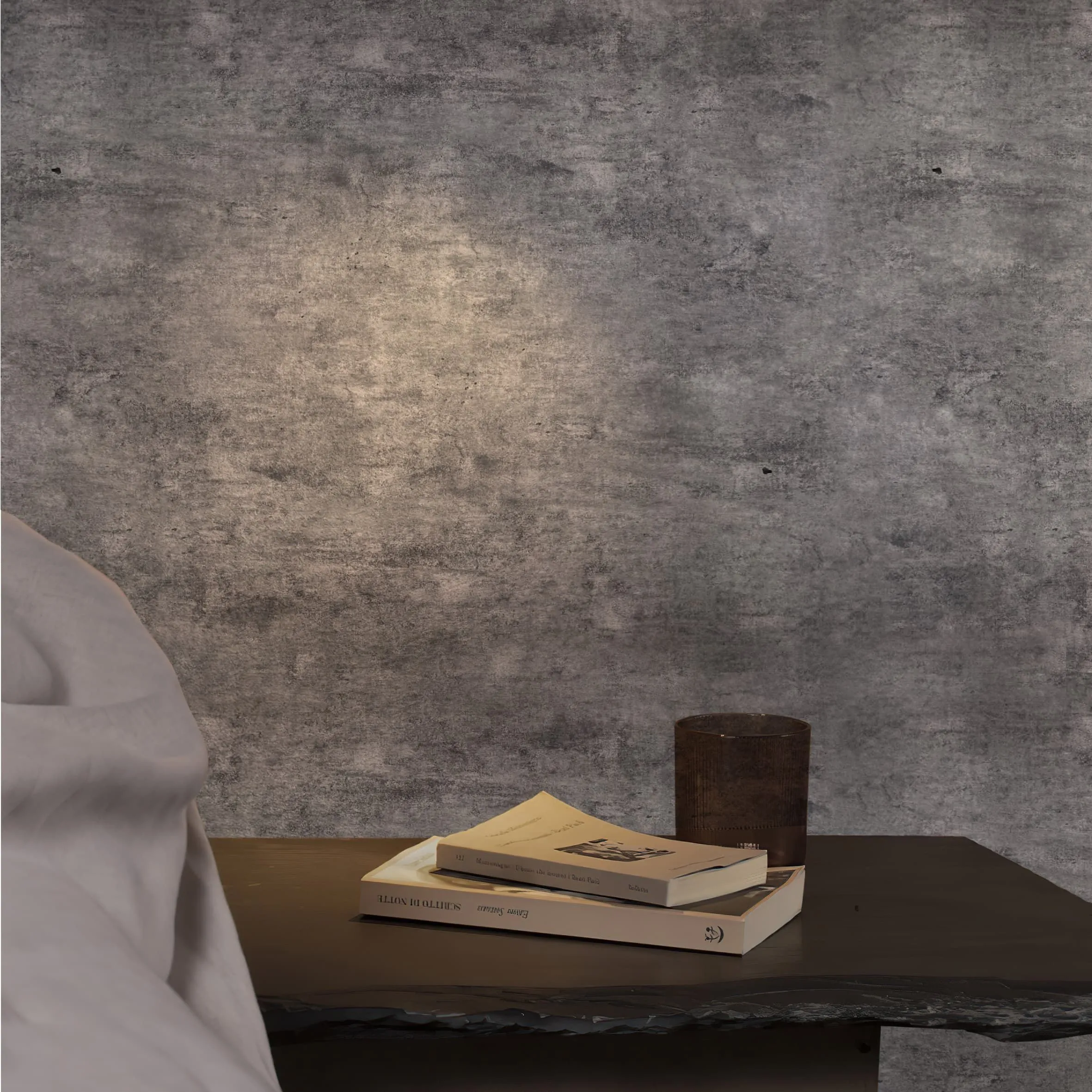
If you love the raw, industrial look of concrete but hate its carbon footprint, fair-faced concrete (also called "exposed aggregate concrete") is probably on your radar. It's concrete left unfinished, showing off its natural texture and color. But traditional fair-faced concrete still relies on high cement content, which means high emissions. COLORIA MCM's take? They swapped out a chunk of the cement for recycled fly ash (a byproduct of coal power plants that would otherwise pollute the air) and ground granulated blast furnace slag (a steel industry waste). The result? A concrete that's just as strong, just as textured, but uses 25% less cement. Less cement = less CO2 from production. It's a small swap with a huge impact—imagine if every fair-faced concrete project in the world did this. We'd cut global cement emissions by millions of tons annually.
And get this: COLORIA's fair-faced concrete is also lighter. By adjusting the aggregate size and adding air-entraining agents (tiny bubbles that reduce weight without weakening the material), they've made slabs that are 15% lighter than traditional versions. Again, lighter means easier transport, lower fuel use, and less structural stress on buildings. Builders in Europe are already using it for everything from residential facades to public park benches, and the feedback? "It looks exactly like the real thing, but we're cutting our carbon reports in half," says one contractor in Berlin. That's the kind of innovation that makes sustainability feel achievable, not aspirational.
Let's shift gears to something a little flashier: foamed aluminium alloy board (vintage silver) . At first glance, aluminium might not scream "sustainable"—after all, mining bauxite (the ore used to make aluminium) is resource-intensive. But here's the secret: aluminium is 100% recyclable, and recycling it uses just 5% of the energy needed to make new aluminium. COLORIA's foamed aluminium boards take that a step further. They're made by injecting gas into molten aluminium, creating a lightweight, porous material that's 70% lighter than solid aluminium but just as strong. Think of it as aluminium with "air pockets"—perfect for cladding, ceilings, or accent walls.
The vintage silver finish? It's achieved using anodization, a process that uses electricity to create a protective oxide layer on the aluminium. Unlike painting (which uses toxic solvents and fades over time), anodization is low-emission and long-lasting. These boards don't chip, rust, or fade, even in harsh weather. That means no repainting, no replacements, and less waste over the building's lifetime. A hotel in Dubai recently used COLORIA's vintage silver foamed aluminium for their lobby ceiling, and they report saving 30% on cooling costs—because the porous structure acts as insulation, keeping the space cooler in the desert heat. Lower energy bills and lower emissions? Now that's a material that works as hard as you do.
| Material | Carbon Footprint (kg CO2/m²) | Weight (kg/m²) | Installation Waste | Recyclability |
|---|---|---|---|---|
| Traditional Polish Concrete | 45-55 | 200-250 | 10-15% | Low (difficult to recycle) |
| COLORIA MCM Flexible Stone | 15-20 | 3-5 | 5-10% | High (recyclable polymer binder) |
| Traditional Fair-Faced Concrete | 35-40 | 180-220 | 12-18% | Low (limited recycling options) |
| COLORIA Fair-Faced Concrete | 20-25 | 150-180 | 8-12% | Medium (recyclable aggregates) |
| Solid Aluminium Panels | 30-35 | 25-30 | 15-20% | High (but high energy for new production) |
| COLORIA Foamed Aluminium (Vintage Silver) | 10-12 | 8-10 | 5-8% | Very High (100% recyclable, low energy to recycle) |
Whether you're an architect designing your next big project, a builder trying to meet sustainability goals, or a homeowner wanting to renovate responsibly, these materials matter. Choosing green building materials isn't just about checking a box for LEED or BREEAM certifications (though that's a nice perk). It's about future-proofing your projects. As governments crack down on carbon emissions (the EU's new "Carbon Border Adjustment Mechanism" taxes high-carbon imports, for example), using low-carbon materials will soon be a business necessity, not a choice. Early adopters are already reaping the rewards: higher property values, lower operating costs, and happier clients who care about the planet.
And let's not forget the aesthetic factor. COLORIA MCM's materials don't force you to choose between "sustainable" and "stylish." Their MCM flexible stone comes in 20+ finishes, from earthy travertine to sleek marble veils. The foamed aluminium boards? Vintage silver, gold, even copper—perfect for adding a luxe touch without the guilt. Fair-faced concrete? It's available in custom colors, so you can match it to any design scheme. Sustainability shouldn't mean boring, and COLORIA gets that.
At the end of the day, the problem with traditional building materials isn't that they're "bad"—it's that they're stuck in the past. We don't need to abandon the look we love; we just need to build smarter. COLORIA MCM's approach—using recycled materials, cutting weight, reducing waste—proves that sustainability and style can coexist. Materials like MCM flexible stone , fair-faced concrete , and foamed aluminium alloy board (vintage silver) aren't just "green alternatives"—they're better alternatives. Better for the planet, better for builders, better for everyone who gets to live, work, and play in the spaces we create.
So the next time you walk into a room with polish concrete floors or exposed concrete walls, take a second to ask: "What's the story behind this material?" Is it part of the problem, or part of the solution? With COLORIA MCM, the answer is clear: it's building a future where we don't have to choose between the world we want and the world we need. And that? That's a finish worth celebrating.
Recommend Products












