
A deep dive into the innovation reshaping modern construction
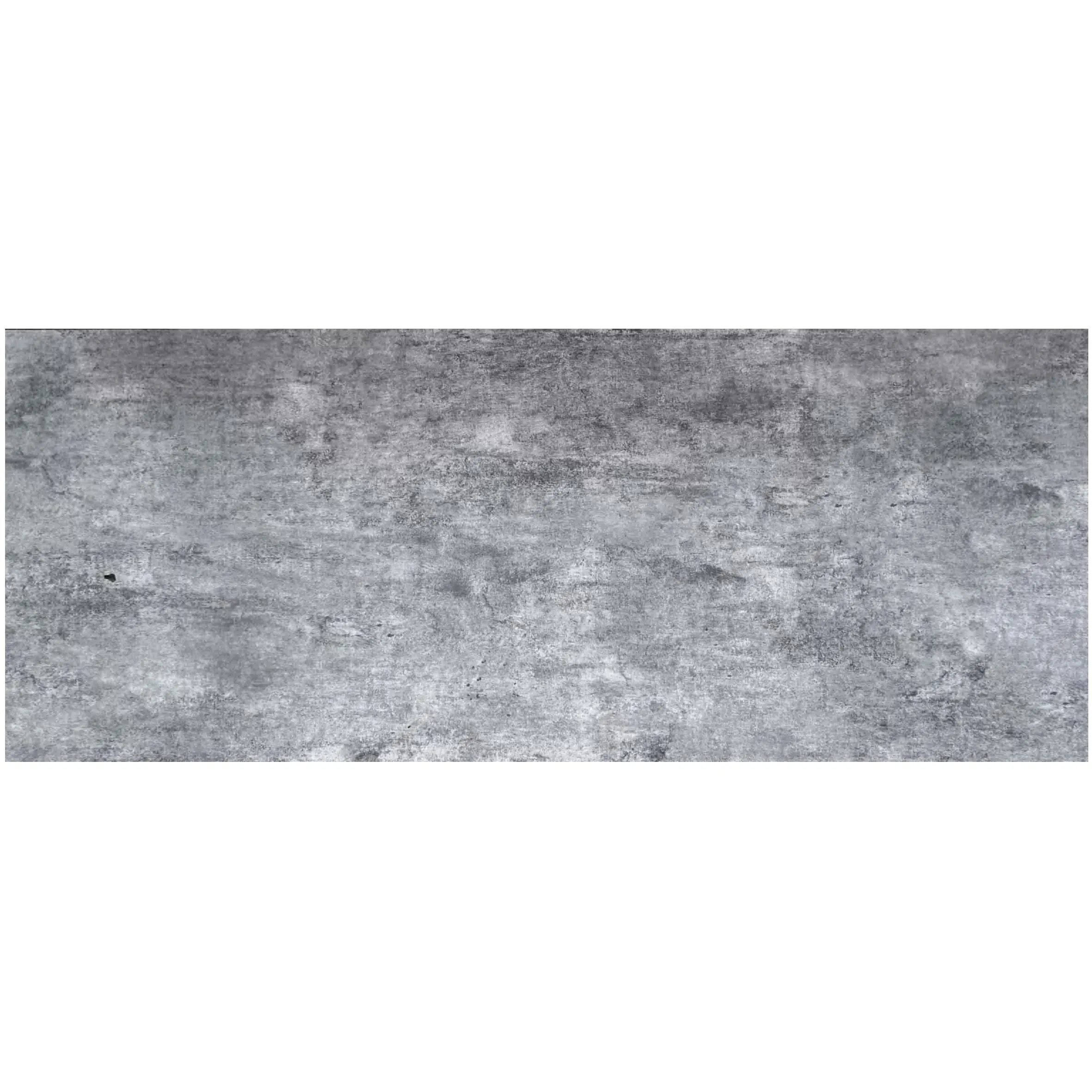
Concrete has been the backbone of human construction for millennia, from the Roman aqueducts to today's soaring skyscrapers. But in recent decades, a quiet revolution has been unfolding: polish concrete has emerged from being a utilitarian material to a design statement, blending raw industrial charm with surprising elegance. Yet, for all its beauty, traditional polish concrete has long struggled with a critical flaw: durability. Cracks, stains, and wear from foot traffic or weather have too often turned once-stunning floors and walls into eyesores. Enter COLORIA MCM, a brand redefining what polish concrete can be through its modified cementitious materials. In this article, we'll explore how their innovations—paired with products like fair-faced concrete and the epoch stone series—are setting new standards for strength, longevity, and style.
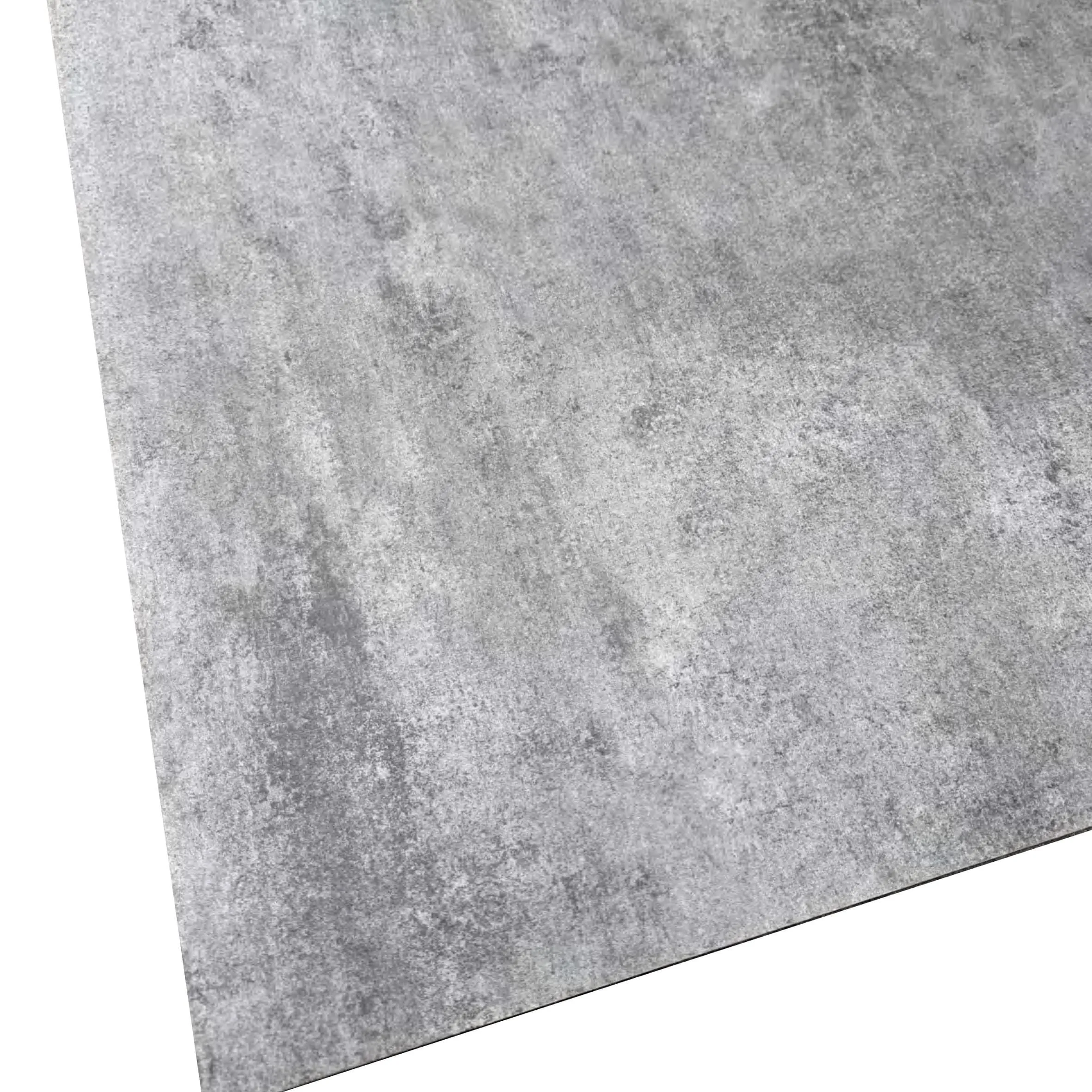
Before we dive into COLORIA MCM's magic, let's clarify what polish concrete is—and isn't. At its core, polish concrete is regular concrete that's been treated with a series of grinding and polishing steps, often using diamond abrasives, to create a smooth, glossy surface. Unlike painted or tiled floors, it's a single, continuous slab, which means no grout lines to trap dirt or separate over time. But it's not just about shine. Modern polish concrete can be customized with stains, dyes, or aggregates (like glass, stones, or metal flakes) to mimic marble, granite, or even wood. It's this versatility that's made it a favorite in commercial spaces, restaurants, and high-end homes alike.
Yet, for all its appeal, traditional polish concrete has limitations. Think of a busy retail store: after months of shopping carts, high heels, and spills, even the shiniest surface can dull, scratch, or develop hairline cracks. In outdoor settings, freeze-thaw cycles or heavy rain can seep into tiny pores, leading to spalling (flaking) or discoloration. That's where COLORIA MCM steps in—by reimagining the concrete mix itself.
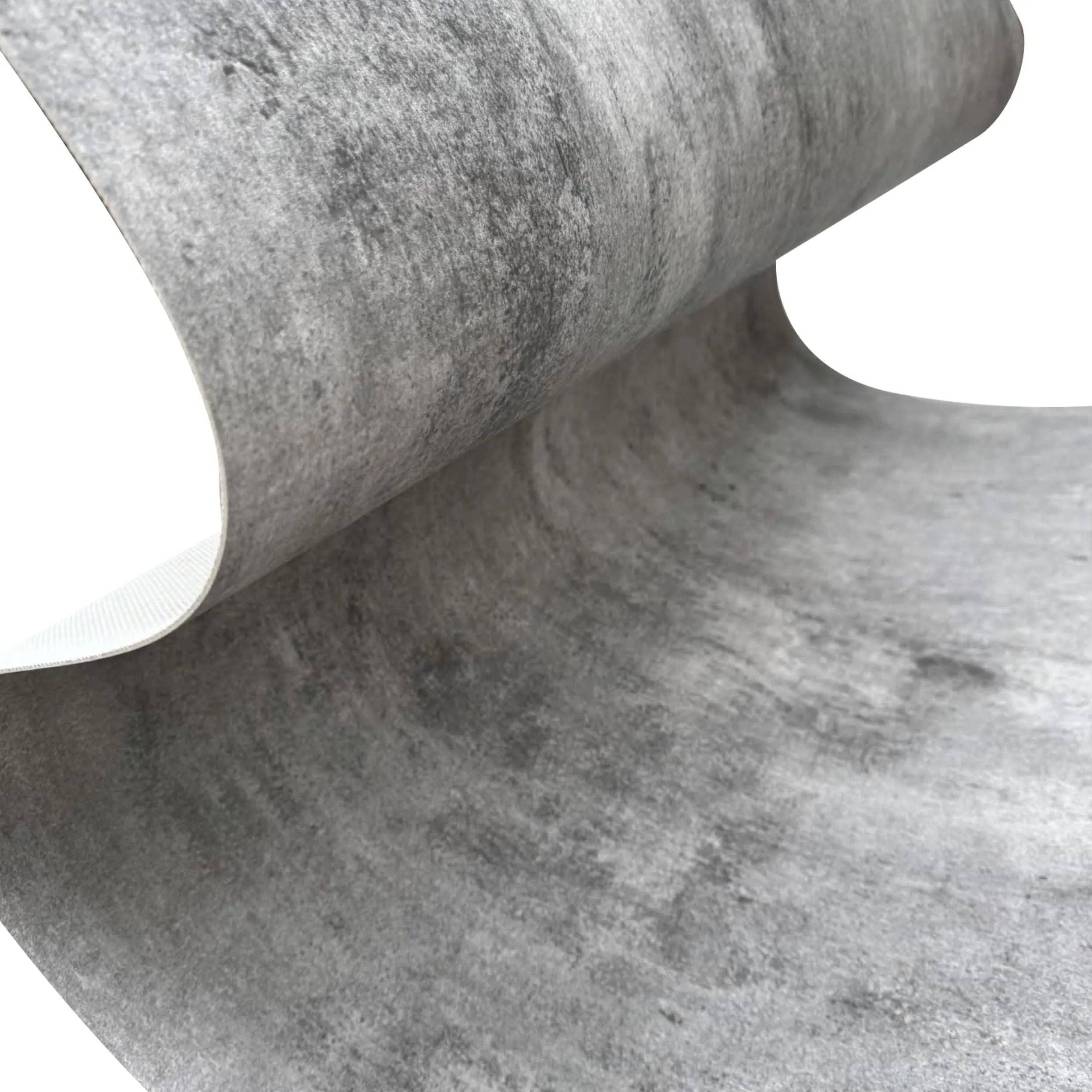
To understand COLORIA MCM's solution, we first need to grasp why traditional concrete struggles. Concrete is made of cement, water, and aggregates (like sand or gravel). When mixed, cement and water form a paste that binds the aggregates, hardening over time. But this process leaves tiny pores in the finished slab—microscopic spaces that act like sponges, absorbing water, oil, or chemicals. Over time, these pores weaken the concrete's structure, making it prone to cracking under stress (like heavy furniture or thermal expansion) or staining from spills.
Worse, traditional concrete is brittle. It's great at handling compression (weight pressing down on it) but poor at resisting tension (stretching or bending). That's why you'll often see cracks in old sidewalks or driveways—they've been pulled apart by tree roots, ground movement, or freeze-thaw cycles (when water inside the concrete freezes, expands, and fractures the slab). For polish concrete, which relies on a flawless surface, these issues aren't just functional—they're aesthetic disasters.
Contractors and homeowners have tried workarounds: sealing the surface with wax or epoxy, adding rebar for reinforcement, or using higher cement ratios. But sealants wear off, rebar adds cost and thickness, and more cement can make the concrete prone to shrinkage cracks as it dries. What the industry needed was a fundamental change to the concrete mix itself—and that's where COLORIA MCM's modified cementitious materials come in.
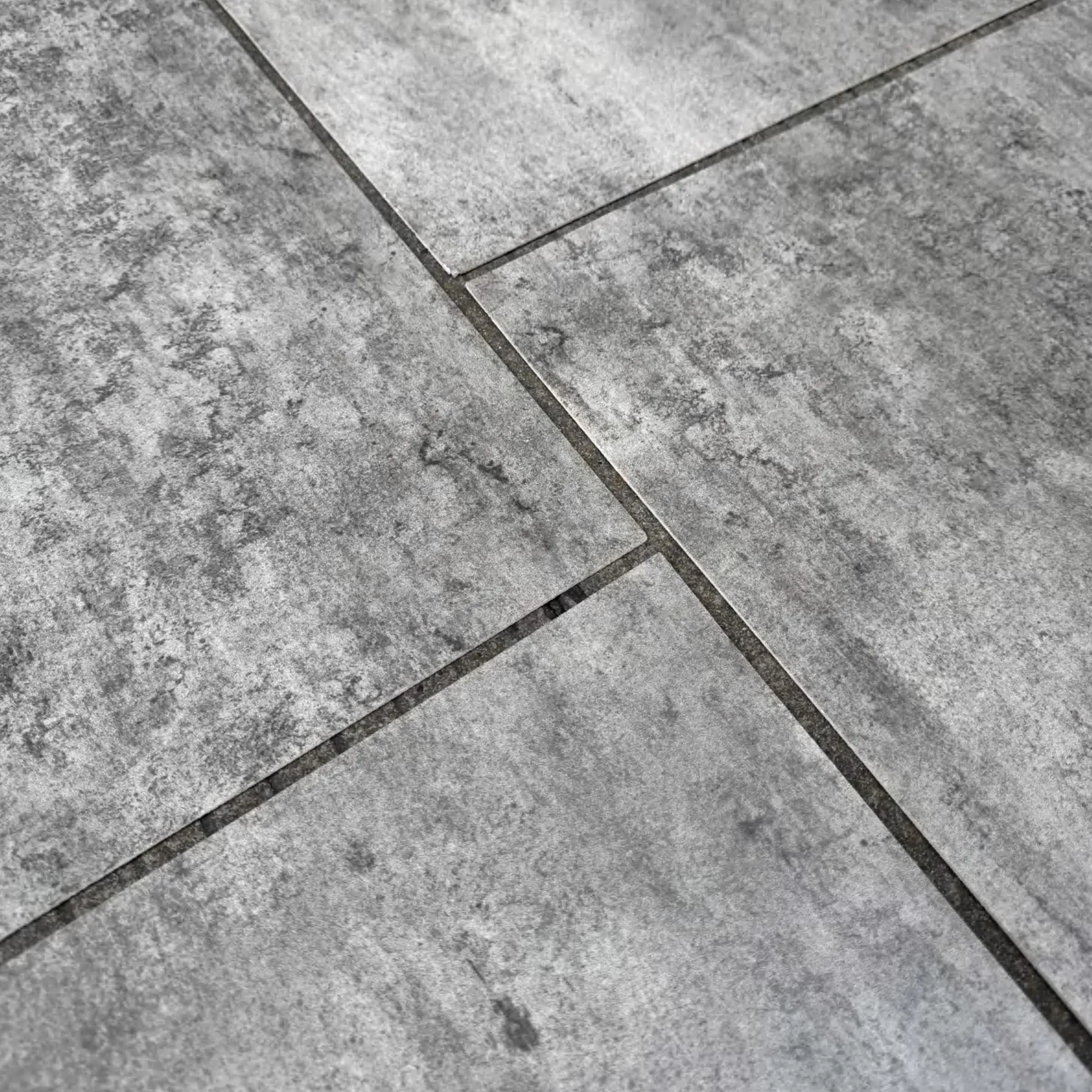
COLORIA MCM doesn't just polish concrete better—they engineer it better. Their secret lies in modified cementitious materials : concrete mixes enhanced with specialized additives, fibers, and aggregates that target the weaknesses of traditional concrete. Let's break down the science (without the jargon):
Traditional concrete's porous nature is its Achilles' heel. COLORIA MCM adds polymer resins to the mix—think of them as tiny "fillers" that plug those microscopic pores. These polymers also strengthen the bond between cement particles, making the concrete denser and more resistant to water, oil, and stains. The result? A surface that repels spills instead of absorbing them, and a slab that's less likely to degrade from chemical exposure (like de-icing salts or cleaning agents).
Remember how concrete is weak in tension? COLORIA MCM solves this by mixing in tiny fibers—usually synthetic (like polypropylene) or steel. These fibers act like a "skeleton" inside the concrete, distributing stress evenly and preventing cracks from spreading. Imagine a spider web: if one thread breaks, the others hold the web together. Similarly, fiber-reinforced concrete can bend slightly under pressure (from ground movement or heavy loads) without snapping, reducing the risk of those unsightly hairline cracks.
Not all aggregates are created equal. Traditional concrete often uses inconsistent gravel or sand, leading to weak spots in the slab. COLORIA MCM sources high-quality, uniformly sized aggregates, ensuring the concrete mix is evenly distributed. This consistency means fewer voids, better bonding, and a stronger final product. It also makes polishing easier—no uneven patches or gritty areas, just a smooth, uniform shine.
One of COLORIA MCM's standout lines is the epoch stone series—a collection of modified cementitious materials designed for both interior and exterior use. Epoch stone takes the brand's durability innovations and pairs them with striking aesthetics, mimicking the look of natural stone (like travertine or marble) without the maintenance headaches. Unlike real stone, which is porous and prone to chipping, epoch stone uses COLORIA MCM's polymer and fiber-reinforced mix, making it ideal for high-traffic areas like hotel lobbies or outdoor patios.
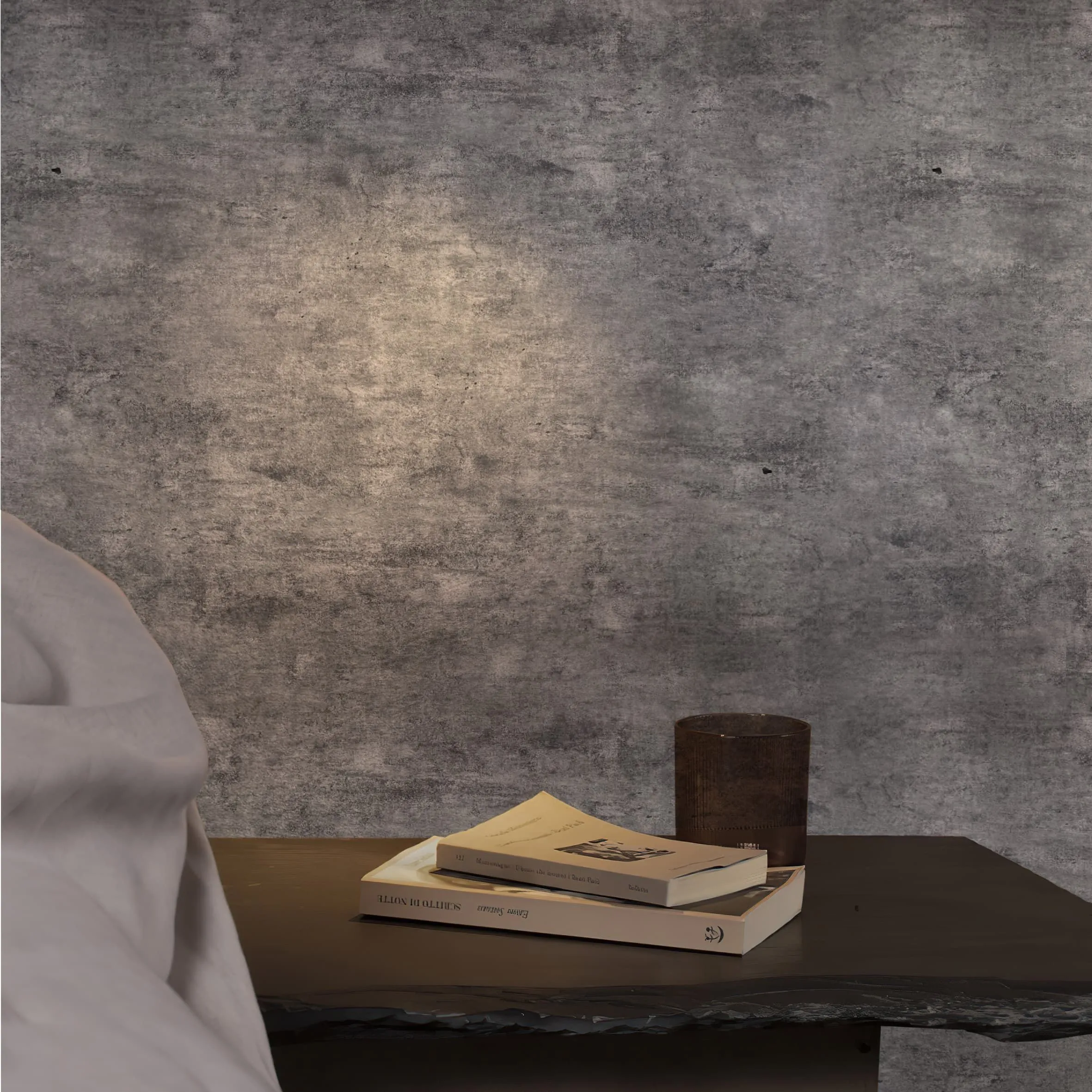
Another star in COLORIA MCM's lineup is fair-faced concrete —a finish that celebrates the raw, industrial look of concrete without the need for polishing. Fair-faced concrete relies on precise pouring and curing to create a smooth, uniform surface with visible aggregate patterns, making it a favorite for modern, minimalist designs. But what sets COLORIA MCM's fair-faced concrete apart is its durability: using the same modified mix as their polish concrete, it resists staining and weathering, meaning that "unfinished" look stays crisp for decades, not just years.
Talk is cheap—let's look at the data. COLORIA MCM's modified cementitious materials undergo rigorous testing to prove their durability. Here's how they compare to traditional polish concrete (based on industry standards and third-party lab results):
| Feature | Traditional Polish Concrete | COLORIA MCM's Polish Concrete |
|---|---|---|
| Compressive Strength (PSI) | 3,000 – 4,000 (standard mix) | 6,000 – 8,000 (up to 2x stronger) |
| Water Absorption | 5-8% (porous) | <1% (virtually non-porous) |
| Abrasion Resistance (ASTM C944) | Moderate (shows wear after 5,000 cycles) | High (minimal wear after 20,000+ cycles) |
| Freeze-Thaw Resistance (ASTM C666) | Fails after 200-300 cycles | Passes 500+ cycles with no damage |
| Stain Resistance (Oil/Wine/Coffee) | Permanent stains without sealant | Stains wipe clean with water |
These numbers tell a clear story: COLORIA MCM's modified cementitious materials don't just improve durability—they transform it. A compressive strength of 6,000-8,000 PSI means their concrete can handle heavy machinery or high-rise loads without cracking. Minimal water absorption (<1%) prevents freeze-thaw damage in cold climates. And 20,000+ abrasion cycles? That's like a busy airport terminal's foot traffic for 20 years—without a scratch.
Numbers are one thing—real projects are another. Let's look at how COLORIA MCM's polish concrete, epoch stone, and fair-faced concrete have performed in the field:
A new shopping center in Dubai needed floors that could handle 10,000+ daily visitors, extreme heat (up to 45°C/113°F), and occasional rain. The design team chose COLORIA MCM's polish concrete with epoch stone accents for the atriums. Three years later, the floors remain scratch-free and glossy, with no signs of thermal expansion cracks. "We were worried about the heat warping the concrete," says the project architect, "but COLORIA's mix held up perfectly. Even the food court area—with all the spills—still looks brand new."
A luxury villa in Milan wanted a seamless indoor-outdoor flow, with fair-faced concrete walls and polish concrete floors. The homeowners chose COLORIA MCM for its durability and low maintenance. Five years on, the outdoor walls have resisted Italy's rainy winters and hot summers, with no staining or flaking. "We love that we don't have to seal the floors every year," says the homeowner. "Even with kids and pets, the concrete looks as good as the day it was poured."
A tech company's Singapore office needed a modern, industrial aesthetic with minimal upkeep. They opted for COLORIA MCM's fair-faced concrete walls and polish concrete floors in common areas. The building, which sees heavy foot traffic and frequent meetings, has required zero repairs in four years. "We wanted a 'raw' look that wouldn't date," says the facilities manager. "COLORIA's concrete delivered—no chips, no stains, just that sleek, contemporary finish we love."
COLORIA MCM's innovations aren't just about strength—they're about building smarter, too. Sustainability is baked into their process:
COLORIA MCM uses recycled aggregates (like crushed glass or reclaimed stone) in many of their mixes, reducing the need for mining raw materials. Their polymer additives are low-VOC (volatile organic compounds), meaning they don't release harmful fumes during installation—a win for indoor air quality.
The longer a material lasts, the less often it needs to be replaced. COLORIA MCM's polish concrete has a lifespan of 50+ years (compared to 10-15 years for traditional polish concrete or 5-7 years for tile). That means fewer demolition projects, less landfill waste, and lower carbon footprints over time.
Durability doesn't mean sacrificing style. COLORIA MCM offers endless customization options: stains in every hue (from earthy neutrals to bold reds), aggregate mixes that mimic natural stone, and finishes ranging from high-gloss polish to matte fair-faced. The epoch stone series alone has 20+ colorways, from "Lunar Peak Silvery" to "Travertine Starry Blue," ensuring there's a look for every design vision.
In a market flooded with "durable" concrete products, what makes COLORIA MCM stand out? It's their commitment to quality from start to finish. They don't just sell materials—they partner with clients, offering technical support from mix design to installation. Their team of engineers works with architects and contractors to tailor mixes to specific project needs (e.g., extra freeze-thaw resistance for cold climates or higher fire ratings for commercial buildings).
Plus, COLORIA MCM backs their products with a 15-year warranty—a bold promise that speaks to their confidence in their modified cementitious materials. "We don't just want to sell you concrete," says a company spokesperson. "We want to build something that lasts—for your project, for the planet, and for future generations."
Polish concrete has come a long way from its industrial roots, but its true potential has been held back by traditional concrete's inherent weaknesses. COLORIA MCM is changing that with modified cementitious materials that turn "good enough" into "exceptional." Whether it's the strength of their polish concrete, the elegance of epoch stone, or the simplicity of fair-faced concrete, they're proving that durability and beauty don't have to be trade-offs.
So, if you're planning a project—whether a home renovation, a commercial build, or a public space—don't settle for concrete that fades, cracks, or stains. Choose COLORIA MCM, and build something that stands the test of time. After all, the best buildings aren't just made of materials—they're made of trust, innovation, and a commitment to lasting quality.
Recommend Products












