
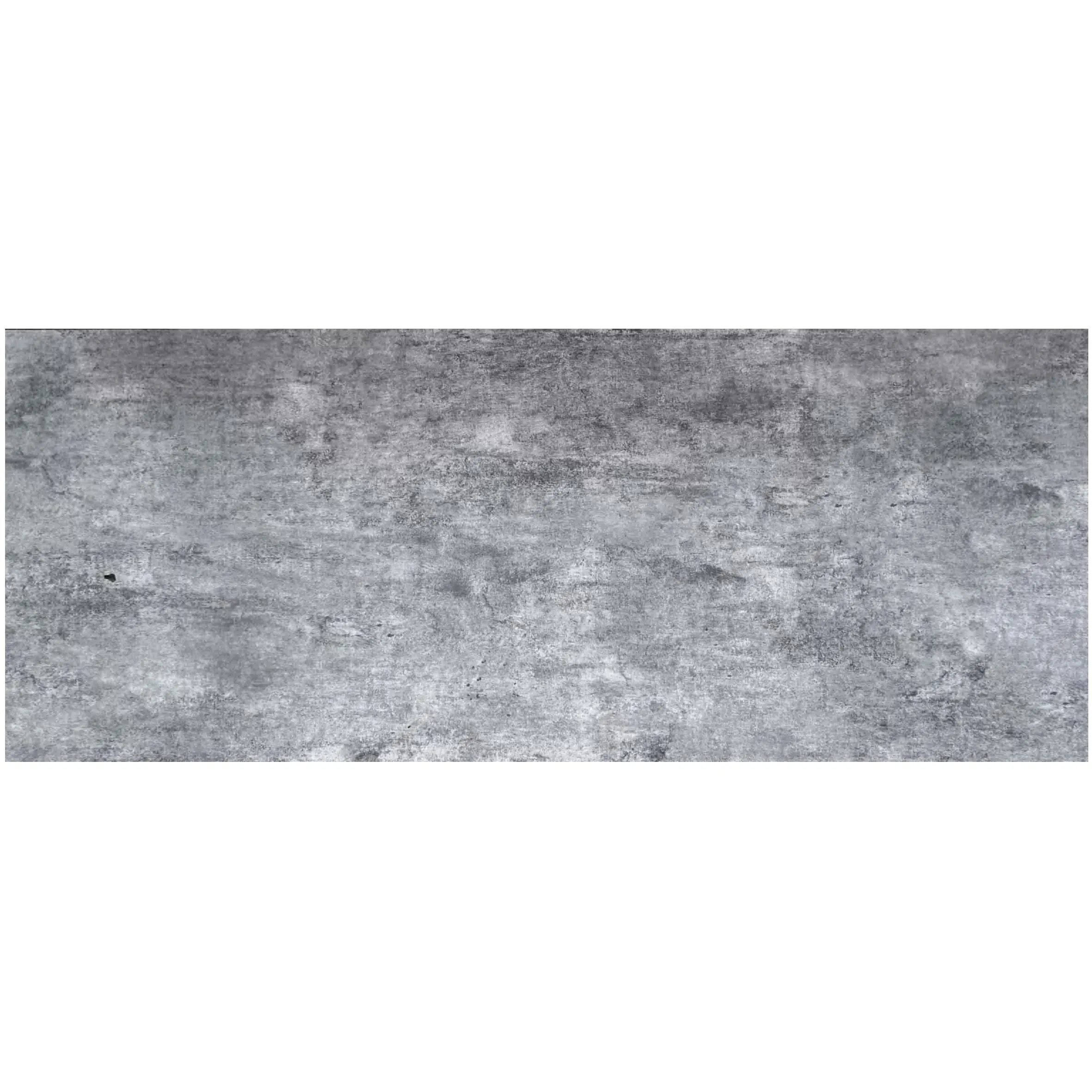
In the dynamic world of architecture and interior design, finding materials that strike the perfect balance between aesthetic appeal, durability, and cost-effectiveness is a perpetual quest. For years, polished concrete has been lauded for its sleek, industrial look and robust nature, a popular choice for both residential and commercial spaces seeking a modern edge. However, beneath its shiny surface often lie significant hidden costs and complexities, from the initial labor-intensive installation to potential long-term maintenance challenges. What if there was a smarter, more sustainable, and ultimately more economical way to achieve that sought-after contemporary finish, or even surpass it, for various surfaces including floors, walls, and facades?
Enter COLORIA GROUP, a pioneer in the architectural materials landscape, redefining what's possible with their innovative MCM materials (Modified Cementitious Material). As a dedicated one-stop solution provider for high-quality internal and external decoration materials, COLORIA GROUP brings decades of industry experience to the table, delivering cutting-edge solutions across the globe, with a strong foothold in markets like Saudi Arabia. This article delves into how COLORIA GROUP's MCM materials not only rival the cost-effectiveness and aesthetic versatility of polished concrete for various applications but ultimately offer superior long-term savings and a more sustainable future for your projects.
Polished concrete floors have undeniably captured the imagination of designers and property owners alike. Their ability to transform raw concrete into a reflective, sophisticated surface has made them a staple in high-traffic commercial environments, minimalist homes, and trendy retail spaces. The appeal is multi-faceted:
However, the journey to achieving a perfect polished concrete floor is fraught with challenges and often overlooked costs that accumulate over a project's lifespan. The reality often diverges from the initial perception of simplicity and affordability.
While raw concrete itself might seem inexpensive, the process of transforming it into a high-quality polished surface is anything but. It involves multiple stages of grinding, hardening, and polishing, each requiring specialized equipment, highly skilled labor, and specific chemicals.
The perception of polished concrete as "low maintenance" is often conditional. While it doesn't require waxing or stripping, it does demand specific care to retain its luster and integrity.
Recognizing these challenges and driven by a commitment to innovation, COLORIA GROUP has championed the development and application of MCM materials . These Modified Cementitious Materials are engineered to mimic the aesthetics of natural stone, wood, metal, leather, and yes, even polished concrete, but with a drastically improved performance profile, ease of installation, and environmental footprint. This isn't just an alternative; it's an evolution.
MCM materials are essentially a new generation of flexible, lightweight, and incredibly versatile composite materials made from modified inorganic mineral powders, plant fibers, and other natural additives. Through a special baking process at low temperatures, these components are transformed into sheets or panels that possess exceptional durability, flexibility, and a wide array of aesthetic possibilities. They are intrinsically green and environmentally friendly , aligning with global sustainability goals.
COLORIA GROUP's commitment as a one-stop solution provider is evident in their diverse range of MCM products, each tailored for specific applications yet sharing the core benefits of the material. When considering solutions that offer the aesthetic appeal of polished concrete for floors, walls, and other surfaces, these series stand out:
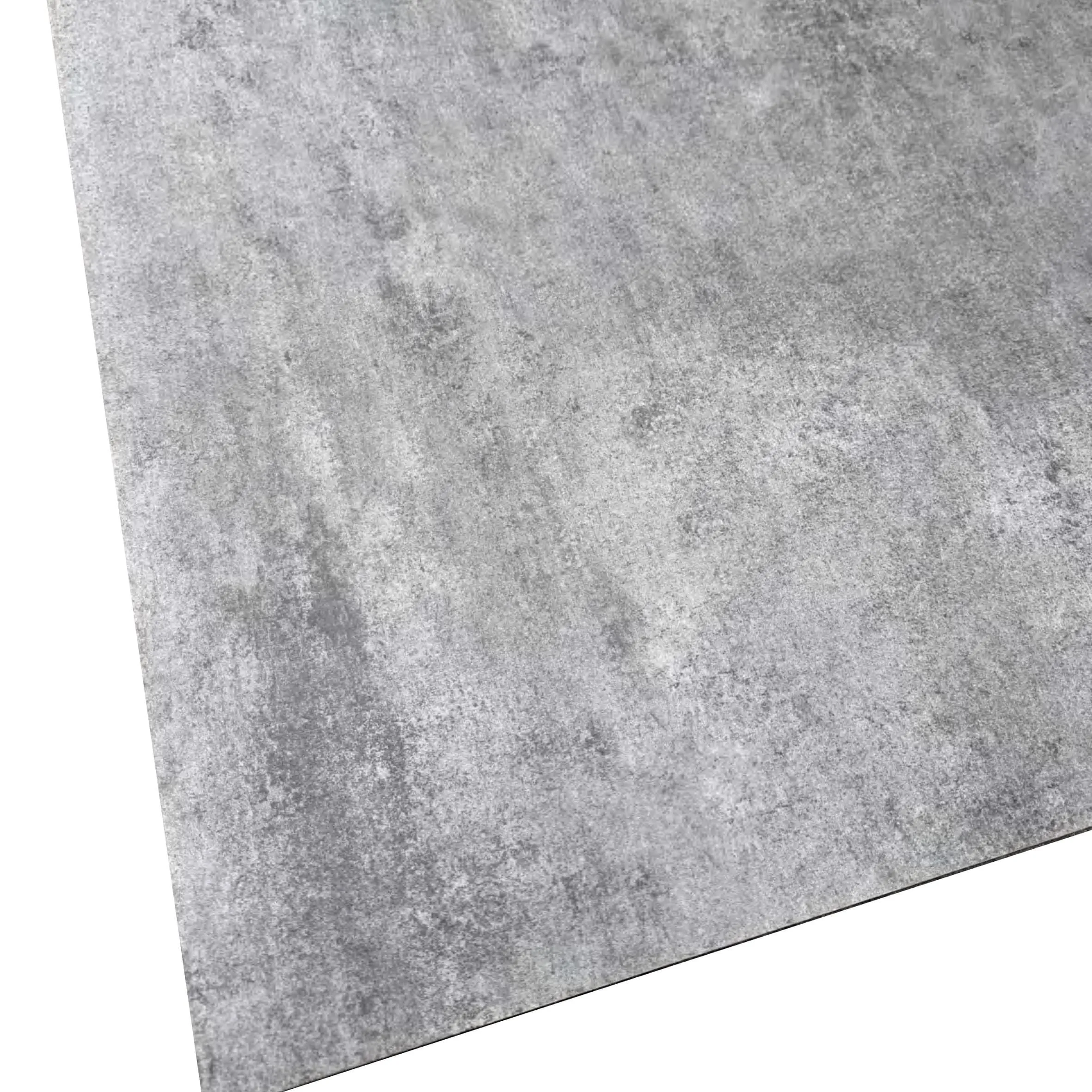
The title of this article promises long-term savings, and MCM materials deliver precisely that by addressing the shortcomings of traditional solutions like polished concrete across multiple fronts.
MCM materials are engineered for resilience, offering a robust surface that rivals or exceeds many traditional finishes, including polished concrete, in practical use scenarios.
Beyond direct cost savings, MCM materials offer performance benefits that translate into a more comfortable, safer, and ultimately more valuable property.
The true beauty of COLORIA GROUP's MCM materials lies in their ability to offer virtually limitless customization , surpassing the aesthetic limitations of polished concrete. While concrete offers some color options, MCM takes it to an entirely new level.
"With COLORIA GROUP's MCM materials, designers are no longer constrained by the inherent limitations of a single material. They gain a palette of possibilities, allowing them to achieve exact design visions without compromising on performance or budget."
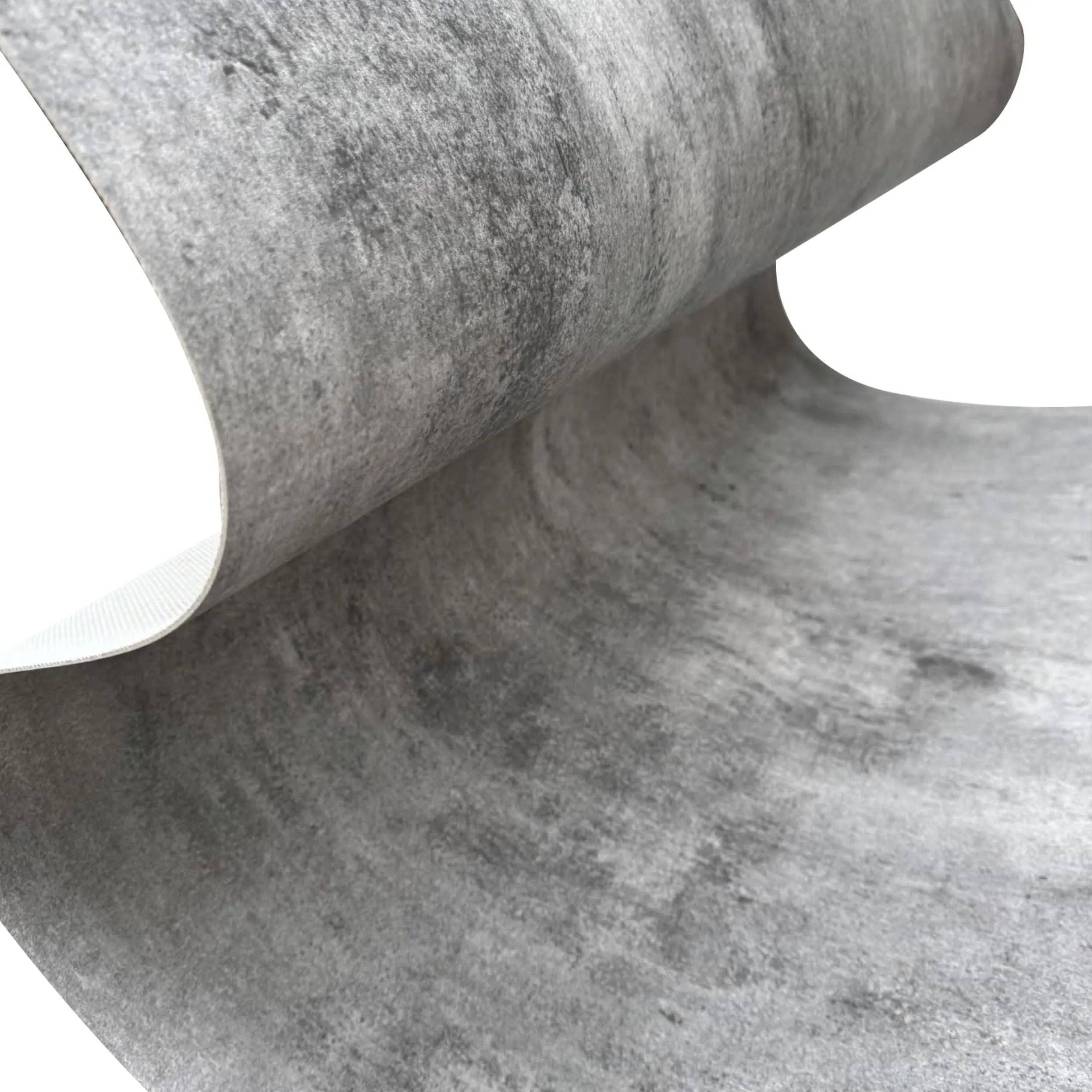
In today's construction environment, sustainability is not just a buzzword; it's a critical imperative. COLORIA GROUP's MCM materials are inherently green and environmentally friendly , offering a stark contrast to the resource-intensive production and disposal cycles of many traditional building materials.
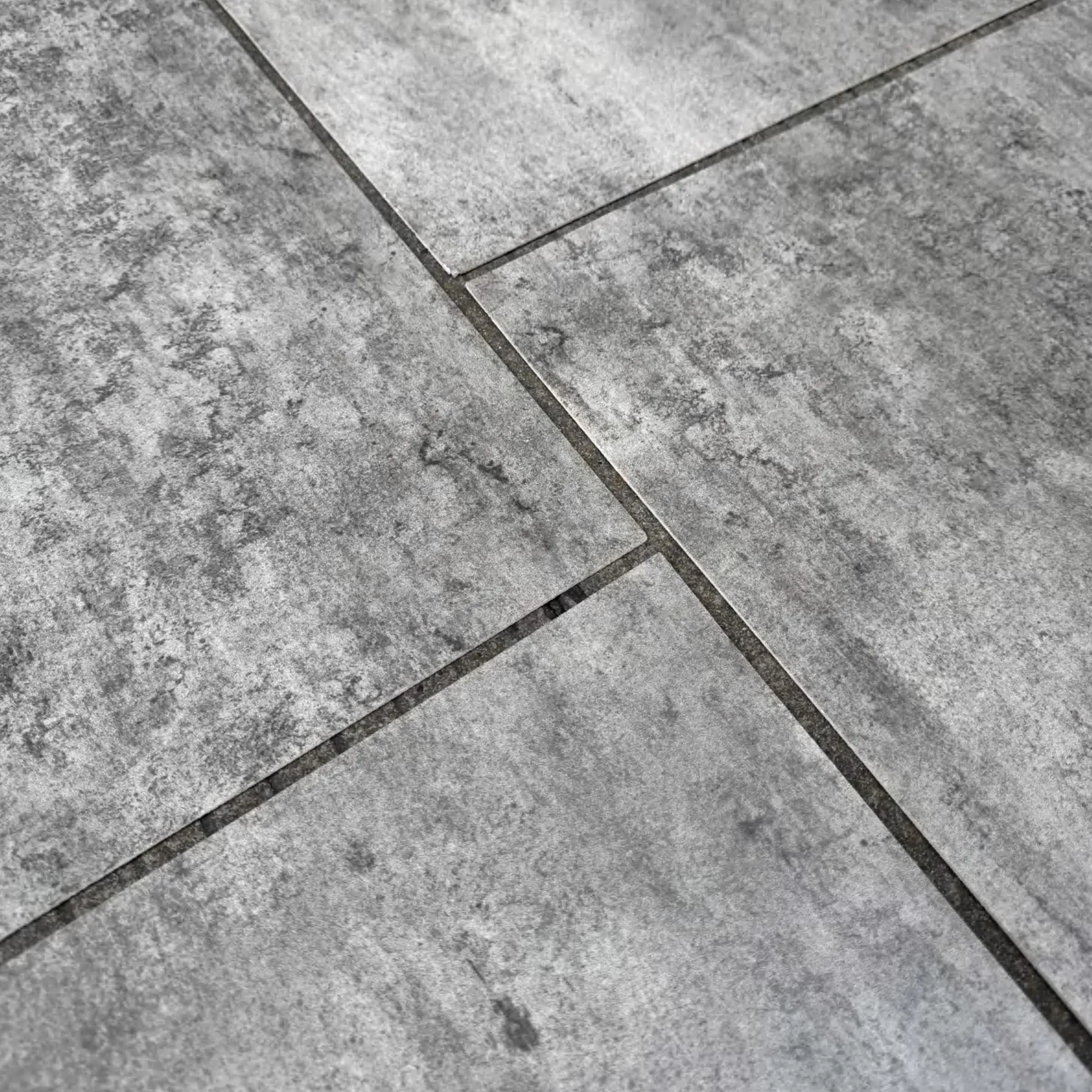
As a one-stop solution provider , COLORIA GROUP doesn't just offer exceptional products; they provide comprehensive support throughout the entire project lifecycle. With decades of industry experience, the company understands the nuances of global construction, offering tailored advice and logistical expertise.
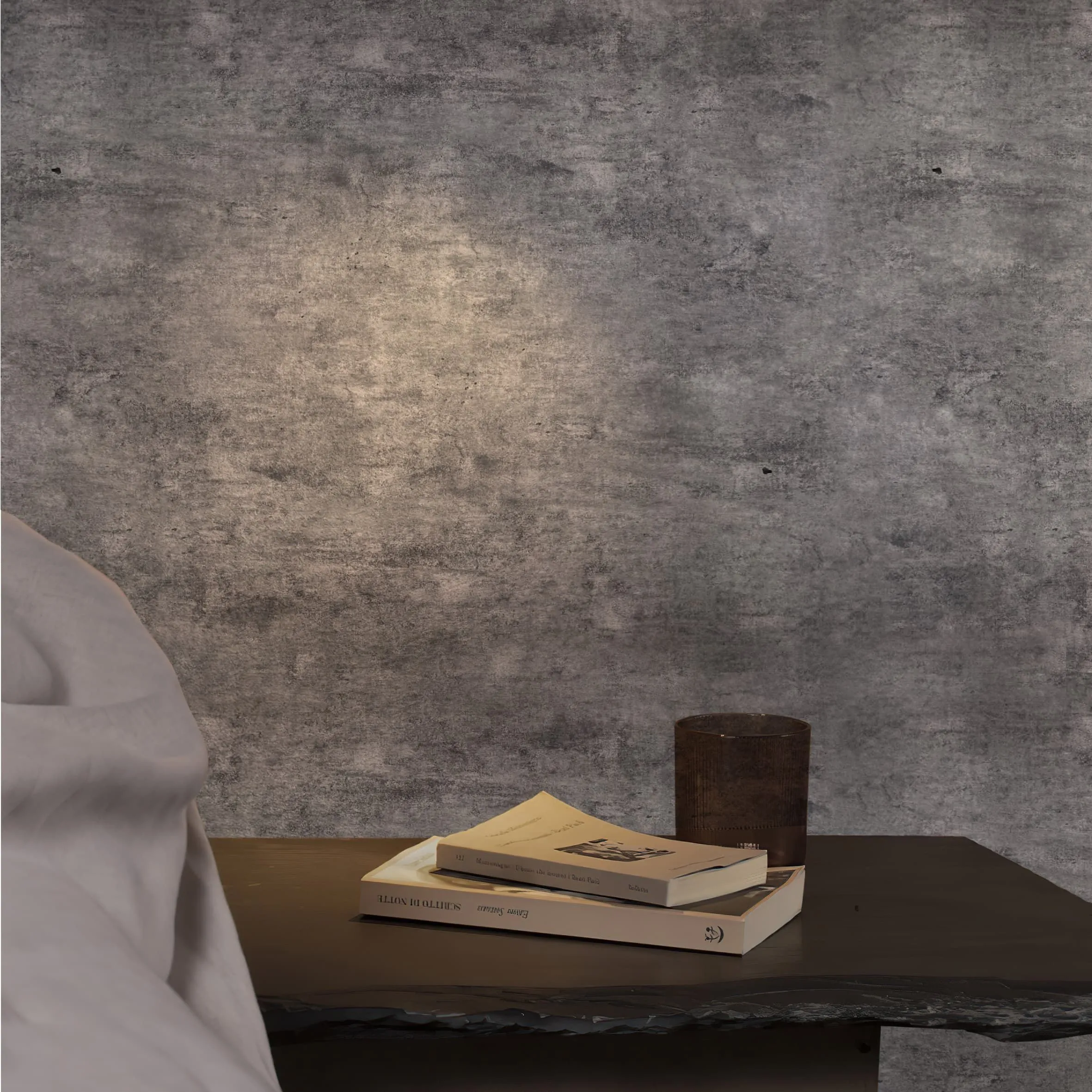
To crystallize the advantages, let's look at a comparative table that highlights key aspects when considering MCM materials for surfaces where polished concrete might traditionally be used, such as flooring, wall cladding, or decorative panels.
| Feature | COLORIA GROUP's MCM Materials | Traditional Polished Concrete |
|---|---|---|
| Initial Cost (Materials & Labor) | Generally lower due to lightweight nature, easier handling, and faster installation over various substrates. | High due to multi-stage grinding, densifying, polishing, specialized equipment, and skilled labor. Extensive prep needed for existing slabs. |
| Installation Time | Significantly faster; dry process, minimal disruption. Panels cut and adhered quickly. | Time-consuming; multi-day process involving wet grinding, drying, and polishing. Delays project timelines. |
| Aesthetic Versatility | Limitless customization : replicates stone, wood, concrete, metal, leather; vast color range, 3D textures possible. Consistent finish. | Limited to concrete's natural gray, with some dye options and aggregate exposure. Finish depends on existing slab quality. |
| Weight & Structural Impact | Extremely lightweight (e.g., 3-6 kg/m²), significantly reduces building load and transport costs. | Very heavy, adds substantial load to structures, requiring robust foundations. |
| Maintenance & Longevity | Low maintenance; excellent stain, scratch, and UV resistance. No frequent resealing needed. Long lifespan. | Requires regular resealing to maintain shine and stain resistance; prone to scratches and dulling if not meticulously cared for. Repair can be difficult. |
| Flexibility & Crack Resistance | Flexible, adapts to minor structural movements, highly crack-resistant. | Rigid, susceptible to cracking due to substrate movement or thermal stress. Repairs are visible. |
| Environmental Impact | Green and environmentally friendly : low carbon footprint, minimal water/energy in production, non-toxic, potentially recyclable. | High energy/water use in grinding and polishing, potential for dust and chemical waste. Raw concrete has a significant carbon footprint. |
| Comfort & Performance | Better thermal and acoustic insulation. Comfortable underfoot. | Poor insulation, often cold. Can be noisy with echoes. |
| Application Scope | Ideal for interior and exterior wall decoration , flooring overlays, ceilings, facades, custom elements. Adheres to many surfaces. | Primarily flooring, requires existing concrete slab. Less versatile for vertical applications without significant reinforcement. |
The decision of what materials to use in a construction project carries profound implications, not just for the immediate budget but for the long-term performance, aesthetic integrity, and environmental footprint of the building. While polished concrete offers a certain allure, the intricacies of its installation, hidden maintenance costs, and environmental considerations often make it a less optimal choice in the grand scheme of things.
COLORIA GROUP's MCM materials present a compelling, future-forward alternative. By embracing innovation, sustainability, and thoughtful design, these materials deliver superior aesthetics, unmatched durability, simplified installation, and genuine long-term savings . Whether your project demands the vast expanse of the MCM Big Slab Board Series for a minimalist floor, the robust efficiency of the MCM Project Board Series for extensive wall cladding, the artistic freedom of the MCM 3D Printing Series for a unique facade, or the natural elegance of MCM Flexible Stone, COLORIA GROUP stands as your premier one-stop solution provider .
They don't just supply materials; they empower architects, designers, and developers to build better, smarter, and more beautifully. In a world increasingly conscious of resource management and efficiency, choosing COLORIA GROUP's MCM materials means investing in a solution that is truly cost-effective, environmentally responsible, and aesthetically inspiring for every kind of project, delivering high-quality internal and external decoration materials that set new industry benchmarks. It's time to build with confidence, creativity, and a clear vision for long-term success.
Recommend Products












